After 10 years of testing and reviewing bikes for MBUK and BikeRadar, I'm going to be starting a new chapter in the mountain bike industry.
That decade of testing has taught me a thing or two about what to look for in bikes and products.
Whether that’s specific components that do their jobs very well or a bike that blows everything else out of the water, it’s exciting for me and consumers when something amazing comes along.
But there are a few things that you should pay particular attention to, whether that’s when you’re looking for a new steed or just thinking about how to improve your day-to-day life on bikes.
Geometry can make or break a bike

Getting the right geometry for the bike’s intended use seems unbelievably obvious, but many manufacturers get it horribly wrong.
Slack seat tube angles, short reach figures, steep head angles or a stack figure to bottom bracket height that just feels wrong; these are some of the most obvious ways to ruin how a bike rides.
But dial in the magic formula of numbers and something transformative happens. It makes the bike easy and fun to ride, not awkward and unamenable.
The harder you’ve got to work to make a bike feel good, the worse it is.
It’s not a cookie-cutter recipe, though – different disciplines require varied approaches to frame design, blurring the lines for some brands.

Factor in multiple and overlapping categories, plus specific market needs, and it’s never going to be possible to please every customer.
But a theme has emerged; bikes that ride well have balanced front-to-rear ratios, reach figures within a certain bracket for each size, and head angles that make sense for its intended speed and capabilities.
The general trend here is bikes becoming longer, lower and slacker. While this might not please the few people who download (take the gondola down the mountain instead of riding), it benefits everyone else.
Geometry like this leads to calmer handling and easier-to-ride, faster bikes; even an XC race bike with a long reach figure, (relatively) slack head angle and long wheelbase is going to be better than a nervous, twitchy and hard-to-ride one.
As a consumer, you’ve got the power to influence change – vote with your wallets.
Reliability will make you happy

Most modern mountain bikes are seriously reliable, needing only routine maintenance; bearings barely ever slop out, pivots remain tight even when they’re neglected, suspension dampers rarely blow and brakes need infrequent bleeding.
Nothing beats putting your bike down after a ride, knowing it’ll be ready to go next time with no maintenance.
While things have come on in leaps and bounds since the old days – I remember changing pivot bearings more regularly than I would a gear cable, and having my multi-tool jammed permanently in certain bolt heads because they wouldn’t stay tight – it’s not always rosy.
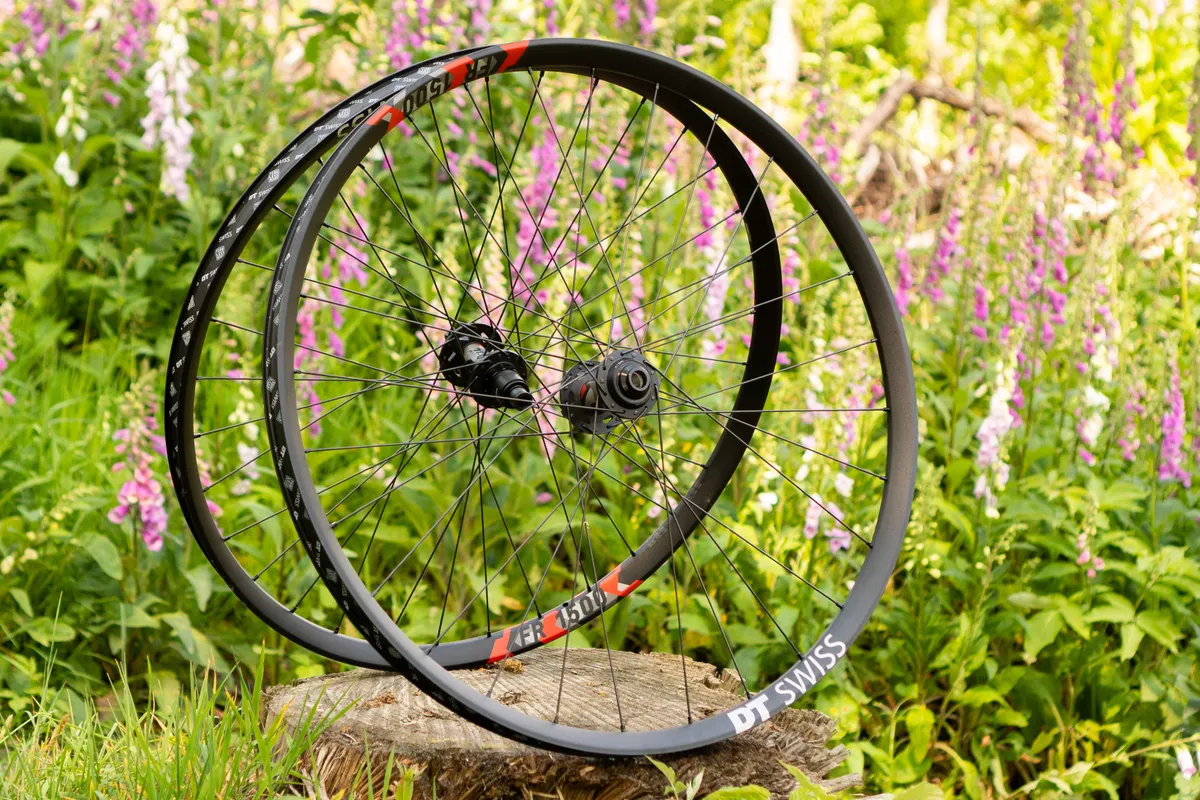
Derailleurs often break and I have a track record of ruining wheels and tyres, but there are exceptions to these rules.
If, like me, you’re hard on kit, it’s worth sacrificing other areas in the name of reliability.
Those things are always going to be weight and cost; heavy kit will be reliable, but most likely affordable. Light, reliable kit is more likely to be costly.
A few extra grams bolted to your bike isn’t going to make a massive difference to the system weight, so replacing your EXO tyres for weightier DoubleDown (or equivalent) models is going to lessen the chances of mishaps without really impacting the ride elsewhere.
The same can be applied to other parts and even frames – I’d take a weightier, more reliable frame over a lighter one with a penchant for misbehaving.
If you’re anything like me and want kit that doesn’t need fixing, changing or constantly fettling, you’ll be a much happier person.
Suspension-damper tunes probably aren’t light enough

This is a potentially unpopular one with suspension manufacturers, but as an 80kg-ish kitted-up rider who is probably somewhere in the large, middle part of the skills bell curve, I shouldn’t have to run my fork and shock damper adjusters fully open to get them feeling good.
And if I’m having to run everything basically fully open before the bike feels good and not choked up, lighter riders and beginners are going to struggle to get their suspension feeling good.
RockShox has recently addressed this with its Charger 3.1 forks, offering different compression and rebound tunes that are installed post-purchase. The stock compression settings are much lighter, but I’m still running my rebound fully open and would like it to go faster.

Fox forks can also be tuned, but there’s no a la carte option – you’ll have to speak to your local suspension tuner to find out what options are available. Generally speaking – bar the Podium inverted fork – Fox’s dampers, even the newest ones, need to be run fully open to feel good.
The situation could be better for rear shocks – because damper retunes are more common and bike brands claim they spend a long time perfecting custom tunes for their frames – but that’s not always the case.
On almost every test bike I’ve ridden in the last decade, bar a few exceptions, I’ve had to fully open the shock’s external rebound and high-speed compression adjusters. The low-speed adjuster position has been a mixed bag, with some needing to be fully open and others closer to halfway.

And yes, before you ask, I am running the correct spring pressures/weight coil springs for the bike, my riding style and body weight.
But the point still stands; as an average-weight guy with average skills, to get the bike feeling good, I should be exactly in the middle of the shock’s damper tune rather than fully open.
I think everyone is running too much compression and rebound damping on their bikes and would benefit from lighter setups.
If you think this is something that blights you, speak to your local suspension tuner to get your bike’s dampers opened up – the difference in performance will be night and day.
Try a rear mudguard – it’s a revelation
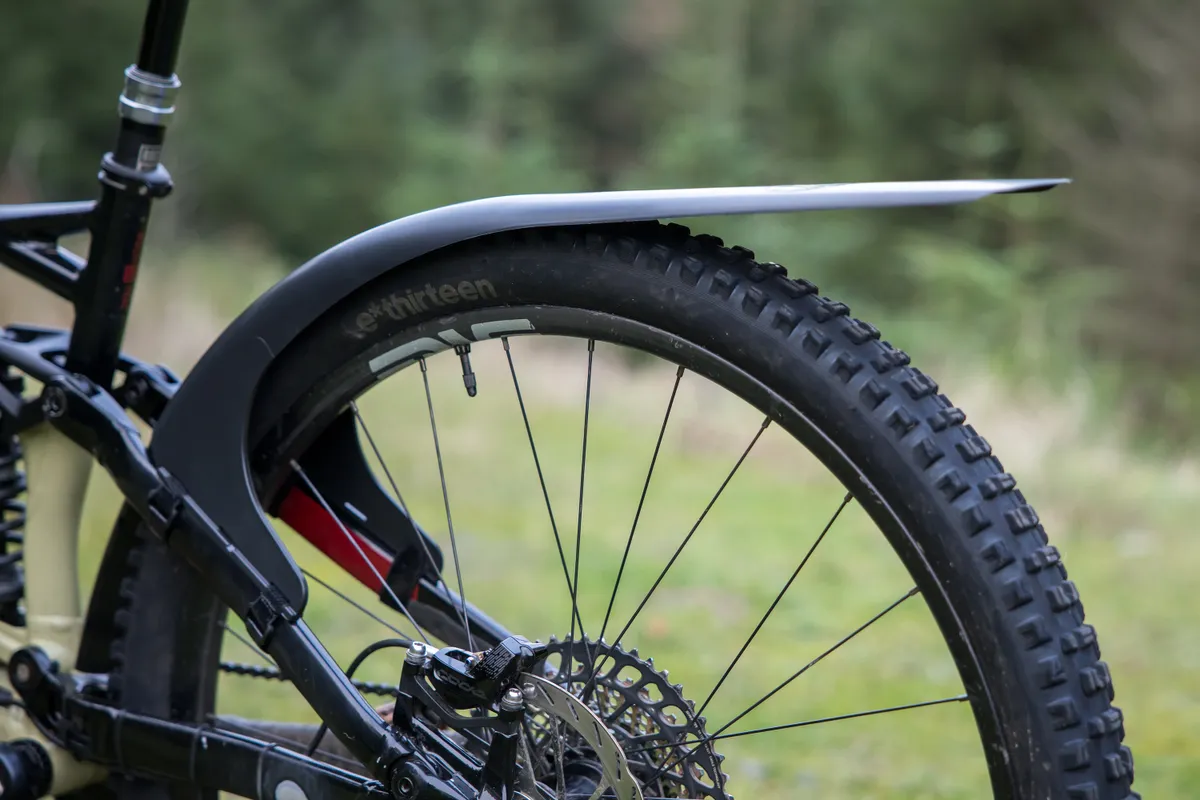
It’s rare that a product does exactly what it’s claimed to and then receives a wave of negativity, both from reviewers and the general riding scene.
The rear MTB mudguard is one of those things.
They're exceptional at keeping your backside, legs and back spotless, yet almost entirely disliked, smirked at and generally pooh-poohed.
Spot a rider with one on a trail, and no matter how hard they’re shredding – or not – it’s going to spark negative comments. I know this because I’ve taken the brunt of some of them when testing Mudhugger’s rear guard.
While the model I tested wasn’t perfect – there was a good chunk of loud tyre slap when riding fast – it kept me so clean and dry that any foibles were basically forgiven.
I dare you, give one a go.
Embrace innovation and love simplicity

There’s space in mountain biking for ultra-high-tech bikes such as Atherton’s A.200.G gearbox six-bar suspension DH bike, and lowly single-pivot suspension systems with derailleurs seen on bikes made by Orange and others.
Just because you like one doesn’t mean you need to dislike the other.
They’re going to ride in disparate ways, and each will have its benefits for a certain type of person.
This rang true when I tested Atherton’s A.150 and Starling’s Murmur back-to-back; the upshot of my testing was that both bikes are very good indeed, but they have different personalities.

Regardless of which camp you’re in, don’t discount the other – innovation and pushing the limits are the basis for moving our sport forwards, and simplicity forms the foundations that innovation is built on.
The best approach I’ve found is to keep your eyes and mind open to new ideas and innovation – don’t be afraid to try a bike with wild geometry or brand-new tech, because there’s a chance it’ll be awesome.