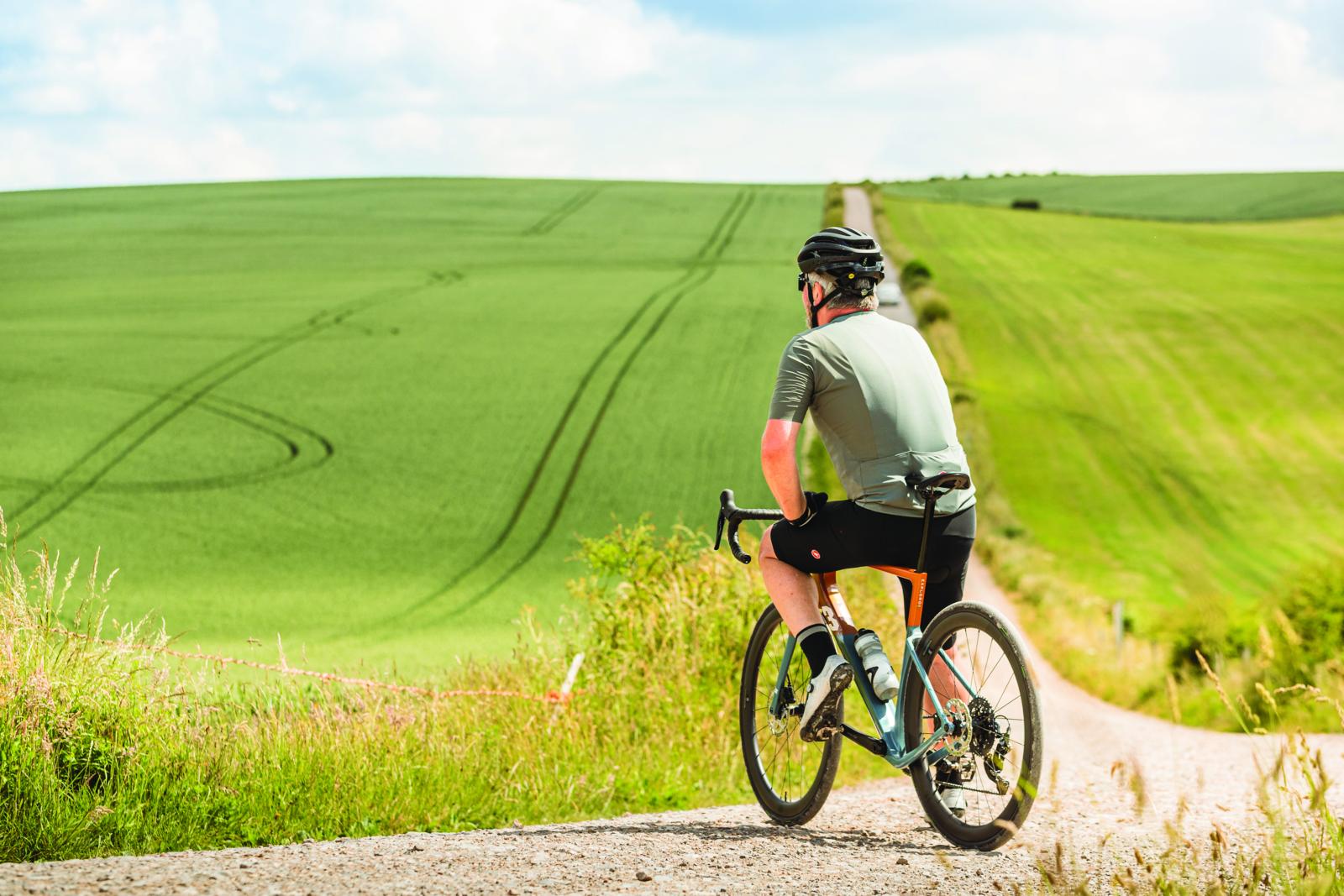
For years, cyclists were seen by many as pariahs and I had plenty of road-rage abuse thrown at me. Tropes such as ‘pay road tax or get off the road’ were hurled at me by people driving worse cars than I do – and mostly not worth as much as the bike I was riding. I had lots of near misses too, either from ignorance or – I’m sure of it – sometimes malice.
Then, the London 2012 Summer Olympics saw incredible success for Britain’s cyclists, with no fewer than 12 medals won by British legends Sir Chris Hoy, Sir Bradley Wiggins, Dame Laura Kenny (nee Trott), Sir Jason Kenny, Victoria Pendleton, Geraint Thomas, Ed Clancy, Joanna Rowsell, Dani Rowe (nee King) and more. That year also saw Sir Bradley Wiggins winning the Tour de France, with Chris Froome rolling in second.
This led to British Cycling gaining a foothold in the mainstream media and our riders rightly being celebrated as national heroes. There was an upsurge in cycling participation, too, with claims of cycling being 'the new golf'.
For me and my long-time riding friends, we started to notice a new-found respect on the roads. Other road users seemed more considerate and courteous. They gave us more room, and were just generally nicer.
But while I thought the sunny uplands of the post-2012 world would last, sadly, that hasn't been the case.
Dark days are back
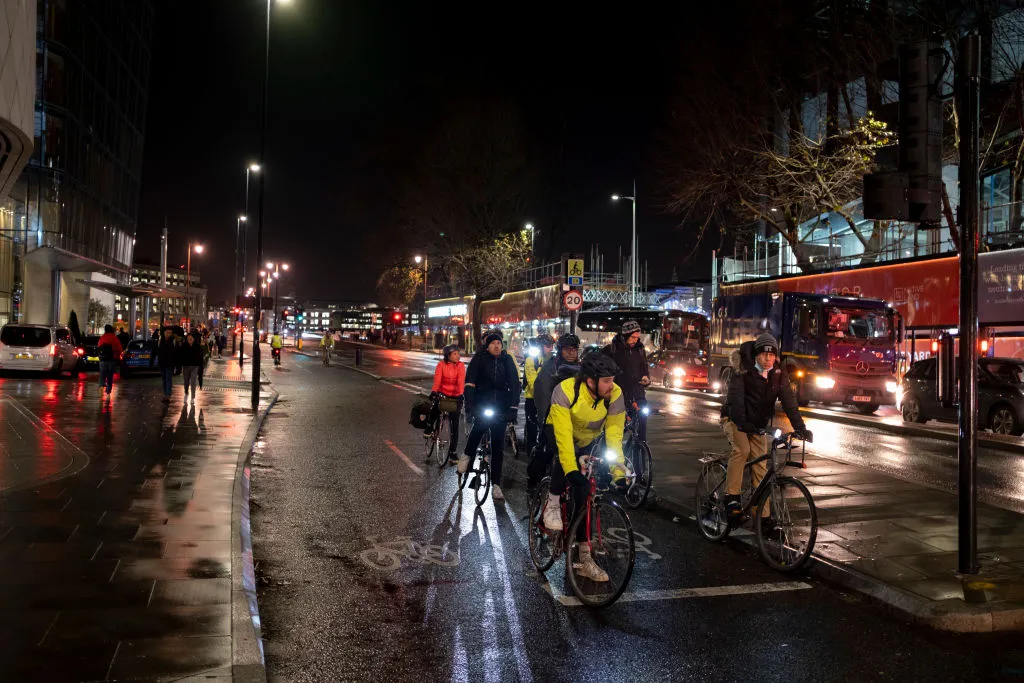
Politics and society in general have become much more polarised, and the same has happened on our roads.
Instead of the mainstream media celebrating success from the new generation of riders such as Tom Pidcock or Junior world road champion Harry Hudson (I bet you never saw any reports of that in a national newspaper or news website), what do we get now?
Apparently, London is full of balaclava-wearing, cycling terrorists who’ll steal your phone, watch or necklace as soon as you step outside. We’re told ULEZ is bad, Lime bikes are a nuisance, that “cyclists are turning UK roads into death traps”, and more.

This is all rather than reporting that London is cleaner than ever thanks to 1.5 million daily bike journeys in 2025, an upshift of 43% since 2019. At the same time, the reduction in traffic has made it better for motor vehicle users.
Meanwhile, pollution can have a devastating effect on the health of the young and elderly. And guess what: cycling can help reduce that.
You’d think people would be grateful for cyclists, not targeting them for hate.
Electric bike terror!

When you consider electric bikes, things get even worse. Apparently, ebikes are both ticking time bombs that’ll burn down your house and the silent tools of those balaclava-adorned thieves, even though in almost all footage I’ve seen of any said criminal activity it’s been a Surron.
For those who don’t know, a Surron isn’t an ebike. It’s a basic electric off-road e-moto, its speed regulated by a throttle with no human effort at all.
It's illegal to ride them on the road in the UK, unless it’s a registered road-legal model with a Vehicle Identification Number, insurance and you have a licence (full or CBT). The standard model is off-road only, supposedly sold only to be used on private land. Surely that’s a legal loophole that should be closed as soon as possible.
But this confusion over ebikes and e-motos is further proof of how anti-cycling rhetoric is whipped up, regardless of the facts.
Abuse is back
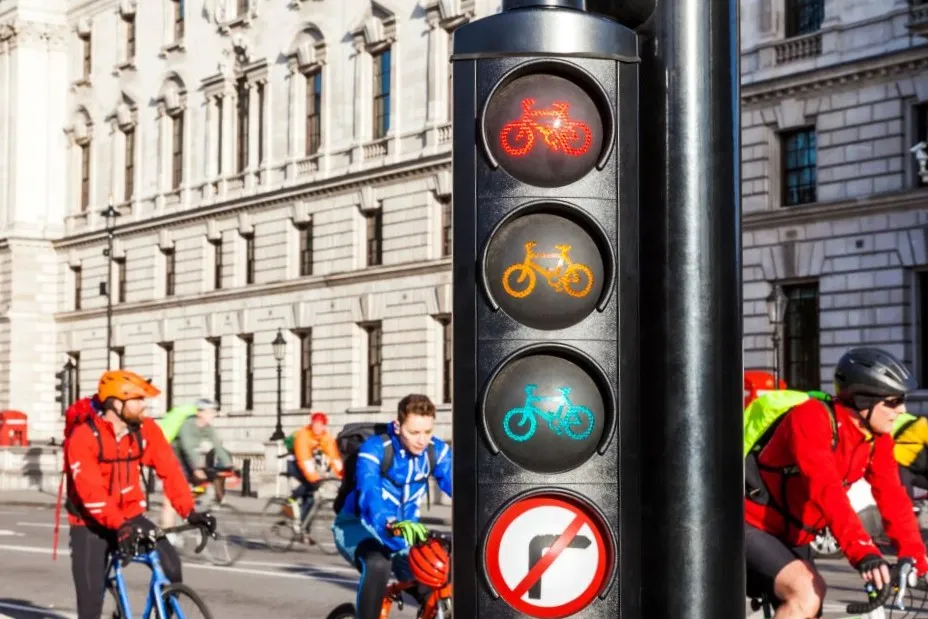
In the last year, the abuse has returned, I’ve had SUV drivers screaming at me to get out of the way. I’d suggest they buy smaller cars if they don’t think they have space to overtake a solitary cyclist. I’ve had bags of fast-food trash thrown from moving vans, and I’ve even been purposely squeezed against the kerb when riding in traffic.
Now, I’m not an advocate of the complaining near-miss culture we see in some other cycling media. It simply doesn’t achieve anything other than creating more division. Neither do I see the GoPro-wearing cycle vigilantes doing anything but stir up hate on both sides.
But this animosity from drivers puts lives at risk, and I can’t help but feel that it’s a consequence of how cycling and cyclists are discussed across the country.
If you happen to capture abuse, threats or dangerous road users, don’t post the footage on social media, just inform the police via your local police website or Operation Snap, where you can submit footage of driving offences.
But what can we do?

I wouldn’t advocate any direct action or confrontation; we are the more vulnerable road user compared to car and van drivers. The law now reflects that, too. Amendments to the Highway Code in 2022 enforced a hierarchy of road users, placing pedestrians, cyclists and horse riders at the top and increasing responsibility on drivers of larger vehicles.
I know how hard it is to take the high road, but I just tend to be as courteous as I can be. If I’m on a climb and traffic is building up behind me, I’ll soft pedal at a layby, or pull in and wave traffic through. I'll also pull over on single-lane rural roads to let traffic pass.
And don’t give cause for other road users to get irate. That means not jumping traffic lights. Ever.
You should protect yourself, too, with the right clothing choices (don’t ride head-to-toe in black, for instance), bike lights even in the daytime, and maybe even a rear-view radar if you can afford one.
As well as making sure you’re safe on the road, there are other tactics we can all employ.
If your chosen mainstream media, newspaper or website continually runs anti-cycling rhetoric, boycott it. Don’t buy the paper, don’t give them clicks online. And if brands seem to endorse anti-cycling rhetoric by advertising with the same media, don’t put their products in your shopping trolley.
Comment on and correct media ebike crime reports if it’s not an ebike, and especially if it’s an illegal, unregistered electric moto.
I’ve been riding and writing about bikes for a long time, so I know how depressing experiencing aggression out on the road and reading anti-cyclist rhetoric can be. But I’m hopeful that soon we’ll see a shift back to greater tolerance as people realise the benefits of cycling as a mode of transport, especially when they’re faced by rising fuel costs.
And who knows? Maybe the Tour de France starting in the UK next year will help change people’s perception of cycling, just as London 2012 did.