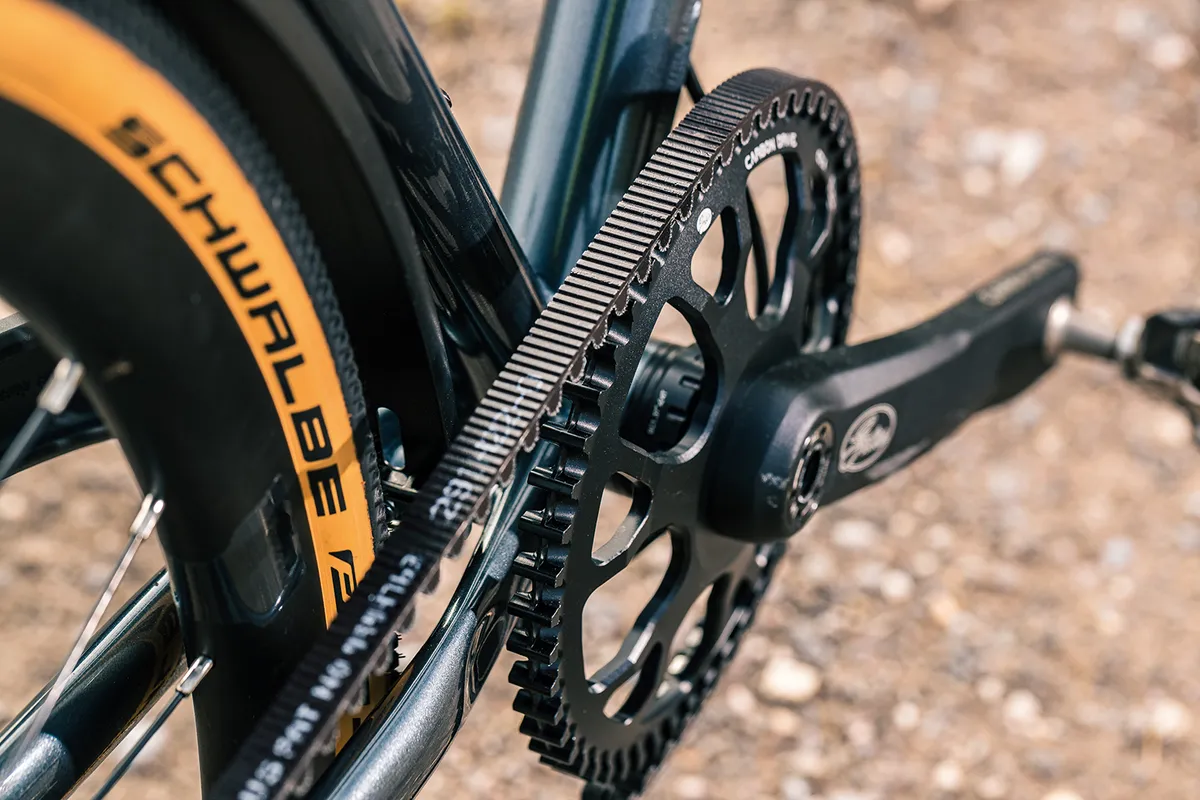
Electric mountain bike technology is developing fast. Brands such as Avinox are working on gearbox-equipped motors that could see the next generation of electric mountain bikes go without chains and derailleurs in favour of internal gears and belt drives.
I can see the benefits when it comes to mountain bikes. These systems remove fragile derailleurs from the equation – not to mention chains, chainrings and cassettes, which are constantly bathed in grit and filth.
Exposing such an integral part of your bike to the elements and muck isn’t the smartest idea. But drivetrains with derailleurs, chains and cassettes have been around for nearly 100 years. The Simplex from 1928 and Campagnolo’s Cambio Corsa from 1933 show the basic template we still use today.
But the developments in electric mountain bike tech have me wondering, could we see internal gearboxes on the road?
10,000 miles and no lubrication
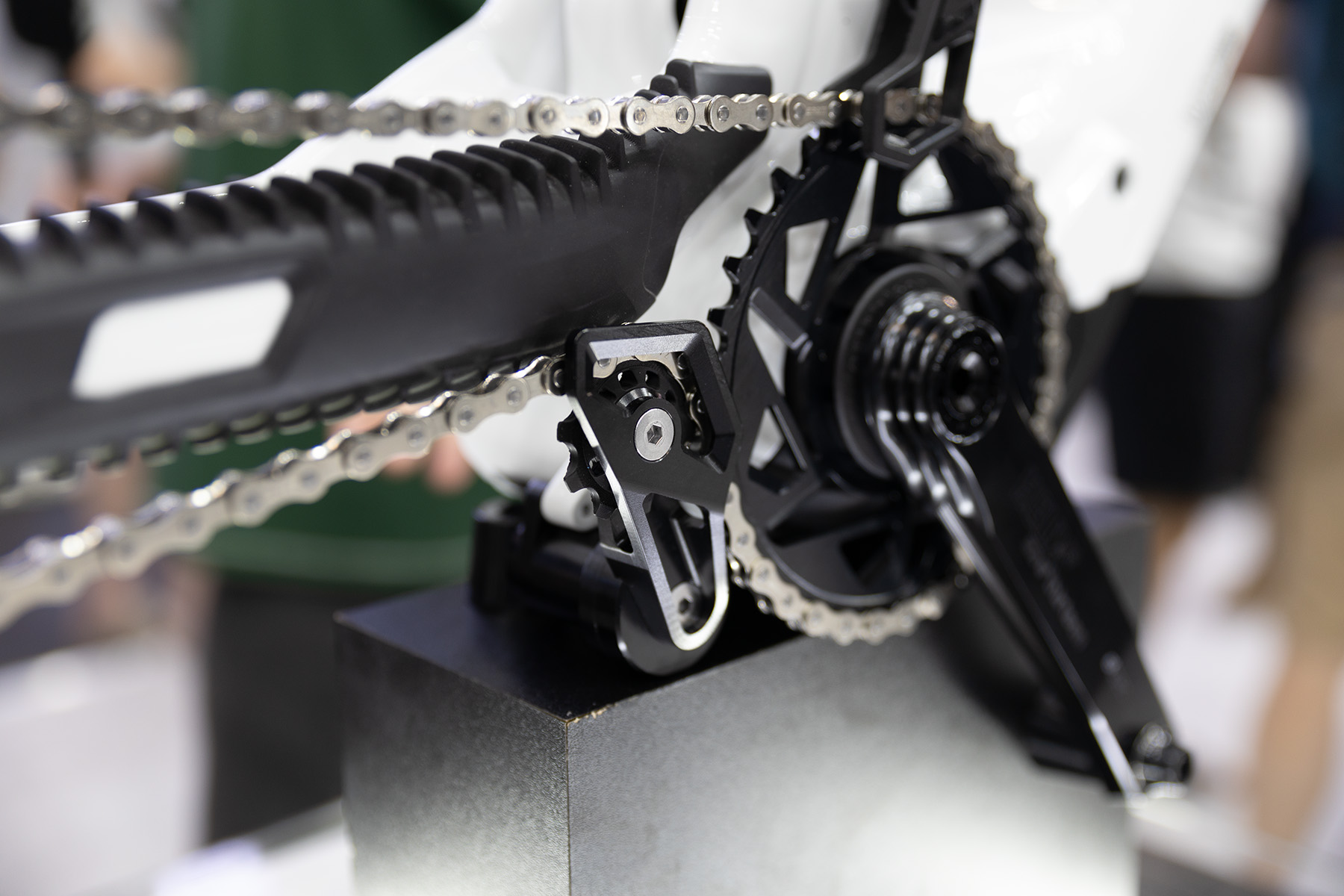
My own commuter bike combines a Gates belt drive and Shimano Di2 hub gear. It’s heavy, a bit dim when on auto and it can have delays in shifts requiring a half back-pedal to settle. However, even with those downsides, I wouldn’t change it.
My belt drive has covered more than 10,000 miles, and in that time, I haven’t had to do a thing; no lubrication, no adjustments and zero maintenance beyond cleaning it.
So, while it’s not nearly what’s required for the highest level of performance, I feel something developed from this utilitarian basis could transform road bikes.
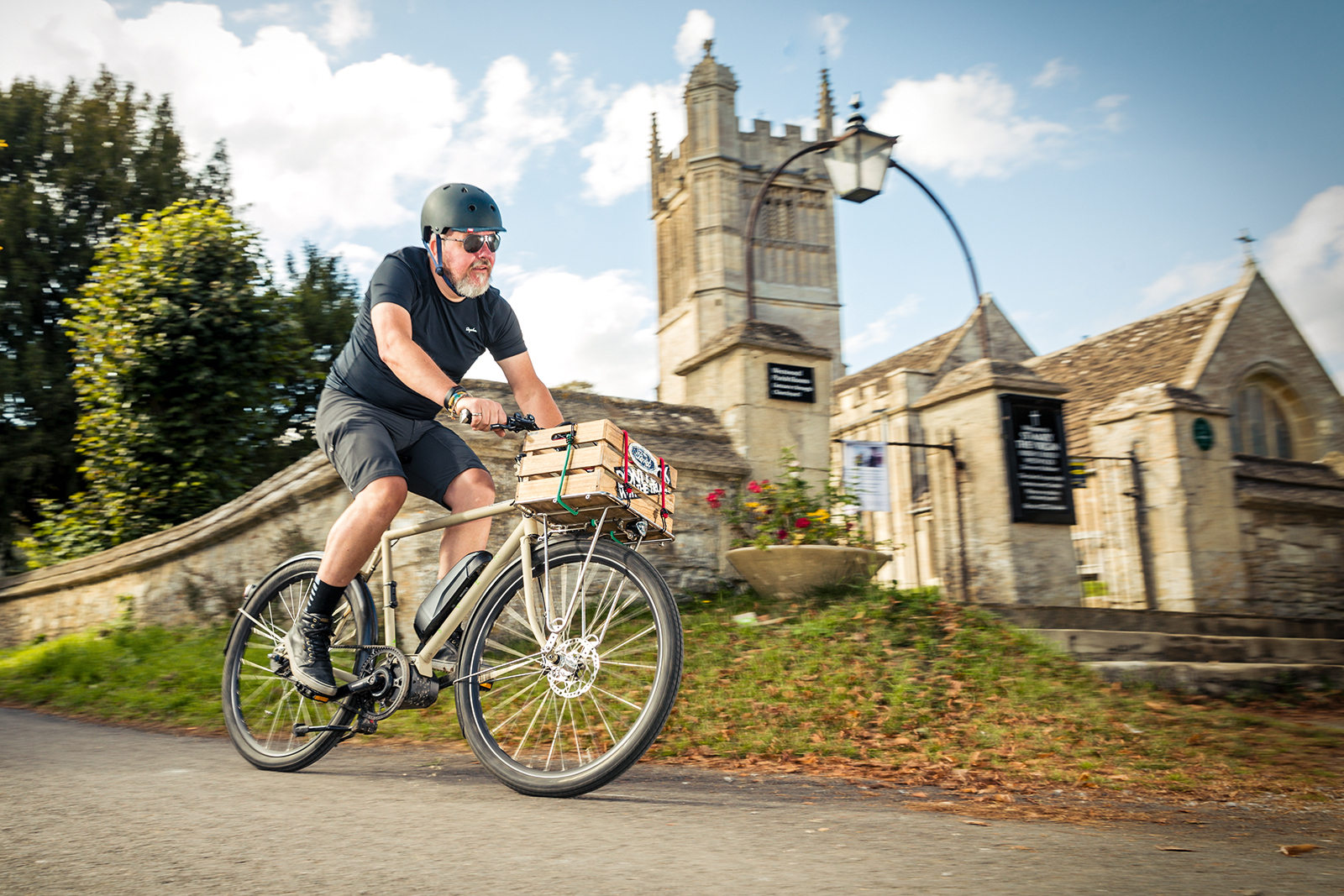
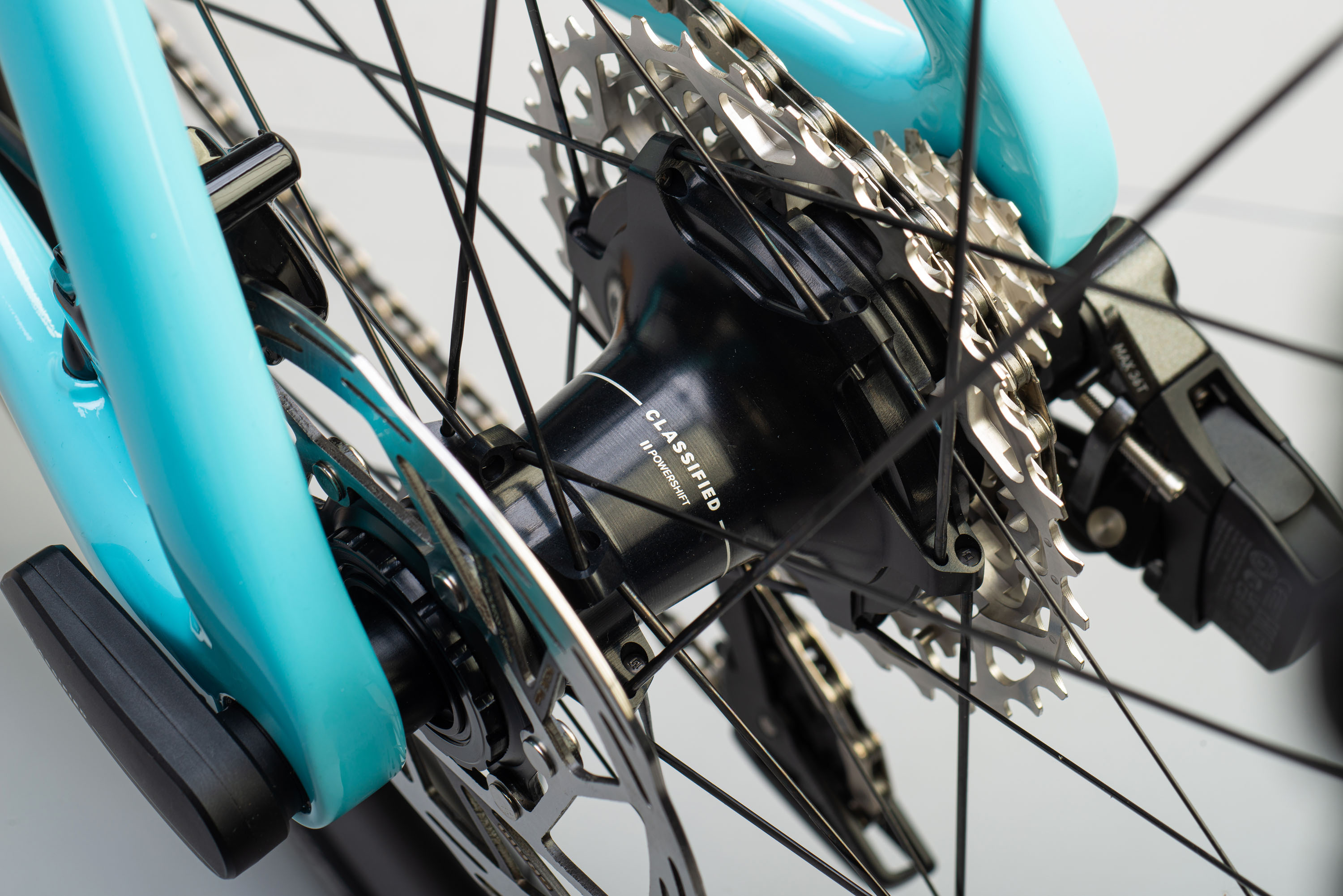
It’s not that there are no drivetrain innovations out there. The Classified 2-speed rear hub, Pinion gearboxes, 1x drivetrains and even Continuously Variable Transmission (CVT) systems such as the Enviolo seen on Canyon’s futuristic commuter the Precede:ON could all point to the future of road bikes.
I got excited by the prospect of a gearbox-equipped gravel bike when I saw J.Laverack’s Pinion-equipped Grit II gravel bike. Just as with mountain bikes, the dirt and abuse gravel bikes are exposed to means it makes sense if they’re free of chains and derailleurs.
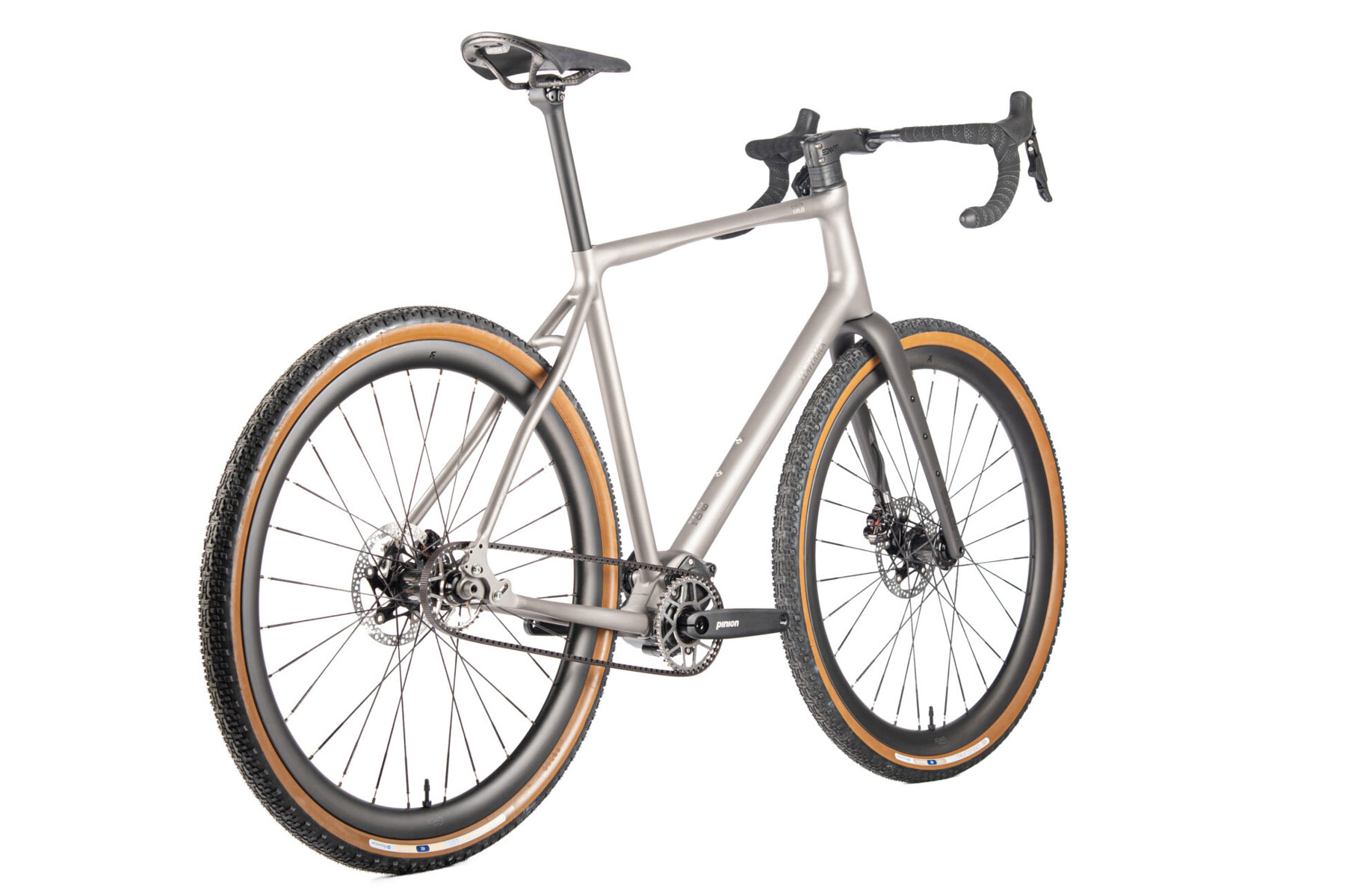
A lightweight, internal system could be transformative
Despite these advancements, I still think a cutting-edge, lightweight internal system on a race bike could be transformative.
Imagine the optimal drivetrain line with a tough, maintenance-free belt, housing lightweight gearing within the bike's bottom bracket. The rear-wheel design could be more symmetrical and lighter for the given strength. Surely aerodynamics could be improved with fewer ‘sticky out’ bits, and even the belt could be enclosed in an aero cover.
Now, I don’t think CVT systems should be a road thing; the skill of gear selection shouldn’t be lost in favour of convenience. But internal gears out of the way of the elements? Yes please.
Racers wouldn’t have the win-ending prospect of dropping a chain or damaging a fragile rear derailleur in a crash.
Simpler, tougher and lower maintenance all sound like great pluses to me, so hey mechanical engineers at Shimano, SRAM and Campagnolo, let’s bring gear shifting into the 21st century rather than trying to continue refining a design that’s nearly a century old.
Life’s too short to be waxing chains, isn’t it?