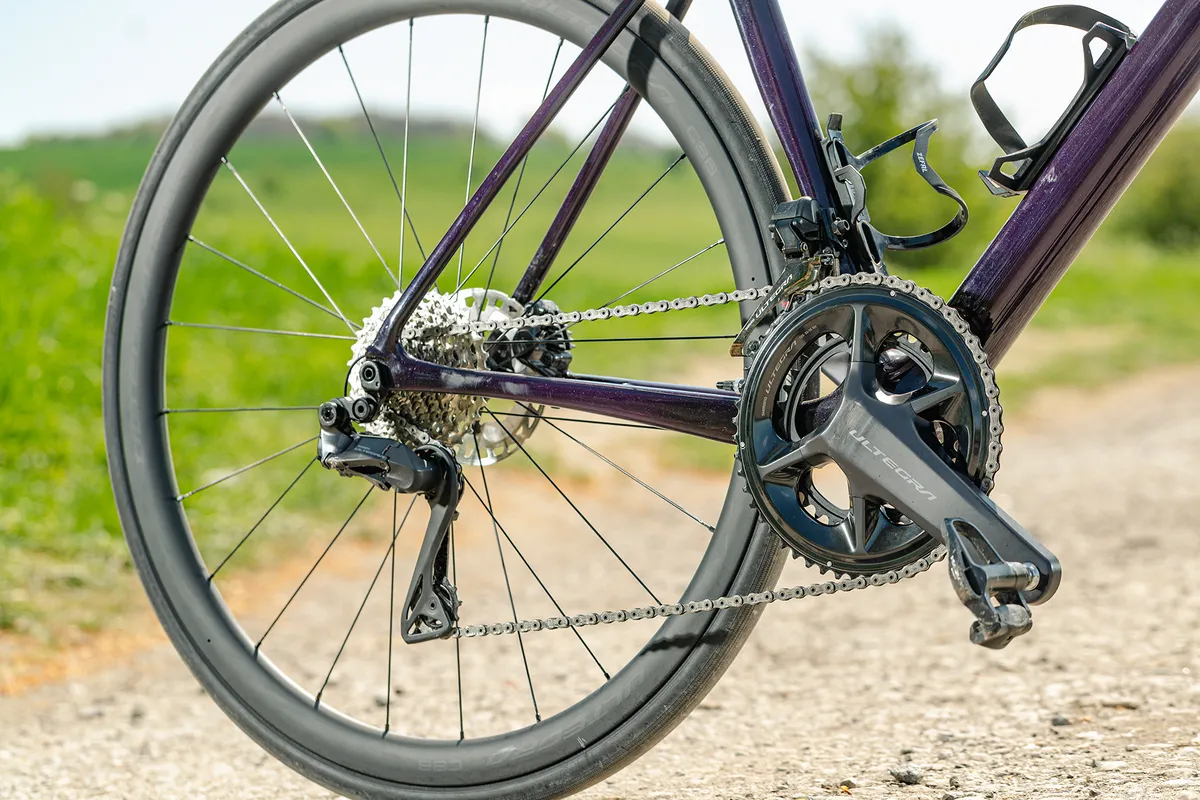
Though Shimano appeared to be putting its full weight behind electronic groupsets, the recent launch of new mechanical Deore components shows that the Japanese brand still sees a place for cable-actuated shifting on high-end bikes.
On Monday, Shimano launched its new Deore M7200 and M6200 mechanical components. Then two days later it revealed the new Deore XT M8200. All of the new parts offer revised (and presumably improved) rear derailleurs, shifters and brakes, and show there’s life in the old dog yet when it comes to high-performance mechanical drivetrains.
As someone who’s primarily a roadie, though, my initial reaction to this was, where’s our new mechanical Ultegra groupset?
Goldilocks groupset
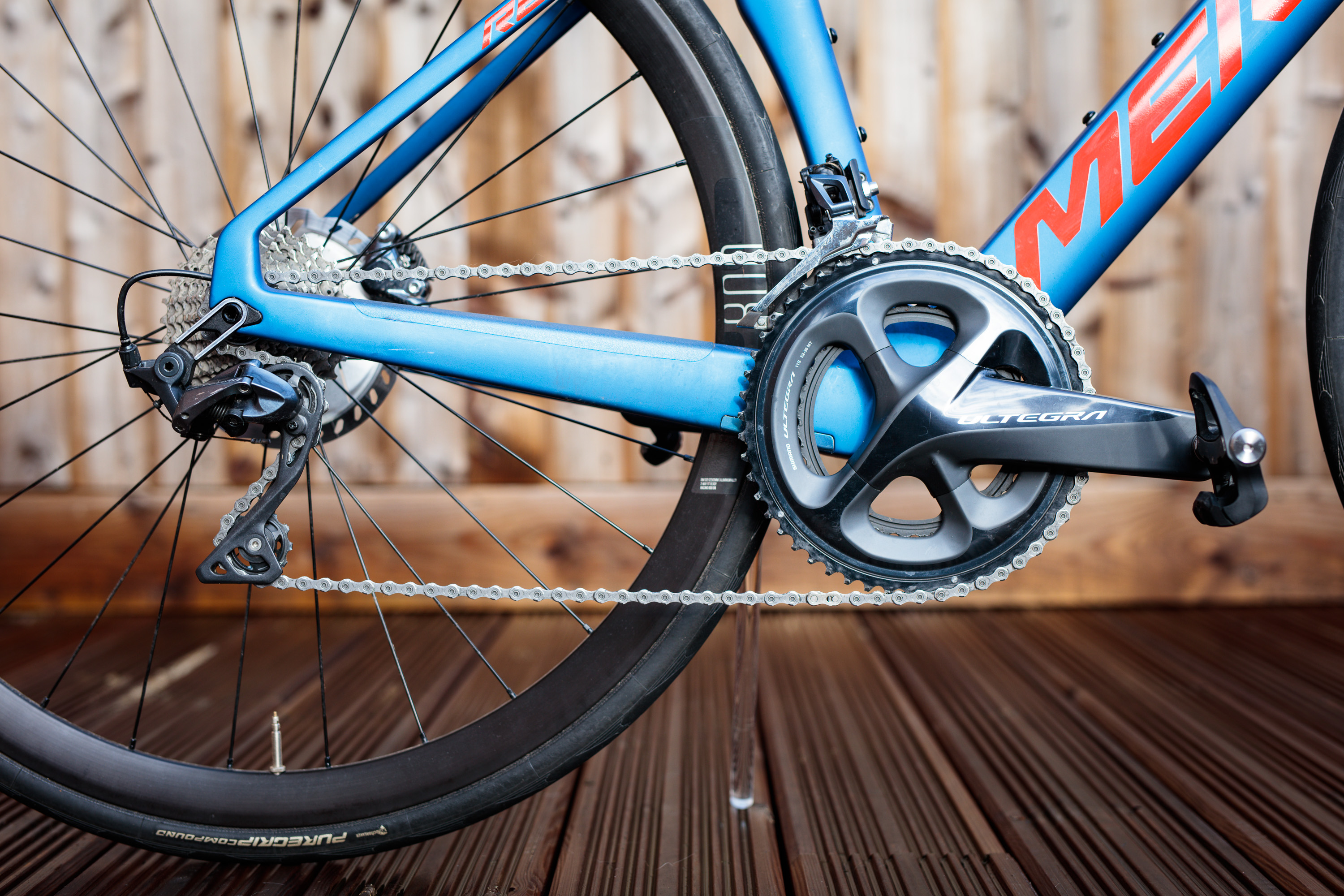
As I’ve argued before, the apparent demise of high-end mechanical road bike groupsets always felt like a shame. They offered comparable performance and weight to electronic groupsets at generally far cheaper prices.
The last version, 11-speed Ultegra R8000, which launched almost a decade ago and is now discontinued, proved it was possible to get near identical performance to a Dura-Ace groupset.
There are clearly challenges to overcome with speccing mechanical groupsets on today’s ‘fully integrated’ road bikes. But with value for money increasingly at the forefront of rider’s minds, a new mechanical Ultegra groupset could offer a goldilocks combination of high performance and low price.
A simple case
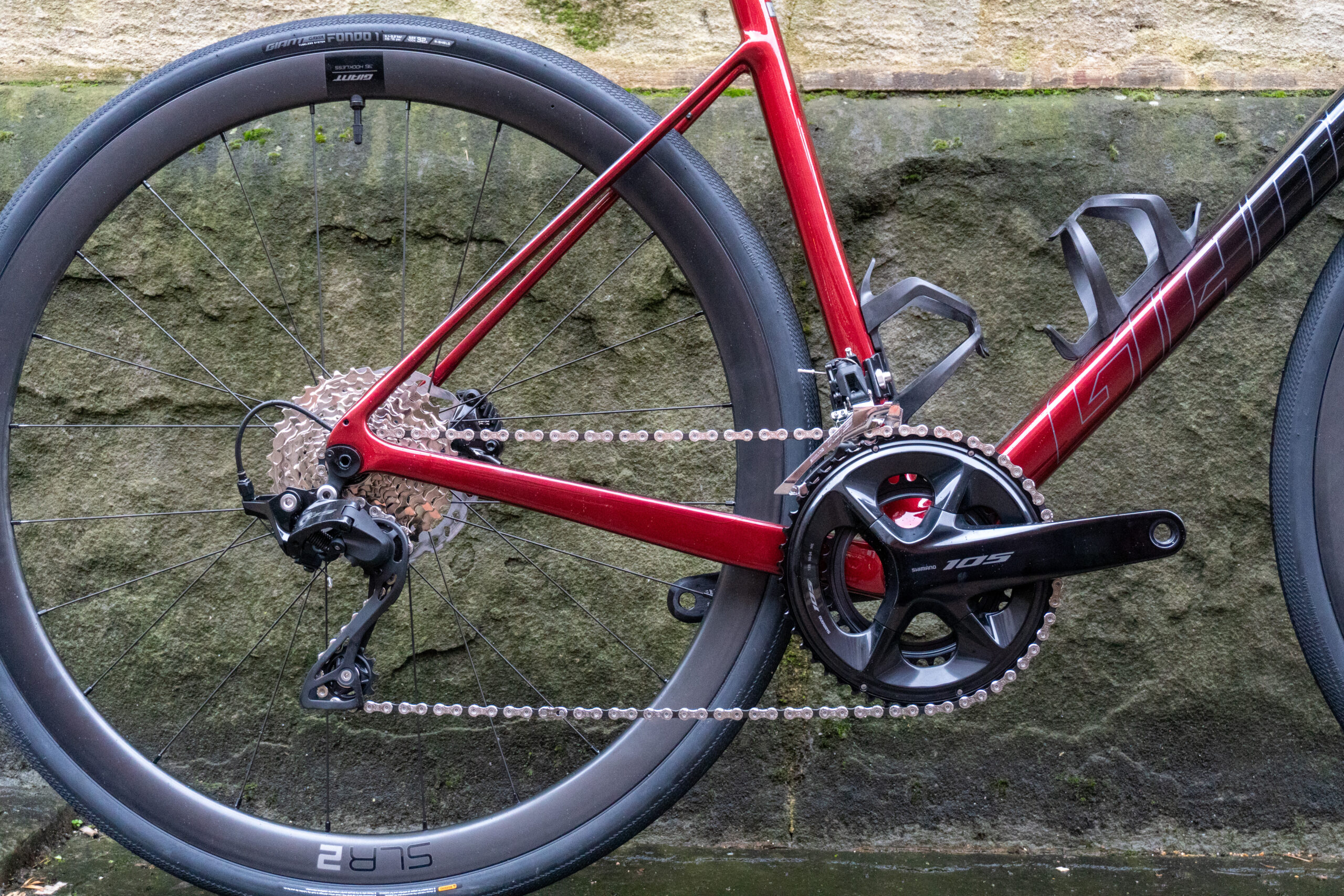
The pitch for a new 12-speed mechanical Ultegra groupset is simple. It would offer much the same as Shimano’s existing mechanical 105 R7100 groupset, but with a lower weight, a higher degree of polish and a slightly higher price.
There’s absolutely nothing wrong with 105 R7100. But like the differences between Ultegra and 105 Di2 – the improved materials, refinement and lower weight – have long been valued by riders looking to maximise performance without having to shell out for a flagship groupset.
Ultegra also gets access to some specific technologies that 105 doesn’t. These include Shimano’s HyperGlide+ cassette tooth profiles, ServoWave brake calipers and Freeza rotors, plus the option for an integrated power meter on the crankset. None of these things offer an enormous step up in performance in isolation, but they all add up to a meaningful improvement.
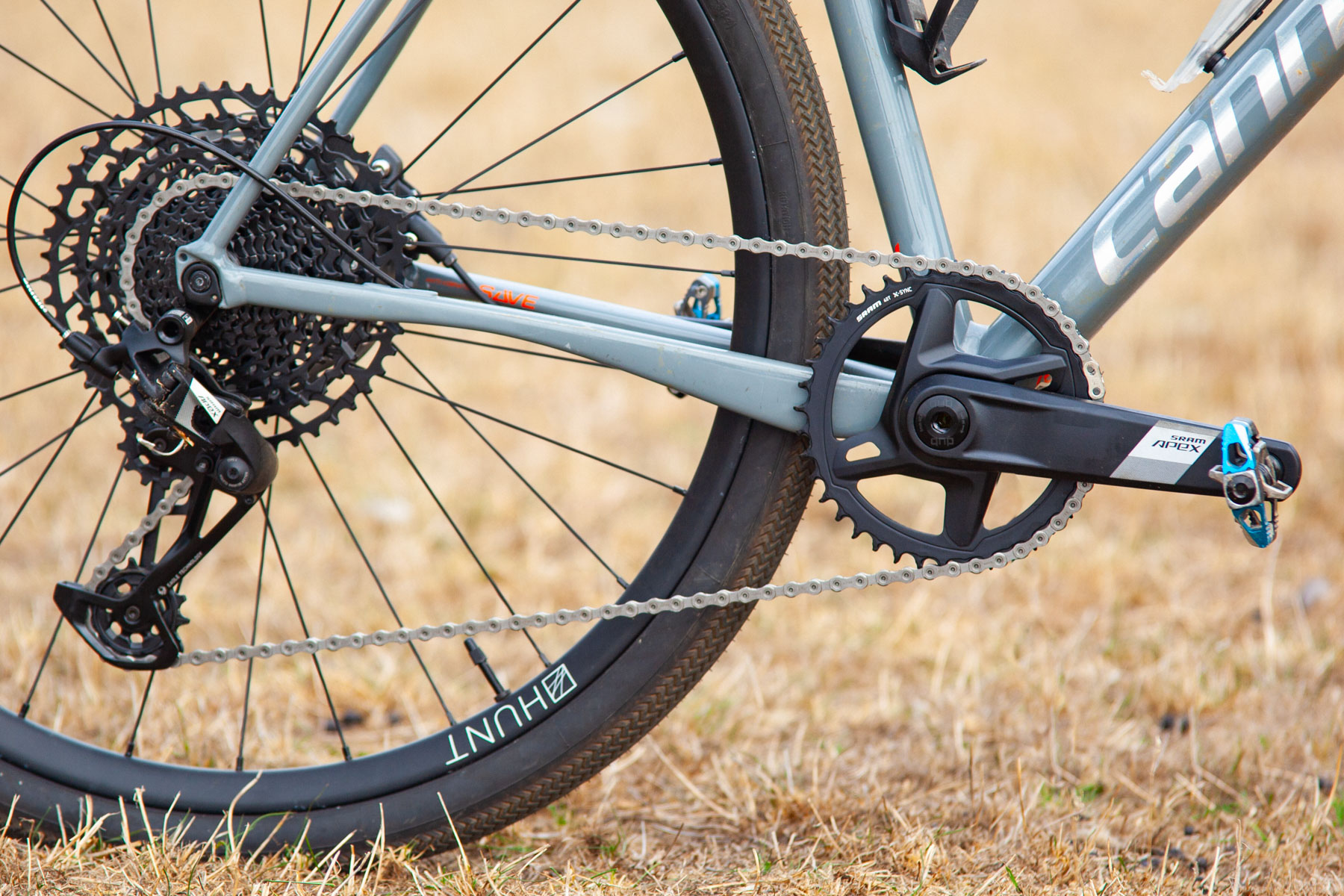
Shimano could even take the opportunity to update its long-standing mechanical-hydraulic shifter shape, which remains fairly bulbous compared to its electronic equivalents. SRAM’s Apex Eagle mechanical groupset showed there’s still scope to improve the design and ergonomics of mechanical-hydraulic drop bar shifters, for example.
Like the new Deore components, a new mechanical Ultegra groupset could adopt all of these technologies from its electronic counterpart, Ultegra Di2 R8100, but keep the price at a more attainable level without the electronic parts.
A better price
With the caveat that RRPs rarely reflect ‘real-world’ pricing for Shimano components, a 105 mechanical groupset costs around 42 per cent less than its Di2 equivalent. If a similar difference in price was maintained for Ultegra, it could put the cost of a mechanical Ultegra R8100 groupset at around £1,300 (based on an RRP of roughly £2,300 for the current Ultegra Di2 groupset).
I’m sure there would be plenty of people willing to chop a grand off the list price of their next road bike if the only sacrifice was a move from electronic to mechanical shifting.
There’s no doubt electronic groupsets are cool – even my five year old appreciates the satisfyingly clicky buttons and the whir of electronic motors – and their increasingly wireless nature has enabled road bike designers to ignore the complications of routing mechanical gear cables through handlebars, headsets and frames (all of which tended to degrade shifting quality and make servicing your bike more difficult).
But the fact remains that electronic groupsets don’t offer any true performance advantages over mechanical ones. All else being equal, they simply don’t make you any faster.
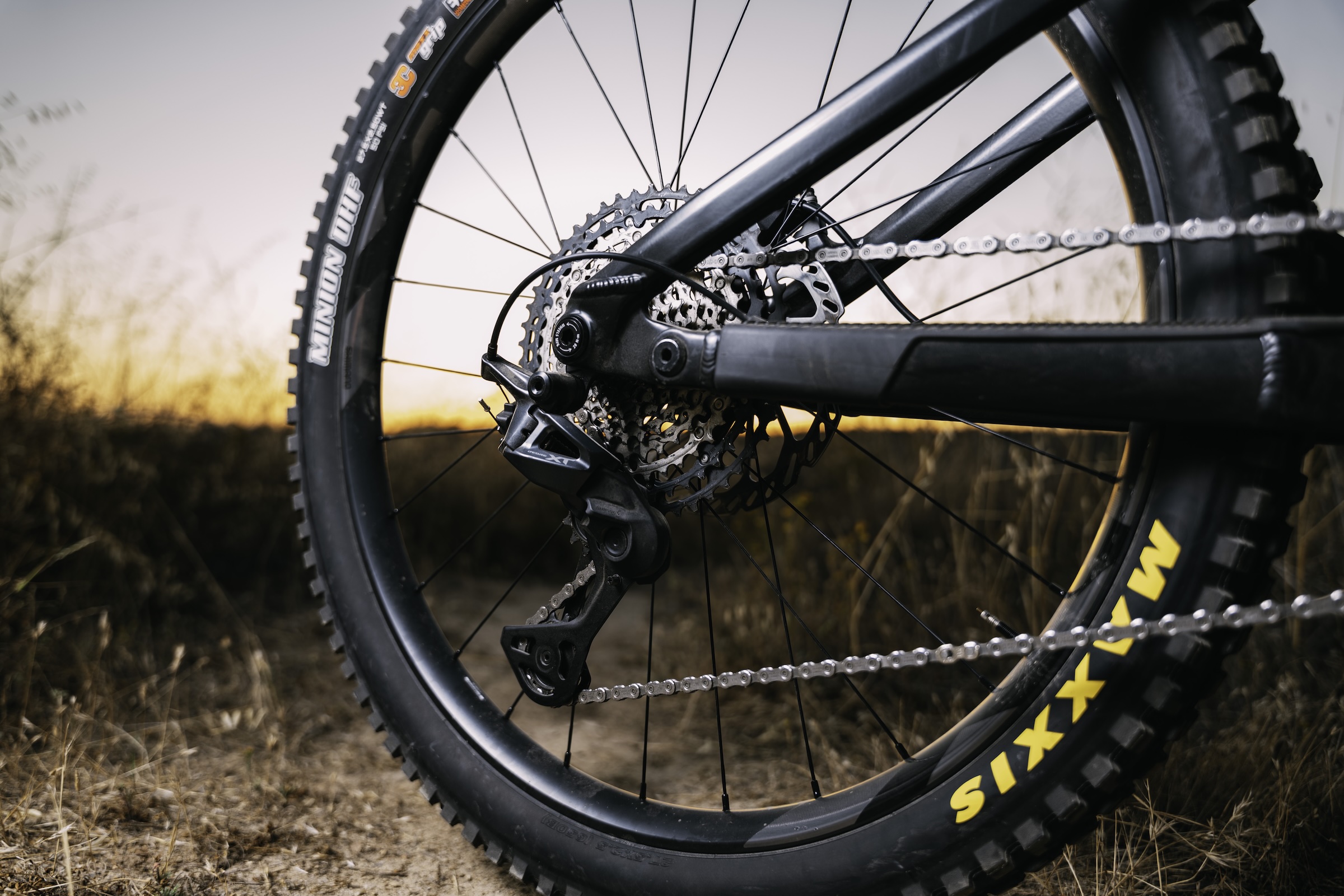
Having recently gone ‘back’ from Di2 to mechanical with Deore XT M8100 and SLX M7100 components on my new Trek Procaliber 8 mountain bike, the only thing I’ve really missed is the ability to remotely change pages on my Garmin Edge bike computer using the shifters. That’s hardly a deal breaker.
- Read more: Internal cable routing has gone too far
Why I won’t hold my breath
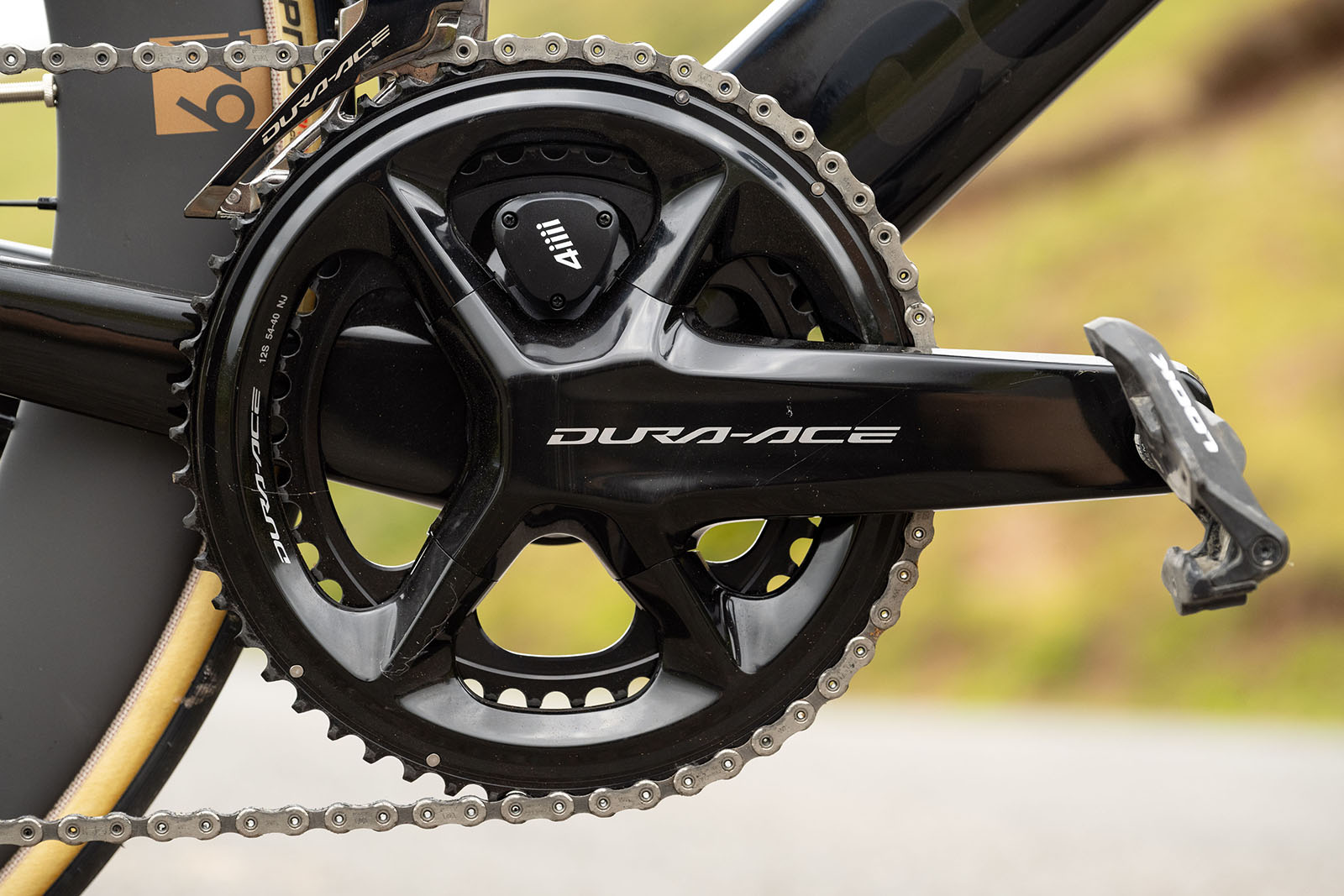
On paper then, a new mechanical Ultegra groupset sounds like it could be an easy win for Shimano, but the fact we don’t already have it suggests it isn’t going to happen. When Shimano launched its 12-speed electronic Dura-Ace and Ultegra groupsets in 2021, it was pretty clear that the future was electric.
“We always make decisions after listening to our customers, which includes bike brands, retailers and consumers. Never say never, but for now the market direction is firmly towards Di2”, Shimano told road.cc, with regards to whether mechanical versions would ever materialise.
We then got 105 Di2 in June 2022, followed by the mechanical version just over a year later.
The fact we’ve seen no hint of new mechanical Ultegra or Dura-Ace groupsets in the five years since the electronic versions launched is a strong indication that they simply aren’t in Shimano’s plans.
That consumers – riders – were mentioned last, after bike brands and retailers, in the quote from the Shimano representative, may be revealing as to why.
It’s probably fair to say that Shimano’s most important customers are the bike brands that spec its products and the bike shops that sell them. Shimano is a business-to-business leviathan, not a direct-to-consumer brand, after all.
Those bike brands and retailers clearly feel that the bikes they want to make and sell to people interested in ‘high-end’ road bikes should no longer feature mechanical groupsets.
Profit margins or supply and demand
That could be because the profit margins on electronic groupsets and bikes specced with them are better, because brands and retailers can charge more for them compared to how much they cost to buy from Shimano. Or simply because bikes are easier, and therefore potentially cheaper, to manufacture when they don’t need to accommodate mechanical gear cables. Or perhaps both.
But it could also simply be supply and demand. If demand for mechanical groupsets dropped among riders shopping for bikes equipped with Ultegra and Dura-Ace parts, then it shouldn’t come as a surprise that brands stopped buying them from Shimano, which, like SRAM before it, ultimately stopped making them.
The biggest indicator that the demand is no longer there comes simply from the fact that Shimano sees a future for mechanical Deore XT and GRX RX820 components, but not Ultegra ones – at least not to an extent that would make it worthwhile for the brand.
That’s a shame, because it means missing out on the excellent balance between cost and performance mechanical Ultegra groupsets long offered roadies.
Buy the Official Tour de France Guide – out now!

The UK’s only official Tour de France Guide is available now – order your copy for delivery in time for this year’s race.
This year's 204-page Official Race Guide includes:
- All the stages, maps, itineraries and profiles from the biggest race in women’s and men’s cycling
- Full breakdown of each race team
- Interviews with the stars of this year’s race
- Official A2 route map posters
- Our exclusive Galibier special magazine
- Exclusive Tour de France beer mats
Buy the 2026 Official Tour de France Guide now!