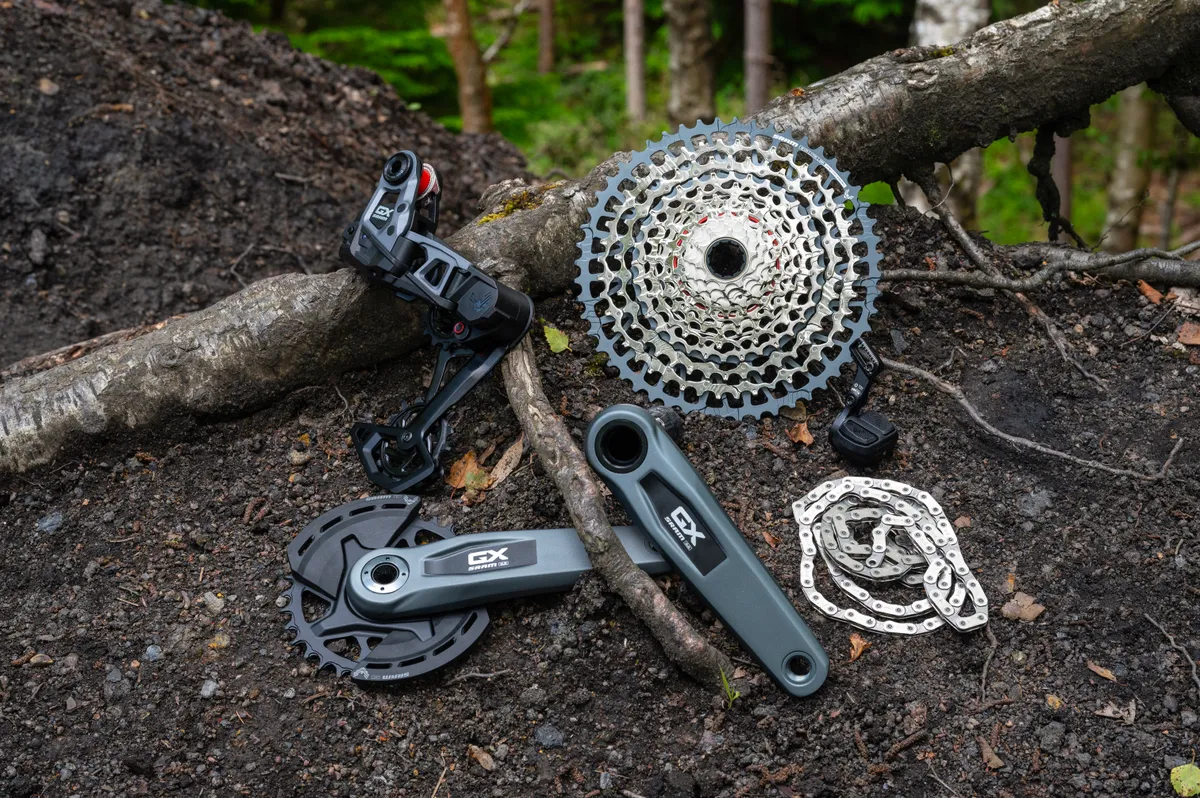
I’ve recently been testing Shimano’s new Deore M7200/M6200 mechanical drivetrain on my Marin Alpine Trail XR.
My full review covers how well Deore performs on the trail and why it’s worth your attention, but here are my key takeaways from testing.
Most are small details, but they say a lot about where Deore works well, where Shimano has saved money and why I’d think twice about upgrading to an electronic drivetrain.
1. The Deore shifter feels cheap, but it works brilliantly
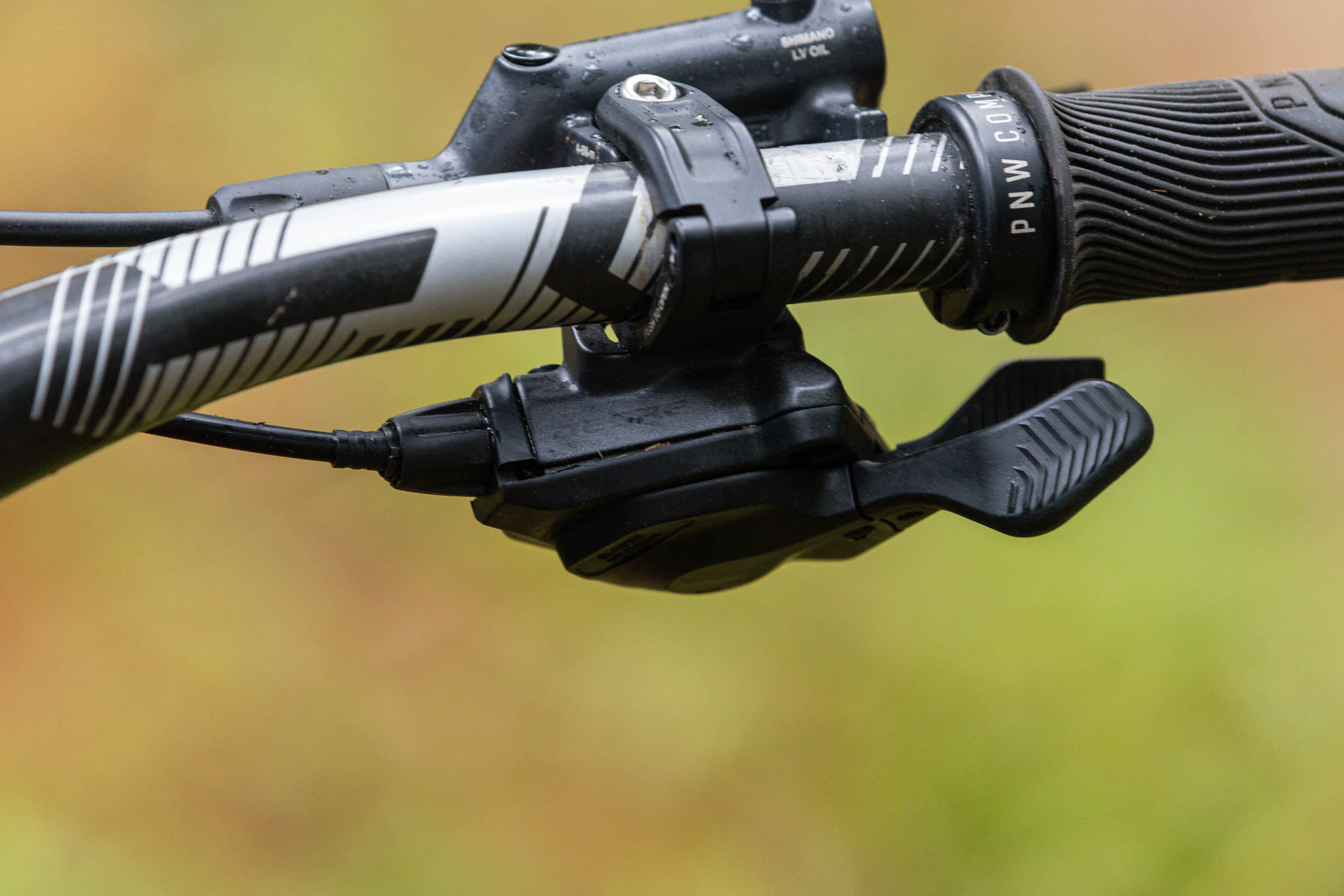
Pick up the SL-M6200 shifter and there’s no hiding where Shimano has saved a little money. The plastics feel slightly tacky and cheap, and it certainly doesn’t give the same impression of quality as an XT shifter.
Once on the trail, though, I cared a lot less. I run my brake levers relatively flat and, with SRAM’s MatchMaker setup, I find it difficult to get the shifter and brake lever into ideal positions. The shifter can end up too tucked under the bar for my stumpy thumbs.
That's not so with Shimano’s I-Spec EV mount. The shifter’s position relative to the brake lever can be adjusted through an impressively wide range, so I can put both exactly where I want them.
The paddle position is excellent, too. I can make single shifts or push deeper into the lever for two or three gears without changing my hand position. Even when braking or bouncing through rough terrain, both paddles remain easy to reach.
Another small update I like is the cable-access opening. Rather than having a plastic screw to remove and potentially lose, there’s now a small sliding window that is far less fiddly. Feeding a new inner cable through the shifter is refreshingly easy. As far as ergonomics and shifter positioning go, Shimano has nailed it.
2. The new derailleur gets the important stuff right
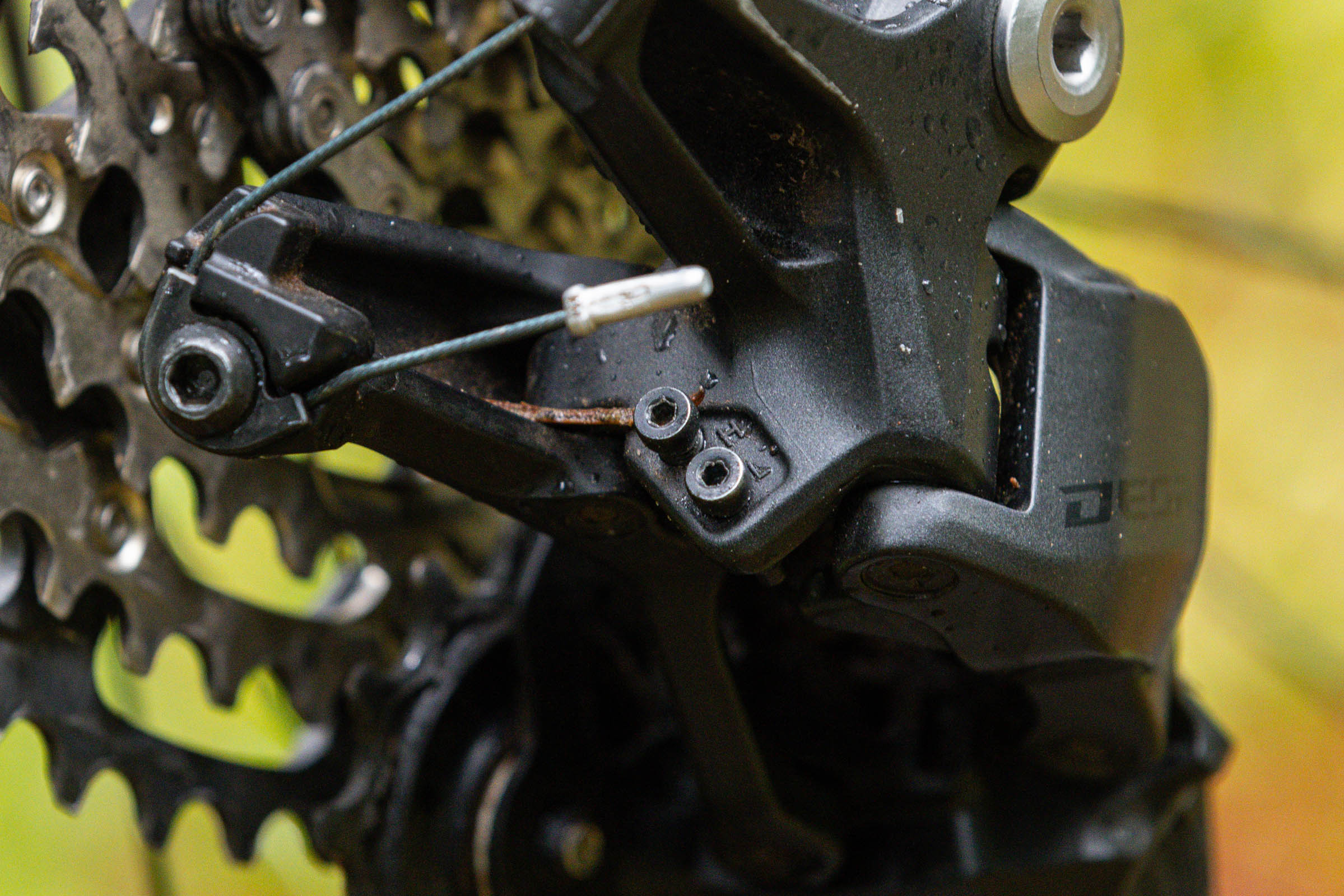
There’s a lot to like about the Deore RD-M7200 Shadow ES derailleur. Its tucked-in shape sits noticeably closer to the bike than Shimano’s older Shadow+ units. Mine never took a direct whack during testing, so I can’t tell you how it would survive a hit. But keeping more of the derailleur out of harm’s way has to be a good starting point.
Cable routing is neat and straightforward, too, making installation and setup easy. More importantly, the thing shifts incredibly well.
I tried firing four or five shifts through the cassette before immediately asking for another few in the opposite direction. Give it roughly a pedal revolution and it sorts itself out. There was no skipping, crunching or bouncing between sprockets.
Still, it's not perfect. Maybe I’m fussy, but the 2mm hex fittings Shimano uses for the limit adjusters are needlessly fiddly. When setting up the gears, or making adjustments as needed, I’d much rather have something robust such as a 3mm hex head.
Chain control is good as well, although it isn’t quite as silent as SRAM Transmission when you start hammering down properly rough tracks. On smoother trails, though, it’s impressively quiet.
3. I love the cassette on the bike but less so in the workshop
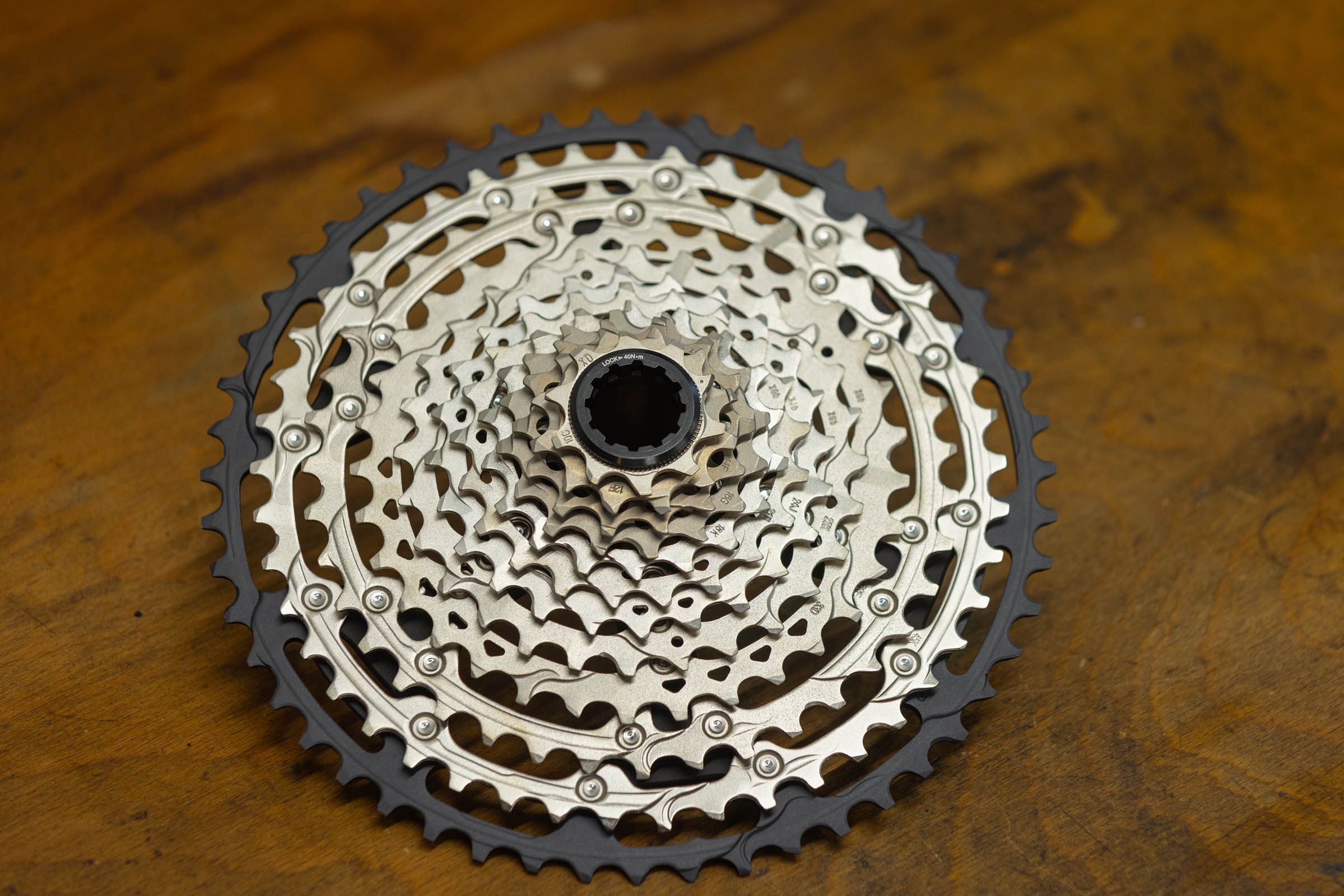
Fitting Shimano’s 12-speed cassettes to its Micro Spline freehub is a chore, and the CS-M7200 cassette seemed more annoying than most. Maybe it's a manufacturing tolerance thing, maybe it was me being clumsy, but getting everything located correctly took more patience than I expected from my experience with Shimano’s cassettes.
It was worth the bother, though, because the cassette works brilliantly once fitted.
Shift quality is excellent, particularly when moving into easier gears under load. I could keep pushing hard on steep climbs and ask for another gear without first having to consciously soften my pedal stroke.
I also really like Shimano’s choice of sprocket ratios. The 10-51t gives plenty of range, but it’s the spacing between the lowest four gears that stands out. The 51, 45, 39, 33t steps feel natural and make it easy to settle into a steady cadence on a climb.
With some MTB drivetrains, I find myself switching backwards and forwards because one gear feels slightly too tough and the next too easy. I rarely get that feeling with Shimano.
4. Shimano needs to offer shorter Deore cranks
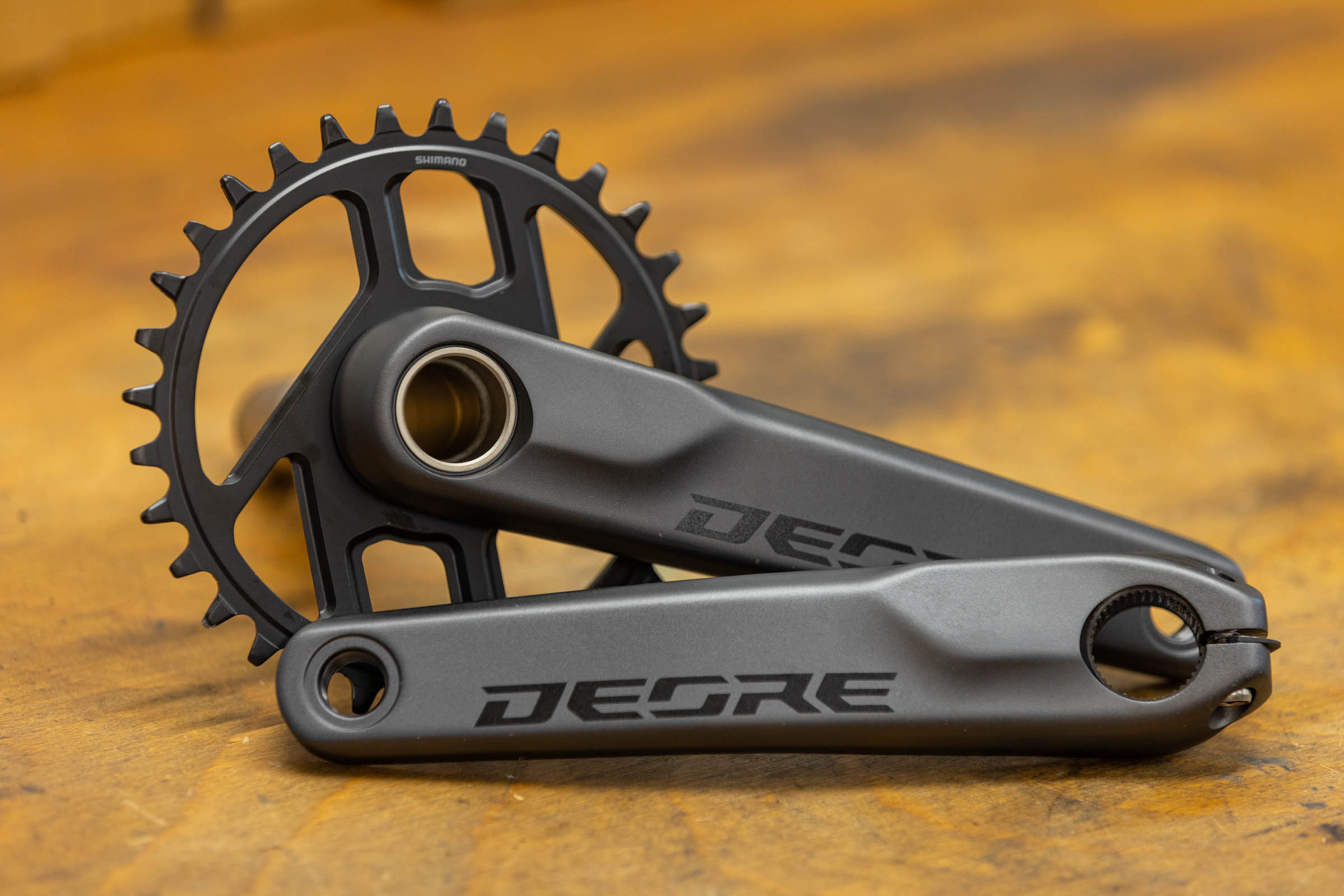
This one feels like an easy win. The Deore FC-M6200 cranks come in 165, 170 and 175mm lengths. For a drivetrain launched in 2026 and likely to appear on plenty of modern trail bikes and enduro bikes, I think Shimano needs to offer shorter options.
I’d like to see a 155mm option, or at the very least 160mm. Mountain bikes finally seem to be moving away from road-bike-style crank lengths, and it would be good to see Shimano reflect that here. Deore is also likely to appear on more modestly priced bikes, including those ridden by younger riders, where shorter cranks could make a lot of sense.
I’m not suggesting everyone should suddenly ride 155mm cranks. But offering 175mm while stopping at 165mm at the other end now feels pretty conservative.
5. I’d rather spend the extra money going riding

This is probably my biggest takeaway from the whole test.
My Deore test setup, including the derailleur, cassette, shifter, crankset and chain, came to £389.95 at UK RRP. The shifting is accurate, it handles heavy pedalling loads brilliantly and I couldn’t confuse it with frantic shifter inputs.
Using current RRPs, a comparable Shimano XT Di2 drivetrain works out at roughly £1,064 once you add the £649.99 upgrade kit, cassette, cranks, chainring and chain. SRAM’s GX Eagle AXS Transmission groupset has an £1,180 RRP, although it's currently available for around £799, while X0 AXS Transmission is listed at £1,715.
I understand why people want electronic gears. They’re cool, clever and satisfying to use. Mountain bikes are emotional purchases and buying the latest kit is part of the fun.
But after riding this Deore drivetrain, I’d struggle to justify spending that much on electronic gears for my own bike. Give me the roughly £390 mechanical setup and I’d rather put the difference towards a riding holiday, uplift days, tyres, coaching or suspension servicing and setup. I know which of those things would improve my riding more.
I’ll leave Deore on my bike through winter, then switch back to my GX Transmission next summer. No one needs mud, water and drivetrain electronics mixing.