The Tour de France has nearly finished, and we’ve seen the incredible athletes cover 3,333km in of one of the toughest sporting endeavours on earth. We’ve drooled over the flyweight, aerodynamic tech on show and all dreamed of owning the machines ridden by our sporting heroes.
The thing is, these athletes are akin to Formula One drivers. They require a specialist design for a specific purpose. But cycling brands market the bikes at the Tour to us as if they’ll make us better. These are the machines that’ll allegedly improve our sporting prowess and riding life.
To me, that doesn’t add up. It’s akin to thinking the Ferrari SF-26 of Britain’s greatest-ever F1 driver, Lewis Hamilton, would be ideal for the commute to work.
According to the UCI’s data from 2025, there are approximately 1,500 UCI-licensed professional cyclists globally. That’s about 1 in 100,000 of the estimated 100 million regular and amateur cyclists worldwide.
Yet we are being brainwashed through marketing into believing bikes designed for the 0.0015% are the best choice for us.
The wrong bike for me
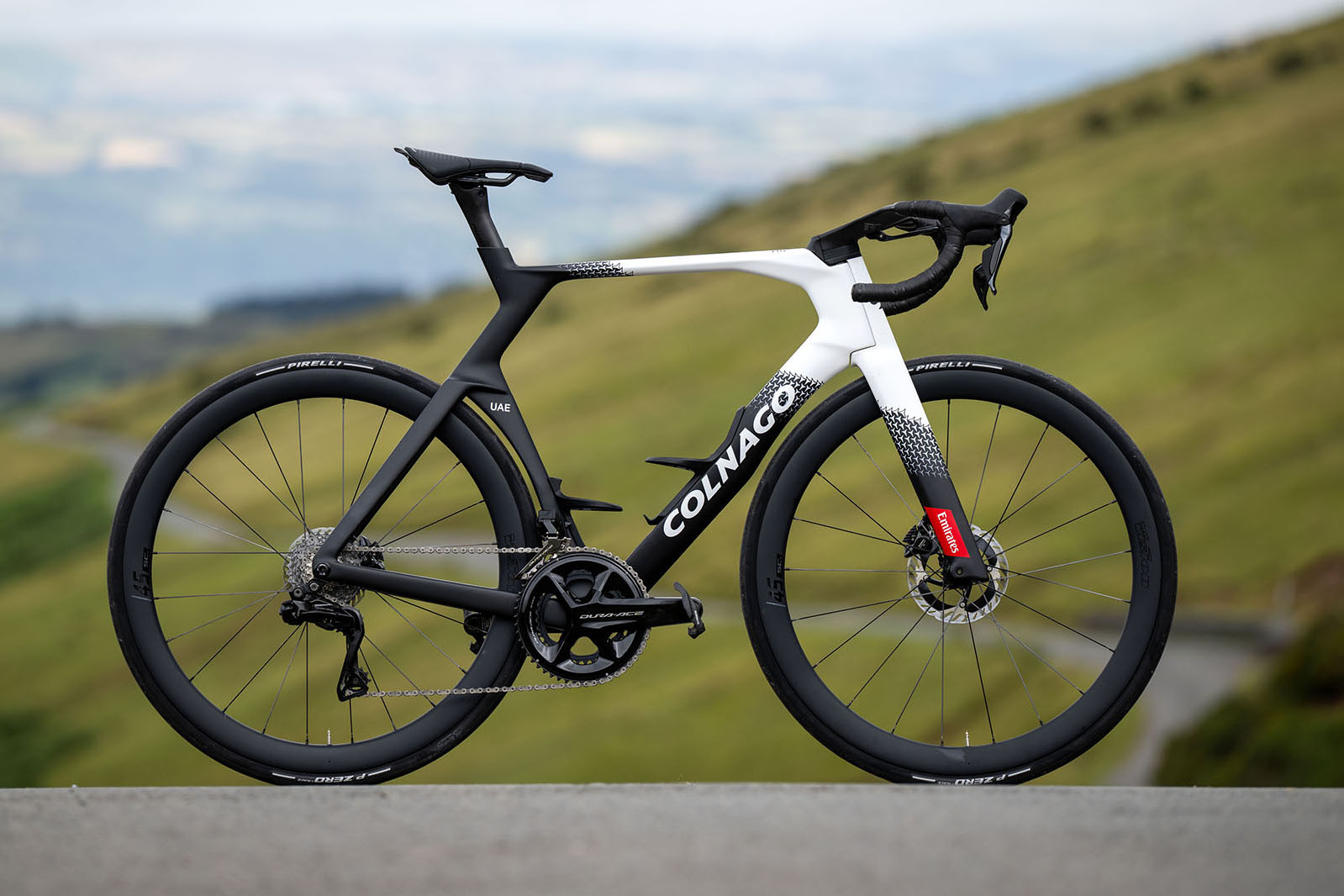
Don’t get me wrong, I love a full-on pro race bike. I revel in riding and testing them and I’ve bought a fair few. I’ve been a sucker for the claims, the data and the ‘wind tunnel’ analysis. But I think I knew they were the wrong bikes for me.
The thing is, these bikes are akin to track cars. You’ll love racing them round a circuit, but they are a pain in the arse (literally) on the way home.
Over the nigh-on 30 years I’ve been testing bikes, the race bikes have come and gone (even my beloved TCR and SuperSix EVO).

The bikes that created some of my warmest memories are the 2014 Cannondale Synapse and its 2025 equivalent, which won our Bike of the Year award.
The other bikes to make a significant impression on me were the featherweight Giant Defy of 2024 and the 2023 Vitus Venon EVO-RS.
These were all bikes I enjoyed riding everywhere.

In the same time frame, I rode some epic race bikes – the Storck Scenario Pro from 1998, the Cannondale SystemSix from 2018 and Bianchi’s reborn carbon Specialissima in 2015.
The Specialized Tarmac SL6, and the Venge Vias, Ridley’s original Noah, BMC’s epic Timemachine, even the madness of the super-aggressive Cipollini RB1K.
I loved riding the original Cervélo S5 around southern Spain and Girona (before it was so fashionable), but I have fonder memories of the Cervélo C5, riding it on all surfaces in the Napa Valley.
Inspired by racing, but so much better
We are now seeing some great bikes that take influence from the pinnacle of racing, yet are so much better for us. And by us, I mean amateur, and possibly older riders.
I’d recommend you choose the Giant Defy over the TCR; Canyon’s Endurace SLX over the CFR or Aeroad; a Synapse over the SuperSix EVO; Cervélo’s Soloist or Caledonia over the S5 or R5; a Dogma X over the Dogma F. But I know most won’t.
If you’re in your 20s and can just about afford a cutting-edge race bike, go for it. If you're closer to my age, get the bike that’ll benefit you and not a pro team. You won’t regret it.
I know what I'm saying in this week’s column is akin to taking a King-Cnut like stance and trying to turn back the tide.
You're still going to desire the Y1Rs that Pogačar has used to dominate this year’s Tour, rather than any endurance bike I or other bike testers might recommend.
Progressive geometry is coming, which should make a lot of race bikes fit more people better, and as I mentioned last week some brands are providing better component options to improve fit. However, a great all-rounder or endurance bike will be more complete with its comfort than anything purely race-oriented.
What I would suggest, if you can afford it, is yes go for your favoured race bike and enjoy it, but get yourself another bike designed for the other 99.998% of your riding time. I assure you, you’ll remember that bike more fondly.