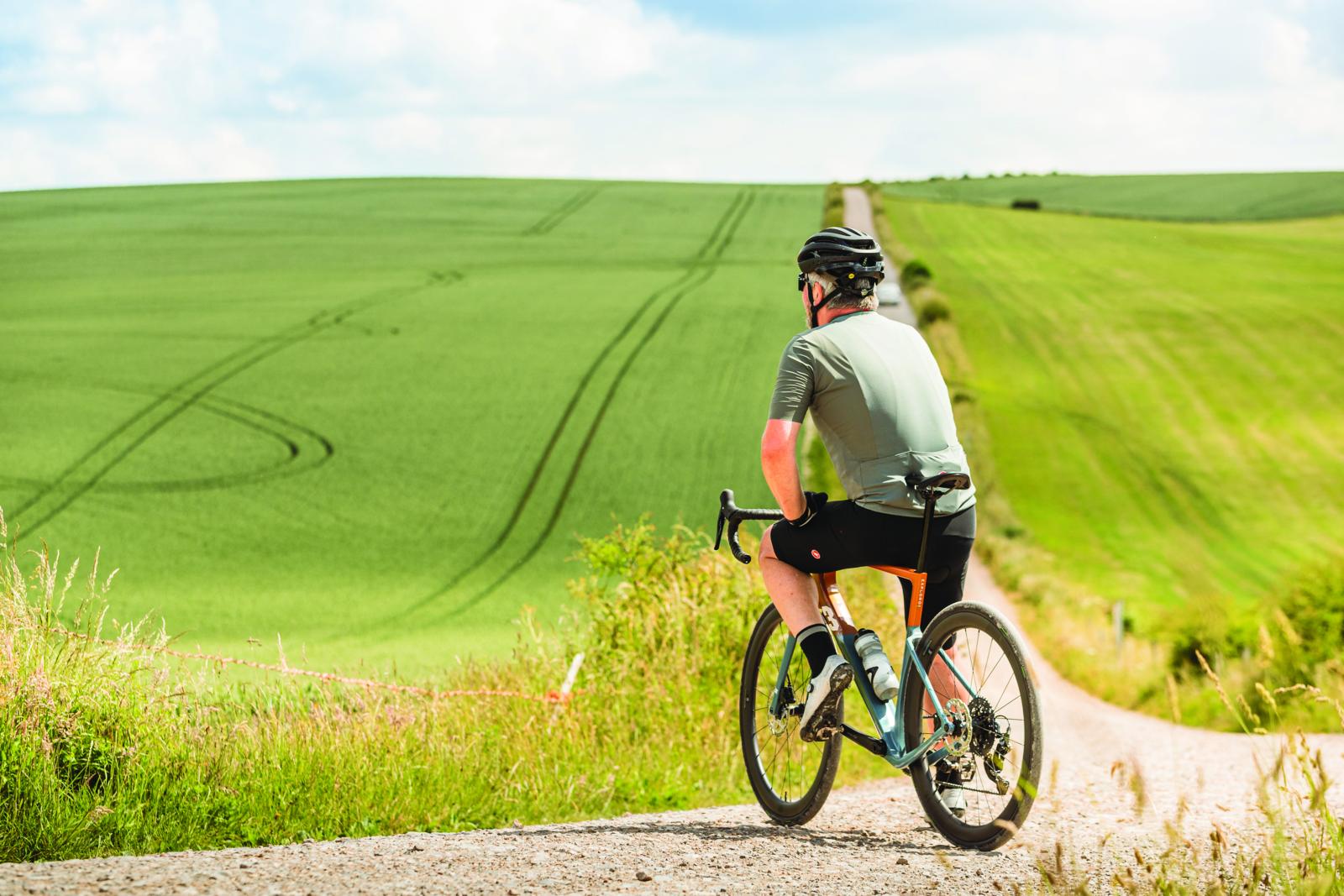
The Tour de France's unique allure is beginning to fade.
I don’t mean the spirit of the racing, the extreme physical endeavour, the skills of the riders, the sheer brilliance of the racing or the scope of the race caravan. That’s all still in place and still as enthralling as it ever was – and I’d bet it’s what inspired most of us to get out on a road bike in the first place.
The problem I have is that the Tour, and professional cycling more generally, now lacks the products to back up that initial spark of inspiration.
When I was a kid (admittedly a long time ago), and right up until the turn of the century, all the major brands had an affordable, entry-level bike wrapped in team colours.
Just as young football fans want to wear their favourite team, or national jersey, we as riders wanted to ride bikes that resembled those ridden by our heroes, even if they were nothing like the tech being ridden around France.
The same as our heroes
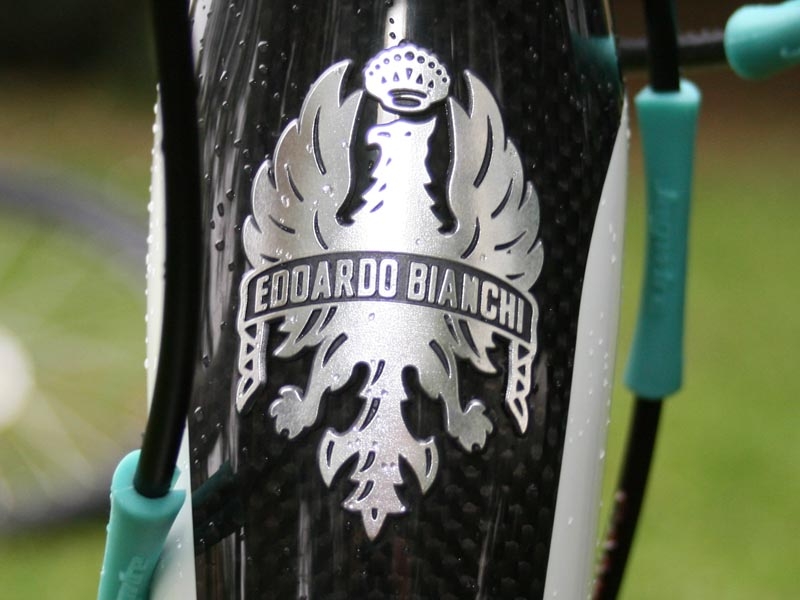
The object of my affections was a Peugeot Carbolite with Robert Millar’s signature on the top tube.
The Carbolite was as cheap a steel frame as Peugeot could make. I saved for months from my Saturday job to buy it, and was so proud when I got it home and started my road-riding journey.
In the Armstrong era, Trek made an alloy bike adorned in the USPS colours. Giant had a Team Once paintjob for the affordable aluminium OCR. Then there was the legendary Raleigh Team Banana. Bianchi always managed to put out an alloy road bike in Pantani’s Mercatone celeste and yellow finish.
Abandoned by the big players

The starter market, where you can buy a new bike for under £1,000 / $1,000, has been all but abandoned by the big players. Not only that, but we’ve seen the expansion of premium-only brands in the pro peloton. These two things have edged out the chances of buying an affordable ‘team replica’.
Neither Pinarello, Colnago or Cervélo has any bikes for less than £3,000. Even the big players such as Specialized, Trek and Cannondale’s entry-level road bikes are priced over £1,000. That’s a lot of money for any kid looking to get into cycling.

Giant has the Contend for less than £1,000 and I’d love to see a Team Jayco-AlUla colour-coded Giant Contend. Decathlon has moved its Van Rysel brand upmarket, but surely a Team Decathlon CMA CGM branded entry-level bike wouldn’t be out of the question?
More elitist than ever
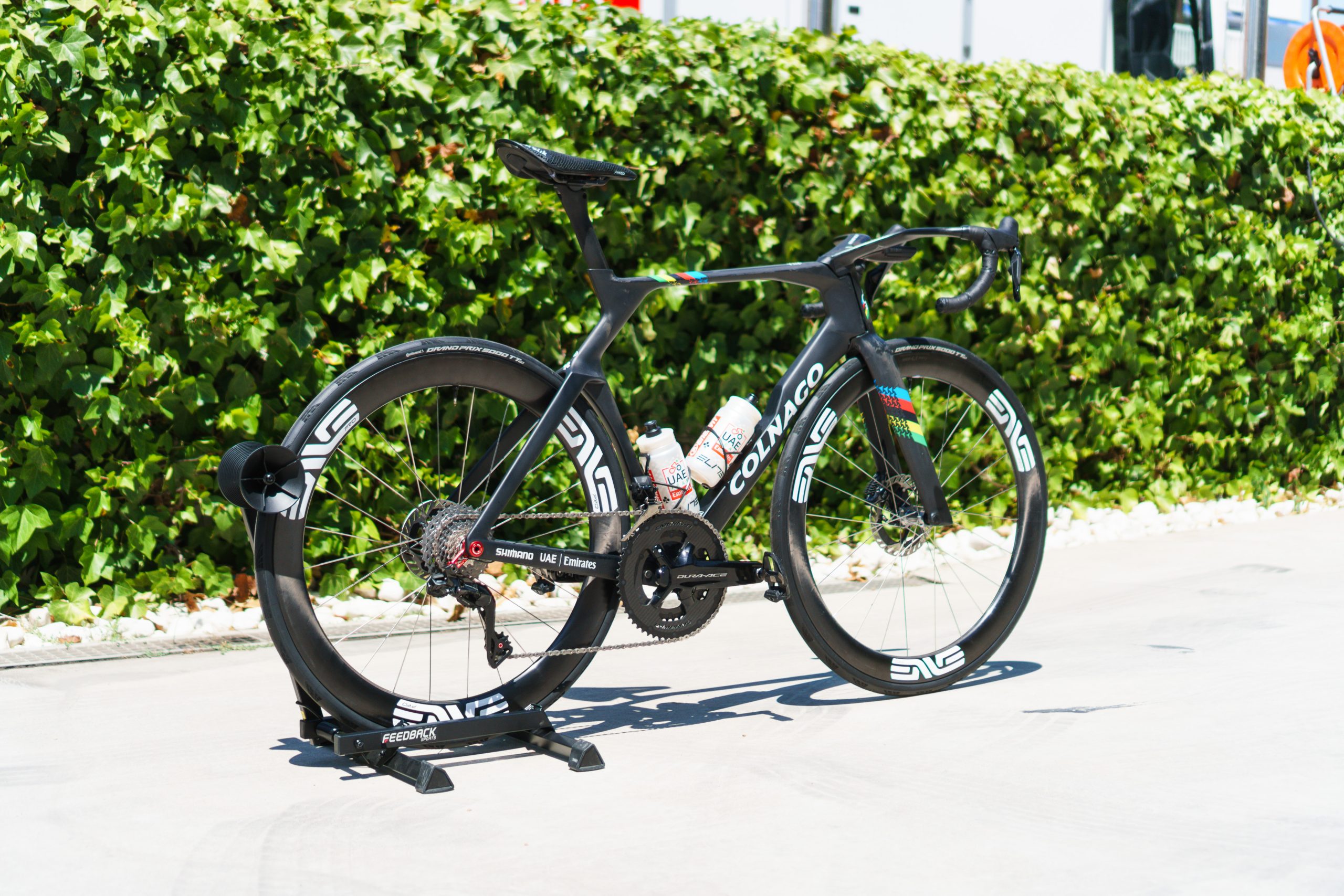
Road cycling has become more elitist than ever. Top-end bike prices are astronomical. A pair of bib shorts can cost several hundred pounds. The best road cycling shoes are a rip-off.
None of this encourages youngsters and their cash-strapped parents to get into the sport.
The average age of road cyclists is getting older, too. In the 1980s, British road-cycling enthusiasts were in their 20s and 30s. The latest data from apps such as Ride with GPS and Strava shows the sport is dominated by riders in their late 40s and 50s. Recent surveys by advocacy organisation Cycling UK and the Department for Transport backs up that data.
People aged 40-49 make the most cycling journeys per year, according to the DfT, whereas in 1986 TfL reports the average age was from 20-26.
It seems obvious when you consider that these older riders have more disposable income.
I can see why brands have chased the premium end of the market – why sell 20 bikes at £500, when you can sell one at £10,000?
But I worry that, as a sport and an industry, we are pricing out a lot of potential lifetime cyclists. The sport will no longer be the gateway to adventure and exploration it was for me in my early teen years and have stuck with ever since.
More on the 2026 Tour de France
- Tadej Pogačar wins Tour de France stage 6 and claims Souvenir Jacques Goddet prize on Col du Tourmalet
- ‘I wanted to enjoy myself’: Baptiste Veistroffer shares the stats behind his 144km Tour de France solo break
- "It’s outstanding" – Norwegian who was treated for cancer now leads the Tour de France
- Ridley built this custom yellow-jersey Noah Fast for Torstein Traen in less than 30 hours after he took the lead in the Tour de France
- Who is Isaac del Toro? 4 things you need to know about the Mexican who could be a future Tour de France winner
- A Tour de France breakaway only has a 2% chance of winning, so why join one?
- Every team bike at the 2026 Tour de France