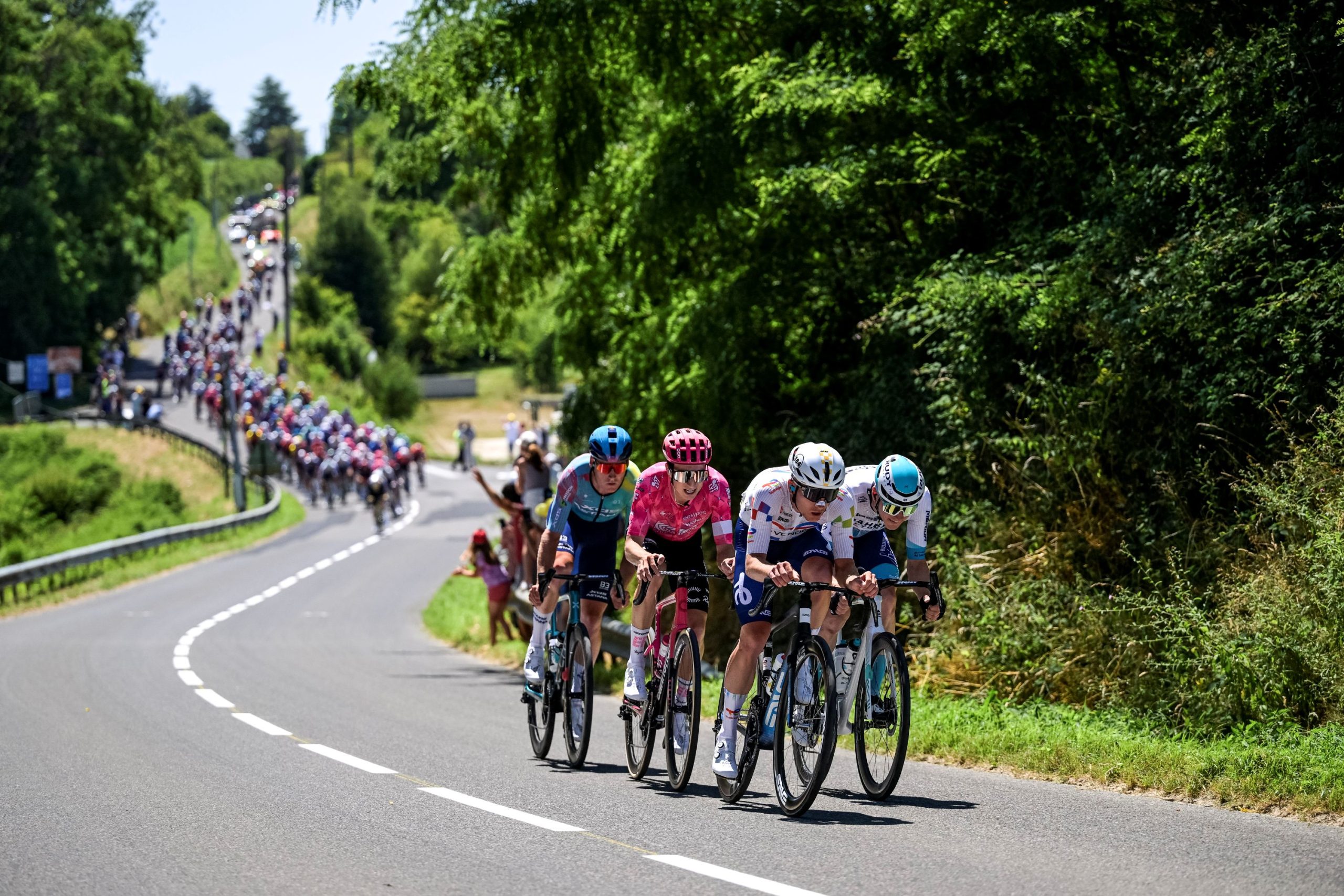
Tune in to almost any stage of the Tour de France and you’ll see a few riders put in a huge effort from the start to get ahead of the main group of riders, the peloton, and form a breakaway.
On flatter stages, it’s often around five riders who form a breakaway group. Their lead typically increases to around five minutes, although some extend to more than 10 minutes.
Breakaways may form at any point in a stage. Some get gobbled up quickly by the peloton, others splinter mid-race, while yet others get within a few kilometres of the finish before being caught after hours of effort, in some agonising cases just a few hundred metres from the line.
The peloton has an advantage over the breakaway, because each breakaway rider has to put in greater effort to keep up the pace. The bunch is more aerodynamically efficient and there are more riders to share the increased effort at the front that’s needed to overcome air resistance.
Chapette’s Law
The advantage the peloton has over the breakaway is so consistent that, based on experience, there’s a rule called Chapette’s Law that states that once the peloton is riding at full effort, it will gain a minute on a breakaway for every 10km ridden. This is why breakaways are often held at a fairly consistent advantage by the peloton and begin to be reeled in later in the race.
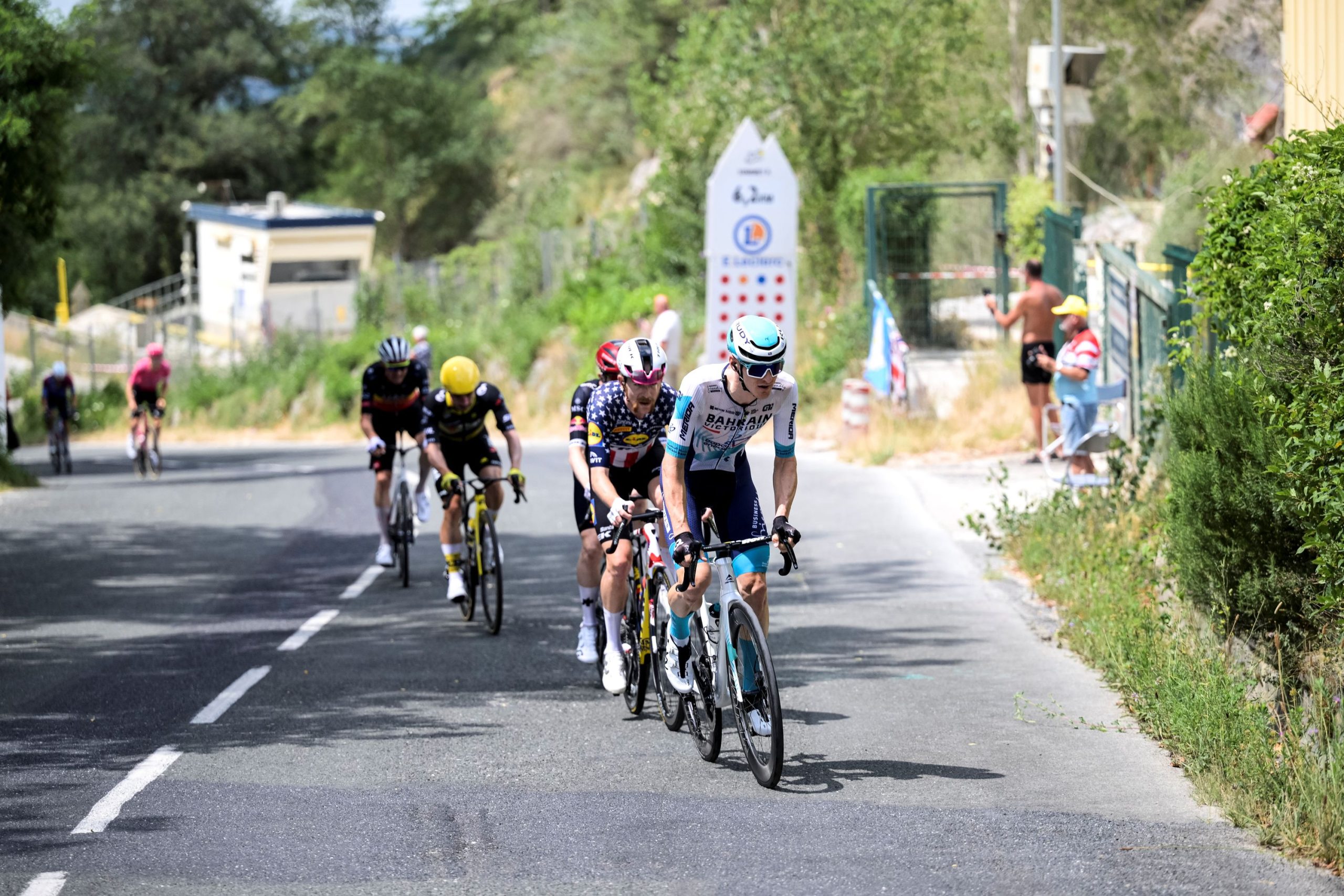
The chances of a breakaway staying ahead have been found to be highest on hillier stages, where the efficiency gained from the peloton’s lower air resistance is less and riders’ power-to-weight ratios become more significant. In a flatter sprint stage, the chances of a breakaway succeeding are calculated at around 2%.
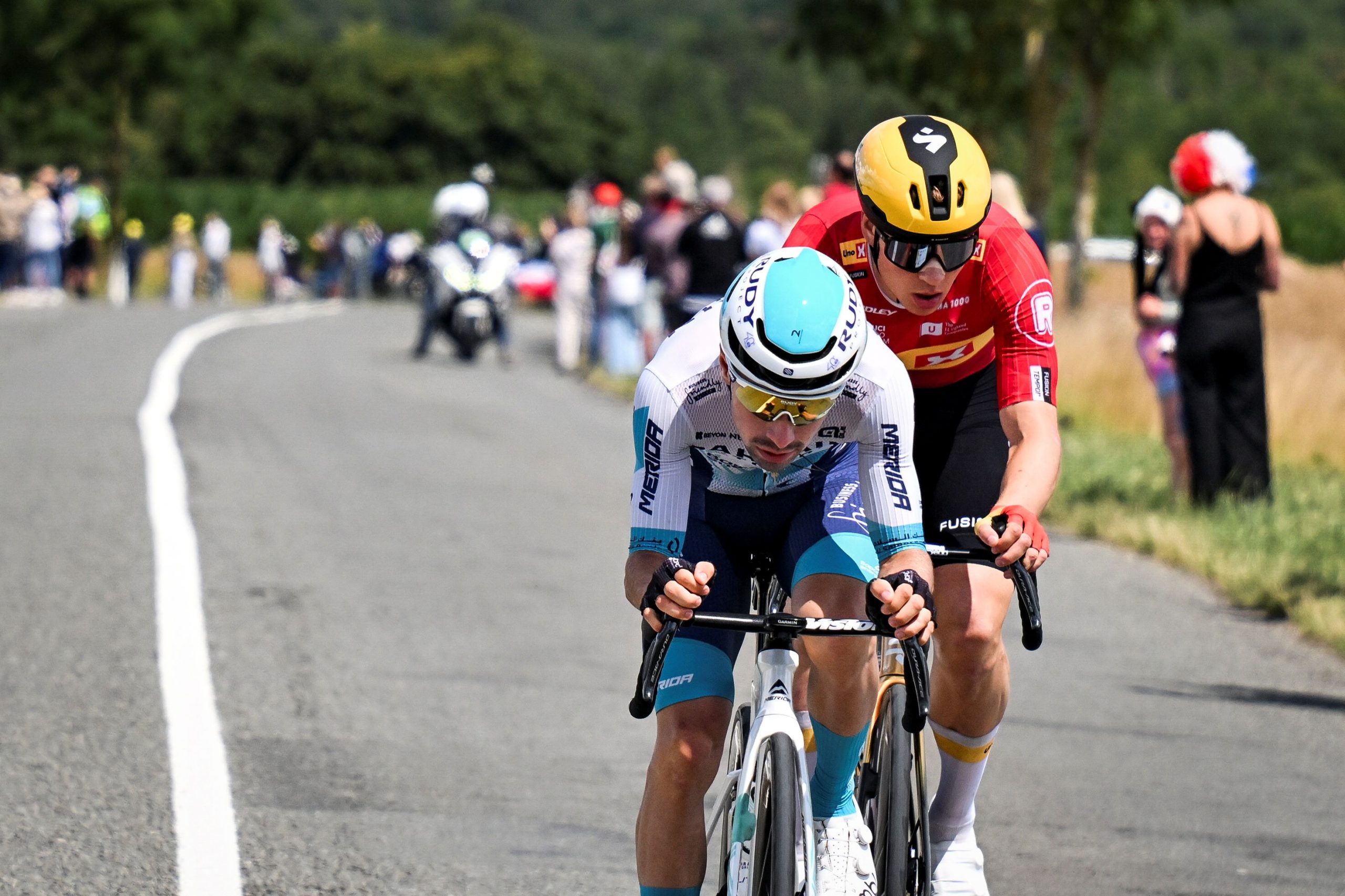
Since they have to compete against their fellow breakaway riders plus the peloton, the odds are stacked against an individual rider winning from the breakaway and, over multiple grand tours, found to stand at around the same 2% value.
So why would a rider join a breakaway?
It’s a question that occupies academics as well as cycling teams, with a significant body of research published in learned journals that draws on game theory and economics as well as physics to analyse the break.
There are more mundane reasons, too. It’s often riders from weaker teams who form the breakaway, including those from 'wildcard' teams that are not part of the WorldTour and are invited to the race by its organisers.
For them, it’s an opportunity for the team to gain media coverage and satisfy its sponsors. For a rider, it’s a chance to stand out and maybe earn a more lucrative contract. A stage win at the Tour carries much kudos and can be career-changing.
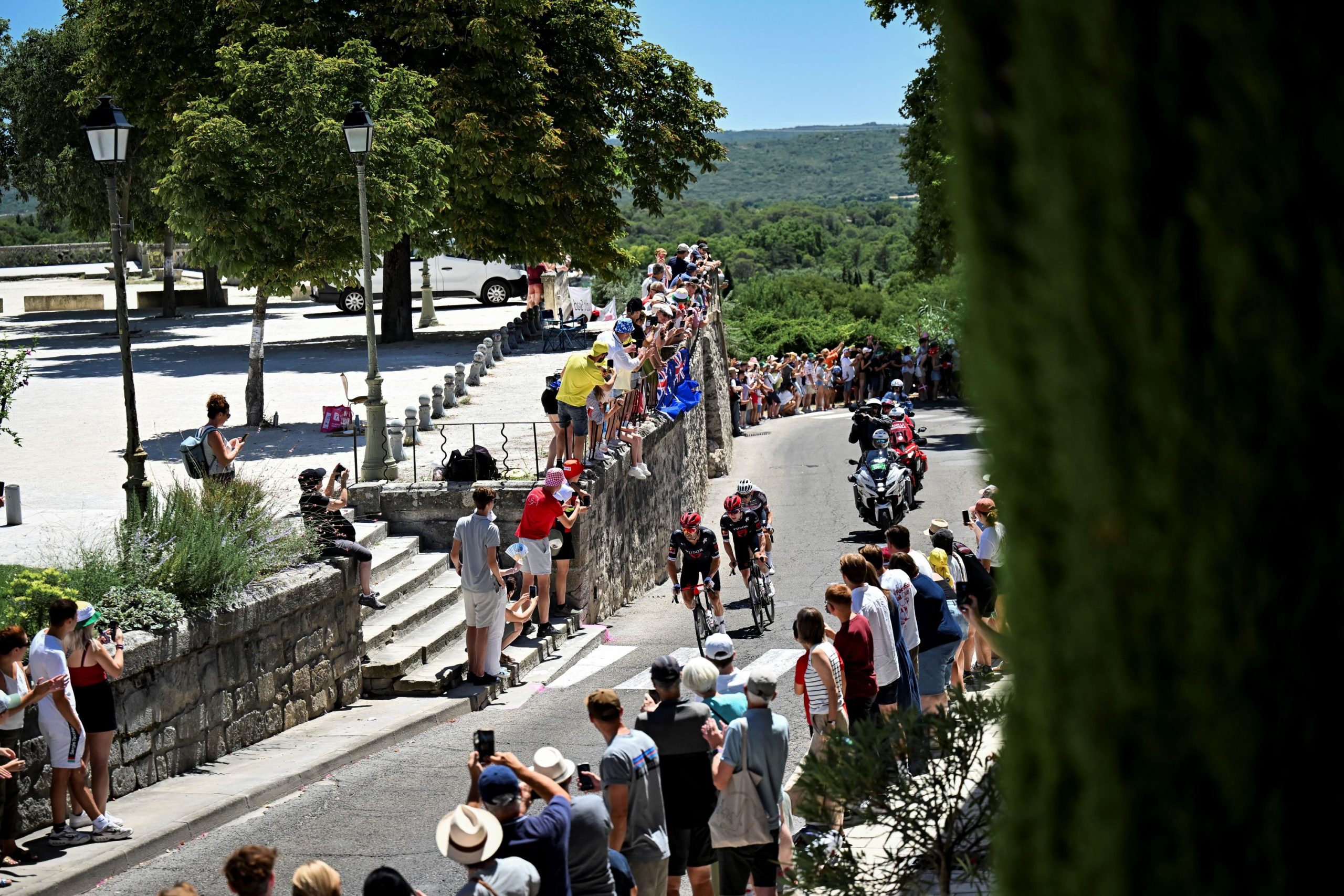
A rider in a breakaway also stands a higher chance of winning an intermediate sprint or climb, for which there’s a small financial benefit. This ranges up to €1,500 for an intermediate sprint and €800 for a climb, depending on the climb’s categorisation, while an overall stage win is worth €11,000 with lower value prizes for the top 20 finishers.
Breakaway composition is important, too. Riders need to be strong enough to contribute and willing to do so, which is where game theory comes in. A rider or riders who don't contribute may cause a breakaway to splinter or collapse and return to the peloton, as other breakaway riders get fed up with pulling them along. They also lower the break’s overall chance of success, because their companions have to put in more effort.
A rider who is too highly placed in the overall general classification is also a threat, because other contenders for the overall victory won’t want them to gain an advantage. You’ll sometimes see other riders refuse to work with them if they do get up the road.
Riders targeting a breakaway may deliberately lose time earlier in the race, so they’re less likely to be chased down by the peloton.
Tactics take over
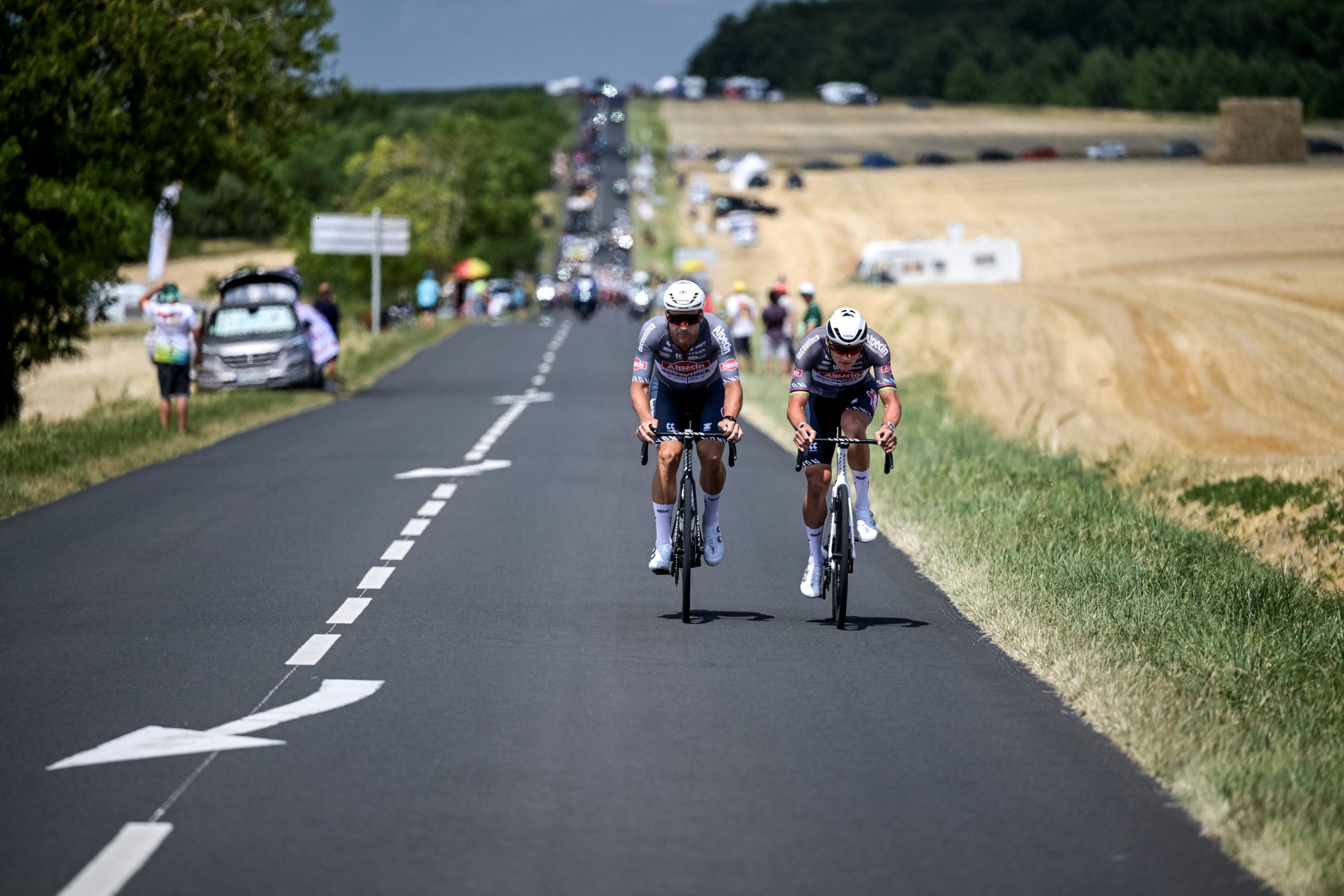
One reason breakaways get caught in sight of the line is the tendency for riders in the break to start sizing each other up and playing tactical games in the last few kilometres.
No-one wants to pull a stronger rider to the finish, only for them to sprint past and take the win. The strongest finisher will usually try to position themselves at the rear of the breakaway, where they’ll conserve energy and can more easily surprise their companions when they do launch their final assault on the line.
So breakaways often slow down in the last few kilometres, which puts them at greater risk of being caught by the peloton, which in turn will speed up as teams jostle to position themselves for a sprint finish.
The likelihood of a rider winning from a breakaway group is still greater than from the peloton, where stage wins are typically split between the general classification riders, sprinters and a small group of powerful riders who can take the win on trickier stages.
So there are incentives both for a rider and for their team that continue to tempt them to play the odds and go up the road. It makes great television too.
More on the 2026 Tour de France
- We weighed Tadej Pogačar’s 2026 Tour de France bike – and it’s heavier than you might think
- Jonas Vingegaard’s Cervélo S5 for the 2026 Tour de France is bang on the UCI’s 6.8kg weight limit
- Can the Tour de France ever be Pogačar-proof? The race organisers face a near-impossible task
- From a rare team time trial to a brutal Alpe d’Huez finale: 8 questions answered about the 2026 Tour de France route
- These 2 Tour de France rule changes could reshape the 2026 race
- ‘Cycling just got weirder’ – Netcompany-Ineos adopt peculiar tactic for Tour de France team time trial
- Live Tour de France coverage to be broadcast on S4C and BBC iPlayer