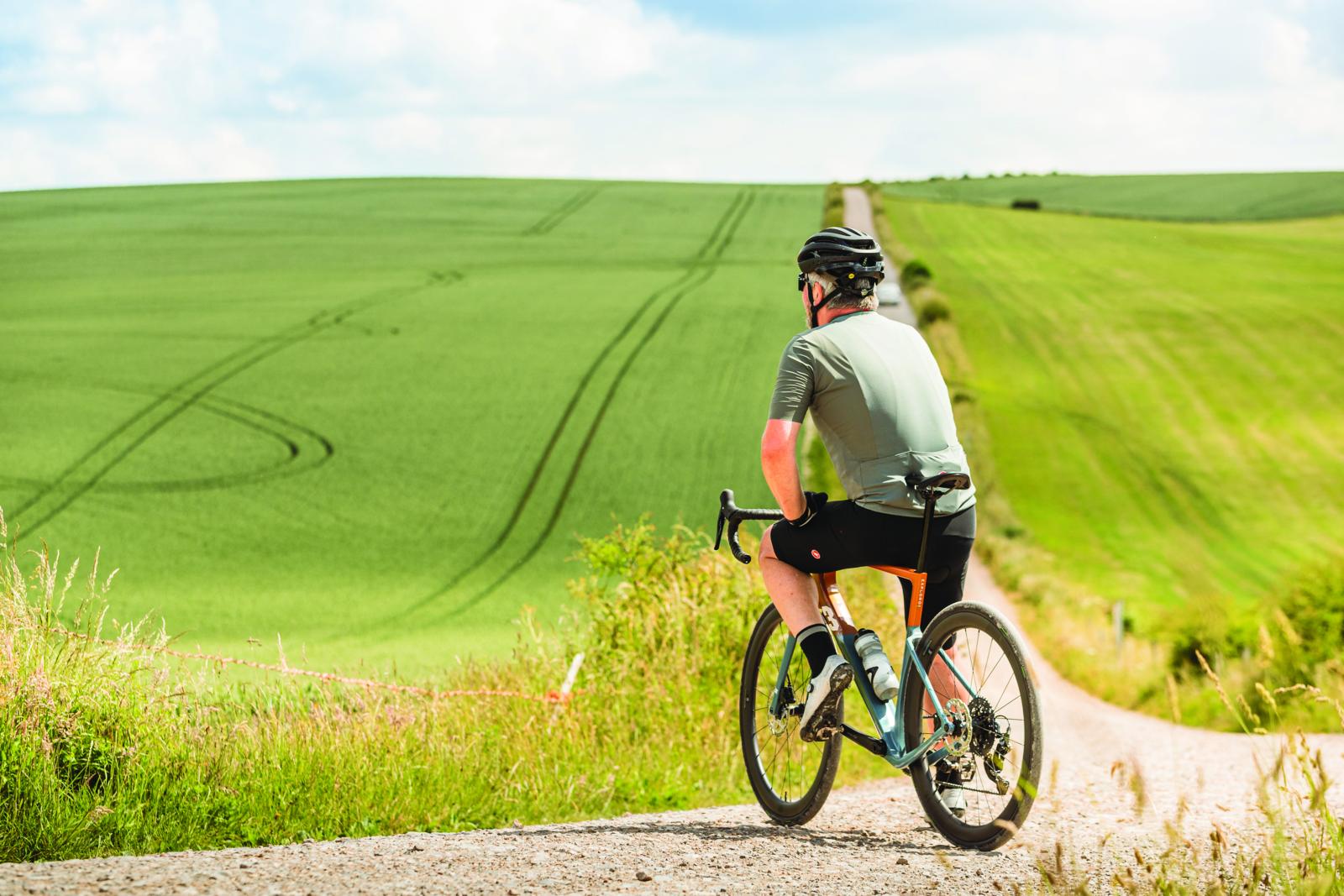
I recently went on another bike ride where the average temperature on my Garmin didn’t dropped below 30˚C. In the same summer months, we’ve seen almost zero rainfall. Large parts of the UK have seen devastating wildfires including destination cycling havens like the New Forest, South Wales, Devon, Cornwall, the west midlands, and the Southwest. Even some of my favourite gravel trails in Wiltshire have been ravaged by wildfires as have Salisbury Plain and the land around the historic Westbury Whitehorse.
Summer 2026 being on course to be the UK’s hottest since records began, according to the Met Office, which said the mean temperature from 1 June to 10 August was 1.88°C above the 1991-2020 average.
This has all got me thinking that whilst cycling is green, especially if we commute and cut down on car use, could we be doing more? If I look at my own cycling, I know what the answer is.
Bottling it…
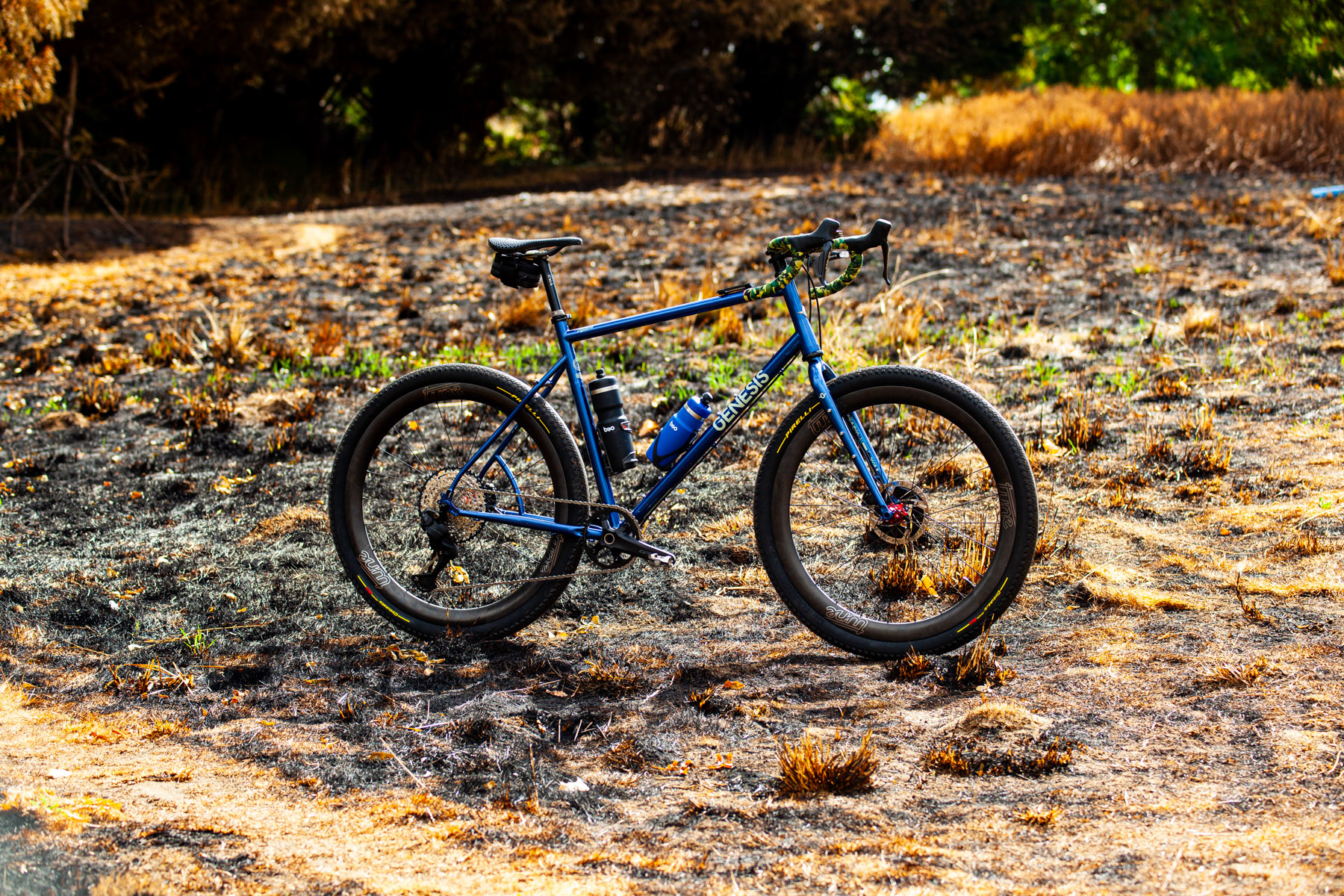
After another ride where the energy drink I was consuming had turned the temperature of tea and the plastic bottle became remarkably soft, I was racked with guilt.
I made the decision last summer to stop using plastic water bottles on my bikes. They are never great, they don’t last – and what do you do with them once they’re past their best? You drop them into recycling with all your other household waste.
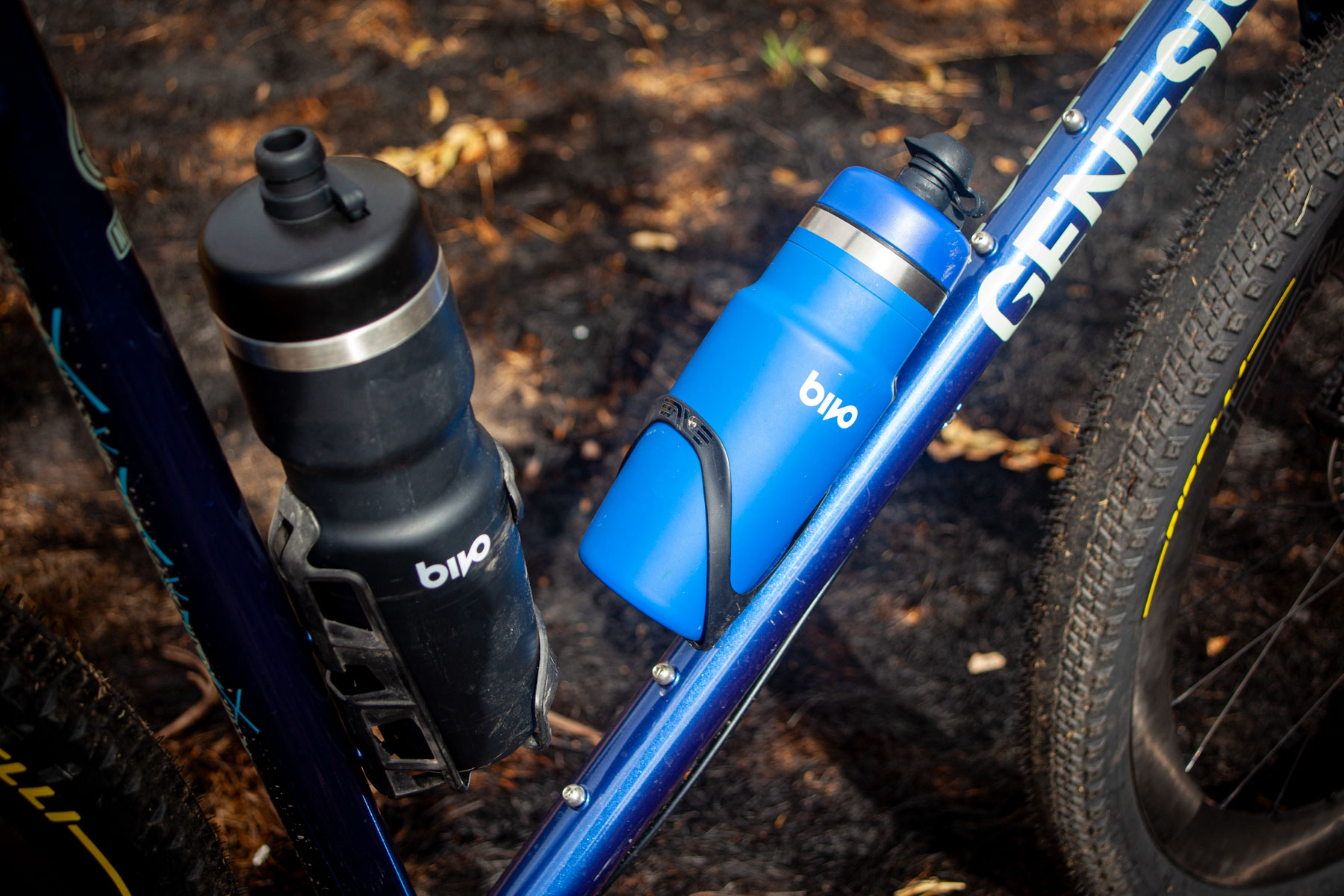
To get around using plastic bottles, I invested in a Camelbak Podium steel bottle and a couple of Bivo Trio bottles. I thought these would replace my cupboard of shame with its mountain of bottles, most of which were given to me as freebies at shows and events.
The thing is I haven’t stopped using plastic bottles. Why not? Well, it’s easier to just grab a bottle from the cupboard every day and worry about washing up later. With the metal bottles it takes discipline as they need disassembling and washing as soon as you get in from a ride. They will last far longer, and they work just as well as plastic. I just need to find some discipline.
Tyre trouble
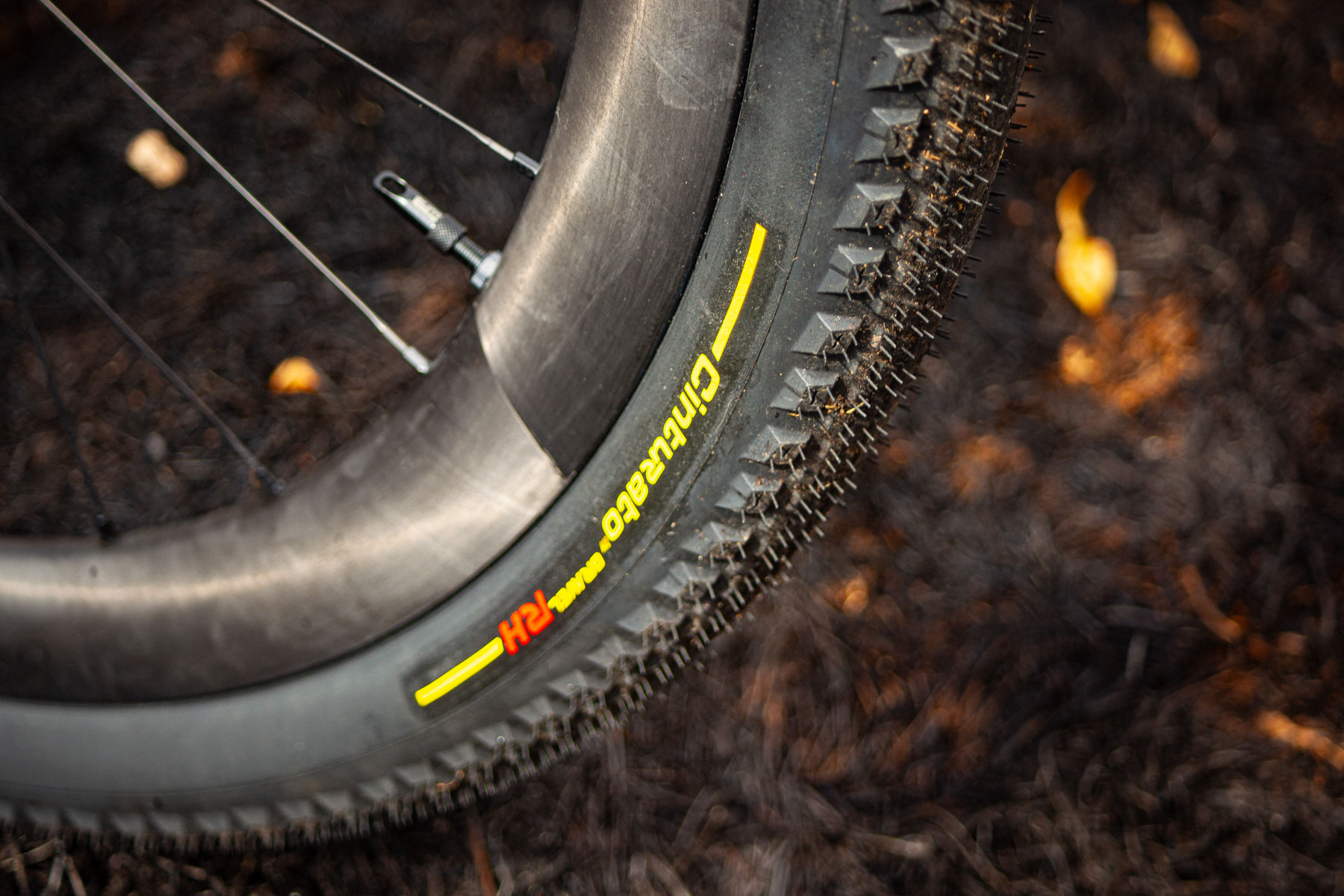
It's a similar story with tyres, tubes and sealant. I thought sealant was the solution to my tardiness regarding puncture repair. I always carry a new tube on a ride, so if I'm riding a bike with inner tubes, I can change it at the roadside and then patch the punctured tube when I get home. The thing is I rarely do. Instead, there’s a sorry looking box in my garage with a stack of tubes in need of repair. I keep thinking one day I’ll get round to it, but I never find the time.
With tubeless setups, sealant maintenance means a lot of mess. Swapping tyres always means spilt latex and chunks of solidified sealant scraped from test wheels and tyres. It can’t be good for the environment, can it?
I could end up going down a green rabbit hole. Tyres shed material all the time. That’s just another bunch of micro plastics in the environment, isn’t it? What about sacrificial disc brake pads that are made of sintered metals and resins. Rim brake users can’t take the high road; those pads are literally plastic and sacrificial, too.
It’s not like we’re all going to give up our geared and brake equipped bikes for fixed gears in the hope of less waste, is it? Plus, you always end up skidding to slow a fixed gear down.
Add in our obsession with all things carbon fibre – a fossil fuel derivative – and we’re not exactly setting a good example.
Wear it out
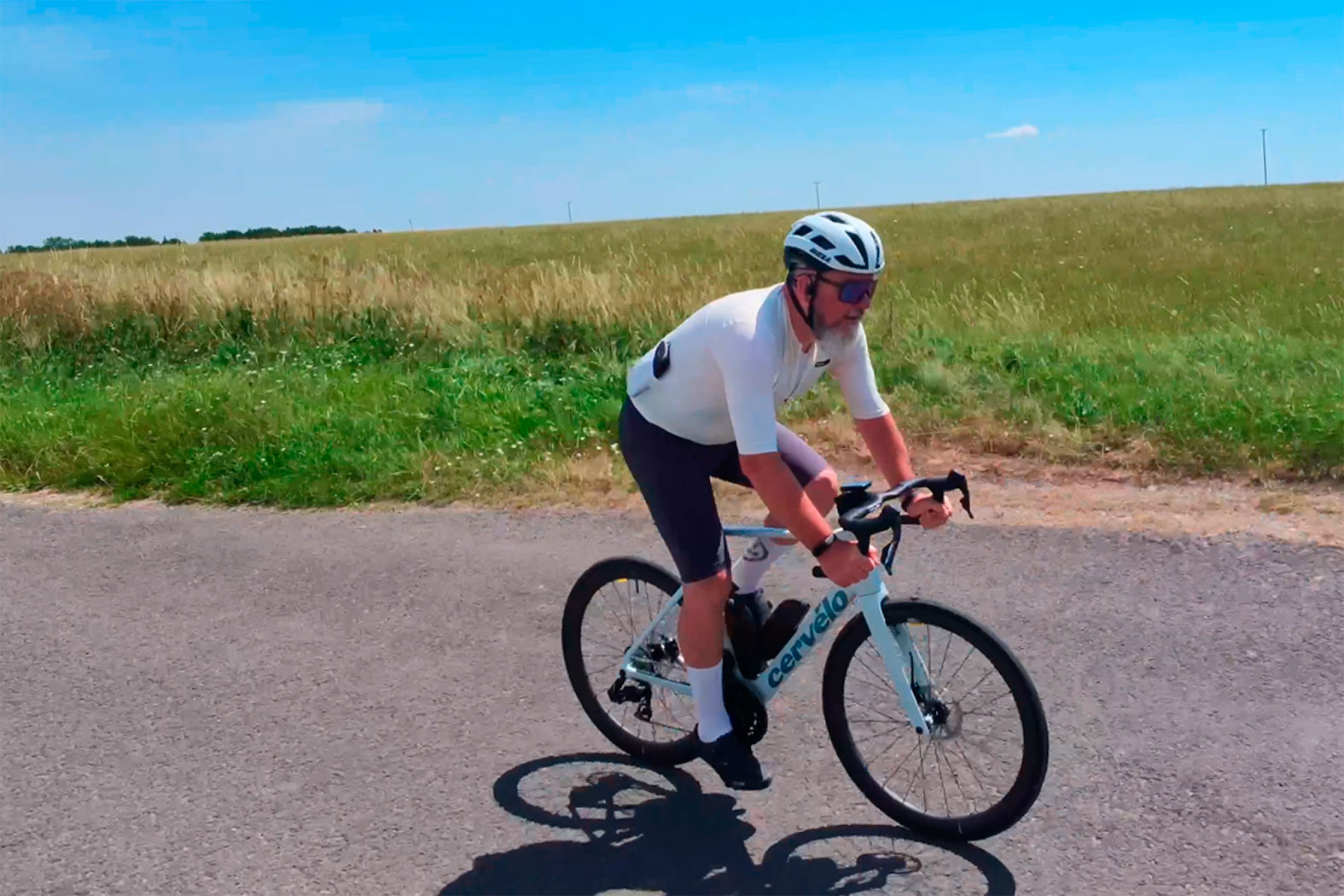
Pretty much all cycling clothing is polyester based, yet another fossil fuel derivative, but we can make better decisions on what we buy. We could choose Santini’s clever carbon capture range or any brand that uses predominantly recycled materials.
Perhaps you shouldn’t worry so much about keeping up with the latest trends. Just get solid simple designs that won't be dated in six months' time. You can also look after your kit by washing it sympathetically.
It’d be good to see more helmets like the Urge Treps with its recycled material construction and end of life recyclability. In the meantime, if you have an old helmet that’s beyond its useful life don’t just dump it in the trash, separate the shell from the core, remove the straps and buckles, then try and recycle the parts. A complete helmet thrown in the trash is only going to become landfill.
Ride more, ride everywhere
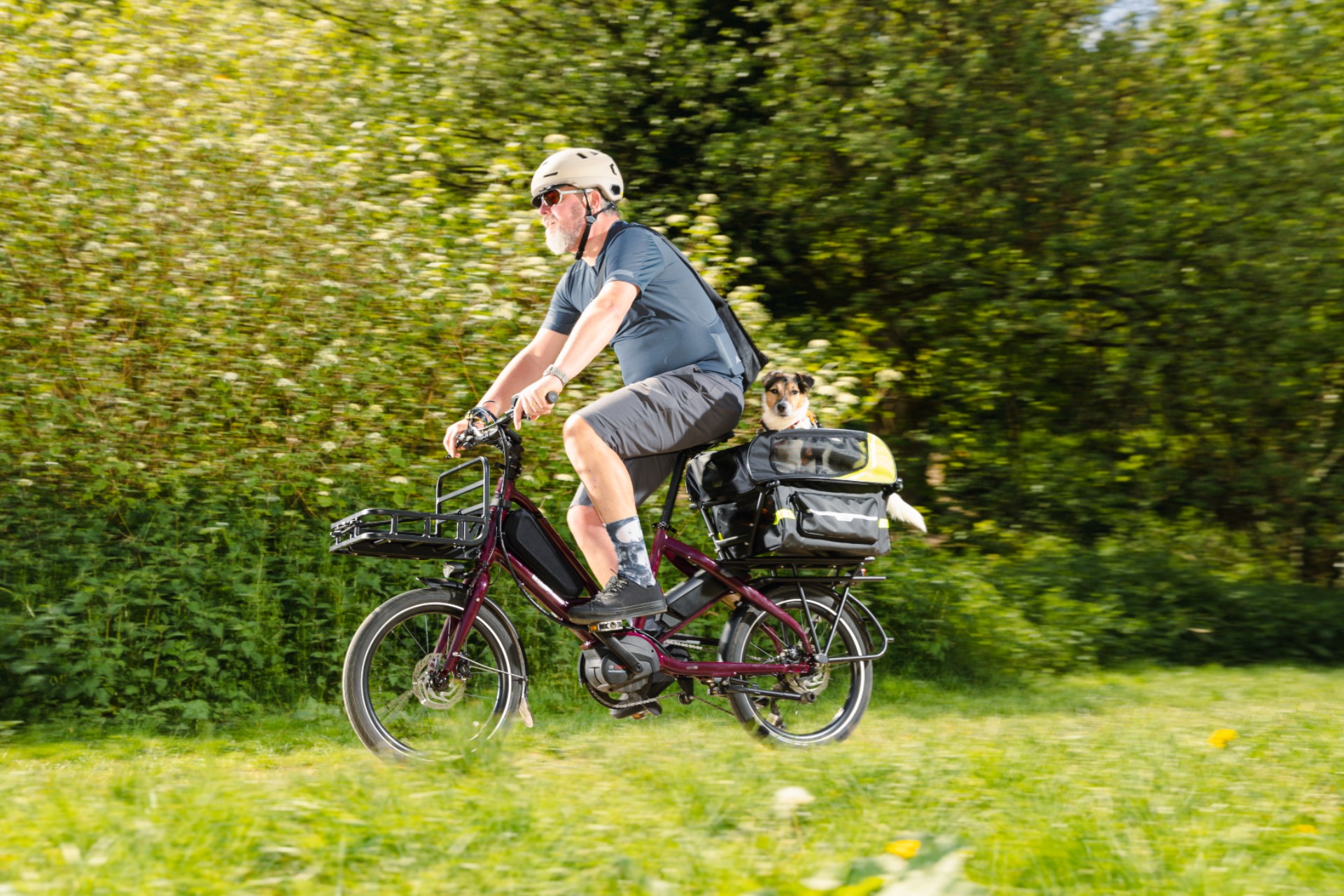
Despite the potential environmental impact of cycling as a hobby, two wheels can still do a lot to help reduce your carbon footprint.
If you don’t use your bike outside of sport, then you should start. Cycling to work if its within rideable distance cuts traffic, makes for cleaner air, and you’ll enjoy it more than being in a traffic jam, fretting at fuel prices, car parking charges, and clean air zone tariffs. Plus, you’ll get fitter.
The same goes for shopping. Get yourself some panniers, a trailer, or just a big rucksack and get down to the supermarket under your own power. Short car journeys are wasteful. If you can ride or walk, you’ll be saving cash and helping the environment.
I’ve done our shopping by bike for years now, and changing the habit of the ‘big shop’ into a weekend shop by bike for essentials and a few rides to the shops during the week (or stopping off on the commute home) means fresh fruit and veg and less food waste. If you have to carry everything you buy, you won’t buy too much.
It’s easy to say well what about everyone else? Why should I change if nobody else will? That can mean your gas guzzling neighbour, or world leaders and politicians denying net zero goals because of other nations not doing their bit.
I’d urge you not to focus on what other people are avoiding but ask what you can do for them. When climate change becomes crisis, the negligence of others won’t stop droughts, fires or floods.
So, I promise to do better. I’ll phase out my plastic bottles, fix inner tubes rather than buying more, and be careful with my sealant usage. I’ll keep commuting and shopping by bike too.