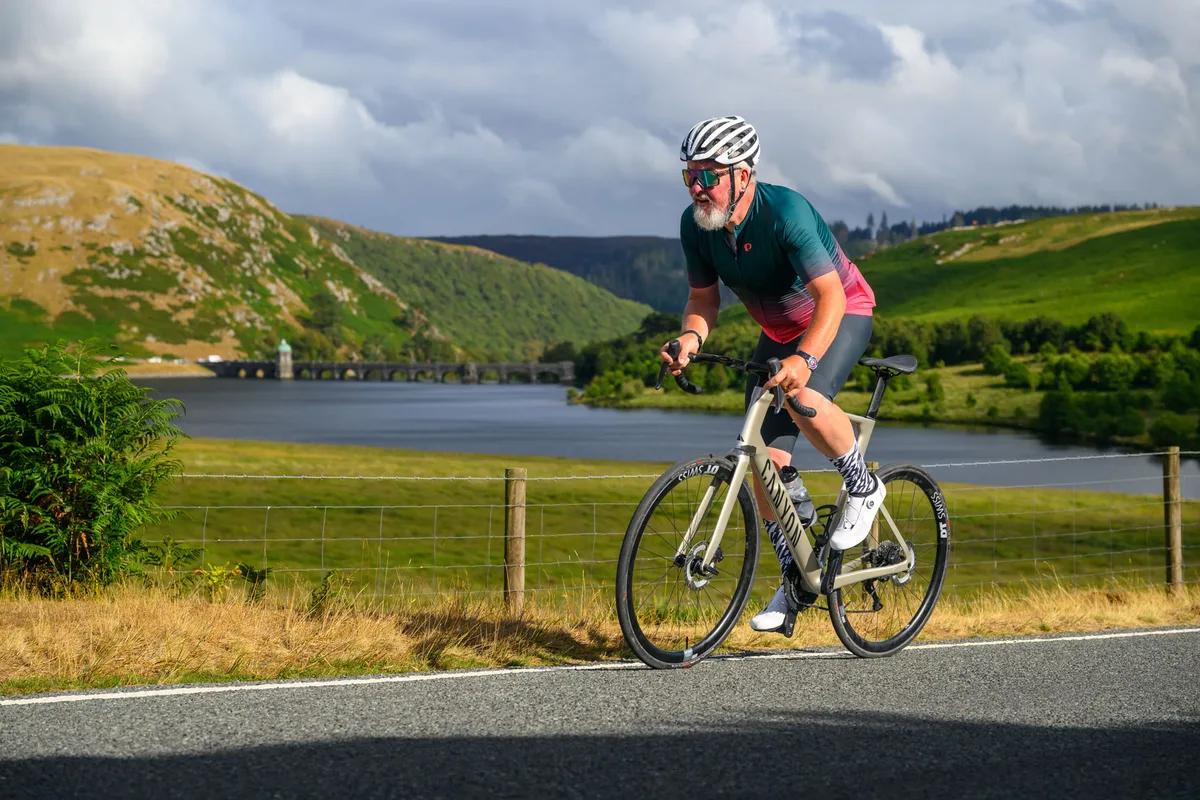
When a new road bike launches there are often comments along the lines of “all bikes look the same now”. We published an article recently that explained the factors behind this claim, but the idea is complete bunk to me.
It’s usually purported by those who long for the ‘good old days’ of external cables, skinny tubes, and even skinnier tyres. It’s a sepia-tinged nostalgia for a time that never existed, when you consider that the bikes of the past were all made from incredibly similar steel tubing, whether it came from Milan, Birmingham or Sakai.
Back then, the only difference was in the lugs (fancy or not) and paint.
So, whenever I see someone describing the road bikes of the 21st century as all looking the same, I can’t help but feel it’s reductive and misplaced.
We’re living in a golden age for road bike design, where there is plenty of diversification.
Tools driving design

Yes, bike design, especially on the road, has become driven by data – and especially aero data. That has led some to say we're seeing a lot of identikit bikes.
If everyone is using the same CFD (computational fluid dynamics) software, combined with the same engineering tools, is it any surprise that the forms created look similar?
Look at motorsport, from GP bikes to F1 cars. The designs are very similar, especially to the untrained eye (like mine) that can’t recognise the smallest details that bring huge gains in performance.
The modern road bike template of dropped stays, Kammtail tube shapes and integrated cockpits came about from forward-thinking brands such as BMC, Specialized, Cannondale and Trek. The reason this approach has stayed around is it works. Data and independent testing has shown that.
Now, however, we’re seeing much more deviation from that template, just as when those design cues moved away from the classic diamond-shaped frame, or sloping top tube pioneered on the certified design classic Giant TCR.
New ideas challenging accepted norms

I’d argue, however, that it’s the interpretation of the data that’s seeing different design and engineering teams come up with some wild new bike designs.
This goes back to bikes such as Cervélo’s S5, the 2009 Factor 001 with disc brakes, Cannondale’s impressively fast SystemSix, and not forgetting the Specialized Venge Vias.
All of these bikes took the same research points, but they interpreted them differently. Now, whether you like any of those designs or not is moot. Beauty, after all, is in the eye of the beholder.
I found the original Specialized Venge an awkward-looking bike, and the same goes for the incredibly successful and outstandingly different Colnago Y1Rs. I am, however, glad both of those bikes exist.
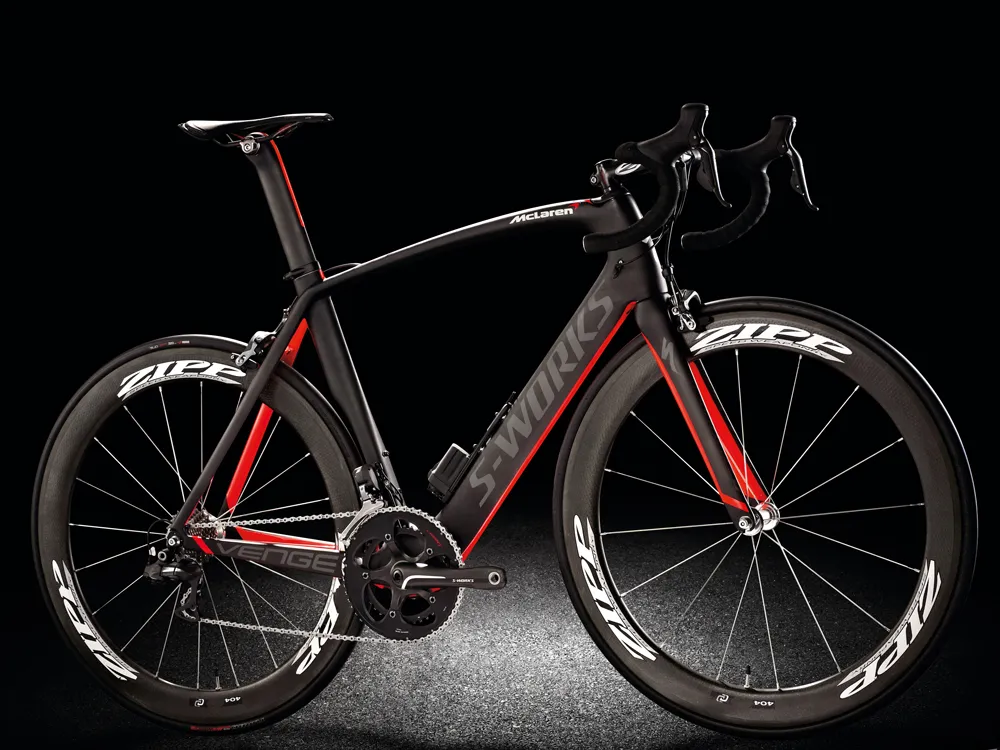
Perhaps the biggest factors driving the difference in bike design are firstly the impact finally being felt of disc brakes. Road bikes have been freed from the shackles of rim brakes with fixed components getting in the way of aero.
Let's face it, none of the integrated brakes really worked. They were difficult to set up with too many proprietary components. Under-the-chainstay brakes in particular were something of a disaster.
The second factor was the relaxation of the UCI’s rules around tube dimensions, which enabled creative designers to explore much more. I find it encouraging for the future of bike design when the data provides the jump-off point for bikes such as the radical new Factor One and the Tour de France winning Y1Rs. And don’t forget examples such as the Trek Madone and Cinelli Aeroscoop.
There’s a wild world of bike designs out there

The me-too design currently being complained about started with the template that came out of BMC with the Teammachine and Roadmachine models.
Look at the latest Teammachine R, however, and it takes that template and adds much more radical thinking. Ridley’s latest iteration of the Noah Fast also pushes the boundaries with its radical head tube.
Cervélo set the aero standard with the radical S5 in 2018. It’s a bike that’s still here, evolving the twin-crown fork integration that made it stand out, and still looking as fresh as it did eight years ago.

Bikes such as the Lapierre Xelius, Rondo HVRT, Argon 18 Nitrogen, and those from bigger brands such as the Madone, Dogma F and Aethos, show there’s plenty of diversity to be found in cutting-edge road bike design.
We’re also seeing experimentation with tyre sizes. Discs have enabled bigger tyres, and aero research alongside rolling resistance data, shows their benefits beyond mere comfort (which was once a dirty word in bike design).
So rather than being in a time of identical bikes, we are in the midst of an explosion of exciting new design thinking. And that’s all with the common goal of making us faster, even if what is created isn’t always to our taste.