I’ve been on two incredible trips this year, spending more time riding a downhill bike than I have in years, and it’s been amazing.
After well over a decade riding and racing downhill, I never thought I’d be without a downhill bike, yet due to life getting in the way, the justification for owning one has got harder and harder to make.
These bikes are designed specifically for, you guessed it, riding downhill, making them impractical for almost anything else. Unless you’re on an uplift of some kind, you’re unlikely to want to ride a DH bike anywhere else. And that’s why I haven't spent a whole lot of time on one in recent years.
But after two decent stints aboard one this year, I’m back in love with downhill bikes and riding. Sure, there’s a lot of extra admin and expense that goes with riding downhill, but for me, it doesn’t get any better than tearing down a hill on a bike designed to go as fast as possible. You can’t beat it.
Tool for the job
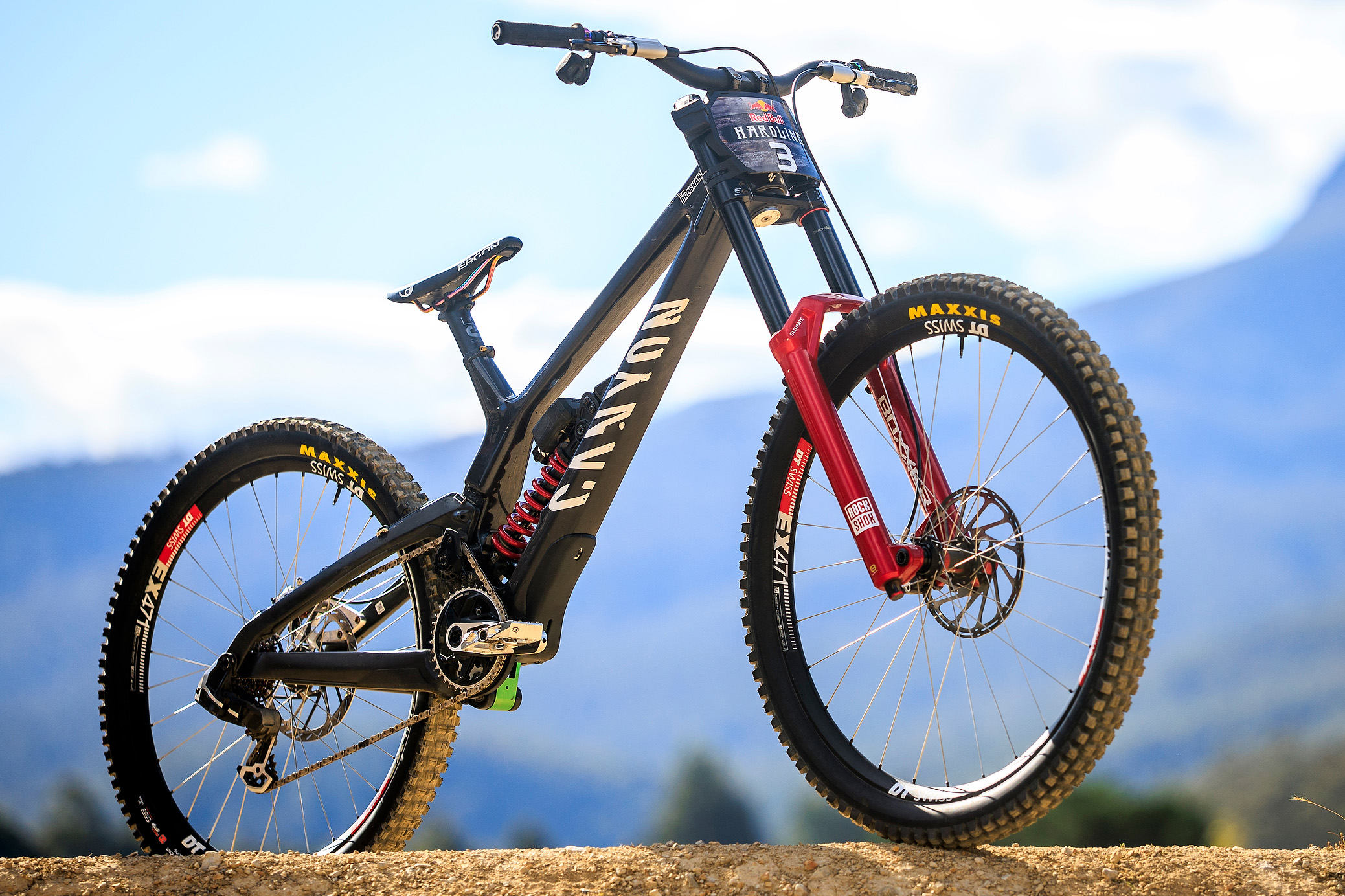
Anyone who’s ever thrown a leg over a good bike will know the feeling. Whether that’s a lightweight, stiff and efficient road bike, ultra-capable cross-country race bike or super-versatile trail bike, the feeling of riding a bike that’s designed specifically for the job at hand can’t be beaten. These bikes feel fast and, as a result, make you feel fast, too – even if it’s for the briefest of moments.
But nothing comes close to the latest crop of downhill bikes. These things will blow your mind with what they are capable of, although reaching their performance ceiling requires masses of skill and bravery.
When I started racing downhill, things were very different. As soon as the tracks started to get even remotely challenging, we learnt quickly that the bikes couldn’t keep up.
Hitting the limits of what those bikes were capable of didn’t take a lot. If your chain wasn’t falling off, your brakes weren’t working, your tyres would be clogging, or your fork spraying oil left, right and centre on every compression. Thankfully, things progressed fast and those rickety bikes of the 90s were soon left behind.
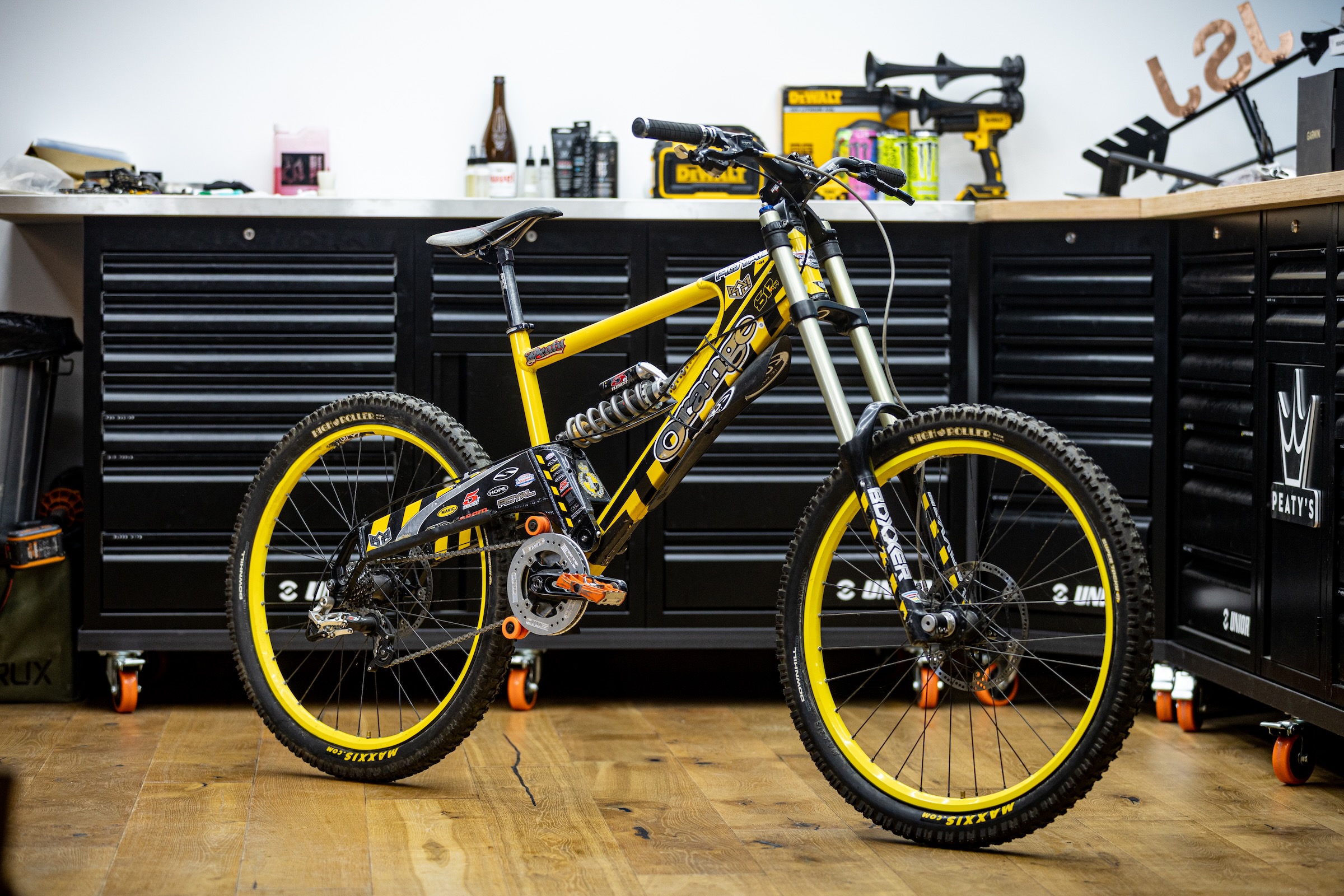
Fast-forward 30 years and the bikes are ridiculously advanced, with ground-hugging suspension, masses of travel, stable geometry and kit that can take a proper hammering. In fact, for most of us mere mortals, it’s almost impossible to push these bikes to their limits – they’re that good.
I was reminded of this and quickly humbled on the slopes of Coronet Peak, New Zealand, back in February, realising I’d need to push my own limits much further if I was going to get the most out of the impressive Canyon Sender I’d be piloting for the week.
Getting away with murder
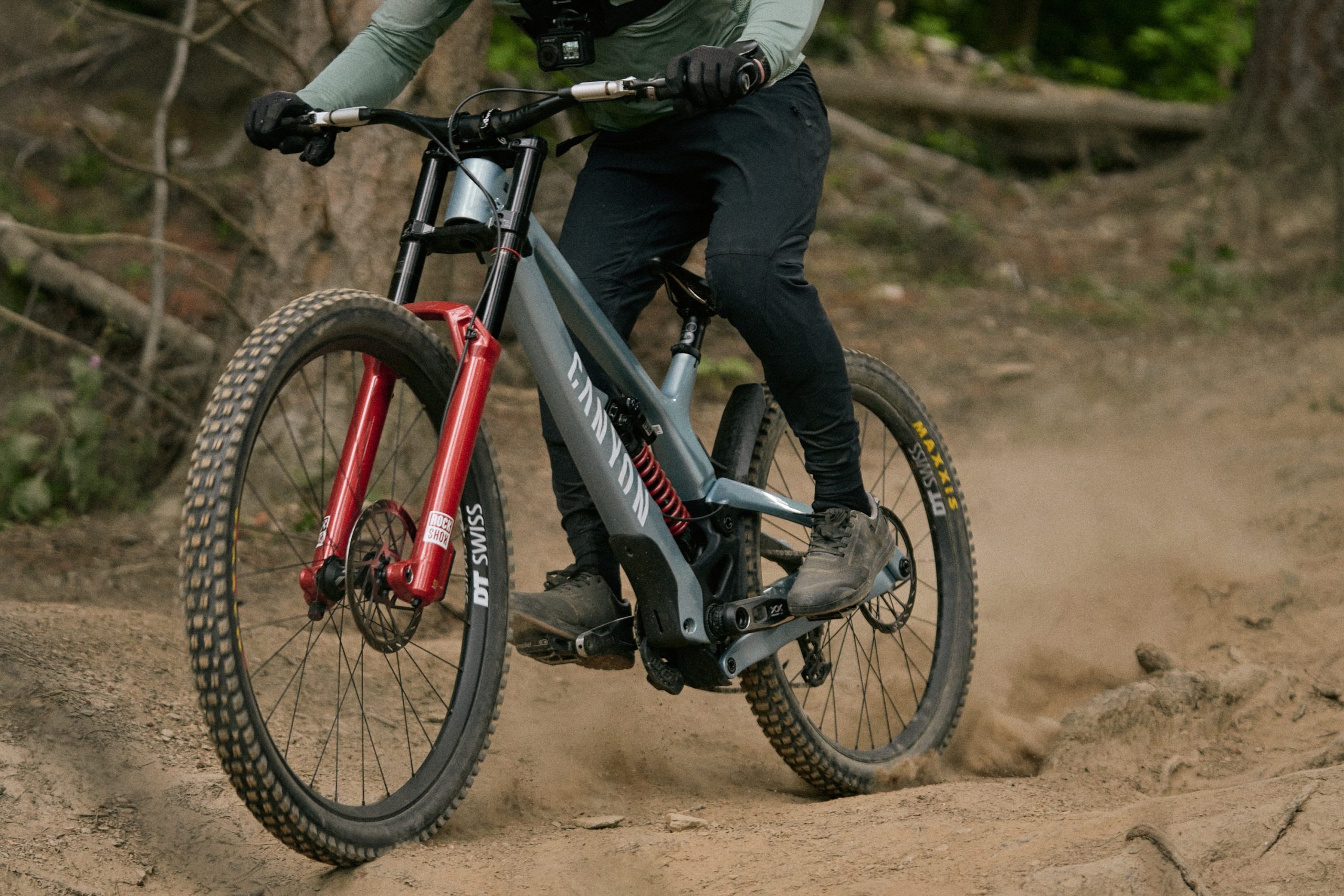
When I first got on the Sender, it took me a while to adapt. Even though I’d been riding long-travel enduro bikes, nothing compares to the capability of a downhill bike.
Yes, there’s a bit more travel (sometimes we’re talking only 20mm at the front and rear), but it’s all the small differences that add up to make riding a DH bike such a different experience.
The stretched-out wheelbase, burlier dual-crown fork, chunkier frame and thicker, stickier tyres feel as if they slow your riding down, giving you more time to make decisions and a bit more leeway when things go a bit wrong.
Start to learn the lines on-track and build confidence on the bike, and nothing can compare to rattling through a technical section or belting off a jump aboard one of these race-ready machines.
There’s a flipside, though. The bandwidth for DH bike performance is seriously broad, with what feels like an almost limitless cap on speed that’s impossible to reach.
Remember, these bikes are designed for the fastest riders in the world and, as a result, are very capable. That means finding their limits is tricky and requires most of us to take a big, long step outside of our comfort zone and ride them faster and on tougher terrain than any other bike.
If I’m being brutally honest, most of us – me included – won’t hit the performance ceiling of these bikes because they’re just so good. But it is fun trying.
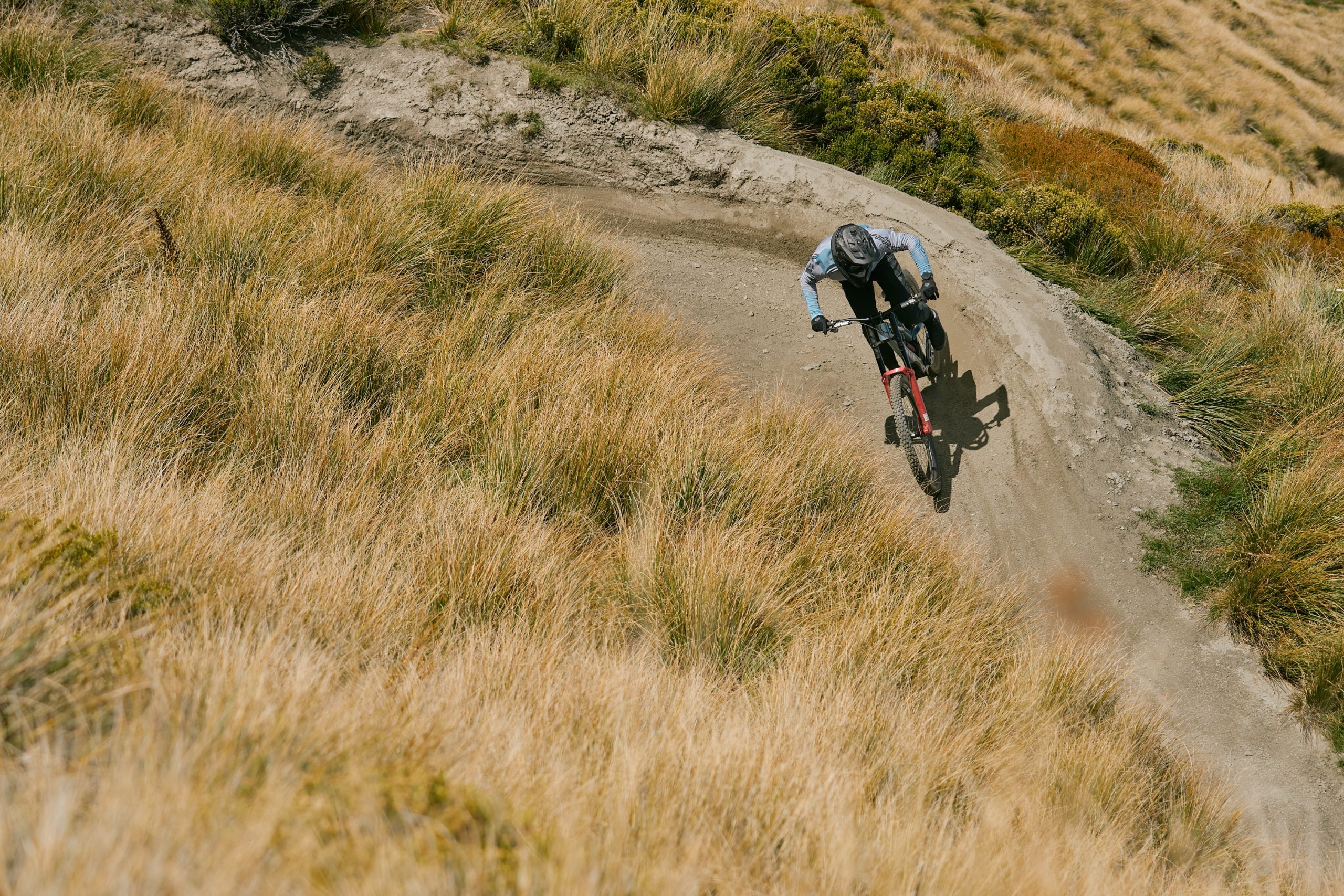
I experienced this first-hand, rattling down beaten-up tracks in Queenstown and, more recently, retracing my racing routes in Schladming, Austria.
Those first runs are always eye-opening. Things feel slow and tentative, then the speed starts to build, and there’s an abundance of grip and control like nothing you’ve felt before. You keep pushing and pushing, and the bike keeps working, holding the lines, handling the landings and taking the beatings on the chin.
It’s when fatigue sets in and the mistakes start to crop up that I’m reminded why I love downhill bikes so much.
On our final run of the day in Schladming, hammering down the old World Cup course – a track I tried to race but failed to qualify on some 20 years ago – I could feel things unravelling a bit.
After boosting off a worn-out take-off, I could see what I was about to land in and it wasn’t pretty: axle-deep braking bumps and rocks, with no way to avoid them. I was sure it was curtains for me.
I landed travelling a little too fast for my liking, and could instantly feel the tiredness in my arms and hands after a full day on the mountain.
If I were on anything other than a DH bike, I’m not sure I’d have stayed on. Instead, the Sender simply soaked up the chunder while I held on for dear life. It was by no means a walk in the park for this poor machine, but it handled it better than expected, much to my relief.
Impractically perfect
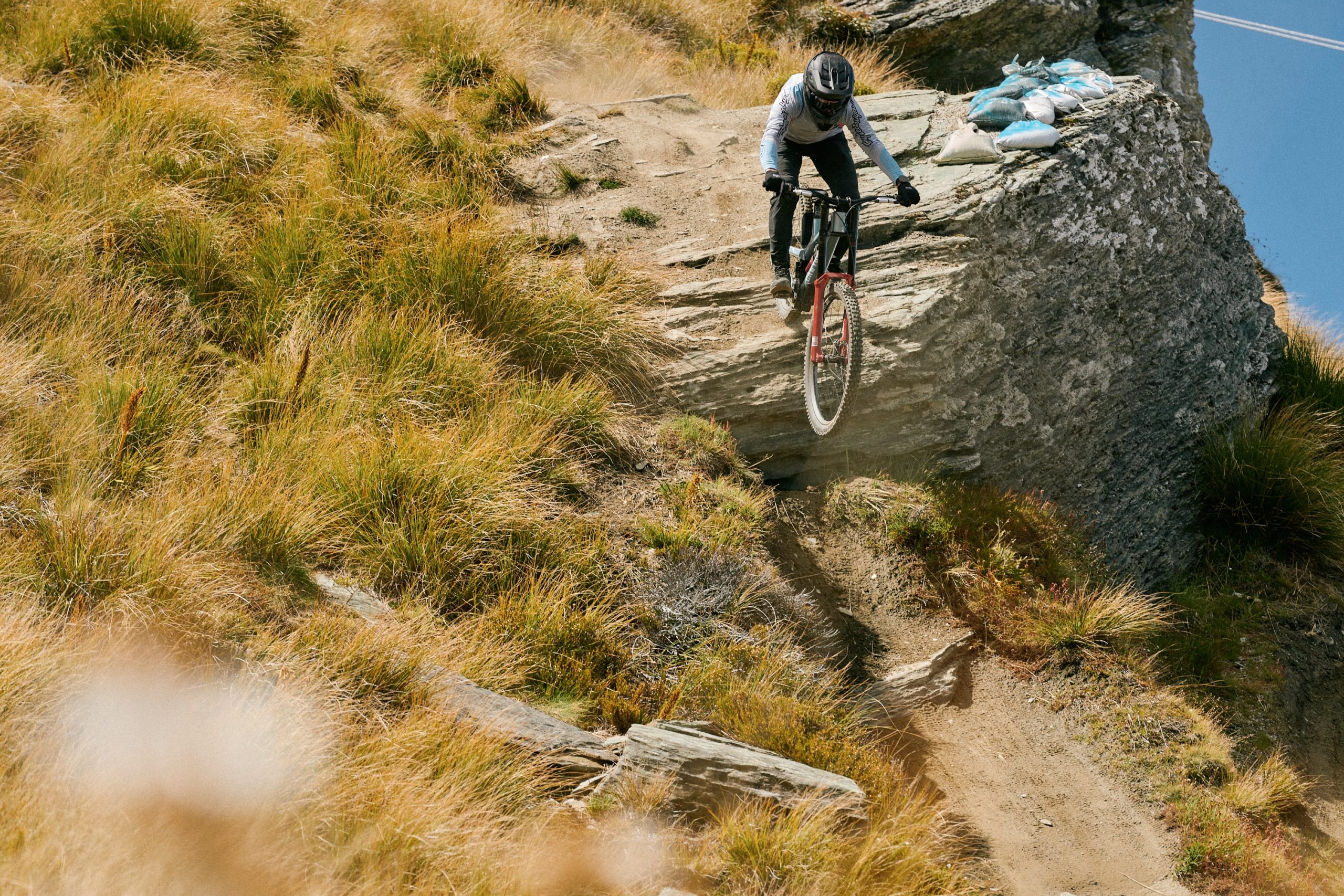
There’s a reason I’ve not had a downhill bike for some time; they’re so specific that riding them takes a lot of effort, planning and, often, money.
They’re not practical for the most part. You wouldn’t want to pedal one around a trail centre as you would a trail or enduro bike. Most rides on a DH bike require travelling to a venue, paying for an uplift and clocking up the runs, which will likely equate to spending only 20 or 30 minutes riding the bike across an entire day.
Regardless, though, if I had the money, I’d get another downhill bike in a heartbeat. There’s nothing better.
I realise I can get a similar kick out of pedalling an enduro bike for lap after lap and taking in the same tracks, but nothing compares to that almost limitless feeling a downhill bike can conjure up, the security it delivers and the speed it can carry.
Now I just need to work out how to get another one…