In our Tech Q&A series, we tackle cycling queries – big or small, complex or simple – with insights from the BikeRadar team and trusted industry experts. Next up, a reader wants to know how he can keep his feet warm in winter conditions.
How can I keep my feet warm while riding? What lengths do you guys go to in order to keep your tootsies toasty?
Ezra Marvin
Senior technical writer Simon von Bromley says the most important thing is to keep your feet dry.
Once your feet get wet, that's often terminal for keeping your body warm. Wet socks are a heat sink and will draw heat away from your toes.
We'd recommend opting for woollen socks (rather than cotton because they take ages to dry and readily hold onto moisture) if you know you're going to be riding in the rain.
This is because wool is hydrophobic, but high-quality polyester could be an alternative if you’re allergic to wool, albeit it's not as effective an option.

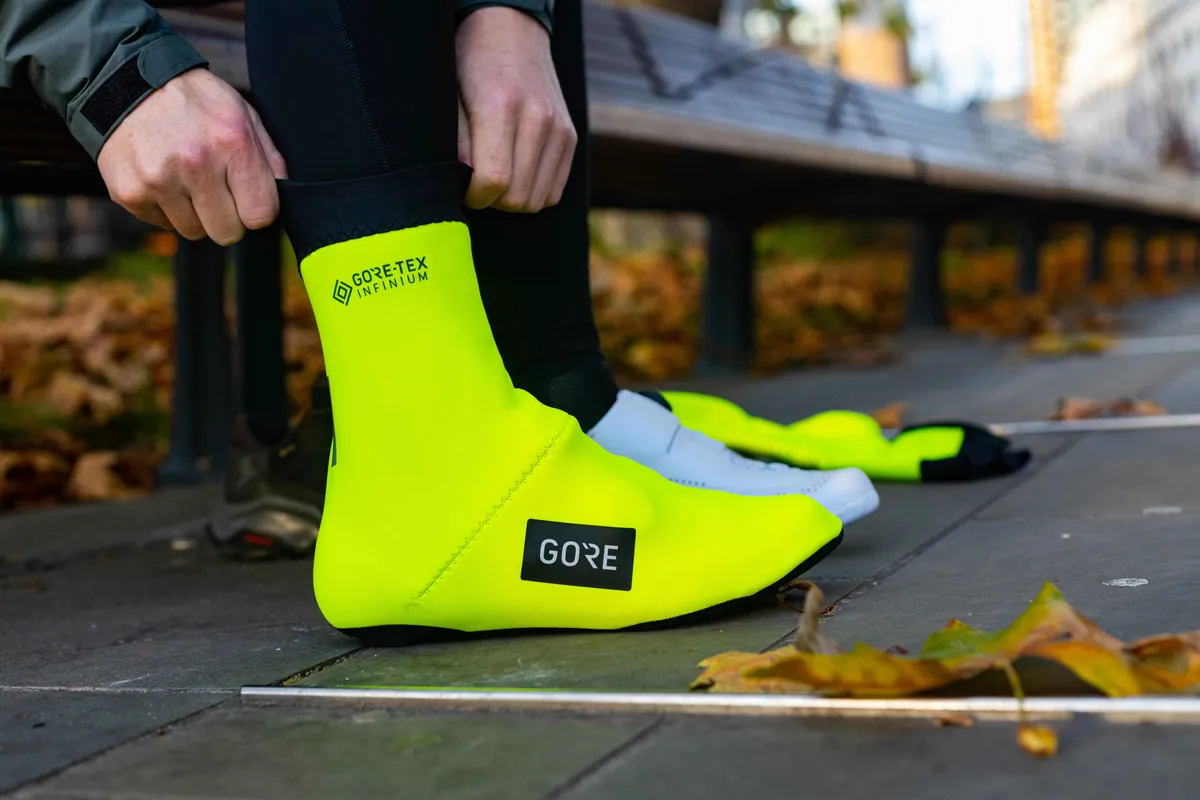
Most cycling shoes are designed to be breathable, and therefore not well suited for colder and wetter conditions, so we’d recommend opting for overshoes or winter boots when the mercury drops.
We’d also recommend mudguards to stop any spray getting into your shoes (and your bike), and you could try sealing your shoes' vents. The soles of a cycling shoe typically have a hole to let air through underneath.
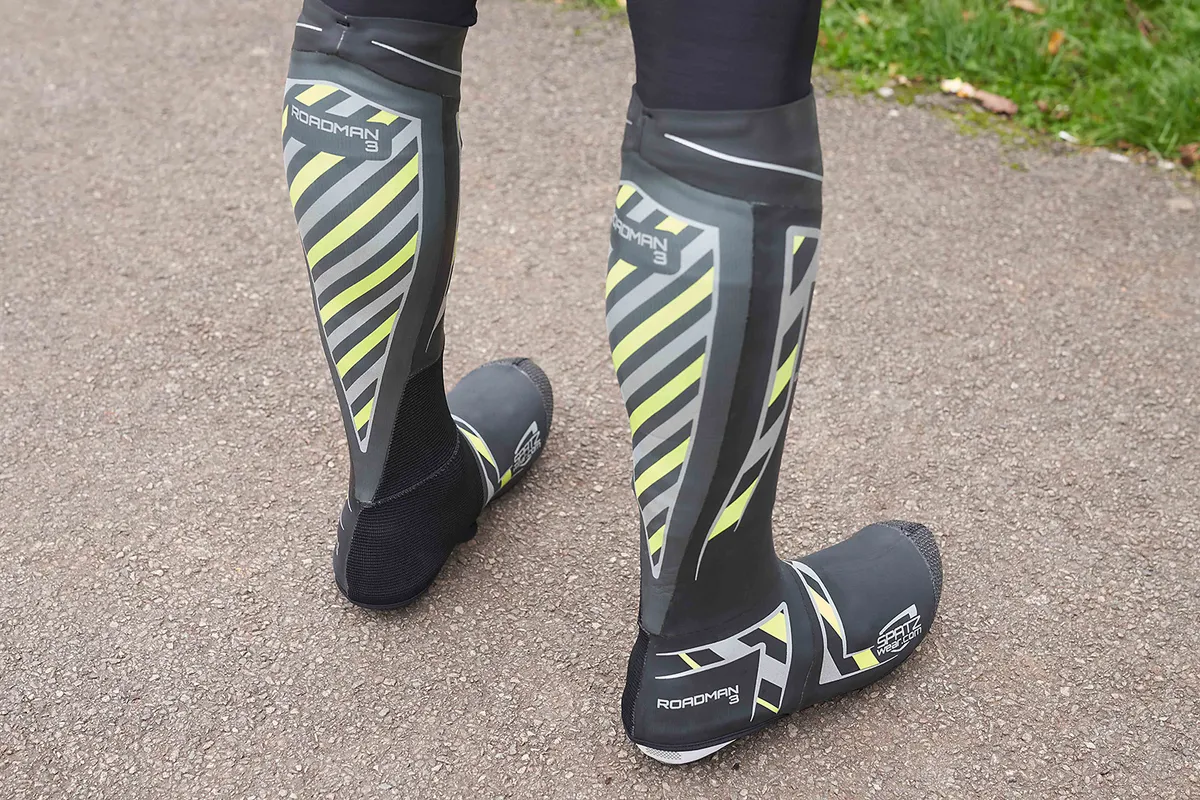
In terms of overshoes, consider the material and how tall the cuffs are to stop water from getting in – we like neoprene (used in wetsuits), which will keep your feet warm even when wet. Other windproof, waterproof and breathable materials exist, too.
One alternative to overshoes is dedicated winter cycling shoes, which tend to have sealed soles so water doesn’t ingress and save time compared to putting on overshoes.
Also, consider sweat management. If it’s unrealistic to stop sweating, Jack Luke recommends a vapour barrier to prevent the moisture from your feet wetting your socks.
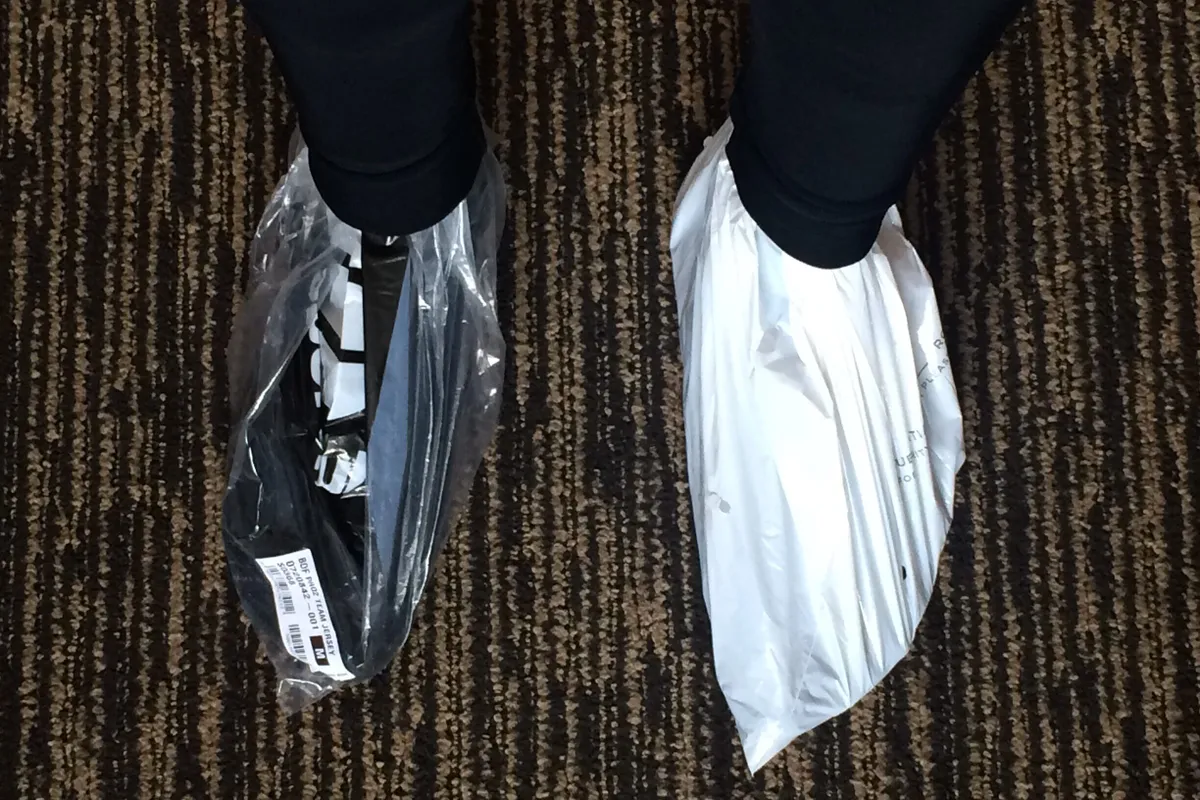
Although Jack admits “it sounds super kinky”, he recommends wearing a plastic bag over your skin. He says it works because it stops any wind chill from getting through and your socks from wetting out. Alternatively, you can wear waterproof socks or get some proper vapour-barrier socks.
Jack also cautions against stuffing excessively thick socks into your shoes because you might impede circulation. If you suffer from Raynaud’s or similar, consider heated overshoes.
Finally, Simon suggests indoor cycling if the weather’s really grim, but appreciates many prefer to ride outside.