In our Tech Q&A series, we tackle cycling queries – big or small, complex or simple – with insights from the BikeRadar team and trusted industry experts. Next up, a reader wants to know if a tubeless tyre has a greater risk of blow-offs than a clincher tyre with a tube.
I’ve heard of sudden air loss causing tubeless tyres to come off hookless rims. But how about on hooked rims? Is a tubeless tyre at greater risk of blow-offs than a clincher tyre with a tube?
A reader, via email
BikeRadar’s senior technical writer, Simon von Bromley, says the opposite is more likely to be true.
A tubeless setup includes sealant, which coats the inside of the tyre and repairs small nicks and holes as they appear, Simon explains.
Another benefit of the system is that the sealant will often seep in between the tyre and the rim, effectively glueing them together. So, even if the tyre deflates suddenly, it will generally stay in place.

Anyone who has ever changed a tubeless tyre will attest to how strong this bond can be, often needing some strength to separate the tyre from the rim.
Tubeless tyres also have more flexible beads than clincher tyres, which further reduces the likelihood of them falling off the rim.
However, Simon says the chance of either type of tyre coming off the rim is low these days.
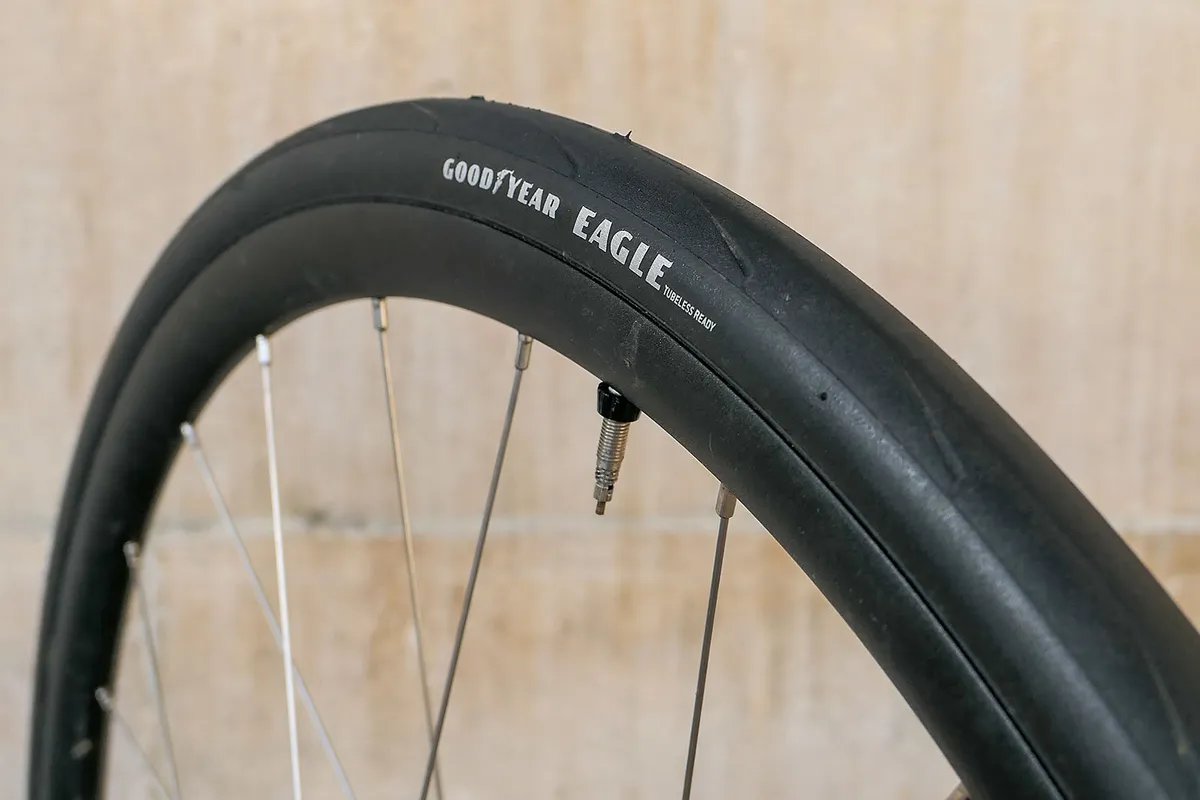
In his opinion, most failures are caused by incorrect fitting, underinflation or running incompatible rim and tyre combinations.
So, while it’s impossible to rule out a tyre blowout, it’s not a reason to avoid trying a tubeless setup.