For years as the features editor of BikeRadar's sister magazine, Cycling Plus, there was one idea that stayed on our agenda, unfulfilled: could we break a cycling world record?
Nothing so obviously out of reach, like the individual pursuit or the Hour Record, which are the domain of elite athletes.
We were targeting silly, scarcely believable ones, such as 'fastest time to cycle 10 metres on glass bottles' (a legit Guinness record). We never did get round to it.
On the spectrum of cycling world records, from the sublime to the ridiculous, there is a class of serious achievements that could, theoretically, be targeted by you and me. These are the distance records, that could be summed up as riding X kilometres in Y time.
Spanning counties and countries, continents and even the world, these records are clearly feats of relentless endurance and no little ability on the bike, but success is ultimately defined by intense focus and singular dedication to a goal.
These attributes can, to an extent, be learned and honed, rather than the innate talents that enable a cyclist to sustain 450 watts for an hour.
One way north
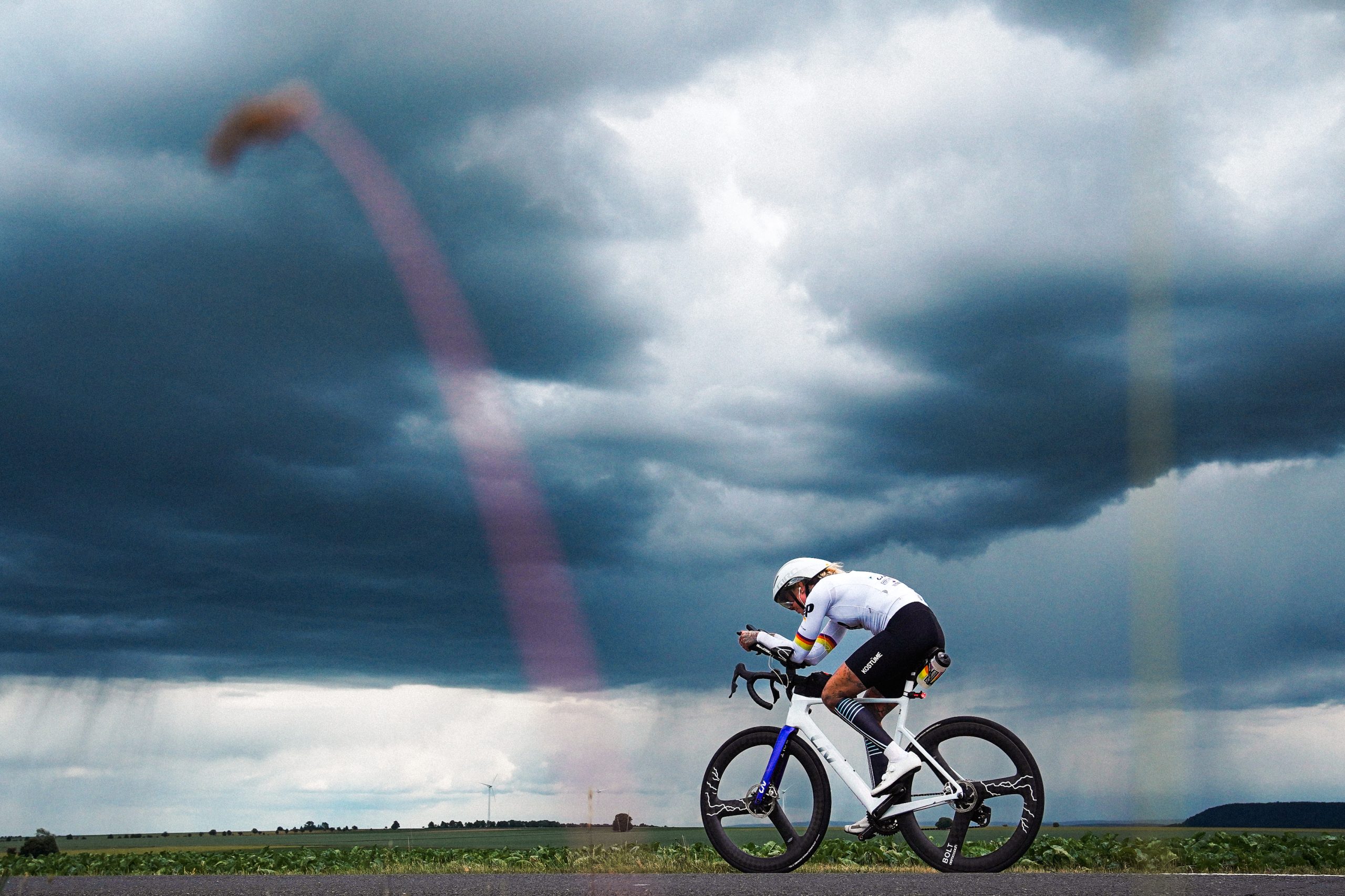
Focus, dedication – and no little innate ability – are what Dr Sarah Ruggins brought to her world-record ride this June.
The 38-year-old rode 6,042km, the entire length of mainland Europe, from southern Spain to northern Norway in 13 days, 20 hours and 27 minutes, beating the previous record (held by a man, it should be noted) by more than three days.
Known as One Way North and raising money for World Bicycle Relief, Ruggins' challenge saw her cross nine countries, ride between 400 and 600km each day (up to 22 hours a day in the saddle) through temperatures that ranged from 35ºC in Spain to -10 in Scandinavia.
The bare-bones stats tell only part of Ruggins' story, however.
We caught up with her at home, several days after returning from Norway. She’d enjoyed a week off, but by now was already back out on the bike “just trying to enjoy movement again”.
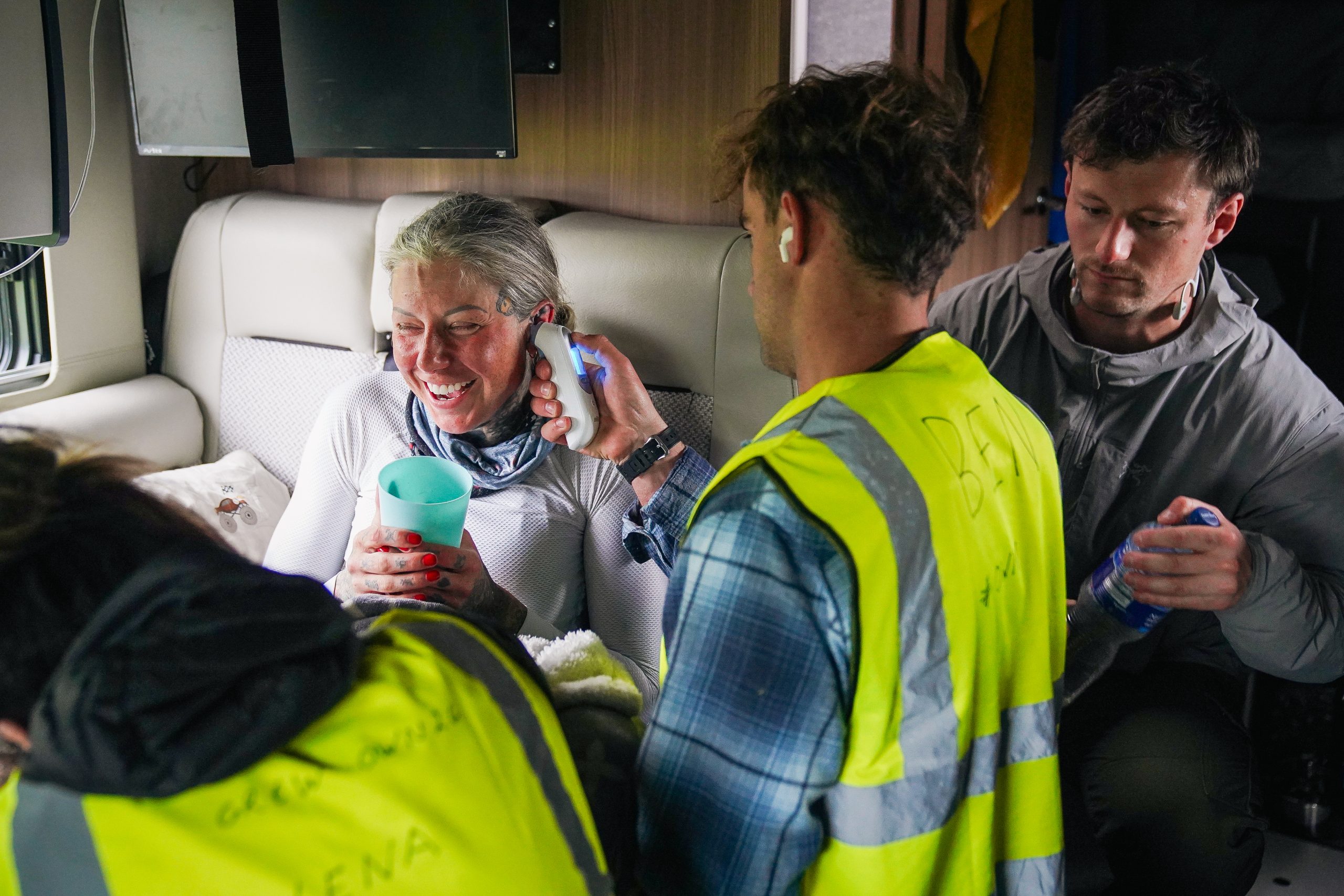
You’ve perhaps no choice after a ride like that, in which your body has become bike-shaped. “When you train to the volume that I did, your body expects to be in movement. It was nice to have a week off doing nothing, but now I’m starting to get that itch again,” she says.
That itch to ride might be most familiar to people who are relatively new to cycling – which, incredibly, Ruggins is.
“April 2023 is when I got my first adult bike,” she admits. That same summer, she was challenging for the podium in the Transcontinental Race, a single-stage unsupported bike race across Europe. It was just the start of her cycling escapades.
By 2025, she’d broken the all-comer record for riding the 2,700km John O'Groats-Land's End-John O'Groats (LEJOGLE) route in 5 days, 11 hours and 14 minutes.
How does she explain such rapid progress?
“It is probably two things. I have incredibly deep focus, especially when it’s on one single thing. I’ve always been raised that when we pick something, we commit to it and we try to do the best we can.
"That’s been in my academic career [she has a PhD in finance, and works in the sector in London] – and now in cycling. Whatever I do, I want to really enjoy the process of going from novice to expert.
“There’s also trying to find the limits of my capabilities. Not to be the best, but the limits of what I can do. That’s what’s propelled me in cycling.
“How I did that, and I don’t recommend it to others, but I was just relentless, training seven days a week, tunnel vision, up to 35 hours a week.”
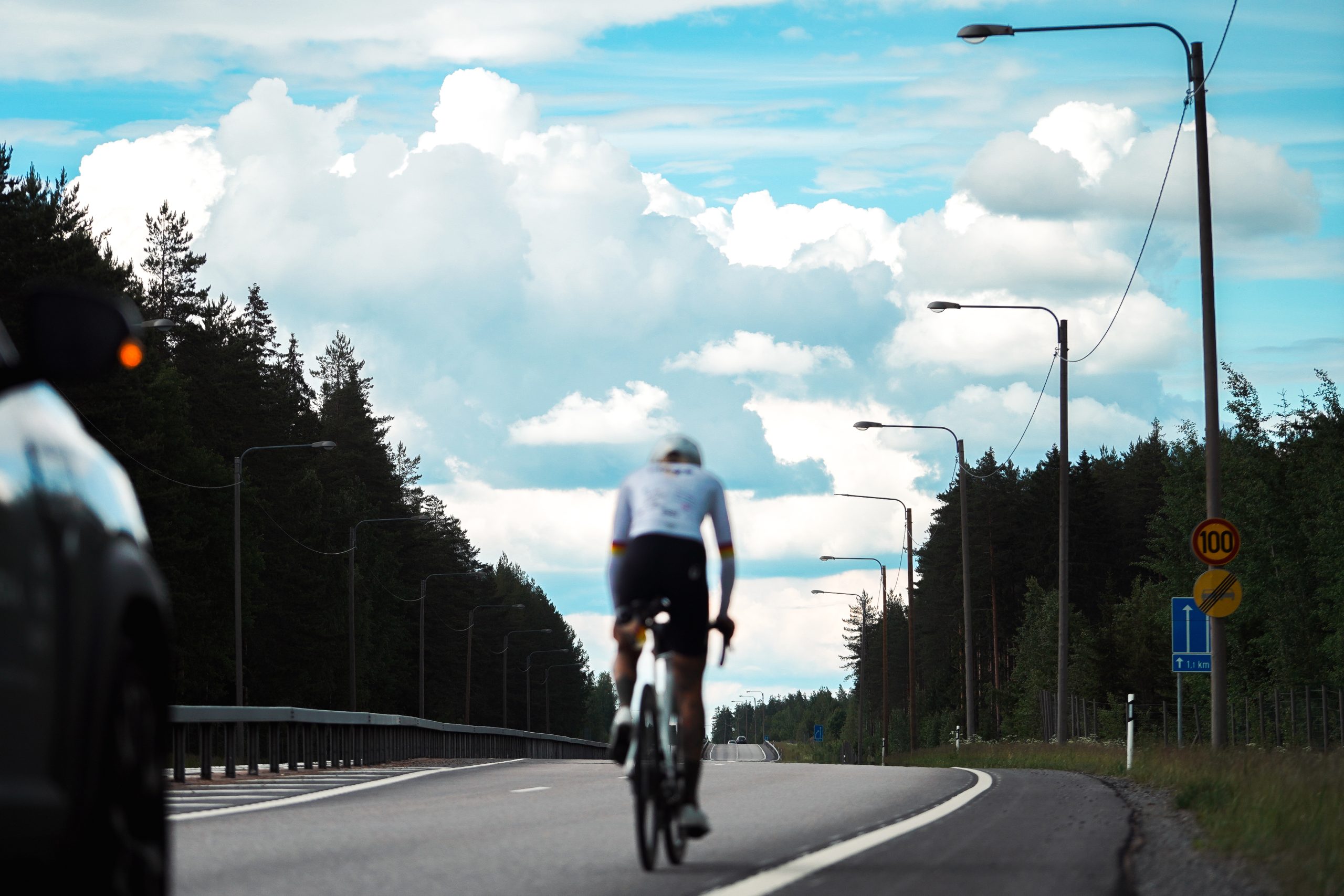
What was sacrificed on the altar of this record, then? In the early part of her training, Ruggins was working full-time as an investment director in London, which meant there was little time for anything outside of this and her training.
Her alarm would go off at 3am, she'd train on the bike and in the gym, do 9 to 5 in the office, then be on the bike in the evening. Fortunately, she says, her friends and family are all athletic, so time with them could be spent on the bike.
I suggest most people with a full-time job would be gobsmacked at simultaneous 35-hour training weeks?
“For me, when you set a goal, it’s about what you’re willing to sacrifice… people think they don’t have time, but they do. I don’t have any friends over, I don’t have a TV, or any subscriptions, no Netflix, nothing. It’s easy to say ‘I have no time’, but then you see you’ve doomscrolled on your phone for an hour!”
Latterly, even work has had to give for Sarah, and for the final year before the record attempt, she wasn't working and was able to make cycling her ‘full-time job’.
Early promise
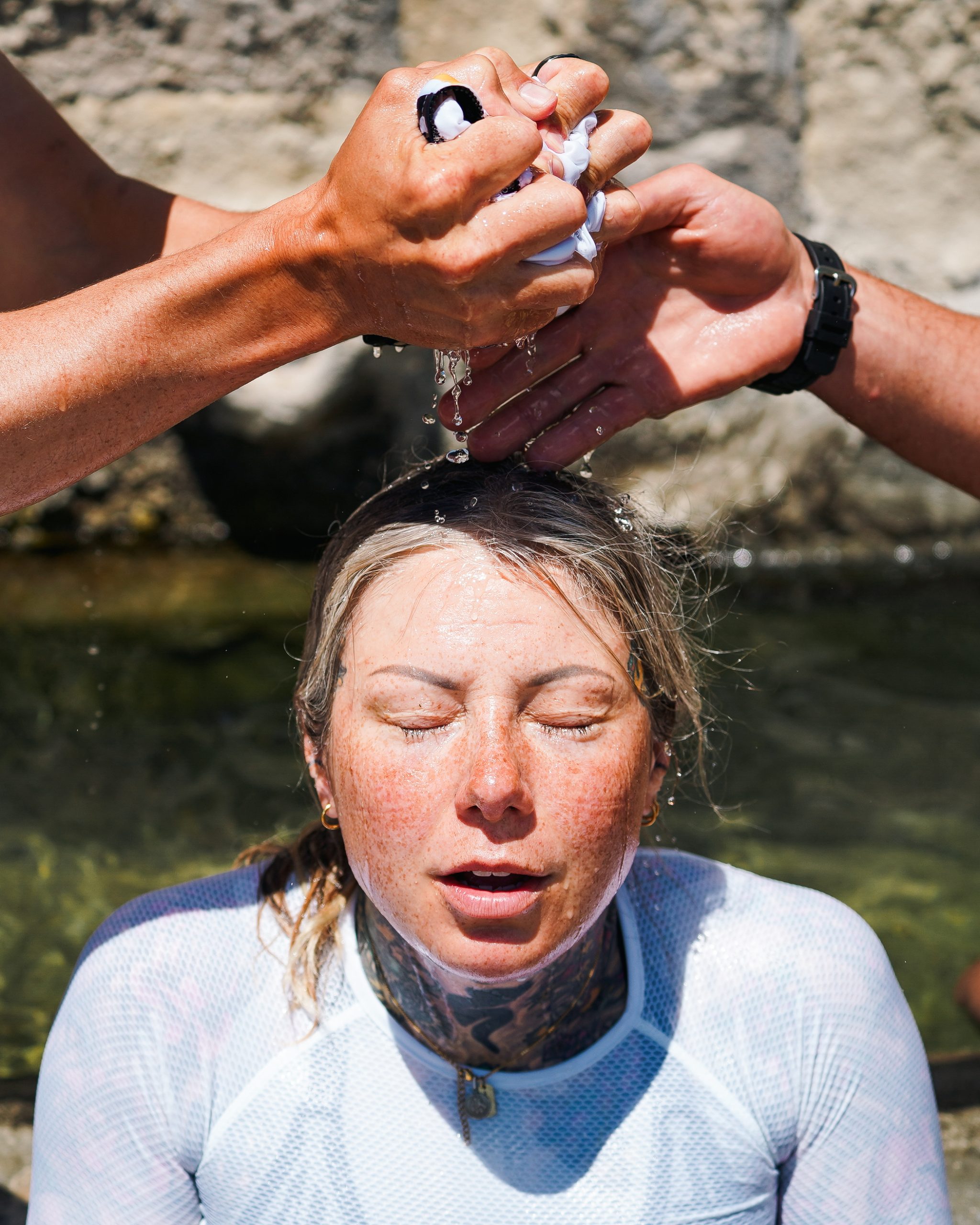
Ruggins' potential for endurance cycling was no chance discovery and this opportunity to be a full-time athlete may have occurred much earlier in life had illness not sabotaged a promising junior career.
As a 14-year-old in Canada, growing up she was in the Olympic pipeline, holding national records as a middle-distance runner and achieving Commonwealth Games qualifying times at that young age.
But after routine surgery on a minor foot injury, she developed complex regional pain syndrome (CRPS) – a neurological disorder she calls one of the most severe pain conditions there is.
Over the course of a few months, she lost movement in her legs, then her arms, her hair fell out, and she ultimately became reliant on full-time care. “It was the pivotal turning point of my life,” she says. “I was forced to redefine my life as a teenager.”
It lasted several years, which delayed her graduation from high school (which she went back to finish). Ultimately, she was impacted by it for around a decade.
“Having to learn to walk again, to hold a pencil and tie my shoelaces, all those fine motor movements…
“I was out living my life, just not an athletic one. It allowed me to pursue academics: four degrees, four different subjects, it’s where that deep focus came in.”
A very particular set of skills
Doing her doctorate in Edinburgh, was when Ruggins trusted her body enough for it not to hurt her, and she took up running.
Those early 5k runs became 100-milers, and by 2023 she was on the cusp of attempting the LEJOG running record.
“But… my disease had led to brittle bones. I broke my pelvis, my femur in three places. I needed three abdominal surgeries. And I was told not to run again – and that’s where the bike came in.
“I figured that while I could no longer go fast, my illness gave me a new skillset of self-regulating through discomfort and that’s where my interest in endurance came from."
Her training for the European ride was very prescribed, working with her coach Rob Lee, of RLP Coaching, alongside a strength coach.
It’s not for the faint-hearted: seven days a week, typically 25 hours in the saddle with the vast majority in zone 2 (and within that a lot in low zone 2), plus another five in the gym.
“There are periodisations where we get a bit punchier, but the main premise for my training is that my VO2 max and my FTP are not going to be my limiting factors," she says. "When you're doing really long rides like this, it's about durability, full body robustness and the ability to perform with increased load.”
Riding far, fast
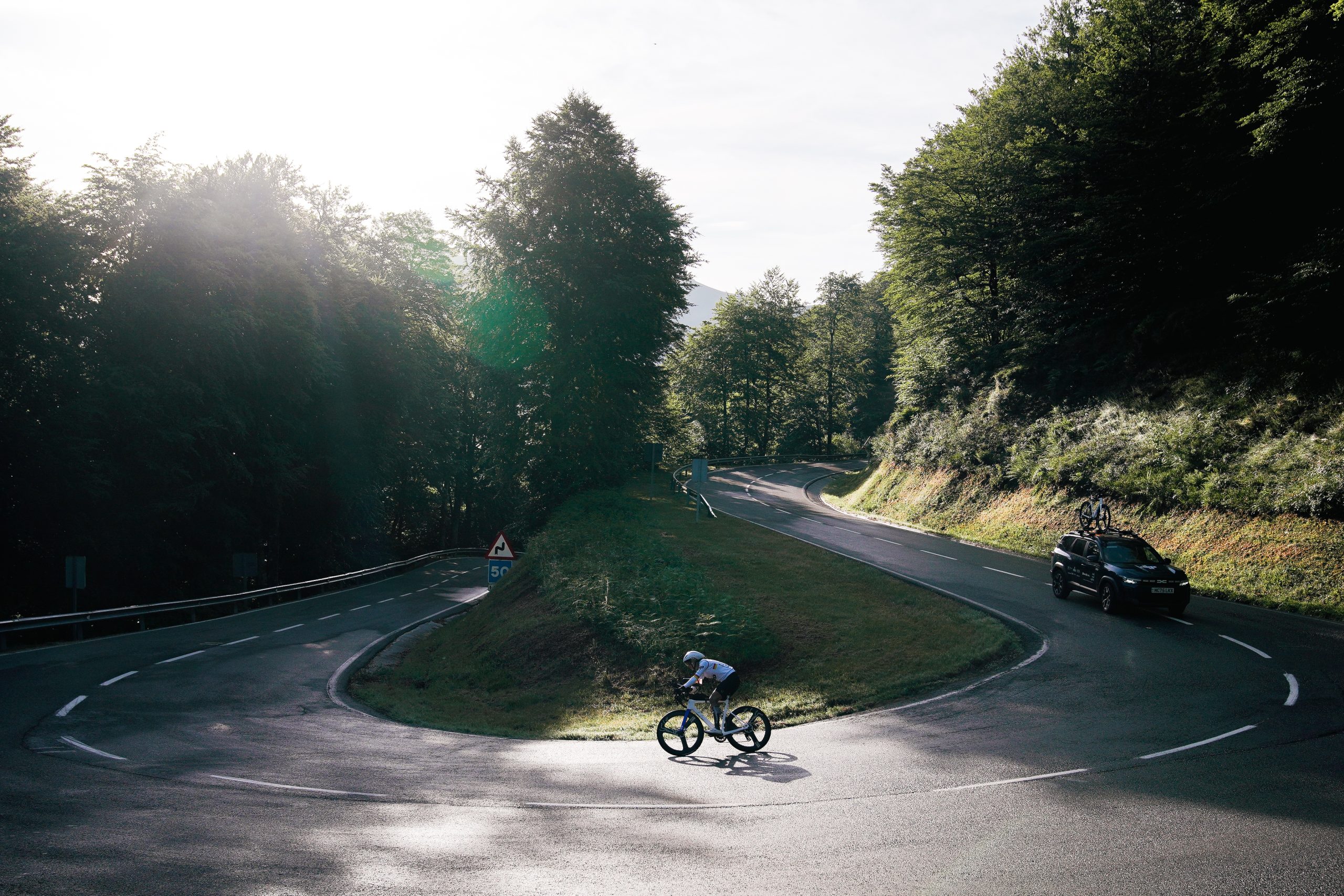
Crucially, her longest training rides were eight hours – far shorter than the 22-hour days she’d do during the record.
“There’s a difference between riding a bike far and riding a bike far, fast," she says.
“If you want to ride a bike far, fast, you need to be diligent in your training and not led by ego. You don't want to be doing tons of miles and then having to take a day or two off to recover.
“That actually puts you farther behind. What you want to be able to do is ride less every day, but ride every single day and start compounding those miles without taking multiple rest days at a time.
“And that's what will enable you to be more robust and stronger in these events. Doing less, but doing it more regularly is the key.”
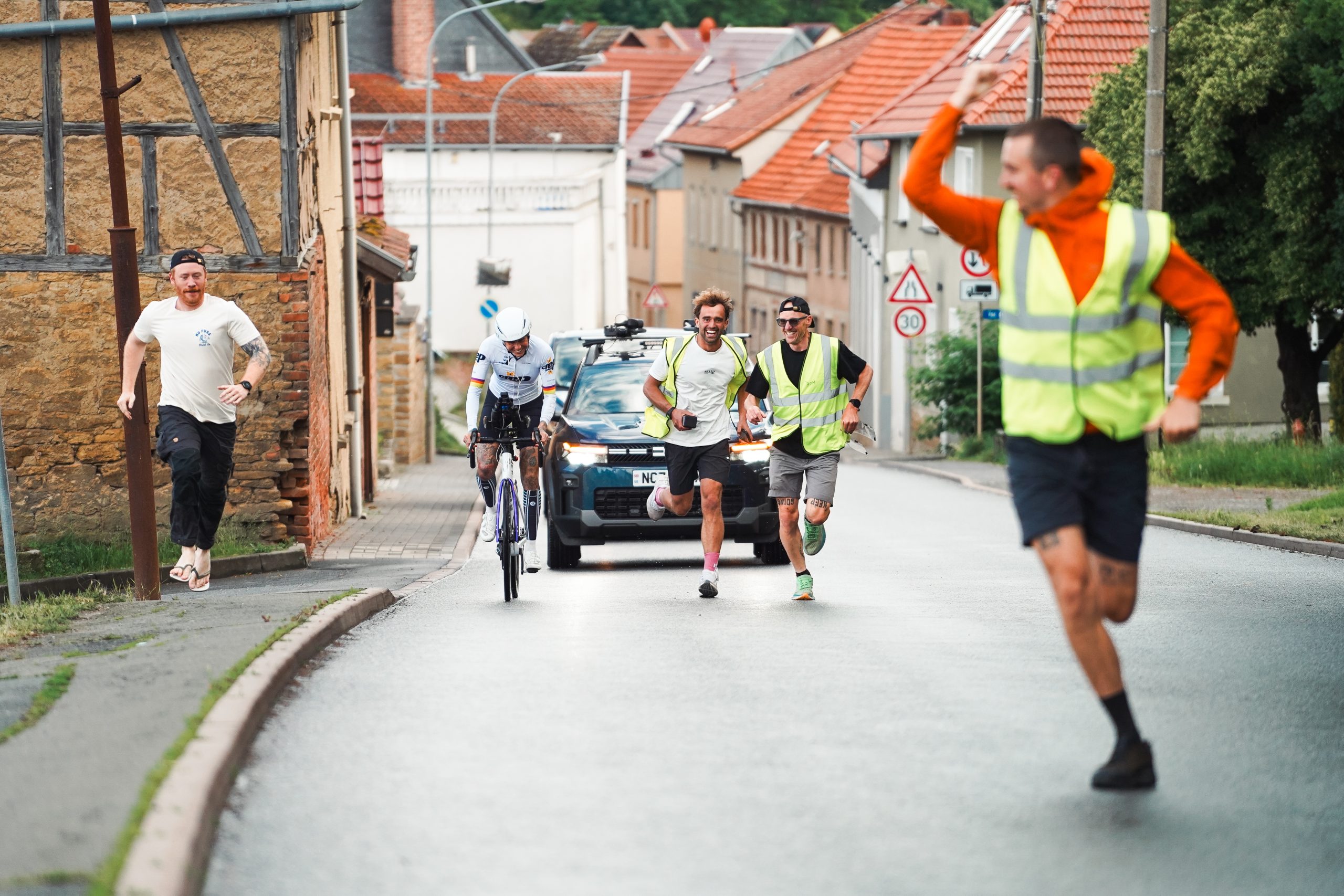
Is thinking about process the key to such challenges, rather than the goal of the world record?
“I'm going to be perfectly honest with you – I don't care about records," she says. "We apply for them because I think it's powerful to do so, especially as a woman in the sport, to have your name in the books, but I'm not riding in competition with anybody.
“My goal and how I measure success is being able to say that I had nothing left by the time I got to the end. If I empty the tank and I didn't get the record, I would have been just as happy because I would have known I would have found the limits of my capabilities.
“This time we found the limits of my capabilities and it just so happened we surpassed the record. So for me, that was the icing on the cake. I don't care where I'm at versus the record until the final few days.
"And that will help me assess whether I can push or not. But it's about riding to my capabilities and trying to find my limits and flirting with the ability to surpass those limits in a sustained way in the ride. That's what motivates me.”
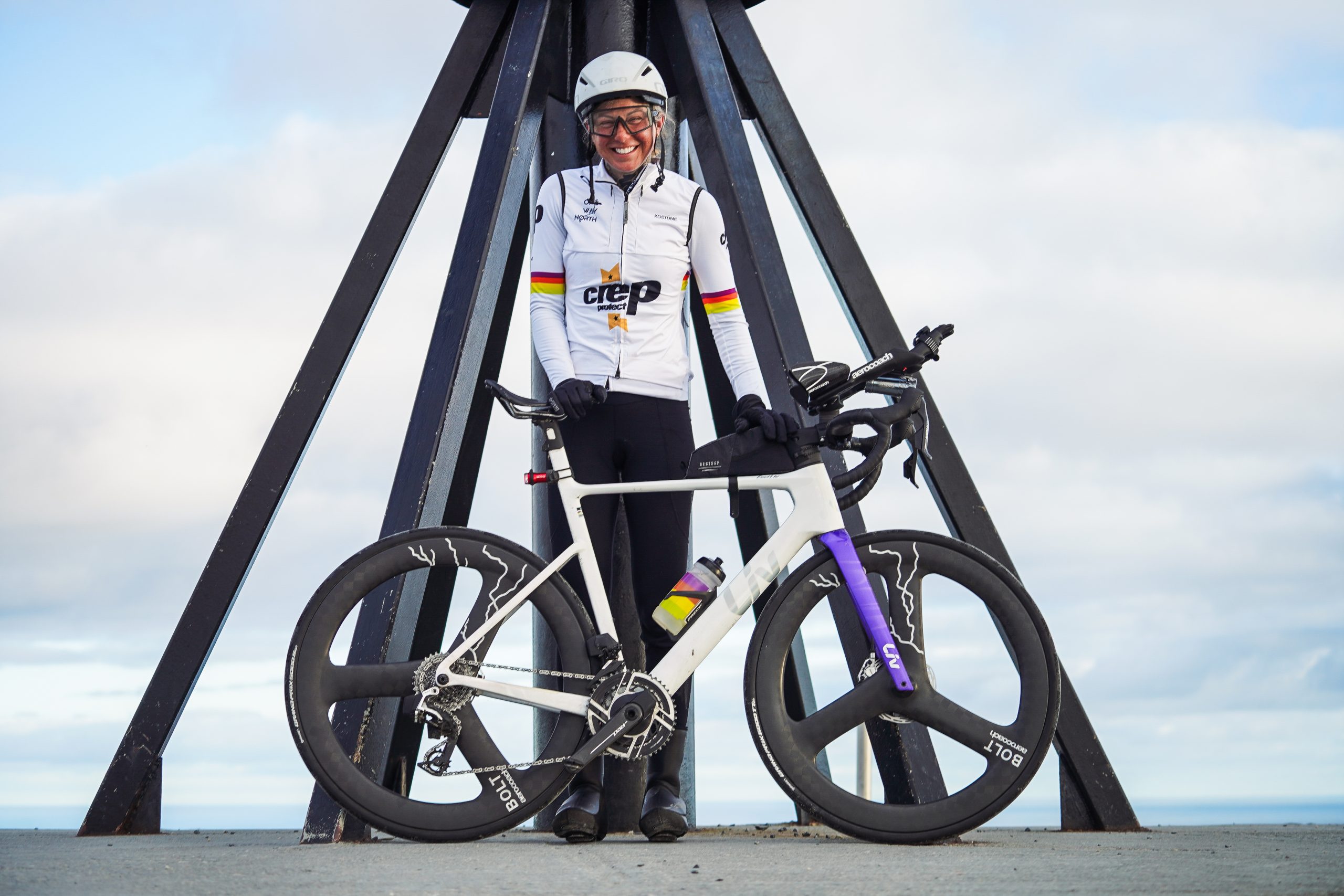
In the press release of her record, Ruggins said her ride was about “focusing on the controllables that allow you to keep moving forward when the environment is not in your favour and your mind is telling you to quit. I've learned you can outwork most challenges as they arise if you adhere to your process and not your emotions."
It’s an idea we could all agree with, if wonder how it’s possible to put into constant practice.
“I think my training really helps with this because every time you get on the bike when you don't want to, that's exactly what you're training in your mind," Ruggins says.
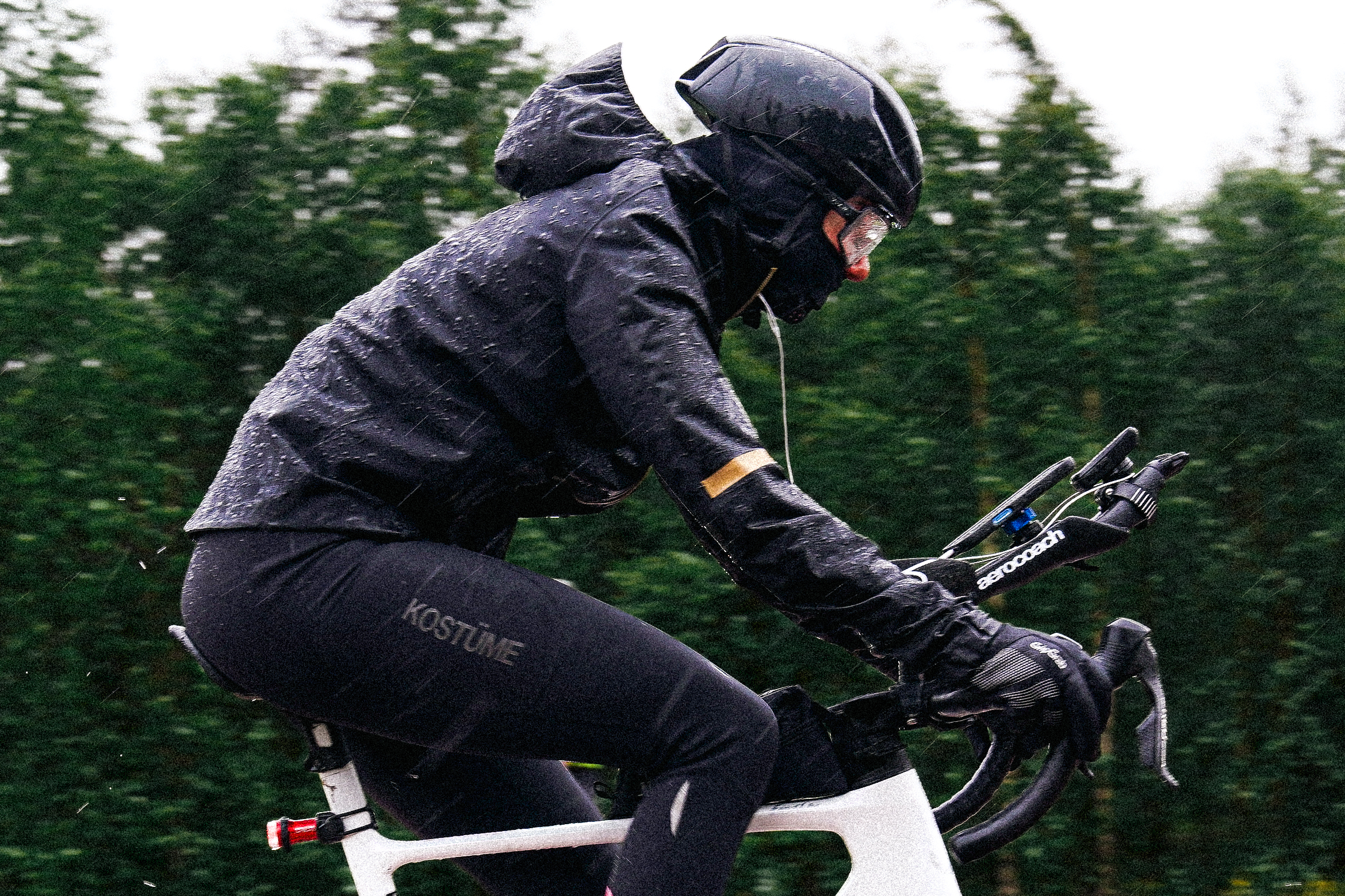
“There have been many times where I've gotten up, I've put on my cycling kit, and I'm almost in tears because I'm like, 'I don't want to do this, I would literally rather do anything else'. But you do it anyways.
“So when when I'm in the event, I've gotten very good at separating how I feel about doing the thing from the fact that I have to do the thing.
“How you feel about going to work every day is irrelevant because you have to go to work. So, when I'm in these events, the feelings are distractions and what we focus on is the work.
“And I'm incredibly fortunate that the team that I've built and the people I surround myself with also curate this in every action and every thought that they have when we're on the road. It really is a team effort.”
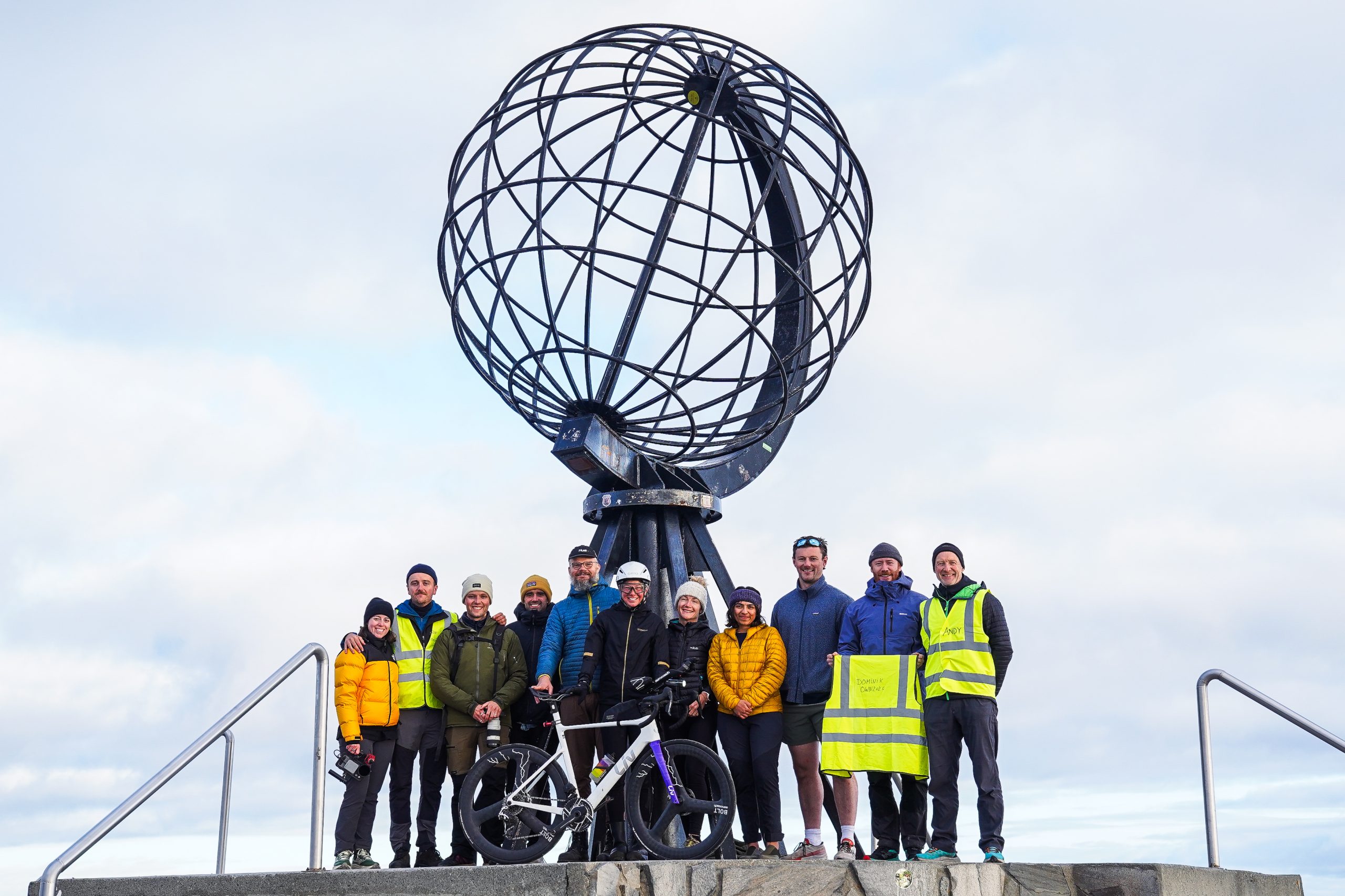
Still just days on from finishing the ride in Norway, Ruggins is happy to bask in the glow of what’s she’s achieved for herself, even if she’s got an eye on a follow-up ride (one that she’s not willing to discuss just yet).
“I still feel like it's a dream that I get to do this," she says. "This is my second chance at life. I was told I may never regain mobility. And so the fact that I can do this and be so well-surrounded trying such hard things is a privilege that will never be lost on me.”