The Domane has been Trek’s endurance bike platform since 2012, with its distinguishing feature the IsoSpeed decoupler, designed to isolate the seat tube from the rest of the bike’s frame.
But, with the newly launched fifth-generation bike, IsoSpeed has gone. Here’s how ever-increasing tyre clearance and frame compliance have enabled Trek to build the same level of vibration absorption into the Domane without the additional weight and complexity.
Sitting alongside the carbon Domanes, Trek also offers an alloy version. Although it included IsoSpeed when launched in 2013, Trek no longer uses IsoSpeed here either.
Its tyre clearance has expanded progressively in parallel with the carbon bike, though, reaching 38mm in the fourth generation, launched in 2023. There’s also an electric Domane+ available.
2012 Trek Domane
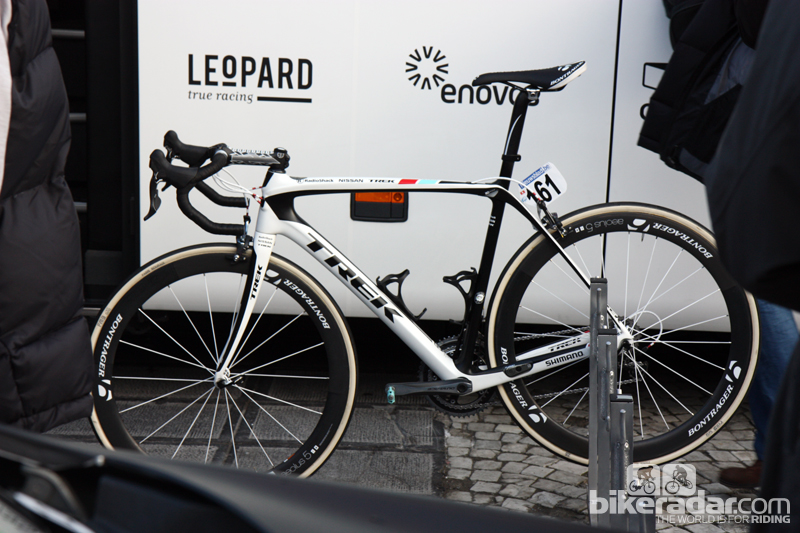
When it launched the Domane in Kortrijk, Belgium in 2012, Trek pitched its new bike at that year’s Cobbled Classics – Paris-Roubaix in particular. The Domane's secret weapon was its IsoSpeed decoupler that provided mechanical separation of the seat tube from the top tube.
IsoSpeed enabled the seat tube to flex forwards and backward as the pros rode over the cobbles, while keeping the rest of the frame stiffer than the Madone race bike of the time. IsoSpeed also provided a near 50% increase in flex at the saddle, according to Trek.
There was non-mechanical ride smoothing built into the fork blades, too, thanks to a large fork rake with backward-facing dropouts. Gel pads recessed into the tops and drops of the carbon bar reduced vibration.
Plus, there was 25mm tyre clearance, although BikeRadar reckoned you could fit 28mm tyres, and the geometry was more relaxed than the Madone's. There were even hidden mudguard mounts.
Trek claimed a 1,050g frame weight, with IsoSpeed contributing 50g, and the 2012 Domane featured a BB90 press-fit bottom bracket.
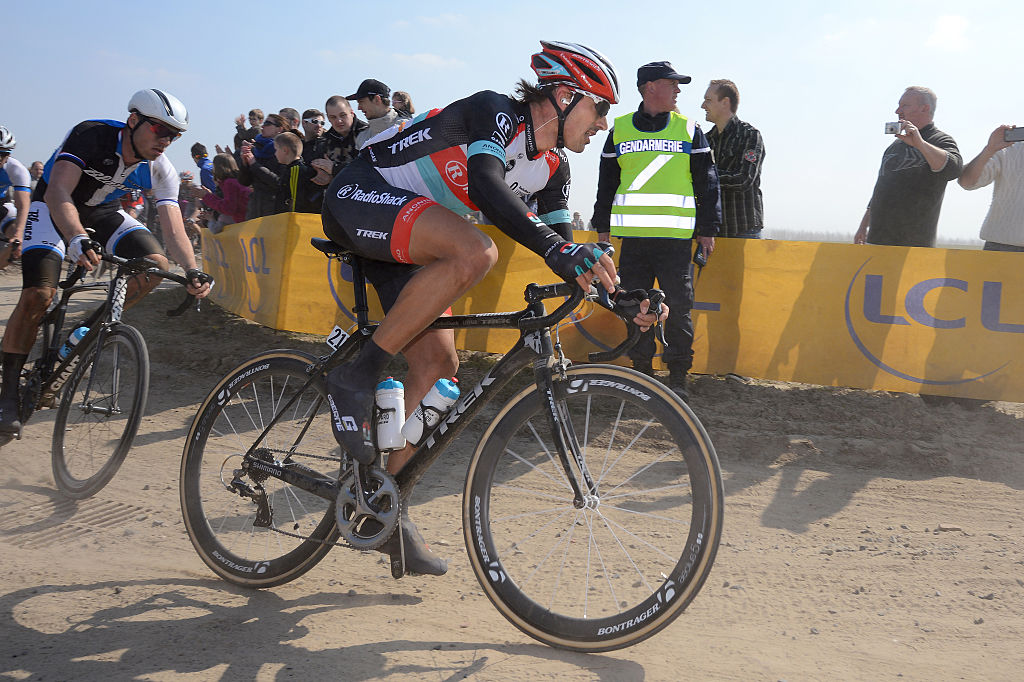
Fabian Cancellara won the 2012 Strade Bianche, and both the Tour of Flanders and Paris-Roubaix in 2013 on a Domane. Although it was designed for the pros, Trek also pitched the Domane at long-distance road riders, with an Ultegra (mechanical) spec costing $4,500. Splash the cash and 11-speed Dura-Ace mechanical cost $8,800.
Trek trickled down the IsoSpeed tech to lower-spec models, too, with BikeRadar awarding a 4.5-star rating to the £1,000 alloy Domane 2.0 in 2013.
2014 Trek Domane Disc
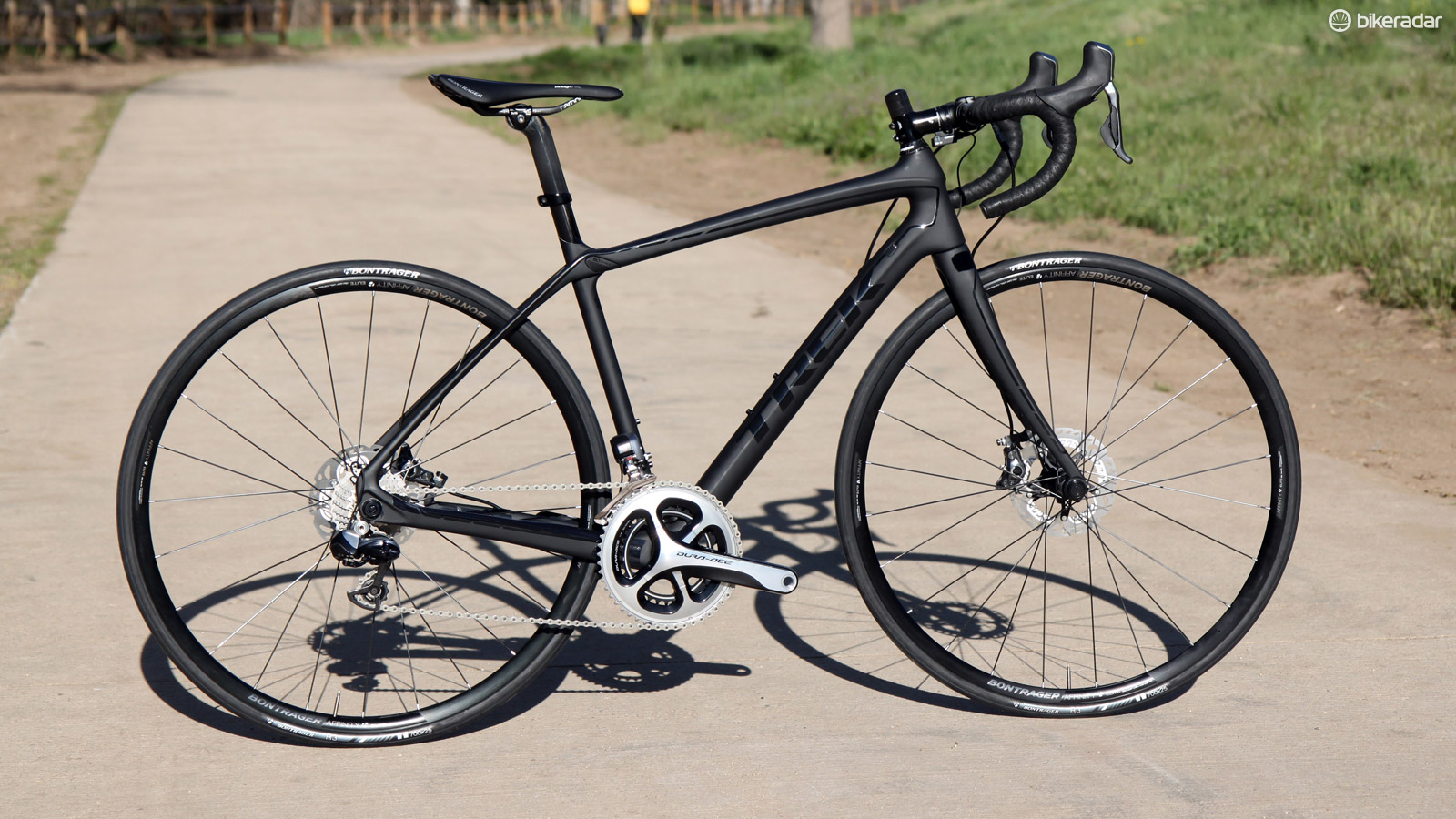
Roll on two years and Trek launched a disc-brake Domane, complete with thru-axle wheels. $7,800 bought you Trek’s 600 Series OCLV carbon fibre with a seatmast, post mount hydraulic disc brakes and Dura-Ace Di2 electronic shifting.
The disc-brake frame could fit 30mm tyres, although Trek stuck with 25mm rubber on its builds. We weighed our 52cm test bike at 7.52kg.
2016 Trek Domane SLR
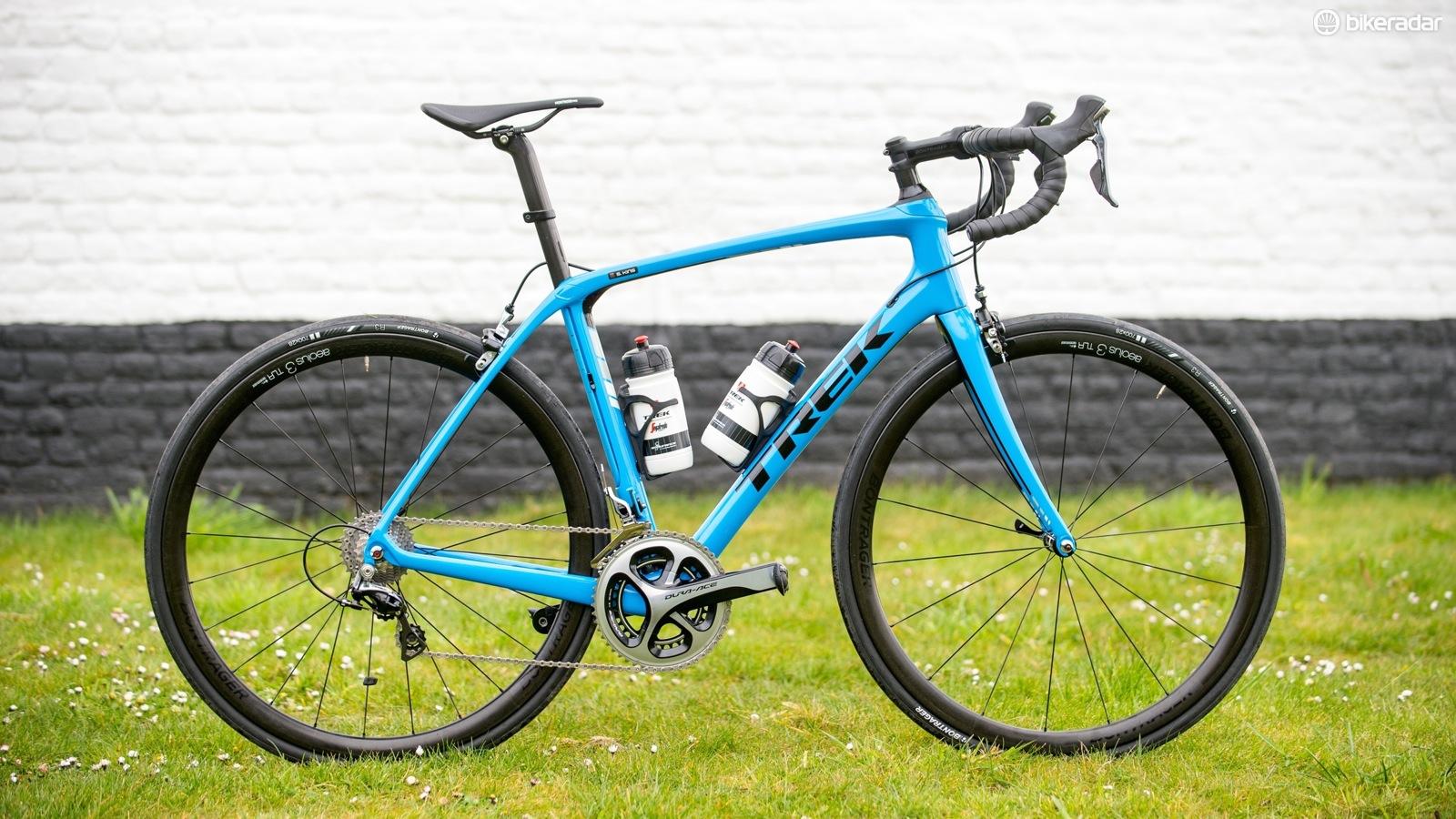
The 2016 second-generation Domane hit peak IsoSpeed, doubling up by adding decoupling to the head tube as well as the seat tube. Plus, there was an updated disc-brake option that increased tyre clearance to 32mm.
Front IsoSpeed enabled the steerer tube to pivot forward and backward in the head tube. Trek also made the rear IsoSpeed adjustable via a slider in the seat tube and it offered two fits: Endurance and Pro Endurance.
Rear IsoSpeed had spread to the Madone in 2015, as well as Trek’s Boone cyclocross bike. In 2018, it came to the newly launched Checkpoint gravel bike and the front of the Boone as well as the rear. This was IsoSpeed in its pomp.
We spent two weeks back in Belgium riding the new Domane SLR and reckoned it was equally at home on paved roads, cobbles and dirt – the all-road bike was born, even if it wasn’t called that at the time.
2020 Trek Domane SLR
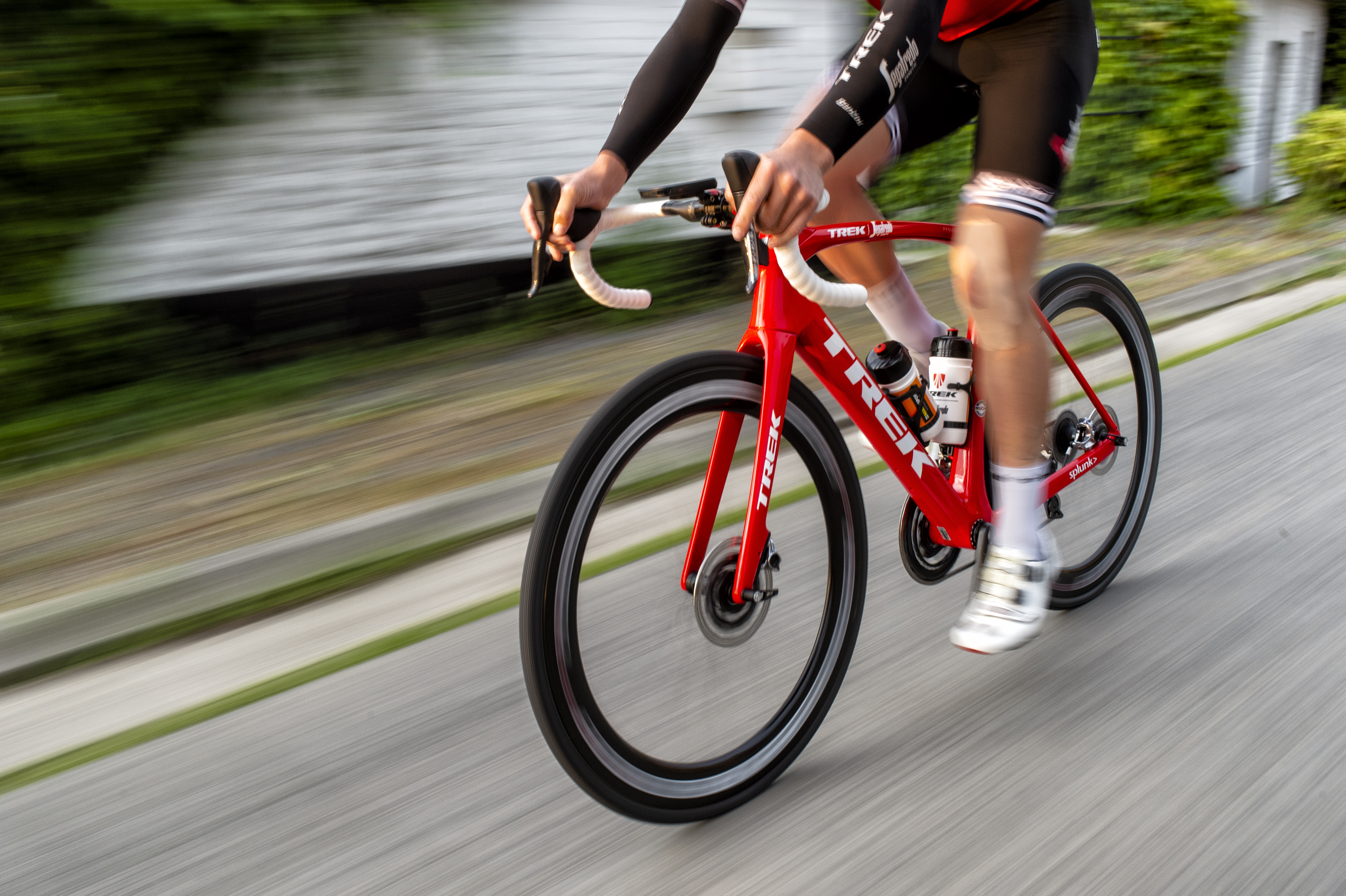
The 2020 model year Domane, launched in mid-2019, was the third generation and the first to add in-frame storage, which was a novelty at the time. Although Trek fitted 32mm tyres, its 38mm tyre clearance marked it out as one of the most capable all-road bikes, straddling the gap between endurance and gravel bikes.
The rear IsoSpeed was still adjustable on SLR frames, but moved from the seat tube to the top tube, because this led to more consistent compliance across frame sizes. Trek claimed a 27% increase in frame compliance, as well as aero gains for the new frame. SL-spec frames had non-adjustable seat tube IsoSpeed.
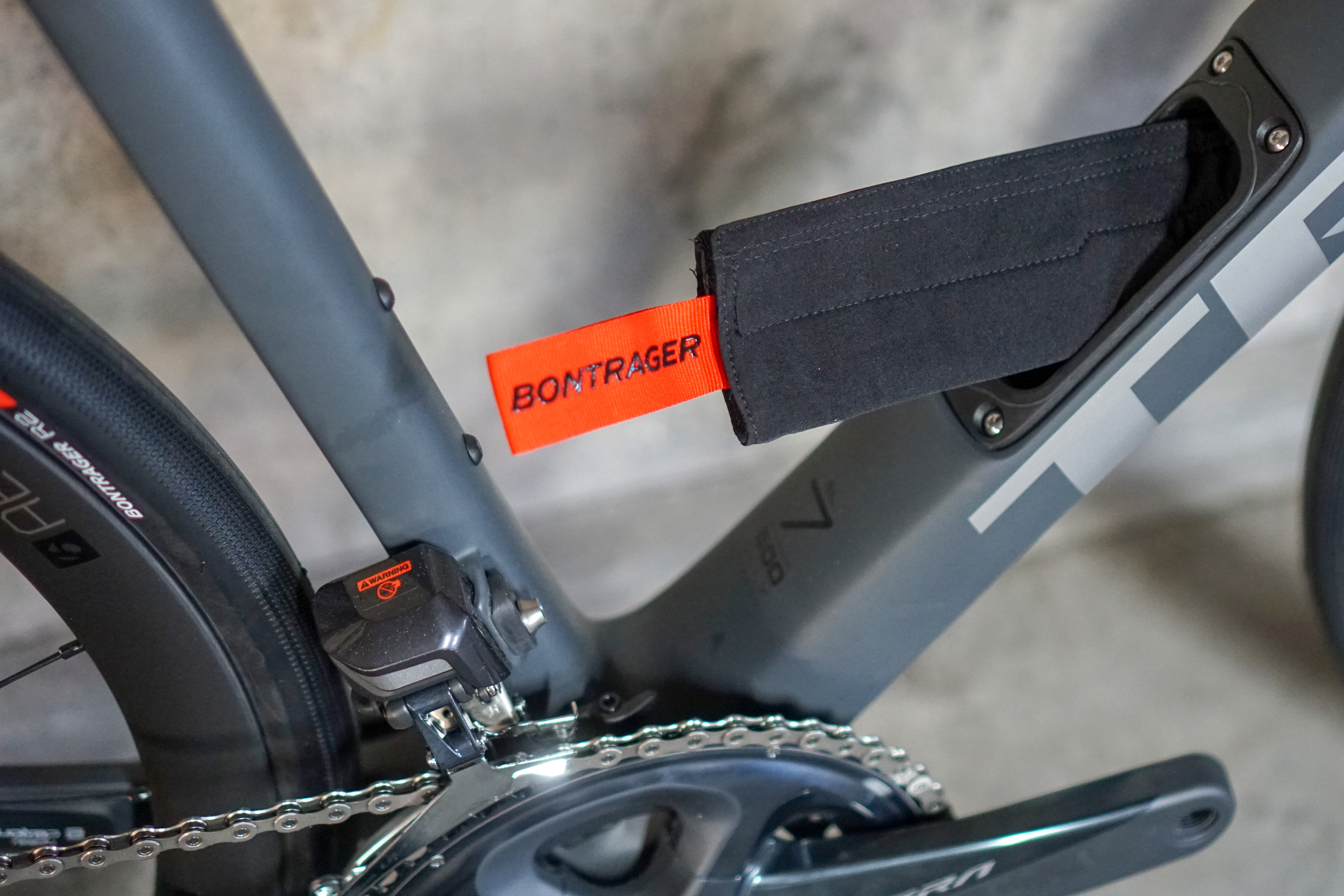
Cables were semi-integrated, being routed externally alongside the stem, then into the frame just behind the steerer top cap, which still supported front IsoSpeed. The new Domane was a little heavier than the second generation and up to half a kilo heavier than competitor endurance bikes.
Trek also swapped from separate men's and women's (WSD) models, selling the bike in a wider range of sizes, billing it as a "bike for humans".
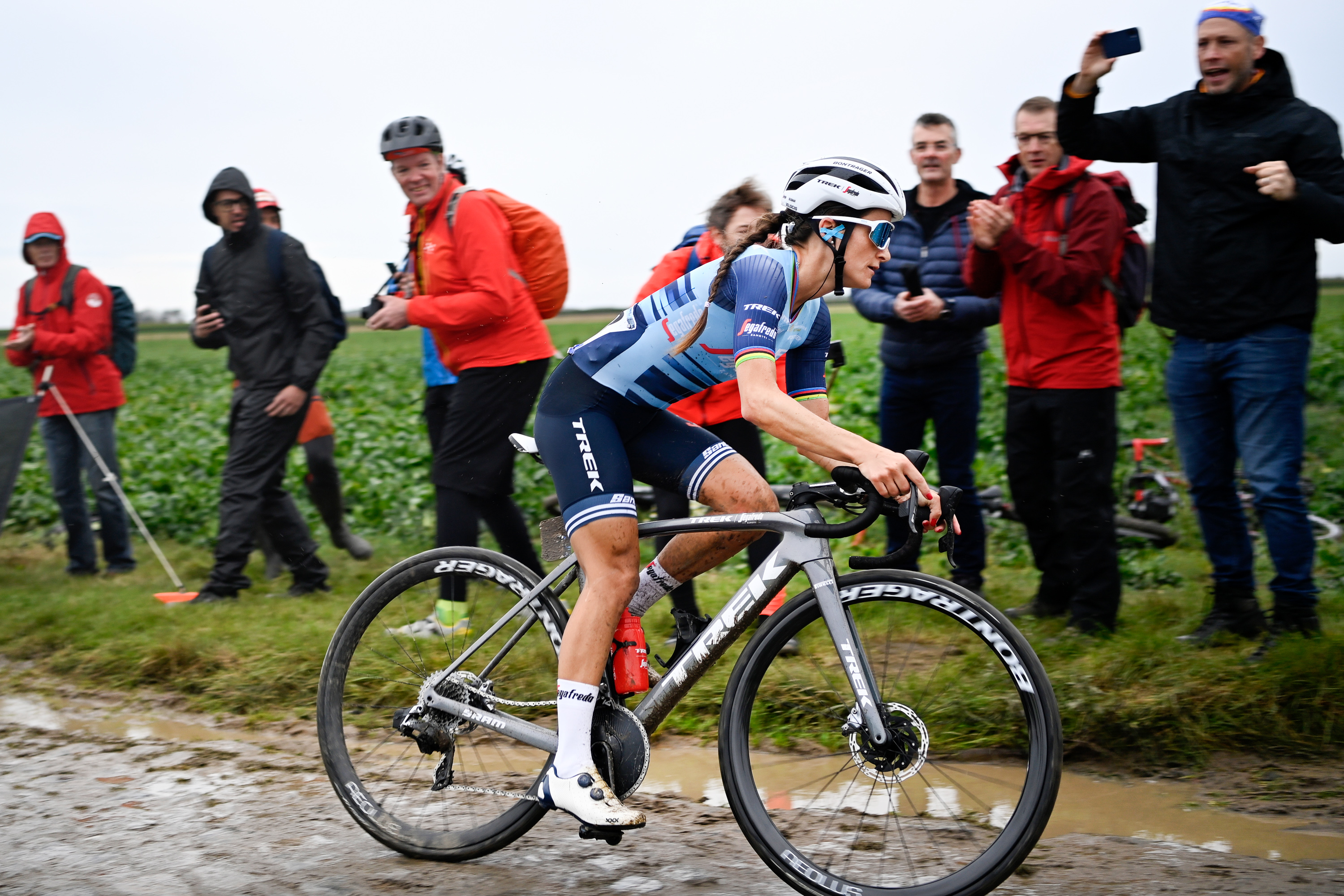
In 1x configuration, the Domane SLR was the bike on which Lizzie Deignan won the inaugural women’s Paris-Roubaix.
2023 Trek Domane
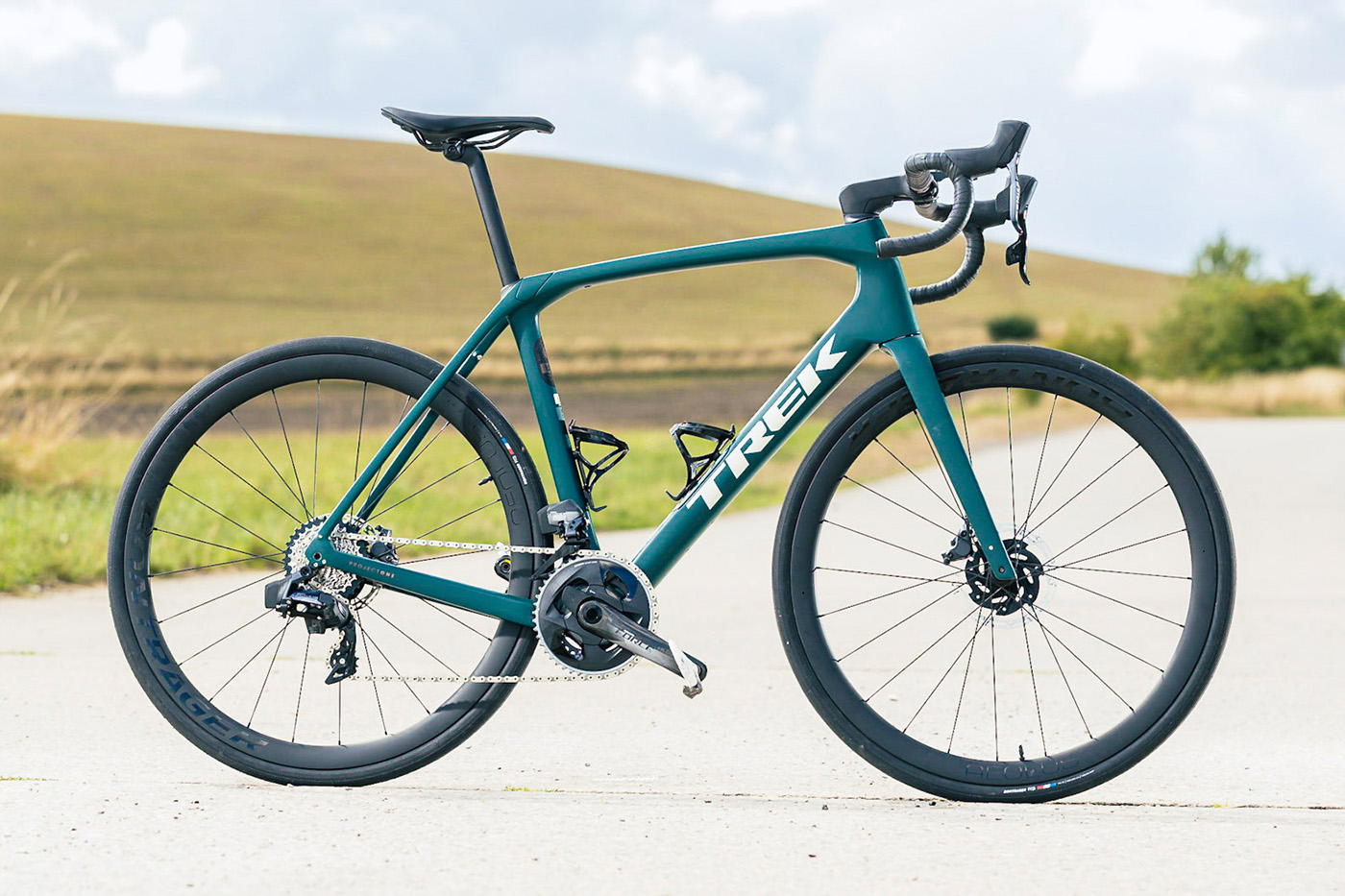
By 2022, the fourth-generation Domane SL/SLR had dropped front IsoSpeed, with Trek claiming it had lost “a dramatic amount of weight”, viz 300g.
Rear IsoSpeed had lost its adjustability. Trek claimed riders rarely changed its setting in the previous design and it fixed the system’s compliance at the same level as its most relaxed setting of the adjustable version.
Front-end cabling became more integrated. Top tube bag mounts made an appearance, too, complementing the down-tube storage.
Tyre clearance stayed at 38mm, although Trek remained conservative in its tyre choice, fitting 32mm-wide tyres. The Domane’s seatpost went Kammtail for aero efficiency.
Trek also offered the Domane RSL, available as a frameset only. Tyre clearance was 35mm and there were no mudguard mounts and no in-frame storage for a spare inner tube.
2027 Trek Domane
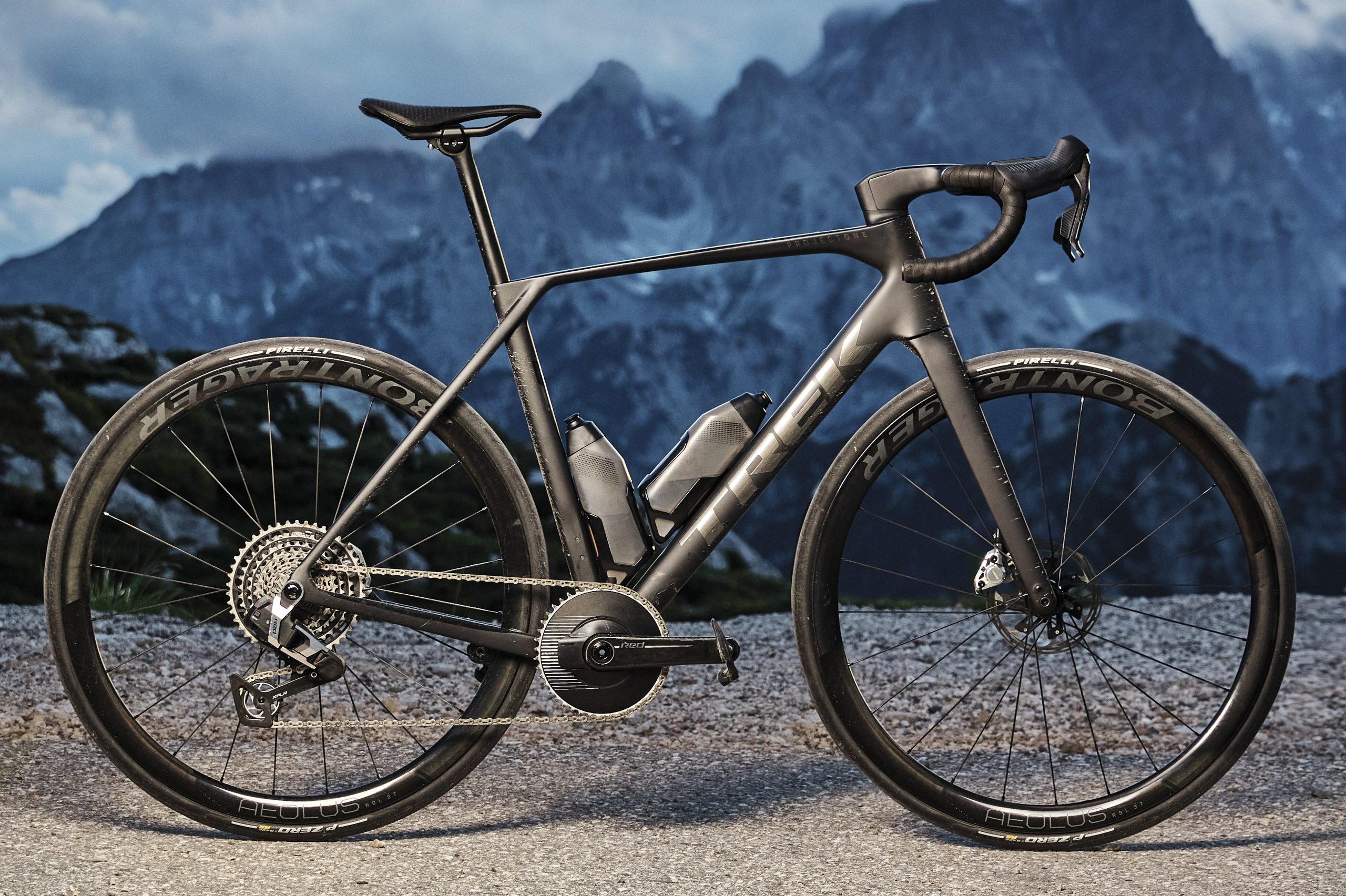
The latest 2027 model year, fifth-generation Domane goes back to basics, losing not only IsoSpeed but also its in-frame storage, resulting in a claimed drop in frame weight of over 300g and a highest spec that weighs a claimed 6.63kg in 1x configuration.
Trek says the compliance built into the frame and the new, round seatpost, paired with 40mm tyre clearance, enable the bike to offer vibration absorption within 5% of the IsoSpeed-equipped previous generation. Aerodynamics are comparable too, despite the increase in fitted tyre width from 32mm to 35mm.
Alongside the top tube bag mounts, there are now frame bag mounting points under the top tube. A new riser bar adds around 20mm to bar height, although the frame’s geometry remains the same as the fourth-generation bike.