British mountain biking has always had a healthy appetite for the unusual.
While the biggest brands tend to chase global trends, smaller UK builders are often more willing to try something different. That could mean in-house carbon manufacture, steel full-suspension frames, weird wheel sizes, radical suspension layouts or ebikes that challenge the usual template.
The most interesting British mountain bikes of 2026 so far are not all chasing the same rider.
Some are polished production models, some are small-batch oddities and some are still closer to prototypes than shop-ready bikes.
What links them all, though, is a willingness to do things differently.
Hope HB912
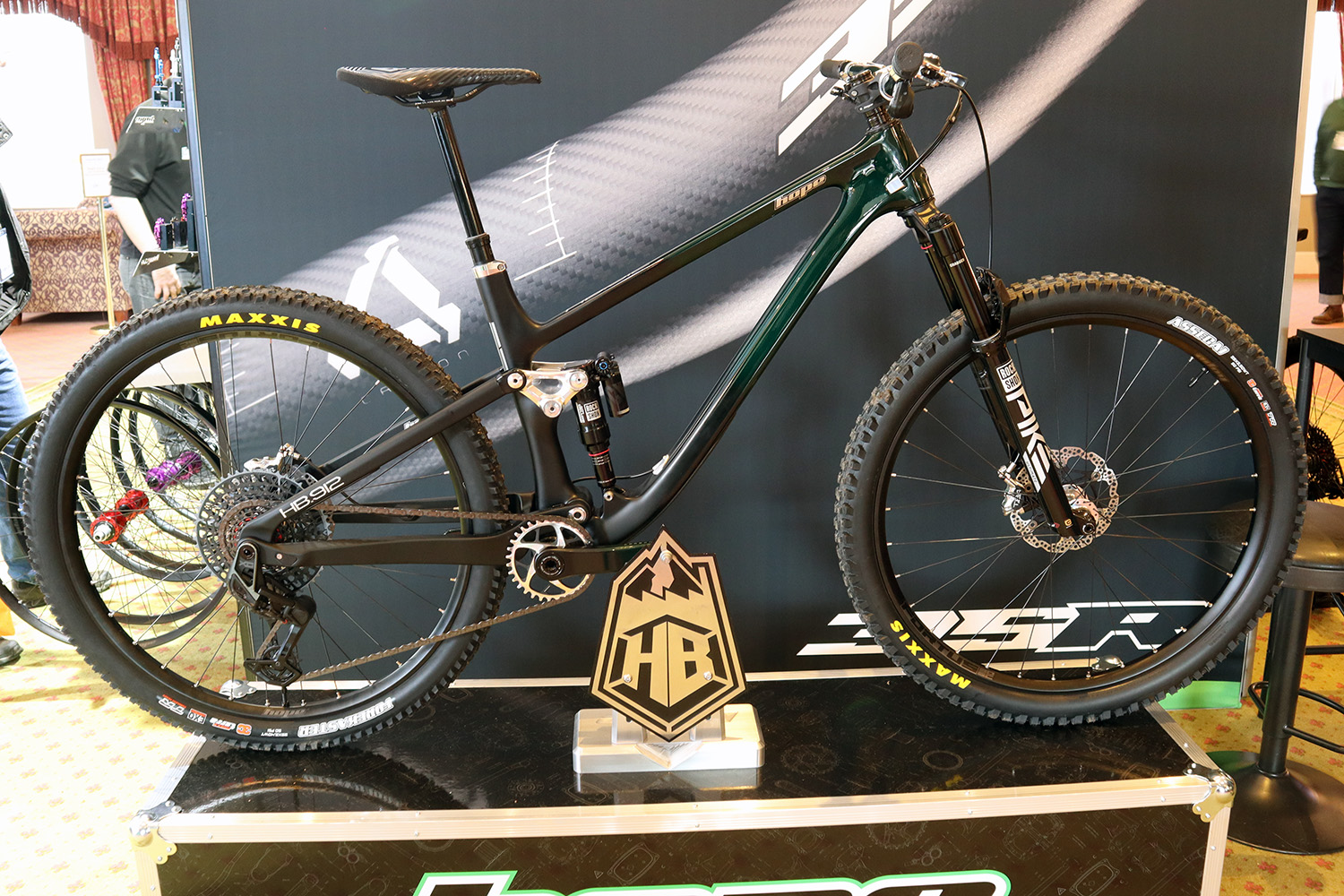
After the long-travel HB916, this short-travel carbon trail bike sees Hope exploring the faster, sharper end of modern UK trail riding.
With 120mm of rear travel, a 130mm fork and 29in wheels, it sits firmly in the short-travel trail category, where efficiency still matters but the geometry, kit and attitude are aimed more at technical riding than race-day restraint.
The manufacturing story is a big part of the appeal, not just because the HB912 is carbon, but because Hope makes the frame itself in Barnoldswick, Lancashire. For a smaller brand, that is a more difficult and expensive route than outsourcing production.
However, it plays directly into Hope’s identity as a manufacturer rather than just a bike label. It gives Hope tighter control over prototyping, quality and low-volume production, while making the HB912 feel like an extension of the company’s machining and engineering culture.
The geometry looks modern too, with an adjustable 65/66-degree head angle and a steep 77.5-degree seat angle. Availability looks to be close, with dealers listing the HB912 at £3,950 for the frameset and £7,950 as a complete bike.
Cotic Jeht Gen 3
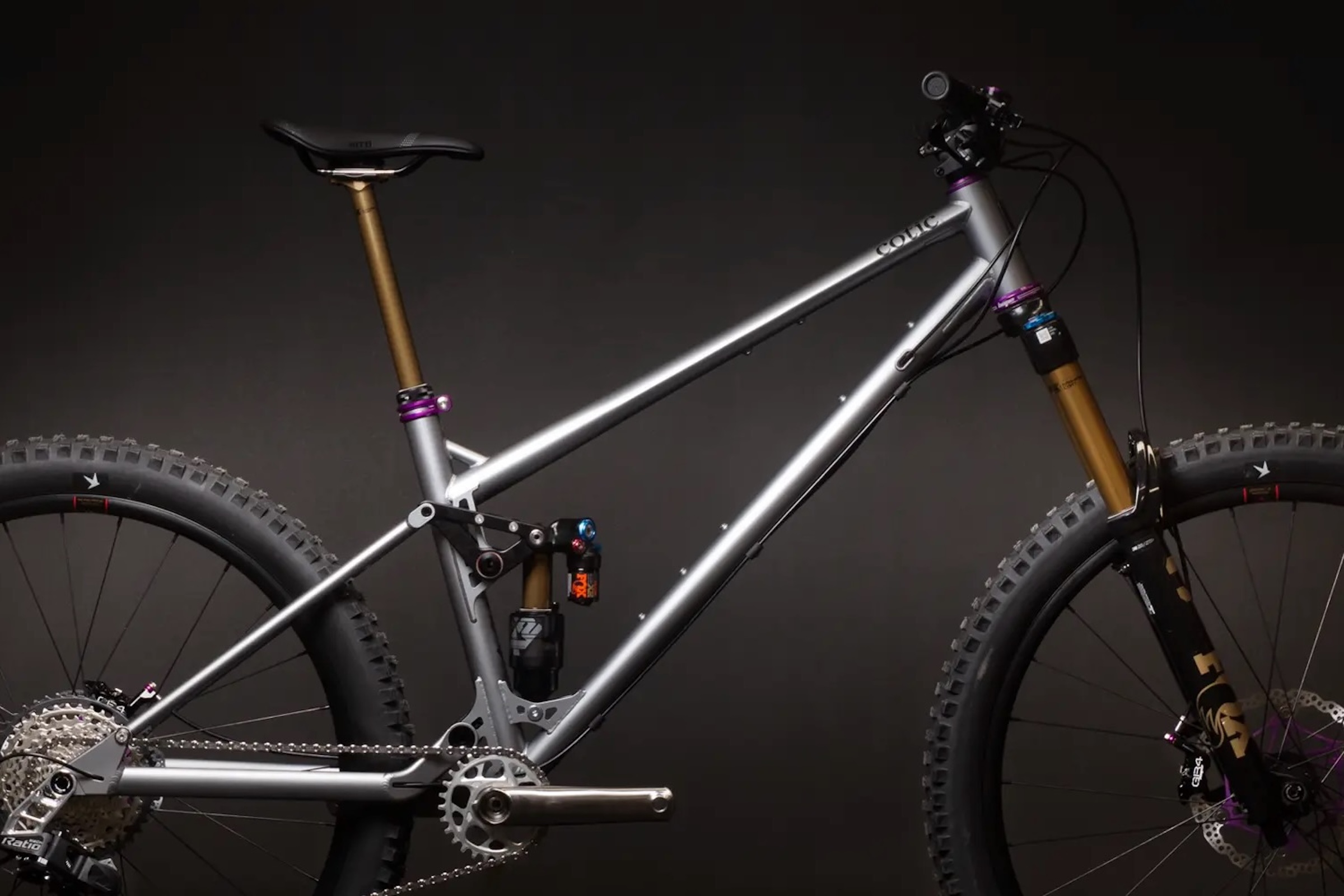
The new Cotic Jeht Gen 3 marks a significant reshuffle for the Derbyshire brand. By folding the old Jeht and RocketMAX into one 150mm mixed-wheel platform, Cotic has created a single steel full-suspension bike to cover everything from aggressive trail riding to enduro-leaning days out.
That is a bold move, but it also makes sense for a smaller company trying to simplify its range without losing the ride feel that gives its bikes their identity.
The Gen 3 gets 150mm of rear travel, delivered by the Rocket eMTB-inspired suspension layout – which places the rear shock vertically inside the front triangle. It's built around mixed wheels and can take a 150mm or 160mm fork, so it pushes deeper into aggressive trail and enduro territory than the original Jeht brief.
Cotic says the bike keeps its UK hand-built ethos, but the real appeal is that it remains different from the default carbon trail-bike template. It’s steel, British, practical and designed for proper riding.
It’s available to order now, with Cotic listing August 2026 delivery for current orders. Prices start at £4,849 for a complete build.
Starling Big Bird
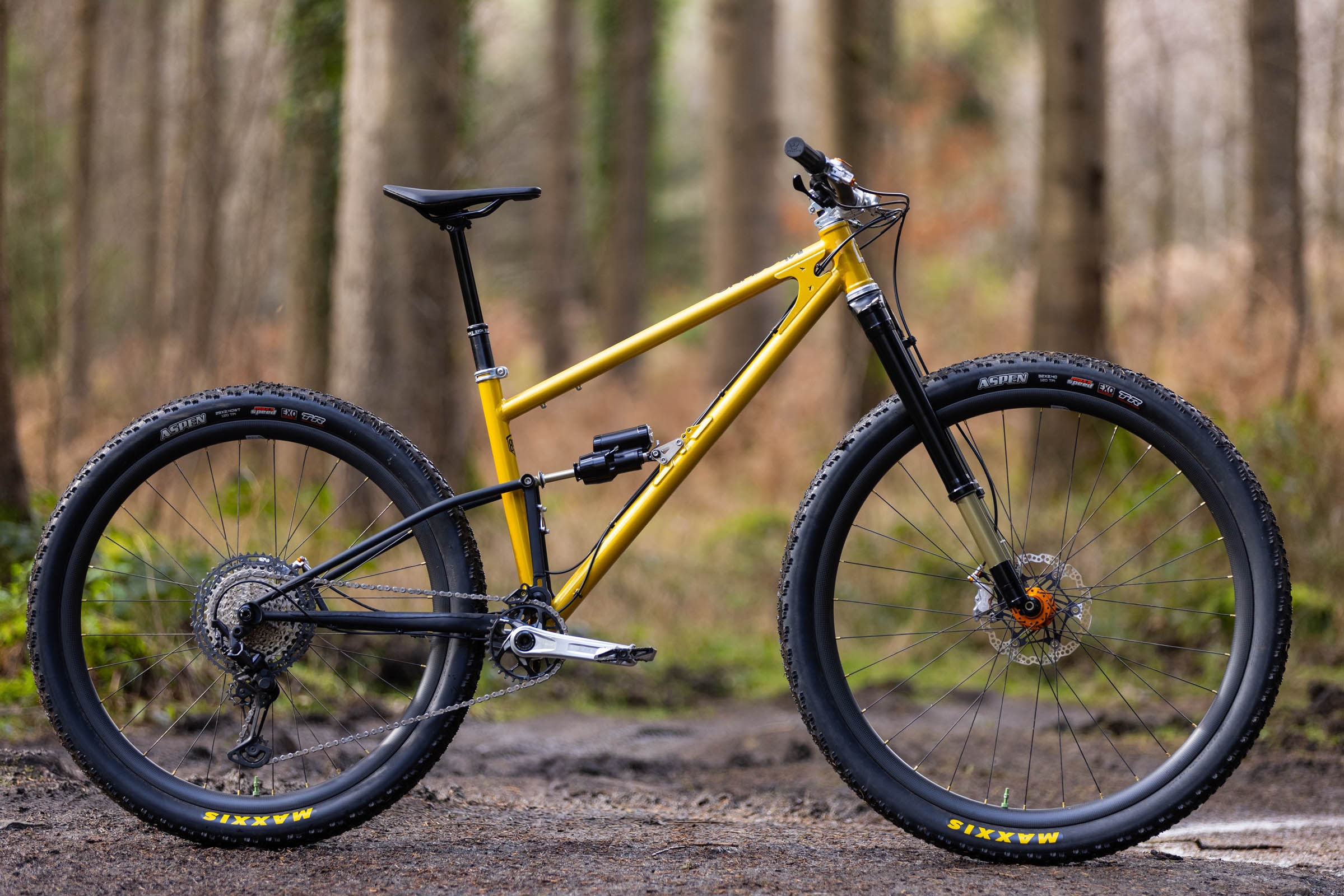
The Starling Big Bird is niche, questionable, fascinating and somehow completely logical once you start thinking about it. Starling calls it a 32in mountain bike, but the key layout is a 32in front wheel paired with a 29in rear.
That keeps the back of the bike closer to 'normal', while using the larger front wheel to monster-truck over bumps, holes and roots.
It’s not pitched as the future of mountain biking so much as a very British experiment that escaped the workshop. The frame is steel, handmade in the UK and part of Starling’s small-batch Rare line.
That gives it a different flavour from the usual bigger-is-better product launch. It feels more like a practical question made physical: what happens if you take the rollover argument seriously and build the bike around it?
Availability is limited and frame-production has a 12-week lead time rather than off-the-shelf stock, and only Large and XL frame sizes are offered at £2,567.
Shuvl e-enduro prototype
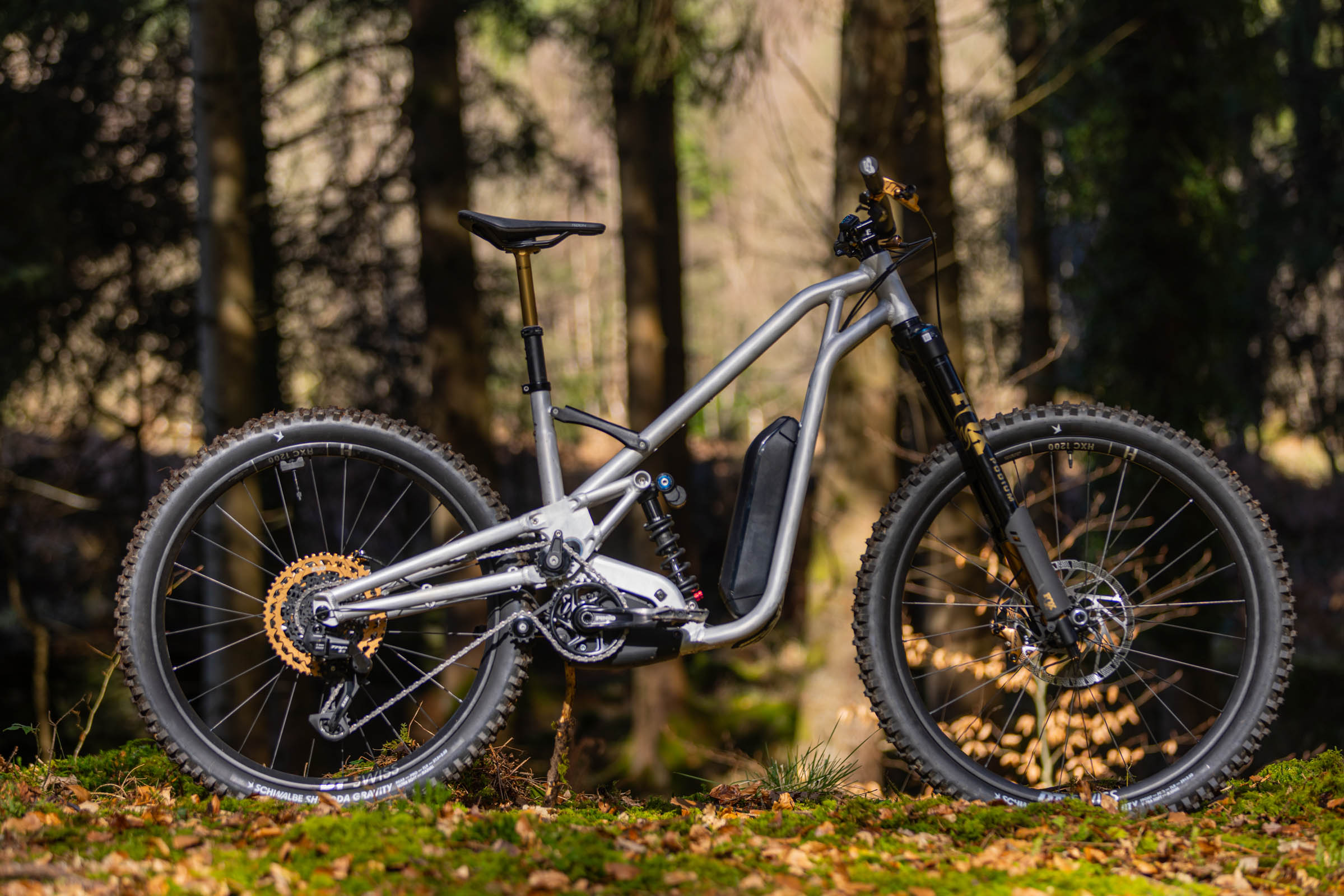
The Shuvl e-enduro prototype is one of the most radical British mountain bikes to surface recently. Rather than simply making another long-travel eMTB with a bigger battery, more power and more aggressive geometry, Shuvl appears to have questionned what an ebike should look like in the first place.
Its modular-space-frame layout points to a very different way of thinking about ebike design, with the potential to accept different motors and batteries rather than locking the whole bike in around one system. That could make it more adaptable, more repairable and less vulnerable to the short product cycles that often define eMTBs.
The concept also borrows more from motorbike chassis thinking than the usual bicycle-frame template, giving it a purposeful, industrial look.
Availability is the obvious catch, though. For now, Shuvl looks more like a radical prototype or early-stage project than a bike riders can buy easily, but that makes it all the more interesting.
Auckland Cycle Works Marra
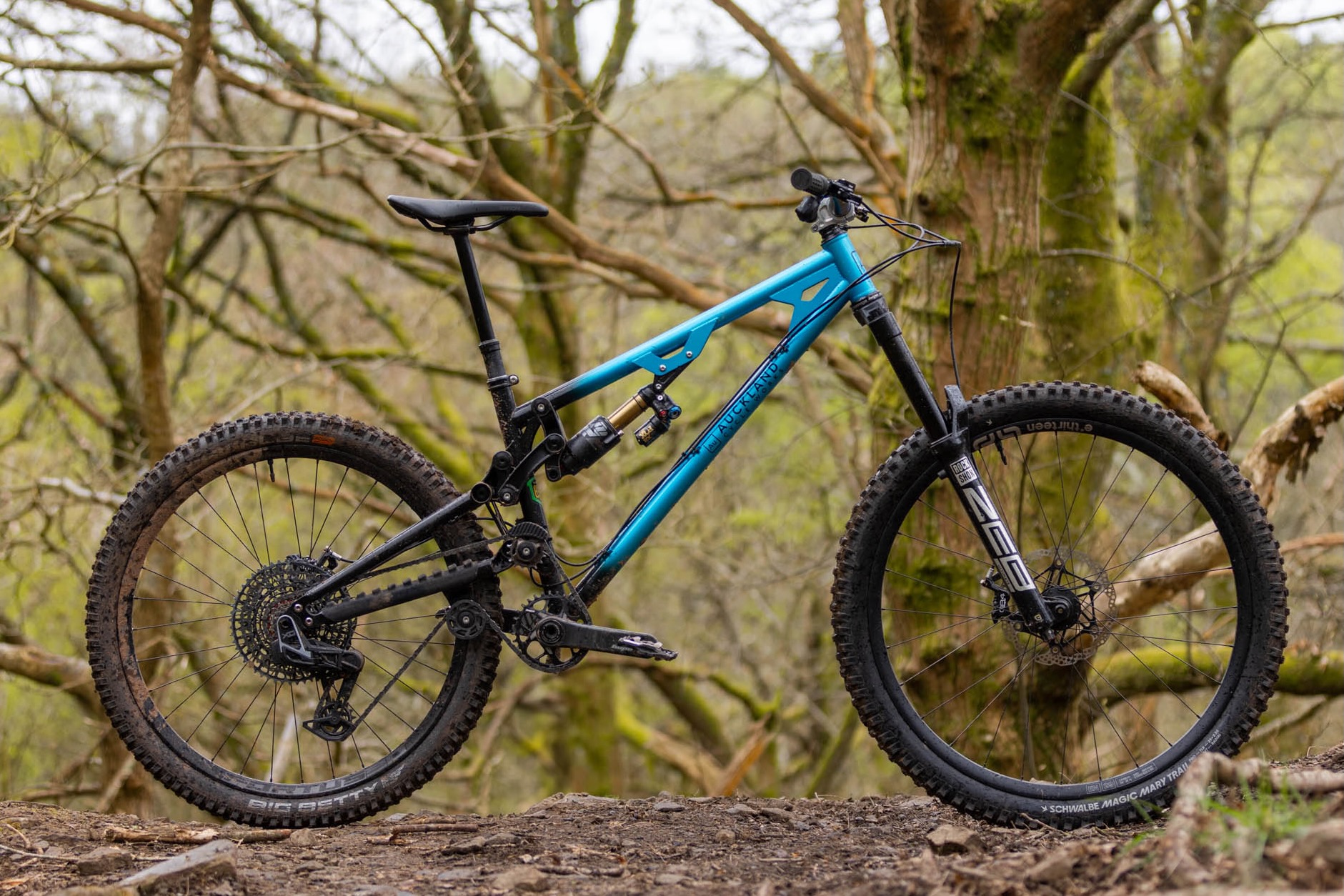
The Auckland Cycle Works Marra is one of those bikes that makes mainstream enduro bike frames look a bit conservative.
Built around Gary Ewing’s KOLARP – Kind Of Like A Rearward Pivot – suspension layout, the Marra is a steel-framed proof of concept for his belief that the bike industry has been looking at pivot layout, instant centre and anti-squat from the wrong angle.
The Marra leans into adjustability, custom detail and small-batch British engineering rather than pretending to be a mass-produced trail bike.
It’s handmade, expensive and deliberately leftfield. The latest version suggests the project is still evolving, with Auckland Cycle Works continuing to refine the kinematic and frame details rather than simply churning out another catalogue model.
That development mindset is part of its appeal. The Marra feels closer to a rolling engineering project than a conventional product-cycle bike.
Availability is limited, but real. Auckland Cycle Works lists the Marra at £5,600 for the frame and shock, with a small number of 2026 build slots available.
Atherton S.170E
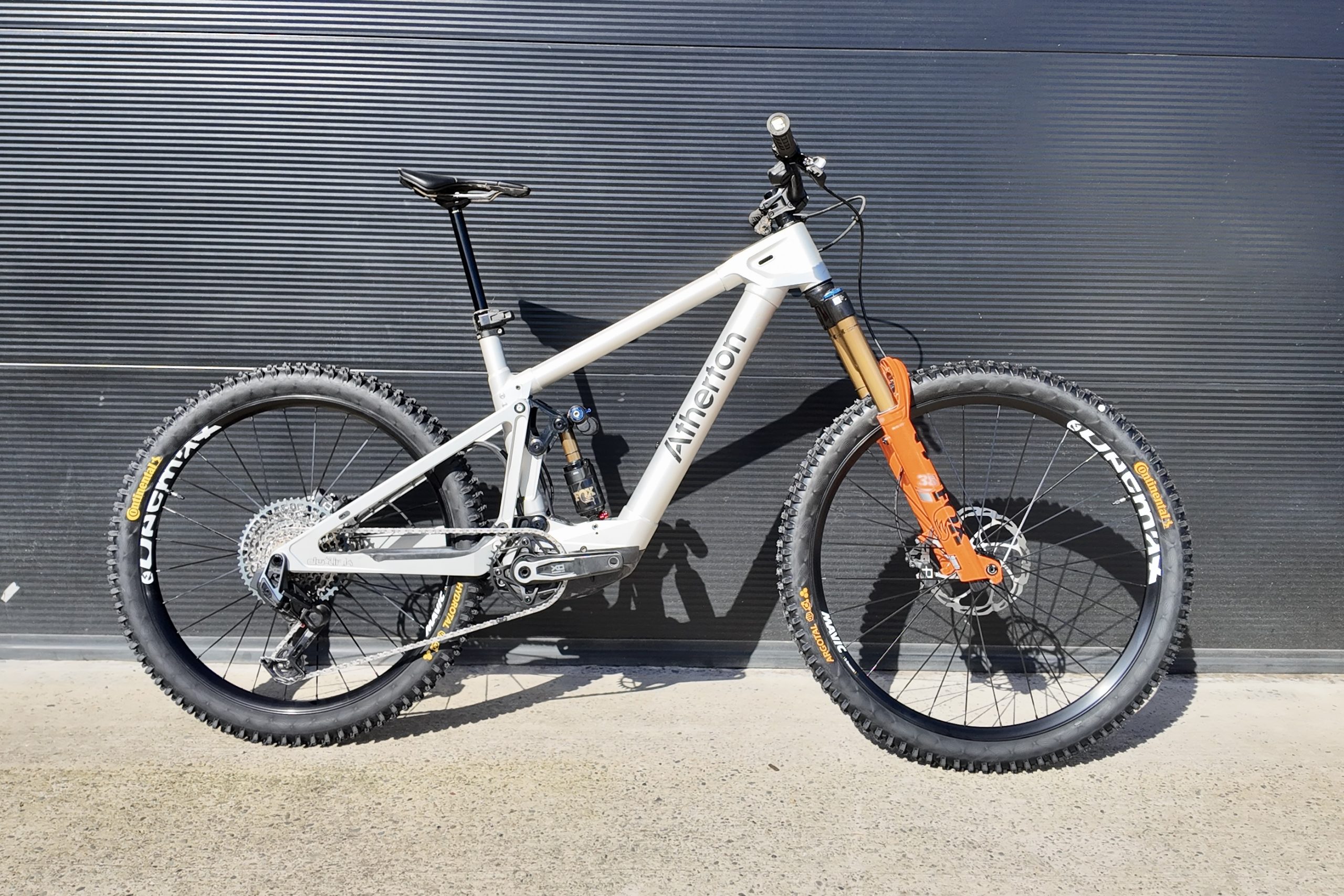
Atherton is a more visible name than some of the smaller builders here, but the S.170E still earns its place as one of the most important British mountain bikes of 2026. When Tom Marvin visited the Atherton HQ to ride the bike, he was blown away by the performance.
It’s the Welsh brand’s first eMTB, and it pairs Atherton’s distinctive frame construction with one of the most talked-about motors in the category: DJI’s Avinox M2S.
The frame follows Atherton’s S-Series approach, using 7075 aluminium tubes joined to CNC-machined lugs. That modular, bonded construction is central to the brand’s identity, because it enables Atherton to offer a much wider size range than most brands without needing conventional frame moulds for every option.
On the S.170E, that means 12 frame sizes, 170mm of rear travel, a 180mm fork and mixed wheels.
It may be closer to the mainstream than the most experimental bikes in this list, but it still shows how British manufacturing can produce something genuinely different from the usual ebike template.