
Germany’s Focus Bikes was all set to unveil a ground-breaking new electric mountain bike with a mainframe made from thermoplastic carbon. Sadly, the collapse of its manufacturing partner has caused the project to be shelved – for now, at least.
But for such a big brand to throw its weight behind a relatively new technology (in terms of uptake, if not age), there must be potential in it.
So, what is thermoplastic and what are its pros and cons?
The context
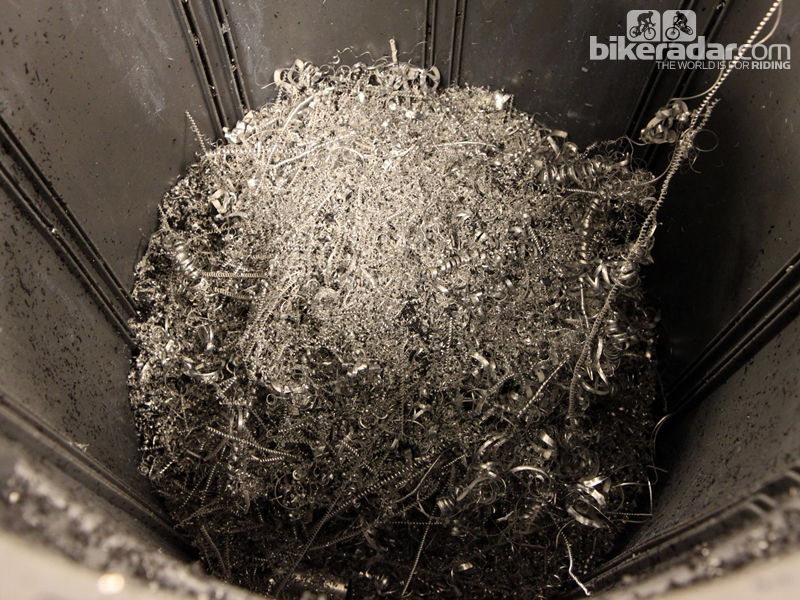
Sustainability has been a buzzword in the bike industry for the past few years, with brands looking to make their designs more environmentally friendly. It’s the right thing to do for the planet and, a cynic might say, it can also help differentiate products in a crowded marketplace.
Through the development of new technology, paying closer attention to where products and materials are sourced from, and using recycled content where possible (from both a practical and a financial point of view), big leaps forward have been made when it comes to packaging and clothing. However, frame manufacture is arguably the elephant in the room.
Steel tubing is relatively eco-friendly – it’s often made from recycled metal and any damage can often be fixed relatively easily.
However, the vast majority of bikes are made from lighter aluminium alloy. This is highly recyclable, but has to be mined and smelted, which has a major environmental impact. It’s also energy-intensive to turn it into frames, which then can’t be repaired easily.
Then there’s carbon fibre, used for many top-end mountain and road models – two million carbon bikes are sold in Europe alone each year.
Carbon manufacturing has an extremely high energy footprint, and damaged frames often end up in landfill, where they don’t decompose over time, neither biodegrading nor photodegrading – although brands such as Specialized and Trek now offer carbon-recycling services.
Throw in the fact most carbon and alloy frames are manufactured in East Asia, which means the impact of shipping also has to be taken into account, and the picture’s not great.
Plastic fantastic
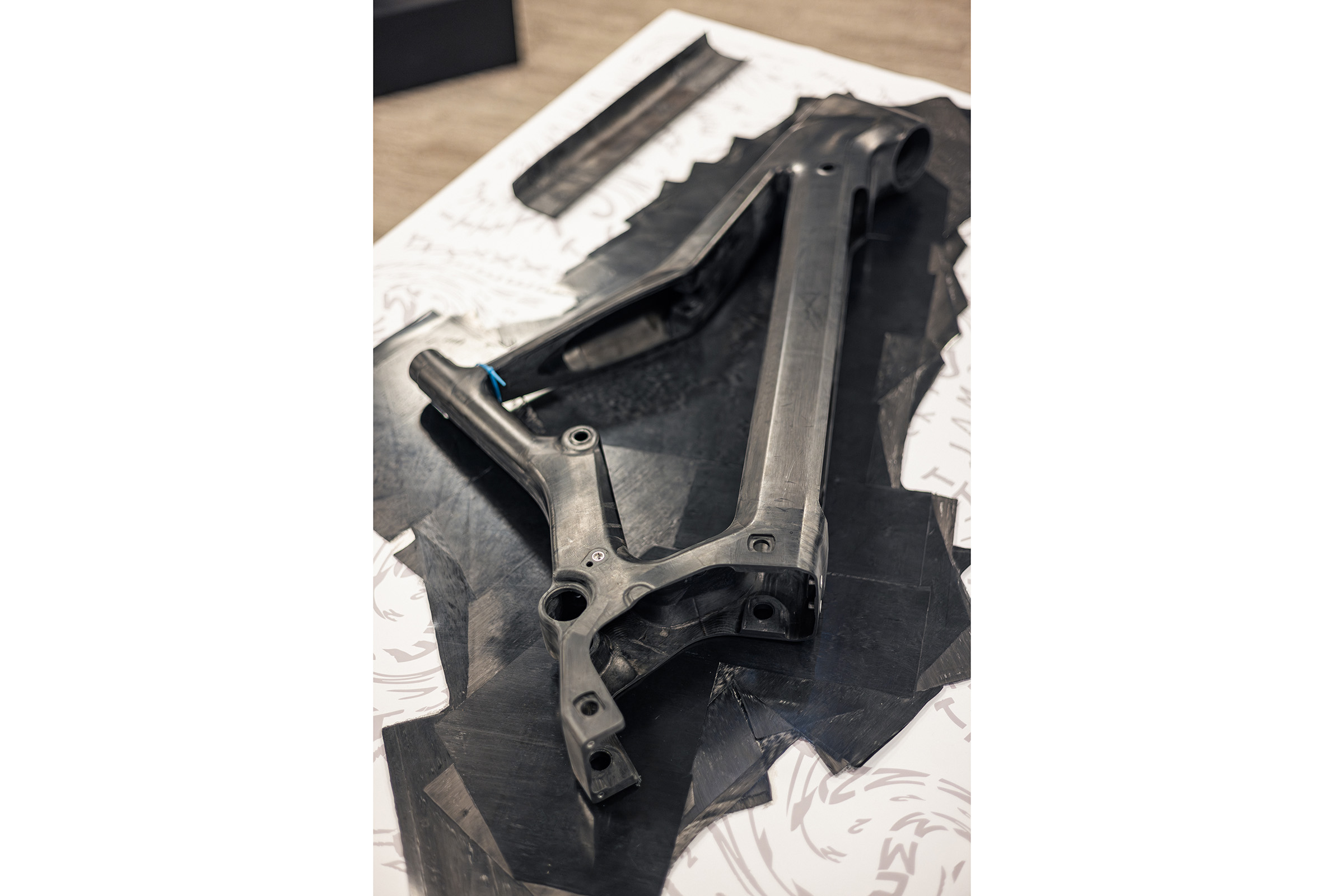
One potential way forward is thermoplastic frames. That’s to say, ones made from carbon fibres mixed with a meltable polymer – commonly, nylon. At the end of its life, this material can be fully recycled to make more bikes, shoe insoles, bottle cages and more.
This is possible because the polymer can be reheated, separated from the carbon and reused, unlike the resin (often, epoxy) that’s usually used to stick the fibres together – separating this from the carbon layers is the most prohibitive step in recycling traditional carbon frames.
While carbon fibre generally comes in the form of resin-impregnated sheets that are then moulded into shape, the fibres and polymer used in thermoplastic frames are commonly supplied as loo-roll-like reels of unidirectional tape. Infrared heat cycles are then used to shape, form and bond layers of this tape together.
Thermoplastic isn’t new, dating back to the 1970s. You may remember it being used on GT’s STS downhill bike in the late 1990s. Unfortunately, the technology was relatively young and those bikes garnered a reputation for suffering from failures.
Now, European behemoth Focus, along with smaller outfits such as Colorado-based Revel Bikes, is turning back to thermoplastic thanks to some recent technological improvements and refinements.
Leading the way
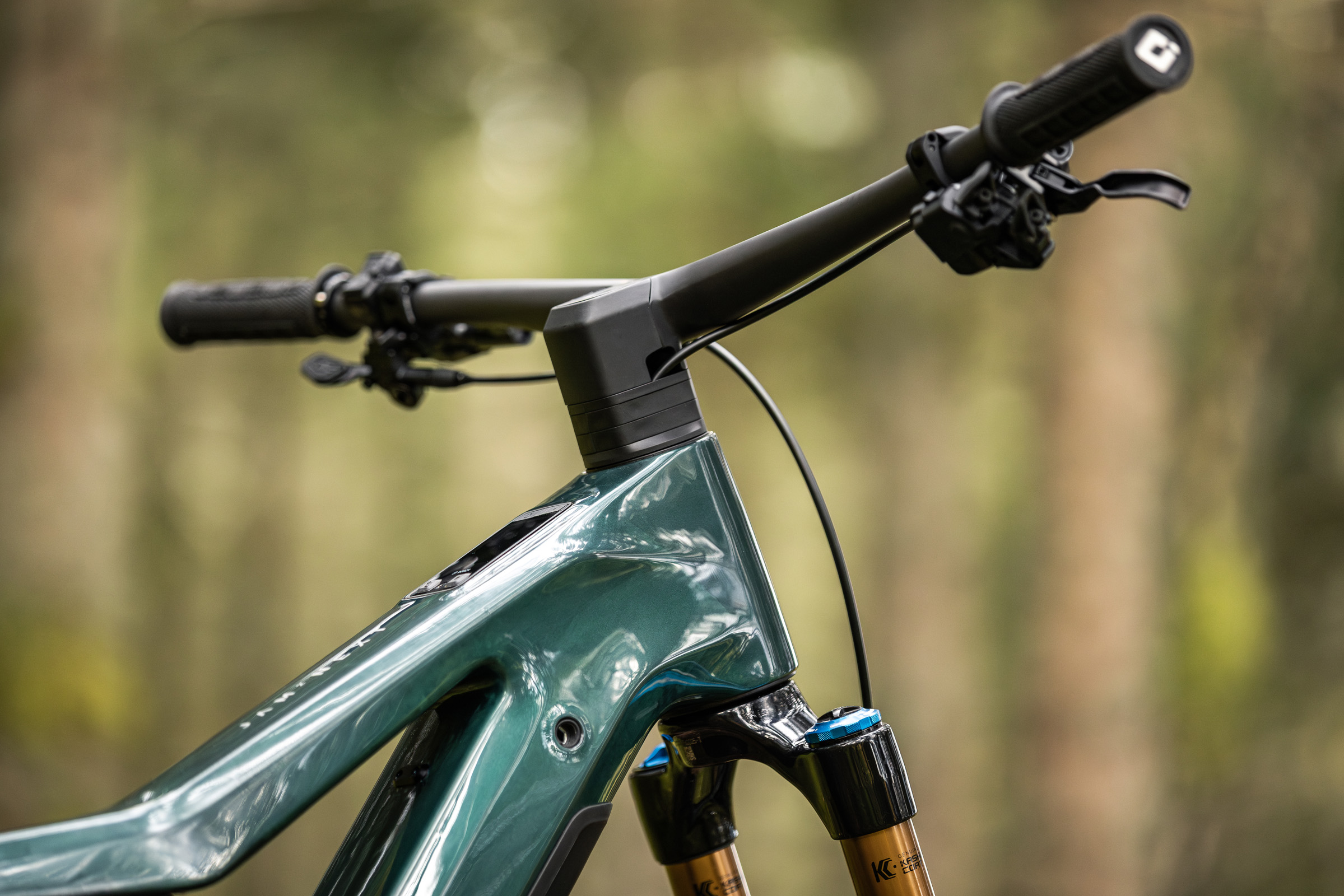
Environmental innovation is, says Focus, going to be the next revolution in bike design. That’s why it has been working on a new version of the JAM2 eMTB with a totally recyclable, EU-made composite frame featuring a thermoplastic front triangle.
Slated for release early in 2026, the thermoplastic JAM2 NEXT was launched to the press with great fanfare in late 2025. The Stuttgart-based brand said that, while the project was in its early stages and was set to be limited to an initial run of 200 bikes, it was an important step towards a more eco-friendly future.
Sadly, in December, its frame manufacturing partner, Belgian firm Rein4ced, filed for bankruptcy – a development Focus described as “disappointing, as the bike is developed, tested and ready to launch”.
Focus insisted this didn’t mean the bike had “lost its purpose”, because it had showcased the possibility of building a recyclable, production-ready carbon bike, even if it never actually made it to market.
Beyond its recyclability, the layered thermoplastic carbon construction had several sustainability benefits over traditional carbon fibre. The material didn’t need to be stored at low temperatures like uncured, pre-impregnated carbon fibre, saving energy and making storage simpler.
Also, the proximity of Rein4ced’s Belgian manufacturing facility to Focus’ German headquarters shortened the supply chain significantly. Where bikes would usually be shipped from Asia to Europe, the idea was that thermoplastic JAM2 NEXTs would travel only a few hundred miles from the factory to the warehouse.
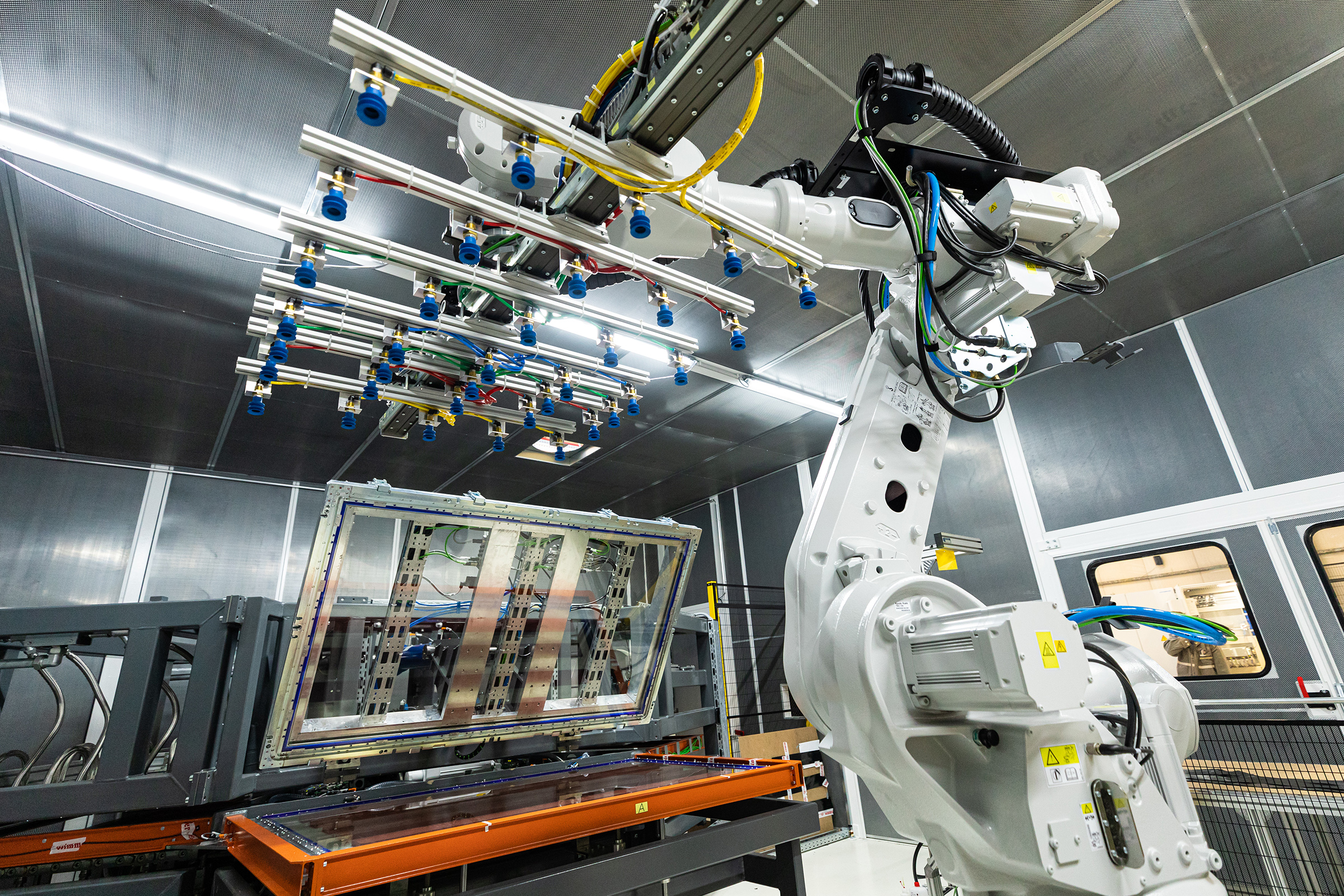
Sustainability aside, Rein4ced’s manufacturing process was also almost entirely automated, reducing the potential for human error.
In contrast, carbon fibre sheets and resin have to be laid up by hand – a big factor in quality control, with many sub-par carbon frames being scrapped due to manufacturing discrepancies.
Focus also claimed that the thermoplastic frame was more impact resistant than carbon fibre and provided more vibration damping on the trail. We were able to ride the JAM2 NEXT at its press launch last year, and can confirm there was a notable calmness to its ride over rough terrain.
Whether that was thanks to the frame’s thermoplastic construction or perhaps the radial Schwalbe tyres and the low pressures required for the damp conditions, it’s tricky to say.
Their first rodeo
Revel Bikes has also dabbled with the material, unveiling a 2023 downhill prototype, dubbed the Rodeo, that was made for it by Silicon Valley firm Arevo, using 3D-printed thermoplastic. It passed ISO safety standards but apparently didn’t quite have the strength Revel was looking for, and also proved “prohibitively expensive”. So, it remains a concept bike – for now.
However, Revel is justly proud of the project, which can still be viewed on its website.
“It’s hard not to get excited about the prospect of a 3D-printed carbon bike made here in the US,” it says.
“It could mean incredibly improved prototyping and development processes for bike brands, safer conditions in production facilities, significant environmental benefits and greater customisation for the rider at better costs.”
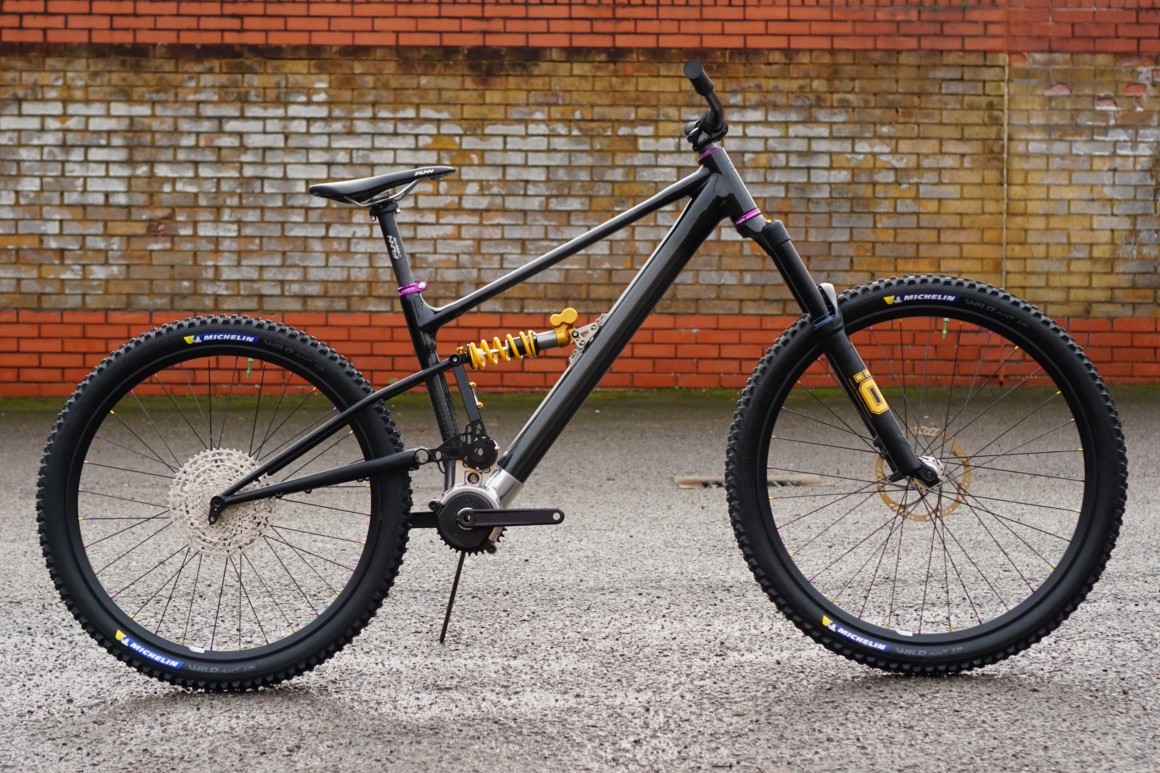
At the ‘artisan’ end of the scale, Bristol-based Starling Cycles, known for its steel bikes, created a prototype ebike frame with a thermoplastic front triangle in 2022, in collaboration with the National Composite Centre.
It was made from tubes that combined thermoplastic resin with braided carbon fibres, and Starling’s founder Joe McEwan – a former composites engineer – said the result was a frame that was tougher, easier to repair and less energy intensive to manufacture, while offering the opportunity to improve quality control.
Several companies, such as Revel, Chris King and Evil, also worked with Utah-based CSS Composites to build rims using the company’s FusionFibre thermoplastic material. Sadly, CSS closed its doors last year.
Too good to be true?
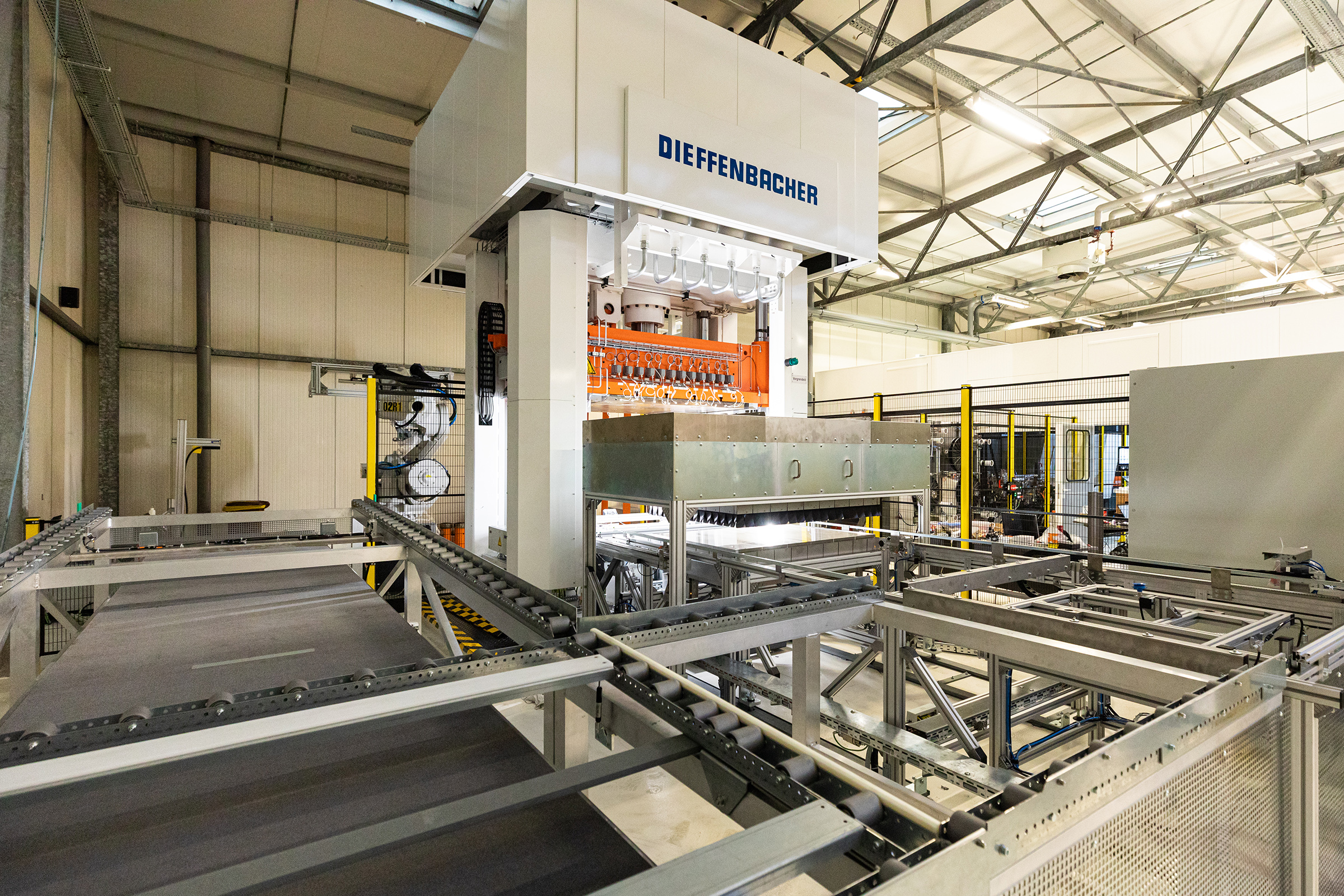
Of course, there are some downsides to thermoplastic. Developing the manufacturing process and buying the machines to build frames is a huge financial outlay, as is investing in the moulds needed to press-form them, although the more the process is scaled up, the cheaper it’ll become.
There are also limits to how many times thermoplastic can be recycled, because each time it’s remade, it experiences some degradation.
How many times it can be reused before it’s ‘useless’ is currently unknown. Thankfully, it’s possible to assess the properties of recycled thermoplastic material before making it into something, to ensure suitability.
While only virgin thermoplastic can be used to make the highest performing products, recycled thermoplastic is still suitable for use on commuter bikes, for example, especially if some virgin material is added to help the degraded thermoplastic ‘heal’.
Like carbon fibre, thermoplastic also doesn’t decompose, so if sent to landfill it’ll persist in its current form for years to come. However, the point is that it can be more easily recycled and reused.
Why not just dump carbon altogether?
Finnish brand Pole Bicycles famously canned its carbon fibre project citing – among other things – the ecological impact, and used this reasoning to justify selling only alloy models.
We put it to Focus that it could just make aluminium bikes and it was quick to respond, saying that it doesn’t see one material as being the best for all types of bike. It argues there’ll always be a market for carbon bikes, so it’s better to innovate than to continue to contribute to carbon fibre waste.
Furthermore, Focus points out that alloy bikes are incredibly energy intensive to make. The raw materials need to be mined and refined, and in terms of factors such as human carcinogenic toxicity, particulate matter and global warming, aluminium is worse than carbon fibre.
Ultimately, thermoplastic may not be the future for all bike frames, but it’s certainly a technology that’s worth developing further.


