A decade ago, the first electric mountain bikes were fighting for acceptance. Many riders dismissed them outright, while some bike brands seemed nervous about eMTBs. A lot of those early ebikes looked as though someone had cable-tied a car battery to a trail bike.
The first wave of eMTBs were heavy, awkward, noisy and not always easy on the eye. Early motors could surge, the batteries were modest and geometry was often borrowed from regular trail bikes that weren’t quite ready for the extra mass and speed.
Yet, buried under the big down tubes, chunky batteries and vulgar handlebar displays, there was the start of something important.
Electric mountain bikes did not disappear, they did the opposite. They dragged mountain bike design into a faster, heavier, more complicated future. In 2026, the best eMTBs are not oddities, they’re leading the charge and are some of the most advanced mountain bikes you can buy.
The really surprising bit? Some of the ideas were right from the start.
The class of 2016
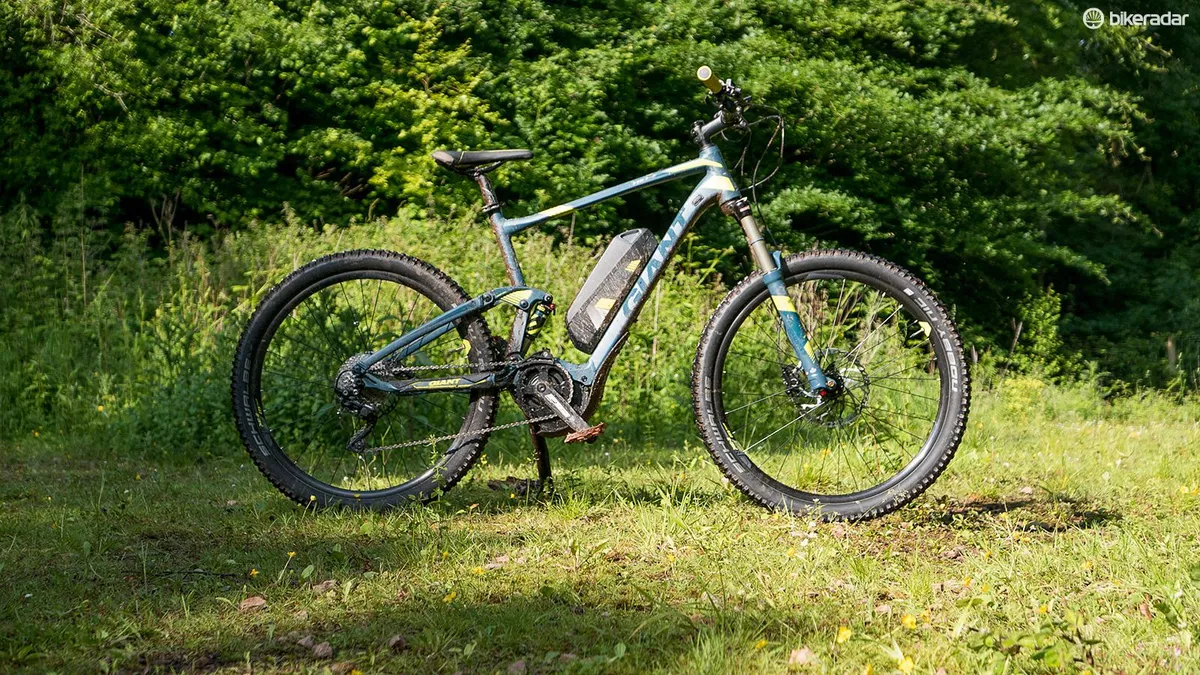
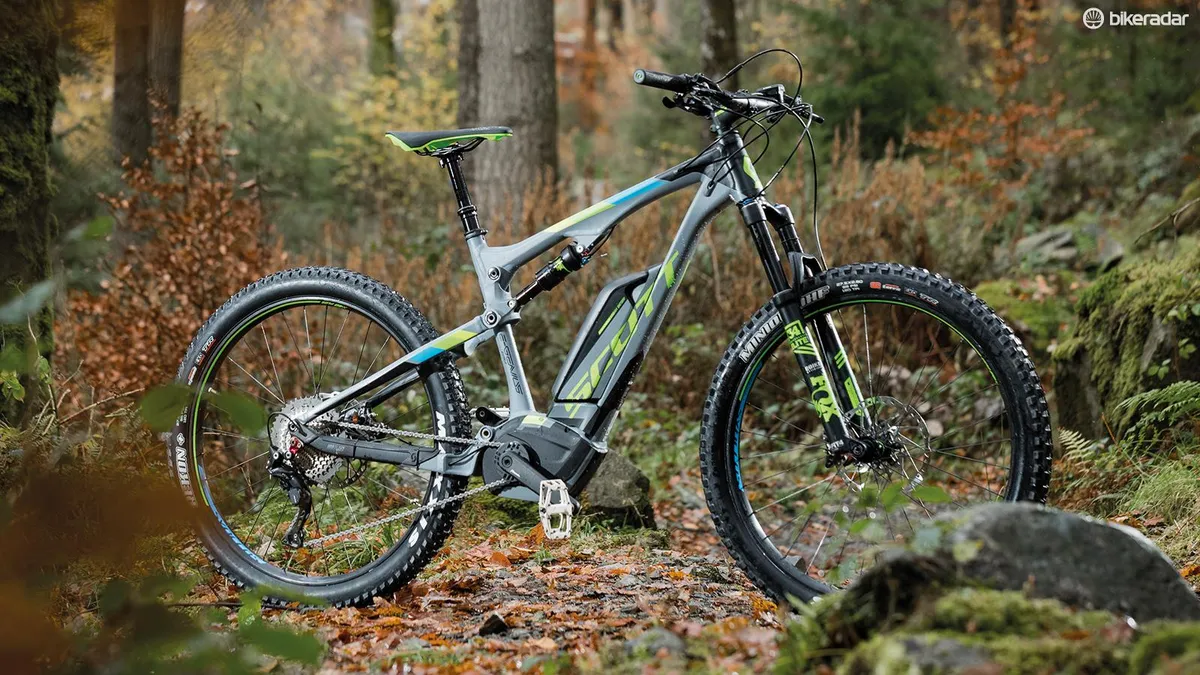
Look back at the electric mountain bikes of 2016 and it's easy to laugh. Some of them had all the visual subtlety of a fridge-freezer rolling down a red trail.
However, with bikes such as the original Specialized Turbo Levo, Haibike XDURO and Yamaha-powered sDuro, MTB brands were working out what a full-suspension ebike should be.
Should it look like a regular non-assisted mountain bike? Should the battery be removable? Should the display be huge and obvious or discreet? Should geometry be conservative because of the weight, or more aggressive because the bikes could take you anywhere?
Nobody really knew the answers.

The early Turbo Levo provided one of the more forward-thinking answers. It was designed to hide the ebike parts as much as possible, avoided a massive bar-mounted display and treated the motor system as part of the bike, rather than an accessory bolted on at a later point.
Haibike and many others, such as Scott, Cube, Laiperre and KTM, went the other way, producing bikes that wore their motors and batteries more obviously. They looked more industrial, but they also helped prove there was an appetite for proper full-suspension eMTBs with plenty of travel, decent parts and enough grunt to tackle serious terrain.
These bikes were not perfect, far from it, but they were prototypes for a category the industry had barely begun to understand.
eMTBs in 2026

Fast-forward to 2026 and the comparison with those early bikes is stark.
Modern eMTBs have bigger batteries, stronger motors, subtler frames, better suspension, tougher tyres, more powerful brakes and geometry designed around the way they're ridden.
A modern Specialized Turbo Levo is not just a neater version of the old bike, it’s in a different league. The original Levo’s 530W peak power and 90Nm torque figures looked huge in 2016. A decade later, the Levo 4 S-Works pushes that to 850W and 111Nm. That’s around a 60 per cent peak power increase and 23 per cent more torque.
The same is true of the Levo’s battery capacity. The original Levo launched with 460Wh or 504Wh batteries, depending on the model. The latest Levo 4 gets an 840Wh internal battery, with the option of a 280Wh range extender, almost doubling the usable energy available compared with the early bikes.
Bosch-powered bikes became the mainstream benchmark, with the latest Performance Line CX systems offering a much more refined ride than early units. Shimano, Brose, Yamaha and Specialized systems all evolved into great products. Brands such as TQ and Fazua also wanted to join the growing market.
Then DJI arrived with its Avinox motors and kicked the door open as if it was delivering a grenade.

Suddenly, we were talking about huge peak-power figures, massive torque claims, slick touchscreen displays, polished apps and motor behaviour that made older systems feel like dial-up internet.
That does not automatically make the latest bikes better, of course. A huge peak wattage is only useful if the bike can put down that power without spinning the rear tyre to dust or shooting you off into the bushes. But it shows how much the conversation has changed.
In 2016, the question was 'is this really mountain biking?'. In 2026, it's 'how much power is too much?' and 'can my drivetrain survive?'.
What's changed most?

The obvious answer is power and battery capacity. Early eMTBs were often built around batteries in the 400 to 500Wh range. Now, 700Wh-plus is common, range extenders are widely available and some bikes can carry enough stored energy to make a 2016 eMTB look as if it was powered by a phone battery.
However, the bigger change is to control. Modern ebike motors are smoother, smarter and more tunable. They respond faster and manage overrun better, they feel less like an on/off switch and are more like a very enthusiastic extra set of legs or two.
That matters most on technical climbs. The best eMTBs now enable you to access even more wild and remote areas with a level of control that early bikes couldn't match. Modern motors don't just shove you forwards, they help you maintain momentum.
Geometry has changed just as much. Early eMTBs often felt tall, short and slightly nervous, especially when the trail got fast. Modern bikes are longer, slacker and more stable, with better weight distribution and suspension kinematics designed around the extra mass.
Tyres and brakes have caught up as well. Early eMTBs exposed weak casings, cooked brakes and bent wheels with impressive efficiency. They were like mobile product-testing machines with motors attached. If a part was marginal, an eMTB would expose it quickly.
That pain made bikes better.
What the industry got right
The industry was right to take eMTBs seriously, however.
Whatever anyone thought about them in 2016, they opened up riding to more people, made big terrain more accessible and changed what was possible on a regular ride – more laps, more climbing and more descending.
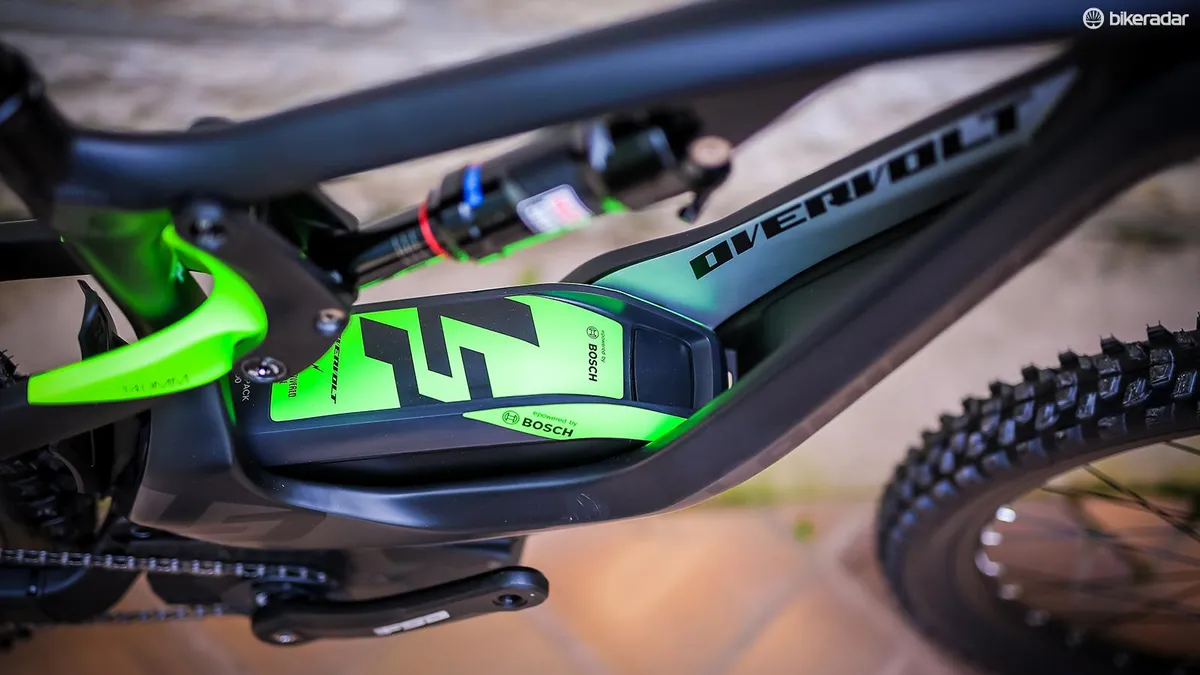
They also got integration right, at least in principle. The early Levo showed riders did not necessarily want an eMTB to scream 'I am electric'. Cleaner frames, internal batteries and discreet controls helped eMTBs feel more like regular mountain bikes.
The industry was also right to focus on ride feel. Peak power gets the headlines, but delivery matters more. The best systems now feel natural, predictable and easy to manage. They don't merely help you go faster, they help you ride better lines.
And, perhaps most importantly, eMTBs forced brands to build tougher bikes. We all benefit from better brakes, more durable drivetrains and more controlled suspension thanks to ebikes.
A lightweight trail bike can sometimes hide weak parts – a full-power eMTB will expose them before the first cafe stop.
What the industry got wrong
Of course, the industry also got plenty wrong.
Brands sometimes chase clean integration at the expense of real-world ownership. Hidden batteries, internal cables, headset routing and tightly packed motor areas may look great in a studio, but they're less charming when you are cold, wet and trying to fix a problem with a multi-tool trailside.
The industry learned how to hide the ebike parts before it fully learned how to make them easy to live with.
Cost is another issue. Top-end eMTBs have become eye-wateringly expensive. A modern flagship eMTB can cost more than a perfectly usable car – new technologies have an R&D cost to factor in.
Then there is the power race. Bigger numbers are exciting, but more torque and more watts are not always the answer. On long rides, more power can mean more heat, more battery drain and more stress on components.
The future cannot just be 'more', it has to be better.

Where do we go from here?

Modern electric mountain bikes climb better, descend faster, last longer, ride more naturally and look far less like science-fair projects.
The difference between a 2016 eMTB and a 2026 eMTB is not like comparing two generations of non-assisted trail bikes. It is more like comparing an early smartphone with the cutting-edge technology in your pocket now. The basic idea is the same, but everything else has changed.
The biggest lesson we've learned over the past decade is not that ebikes needed more power, bigger batteries or cleaner displays; they needed to become proper mountain bikes first.
The early eMTBs proved the concept, the latest bikes show how the category has matured.
And while those 2016 eMTBs may now look awkward, heavy and a bit confused, they deserve credit. They were the weird pioneers, the ones that took the abuse, the subject of forum arguments and suspicious looks at trail centres.
Without them, we would not have the astonishing bikes we have now. Progress is wonderful. Here’s to 2036’s eMTBs.