Throw enough cash at any problem and it can usually be solved. It costs billions to send people to space, millions to develop new medicines, and tens of thousands to buy a car capable of overtaking everyone else on a German Autobahn.
Seemingly, it can easily cost over £1,000 to keep you warm and dry on your bike over winter.
Jackets, trousers, shoes, glasses and helmets can cost hundreds. Gloves might cost more than a night out, while base and mid-layers can cost even more – if you insist on buying ‘nice’ kit from MTB-specific brands.
But is this a cost you have to bear? Can you kit yourself out with a decent mountain bike outfit that doesn’t cost the earth? And, if you do, just how good is it likely to be?
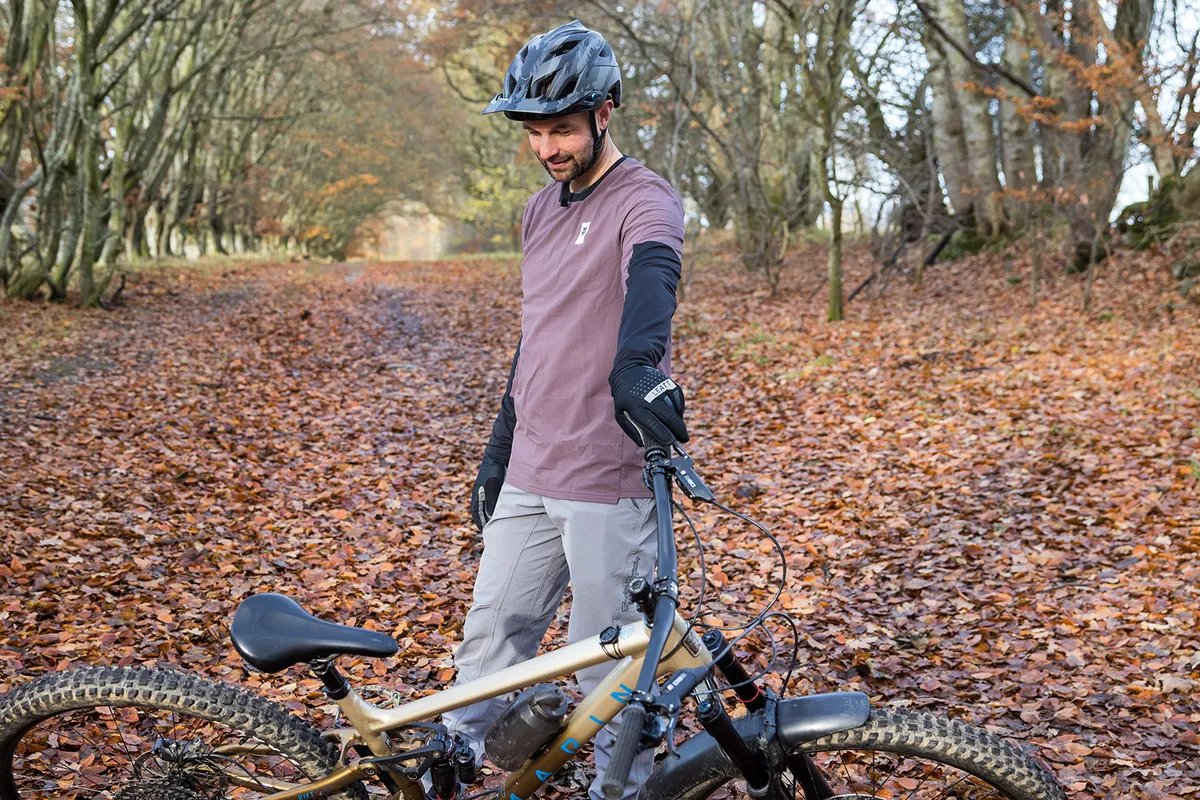
We set Tom Marvin and Alex Evans a challenge – to find out how much you need to spend on mountain bike kit to have a good time this winter.

To test them, we waited for the most disgusting day in our weather forecast and sent the duo out in the rain to suffer on your behalf.
Alex lucked out because he was given the extremely long straw of putting together the most expensive kit he could track down.
Tom, on the other hand, was sent to the high street to trawl the outdoor and sports shops to try to buy a full riding outfit for less than £200.
With the rain tipping down, it was time to find out how they’d fare on the trail.
Tom Marvin – budget kit

Trying to get a full winter outfit for less than £200 was going to be a bit of a challenge, so while Alex listed RRPs, I’ve cheated the system a bit and listed the reduced prices I paid on the high street. If you’re on a budget, a bit of shopping around is realistic.
My two biggest purchases were my jacket and shoes. To stay pedalling, keeping my upper half warm was vital, and the softshell jacket I got from Mountain Warehouse did a pretty good job.
The softshell material, with its slightly furry inside, gave me the insulation I needed – even when the rain forced its way through the water-resistant material. As such, I could forgo a jersey between my baselayer and jacket.
In drizzle or occasional showers, the breathability and warmth of softshell material outperforms a true waterproof shell material.

The arms were a touch short and the shoulders a little tight when hunched over the bike – something a generic outdoor cut can’t quite cope with – but overall performance was impressive and it’s a jacket that won’t look daft down the pub.
The shoes cost a similar amount, and while I’m no flat-pedal afficionado, I know spending the cash on ‘proper’ riding shoes was money well spent. The pedal pins dug into the soft rubber sole, while the fairly lightweight upper dries relatively fast post-ride.
Safety first

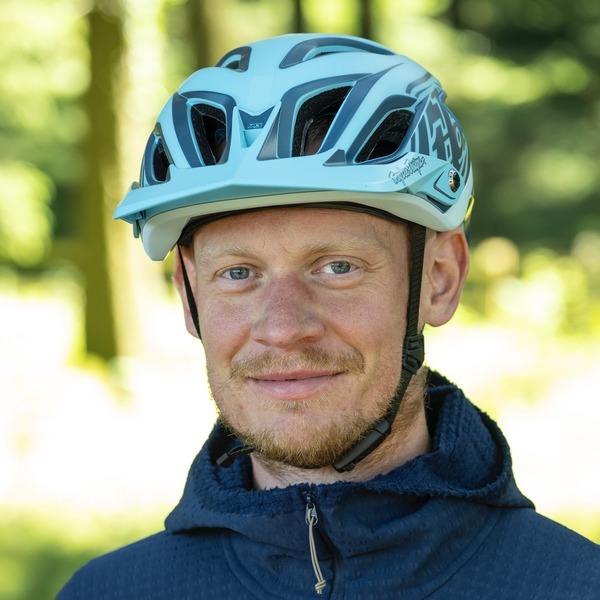
Of course, safety is paramount, and so while my Pinnacle ATB helmet might not match Al’s Troy Lee Designs lid, it complies with UK requirements. I was impressed by how comfy it was – fit is everything with a helmet, and the highly adjustable cradle did a sterling job. I can't complain for £20.
My eyes were also amply protected. The large lens of the safety specs I found on Amazon offered plenty of coverage, and there was no visual distortion through the clear plastic. The soft rubber arms were grippy and comfortable, and they’re not too wide, so they fit under deeper, more protective helmets well.
Realistically, if you couldn’t see the logo, they could pass for MTB glasses costing multiple times more.

I expected my Karrimor gloves to be the weakest point of the outfit. They’re built for warmth rather than riding, and I suspected the stretchy backing material would destroy bar feel with a lack of hand support.
But they did a decent job. They were relatively warm, while the silicone gripper dots on the single-layer palm provided decent grip. The 100% Briskers (£30) are still my go-to winter gloves, but if you need to save some pennies, these do a reasonable job.
Finishing touches

Pinnacle’s waterproof trousers performed their water-blocking duties well. The cut wasn’t great for mountain biking, though, with no room for knee pads, and they were a little tight when I wanted to swing a leg over the saddle, leading to some comedy hops as I tried to mount my bike.
We were also riding eMTBs, so I never really sweated – I suspect a punchier ride on a non-assisted bike would have made them soggy inside.
Down at my feet, the waterproof socks prove that Al’s winter boots aren’t needed, because my feet were warm and dry at the end of the day.
If you want an easy place to save cash, though, get yourself a generic baselayer – it’ll do the same job.
My Sondico baselayer was well-fitted, had a fairly low rear and a silicone gripper at the hem to stop it riding up. Under-the-arm mesh panels helped keep my pits sweat-free. And, when it got wet, it never felt like I was wearing damp clingfilm because the skin-tight fabric kept some warmth in. This is my new daily-driver baselayer.
Tom's kit list
| Product | Price | |
|---|---|---|
| Jacket | Mountain Warehouse Exodus Softshell | £39.99 |
| Trousers | Pinnacle Waterproof Over Trouser | £25 |
| Baselayer | Sondico Core Base LS | £14 |
| Gloves | Karrimor Thermal Glove | £7.99 |
| Helmet | Pinnacle All Terrain Helmet | £19.99 |
| Glasses | Genyed Safety Glasses | £14.99 |
| Socks | JiaLouLC Mid Calf Waterproof socks | £11.99 |
| Shoes | Giro Deed Shoes | £35 |
| Shorts | Pinnacle Men's Padded Cycling Shorts | £19.99 |
| Total cost: | £188.94 |
Tom's verdict

With a bit of shopping around, I managed to keep the outfit under £200 – although I had to forgo some knee pads.
I expected our shoot day, in the most torrential of rain, to be utterly unpleasant. But in the end, my outfit outperformed my expectations.
Yes, the lack of a mountain bike cut hampered performance in some areas. The jacket’s arm and shoulder cut could have been better, and it would have been good to fit knee pads under the trousers.
But the liner shorts, glasses and baselayer all did sterling service in the damp conditions.
The gloves, helmet and waterproof socks performed well, but I’d say their performance was acceptable rather than great.
Better gloves to improve bar feel, more protection, and a helmet with a larger visor, would be justifiable expenses in my eyes. I’m going to lay off commenting on the socks’ longevity until they’ve been used more.
However, I feel I’ve proved you don’t need to break the bank to keep pedalling all winter, as long as you’re happy to put up with a couple of compromises.
Alex Evans – top-end choices

Spending £500 on 7mesh’s Guardian Apex jacket may seem like madness to many riders. It’s going to get dirty, smelly and damp with sweat, and it seems like a certainty it’ll get ripped or damaged at some point in the rough-and-tumble world of MTB.
Fabrics such as Gore-Tex’s latest ePE that this jacket’s made from are incredibly waterproof in even the worst weather and remain waterproof after plenty of use. If you look after them – with regular washing – they’ll be impressively breathable, too.
The bike-specific fit, which more generic, cheaper jackets won’t have, is another big allure. The riding position is a strange one compared to standing up straight, requiring longer arms, a dropped tail and room across the shoulders to be comfortable.
While the Guardian isn’t an MTB-only jacket, it’s been made with riding in mind, and feels roomy and comfortable. Is this jacket worth the lofty price tag? The short answer is yes, but only if money isn’t a concern.
Top side

But without a decent baselayer or jersey, the jacket alone will struggle to keep you warm and comfortable. The two I’ve picked here – both from Rapha (£75 for the jersey, £90 for the baselayer) – look stylish and are well suited to mountain biking.
But there’s no way to dress up the facts; they’re made from polyester, which is the same material found in much cheaper items. Yes, the baselayer has an in-built neck roll, which is great on colder days, but let’s be honest – these items are heart-over-head purchases.
Look after your extremities

Troy Lee’s Swelter Plus gloves are great when it’s dry and cold, but they’re not waterproof. This is another area where I’d look to save some cash, unless you’re after a brand name – find gloves that are comfortable above all, because my experience tells me even those that are claimed to be waterproof leak.
It’s the same with socks – the TLD Performance socks are comfy, and importantly, mid-calf, but they’re no better than a more affordable pair from elsewhere. If you must have a brand name, go for them. Otherwise, consider cheaper options.
Waterproof shoes are amazing – if they’re built right. Shimano’s GF800s hit all the right marks, bar one area. Their outsole is very grippy, they’re comfortable and have BOA fit adjustments instead of laces.
However, the upper cuff is too low to overlap with your trousers effectively; water splashing up from the trail quickly wicks down your exposed socks and your feet become sodden.
Fox’s latest Union BOA All Weather shoes address this issue with a massive gaiter/cuff by increasing the trouser-shoe overlap, but they’re nearly impossible to get on or off.
Dry-bottom bliss

POC’s Consort Dungarees – while discontinued – are the perfect example of premium waterproof trousers, with a £450 price tag to match.
But for that cash, they’ve got an immense feature list. The three-layer waterproof fabric is Cordura-reinforced, helping brush off scuffs and rubbing, particularly around the backside. They boast an outstanding 30,000gsm/24hr breathability rating.
Three pockets, two massive air vents, an adjustable waistband and 15,000mm water column rating means they’re ready for almost anything.
But, like the jacket, you’ll be fretting about damaging them, given how costly they are. A cheaper alternative – such as Madison’s DTE 3-Layer Waterproof Bib Trousers (£199.99) – would be a solid bet.
Protect yourself
Saving cash on your helmet is illogical – your head is precious and must be protected as best you can. Troy Lee Designs' A3 MIPS helmet is one of the best out there, and well worth the £200 asking price – protection, features and comfort give it almost perfect performance. This is one area I would never recommend skimping on.
Keeping your vision clear is another important area. The more you spend, the better the glasses’ optical clarity will be, and the less likely they are to steam up. POC’s Devour glasses are a great example, costing £270. Thankfully, they live up to the price with excellent vision and barely mist up.
Knee pads are another crucial area. In constant articulation while pedalling, knee pads can be a source of real discomfort. Fox’s expensive, but comfortable and protective, Launch Elite pads are a great example of why spending more here is a great idea.
Alex's kit list
| Product | Price | |
|---|---|---|
| Jacket | 7Mesh Guardian Apex jacket | £500 |
| Trousers | POC Consort MTB Dungaree | £450 |
| Jersey | Rapha Trail long sleeve technical t-shirt | £75 |
| Baselayer | Rapha Thermal base layer | £90 |
| Gloves | Troy Lee Designs Swelter Plus gloves | £64.99 |
| Helmet | Troy Lee Designs A3 MIPS Ghostwing Charcoal helmet | £199.99 |
| Glasses | POC Devour glasses | £270 |
| Socks | Troy Lee Designs Performance socks | £24.99 |
| Shoes | Shimano GF800 shoes | £220 |
| Shorts | Fox Launch Elite knee pads | £139.99 |
| Total cost: | £2,034.96 |
Alex's verdict

This £2,000 outfit wasn't the resounding success you’d maybe expect it to be, mostly let down by the gap between shoes and trousers. This leads to puddles inside your shoes much quicker than it should.
Getting wet, cold feet is the quickest, surest way to end a bike ride prematurely, so investing in a setup that works for your needs is sensible; Fox’s Union BOA All Weather shoes are the answer if you’re dead set on waterproof shoes.
However, for the same cash you can buy a good set of regular MTB shoes and a few pairs of waterproof socks, covering both summer and winter bases.
A versatile bike-specific jacket is worth the cash, as long as you look after it. Having one jacket for riding, walking and other outdoor activities amortises the expense.
Maybe £500 is a bit excessive, and there are options out there that cost way less and perform similarly.
The same applies to trousers; a bike-specific fit is essential, especially if you’re wearing knee pads. Is £450 too much cash? In my opinion, the answer is ‘yes’ – the £150 to £200 range presents a sweet spot.

Expensive polyester jerseys and baselayers are financial suicide, and the area where saving cash is most sensible – the material is practically the same, no matter how much you spend, even if the more expensive ones feel softer. It’s the same for socks – save some cash here unless you’re going for waterproof ones.
Spend as much as you can on protection – this includes helmets, eyewear and pads. Personal experience says don’t waste your time on waterproof gloves. Focus on keeping your hands warm rather than dry.
Is the £2,000 outfit worth it? No, but splashing your cash on some items of kit from this list is very much recommended.
Budget or top end: Tom and Alex's verdict

While we’ve tested the extremes of kit when it comes to pricing, we’ve learned a few lessons that might help you choose your price points.
When it comes to jackets, investing in one with a cycling cut will make a difference on the bike. There are plenty out there with slightly less fancy fabric than Alex’s 7mesh jacket at £100 to £150. Those with pit vents will probably help navigate the boil-in-the-bag issue that less-fancy fabrics suffer from.
Trousers are another area where spending a little more to get a decent fit is worthwhile – stretch, room for knee pads and a little extra durability at the backside are paramount. As Alex mentioned, our pick of the bunch are Madison’s waterproof bib trousers – truly brilliant.
You should spend what you can afford on the best MTB helmet you can find, and try before you buy to ensure a good fit. Tech such as MIPS is worth the money in our opinion – you only have one head. Conversely, as long as you’re happy with their looks, there are cheaper MTB glasses around that do the job, as Tom proved.
Footwear is a tricky subject to navigate. Waterproof socks that go higher up the calf are a great pocket-friendly way to keep your feet dry. However, committed winter riders might want to invest in proper winter boots. Follow Alex’s advice, though, and get ones with a long gaiter – and make sure they’re paired with trousers that are long enough.

When it comes to gloves, the 100% Brisker, and the warmer Brisker Xtreme are our go-to choices.
Finally, cheap baselayers are a place to save cash. If they have a long enough body, and are constructed from the usual materials, they will do a perfectly good job.