There’s been a lot of change in the world of cross-country racing over the last 12 months, with many brands launching new bikes that are claimed to be lighter, faster and more efficient than ever. And, at the time of going to press, next to none of them have 32in wheels – at least the ones you can buy.
Two of the biggest XC bikes to arrive this year have been Orbea’s re-designed Oiz and Specialized’s latest iteration of its long-standing Epic.
While the two bikes share a similar silhouette, the frame design, suspension kinematics, geometry and spec play a massive part in how distinctive each feels on the trail.
The Oiz feels urgent and eager to go fast. Taut, direct handling and a ride position that rewards commitment mean it’ll zip through singletrack with ridiculous ease, soaking up the chatter in a balanced, controlled fashion.
There’s no shortage of sprightliness from the Epic 9, either, but the more active ride delivers that speed and no shortage of confidence in a different way. With more comfort and confidence on the descents, it’s here that it gains ground on the Oiz.
So, in this cat-and-mouse contest between two XC heavyweights, which comes out on top?
Introducing the bikes
Orbea Oiz M-LTD
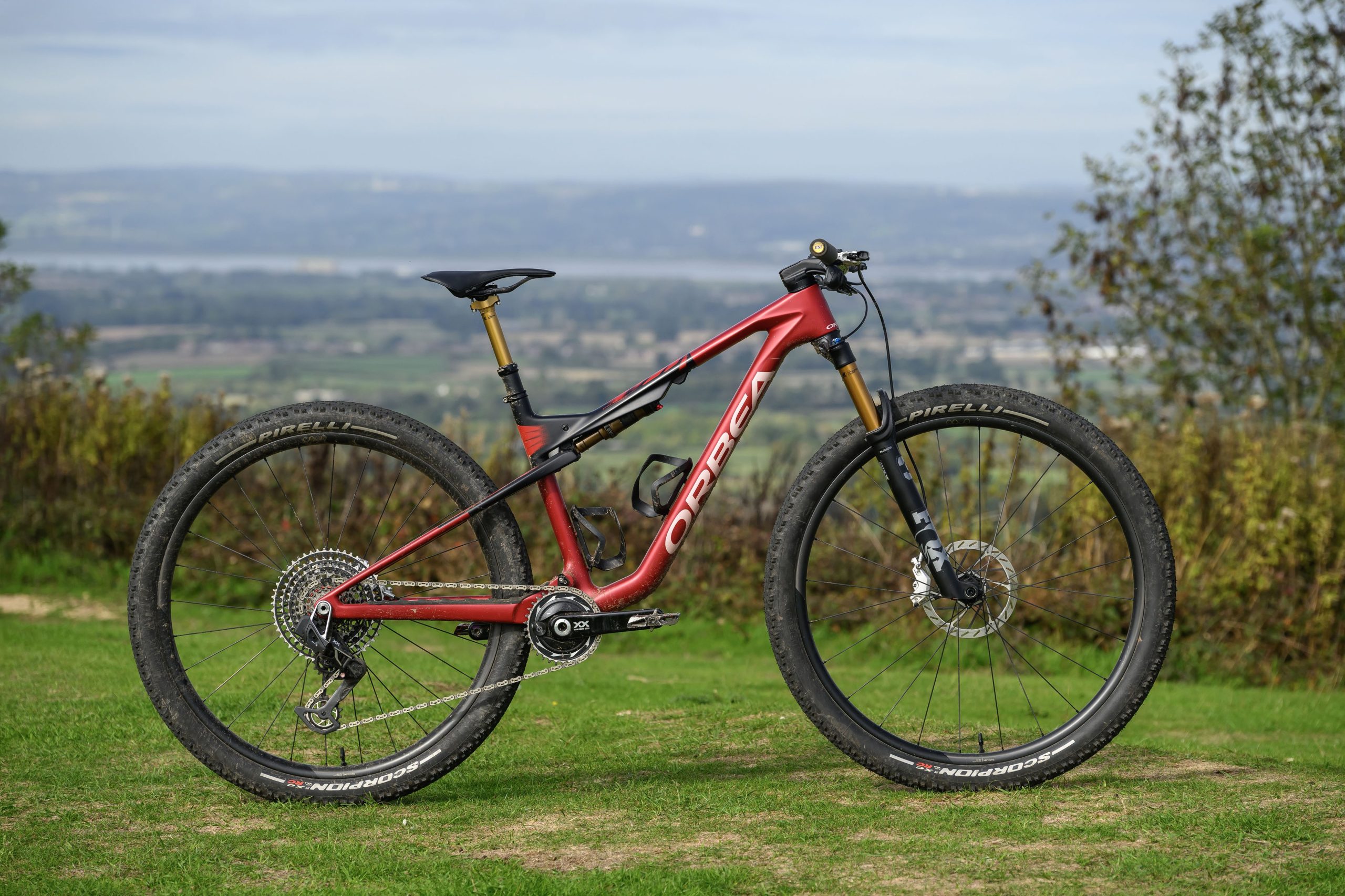
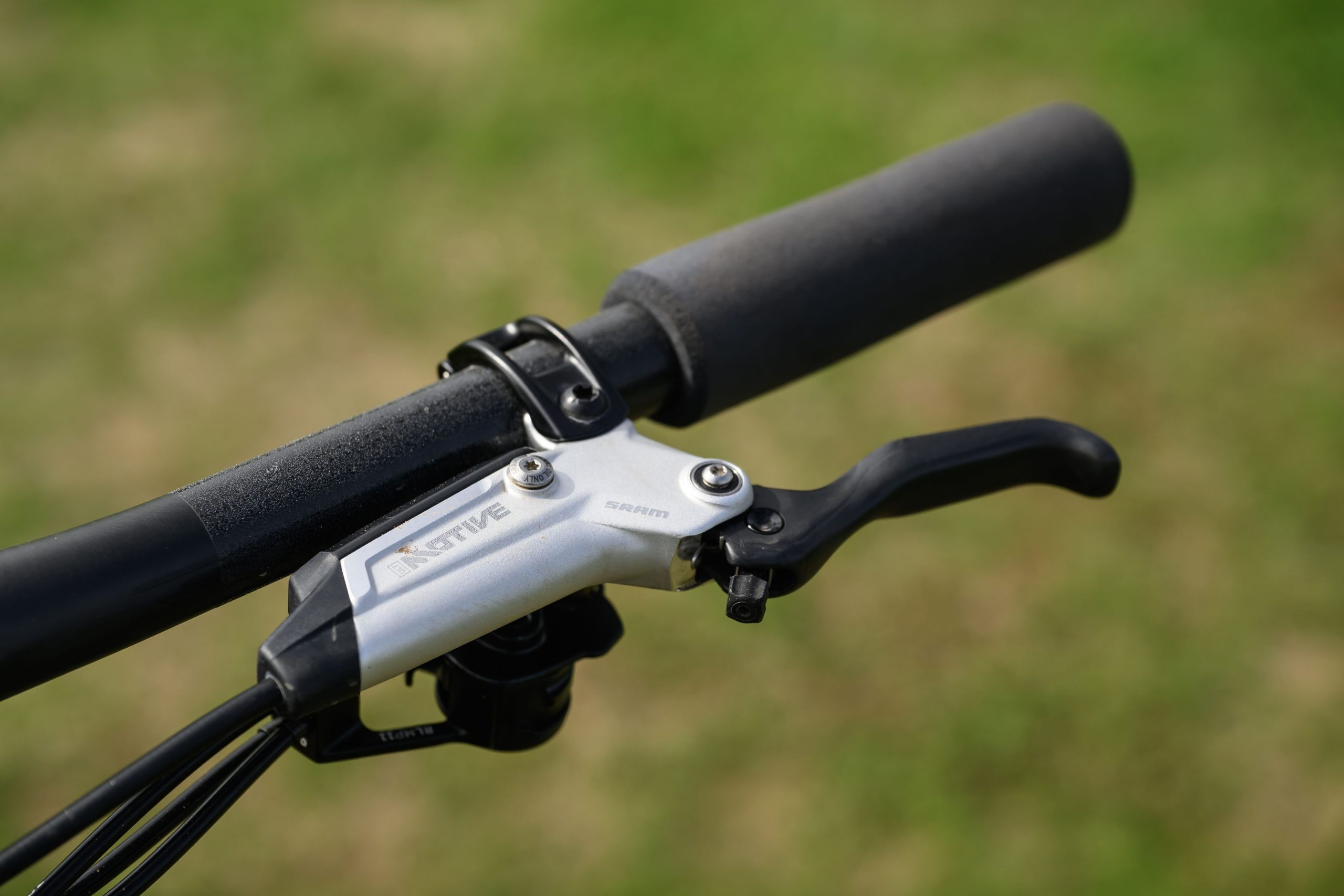
The M-LTD Oiz uses Orbea’s top-tier OMX carbon fibre layup, a flex stay suspension system to deliver 120mm of rear-wheel travel with a cable-actuated lockout. This standard build comes complete with Factory-level Fox suspension, SRAM Motive Ultimate brakes and lightweight XX SL Eagle Transmission.
Orbea's MyO programme enables you to customise the spec at point of purchase.
- Frame: OMX carbon, 120mm travel
- Sizes: S, M*, L, XL
- Fork: Fox 34 SL Factory GRIP SL, 120mm
- Shock: Fox Float SL Factory
- Drivetrain: SRAM XX SL Eagle Transmission
- Wheelset: OQUO MP30LTD
- Tyres: Pirelli Scorpion XC RC 29x2.4in
- Brakes: SRAM Motive Ultimate (180mm/160mm rotors)
- Bar/stem/grips: OC Carbon Cockpit MP10, 760mm bar, 75mm stem / ESI foam
- Seatpost/saddle: Fox Transfer SL / Selle Italia SLR Boost
- Weight: 10.4kg (medium, without pedals)
- Pricing: £9,999 / $12,127 / €10,999
Specialized S-Works Epic 9
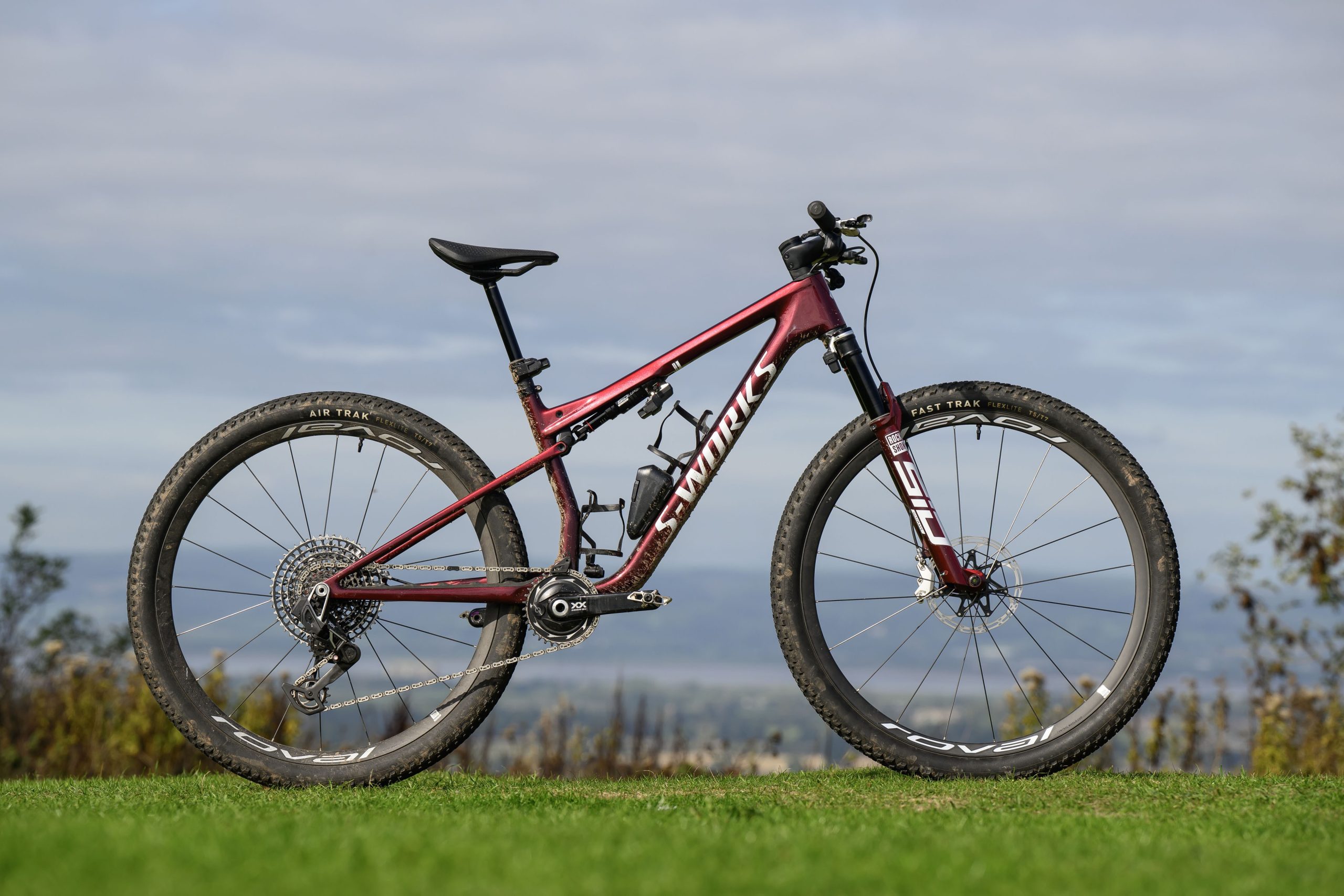
A RockShox Flight Attendant system automatically controls the damping of the 120mm-travel SID Ultimate fork and SIDLuxe Ultimate shock. These are bolted to the fanciest FACT 12m S-Works carbon frame, which is one of the lightest on the market.
Specialized’s own impressive tyres wrap Roval carbon rims.
- Frame: FACT 12m carbon, 120mm travel
- Sizes: S, M*, L, XL
- Fork: RockShox SID Ultimate Flight Attendant, 120mm travel
- Shock: SIDLuxe Ultimate Flight Attendant
- Drivetrain: SRAM XX SL Eagle Transmission
- Wheelset: Roval Control World Cup
- Tyres: Specialized Fast Trak Flex Lite T5/T7 29x2.35in (fr) / Specialized Air Trak Flex Lite T5/T7 29x2.35in (r)
- Brakes: SRAM Motive Ultimate (180mm/160mm rotors)
- Bar/stem/grips: Roval Control II, 760mm bar, 60mm stem / Specialized Trail
- Seatpost/saddle: RockShox Reverb AXS, 150mm / Specialized S-Works Power EVO Mirror
- Weight: 10.06kg (medium, without pedals)
- Pricing: £12,499 / $15,249.99 / €14,499
How do the Orbea Oiz M-LTD and Specialized S-Works Epic 9 compare?
Specialized and Orbea have produced bikes that share the same intentions and, for the most part, aesthetics. However, look deeper and it’s clear there are a number of differences.
These full-carbon frames each use a flex stay suspension system with a link driving the rear shocks.
The Epic 9’s forged link spans the two seatstay tips and wraps the stubby shock yoke to help bolster stiffness.
Orbea uses a forged alloy plate to connect the ends of the burly carbon seatstays for a similar effect, also sitting ahead of the seat tube. This is bolted in place to prevent unwanted flex and delivers a proper belt-and-braces finish, which should prevent too much in the way of binding friction as the rear shock compresses when cornering. The Oiz link is now alloy rather than carbon.
In addition, both brands have reworked their respective suspension kinematics. The Epic 9 delivers its 120mm of travel in a similar way to that of the highly praised Epic 8.
Specialized has tweaked the leverage curve, though, lowering the leverage rate early on to firm things up and boost support in and around sag in a bid to make it more efficient when pedalling.
Sensitivity increases through the mid-stroke – helped by a reduction in friction compared to the Epic 8 – to help maintain traction and comfort if the trail starts to get choppy before progression builds towards the final part of the travel and the big hits, in theory, are managed in a more controlled manner.
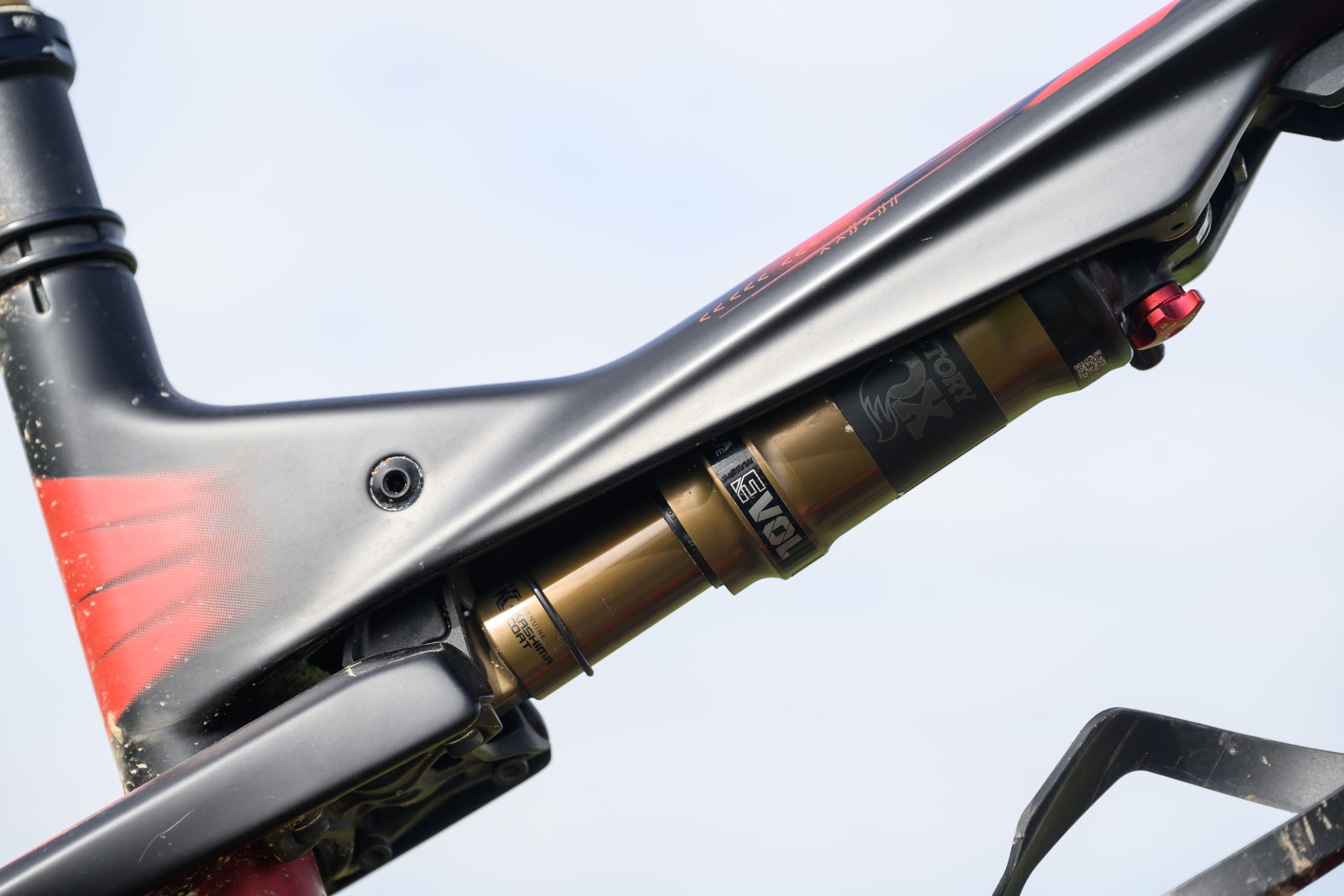
Orbea’s leverage curve is regressive, offering a really solid platform for pedalling early in the travel, before becoming more sensitive through the midstroke. Bottom-out control comes from the progressive ramp-up caused by the tiny air can on the Fox Float SL Factory rear shock as you dig deeper into the 120mm of travel.
To boost pedalling performance further, Orbea and Specialized have upped the anti-squat on the Oiz and Epic 9 compared to the previous model of each bike.
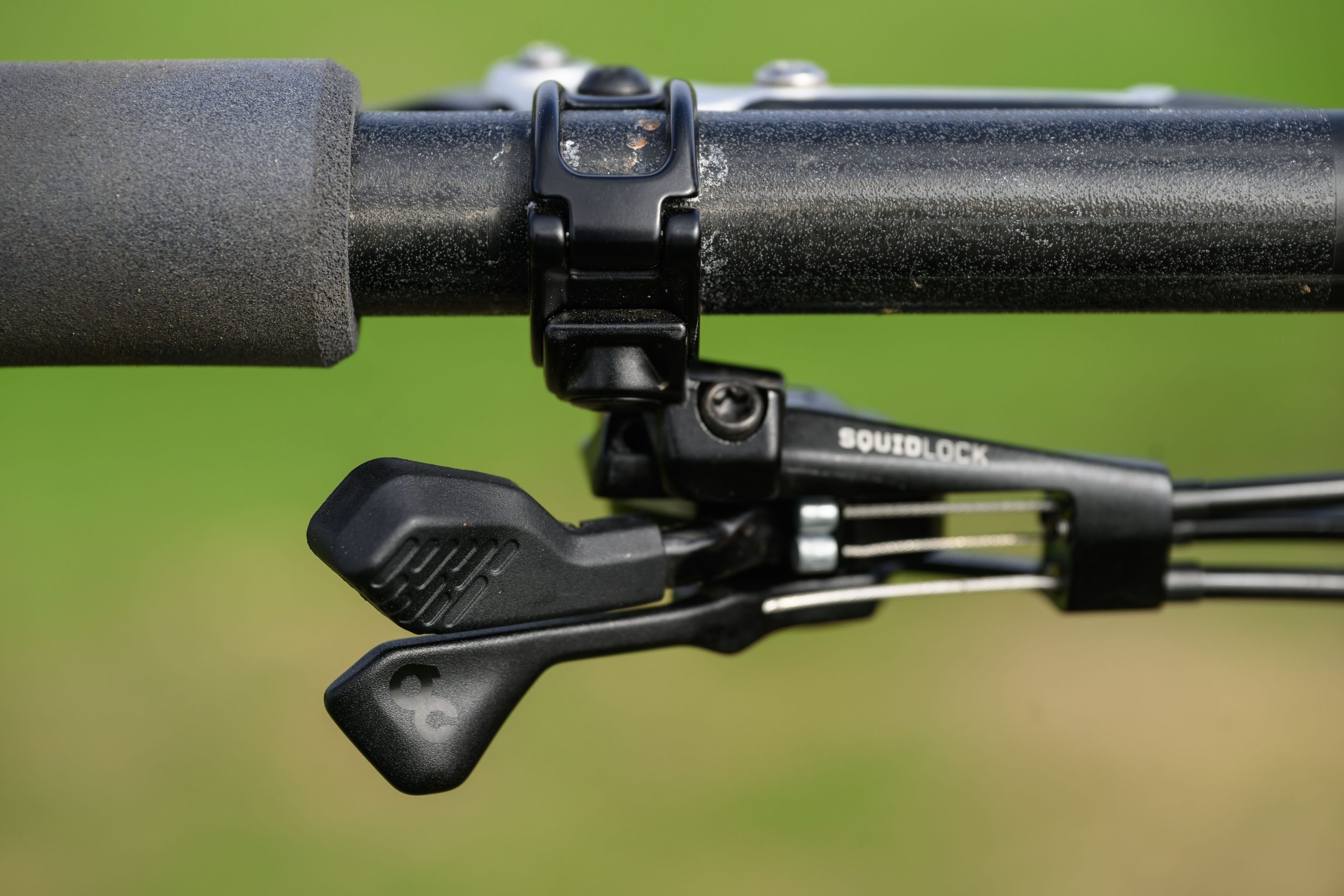
If you’re keen on firming things up further, Orbea’s Squidlock remote lockout system – which features one lever for the suspension and a second to control the dropper post – enables you to control the fork and shock, meaning you can toggle from open into a firmer middle mode or fully lock out both suspension units.
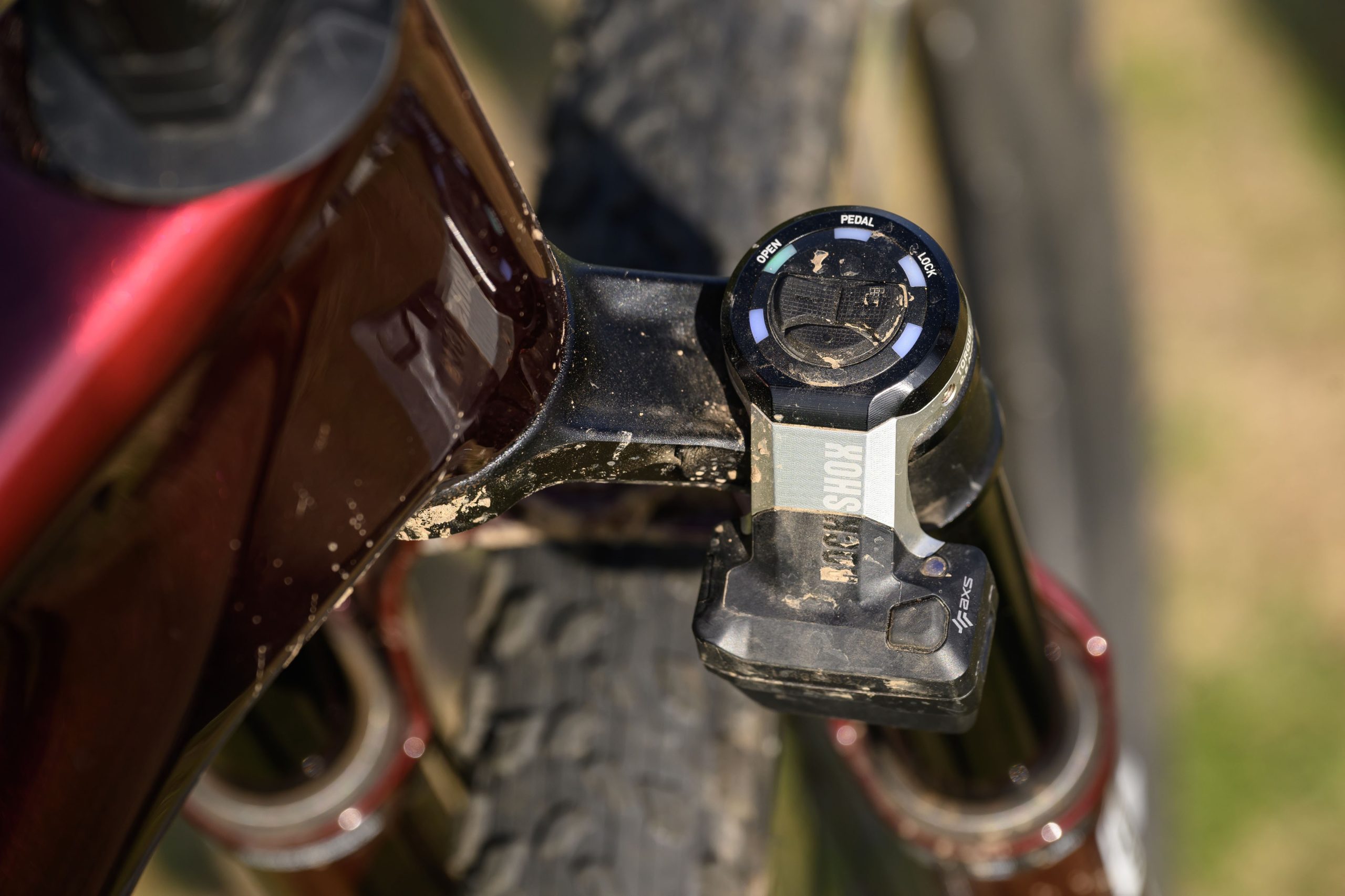
The S-Works Epic 9 comes complete with the RockShox Flight Attendant system as standard. You can upgrade the Oiz M-LTD if you want to switch to the RockShox setup and have automated damping control, but it’ll add another £879 to the price. Flight Attendant automatically shifts the fork and shock between three damping modes: open; the custom ‘Magic Middle’ pedal mode; or fully locked out.
To achieve that super-low 1,589g headline frame weight, Specialized has ditched the down-tube storage (you get a small compartment mounted to one of the bottle cages instead) and routed the cables through the headset, among other things. You also get a steering limiter, which prevents your handlebar from over-rotating in a crash – something that can often lead to shifters or brake levers hitting the frame and causing damage.
In line with the FACT 12m carbon used on the S-Works Epic 9, Orbea’s M-LTD Oiz is crafted from its top-tier OMX carbon. To maximise stiffness in all the right areas, there’s a lot of it in key places. You only need to cast an eye down towards the massive bottom-bracket junction to see this for yourself. The broad tube shapes help to create a seriously stiff platform, meaning there’s little given away in frame flex when you stamp on the pedals.
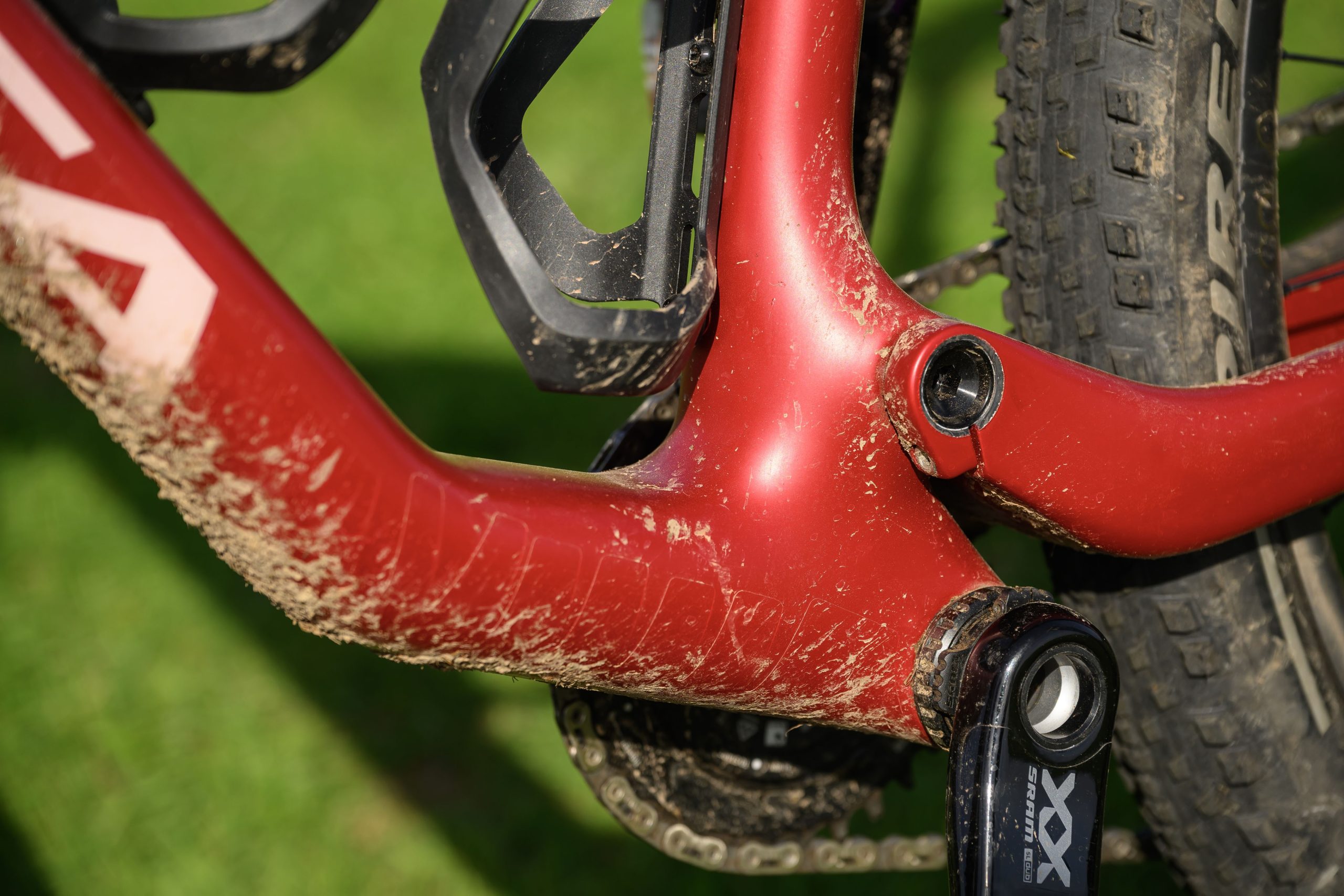
Like the Epic 9, the Oiz has space for two water bottle cages in the front triangle, along with a small multi-tool holder just in front of the rear shock. Cables on the Oiz run down through the headset, which won’t please everyone.
Painting by numbers
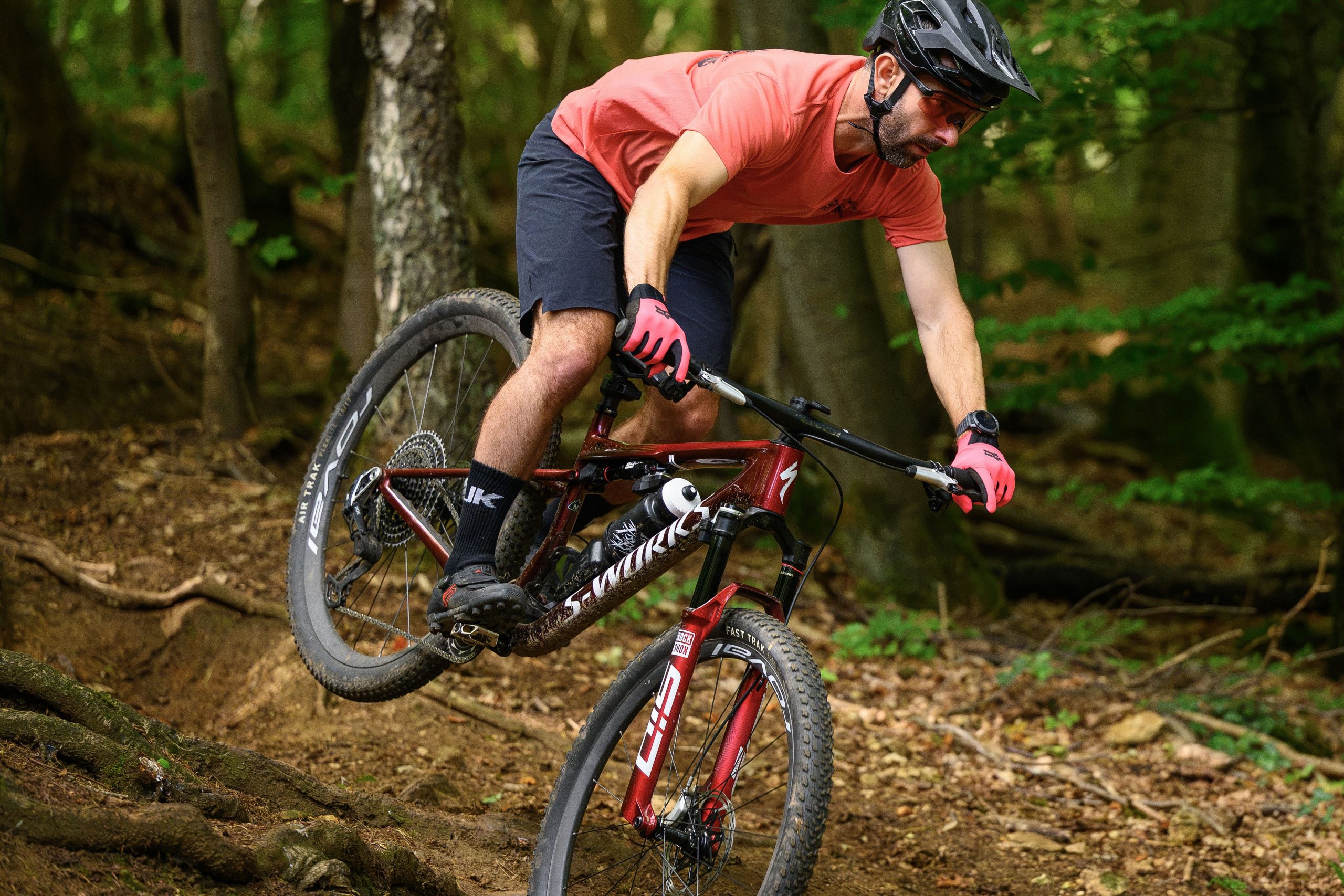
Before we get stuck into the stats, it’s worth noting that the Epic 9 enables geometry adjustment thanks to a flip chip in the lower shock mount. Flipping this gives 0.4 degrees of head angle and seat angle adjustment and shifts the bottom bracket by 5mm.
These bikes are incredibly close when it comes to geometry, although those small differences add up to a different feel on the trail.
In the low setting, the Epic 9 has a 65.9-degree head angle, 76-degree seat-tube angle and 40mm of bottom-bracket drop. In a size medium, the reach sits at 450mm, while the effective chainstay length (which grows across the size range) is 435mm and the stack sits at 604mm.
The Oiz is a little more conservative, with a 66.8-degree head angle, a steeper 76.7-degree seat tube angle and a greater bottom-bracket drop, at 42mm.
In a size medium, the Oiz has the same reach at 450mm, but the chainstays are shorter than the Epic’s as well as the previous Oiz, at 430mm. The stack is 9mm lower at 595.5mm, too.
Blinged-up
The S-Works Epic 9 is seriously expensive. Highlights include the RockShox SID fork and SIDLuxe Ultimate shock, complete with Flight Attendant, SRAM’s Motive Ultimate brakes and an XX SL Eagle Transmission drivetrain.
However, your attention should really be drawn to the own-brand Fast Trak and Air Trak tyres, which use mixed T5 and T7 rubber compounds to deliver limited rolling resistance and impressive levels of grip.
The one-piece bar and stem is also worth a mention. If you’re picky about bar roll, this probably isn’t for you. Of the integrated bars I’ve tried, though, I like the 9 degrees of backsweep and the overall feel here.
The Oiz also features an integrated bar and stem, which has a little less backsweep and a longer stem at 75mm versus the 60mm on the Epic 9. In the M-LTD build, you also get the same brakes and drivetrain as the Epic 9, but a Fox 34 SL Factory fork and Float SL Factory shock, controlled by the Squidlock remote.
Where Orbea has an advantage over Specialized is with its MyO customisation programme. I’d happily trade the one-piece bar and stem for a two-piece equivalent (at no extra cost), as well as switching the Pirelli Scorpion XC RC tyres for some Maxxis Rekon Race WTs. You can also switch to a 130mm-travel fork if you want to.
The Epic 9 tips the scales at 10.06kg, while the Oiz weighs 10.4kg, both in a size medium, without pedals.
Frantically fast
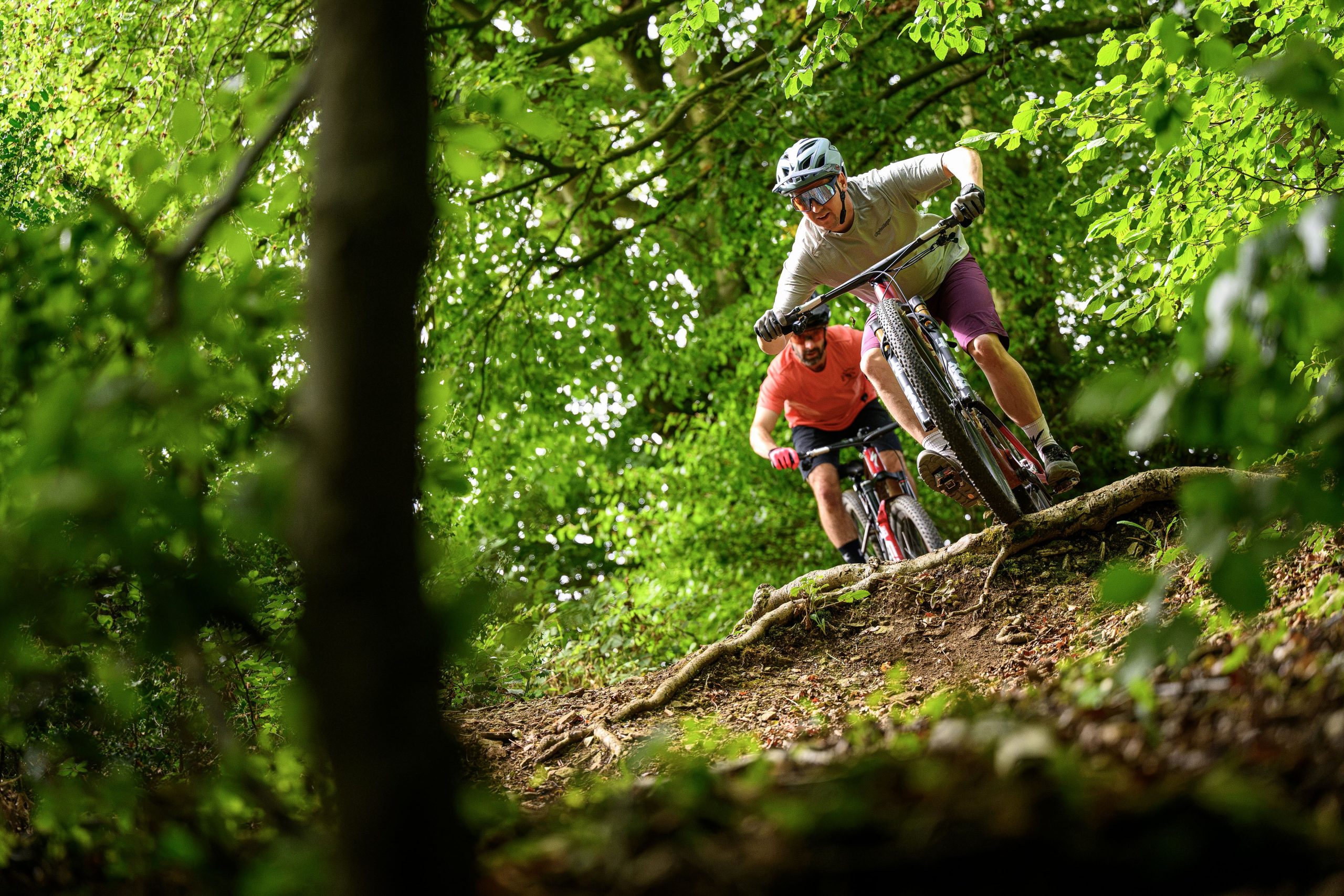
It’s no surprise that when you pile on the power, both bikes shift with what feels like very little effort.
The Oiz feels the sharpest of the two when sprinting. All that carbon used low down in the frame helps to create a stiff, taut feel, and ensures watts from your legs are transferred directly to driving the rear wheel.
What’s more, thanks to the way the 120mm of travel is delivered, very little is lost to unwanted movement at the shock. As such, the times when you want to use the Squidlock lever to firm things up are few and far between. But, if you decide to push the remote, there’s no denying it’s pretty stiff and heavily sprung.
Shifting the suspension into the middle mode instantly provides a firmer, even more efficient platform – so much so in fact, I rarely even wanted to fully lock the back end out.
Frustratingly, though, when you want to open the rear shock back up, you still need to push the Squidlock lever into the locked position first, before pressing it again to release it and open things up. This takes effort and thinking, especially compared to the Flight Attendant system used on the Epic 9.
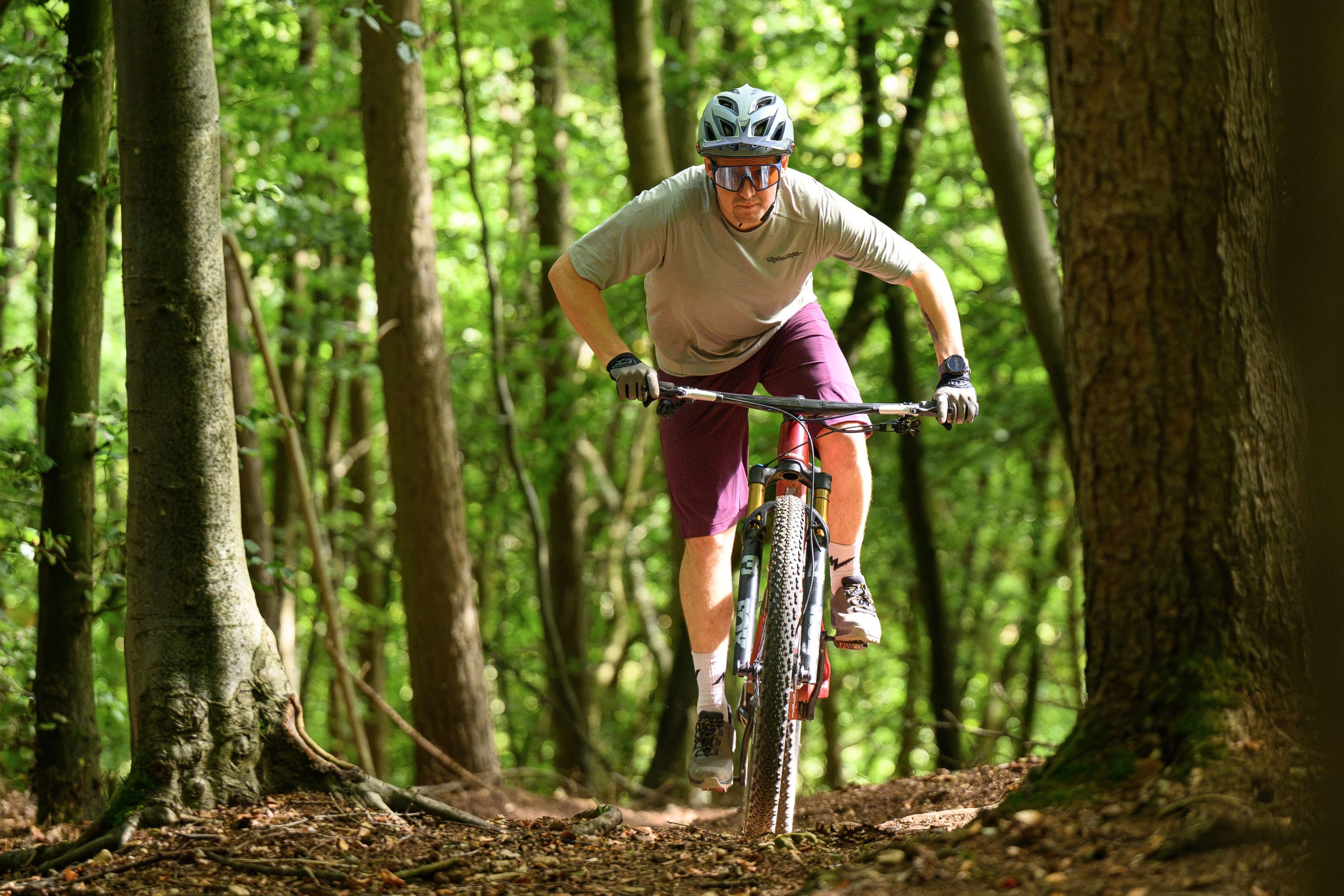
While the Epic 9 might not feel rock solid when you really mash on the pedals, any gaps in efficiency are quickly plastered over thanks to the clever Flight Attendant setup.
Once the system detects a sprint, it quickly shifts into the pedal or lock mode, ensuring you can make the most of your efforts. There’s no thinking required, it’s all taken care for you. If you’re not happy with the stock suspension configuration, you can use the SRAM AXS app to fine-tune things further.
It also helps that both bikes come with fast-rolling tyres.
When the trail kicks up, it remains close between these two XC thoroughbreds. The marginal weight advantage the Epic 9 has over the Oiz is hard to pick up on, thanks in part to how eager the Oiz is to make its way uphill.
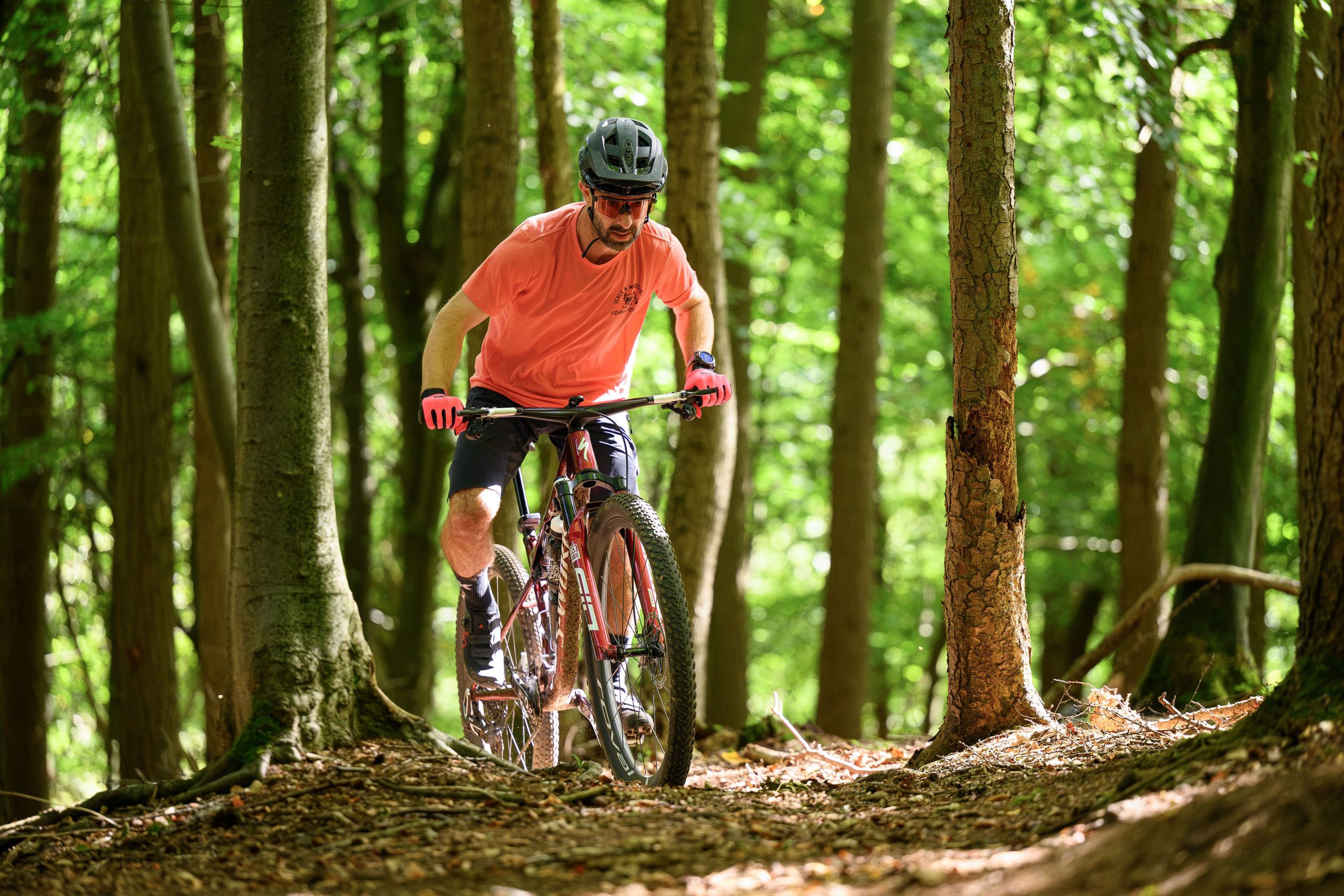
While the Epic 9’s effective top tube is a touch longer than the Oiz, Orbea’s longer, negative-rise stem and lower stack, along with the steeper seat tube angle, make you feel you’re more hunkered down over the front of the bike in an aggressive attacking position.
The Epic 9 doesn’t feel quite as racey in this instance, but that doesn’t mean you can’t attack with the same level of gusto. I chose not to fully slam the stem on the fork steerer tube, instead opting to sit a little more upright because I found this more comfortable on bigger rides (plus I’m getting old).
Impressively, both bikes offer enough suspension movement to keep you trucking on janky climbs, despite how efficient they are at pedalling. Again, this is down largely to the fact you can leave the Oiz fully open for climbing, while the Epic’s electronic suspension does the heavy lifting for you, sensing bumps and opening up the rear shock to aid with rear-tyre traction.
Singletrack slalom
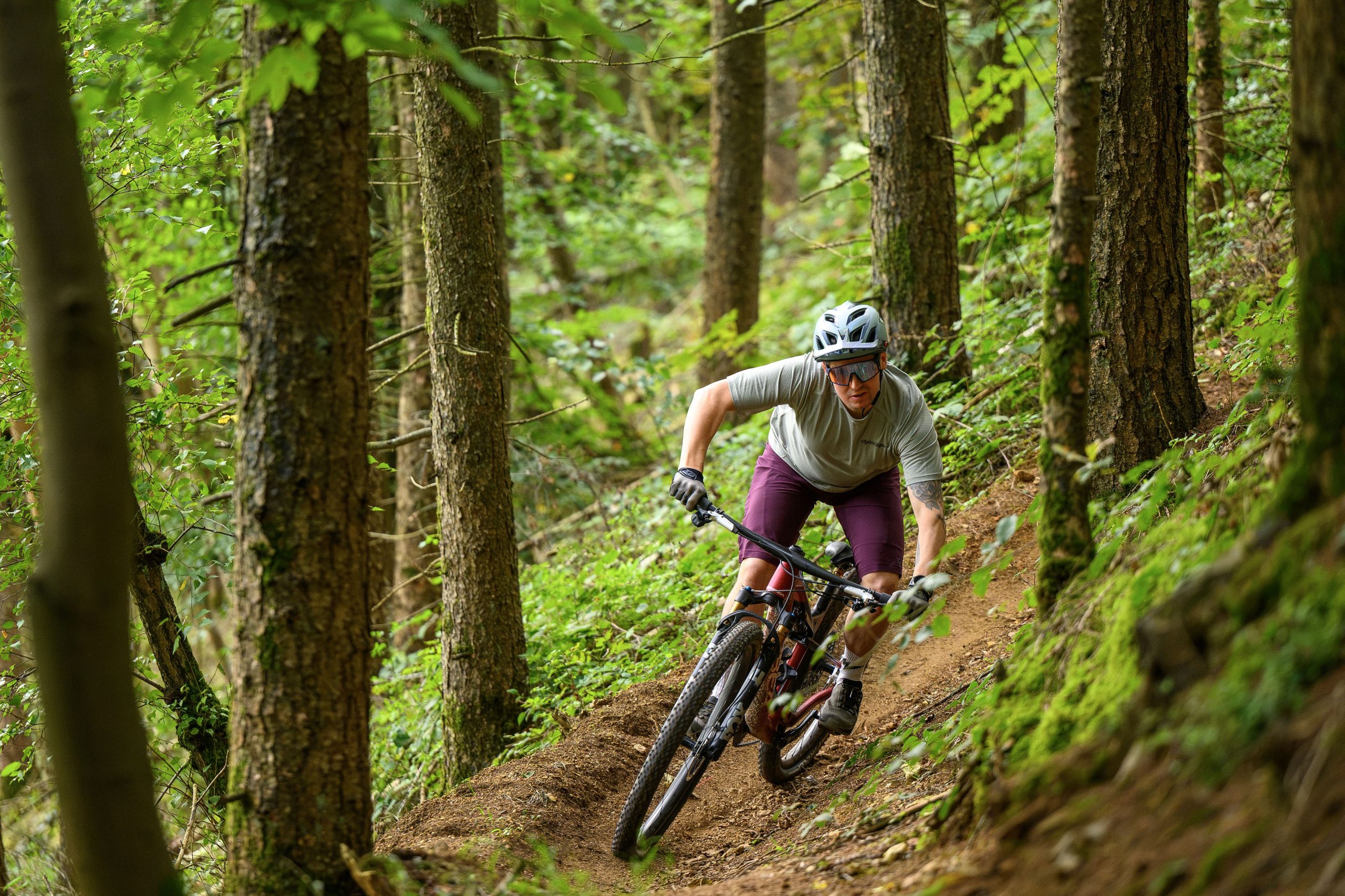
Tear into some technical singletrack or a fast-flowing trail section and the two bikes remain closely matched. But as the speed picks up, one bike starts to edge ahead.
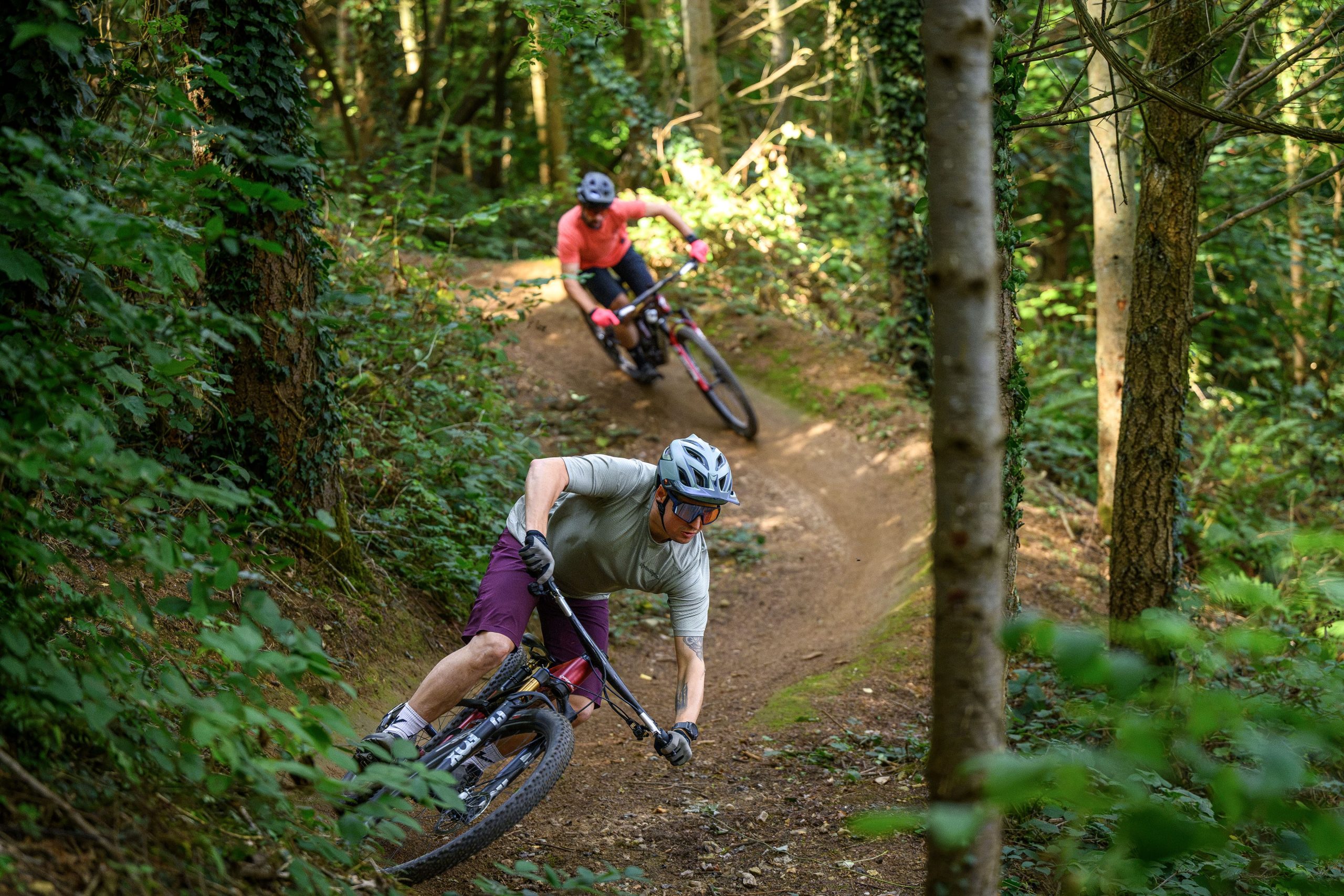
The Oiz’s direct handling makes for lightning-fast changes of direction. At slower speed, such as when picking your way between tight trees on techy trails, this makes maintaining your pace easy.
Orbea hasn't slackened out the Oiz quite as much as some brands in the XC paddock. So, combined with the lower front end, the 66.8-degree head angle helps to get your weight over the front wheel and keeps the handling snappy.
As you move around the bike when dipping and diving through sections, the suspension remains impeccably balanced and calm. Jagged bump edges are softened without disrupting flow, meaning you can keep on pushing forwards, scampering between obstacles without the speed dipping.
It’s here that the two-position dropper can be a little frustrating. On meandering descents that still require some seated pedal power, yet offer enough technicality that you want your saddle out of the way to chuck the bike about, Fox’s two-position SL post doesn't deliver, unlike the longer 150mm-drop RockShox Reverb post on the Epic 9.
While the Epic 9 doesn’t feel quite as direct in terms of stiffness, it’s still very reactive to inputs, and easy to pick up and place when you need to.
The ride position is a little more centred too, and this starts to come into its own as the speed picks up, thanks to the taller, more confident stance it encourages on the bike. Compared to the Oiz, which exudes an air of calm when the bumps start coming thick and fast, the Epic 9 feels more active and busier beneath you.
I found winding on more rebound damping helped create a more balanced, calm ride. That’s not to say it’s hectic by any stretch. In fact, on fast, loose, bump-riddled trails, the sensitive and supple suspension, coupled with the impressively predictable tyres, is what makes the Epic 9 that bit easier to ride fast than the Oiz.
Down but not out
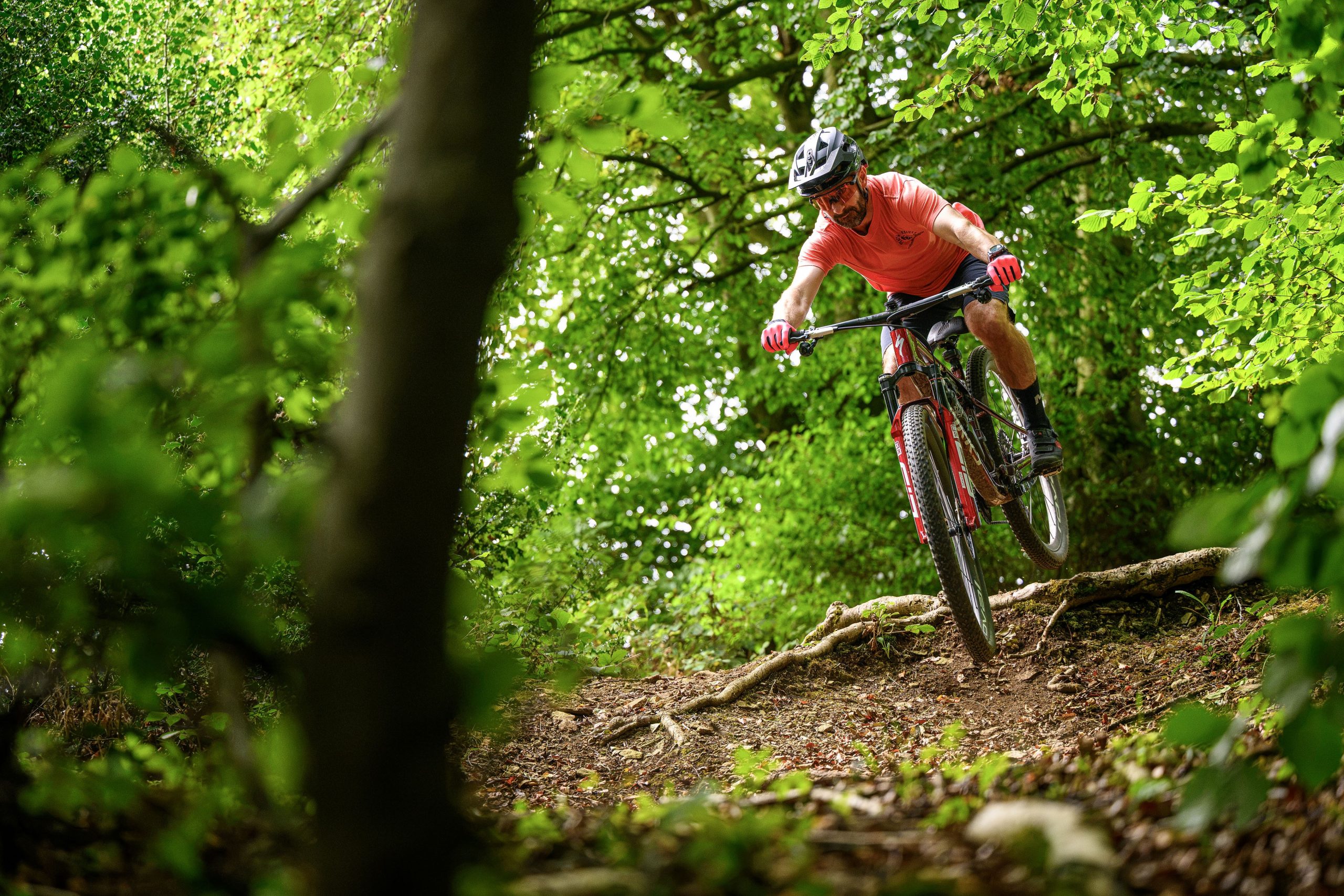
Tip into a descent and the Epic 9 edges ahead further.
While the geometry differences are small, they start to add up when it counts. The more confident, centred position it creates on the bike makes for a less tiring ride. You can stand taller and drop your heels more easily when things get steep or technical.
The higher front end and slacker head angle just nudge the ceiling for speed over the Oiz, which is by no means a slacker when it comes to descending. It’s just that lower front end requires more effort and muscle the steeper the trail gets. Its well-damped, muted suspension feel underlines its out-and-out, unapologetic race DNA, enabling you to skip through sections at ridiculous speed.
However, on prolonged descents, the Epic 9 offers a more forgiving ride. Its integrated bar doesn’t feel quite as stiff as the Oiz’s either, which you can start to feel on longer downhills.
At higher speed, the Epic 9 feels more stable and easier to ride fast. Helping this further is the rubber. Considering how slight the tread patterns are on the own-brand tyres, it’s impressive how consistent and predictable the Specialized tyres feel when cranked over in a turn. Braking traction is limited, but all things considered, these tyres are some of the best on offer.
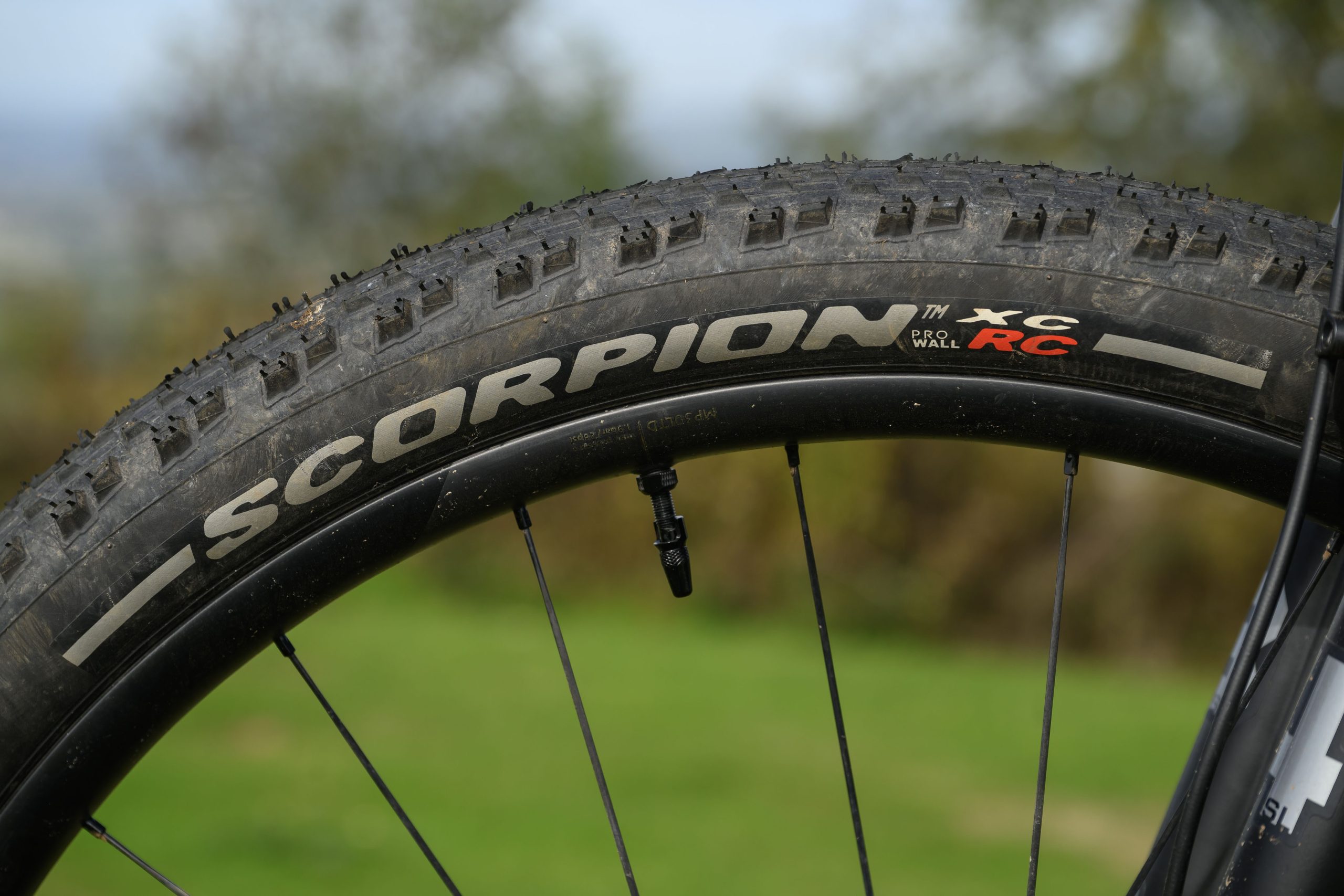
The Pirelli Scorpion XCs on the Oiz don’t offer the same levels of swagger. Although frighteningly fast in a straight line, the transition from the centre tread to the shoulder as you lean into a turn feels more pronounced and I found I was losing the rear end more frequently on looser trail-centre turns.
This sensation chips away at overall downhill confidence a little further.
While both the Specialized and Orbea deliver the sort of race-bike attitude you’d expect at this price, the Epic 9 offers a little more confidence, versatility and comfort over the Oiz – in its stock form at least.
How we tested
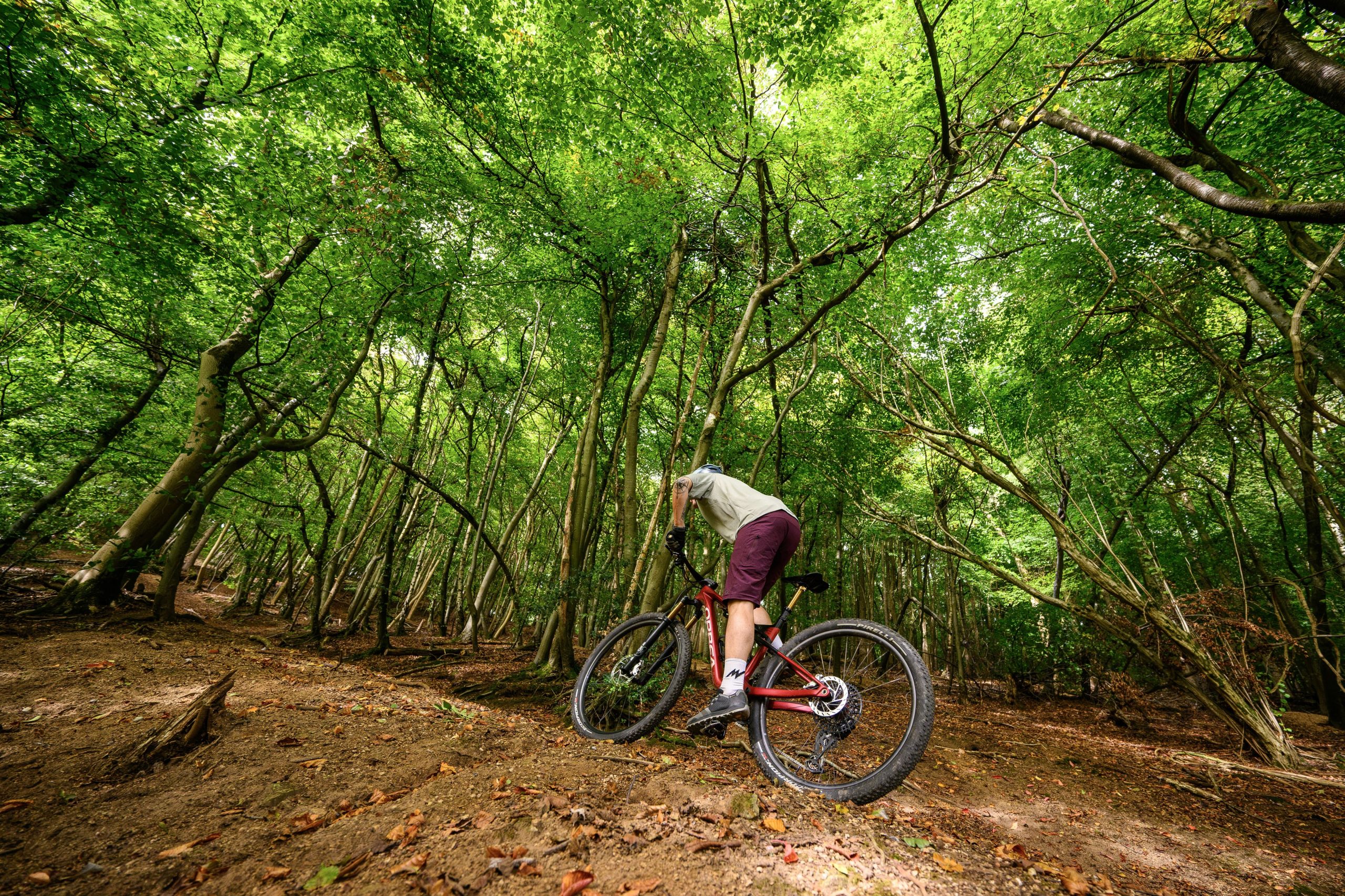
Tom and Rob spent months riding the Oiz and Epic 9, putting some serious miles into each bike. The rides were really varied, taking in everything from local singletrack to fast-flowing trail centres, technical singletrack and enduro-style tracks to push them to their limits.
To help determine the differences between the bikes, Rob and Tom continually switched between models, rode the same trails and then switched back, comparing notes along the way. Rob then finished things off with some more back-to-back testing to finalise things.
Orbea Oiz M-LTD vs Specialized S-Works Epic 9 bottom line
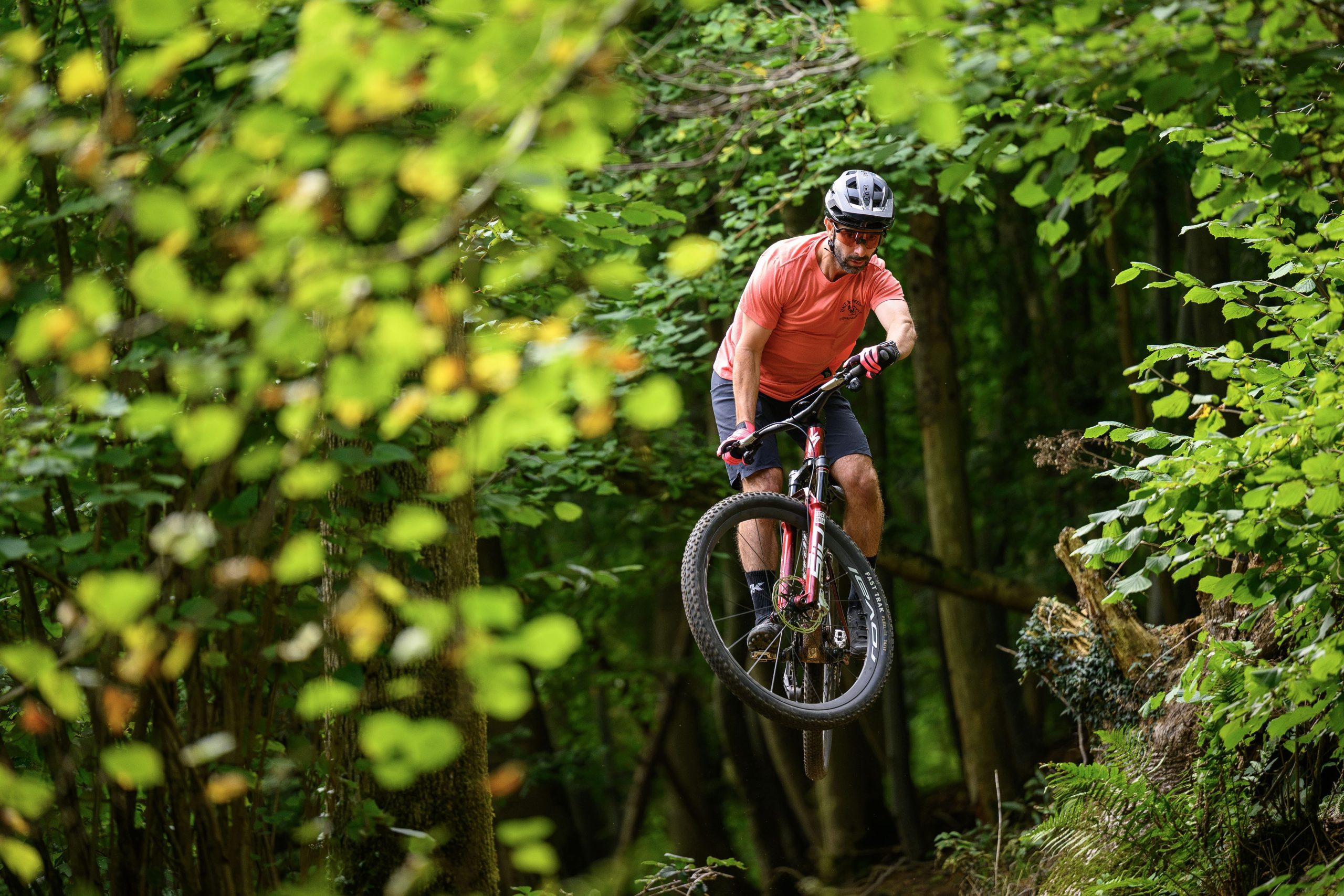
It’s clear that the Oiz and Epic 9 are XC race bikes designed to win at the highest level. However, their ride characteristics show that despite sharing some similarities, how they go about their business differs on the trail.
Orbea’s Oiz is an unapologetic race bike. It’s sharp, reactive and oh-so-eager to get moving once your press on the pedals. The aggressive rider position encourages you to ride fast no matter which way the front wheel is pointing.
The Epic 9 feels more forgiving and active, but still incredibly efficient, thanks in part to the RockShox Flight Attendant system. It picks up where the Epic 8 left off and delivers a ride that feels far more capable than a bike of this weight, travel and design should.
Despite the composed, punchy ride feel of the Oiz, it’s the Epic 9 that emerges as the winner. It might not feel quite as stiff or as aggressive, but its general demeanour makes it an easier bike to ride just about everywhere.
There’s no lack of efficiency, but more stability and confidence when the trail starts to get challenging. That all adds up if you’re in the saddle for hours at a time.