Black tyres are boring, so you need a set of tanwall tyres if you want your road bike to look its best.
As always, though, there are many options available, all seemingly very similar at a surface level.
Fortunately, I’m something of a tanwall tyre aficionado, and have been seeking out the best ones to test over the past few years.
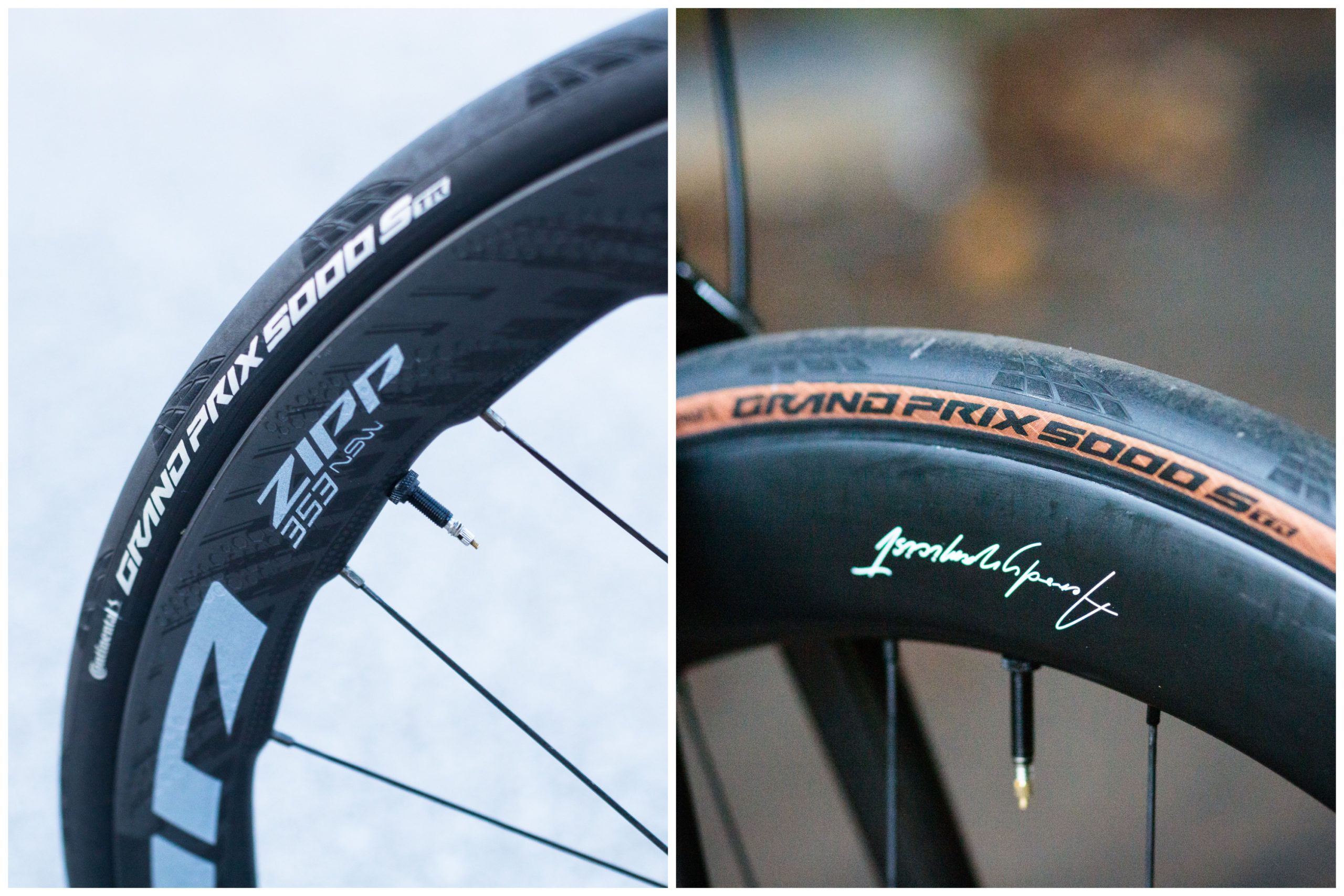
In this article, I’ve brought together three of my favourites: Vittoria’s legendary Corsa Pro TLR, the ‘transparent’ variant of Continental’s fantastic GP5000 S TR and one of the latest contenders for the crown, Specialized’s Cotton TLR.
All are great road tyres, raced at the highest level of the sport, but read on to find out which ones I think are worthy of your hard-earned cash.
| Vittoria Corsa Pro TLR (buy now) | The supple cotton casing delivers exceptional ride feel and grip. Setup is super-easy but air retention isn't amazing on initial use. Middling rolling resistance and delicate sidewalls make these best suited to summer riding – but they look fantastic. |
| Continental GP5000 S TR Transparent (buy now) | An excellent all-rounder combining low rolling resistance, impressive durability and easy tubeless setup. Often available at a discount and the best choice here for year-round riding. |
| Specialized Cotton TLR (buy now) | The fastest tyre on test, combining low rolling resistance with a supple, responsive ride. An excellent choice for racing, but expensive, slightly undersized and less durable for four-season riding. |
What is a tanwall tyre?
Just in case you’re not aware, let’s quickly cover what a cotton or tanwall tyre is.
Most tyres are black these days because a substance called ‘carbon black’ is added to the tyre to help improve its strength and durability, and to protect it from ultra-violet radiation.
Most of these black tyres have casings made from synthetic, nylon threads, which are vulcanised using heat and sulfur.
In contrast, cotton or tanwall tyres were traditionally made by taking high thread count, natural cotton casings and simply gluing the rubber tread straight on top.
The ‘tan’ sidewalls, though, came from the fact that these tyres didn’t have that carbon black stuff applied to the casings, and weren’t vulcanised, because some brands felt those things made for stiffer, less compliant tyres.
Nowadays, things are slightly different – especially when we’re talking about tubeless tyres, which need to create an air-tight seal on your rims.
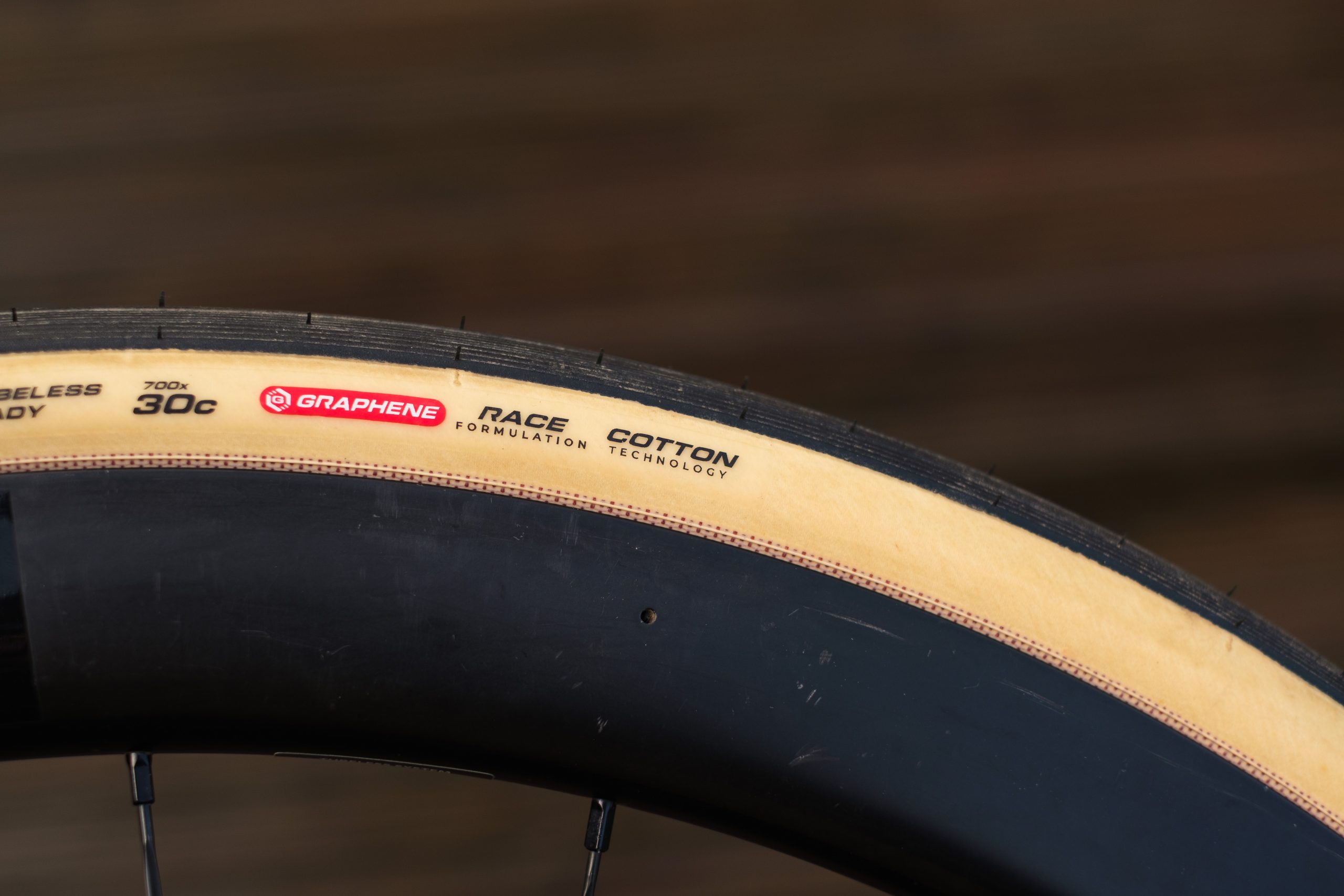
Vittoria, for example, makes tanwall tyres using polycotton casings, and then uses electrical vulcanisation to bond the rubber tread to the casing, for a tyre that’s basically halfway between a traditional cotton tyre and a modern, black nylon one.
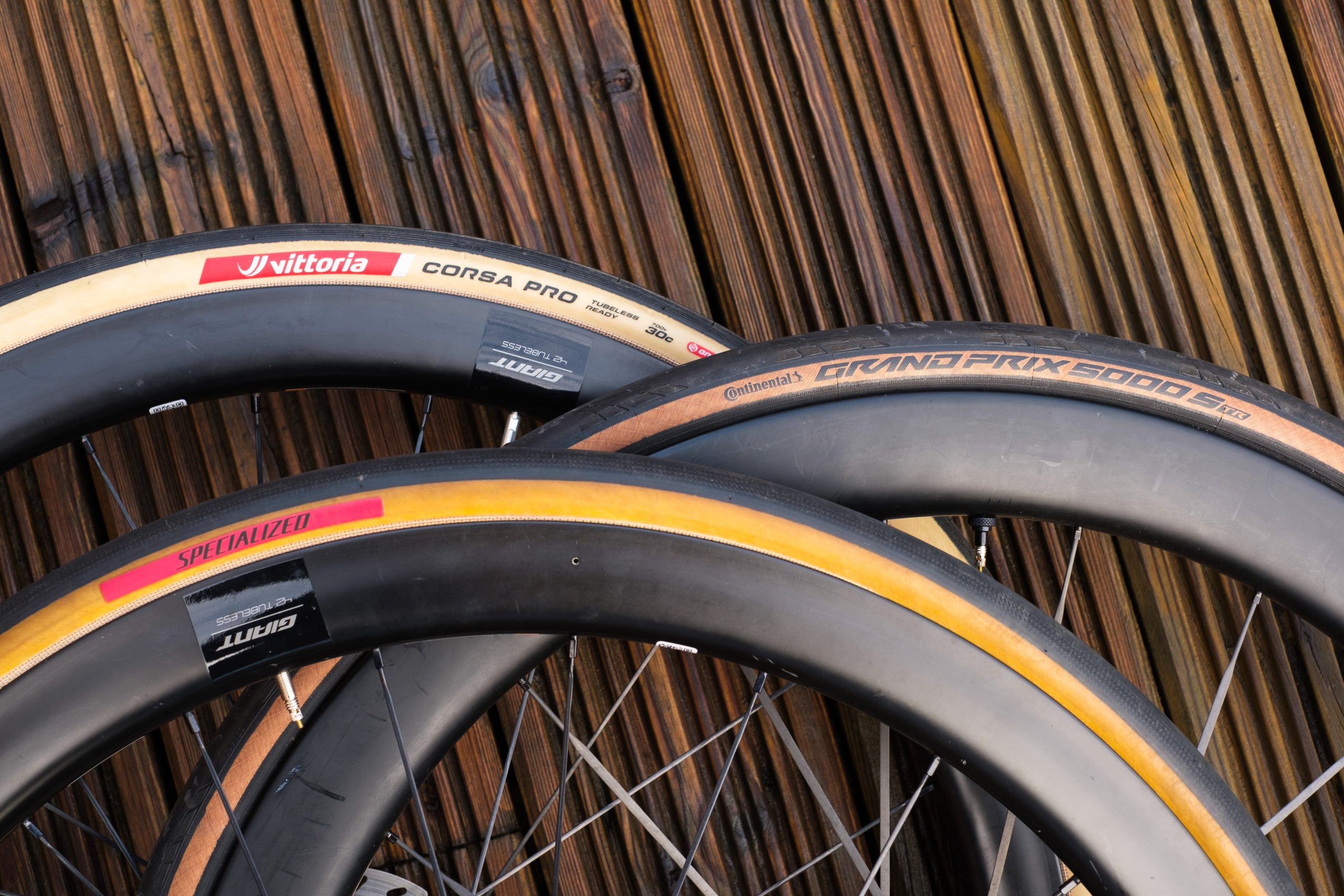
The general idea still stands, though, that the absence of the ‘carbon black’ makes cotton tyres more supple than black ones, meaning they should – all else being equal – conform to the road better, for improved grip, and lose less energy to rolling resistance (because they don’t take as much energy to deform).
There’s no such thing as a free lunch, though, because the downsides of those characteristics mean cotton tyres can also be less durable, and more prone to punctures and damage from UV radiation.
We’ll talk more about how those things stand up in the real world later, but now, let’s crack on with our first tyre review.
Vittoria Corsa Pro TLR
SQUIRREL_TEXT_14132110
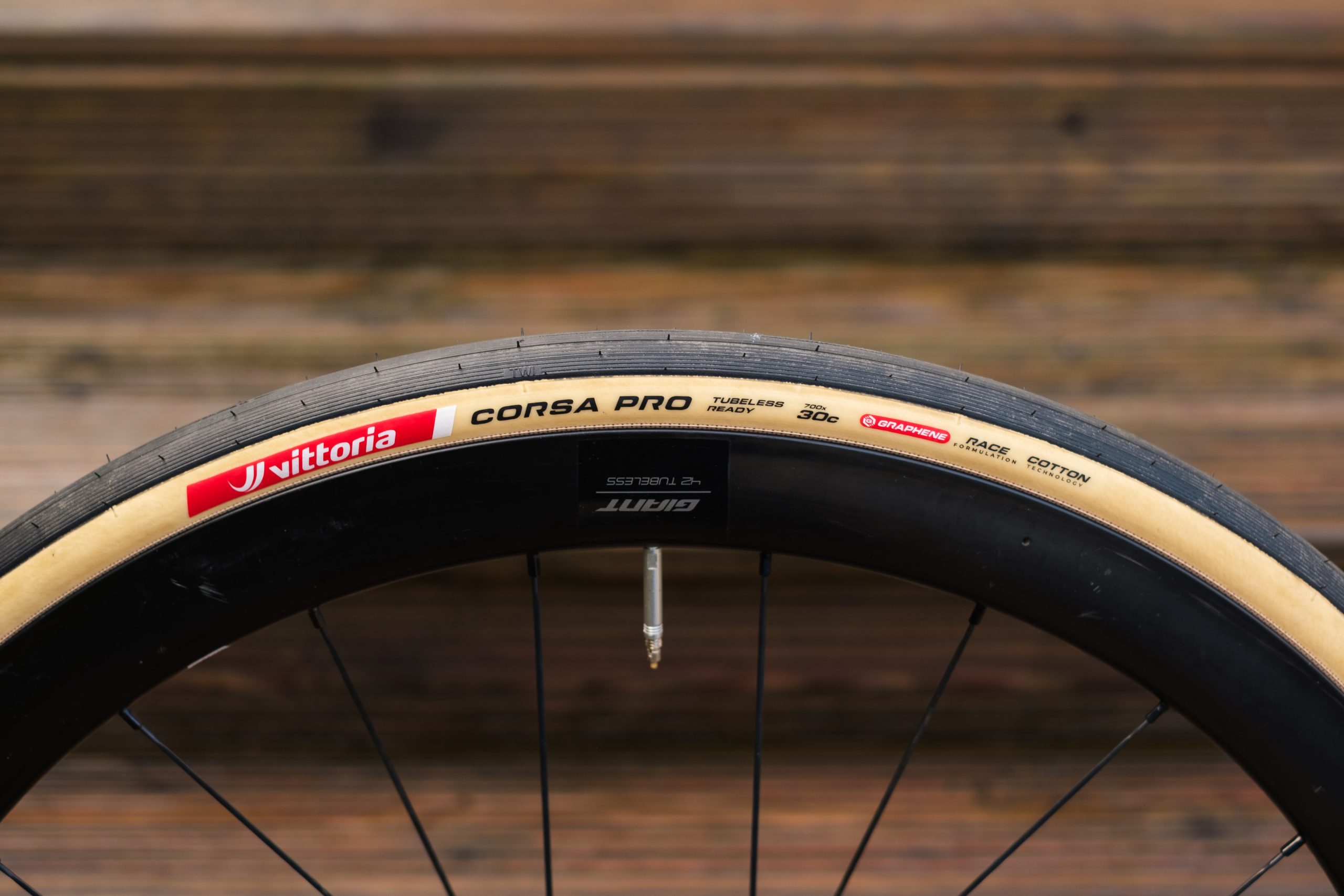
- Price: £89.99 / $99.99 / €94.95
- Size tested: 700x30c
- Measured width: 31.1mm on 23mm-wide rims
- Weight: 305g per tyre
- Pros: Easy to set up; fantastic ride feel
- Cons: Not the fastest all-rounder road bike tyres available; expensive; delicate sidewalls; average air retention
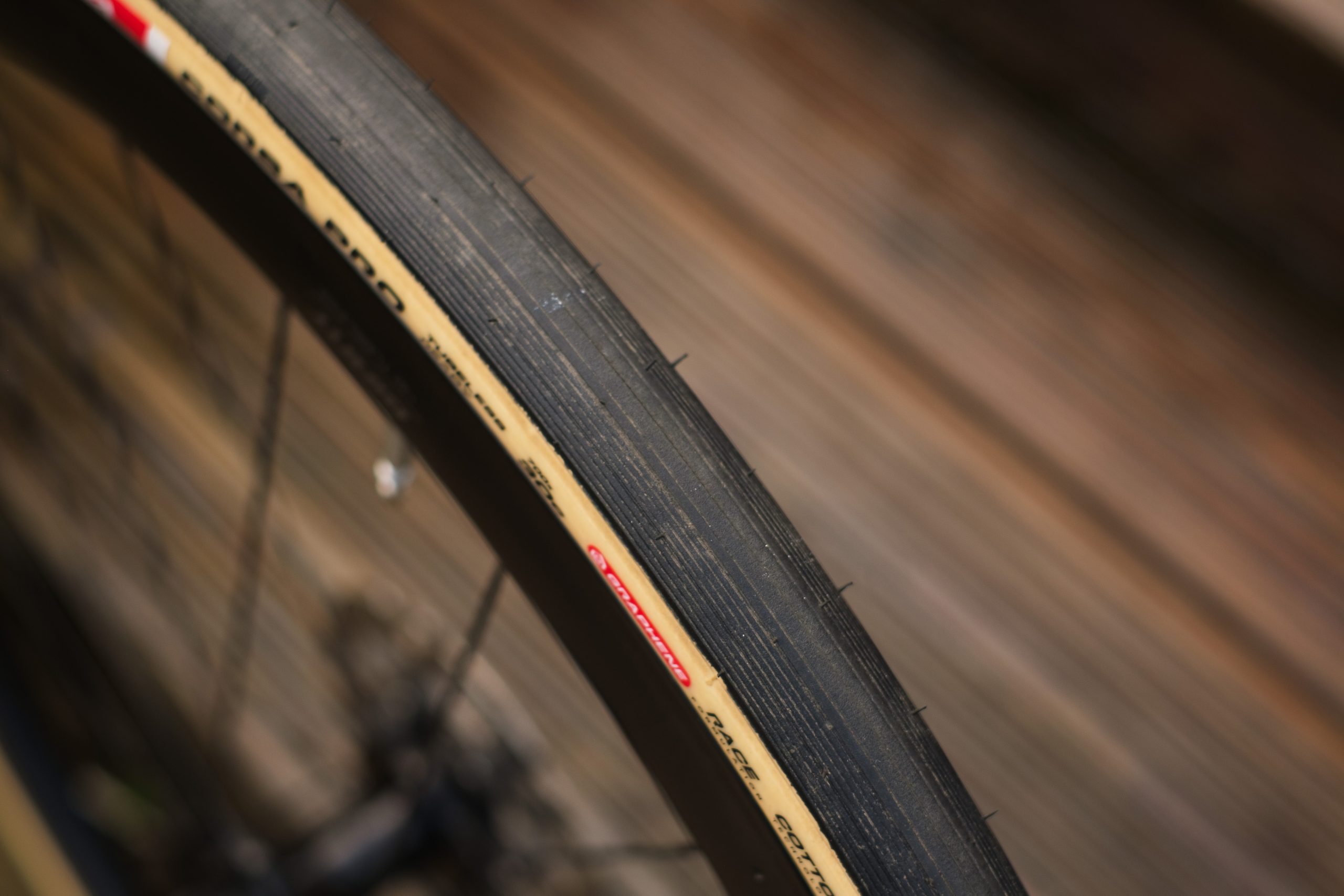
The Vittoria Corsa Pro TLR is one of the best-known tanwall tyres, thanks to the fact it’s used in the WorldTour by the likes of Jonas Vingegaard and Wout van Aert.
It employs a 320 TPI polycotton casing and debuted Vittoria’s innovative seamless construction back in 2023.
I've been testing the 30c version, which weighs around 305g per tyre, and plumps up to just over 31mm on 23mm-wide rims, at 60psi / 4 BAR.
That’s a fairly healthy width, although it is noticeable that the tread is slightly narrower than the overall width of the tyre. That leaves the sidewalls a little more exposed than on the Continental or the Specialized tyres.
They’re pretty expensive at RRP, at just under £90, €95 or $100 per tyre, but they've been out since 2023, and you can generally find them online for around a third less than that.
In terms of overall performance, the Vittoria Corsa Pros are a bit of a mixed bag – as I found when I first tested them back in 2023.
Setup is super-easy – these tyres are straightforward to get onto the rims and to set up tubeless – but the air retention isn’t amazing, especially when you first put the sealant in. However, that improves as some of the sealant dries out on the sidewalls and helps seal any of the pores that let the air out.
On the road, they feel fantastic. The 320 TPI cotton casings help smooth out the road buzz, and that supple ride feel means you get bags of grip and feel through the corners.
We originally tested these back in 2023, and my feelings haven’t changed all that much in the time since. When we took them to the Silverstone rolling resistance lab back then, they came out as one of the slowest from the group of racy road tyres we tested.
Since then, the likes of bicyclerollingresistance.com have also tested these tyres and found they’re similarly mid-to-back of the pack against the competition.
The differences aren’t huge, of course.
These aren’t ‘slow’ tyres per se – they’re not like your winter training tyres, and it’s not a difference you’d feel on the road. However, it is something that might show up in your Strava KOM times or perhaps even your race results, if you care about that sort of thing.
Despite the supple ride quality, they’re not too bad in terms of durability and the puncture resistance on the tread is decent, in my experience.
What leaves me more worried, however, is how delicate the sidewalls are in comparison to a nylon vulcanised tyre such as the Continental GP5000 S TR, especially because that tread is a little bit narrower and the sidewalls are slightly more exposed.
With that in mind, I wouldn't keep these on the bike all year round – they’re really a summer-only option.
All things considered, the Vittoria Corsa Pro TLR offers a brilliant ride feel and looks incredible, but it's not the best of the bunch in this test.
SQUIRREL_14132110
Continental GP5000 S TR Transparent
SQUIRREL_TEXT_13090061
- Price: £69.95 / €79.90 / $109.95
- Size tested: 700x30c
- Measured width: 31.5mm on 23mm-wide rims
- Weight: 315g per tyre
- Pros: Impressively fast for its high levels of durability; excellent ride feel
- Cons: Transparent versions roll around 20 per cent slower than the black ones
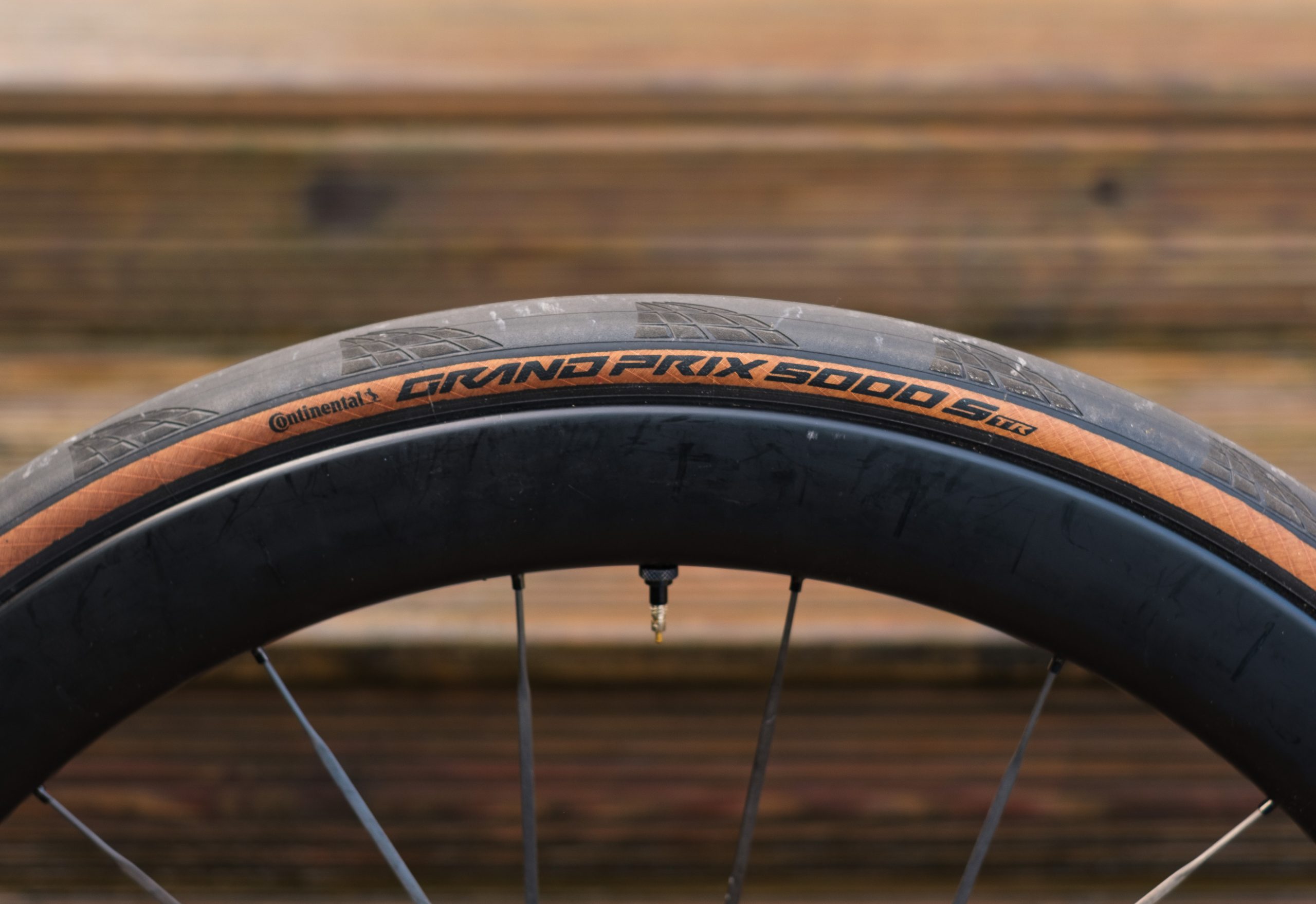
Now, I know what some of you are thinking: the Continental GP5000 S TR Transparent is not a real cotton tyre. And you’re absolutely right – it’s not.
It uses the same nylon casing as the black version, but it omits the carbon black in the mix of the casing, leaving the nylon threads transparent.
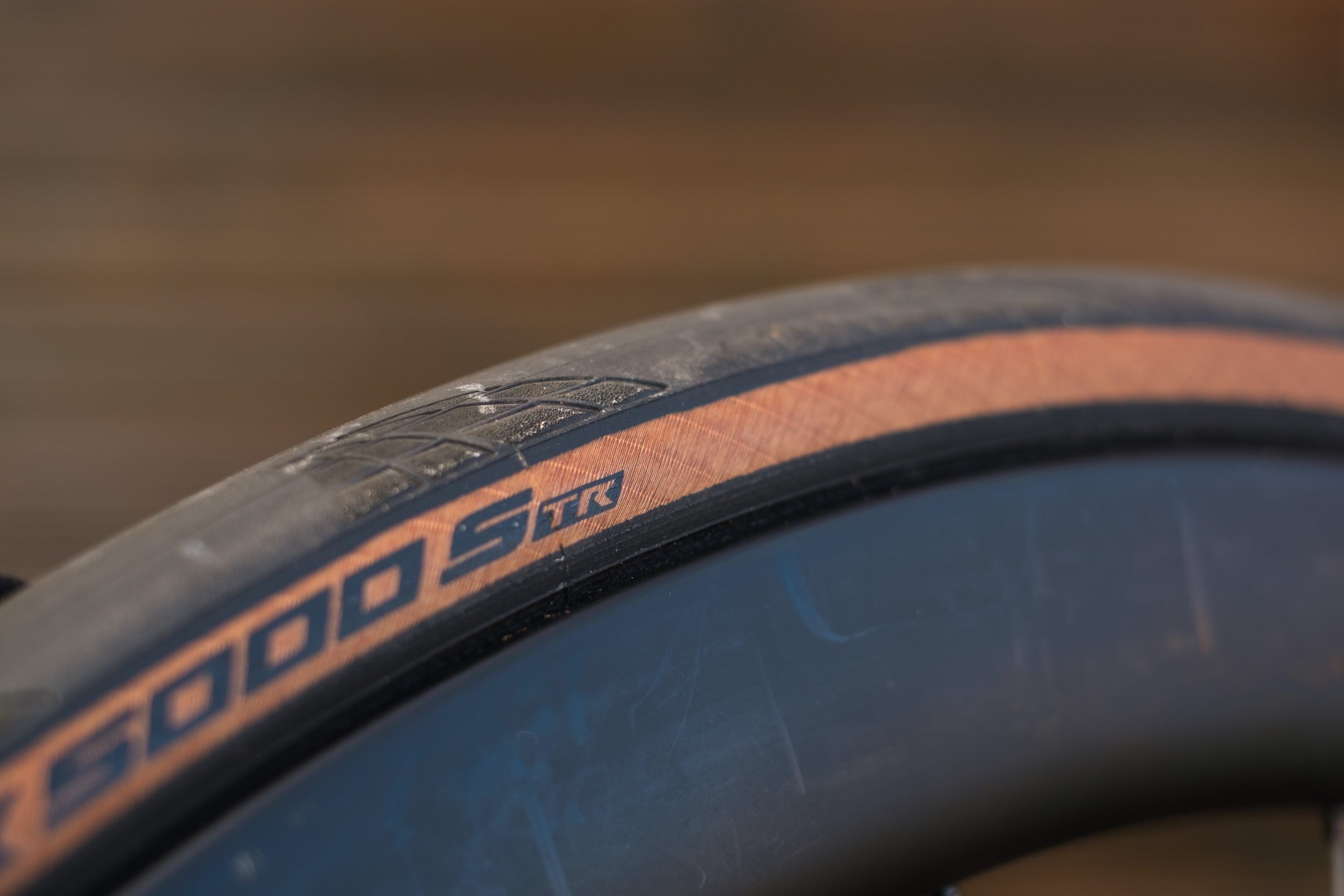
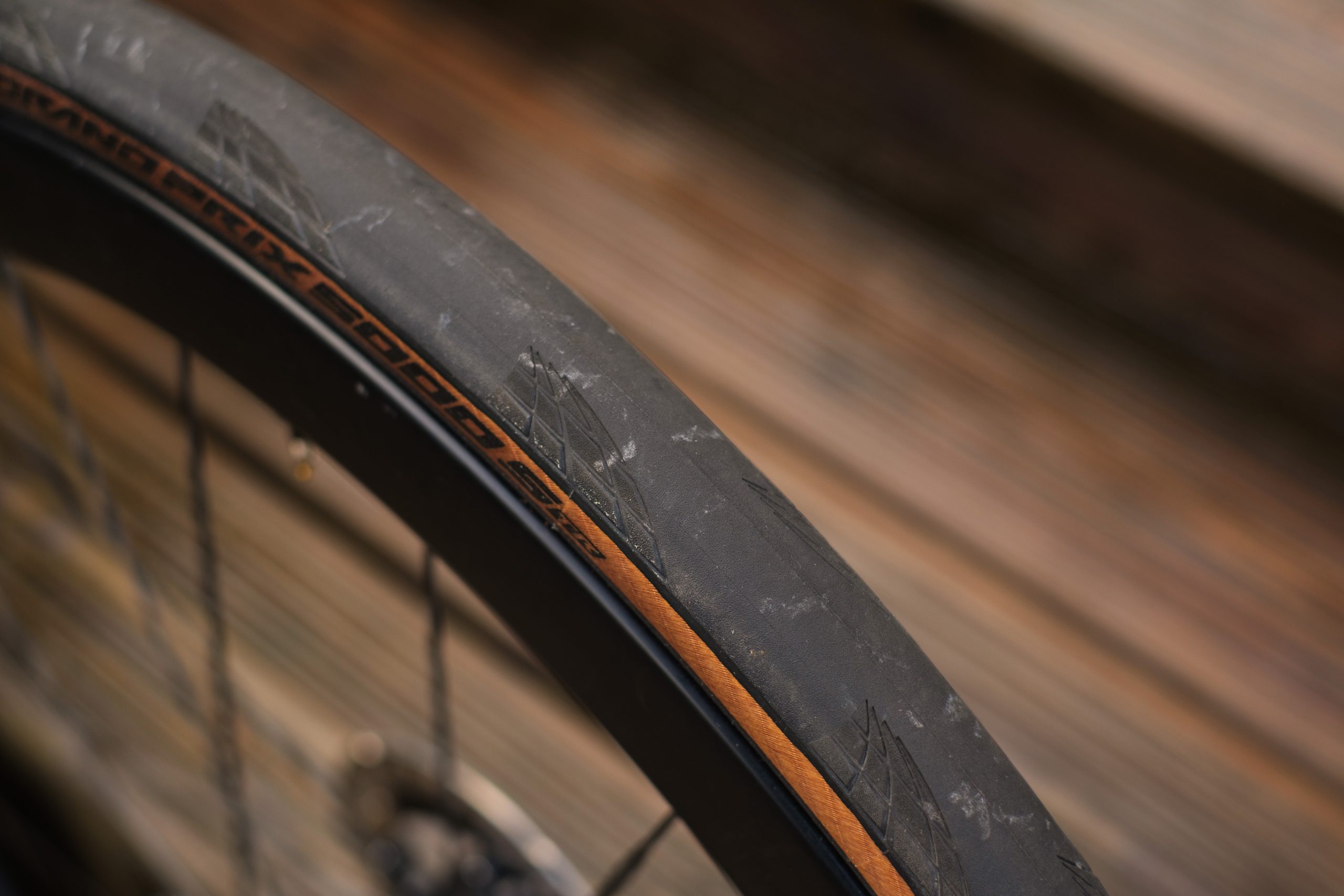
When the tyre is vulcanised, the threads take on a biscuity-brown colour – which I think still looks pretty good, even if it’s not the same light golden colour as on the Vittoria or Specialized tyres
The 30c version weighs around 315g per tyre, making it the heaviest of the three tyres on test – but not by much, only 10g compared to the Vittorias and 25g compared to the Specialized tyres.
You get more volume for that extra weight, however, because these inflate to around 31.5mm wide at 60psi / 4 BAR on the 23mm-wide rims I used for testing.
They cost £69.95 / €79.90 / $109.95, but you can get these for slightly less online. Because we weren’t able to source a set directly from Continental, I ended up buying them online, which cost £120 including a bottle of Stan’s tyre sealant. That makes them the cheapest tyres on test by a decent margin, both at RRP and real-world prices.
The GP5000 S TR has received many plaudits since it was released in 2021, and rightly so.
Although it’s not the fastest tyre available, its best quality is how fast it is in the context of its impressive durability.
Before it launched officially, for example, Filippo Ganna was using it in time trials, while Sonny Colbrelli won an infamously muddy Paris-Roubaix with it.
Notably, a lot of pros have moved on from this tyre to the lighter, time-trial-specific, GP5000 TT TR variant in recent years. The TT TR has a lighter-weight casing and a marginally thinner tread, making it slightly faster and a little lighter than the S TR.
On paper, that sounds great, but I wouldn’t recommend it for most riders.
When I’ve spoken to pro teams, they’ve typically said they get about 1,000km out of a GP5000 TT TR tyre, and that’s on the generally ‘good quality’ roads used in Grand Tours. For the rest of us, the tougher S TR is the one to go for, unless you race time trials.
The GP5000 S TR is also a very easy tyre to live with. Tubeless setup, for example, is very easy and I didn’t need a compressor to get the tyre to seat, only a standard track pump. The air retention is also fantastic, so you don’t have to worry about the tyres losing all their air pressure in the first couple of days after setting them up.
The big catch with the transparent variant of the GP5000 S TR is that they’re about 20 per cent slower than the black ones. According to bicyclerollingresistance.com, they’re about two watts slower per tyre at 30km/h.
Although I didn’t realise that at the time, my back-to-back, timed testing versus the 28mm GP5000 TLs (the previous version of this tyre) also showed that. Continental claimed that the GP5000 S TR should be about 20 per cent faster than the GP5000 TL, but in my testing with the transparent variant, I couldn’t detect any difference.
That aside, these are still fantastic tyres. Of the three tyres in this test, the GP5000 S TRs are the only ones I’d be comfortable running all-year round. With the other two, the sidewalls are a little bit too delicate to leave on my road bike during the winter.
If you only care about performance, should you get the tan-wall ones? No, you should get the black ones to save around four watts.
But for me, the biscuity brown sidewalls look great, and a few watts is a sacrifice I’m willing to make because I’m no longer racing.
SQUIRREL_13090061
Specialized Cotton TLR
SQUIRREL_TEXT_14099466
- Price: £85 / $109.99 / €99 per tyre
- Size tested: 700x30c
- Measured width: 29.8mm on 23mm-wide rims
- Weight: 290g per tyre
- Pros: Very low rolling resistance; excellent ride feel
- Cons: Narrower than labelled; expensive; initially poor air retention
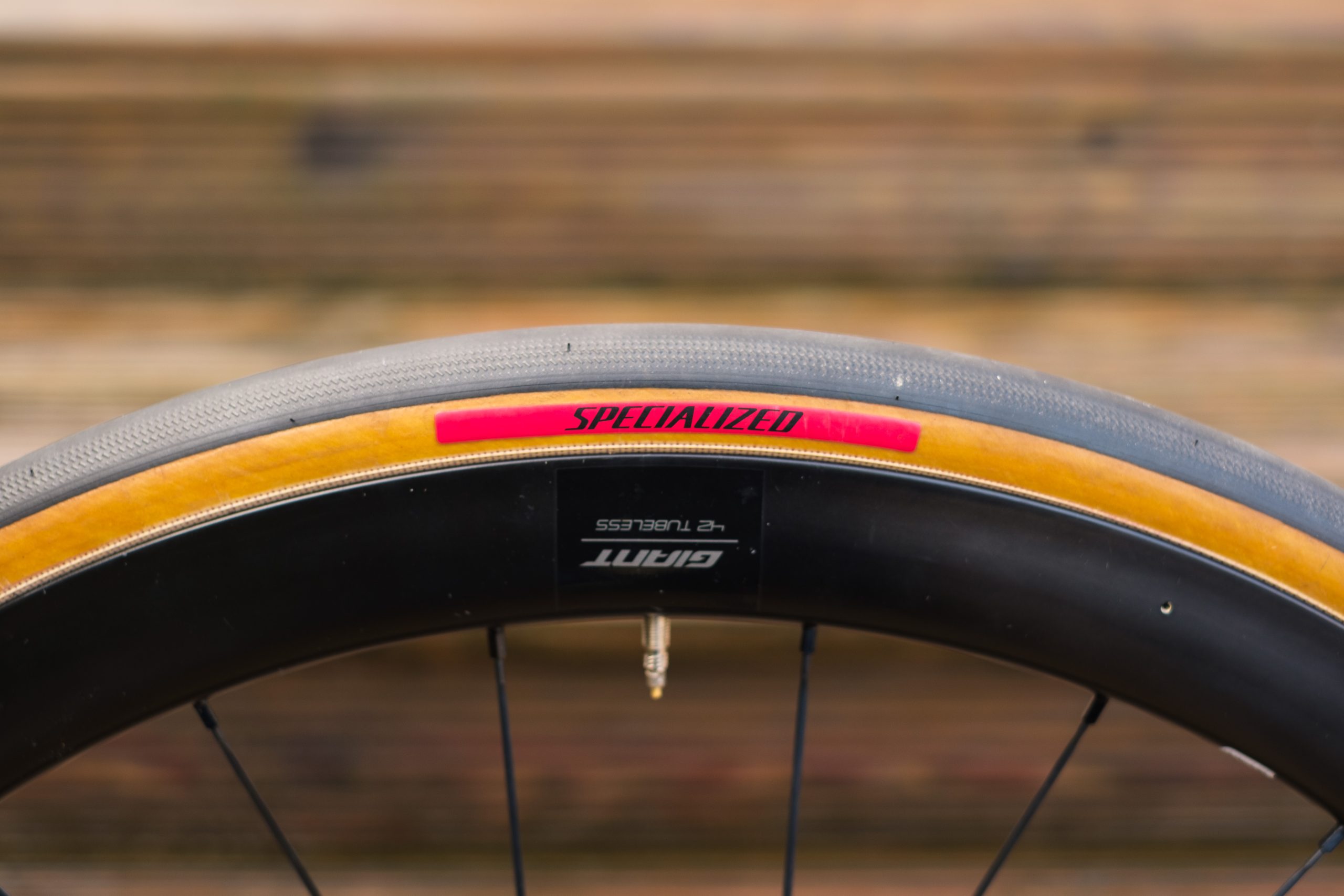
Finally, we have the Specialized Cotton TLR. This is the successor to the Turbo Cotton clincher, which kept clincher tyres in the pro peloton for way longer than they had any right to be.
Notably, this is the first Specialized tyre to convince the brand’s sponsored pro teams to fully switch over to tubeless. That’s despite Specialized saying tubeless was going to kill off tubulars when it released its original S-Works Turbo RapidAir in July 2019.
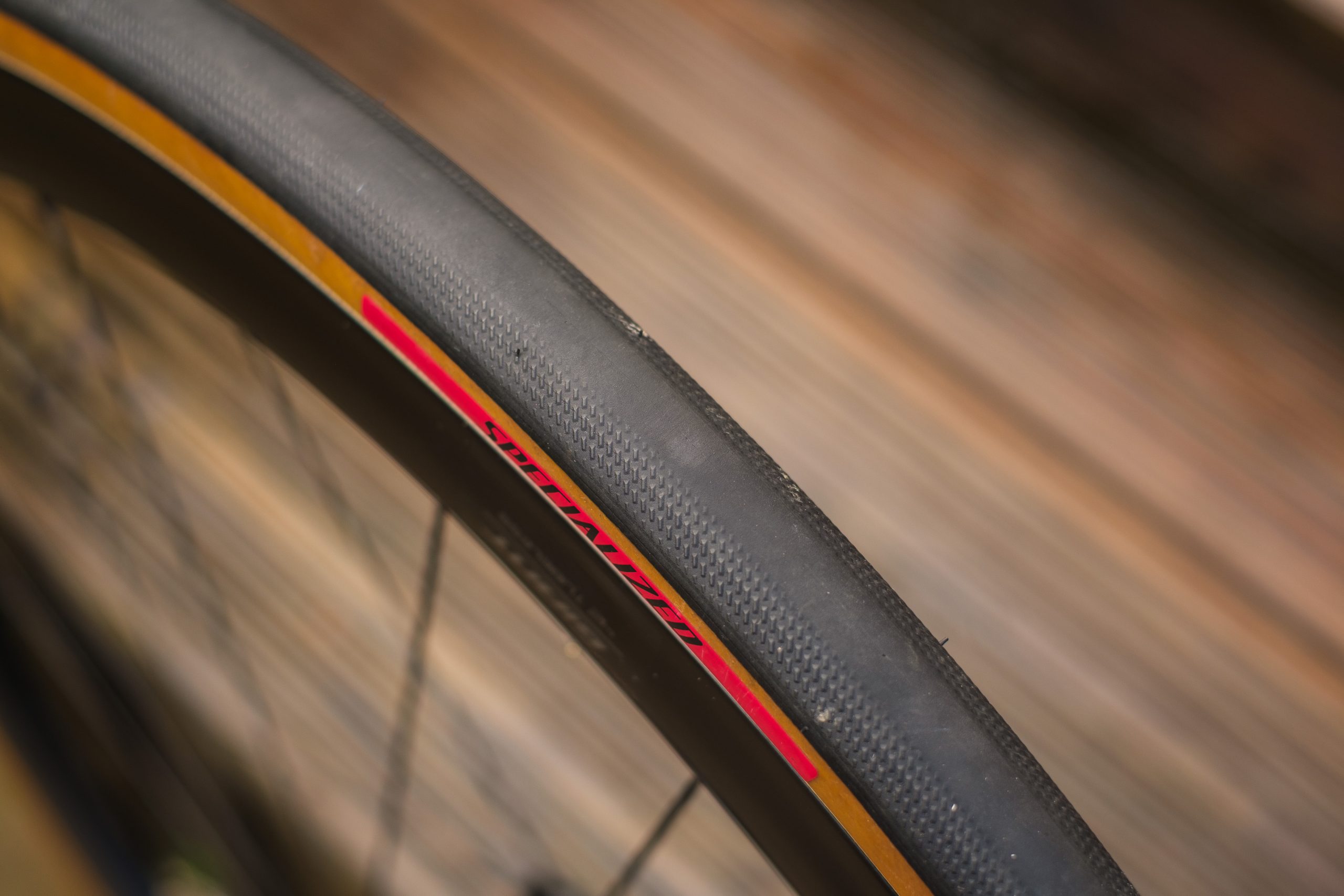
The 30c tyre I tested is the lightest of the three at around 290g and, like the Vittoria tyre, has a 320 TPI polycotton casing.
However, there is a caveat to that impressively low weight – they’re a little undersized compared to the competition. On the 23mm-wide Shimano Dura-Ace rims I used for testing, they measure only 29.8 mm, and, as we’ve seen at previous Tours de France, they end up even smaller on narrower rims.
These are pretty expensive at around £85 / $110 / €100 per tyre, and, at the time of writing, it doesn’t yet seem possible to find them at a discount, as with the other two on test.
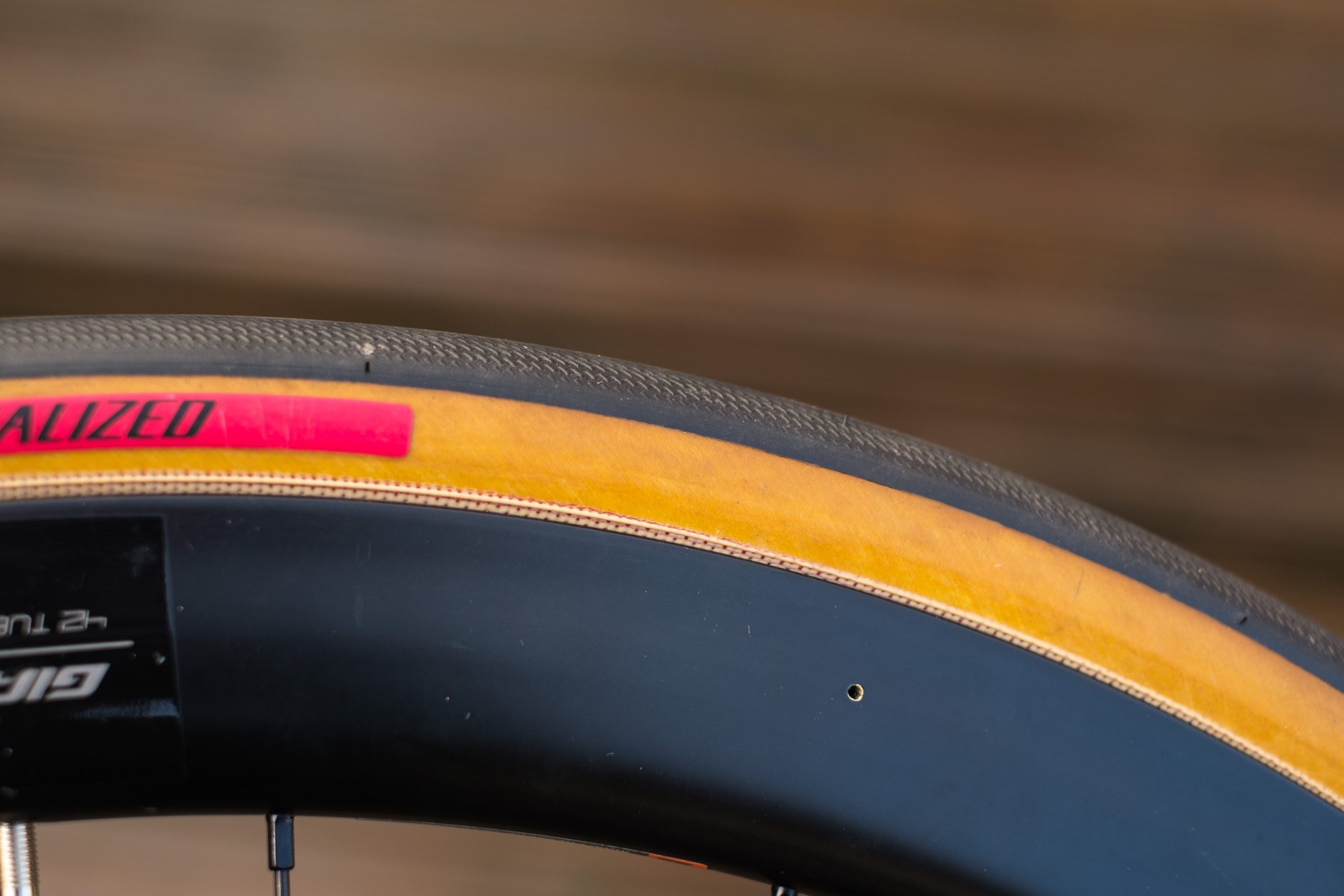
As usual with Specialized products, these tyres launched with a ton of hype around them. In this case, though, it’s justified.
These are rapid tyres and they feel super-fast on the road. The casings are supple, and they have that zing of a fast tyre.
That’s backed up by independent testing, too. Although we’ve not taken them to the lab, bicyclerollingresistance.com has these around 2 watts per tyre more efficient than the Conti GP5000 S TR Transparents or the Vittoria Corsa Pro TLRs.
That’s almost as fast as a time-trial-specific tyre, and it’s hard to get anything in this all-rounder road tyre category that’s faster than these.
My main criticism, then, is that they’re undersized. Compared to the Contis, which measure 31.5mm on the same rims, you can feel the difference on the road in terms of your ride confidence.
That’s particularly the case if you live somewhere such as the UK, where the roads typically have lots of imperfections. Although it might not seem like much, even that extra millimetre and a half of rubber helps improve your conviction in corners.
You can size up, of course, because Specialized makes the Cotton TLR tyres in up to a 32c size. If I was paying for them with my own money, then that’s what I’d be investing my money in.
In terms of durability, they’re on a similar level to the Vittoria tyres, with that 320 TPI, super-supple cotton casing being the most obvious weak point.
It’s fair to say I didn’t suffer any punctures with these tyres during a hot, dry summer of testing, but it’s worth remembering the Cotton TLRs are a pure race tyre, so you should be realistic with your expectations in that regard.
SQUIRREL_14099466
Vittoria vs Continental vs Specialized tanwall tyres verdict
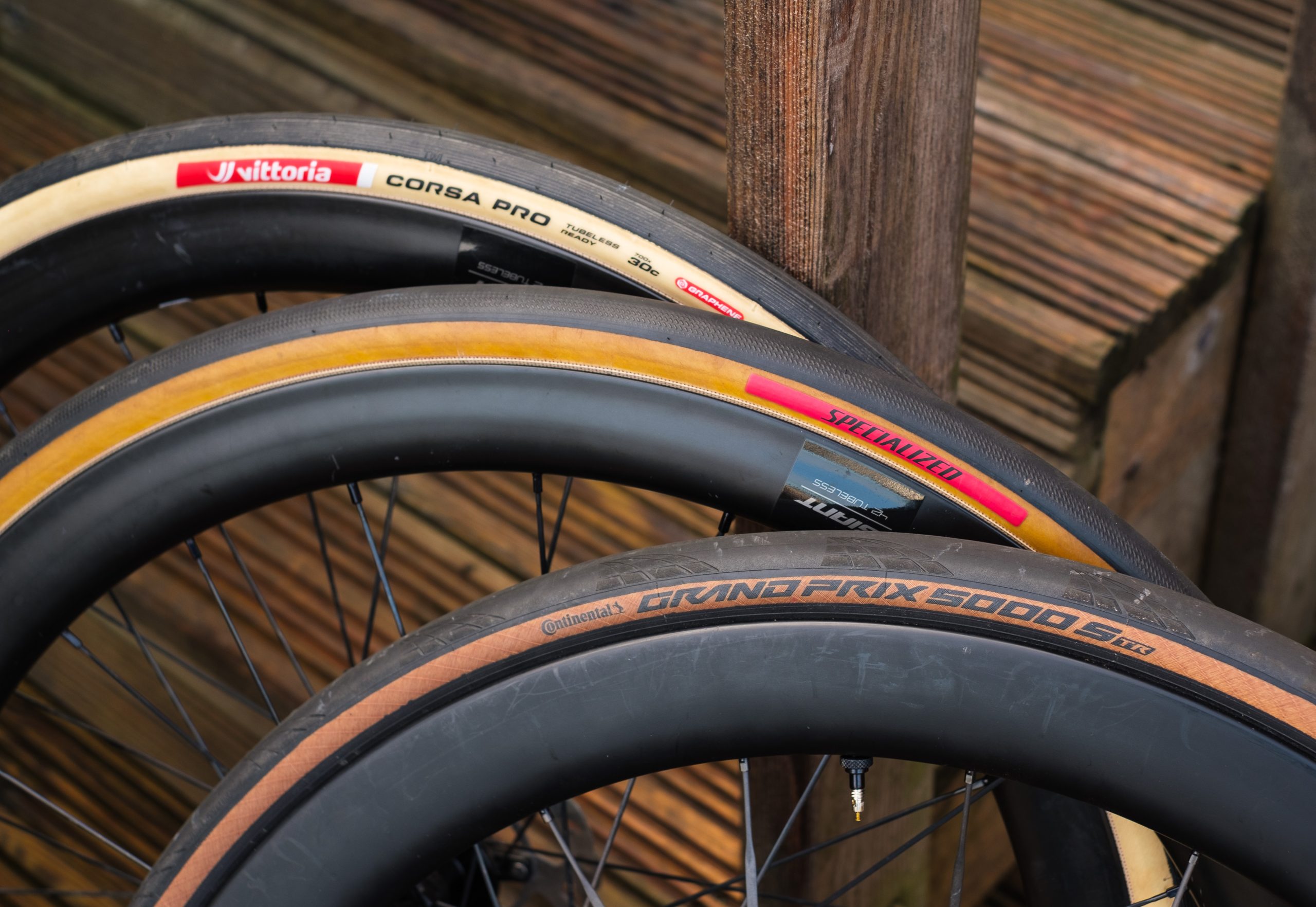
If you're a racer and you really care about speed, then, the obvious pick of three is the Specialized Cotton TLR.
It’s the fastest of the bunch, the ride feel is first-class and, putting aside the fact it’s very expensive, it’s a cracking race tyre. The only caveat is I would size up to the 32mm version, to help maximise my confidence in the corners.
If you’re not a racer, the Contis are the ones to get. When you’re paying for tyres out of your own pocket, speed isn’t the only thing that matters.
It’s easy to look at the lab data – as I do all the time – and think that you should simply pick the fastest tyre in any given category, but durability and volume also matter a lot (especially when you live somewhere such as the UK, where the roads are generally terrible).
Because you can get the GP5000 S TRs for a good price, and because of how fast they are for their level of durability, they’re my go-to option – even if they’re not real cotton tanwall tyres.
It’s harder to make a case for the Vittoria tyres. They’re roughly as efficient as the transparent GP5000s, but I don’t think they have quite the same durability.
They’re good tyres, though, and if you love the way they look and their excellent ride feel, you're likely to be happy with them on your bike. Just save them for the summer.