Giant and Cadex’s engineering teams came together on the new Advanced SL project to create not just a frameset with a selection of components. Instead, they set out to create a "complete speed system".
The frame, fork, one-piece aero cockpit, wheels and new 45mm tyres were developed, tested and tuned to work together to create a pure gravel race bike.
According to Giant, the new system weighs in 288g lighter and reduces resistance by 18.99 watts over the previous-generation Revolt Advanced Pro. Giant claims the new Revolt is one of the lightest and aerodynamically efficient gravel race bikes available.
As part of the new bike's development, Giant brought on board Cole Paton, three-time top-five finisher at the Life Time Grand Prix, and two-time Australian gravel national champion Brendan Johnston. Both have already raced a prototype of the Revolt at major races, including Unbound.
“At the level we’re racing now, every system on the bike has to work together,” says Paton. “There’s no room for compromise.
"The Revolt Advanced SL is the first gravel bike I’ve ever ridden that feels like it was 100 percent engineered for the demands we face. The aero advantage, the way it carries speed over rough terrain, it changes what’s possible in every race situation.”
- "The demands of the sport are higher than ever" – new Liv Devote Advanced SL is fully focused on gravel racing
- Cadex's new Max CXR gravel wheels weigh only 1,320g and are paired with 'aero' tyres
Lighter than ever
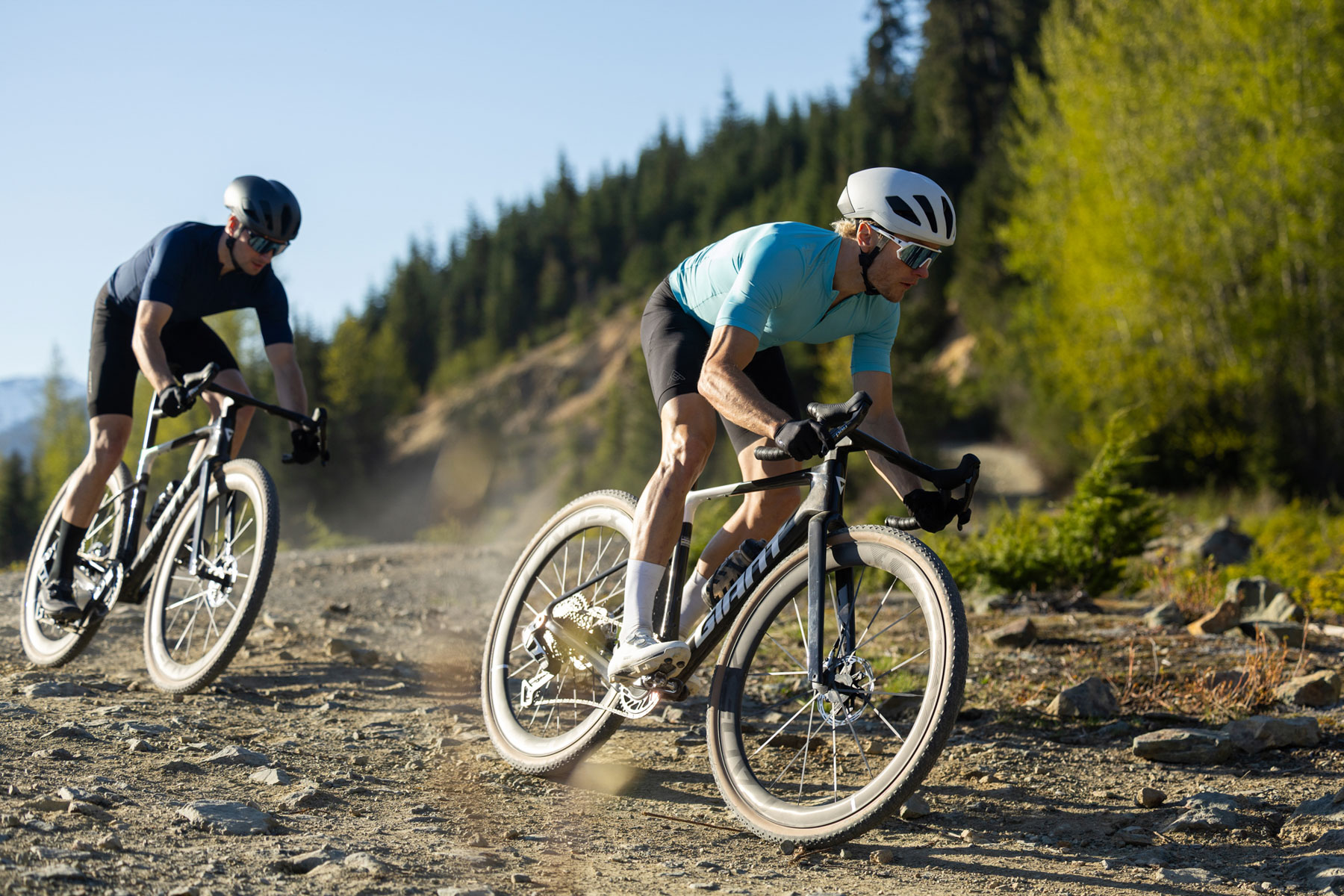
The new Advanced SL grade frame weighs in at a claimed 839g (size M), 151g lighter than the previous generation. Alongside the frame, the all-new fork also sees a drop of 10g to 385g. It’s the first time the Revolt has been part of the SL manufacturing process, which employs Giant’s own carbon nanotube tech resin (CNT) and in-house woven fibres cut accurately using its cold-blade technology.
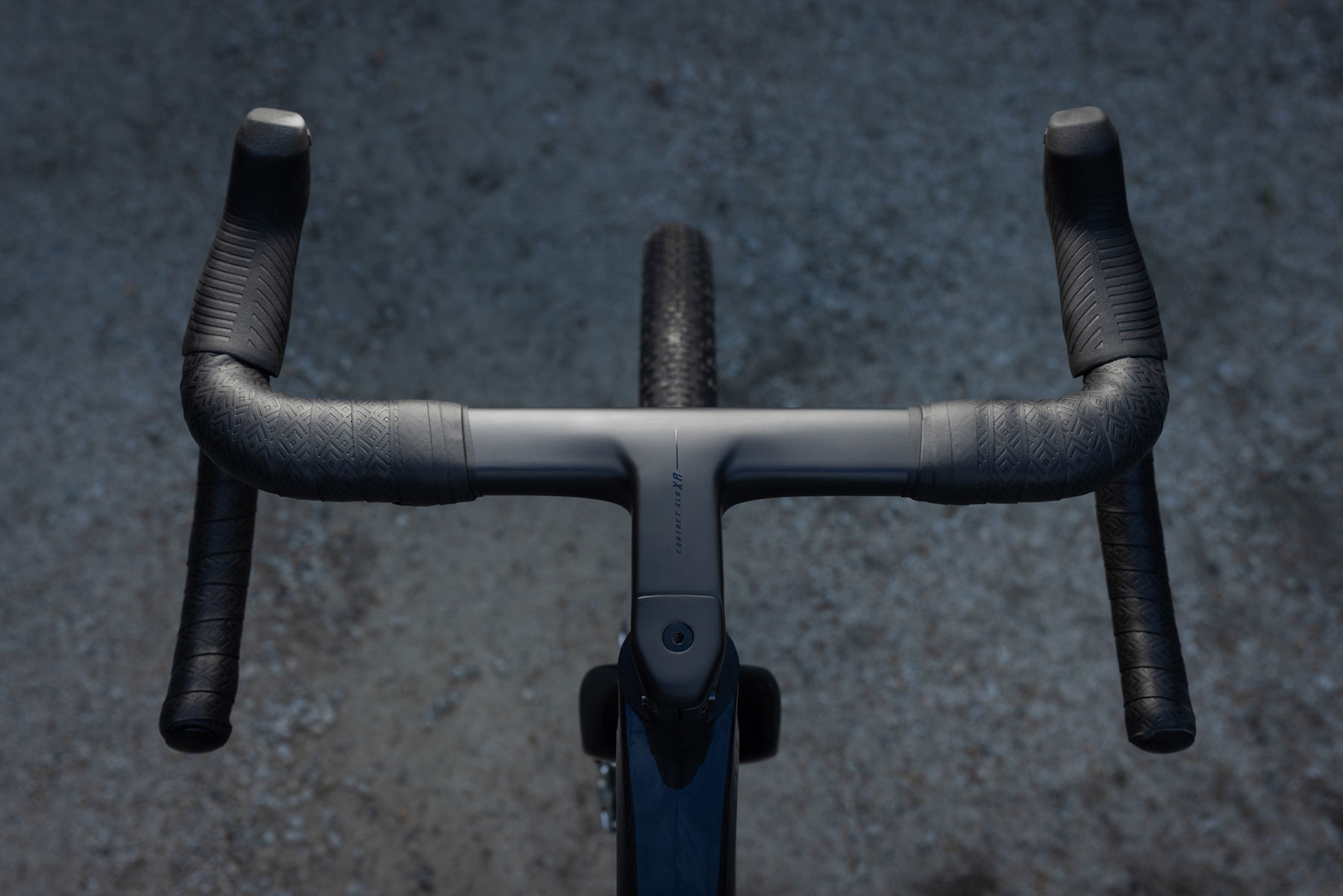
Alongside the frame, an all-new one-piece cockpit brings further weight savings, with the Contact SLR XR weighing in at 295g.
The new Cadex Max GXR wheels weigh 1,280g (118g lighter than the previous top-end model's wheelset). So, even with larger-volume tyres as standard, the Revolt Advanced SL 0 is 288g lighter than the previous-generation Revolt Advanced Pro 0.
Giant claims the SL 0’s stiffness-to-weight ratio is 31% higher than the previous bike.
Aero everywhere, even the tyres
Giant says the increased speeds in gravel racing have made aerodynamics the key to any new gravel bike design. It says: “With race speeds at 30 to 45 km/h over five to ten hours, sustained drag is a direct tax on energy output.”
The new Revolt Advanced SL has been engineered to minimise drag across every element of the ‘system’. The frameset and fork, along with the cockpit, draw on Giant's aerodynamic expertise from bikes such as the TCR and Propel.
Giant claims the revised frameset alone has helped reduce aerodynamic drag by 3.72 watts over the previous generation. The one-piece bar also adds aero efficiency, reducing turbulence over conventional setups thanks to the hidden brake-hose routing, keeping a clean aero profile.
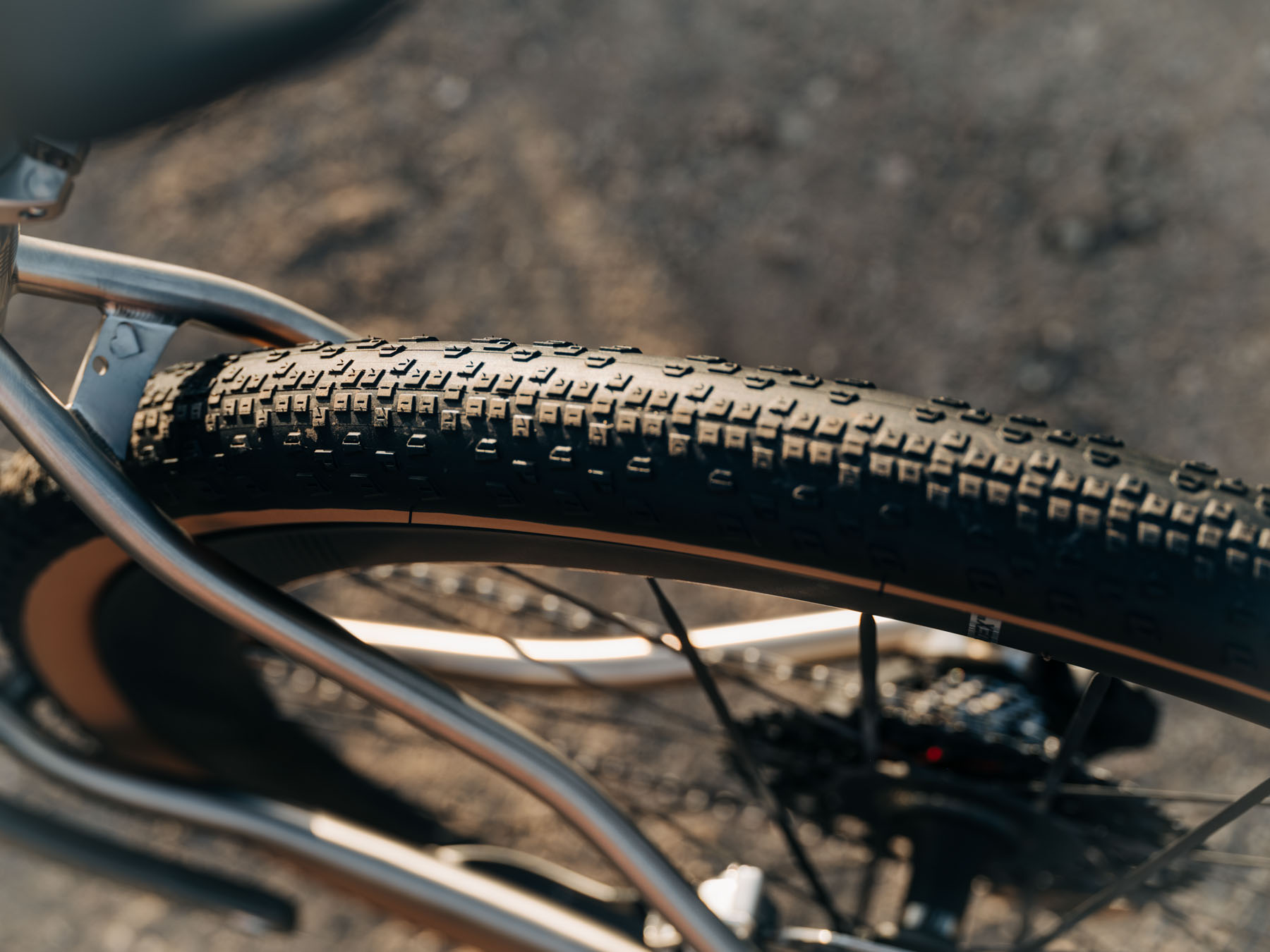
The wheels on the SL 0, Cadex’s Max GXR, have a 50mm-deep wide profile that was designed to work in conjunction with the 45mm GXR tyre. The wheels' 25mm internal profile is matched with a 5mm-wide rim bead that improves impact resistance and profiles the tyre to the rim’s width.
Even the tyre tread has been optimised to reduce rolling resistance while maintaining grip. The tread has also been profiled to complement the aerodynamics of the tyre and rim. Carbon aero spokes also help to reduce drag.
The wheel and tyre combination reduces drag by 3.03 watts, according to Giant – and that’s with a 5mm wider tyre than the previous wheel and tyre combination.
Wind-tunnel tests have shown a total reduction in drag of 18.99 watts, with 13.81 of those watts coming from aero improvements and 3.03 watts of rolling resistance savings. The remainder comes from wheel-rotation drag reductions.
Race geometry
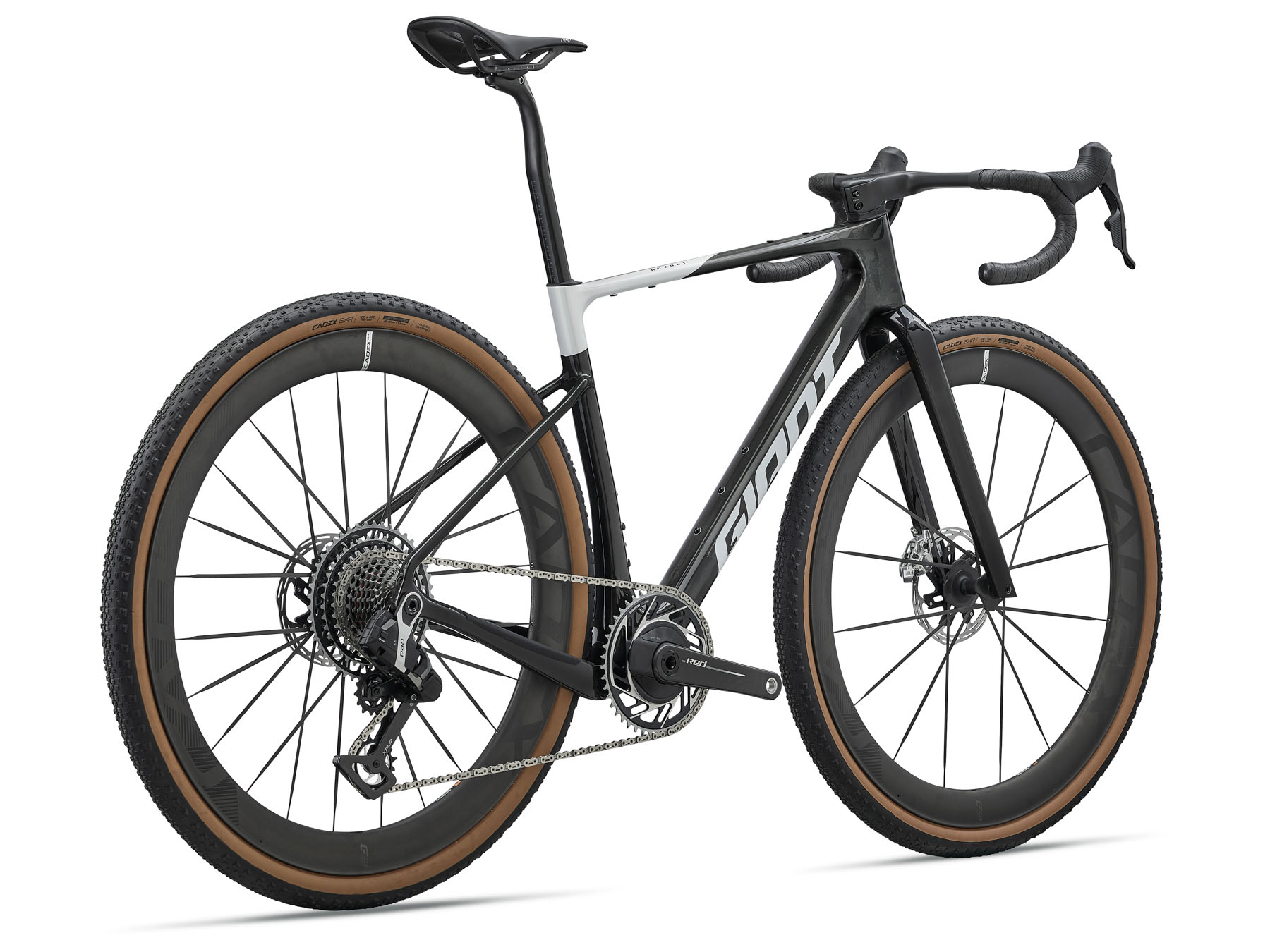
The Advanced SL has geometry aimed squarely at racing, whereas previous Revolts were aimed at being all-rounders, or for more adventurous terrain in the case of the Revolt X.
That means a lower, longer ride position. The stack drops from 586mm to 557mm on a medium, while at the same time the reach extends to 395mm. Giant has also steepened the seat angle to 74.5 degrees, shifting the rider weight forward, more over the bottom bracket for improved pedalling efficiency.
The shift towards more progressive geometry is something we’ve seen in road-bike design. Is this a sign it’s coming to gravel, too?
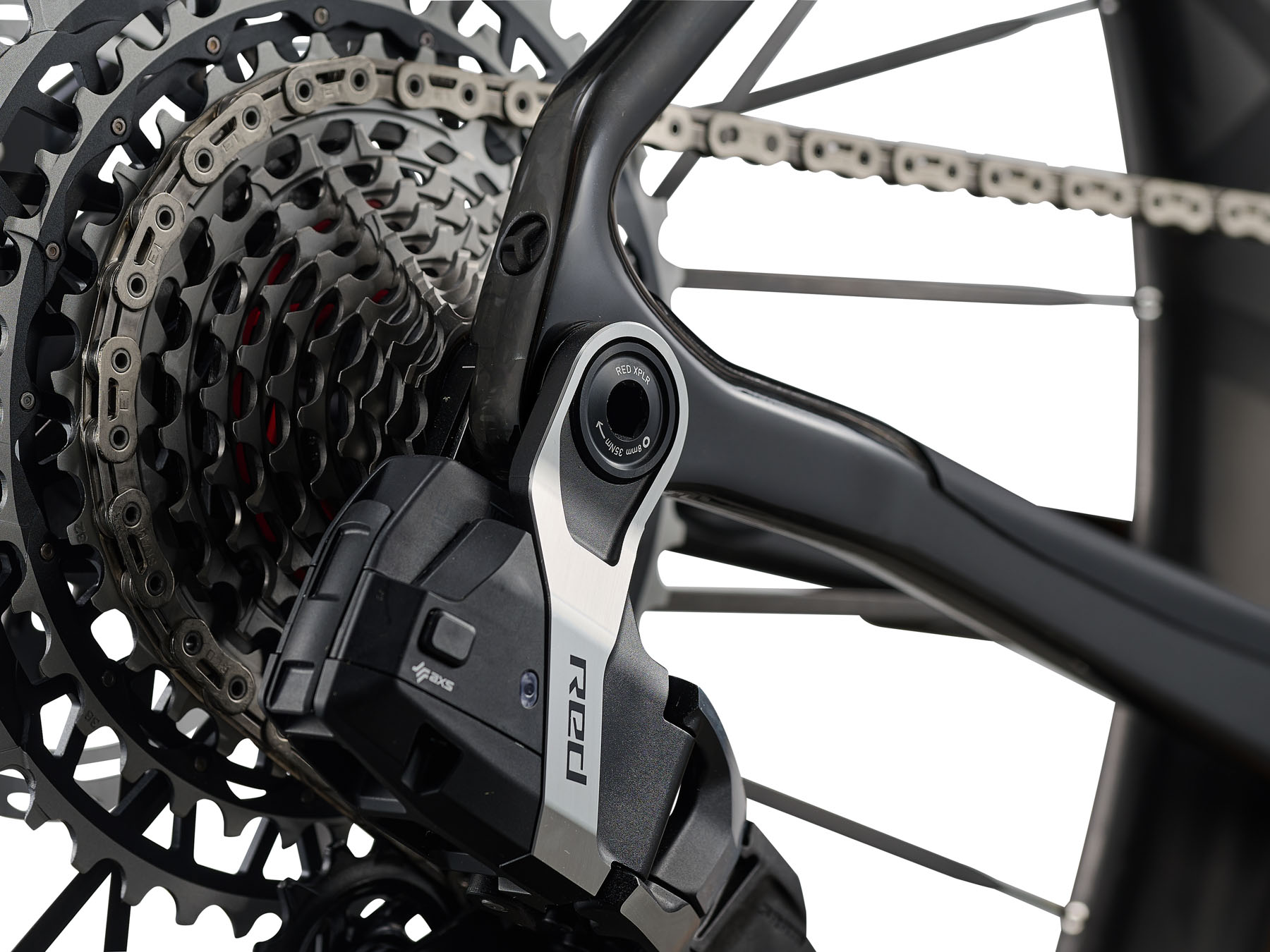
Elsewhere, the wheelbase has been kept short, while increasing the tyre clearance to 53mm. Out has gone the flip chip rear end Giant has used on the Revolt for the past two iterations. It's replaced by a simplified UDH dropout – an essential on a modern gravel bike since the introduction of SRAM's direct-mount XPLR derailleurs.
Giant Revolt Advanced SL pricing and range details
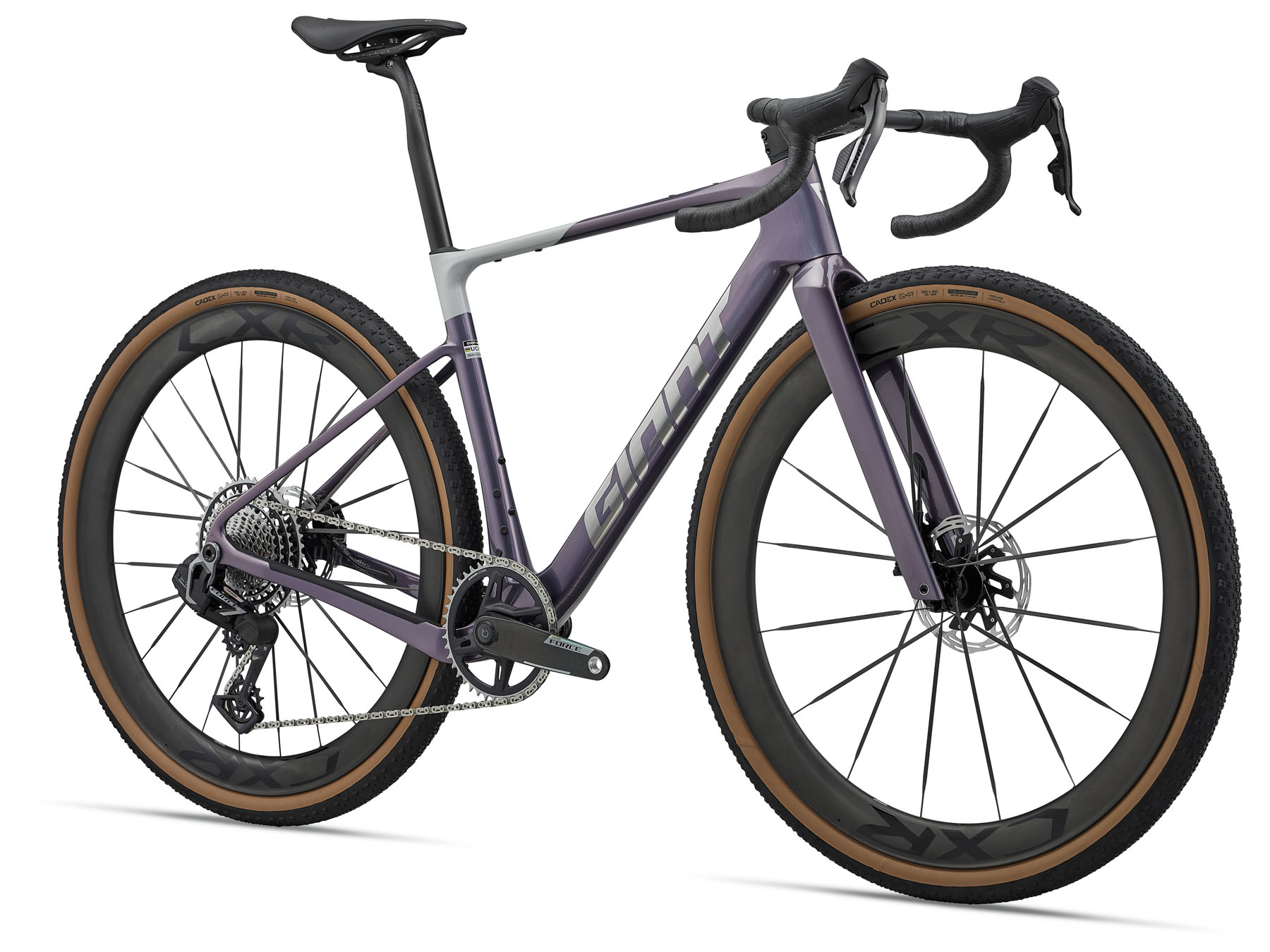
The Revolt Advanced SL comes in three models and as a frameset option.
- Revolt Advanced SL 0 (SRAM Red XPLR AXS, Cadex Max GXR wheelset, Giant Contact SLR XR bar/stem/post): £9,999 / $12,000 / €9,999 / AU$13,999 / CAD$15,999
- Revolt Advanced SL 1 (SRAM Force XPLR AXS, Giant CXR 0 wheelset, Giant Contact SLR XR bar/stem/post): £6,999 / $8,000 / €7,499 / AU$9,999 /CAD$10,299
- Revolt Advanced SL 2 (SRAM Rival XPLR AXS, Giant CXR 0 wheelset, Giant Contact SLR XR bar/stem/post): £5,499 / $7,300 / €6,499 / AU$8,999 / CAD$8,999
- Revolt Advanced SL frameset: £3,899 / $5,000 / €3,999 / AU$5,999 / CAD$5,899