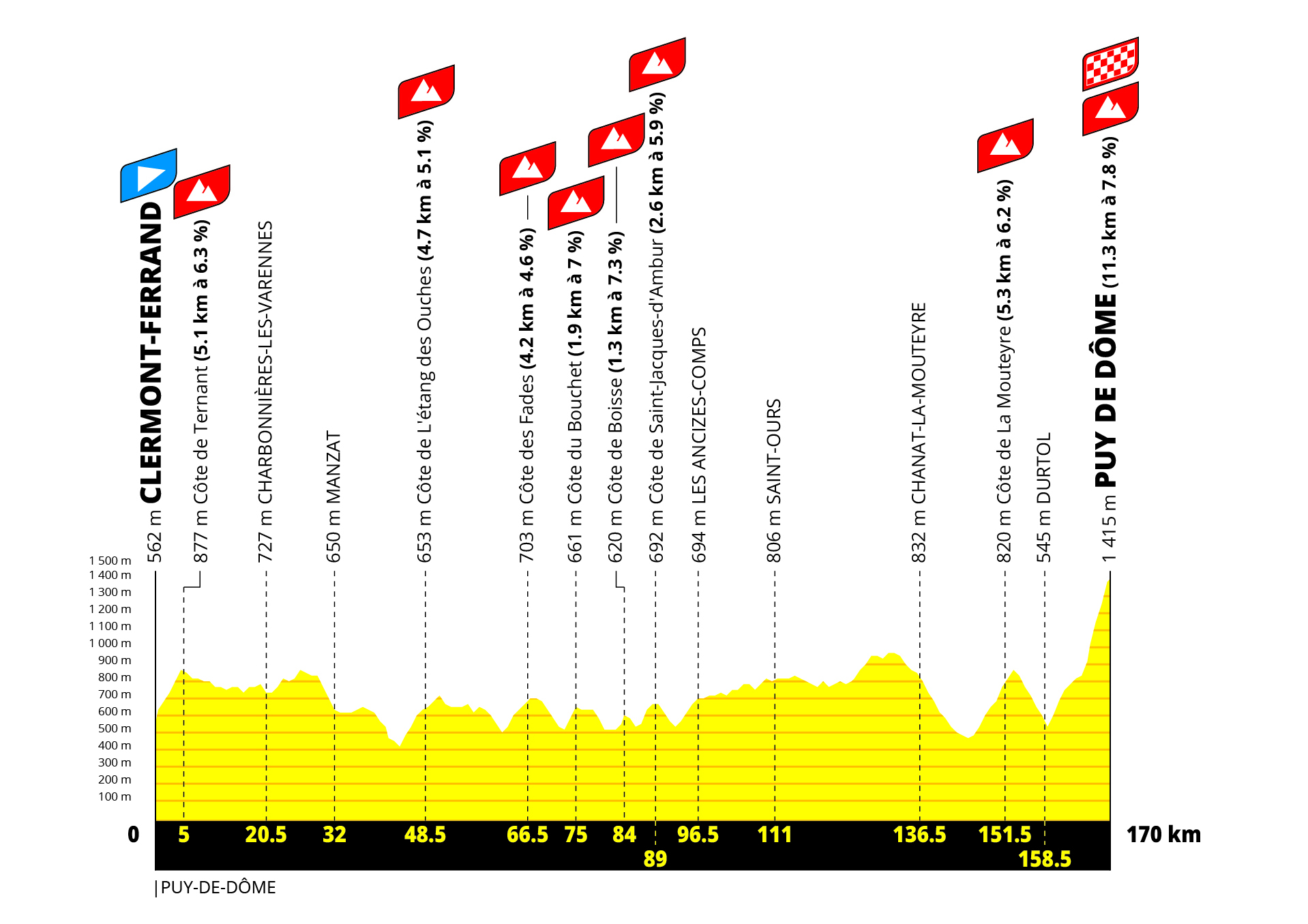
A finish on the iconic Puy de Dôme volcano will bring down the curtain on a much-anticipated 2027 Tour de France Femmes avec Zwift (30 July to 7 August).
Since the event's 2022 launch, director Marion Rousse has judiciously cherry-picked famed climbs from the men’s race. Tourmalet, Alpe d’Huez and Ventoux – the three triple-A cols of Tour de France legend – have now appeared, each with tremendous success.
Last year, Kasia Niewiadoma-Phinney won her battle with arch-rival Demi Vollering on the barren slopes of the Giant of Provence, even if she’d eventually lose the war come the Nice finish.
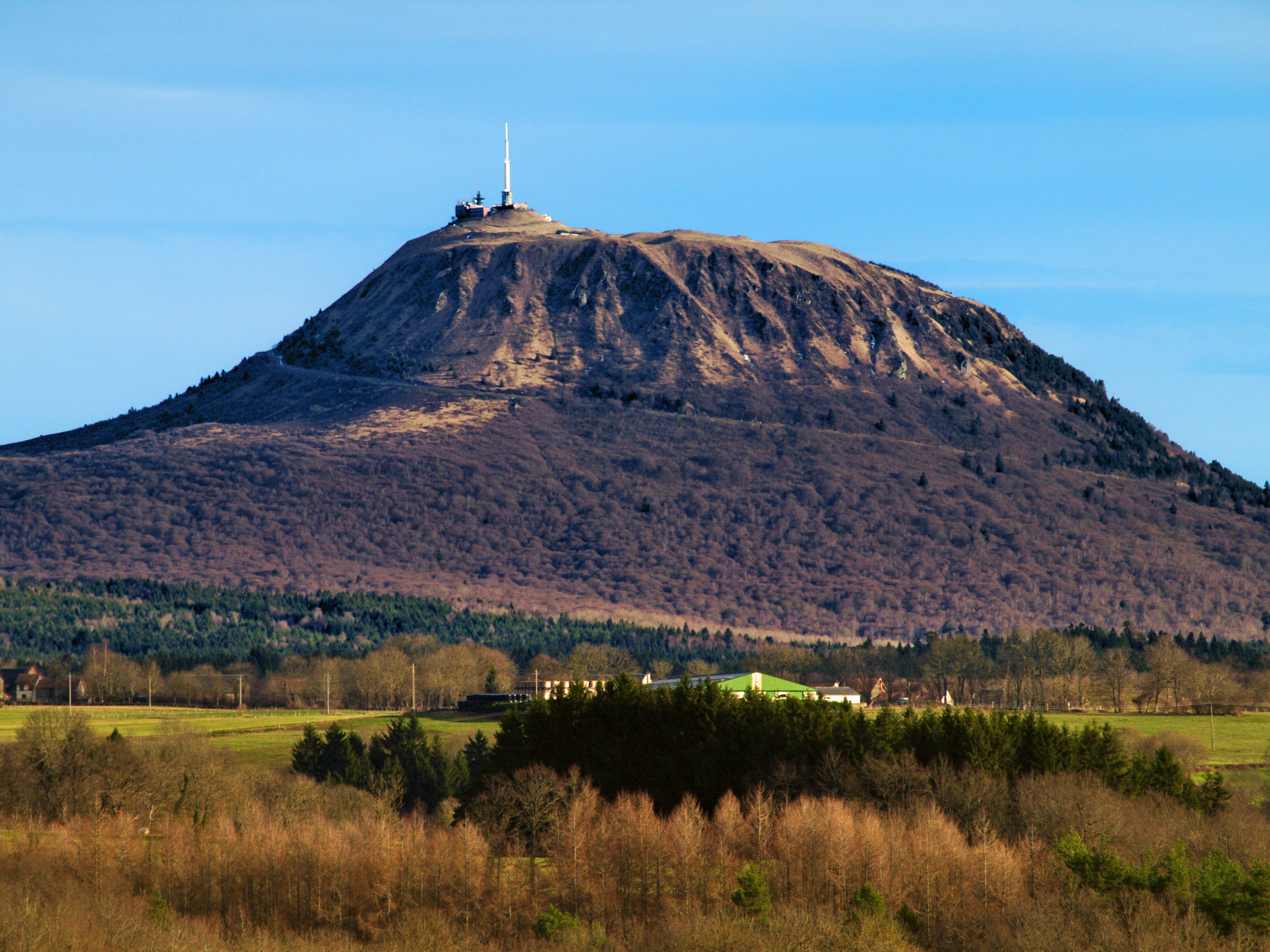
Next summer, their battle will resume on the Puy de Dôme, a climb that most thought had been lost to history. A combination of environmental concerns around hosting the Tour behemoth and a railway installed in 2012 alongside its road meant 35 years passed between its appearance in 1988 and a return in 2023.
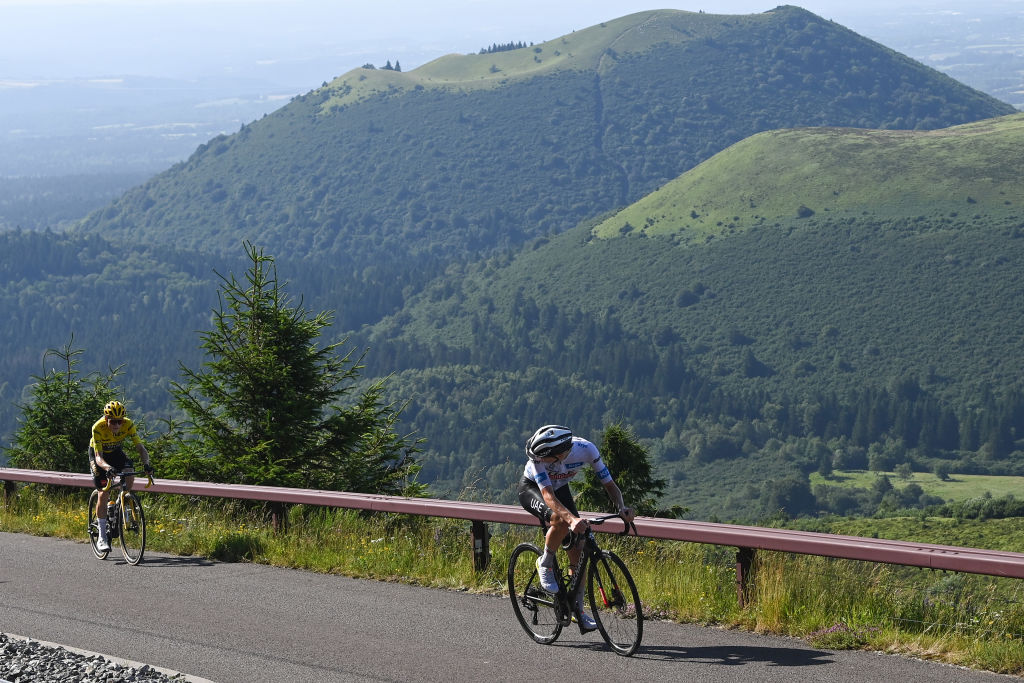
That most recent race, won by Michael Woods, saw Tadej Pogačar and Jonas Vingegaard fight a yellow-jersey battle further down the mountain in near silence. One of the concessions the organisation made to taking the race back to Puy de Dôme was to lock out fans from the climb’s upper reaches, something the race will have to contend with again next summer.
Before that showdown, there’s much to savour, including a Great Britain Grand Depart, entirely within the borders of England.
The opening stage (30 July) does cross a border – the Yorkshire-Lancashire divide – with an 86km stage across the Pennines that begins at Leeds town hall, the site of the departure of the men’s 2014 Tour. The two classified climbs here come well before the finish, with a bunch sprint nailed on.
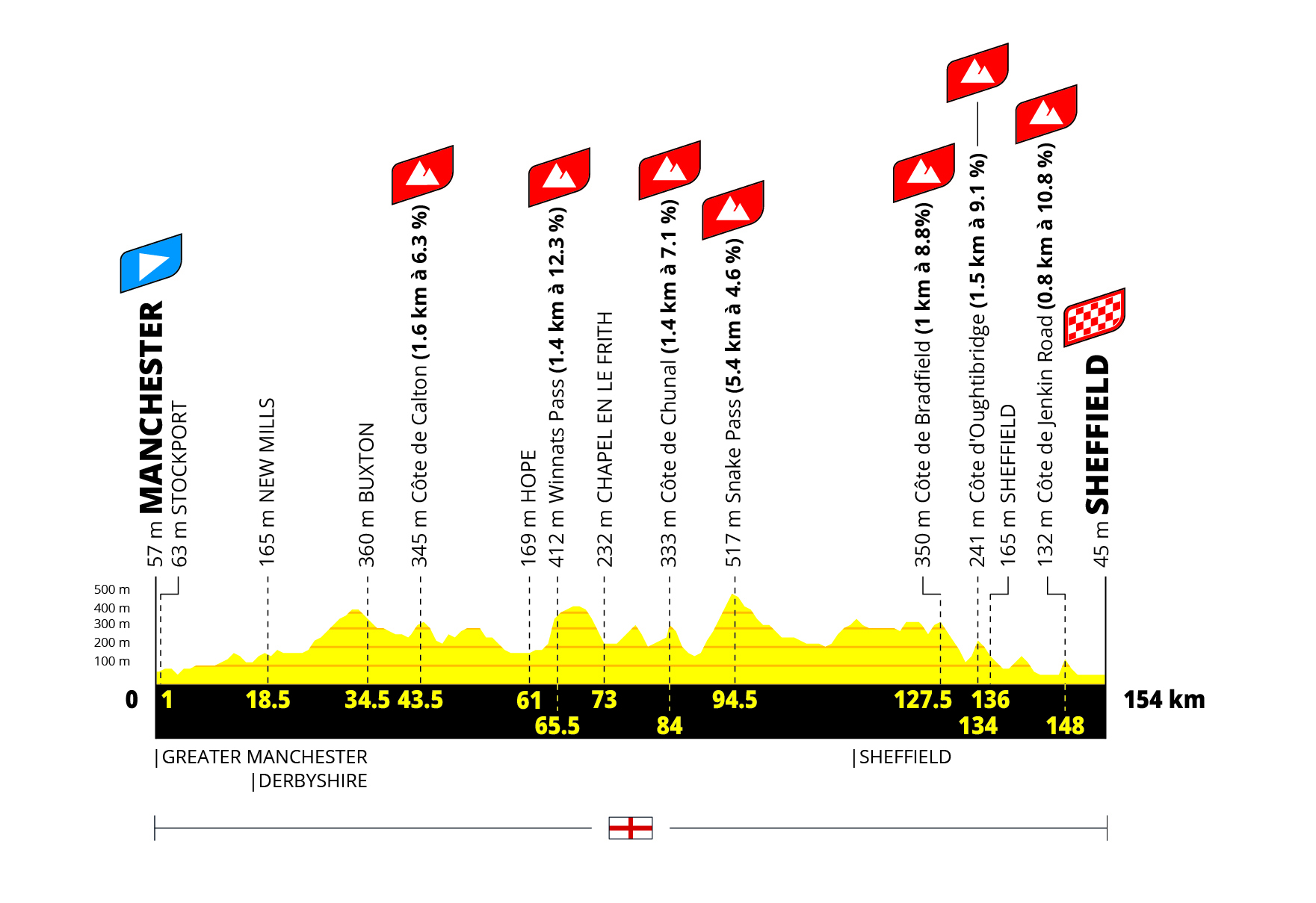
It’s followed up on stage 2 with arguably the hardest route across either Grand Depart and its smorgasbord of Peak District climbs between Manchester and Sheffield (154km).
The Grand Depart finale is in London, where an 18km team time trial ends – as in the Olympics road races – in front of Buckingham Palace on The Mall, prior to seeing the sights of Big Ben, St Paul’s and Hyde Park.
That London finish for the British leg of the race and the proximity to the Channel Tunnel means no rest day is needed, so the following day the race resumes with stage 4, a lumpy 123km route that ends with a flat run-in to Calais.
The riotous stage 5 from Neufchâtel-en-Bray to Magnanville is ripped straight from the Liege-Bastogne-Liege playbook, with six short but categorised climbs in the final 50km.
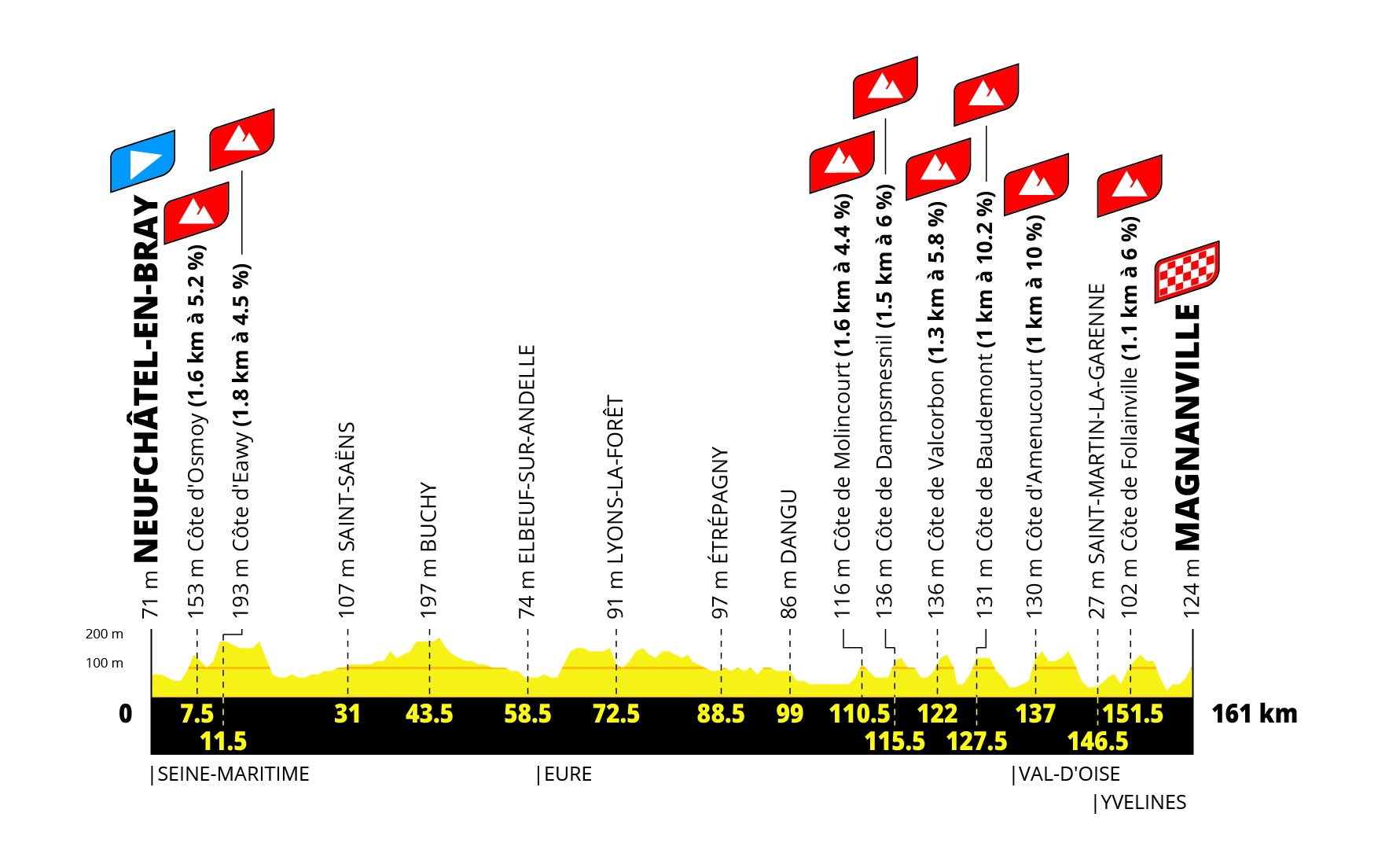
As is now the formula for this race, the serious climbing is loaded into the final third of the race, in a bid to prolong the jeopardy.
Stage 7, from Nevers to La Loge des Gardes (155km), offers a challenging summit finish to the ski resort, while stage 8 to Clermont-Ferrand will appeal to breakaway riders with its up-and-down profile a day before the mouth-watering Puy de Dôme finale.