Continental has added a 35mm width to its Grand Prix 5000 S TR tyre range, riding the trend for ever-wider tyres for road use.
The new tyre joins the existing range, which offered 25mm, 28mm, 30mm and 32mm widths with black or transparent sidewalls.
Conti isn’t the only tyre brand to go wider. In 2024, Pirelli launched a 40mm width for its P Zero Race TLR range, which also includes a 35mm option. It is pitching the increased widths at cobbled races such as Paris-Roubaix, as well as the burgeoning all-road market.
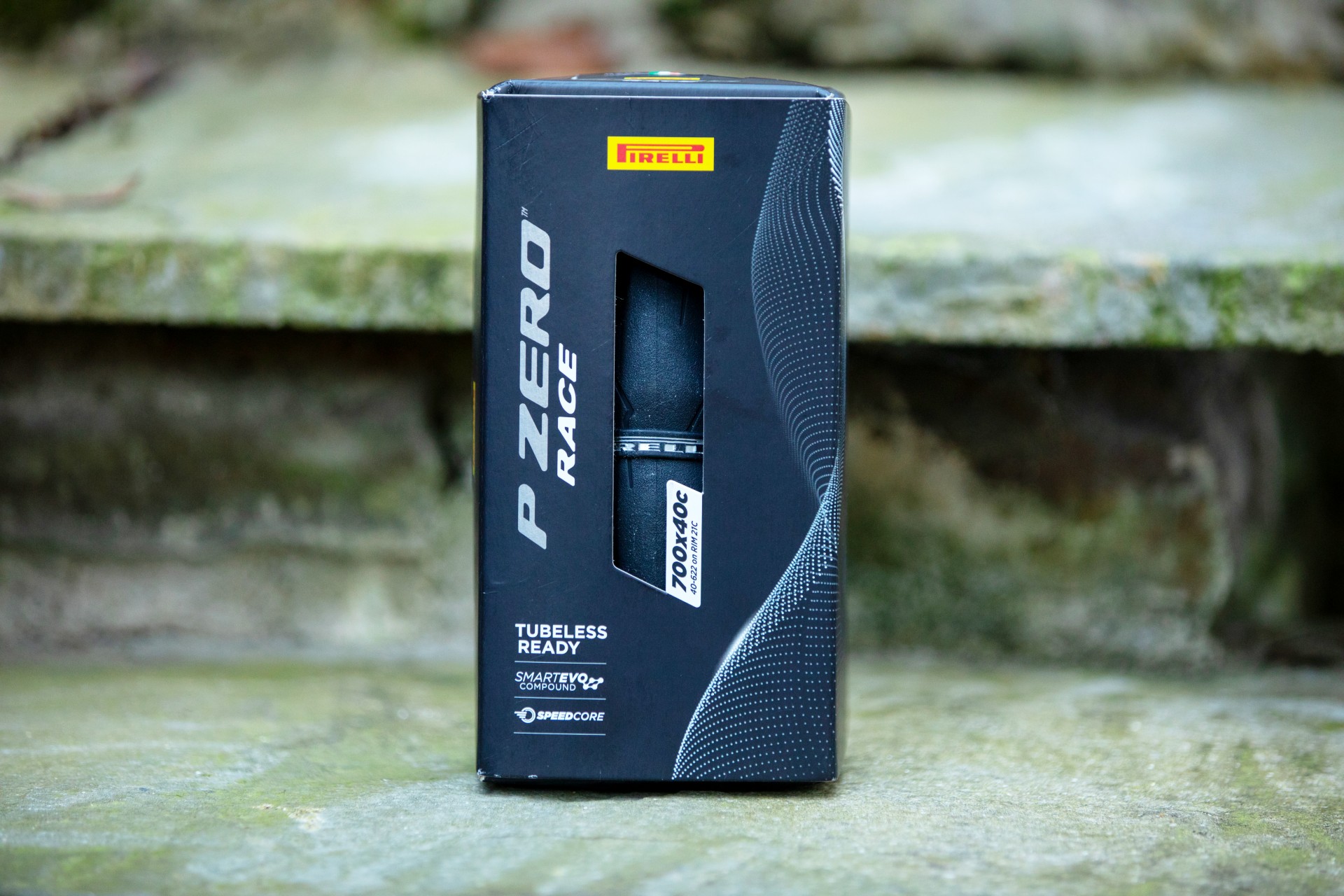
Switch to Pirelli’s Cinturato tyre and there is a 40mm, 50mm and even a 55mm width.
Other brands with extra-wide road-oriented tyres include WTB, which sells the Exposure tyre in 38mm width and René Herse, whose semi-slick tyres span the all-road/gravel boundary with widths up to 55mm.
Tyres continue to get wider
As Simon von Bromley discussed in his post-Roubaix wrap-up on tyre widths last year, road tyres will continue to expand in width for the foreseeable future, both for the pros and for general users.
Mathieu van der Poel won Paris-Roubaix on 32mm tyres in 2024 and 2025, while Tadej Pogačar, who was runner-up in last year’s race, also on 32mm rubber, regularly rides 30mm-width tyres in non-cobbled races.
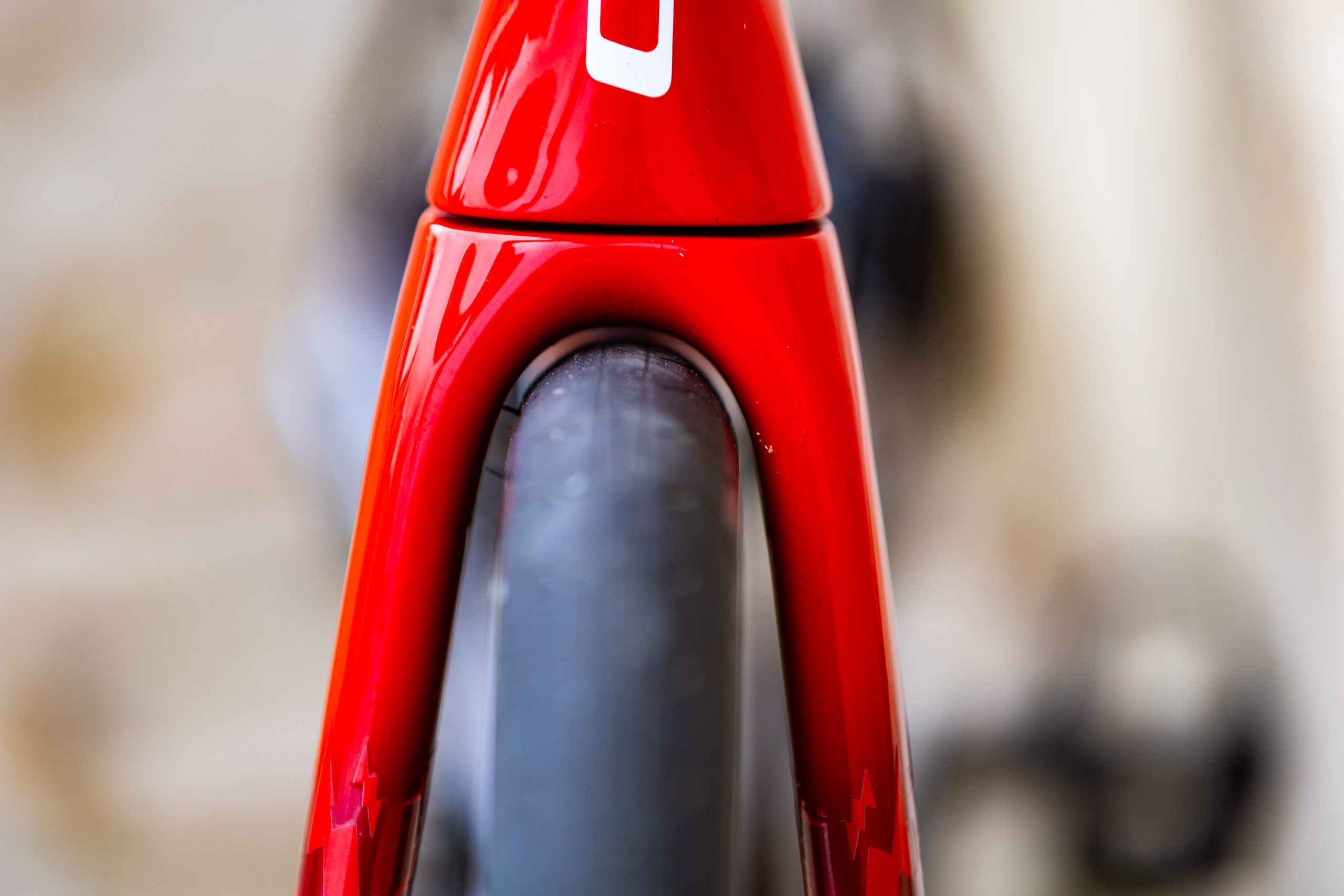
Simon reckons most amateurs should be riding wider tyres. The issue isn’t the availability of wide tyres, though, as the examples above show. It’s bikes’ tyre clearance. Although this has increased significantly with the switch from rim to disc brakes, it still lags behind the capability of tyre makers to produce ever-wider tyres.
This is particularly true for road race bikes, where the extra length to the chainstays needed to accommodate wider/taller tyres and the associated increased wheelbase can potentially dull the bike’s handling.
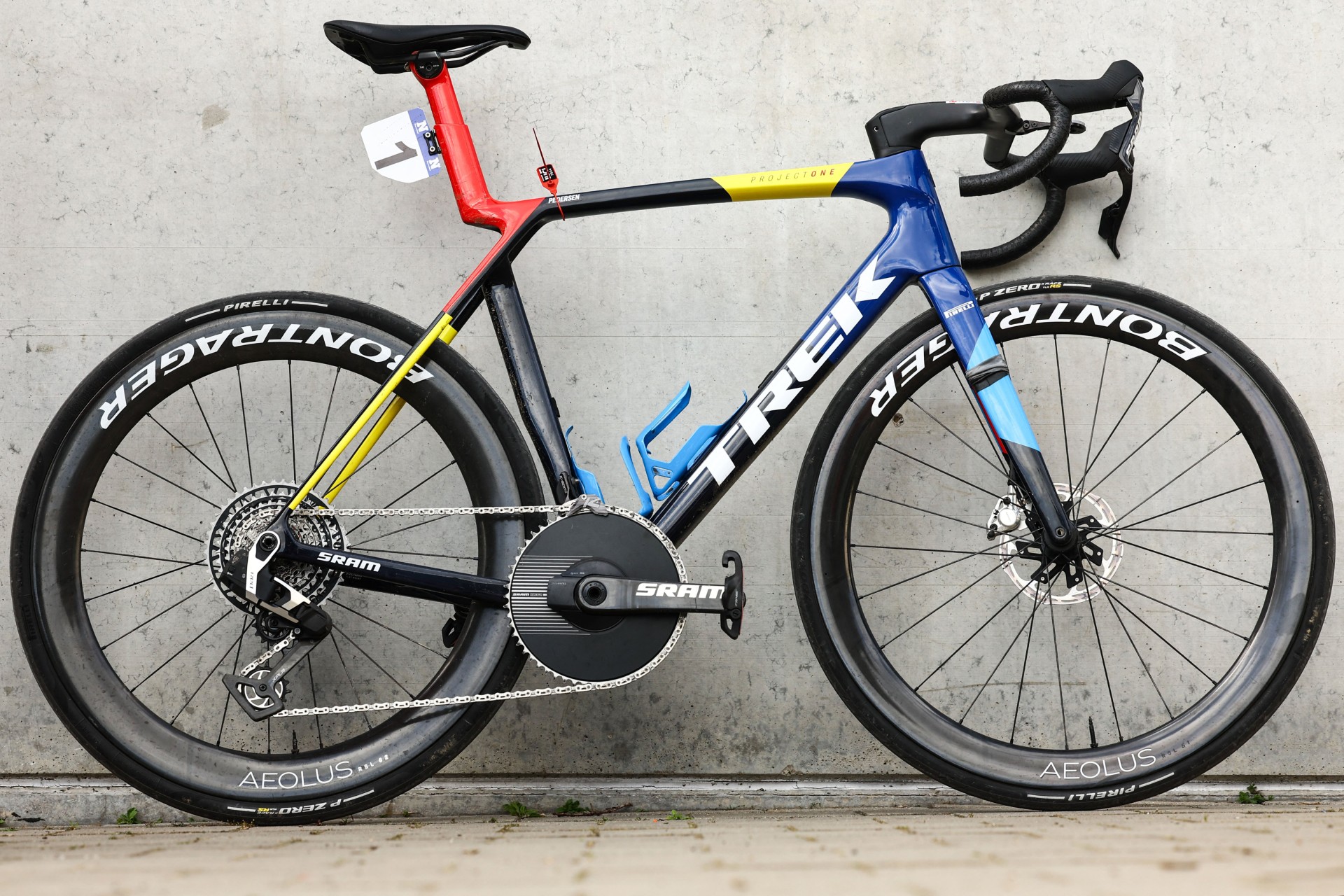
Nevertheless, when we asked Glen Leven, team support manager at Lidl-Trek if the team wanted more clearance, he told us space for tyres up to 38mm or 40mm was on its wish list from Trek for the next-generation Madone.
The appetite for wider tyres was more mixed among 13 pros we polled at last year’s Paris-Roubaix, with many reckoning around 32mm was the sweetspot and one team even switching from 32s to 30s. Many suggested they’d go narrower for non-cobbled races.
The UCI also gets in on the act, with its wheel-plus-tyre diameter regulations, which would be contravened by a 40mm tyre on a 700c rim.
Plus, there’s the additional weight of a wider tyre, which is often beefed up by the tyre maker, with a thicker tread adding to the extra material from the additional width. The increased frontal profile potentially affects the bike's aerodynamics as well.
Plus new 30mm Continental time trial tyre width
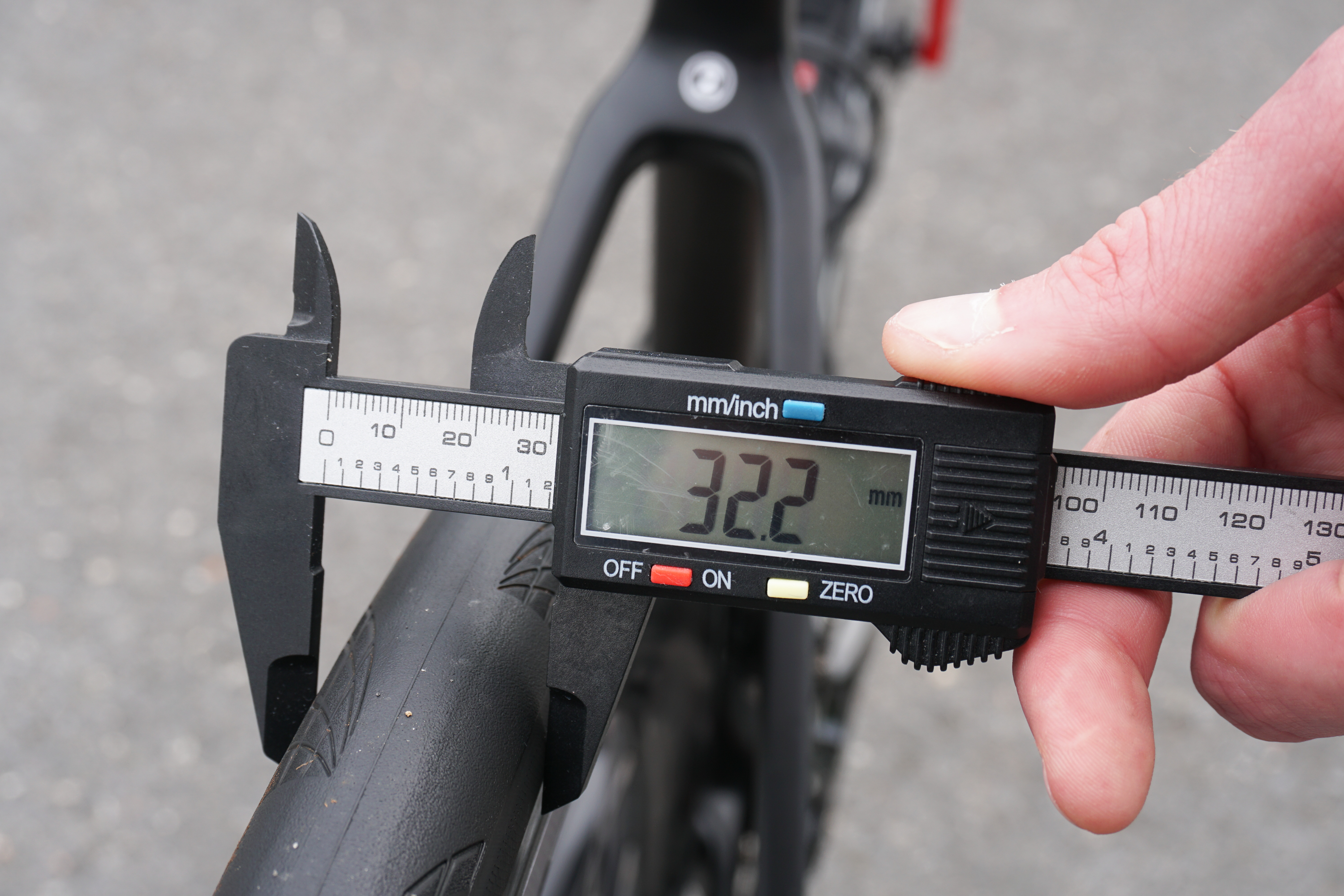
In addition, Continental has added a 30mm width to its lightweight Grand Prix 5000 TT TR tyre range, which was previously offered only in 25mm and 28mm widths. Again, that’s likely to be a response to the increased clearance offered by the latest generation of time trial/triathlon bike frames.
But pros including Pogačar have used time trial tyres in road races, rather than the slightly heavier road tyres, so the increased width for the TT TR offers a lighter-weight alternative for road racing too, helping to offset the added weight of a wider tyre.
Editor's note: this story was originally published on February 17 ahead of the official launch on March 10.