Europe’s cycling industry will need 105,000 more cycle mechanics by 2032, on top of a shortage of 45,000 today, in order to meet demand, according to a new report by the NextGen Mechanics (NGM) initiative.
The report says that Europe currently employs around 175,000 mechanics. Factoring in recruitment to replace those who are likely to leave the industry, the number of mechanics must grow to around 247,000 in the next six years – an increase of roughly 40%.
Launched at the European Cycling Industries (ECI) summit in Brussels on 30 September, the report is said to contain “the first estimate of demand for cycle mechanics built from the employment data of cycle retailers themselves”. It also draws on what mechanics have reported, alongside feedback from employers and retailers.
Changing travel
The NGM initiative was started by Shimano with invited contributions from the wider cycling ecosystem. It aims to help advance cycling mechanic standards and careers.
Its new report draws on Shimano’s State of the Nation 2026 report, published in February, that surveyed 25,000 people across Europe and paints an “urgent picture” of the demands facing the maintenance industry.
The survey found 212 million people experience barriers to cycling because of maintenance, and that 121 million cycle less because of them. Of the 121 million, Shimano says 65 million people “ride much less” and 7.6 million have stopped cycling entirely.
Age and geography also impact the results. 60% of young people aged 18 to 34 years old are impacted, compared to 40% of those over 40. A greater proportion of people in eastern European countries suffer from barriers to maintenance.
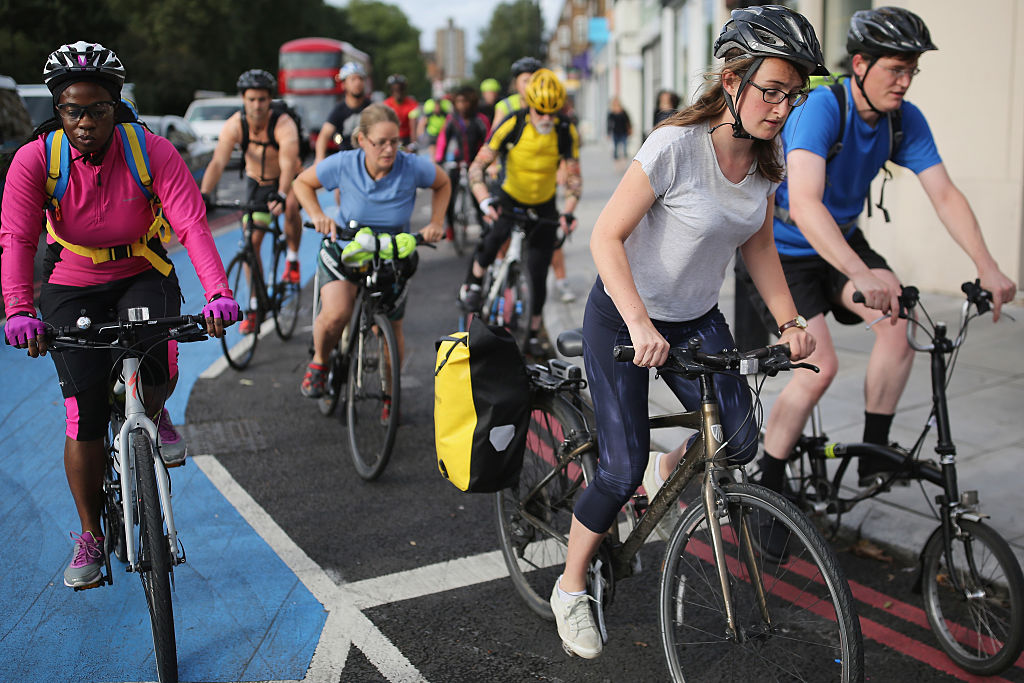
Part of this issue is due to an uptick in cycling. NGM says cycling levels have risen across much of Europe. It highlights how Paris has seen cycling volumes double in a year, and London now has more daily cycling journeys than private motor vehicles.
Supply and demand
NGM says the supply of skilled mechanics has not matched the growth in cycling.
“When bikes cannot be repaired, people ride less. NextGen Mechanics respondents link mechanic shortages directly to longer waiting times and increased safety risks from poor maintenance. These effects ripple across the transport system. If a vehicle cannot be relied upon, users shift to other modes, and even short disruptions can break cycling habits for months,” the report says.
The report adds that survey participants warned that riders frustrated by costs and wait times are turning to alternative micromobility transport, such as electric scooters and “out of regulation ebikes”. Safety concerns also extend to riders using bikes that are no longer roadworthy.
Paul Walsh, CEO of ECI, said a bike that cannot be repaired stops being ridden. “Europe's capacity to train and retain qualified cycle mechanics is falling behind demand, with an impact felt by both consumers and businesses. This undermines a fast-growing European industry and limits the return regions and cities see on their cycling infrastructure investments,” he said.
An informal repair market
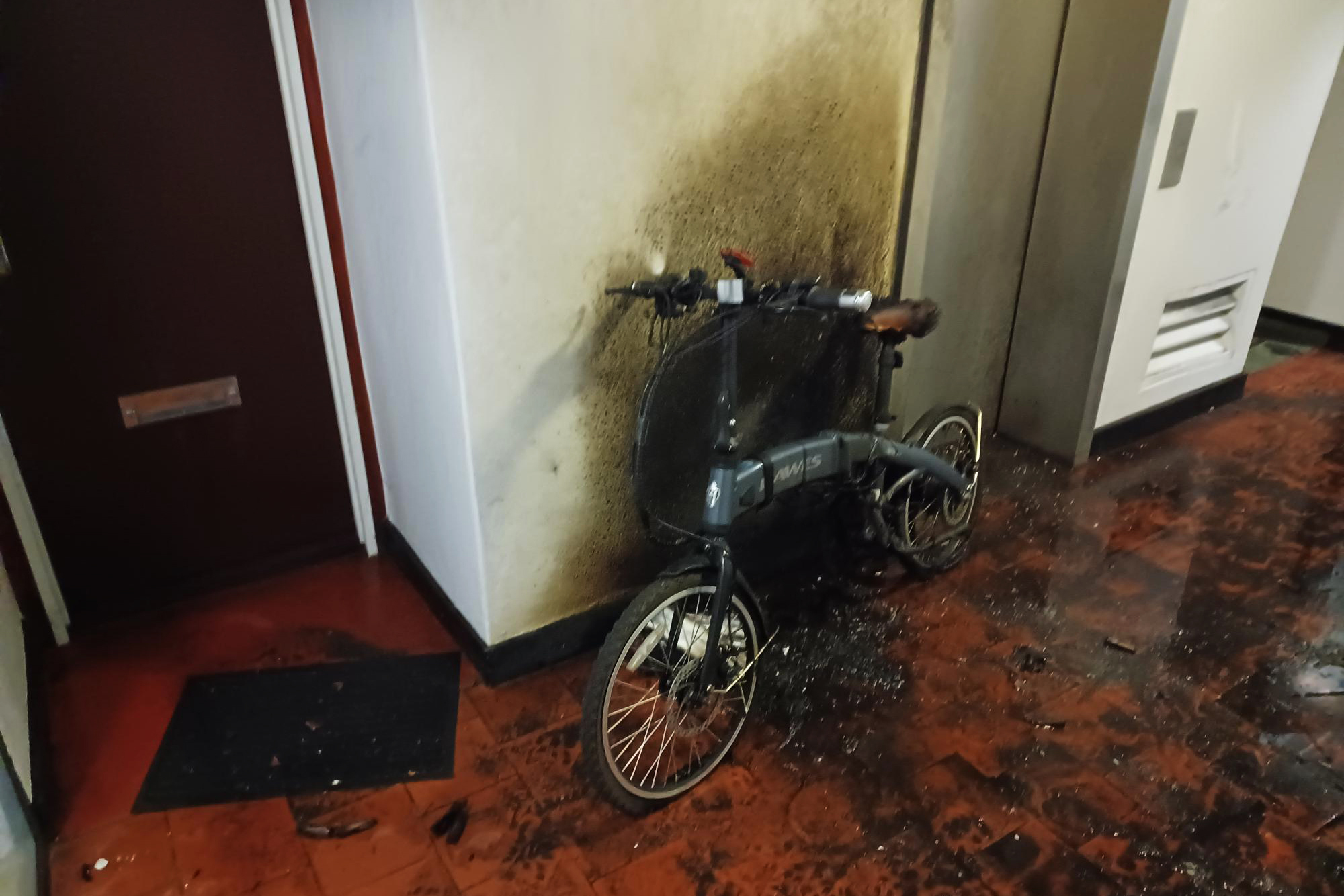
NGM highlights that there is a shortage of “accredited” bike shops across Europe, while there has been a “rapid spread of low-cost and poorly regulated ebikes”. This has led to an “informal repair market”.
“In many cities with high ebike uptake, unregulated garages and mobile mechanics now fill gaps left by overstretched or unavailable workshops. While some provide competent service, others lack access to certified parts, technical data, or appropriate safety training,” the report says.
NGM adds that evidence suggests more riders are being pushed to these “informal repair channels” and that respondents raised concerns about the fire risks linked to poor battery handling and electric knowledge.
Why is there a shortage of mechanics?
NGM points to a variety of reasons that have led to “churn” across the sector.
72.5% of respondents highlighted low pay or the status of the profession as a reason for the shortage of mechanics.
“Pay data collected through the NextGen Mechanics survey confirms that cycle mechanics across Europe are underpaid relative to the technical demands of their work. Even in Northern Europe, where job security and benefits tend to be stronger, salaries still sit below the national median for full-time employment,” the report says.
55% cited the lack of formal qualifications or training and half cited the complexity of modern bikes, including electric bikes and cargo bikes.
They also linked the attrition of the workforce to working conditions: “physical strain from handling heavy ebikes, lack of ergonomic equipment, pressure to meet unrealistic turnaround times, and limited benefits such as pensions or sick pay.”
“Several noted that even after decades in the trade, they earned less than entry-level roles in unrelated retail or logistics,” it adds.
There are regional variations behind the cycle mechanic shortage. In Germany, there is still an interest in the profession and there has been an increase in demand, particularly due to the corporate leasing of ebikes. But the expectations around safety and reliability have created a “bottleneck” in the repair networks.
In the Netherlands, employers struggle to attract younger employers because pay has not kept up with living costs, making it difficult to compete with other technical trades.
In the UK, shortages are tied to high staff turnover in small shops and the difficulty of replacing experienced mechanics once they leave.
NGM also highglights an “image problem”, with roughly 15% of respondents identifying a lack of professional recognition as the biggest issue holding the sector back.
“Many point to a cultural gap between the image of a ‘bike shop job’ and the skill involved in maintaining modern ebikes, hydraulic systems and digital drivetrains,” the report says.
Growing the workforce
So how can the cycling industry grow its workforce of mechanics by 105,000 in the next six years?
NGM says recruitment could target older career-changers, people outside employment who are “seeking meaningful and stable work”, and those with transferable skills who could retrain quickly.
But the report says the same issues that face existing mechanics – low pay, limited progression and the increasing technical demands – also face potential entrants to the sector. These entrants often have to take informal routes, such as volunteering, to enter the profession.
To address this, the report says there should be an identifiable entry process and a basic qualification to become a cycle mechanic that is transferable across Europe. It says the current provision of education and qualifications for cycle mechanics is not sufficient, and the cycling industry should build “a sustained, structured relationship” with the vocational educational training sector.
There should also be a “collective strategy” for promoting an aspirational approach to the sector, and research conducted into funding streams that are aimed “at increasing social mobility, skills shortages or green jobs and could be targeted for cycle mechanics”.
The report also says the composition of the workforce “highlights missed opportunities”. “While the survey did not directly collect demographic data, qualitative responses consistently indicate that women and younger people are under-represented,” it says.
“Although visibility is improving through community repair hubs and social enterprises, the core professional workforce remains predominantly male and concentrated in the 30–50 age group."
The report says further research should be commissioned to establish what a more diverse and inclusive mechanic workforce would look like, and to “identify the barriers preventing broader participation”.
“A condition of growth”
NGM’s report makes 27 recommendations for the cycling industry across five areas, but it says one issue sits at the heart of the mechanic shortage: the economics of cycle maintenance.
Low wages and limited career progression were cited consistently across the evidence base of its report. The skills of mechanics are also said to be “frequently undervalued by consumers and fail to generate proportionate revenue”.
NGM says these factors will have consequences beyond workshops. It says the adoption of new products – such as complex ebikes – and growth across the cycling sector depend on a “locally available, skilled maintenance workforce”.
It says that without this, the ambitions for cycling growth can’t be met: “Maintenance capacity is not a downstream concern; it is a condition of growth.”
NGM concludes: “As this report reveals, there is a critical and growing gap between the needs of the cycling industry (and everyday riders) and the service capacity available today. A shortage of bicycle mechanics affects more than just bicycle repairs; it presents a societal challenge that limits local job opportunities, economic growth, and access to active mobility.”
It adds that the ECI is establishing a dedicated Education Skills Expert Group to address the issues outlined in the report. The group will lead advocacy “to establish cycling mechanics as essential technical professionals”.