America’s war on Iran has caused a significant increase in fuel prices since the end of February, with the average price of unleaded petrol now around £1.58, versus £1.33 a litre previously, and diesel now £1.91, up from £1.58 per litre, according to the BBC.
A new survey by YouGov, commissioned by Cycling UK, has found this has prompted 28% of UK drivers to cycle or walk more to help reduce costs. A further 15% stated they were actively considering this change.
When we looked previously into the cost savings that could be made by cycling, Cycling UK told us it estimated that commuting by bike could save £771 per year.
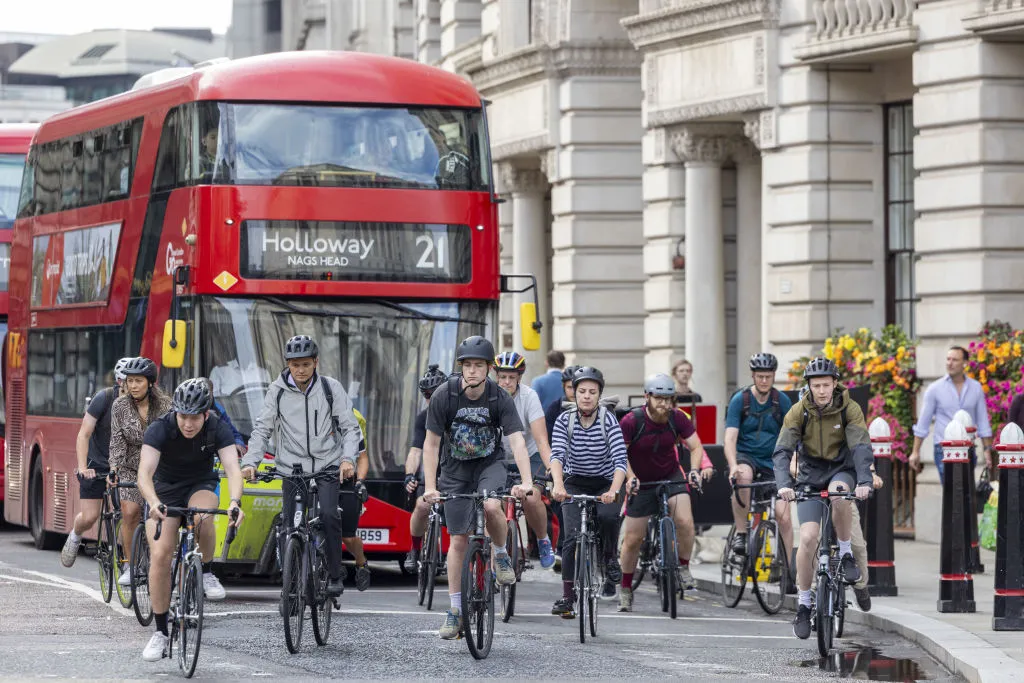
Between 31 March and 1 April 2026, YouGov surveyed more than 2,000 adults for the new research. It found the proportion of respondents choosing to walk or cycle more was greater than those considering other changes, including going out less at 27%, taking public transport at 23%, car sharing at 9% or making other cuts to afford petrol at 19%.
The research also found 27% of UK drivers were already reducing their number of trips to cut fuel costs, with a further 19% claiming to be considering this, should fuel prices remain high.
It also found women were more likely than men to report they’d cut back on trips, although men were more likely to report having bought a bicycle. Cycling UK points out that its findings from the survey were aligned with those from a previous survey it commissioned, which highlighted the cycling gender gap.
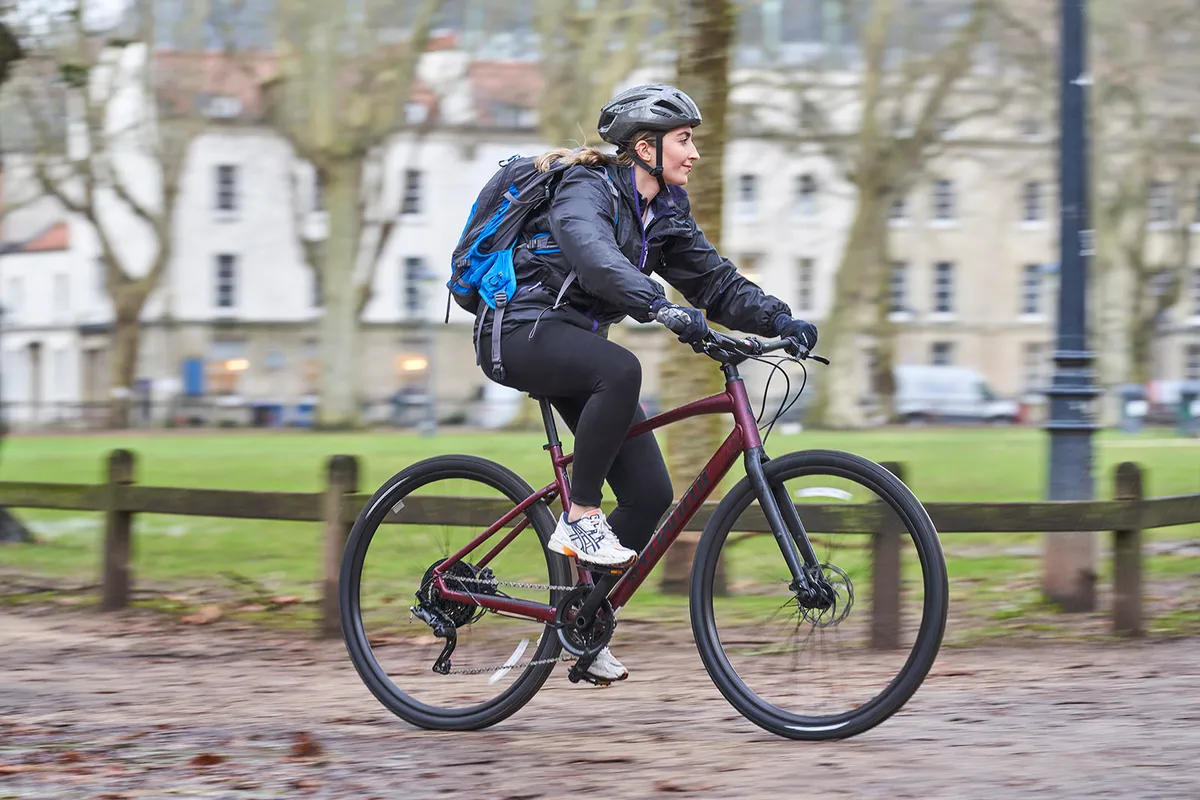
Commenting on the research findings, Sarah Mitchell, chief executive of Cycling UK, said: “With so many people turning to cycling and walking instead of driving, we urgently need a package of measures to make cycling feel like a safe and viable option for local journeys.
“As well as saving money when prices are rising, more people cycling and walking means fewer people using limited fuel reserves, which is good news for everyone.”
Cycling UK is asking the UK and devolved governments to provide greater assistance to help people to cycle and walk more. It suggests that this might include tax incentives, measures to make local roads safer and financial support for access to bikes and ebikes.