Recovery is essential to success at a Grand Tour, if you want to turn up and do it all again the next morning, at the end of a stage, for weeks at a time, across an entire season. This is why riders and sports scientists pay so much attention to sleep, and why it’s an area of such vigorous study.
Dr Sarah Gilchrist, who has a doctorate in sleep and athletic performance, told BikeRadar that deep sleep is “where recuperation and restoration happens. It is where growth hormone is released, glucose metabolism is regulated and protein synthesis cranks up. Both are essential to build muscle”.
So, how much shuteye do Tour riders get? The best recent data available comes from a study at the 2022 Tour de France Femmes that followed nine riders before, during and after the race.
According to the report, in the week before the race, the riders spent an average of 8hrs 42mins in bed and got 7hrs 42mins of actual sleep per night. During the race, that dropped to 8hrs 24mins in bed and 7hrs 30mins of sleep.
The study also tracked sleep quality throughout the race. During the Tour, the riders spent more time in light sleep and less time in slow-wave and REM sleep than they did beforehand. On mountain stages, light sleep rose further, while REM sleep fell.
Resting heart rate also increased during the race, in particular on harder days, pointing to the cumulative stress the body was under. The women’s Tour study comes with caveats, though. It covered only nine riders across two teams, so it is not a comprehensive overview.
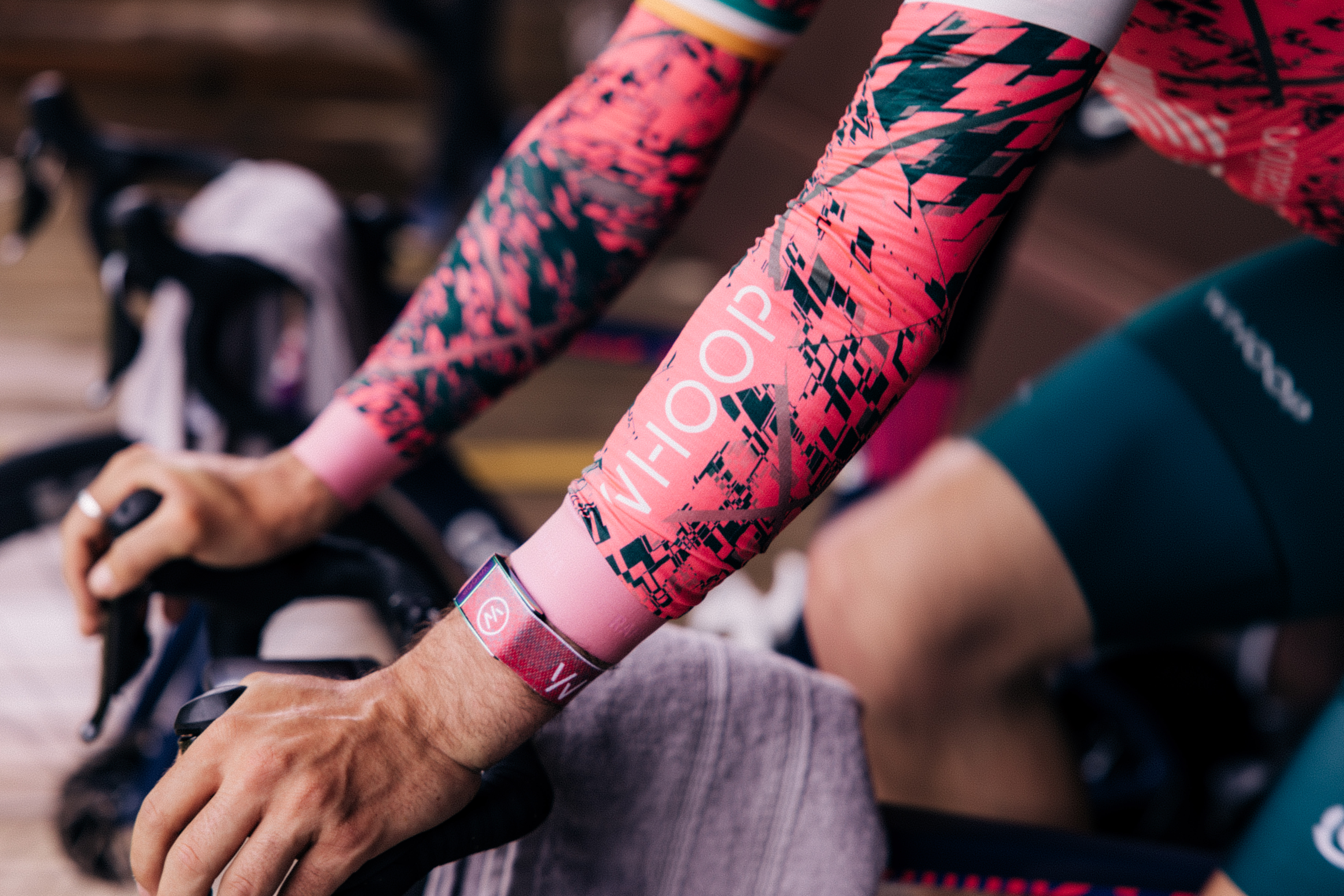
For a broader point of comparison, Whoop’s published data from EF Education-EasyPost at the Tour de France showed the team also averaging just under eight hours per night. That is slightly higher than the Tour de France Femmes cohort, but the overall picture is similar, showing intense racing can chip away at sleep.
Poor sleep can affect stamina, maximum power output, reaction time, decision-making and illness risk. Gilchrist’s summary of how much bad sleep can affect performance is blunt: “It’s all bad”. This explains why teams put effort into protecting riders’ sleep.
Pro squads manage room temperature carefully, restrict late caffeine intake and prioritise a calm wind-down after racing. Some teams have even brought along preferred mattresses and pillows for more consistent rest.