The UCI has confirmed it will launch a full review of the Lugano Charter, cycling's foundational equipment rulebook, opening the door to the biggest shift of bicycle design regulations in three decades.
Announced following the governing body's latest Management Committee meeting in Montréal, the review will produce a draft charter before an industry-wide consultation set for February-April 2027.
While the UCI has not proposed any specific rule changes yet, the Lugano Charter underpins many of road cycling's most influential technical regulations – including the 6.8kg minimum bike weight, tube-profile limits, geometry restrictions and gearing rules.
The new charter is set to be developed in closer consultation with brands and industry experts, with the establishment of new ‘technical committees’ for specialist areas. UCI president David Lappartient says this “illustrate[s the UCI’s] commitment to evolving our rules in consultation with all the families of cycling”.
A chance to rewrite cycling's design rulebook

Originally adopted in 1996, the Lugano Charter established the principles that govern bicycle design in UCI-sanctioned races. It was created to balance technological innovation against safety, while intending to ensure sporting fairness and sustainability.
It defined the double-triangle bike frame design, but perhaps its most famous rule is the 6.8kg minimum bike weight for UCI races, introduced in 2000 as an amendment to the charter.
At the time, carbon manufacture was in its relative infancy, with concerns for safety in the event of a war on weight. But for years the rule has increasingly been questioned by engineers, manufacturers and commentators, with some arguing the rule is outdated given the advancements in the technology since.
BikeRadar explored that debate in our 2023 feature on whether the UCI's bike weight limit should change. Designers have suggested modern testing standards would be a better measure of safety versus a blanket weight threshold.
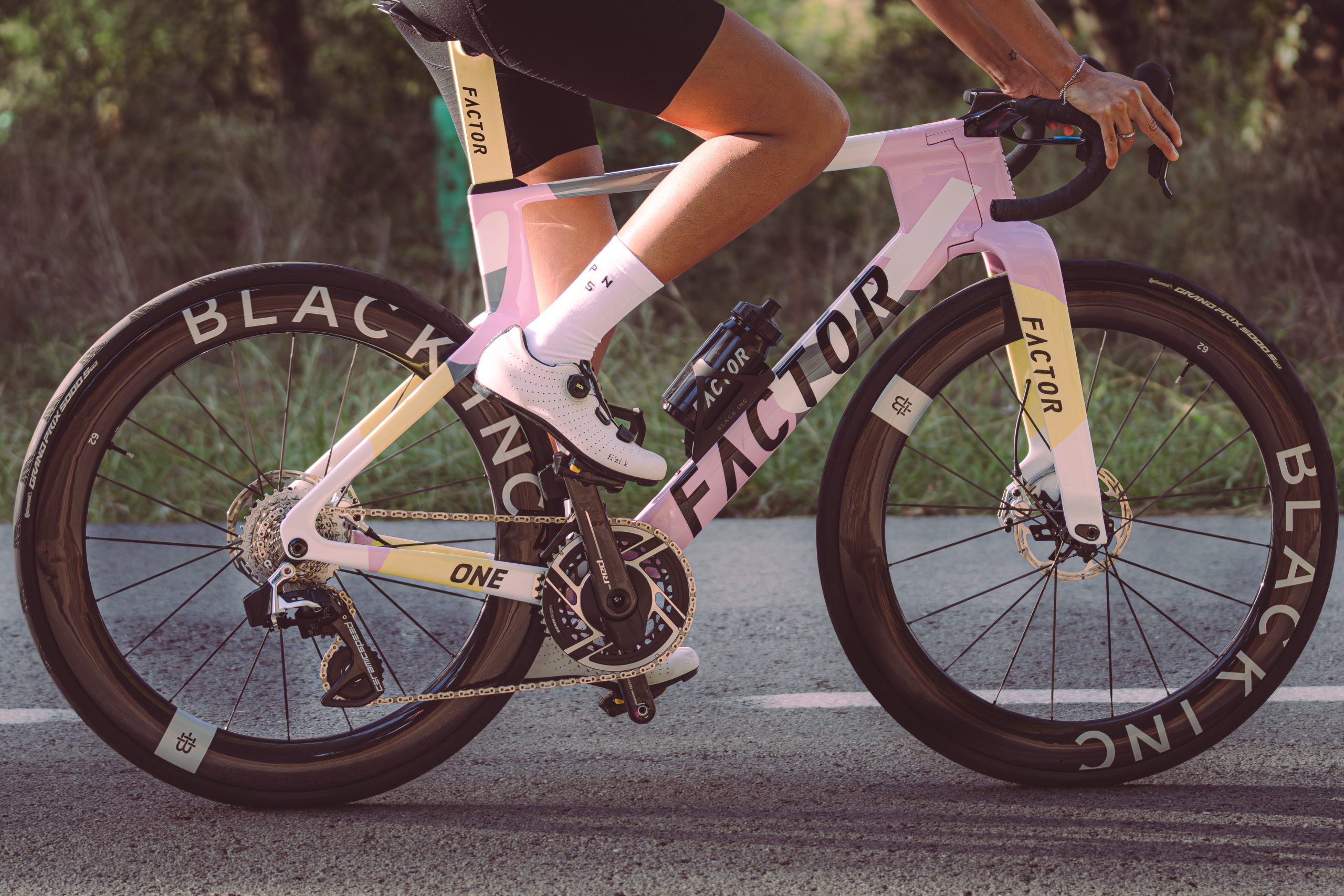
The charter also governs the more recent 8:1 tube aspect ratio rule, limits on frame geometry and rider position, and regulations surrounding drivetrain and gearing dimensions.
Those rules have evolved gradually over recent seasons, notably allowing designers greater freedom around head tube proportions and aero optimisation.
Riders have also been seen to be adopting ever more forward positions (within current limits) in the search of greater efficiency and in response to more recent revisions – designs borne out with the likes of the Eddy Merckx 525R and Factor One.
Any new regulations could be set to allow for even greater freedom in this area, or indeed restrict it.
New technical committees could help prevent future controversies
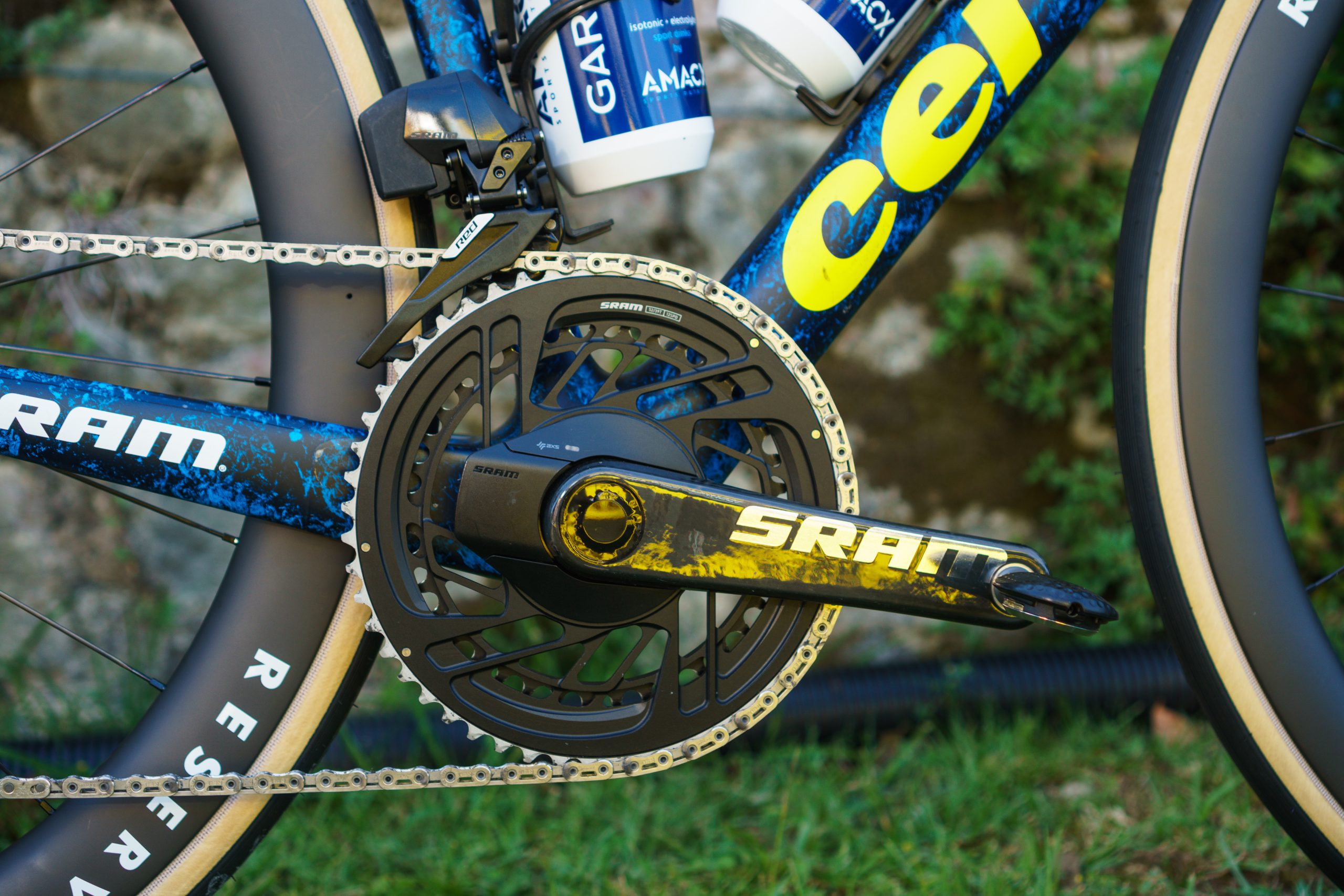
Alongside the charter review, the UCI has announced a new consultation framework intended to give manufacturers and independent experts a formal role in developing future equipment regulations.
Rather than relying solely on its existing Equipment and New Technologies Commission, the governing body has stated it will establish specialist technical committees covering:
- Frames
- Wheels and tyres
- Rider equipment
- Protective equipment
- Data and technology
Officially, the UCI says the aim of these new committees is to strengthen collaboration between the governing body and manufacturers. It also appears to address one of the biggest criticisms levelled at recent equipment rule proposals: a lack of meaningful stakeholder consultation.
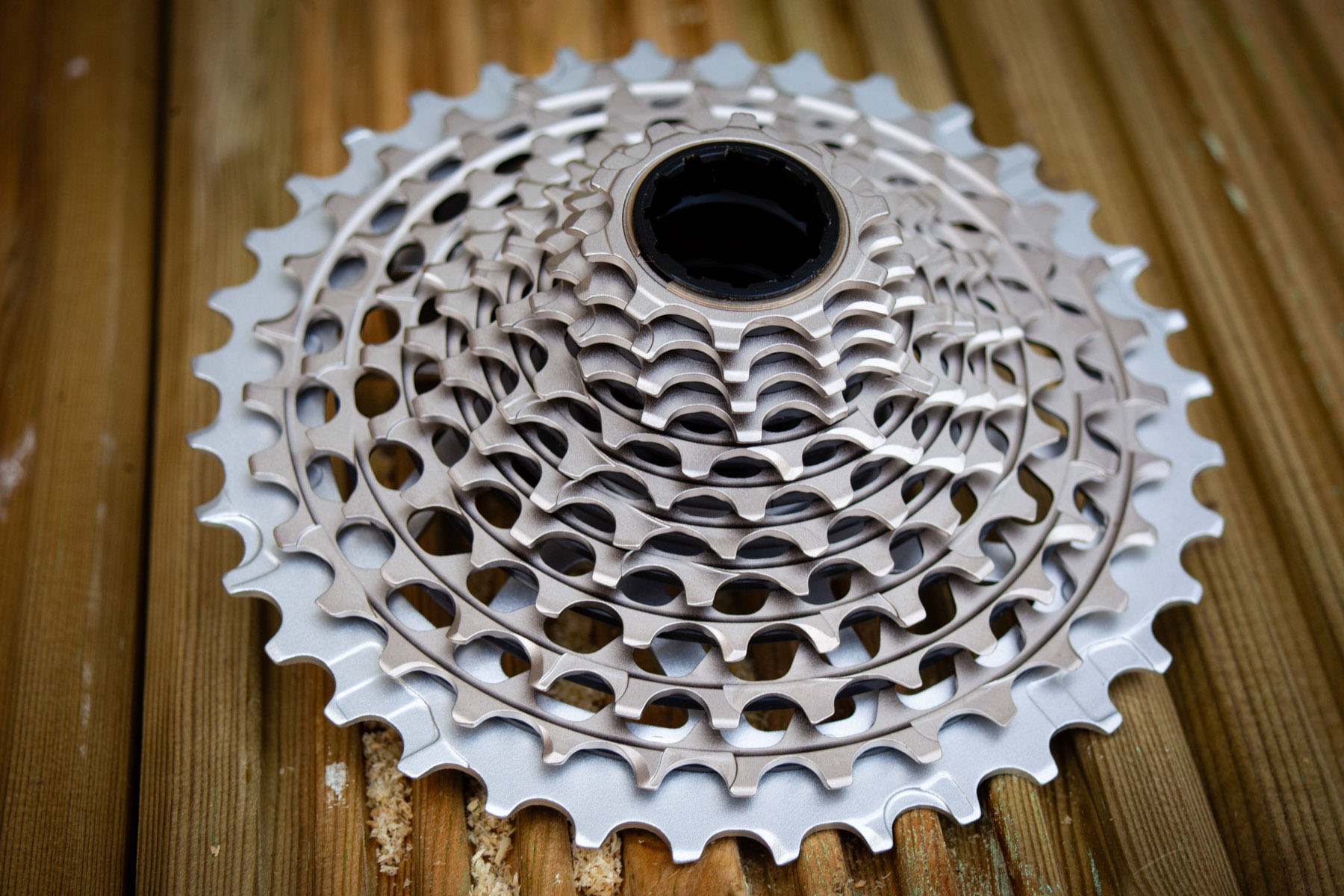
That issue came to a head just before the 2025 Tour de France when the UCI announced plans to trial gearing restrictions in professional road racing. The proposal prompted immediate opposition from riders, teams and component brands, with SRAM publicly criticising the process before the governing body suspended the trial.
We also reported on Tom Pidcock's concerns about the wider package of UCI rule changes, while technical editor Dan Bigham argued in his feature on why gearing restrictions were the wrong solution to rider safety that evidence-based regulation should come before blanket equipment limits.
The dispute ultimately culminated in the UCI losing its appeal over the proposed gearing restrictions. The new committee structure could be interpreted as a deliberate attempt to build consensus before future technical regulations (or experiments) are introduced.
The UCI says each committee will feature “equal representation” from the UCI and the cycling industry, alongside independent technical experts, albeit exactly which brands and stakeholders have a seat at each respective table isn’t yet defined.
Via the UCI’s official communiqué, UCI president David Lappartient said: “From a regulatory perspective, the opening of a new consultation framework with cycling industry members, together with the launch of the review of the Lugano Charter thirty years after its adoption, illustrate our commitment to evolving our rules in consultation with all the families of cycling.”
New finish-line safety barriers approved

Alongside this, the UCI says it has formally approved new barrier standards for the final 200 metres of men’s and women’s WorldTour races from the start of the 2027 season.
It says the regulations are based on research by the University of Applied Sciences and Arts Western Switzerland Valais-Wallis.
The UCI hasn’t confirmed if and when these new regulations will come into effect at other levels of the sport.
GPS rider tracking set for wider rollout
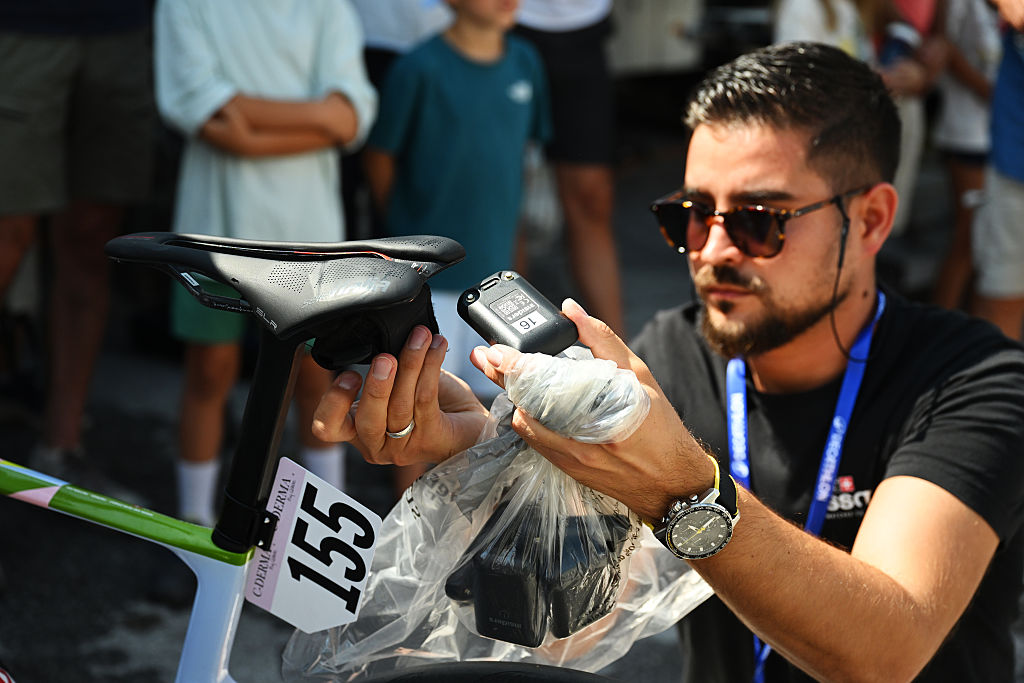
The UCI has committed to introducing a regulatory framework for real-time GPS rider safety tracking, with the system set to be deployed across professional road racing starting with the men’s and women’s WorldTours.
Last season, five teams were disqualified from the Tour de Romandie Women after refusing to participate in a tracker trial, highlighting disagreements over how the devices should be supplied and operated.
The UCI says the system is being used again at this year's Road World Championships after its introduction last year in Rwanda.
Women found to have more severe, more frequent injuries than men at the highest level of road racing
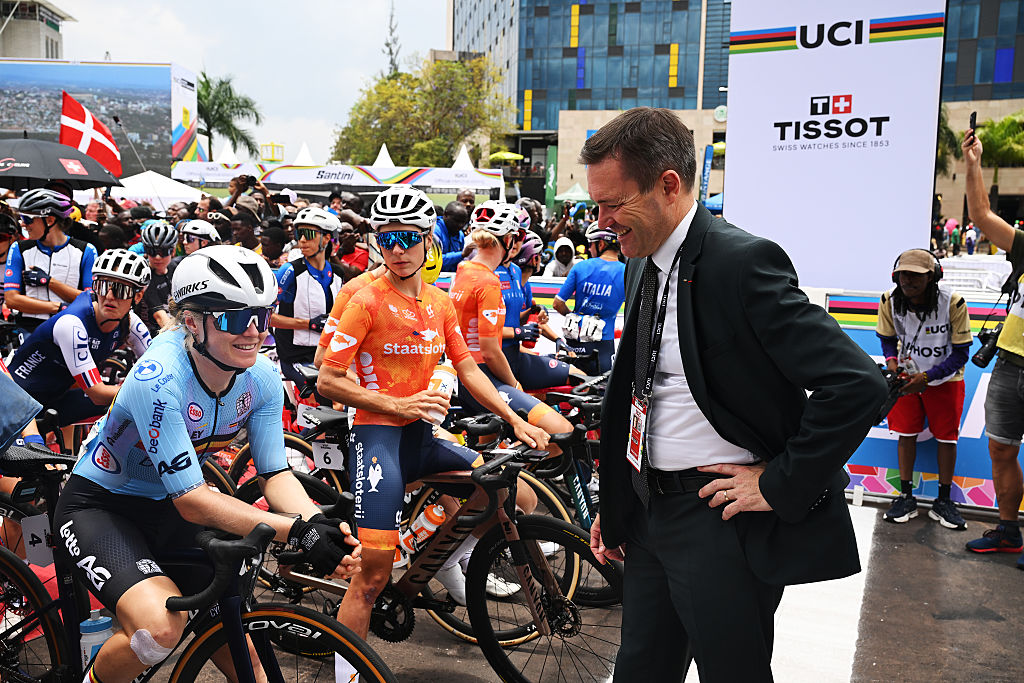
The UCI says it has received updates on its ongoing road crash injury study, which it began in March.
It says initial findings indicate injuries are currently more frequent and more severe in women's WorldTour racing, with average return-to-competition times roughly twice as long as recorded in the men's peloton.
No regulatory or advisory outcomes have been defined, but the UCI says the study is ongoing as its “database” is built, with the idea to introduce “future risk-reduction measures” in the future and assess their effectiveness.
Genetic testing to align with International Olympic Committee
The UCI has also confirmed it will conform to the International Olympic Committee’s (IOC) guidance on the definition of the female category for its IOC-recognised competitions by the end of the year.
Because the UCI is a member body of the IOC, the news comes as little surprise, but it defines that only biological women who do not carry the SRY gene on the Y chromosome, which triggers testosterone production at puberty, are eligible to compete in women’s events.
The presence of the gene will be determined by a one-time test. The UCI says an “awareness programme” will be rolled out to athletes, teams and national federations “shortly”, and that all results will be kept “strictly confidential”.
Racing calendar changes confirmed for 2027
Finally, the UCI approved the majority of its 2027 international calendars, with the full schedules due to be published on 29 September.
The headline road changes include:
- La Vuelta Femenina moves to 3–10 October, immediately after the men's Vuelta.
- Vuelta a Burgos Feminas returns to an early May slot.
- Eschborn–Frankfurt reverts to its traditional 1 May date.
The governing body has also confirmed the inaugural UCI Junior Road Nations' Cup calendar and approved several scheduling changes across mountain bike, track and other disciplines ahead of the 2027 season.