Once upon a time, the Tour de France breakfast table looked very different. Speaking in 2012, Eddy Merckx recalled a fearsome pre-race eating regime that sounds unthinkable today.
“We’d have a small breakfast with the cheese and the ham, and then steaks. It was horrible, but you know, you had to eat steaks to be strong,” he told Stuart O’Grady.
That’s an extreme example, but things have changed rapidly even in the modern era.
In 2024, Tadej Pogačar described his first season with UAE Team Emirates in 2019 as “almost amateur”. The Tour de France champion said breakfast consisted mostly of “white pasta, white rice, and maybe an omelette.”
Modern Tour riders still need to eat huge amounts, but what they eat, and how they eat it, is now guided by science rather than superstition.
What’s on the menu in 2026?
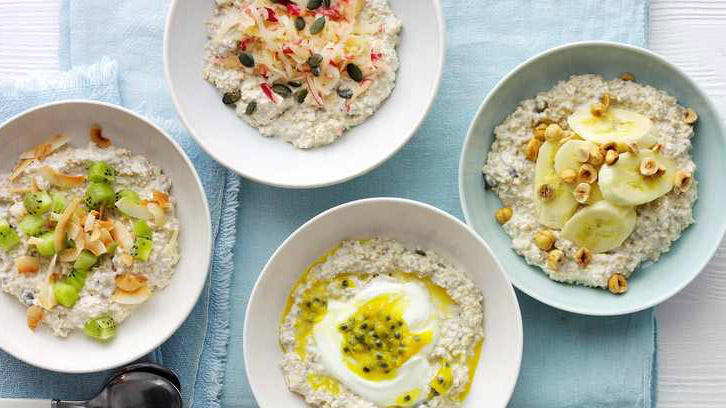
In short, a modern pro rider’s breakfast consists of lots (lots!) of carbohydrates, carefully managed protein and food that’s easy to digest.
As outlined in a 2022 blog post by then EF Education-EasyPost nutritionist, Will Girling, “starting the day right, nutrition-wise, is extremely important for any bike race, especially one that lasts three weeks” with riders eating “several hours before the stage starts” to allow time for digestion.
That means plates piled with “cereals, oats, pancakes, rice, bread, and berries… as well as eggs, avocados and high-protein yogurt.” Breakfasts focused on “plenty of protein and loads of lower-fibre [and] easy-to-digest carbohydrates”.
Carbohydrates really are king
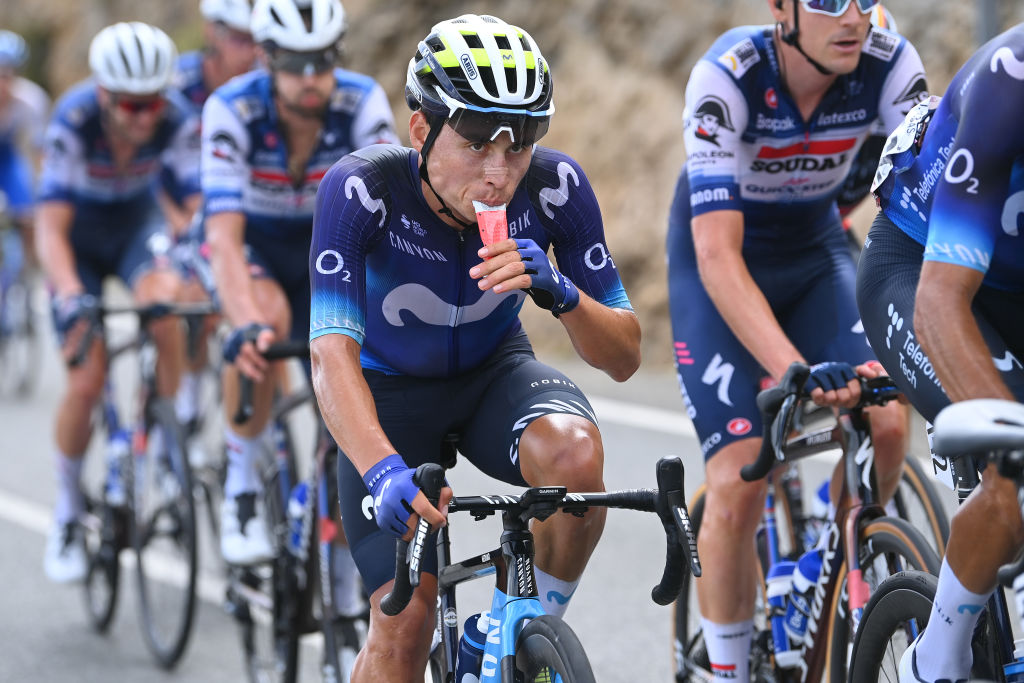
Nutrition writer Mark Bailey explains that Tour riders “need to eat plenty of carbs at breakfast time,” often mixing sources such as “cereals, porridge, rice, bread, quinoa, pancakes and pasta” to avoid “food fatigue” across three weeks of racing.
Just as importantly as keeping taste buds entertained is tailoring their breakfast to the stage ahead.
For example, before a big mountain day, teams will tailor breakfasts lower in fibre.
Bailey notes that fibre “hangs around in the gut for longer, and can make a rider feel heavy or bloated when riding uphill.” That’s not what you want when giving it all on the slopes of Alpe d’Huez, so riders often switch to easier-to-digest foods.
Protein still plays a role, but in a much more controlled way than in Merckx’s era.
Girling notes that options such as omelettes are “a great source of protein and easy to digest,” helping support muscle repair without overloading already gastrically-challenged guts.
“Are you even a cyclist if you don't like coffee?”
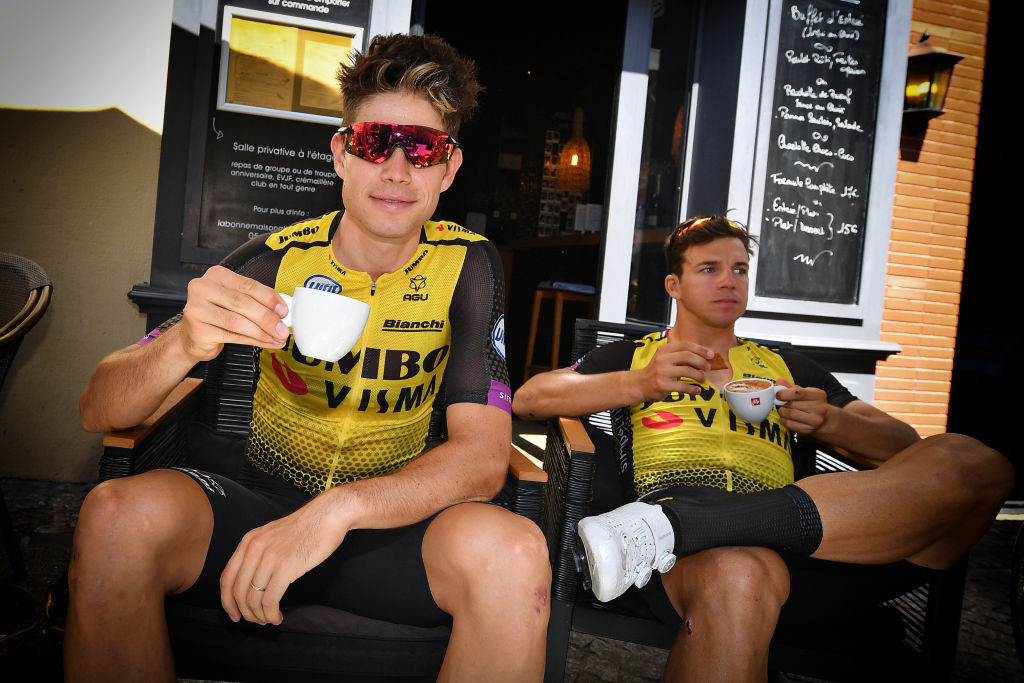
Finishing touches will include fresh juices for micronutrients and, almost universally, coffee.
As Girling puts it: “Are you even a cyclist if you don't like coffee?”
Girling told BikeRadar that he’d known riders to go to extremes in pursuit of a high-quality caffeine hit, bringing their own espresso machines or AeroPress setups on Tour.