For cyclists, aerodynamic drag accounts for around 70% of the resistance to forward motion. It increases as the square of their speed and so will account for an even greater proportion of the effort at race speeds.
But a cyclist riding in a pack experiences significantly lower aerodynamic drag than one riding solo.
Published research suggests drafting can reduce drag by between 27% and 95%. That’s a massive decrease in energy expenditure and, in turn, enables a group of cyclists to ride significantly faster than a solo rider.
5% drag
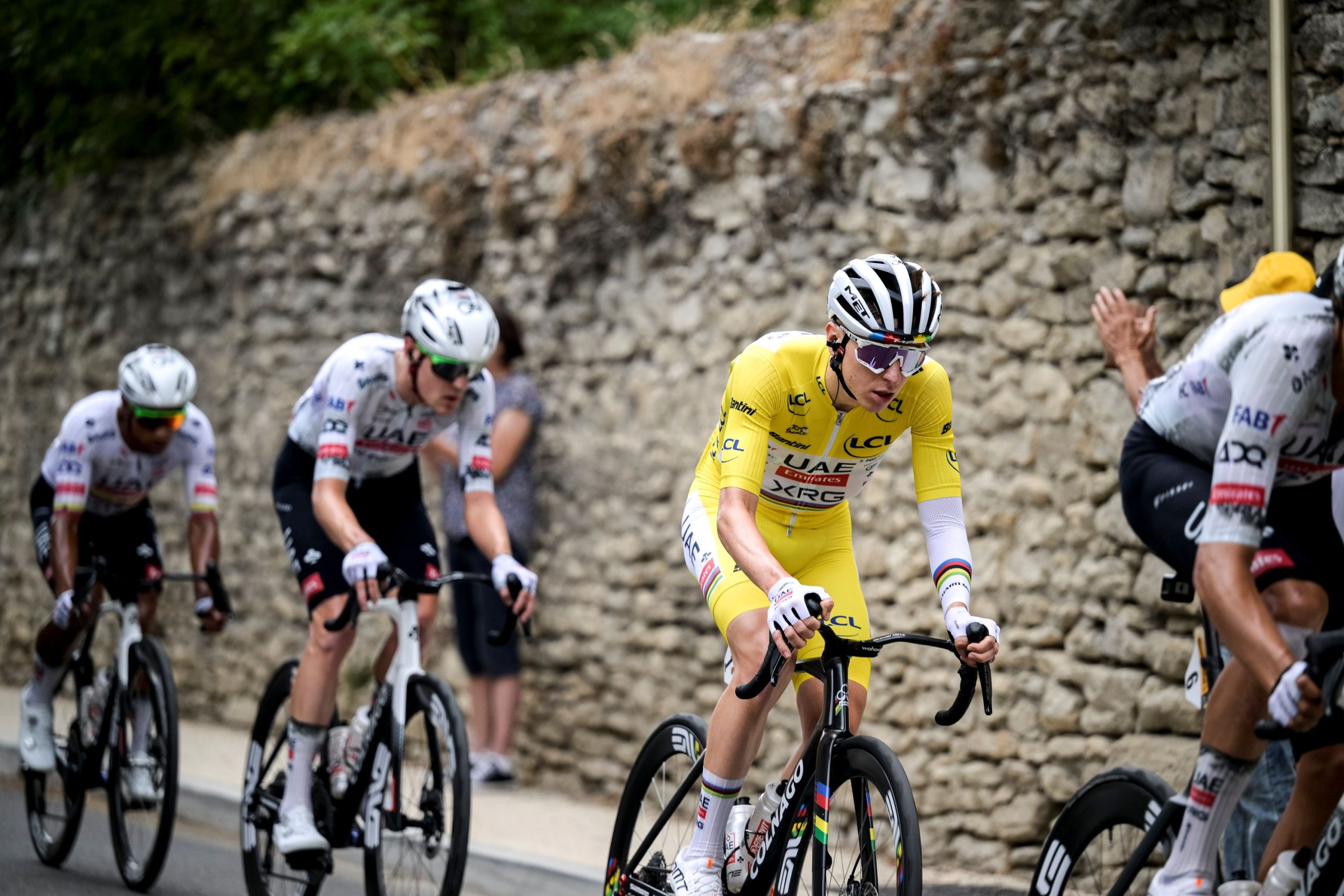
It’s even suggested that a rider in the centre of a pack could be experiencing only 5% of the drag of a solo rider; it’s not unusual to see a rider freewheeling for short periods when in the centre of a fast-moving peloton.
Riders will usually only ride at the front of a bunch for part of a race and even on the front, riders experience a lower drag figure, with a reduction estimated at 10% or more, due to the air flowing over the following riders, rather than closing in behind them.
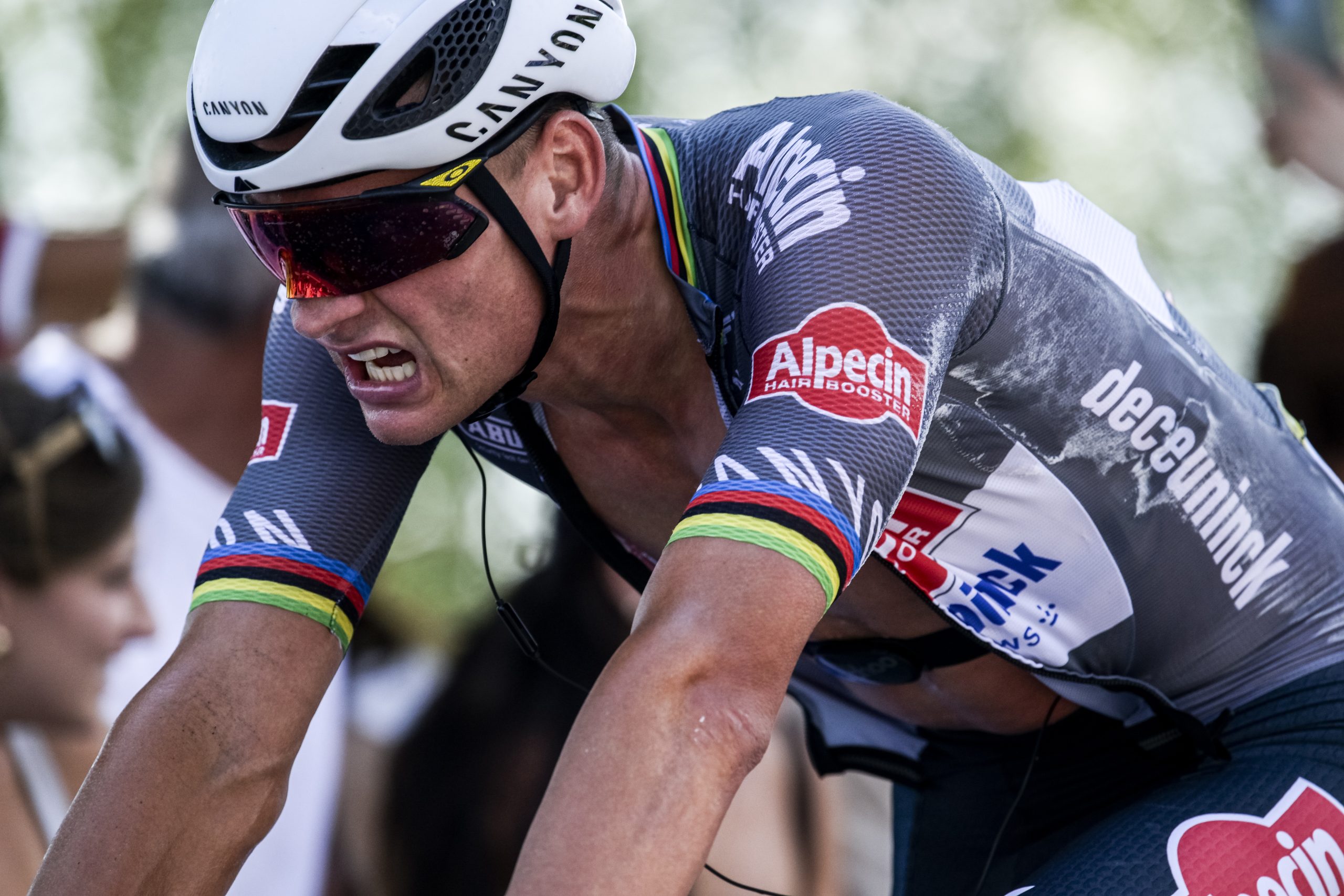
In the bunch, the team leader will be surrounded by their support riders, or domestiques, enabling them to conserve energy for a decisive break or climb, while a sprint star will only come around their lead-out rider in the last few seconds of a sprint finish for the same reason.
Domestiques also ferry food and drink to their team leader while in the bunch and will often lend their bike if the leader has a puncture or other mechanical issue, or pace them back to the peloton, so the bunch provides protection and support that a solo rider would not have.