
Zwift has launched a premium subscription tier called Zwift+ that brings AI-powered, personalised coaching and augmented reality routes to the virtual cycling app.
Priced at £26.99 / $29.99 / €29.99, Zwift+ includes everything currently on offer to existing subscribers, but grants access to two new features – Zwift Video and Zwift Coach.
A move to offering a richer, artificial intelligence-backed coaching experience will likely come as little surprise to anyone who’s been engaged with Zwift in recent months.
However, the introduction of augmented reality video routes – which share a striking similarity to those offered by Rouvy (a former competitor indoor cycling app that Zwift acquired earlier this year) – comes out of the blue.
According to the brand, Zwift Video was developed independently of Rouvy, with a separate team of engineers, but it’s impossible to ignore the similarities between the two.
So, is Zwift simply eating Rouvy’s lunch or was augmented reality always a logical next step? And is the new premium tier worth paying an extra £9 / $10 / €10 a month for? Let’s find out.
What’s new with Zwift+
Zwift Coach
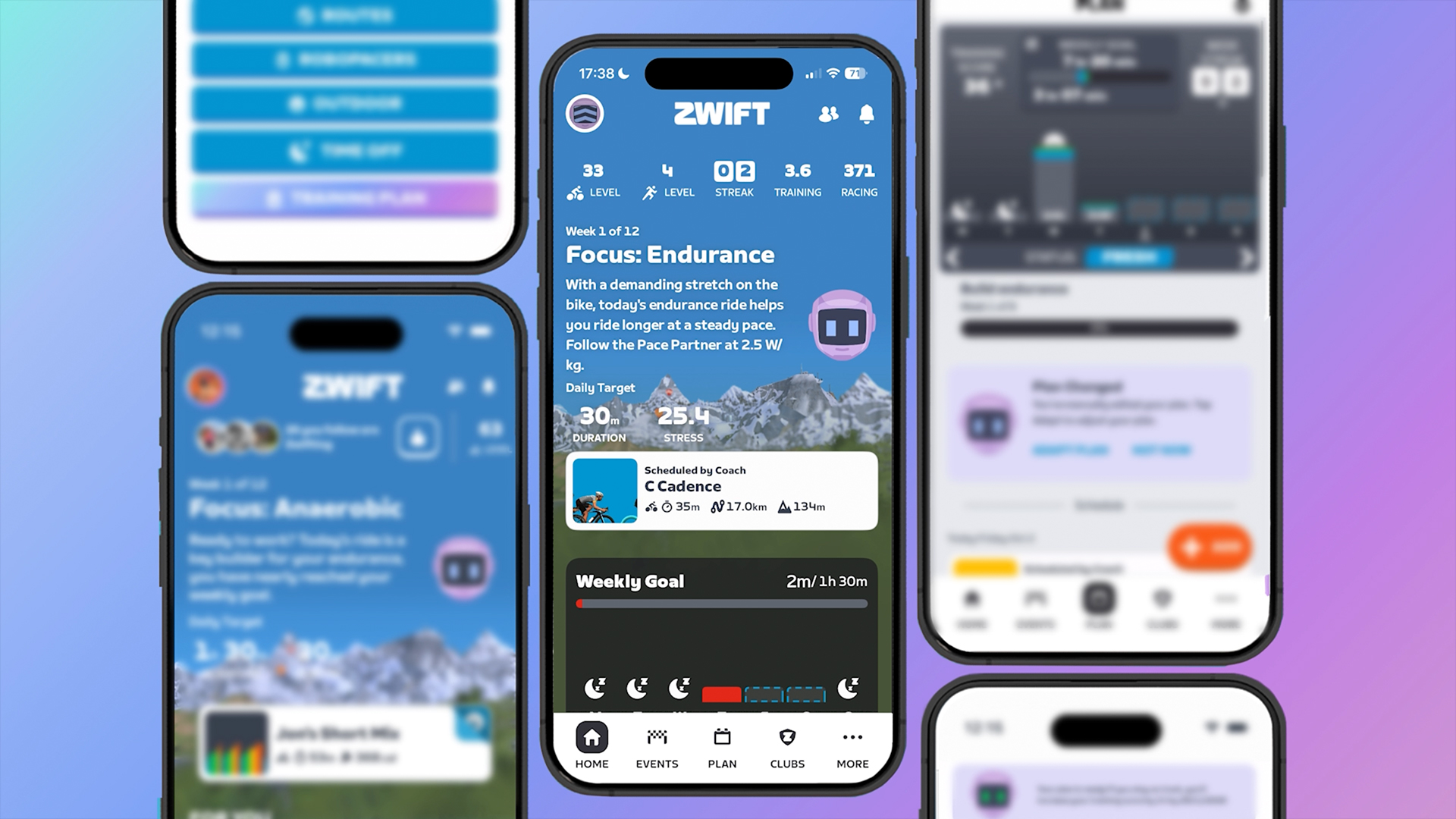
Zwift has offered structured workouts and training plans for a number of years, although it's fair to say these have been more basic than those offered by some of its competitors, as the platform has focused more on things such as community and virtual racing.
TrainerRoad, for example, launched its own adaptive training coaching plans in 2021.
Around this time last year, though, Zwift announced it would be bringing a new AI-driven tool to the platform to help riders solve the conundrum of 'what should I do today?'.
At the time, Zwift said it had “big visions” for this tool and its ability to offer training periodisation.
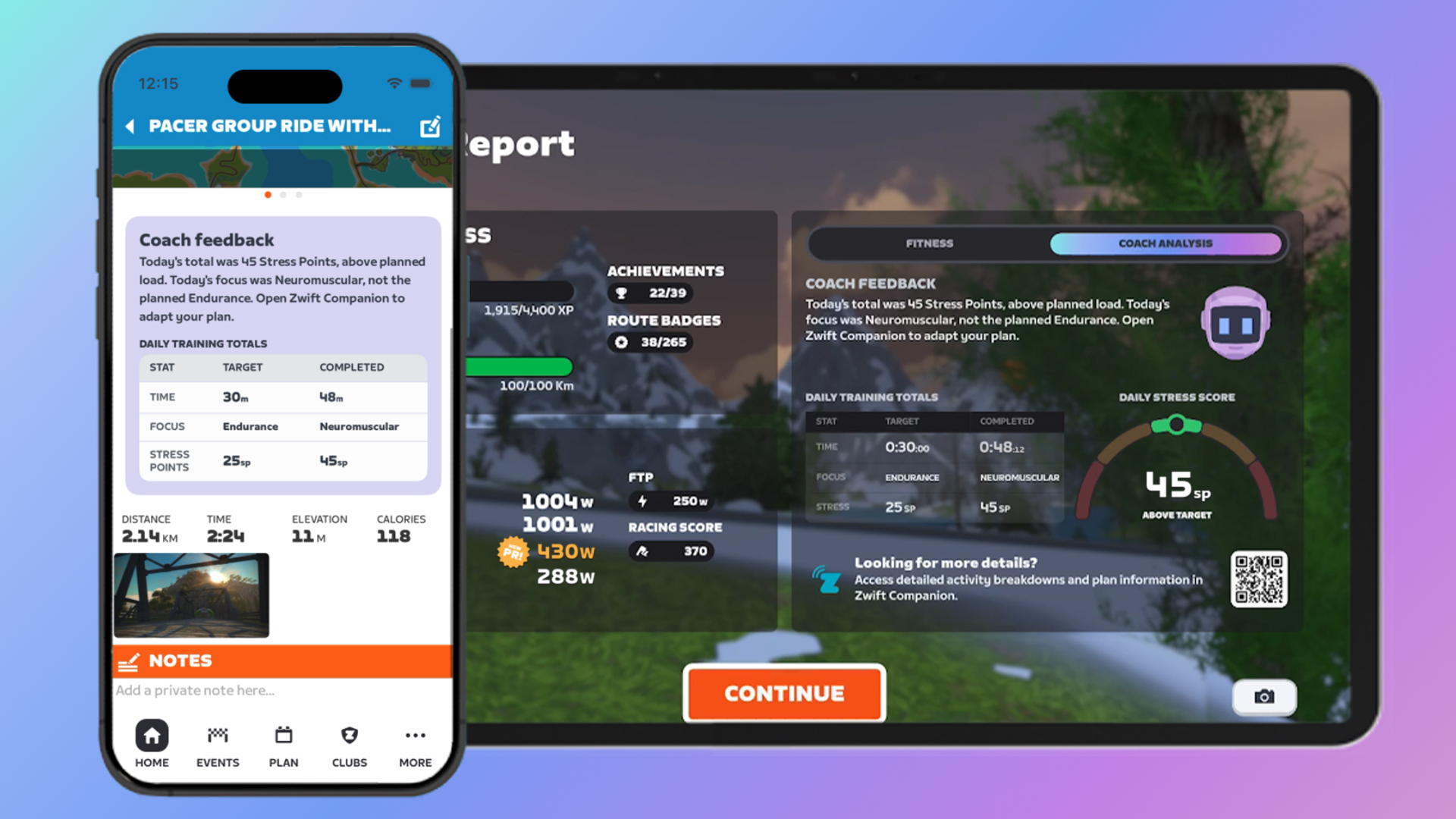
By analysing data uploaded to the platform for both indoor and outdoor rides, Zwift says its tool can judge your current fitness levels, strengths and weaknesses, and then suggest workouts designed to improve your abilities at a sustainable rate.
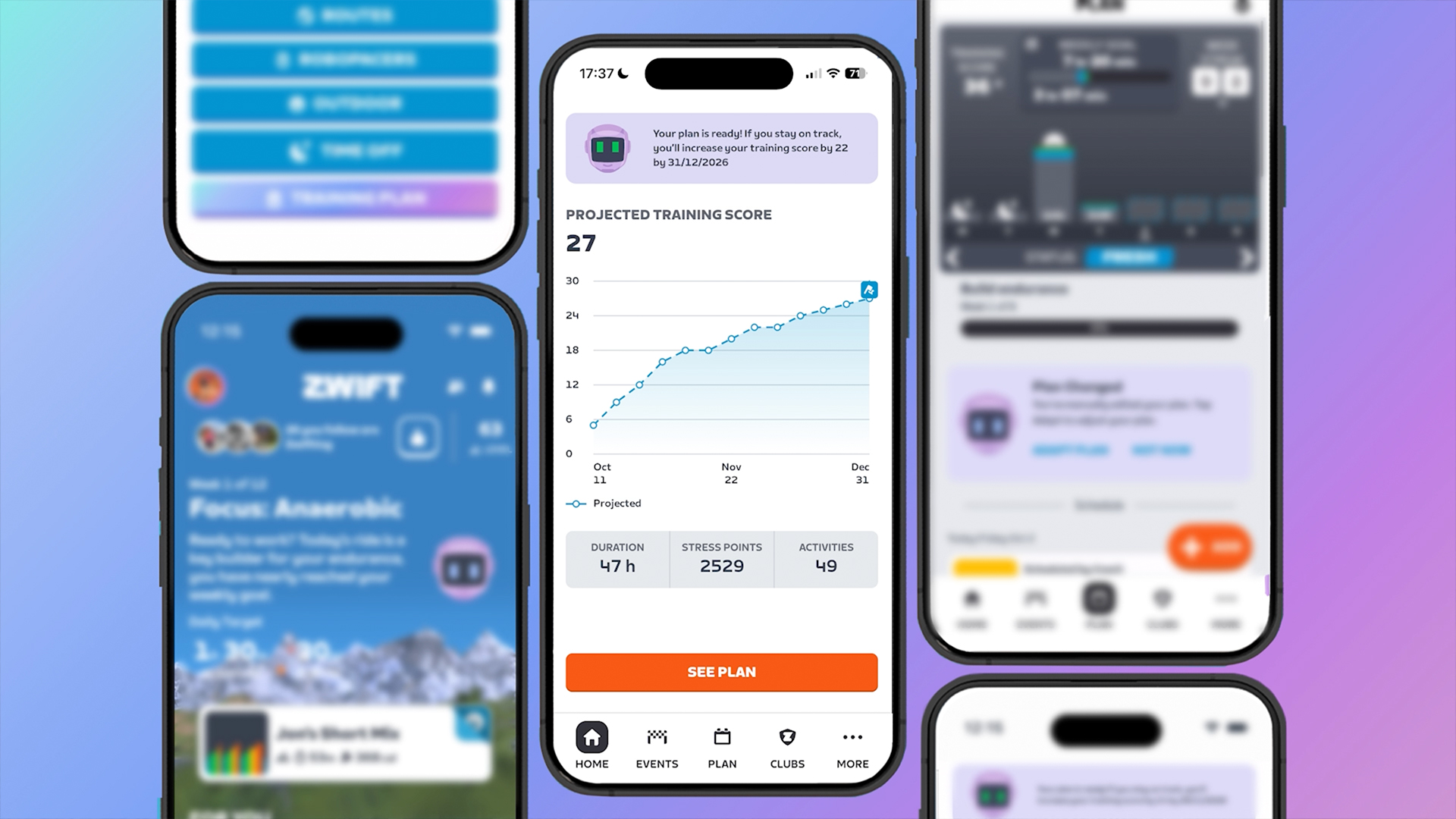
Key to this is Zwift Coach’s ability to adapt to your changing needs.
If you miss a workout (or a series of them) through illness, go easier or harder than was prescribed in a session or decide to go do an outdoor group ride, and so on, the app will prompt you to approve adjustments to the plan to keep your fitness goals on track.
According to Zwift, the training plans are determined by “science-based” models, with the AI adding an additional layer of personalised coaching and feedback – explaining the goals for a session ahead of rides and providing feedback on performance afterwards.
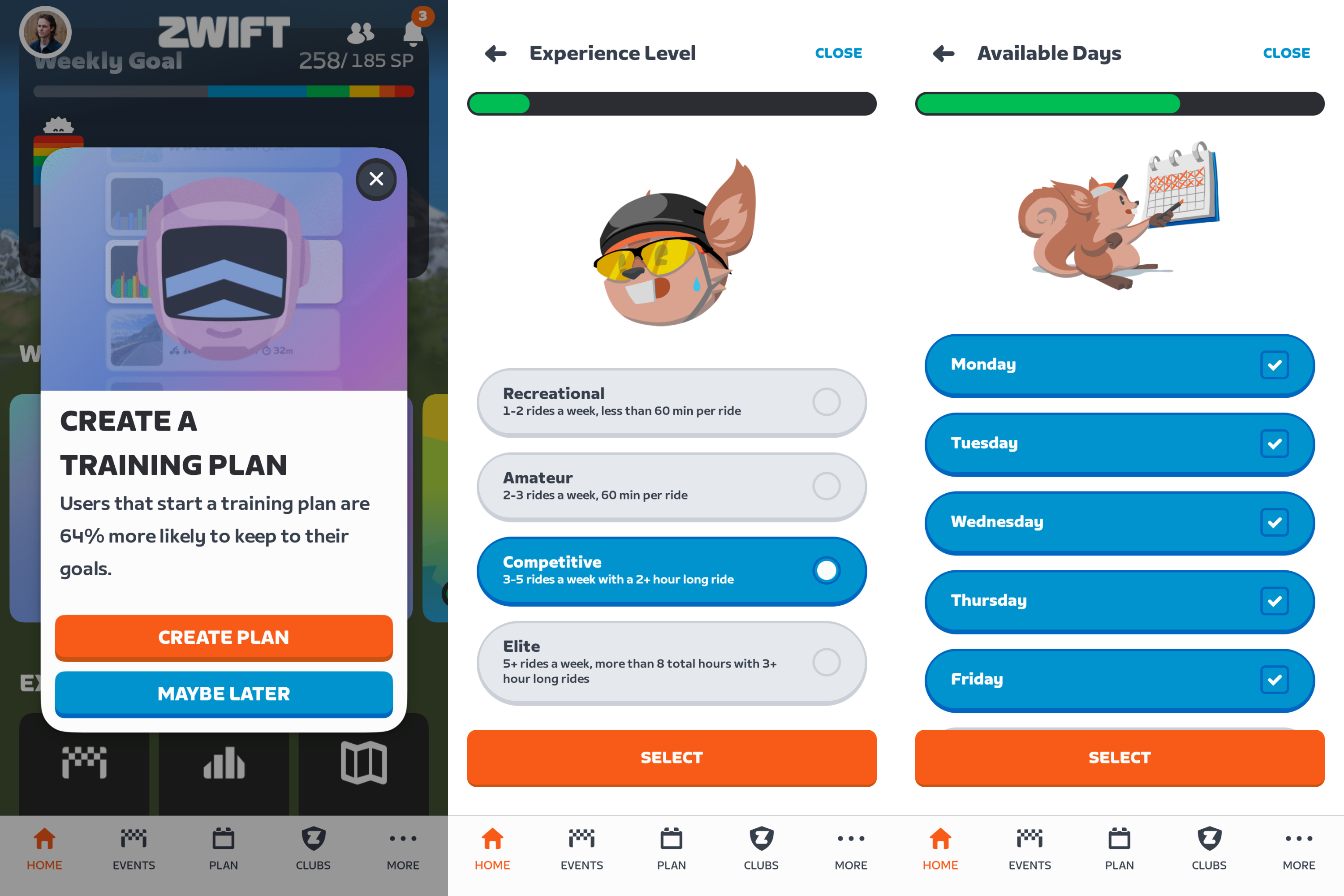
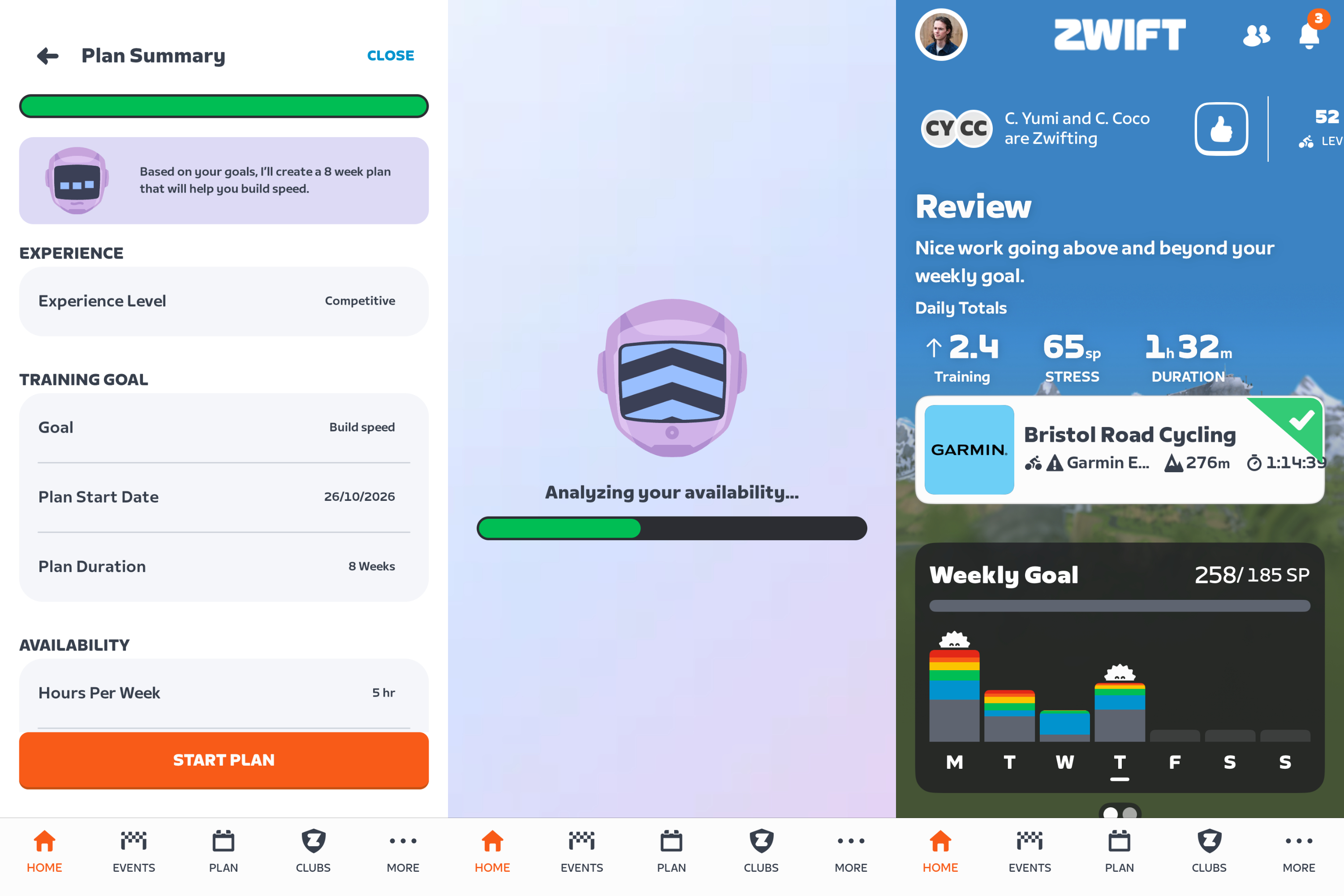
To build a plan, riders have to complete a survey answering questions such as how much they ride per week, what days they have available to train, what their goal is and so on.
Workouts and sessions then appear “front and centre” in Zwift and Zwift Companion apps.
To incentivise riders to complete sessions, Zwift Coach will reward riders with “in-game unlocks” such as experience points and “celebration moments” that “bring fun to your achievements”.
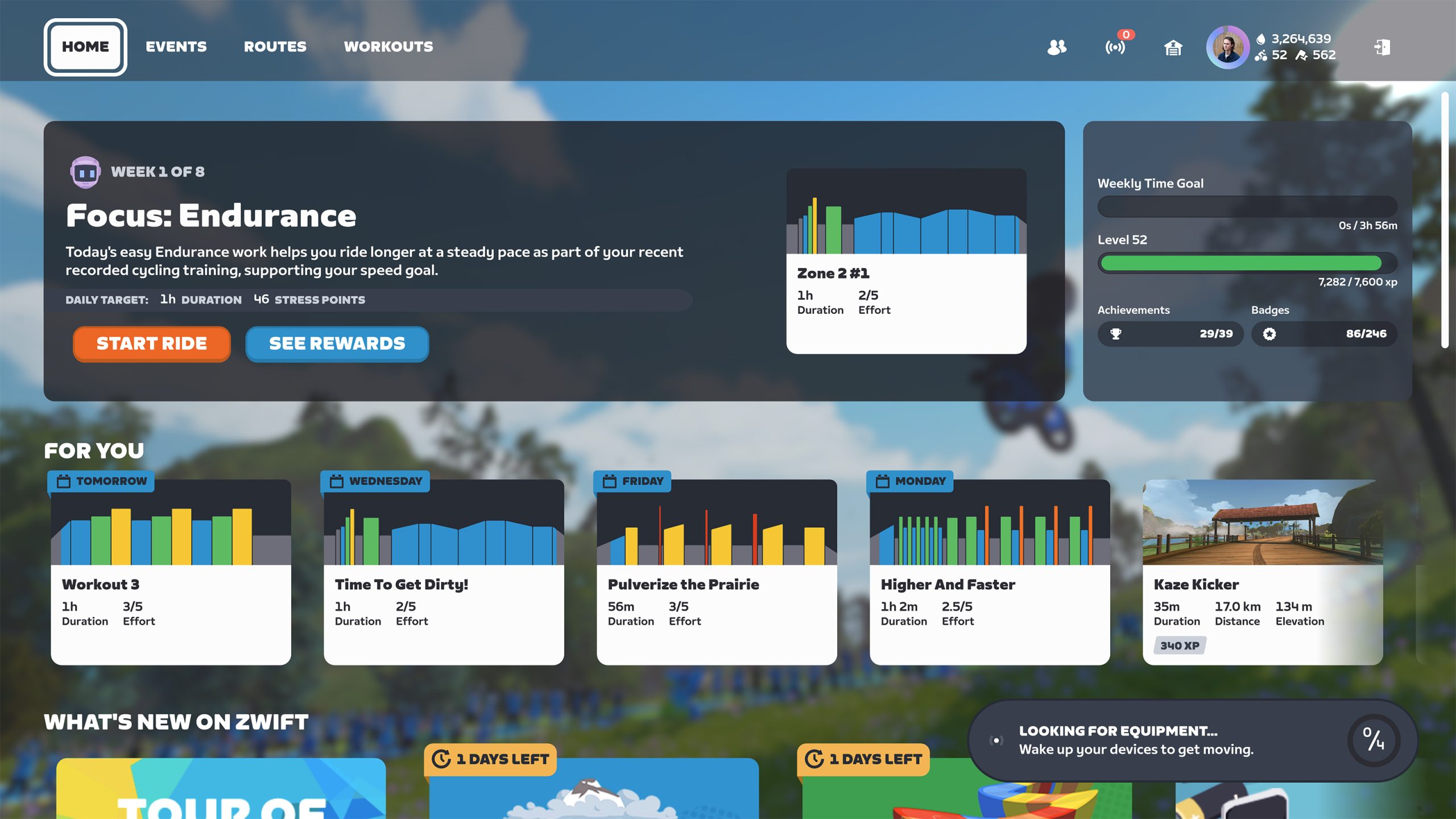
According to its internal testers, two riders following a Zwift Coach training plan saw increases in their Functional Threshold Power (FTP) of 12 and 18 per cent respectively.
Zwift says more features are coming to Zwift Coach in the future, such as the ability to choose alternative workouts, deeper levels of personalisation and ‘Coach chat’, where you can ‘chat’ to the AI coach about your plan, prompt it to make adjustments, “and more”.
Zwift Video
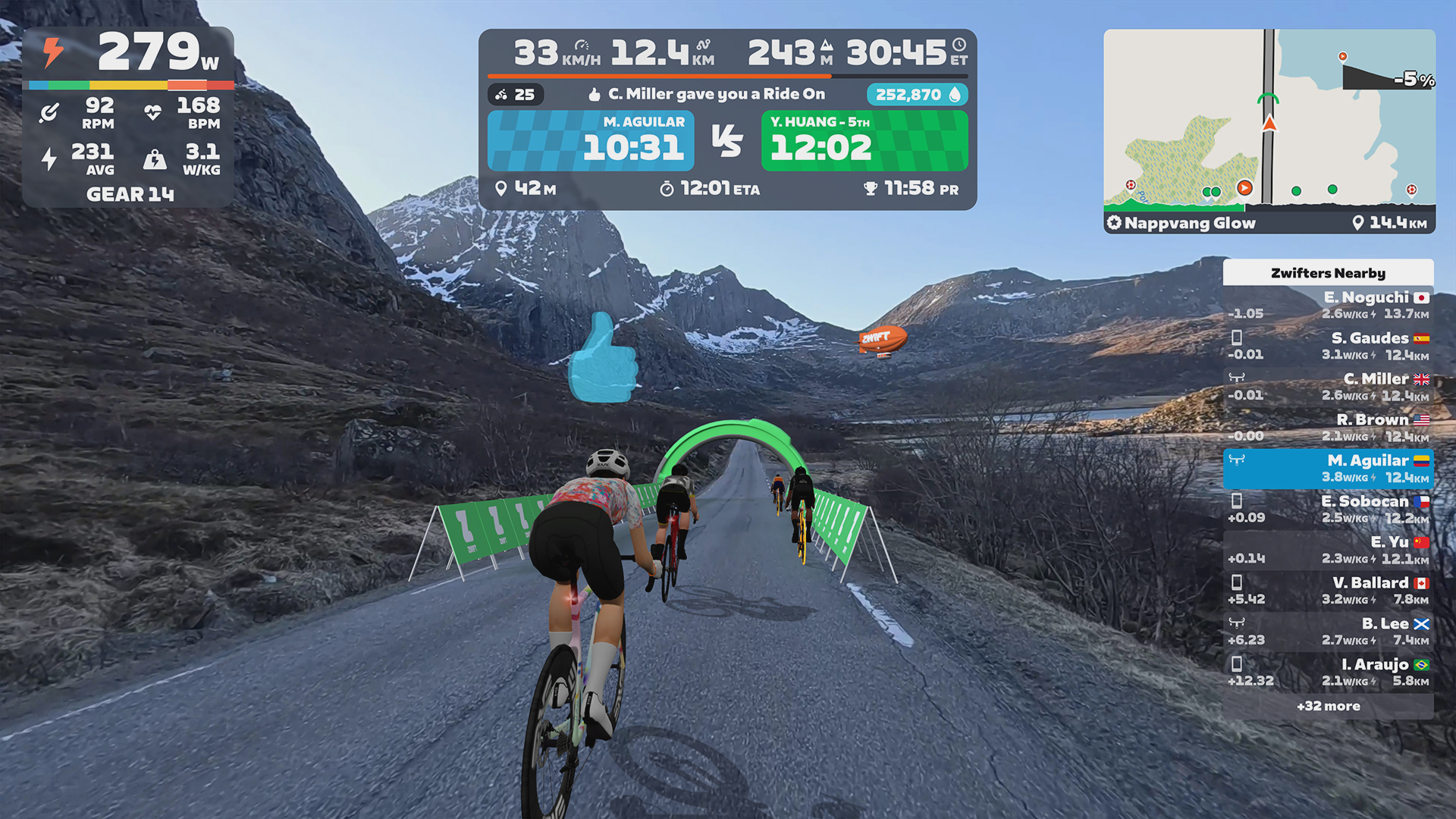
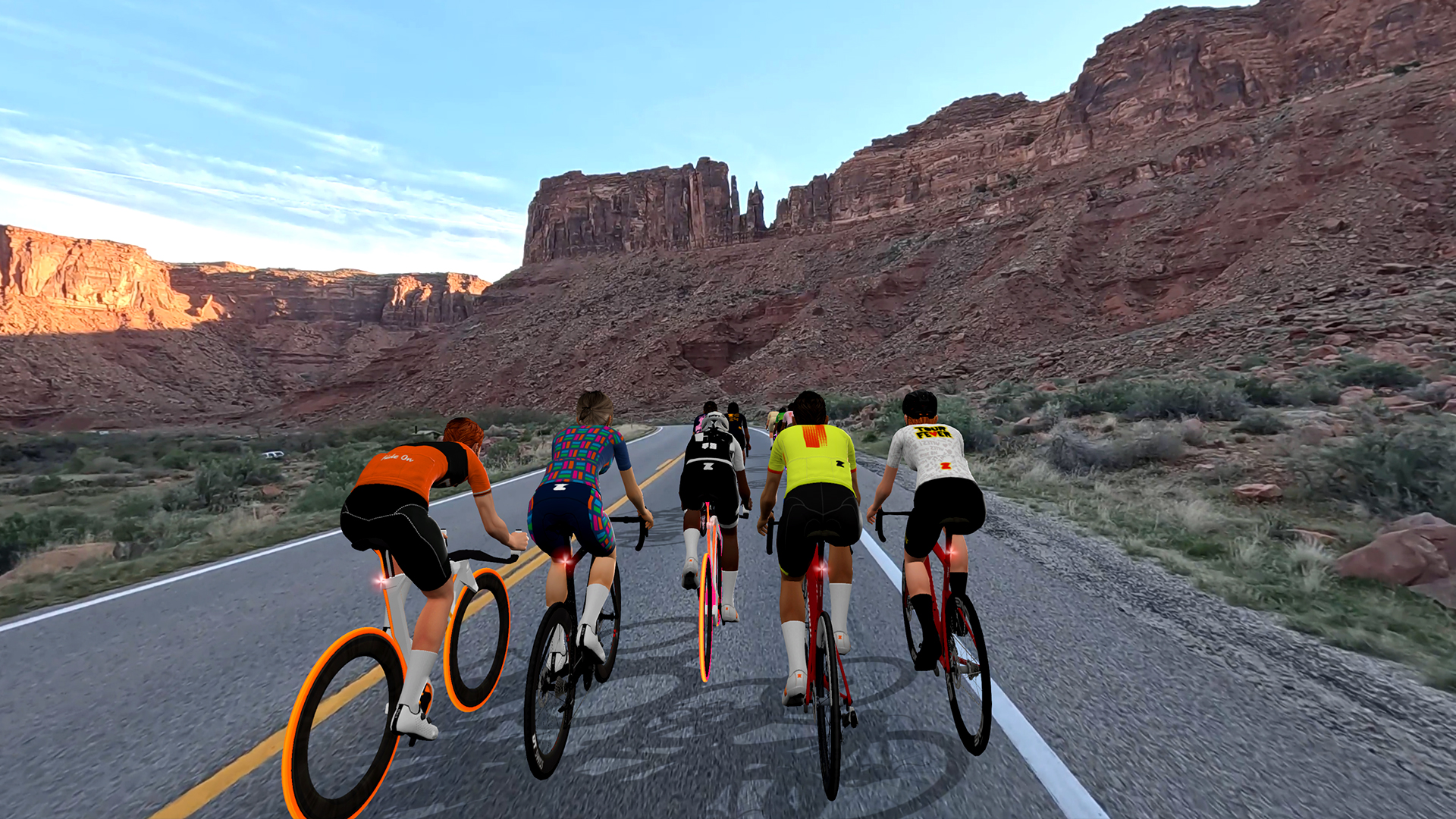
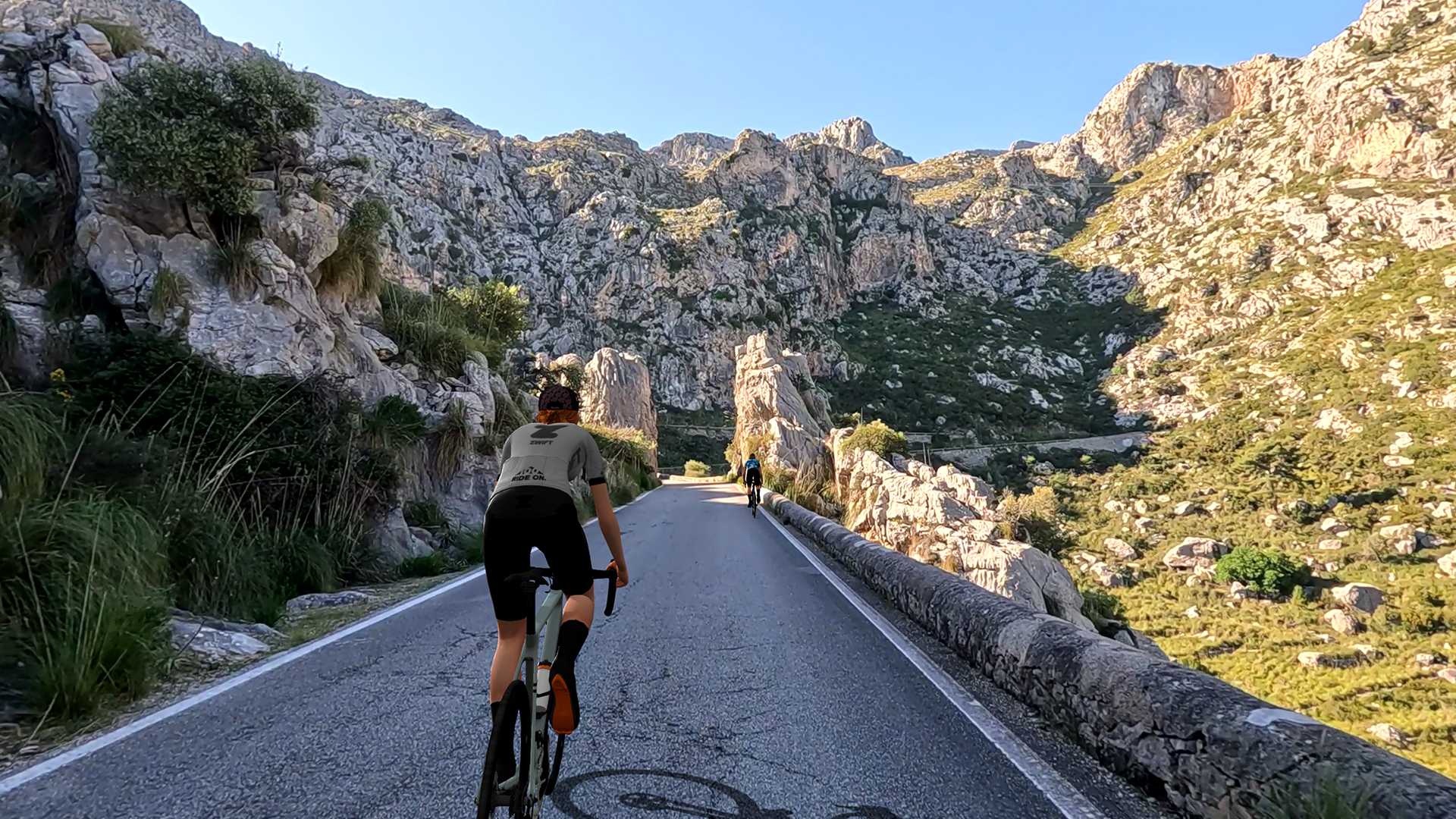
As on Rouvy, Zwift Video places rider avatars into videos captured in real-world locations.
At launch, Zwift Video will include 21 new routes and 385km of new roads, across six locations around the world. Additional roads and destinations will be added regularly, says Zwift.
Like Zwift’s virtual worlds, there’s a healthy mix of terrain on offer, from flat rides to iconic mountain climbs (such as Sa Calobra in Majorca, Spain and the Col du Galibier in France) and gravel trails to “hidden gems” from around the world.
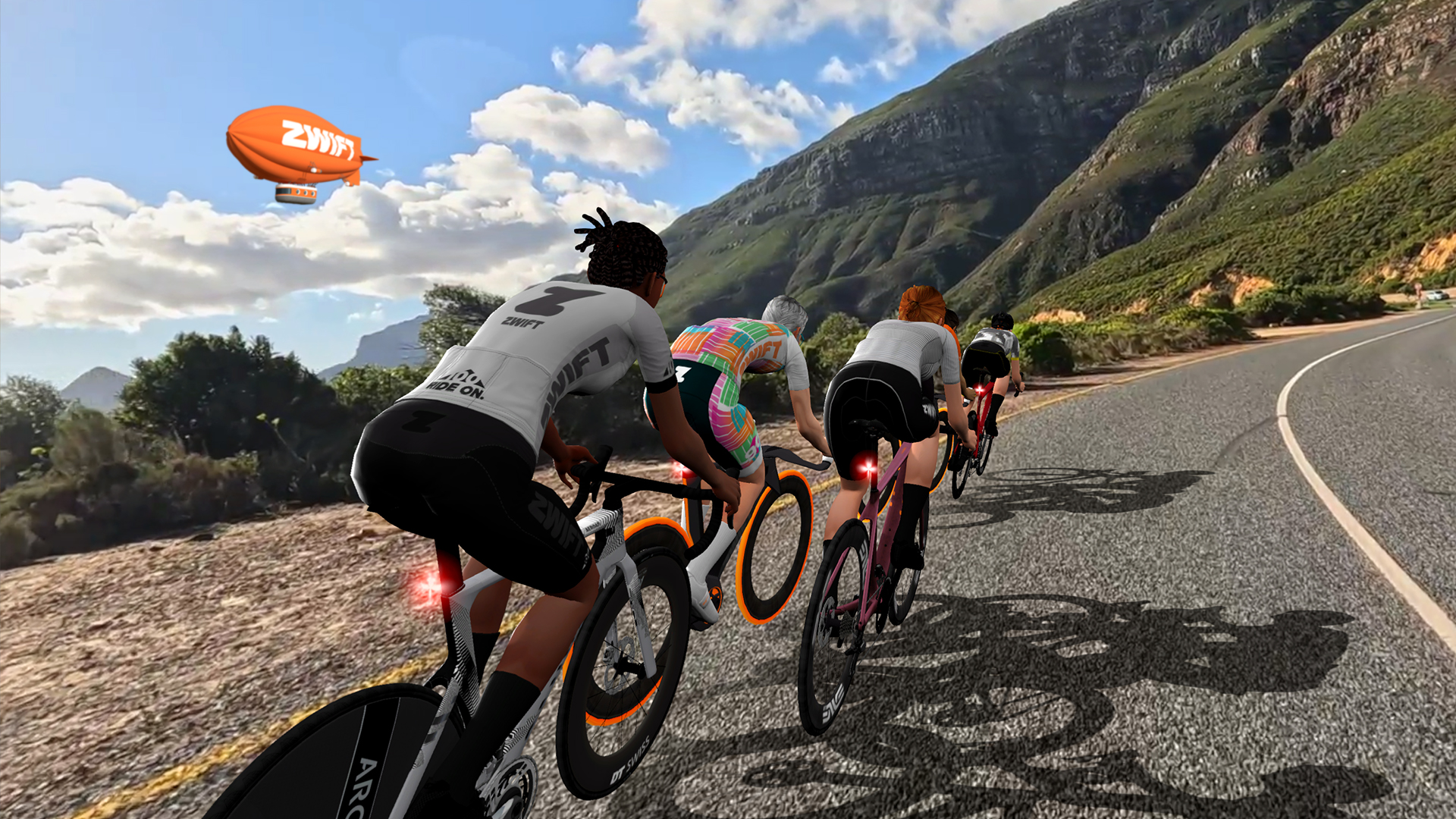
Each route is designed to be ‘lappable’, with riders automatically teleported back to the start point of each route at the end of a lap – so rides or workouts aren’t interrupted just because you ‘finish’ a route.
The various surface types featured in each video (gravel, freshly laid tarmac and broken pavement) will also feature their “own unique rolling resistance” to help improve immersion.
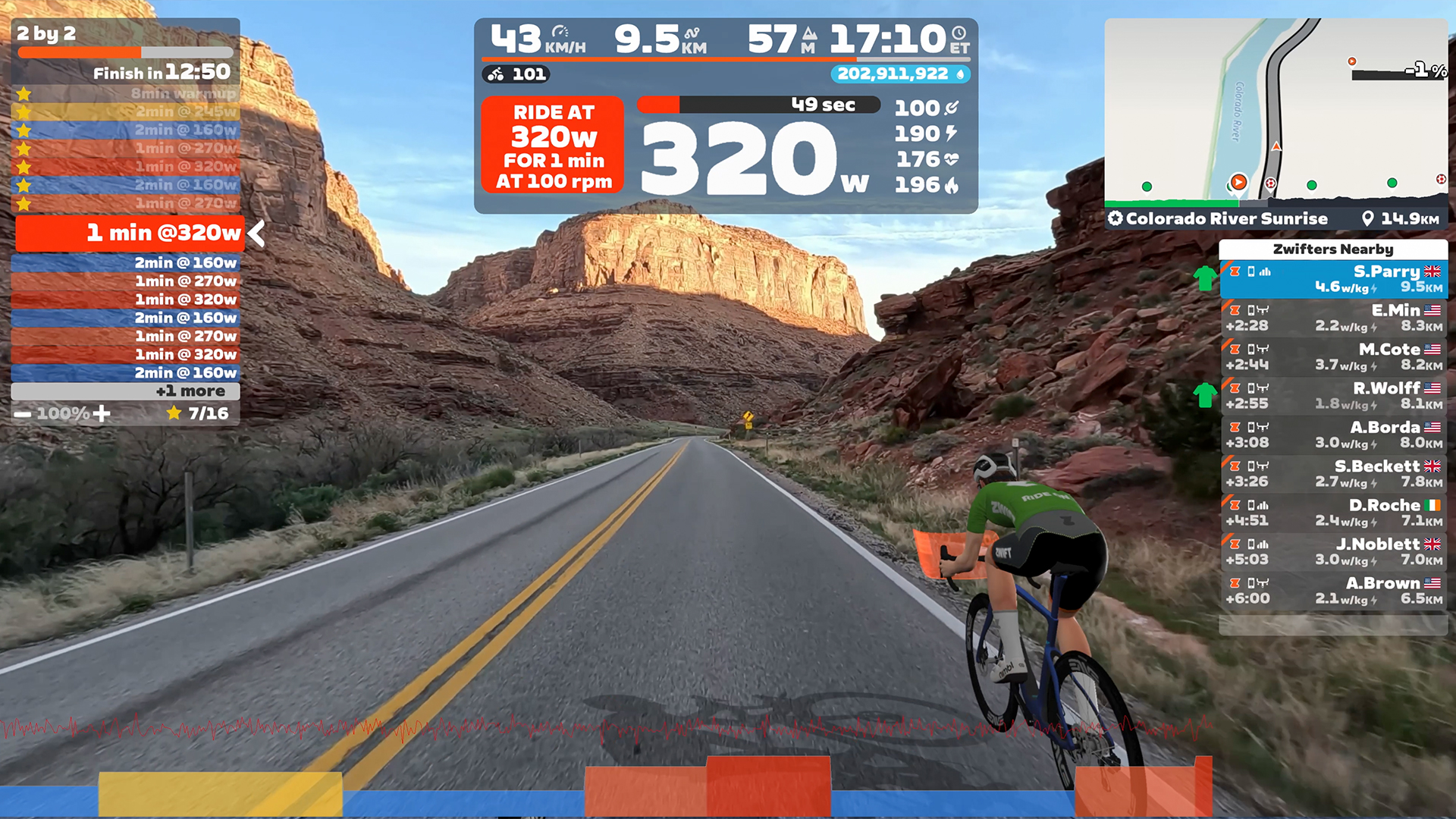
Familiar elements from Zwift’s virtual worlds, such as segments, challenges and XP are also integrated into Zwift Video routes.
Each video route is recorded in 4k resolution and Zwift said it paid close attention to recording the videos at realistic cycling speeds so the pace feels natural.
Why does Zwift+ exist?
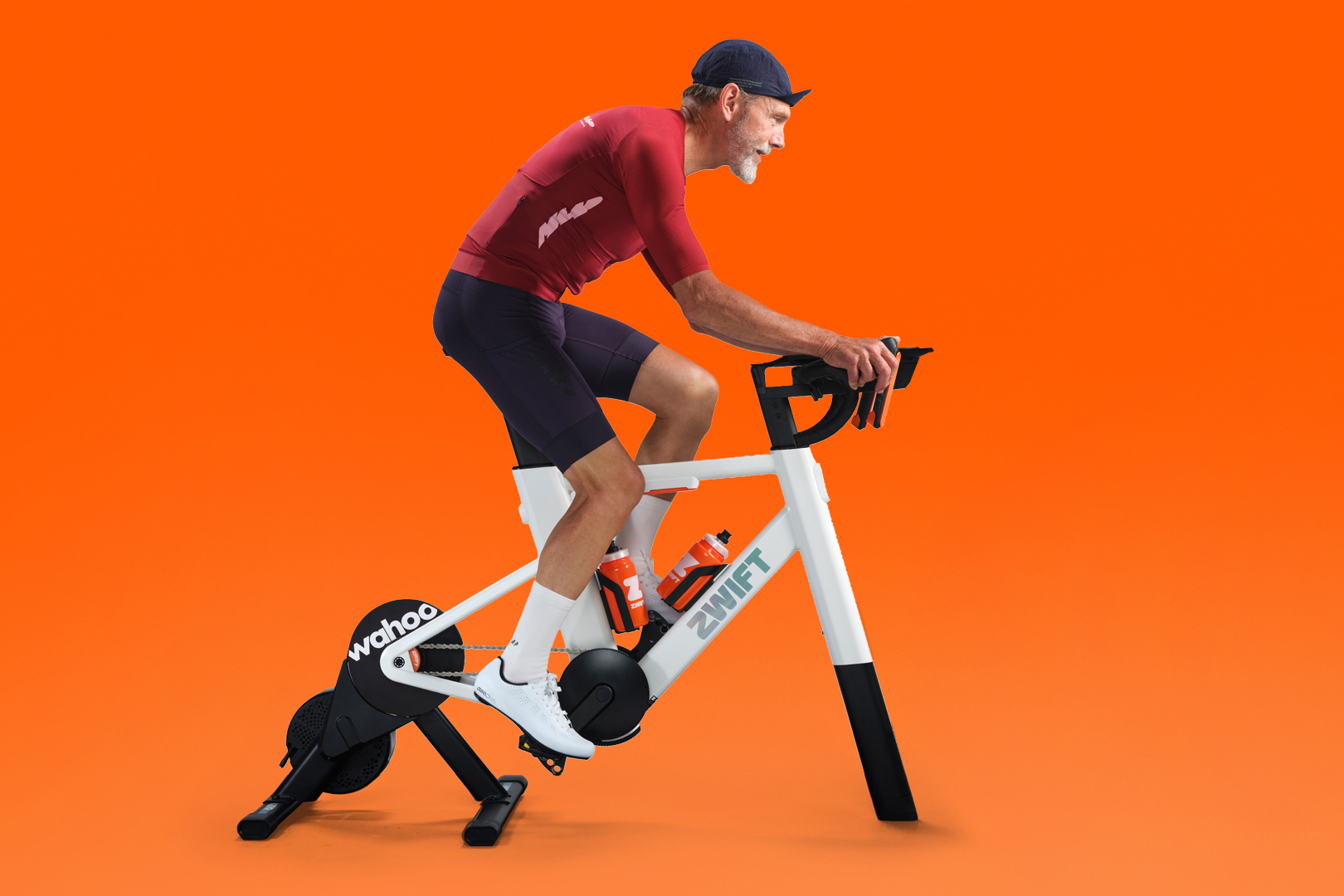
Zwift has often stated one of its key goals is to make its platform as accessible as possible for new riders – hence its championing of things such as the Zwift Ride smart indoor bike and the Zwift Cog single-speed adaptor.
The launch of a premium tier costing almost £30 / $40 / €30 per month seems starkly at odds with that goal, then.
After all, a quick survey of the BikeRadar office indicated most feel the existing ‘standard’ tier – which costs £17.99 / $19.99 / €19.99 per month – is already fairly pricey.
Adding new features costs money, of course, but with an estimated user base of around one million paying subscribers (according to an interview with Bloomberg in 2023), and a valuation of more than $1 billion, as of earlier this year, Zwift hardly seems short of cash.
In any case, the new coaching features seem fairly easy to explain.
While Zwift has focused on its lively online community and ever-expanding virtual worlds with great success over the years, structured training and workouts have always taken something of a back seat on its platform.
The recent rise of AI, though, clearly presented Zwift with an opportunity to improve on this aspect of its platform – making it more of a one-stop shop for training and racing than ever before, and keeping subscriber eyes off competitor options.
Zwift Video seems harder to explain at face value given it looks so similar to what Rouvy offers – and almost the antithesis of what Zwift has been all about up to this point.
When quizzed on this point, Snook said Zwift sees Zwift Video as “an extension of Climb Portal”, an existing feature that enables users to ride famous climbs in a simplified virtual world, rather than as a replacement for its virtual worlds.
Snook explained Zwift users are always asking for more virtual roads, but that since Zwift’s worlds are incredibly detailed, they’re extremely difficult to build at scale and pace.
Video routes, in contrast, will enable Zwift to add many more kilometres of virtual roads at a much faster rate than if it tried to faithfully recreate those same locations using 3D graphics.
Asked whether Zwift Video represents ‘the future of Zwift’ and whether development resources will be focused on this feature going forward, Snook insisted its existing virtual worlds and features won't be left behind.
Video routes, Snook says, have a dedicated team of developers, on top of the personnel Zwift already has for everything else on its platform.
Still, though, it’s not hard to imagine Zwift choosing to focus more on this style of virtual riding, if it proves successful in driving subscribers to the new premium tier.
Is Zwift+ any good?
Whatever you think of it, the key questions for many Zwift subscribers are whether Zwift+ is any good – and, crucially, whether it’s worth the additional £9 / $10 / €10 a month.
I was able to get access to a beta version of Zwift+ just before the launch, and have a quick nose around the new features and some of the video routes.
Given you can only reap the rewards of a long-term training plan once you’ve done the work, I’ll reserve judgement on whether Zwift Coach is an effective training tool.
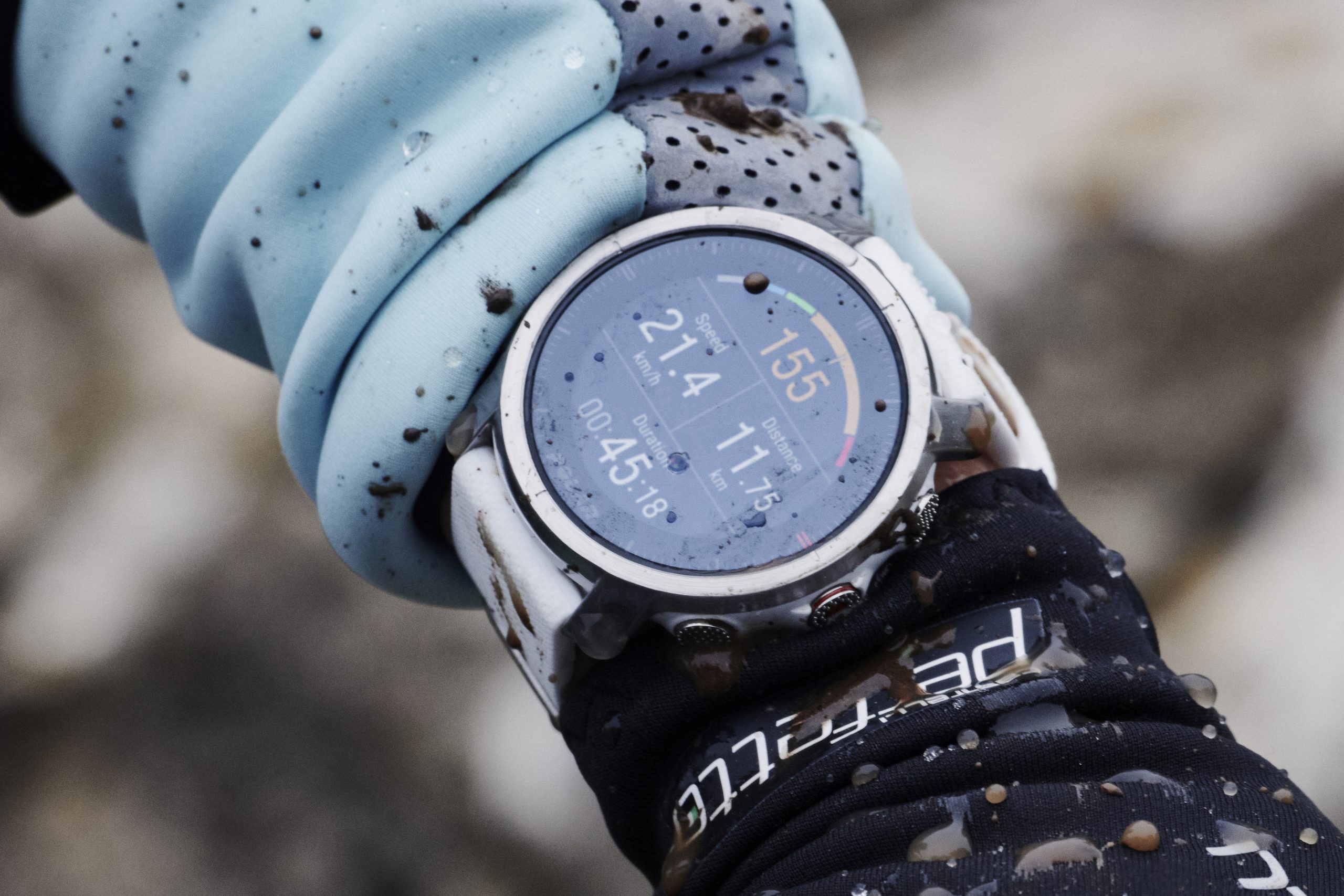
Nevertheless, one obvious potential issue is Zwift Coach can only account for training you do in-game and off-platform via connected devices such as Garmin, Wahoo and Hammerhead bike computers and smartwatches.
If you’ve got an unsupported device (such as my Polar Grit X smartwatch), there’s no easy way to sync activities from it to Zwift – meaning Zwift Coach can’t account for them in its calculations about your fitness levels and workload.
Still, though, the fundamentals of progressive overload are well established. So if Zwift Coach can keep you on track with a training plan better than you might otherwise do alone, it stands to reason that it should work as advertised, and could represent decent value for money.
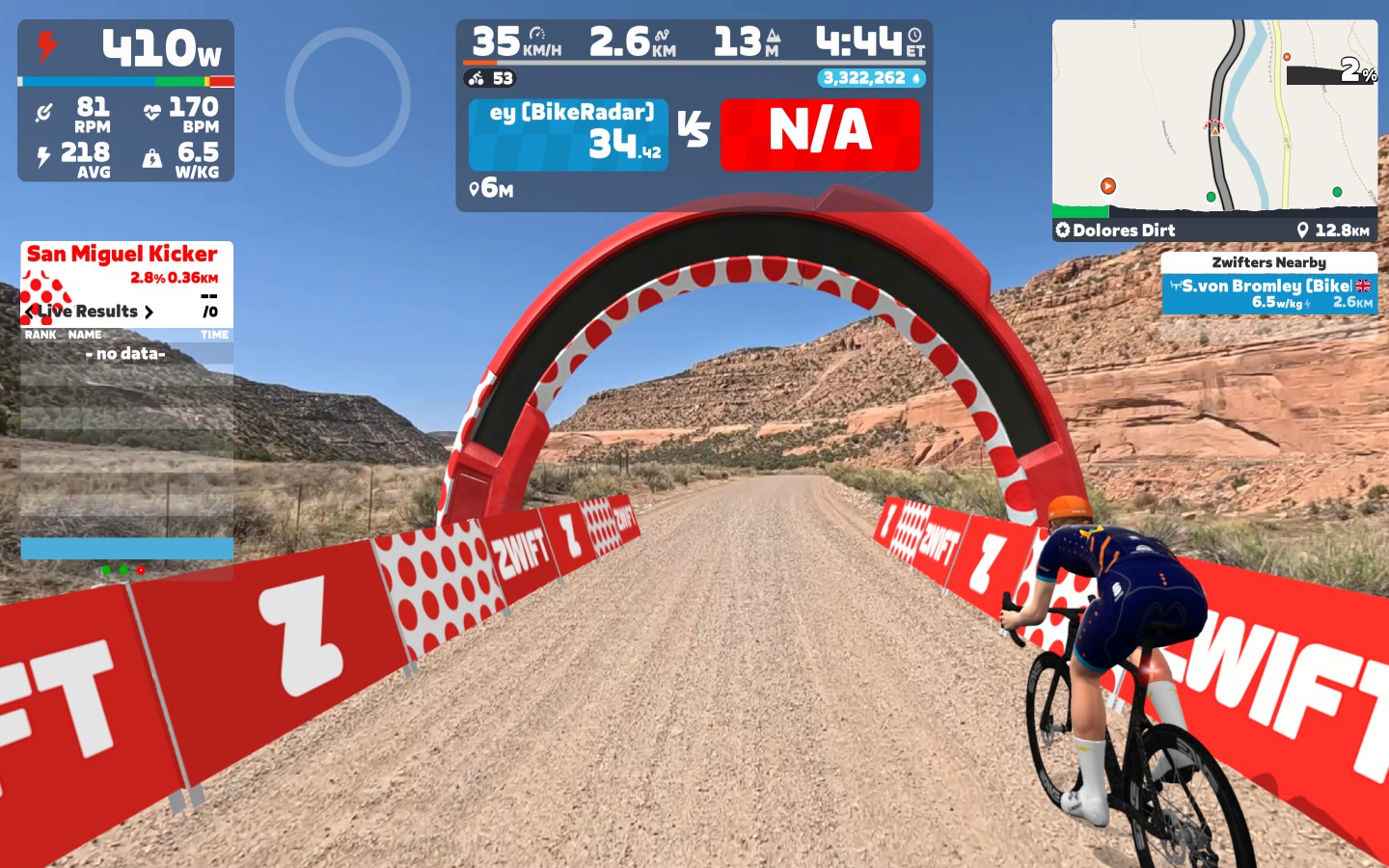
My initial rides on the Zwift Video routes left me feeling more sceptical, however.
The videos themselves look great, but the main problem was that the routes were completely empty, and devoid of the lively community that defines Zwift. As a result, I found them pretty boring to ride in.
This lack of other riders was to be expected, of course, given I was testing the routes prior to the official launch – meaning there weren’t any Zwift+ subscribers to share the roads with yet, or any group rides or races to take part in on these routes.
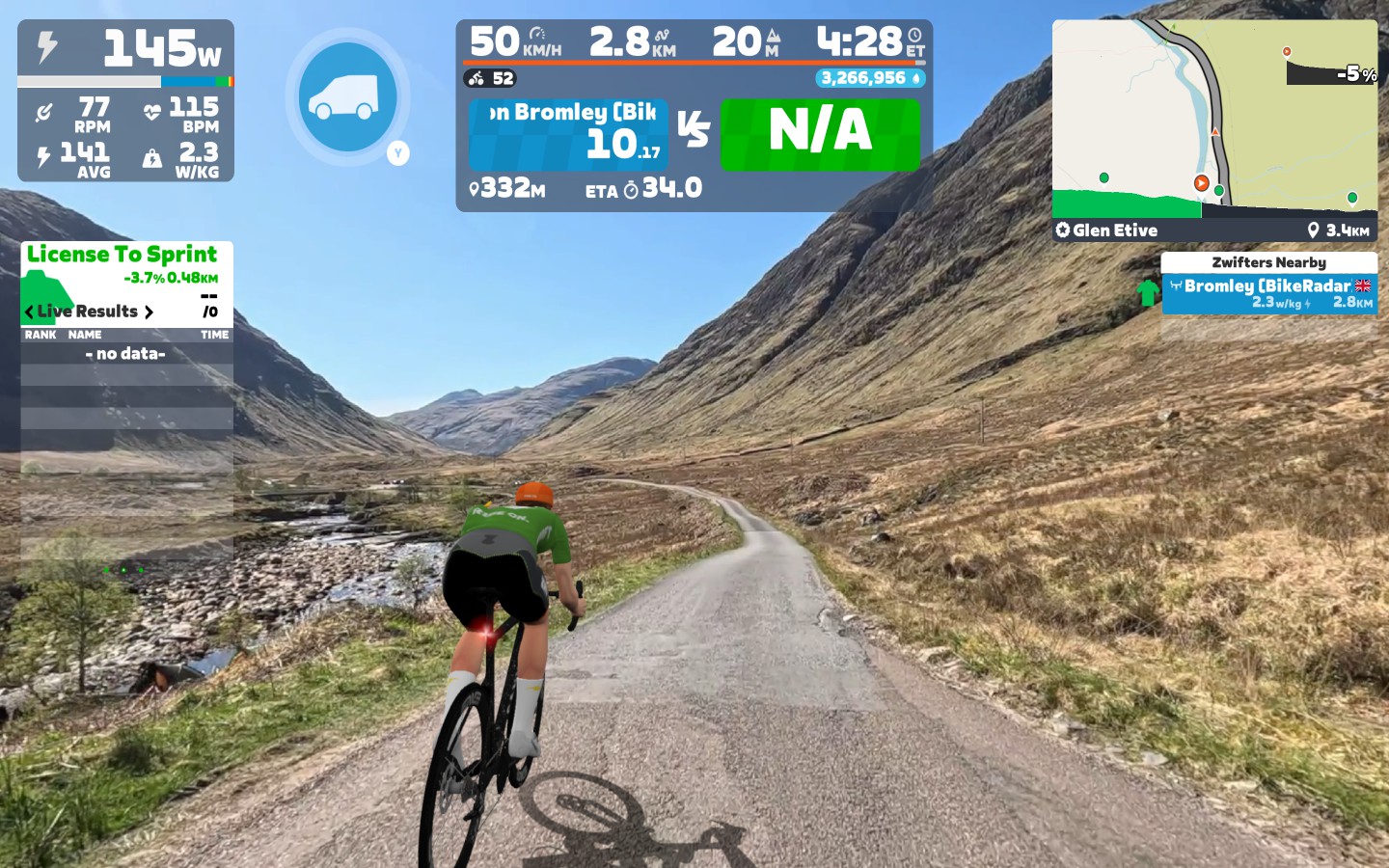
But if Zwift+ doesn’t prove successful enough to populate these routes in a similar manner to the existing virtual worlds – or the subscriber base becomes spread too thinly across an increasingly large library of video routes – I can’t see any reason to fork out an extra tenner per month for Zwift Video, as it didn’t feel like an upgrade on the ‘standard’ game at all.
If anything, the crisp, 4k visuals make the Zwift avatar graphics look far more dated than they do when in the virtual world, where everything feels cohesive.
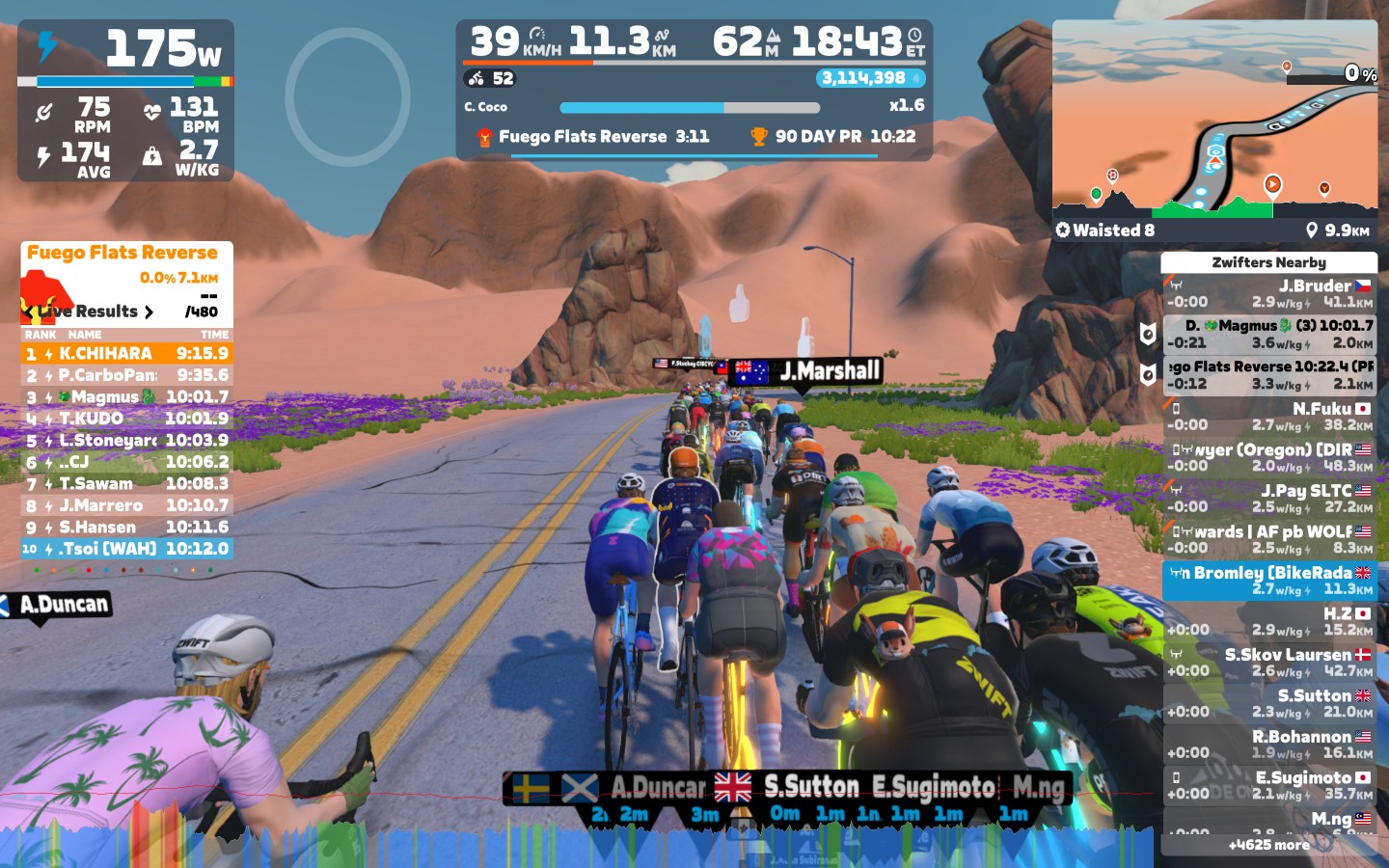
Zwift has said it will give existing subscribers a free month's trial of Zwift+, so it will be interesting to see how populated the video routes are during that period, and how popular they remain in the long-term, because that could be make or break for the new premium tier.


