
After weeks of teasing at pro races, the fifth-generation Cannondale SuperSix EVO is finally official – and I’ve been riding one for the past couple of weeks.
As with the latest Canyon Aeroad CFR, the new SuperSix EVO looks almost identical to the previous version at a glance.
Nevertheless, small changes have made the latest-generation SuperSix EVO even more of a racer's choice.
Does that mean it’s not the right bike for those who aren't pinning on a number at the weekend? Let’s find out.
Cannondale SuperSix EVO 3 (Gen 5) – key details
- Tweaks to the fork, head tube and seatpost offer small reductions in drag and weight
- Geometry tuned for a longer and lower fit
- Tested model costs £6,995 / $6,999 and weighs 7.7kg in a size 56cm (with bottle cages)
- Fitted with SRAM Force AXS and DT Swiss ERC 45 wheels
- A highly refined race bike with excellent handling, but check the aggressive geometry works for you
Cannondale SuperSix EVO 3 (Gen 5) ride impressions
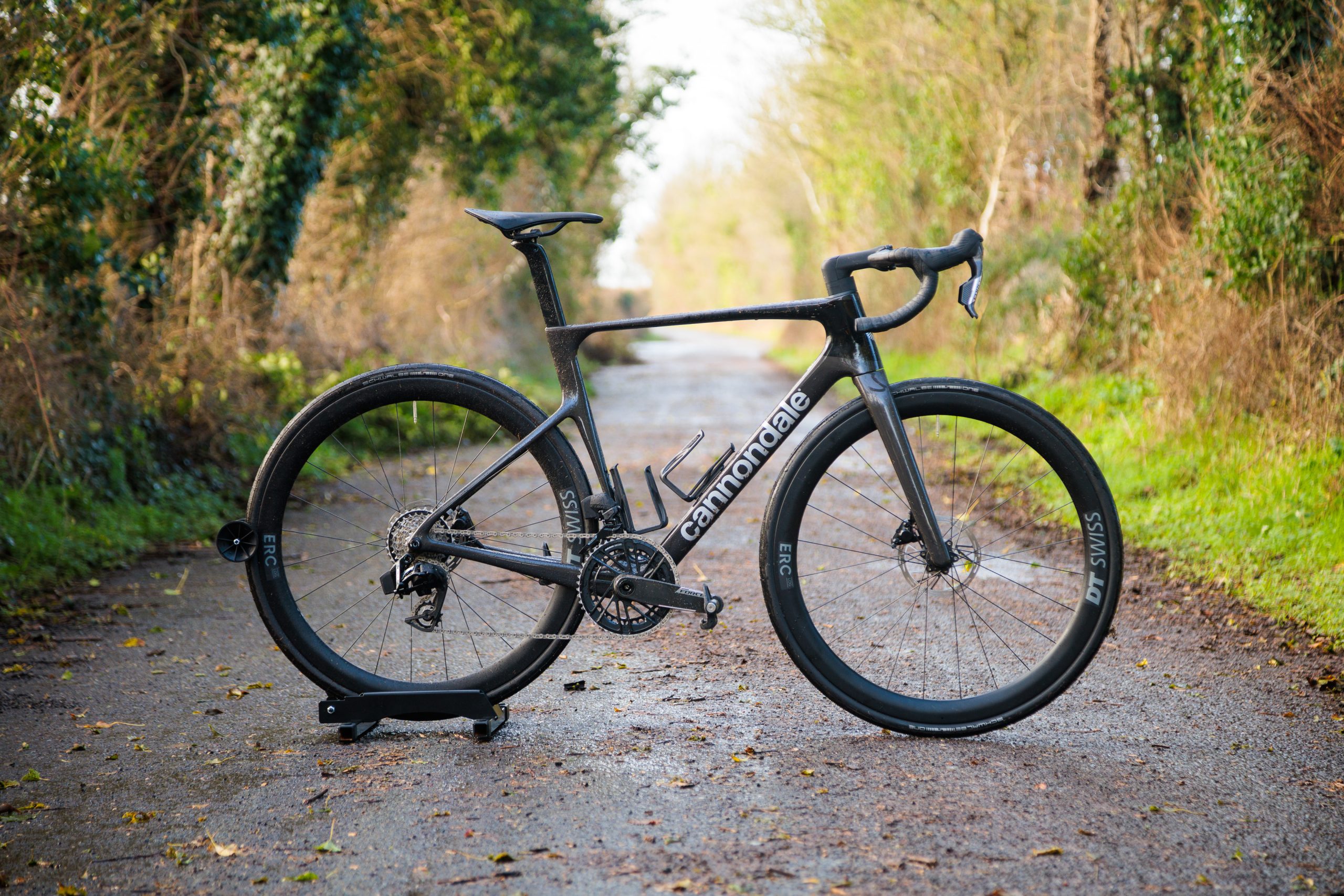
My overriding first impression of the new SuperSix was “wow, this feels long”.
Even as someone who’s ridden more than his fair share of long and low race bikes over the years, the new SuperSix stood out immediately in this regard.
Looking at the geometry numbers after my initial ride, Cannondale has indeed chopped 10mm off the head tube length, which reduces the stack by the same amount and increases the reach by 4mm.
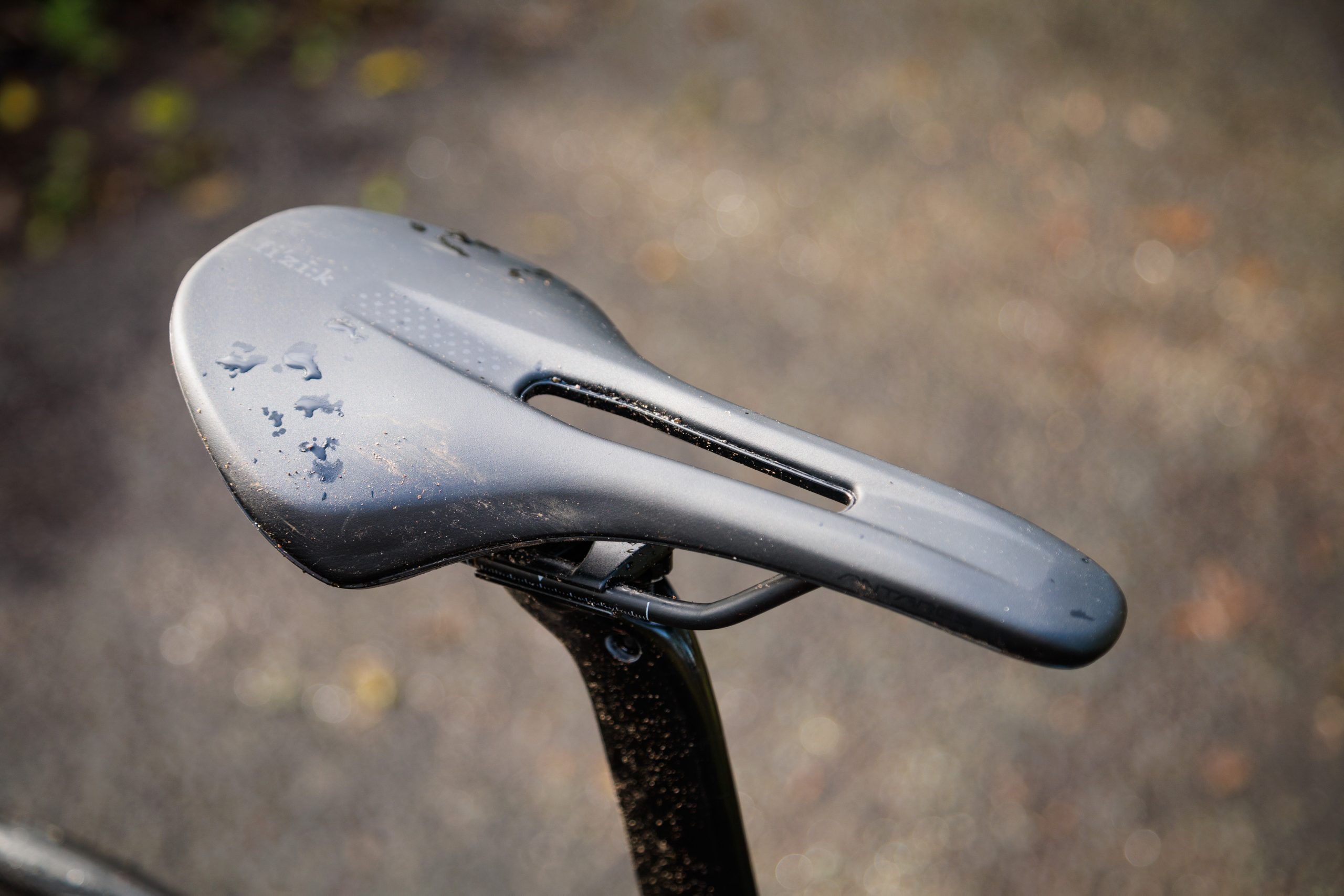
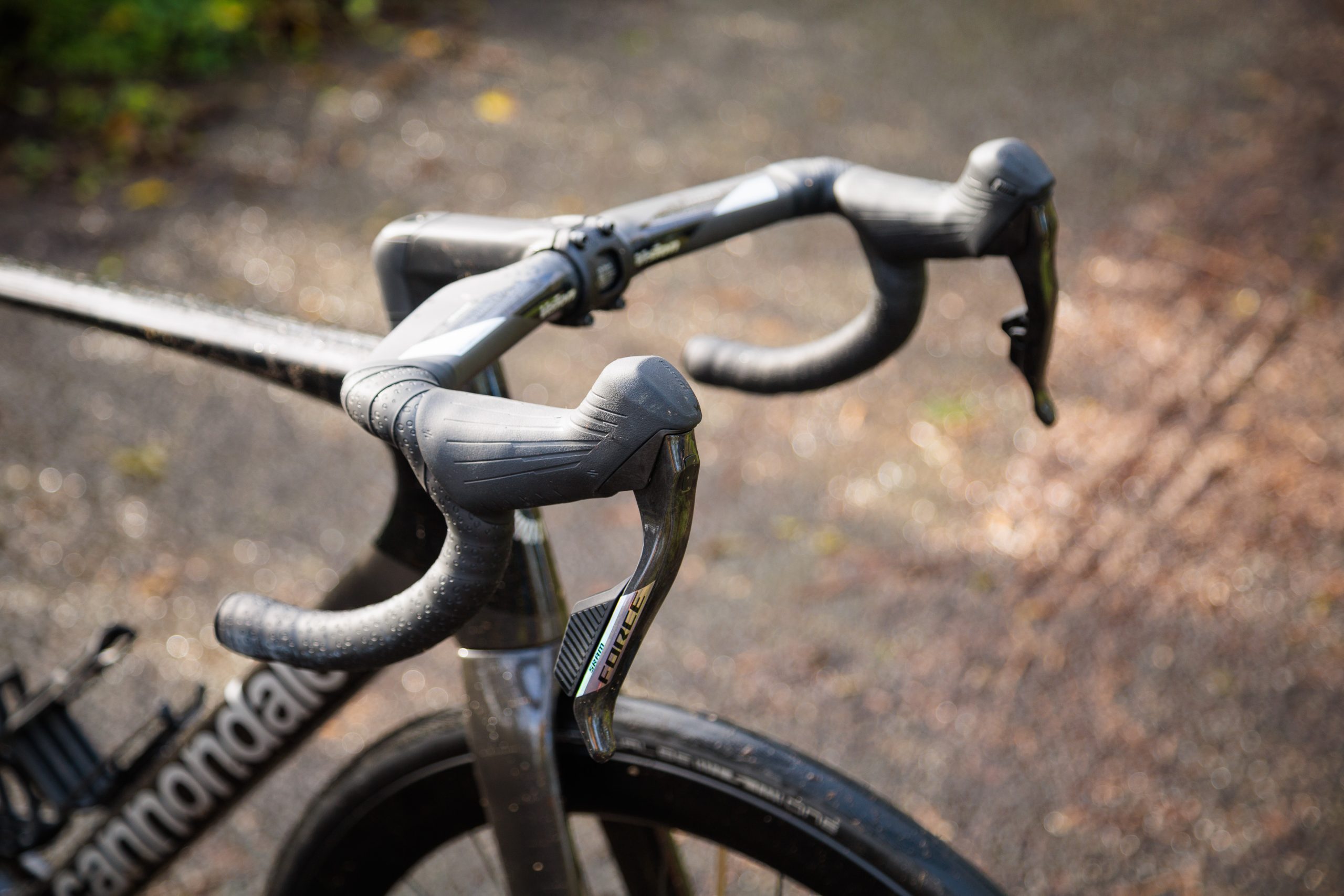
These are small changes in isolation, but combined with a 15mm-setback seatpost (on my size-56cm test bike – smaller sizes get an inline post), the relatively long Fizik Vento Antares saddle and the latest, longer SRAM Force AXS shifters, it’s a bike that had me feeling stretched out and tucked down from the first pedal stroke.

Once you (and your neck) get used to that, the SuperSix EVO’s well-earned reputation for balanced handling shines through.
This was my first time on a SuperSix, and the first Cannondale road bike I've ridden since testing the SystemSix Hi-Mod back in 2021, so to feel at home on it immediately is credit to the bike’s well-chosen handling geometry.
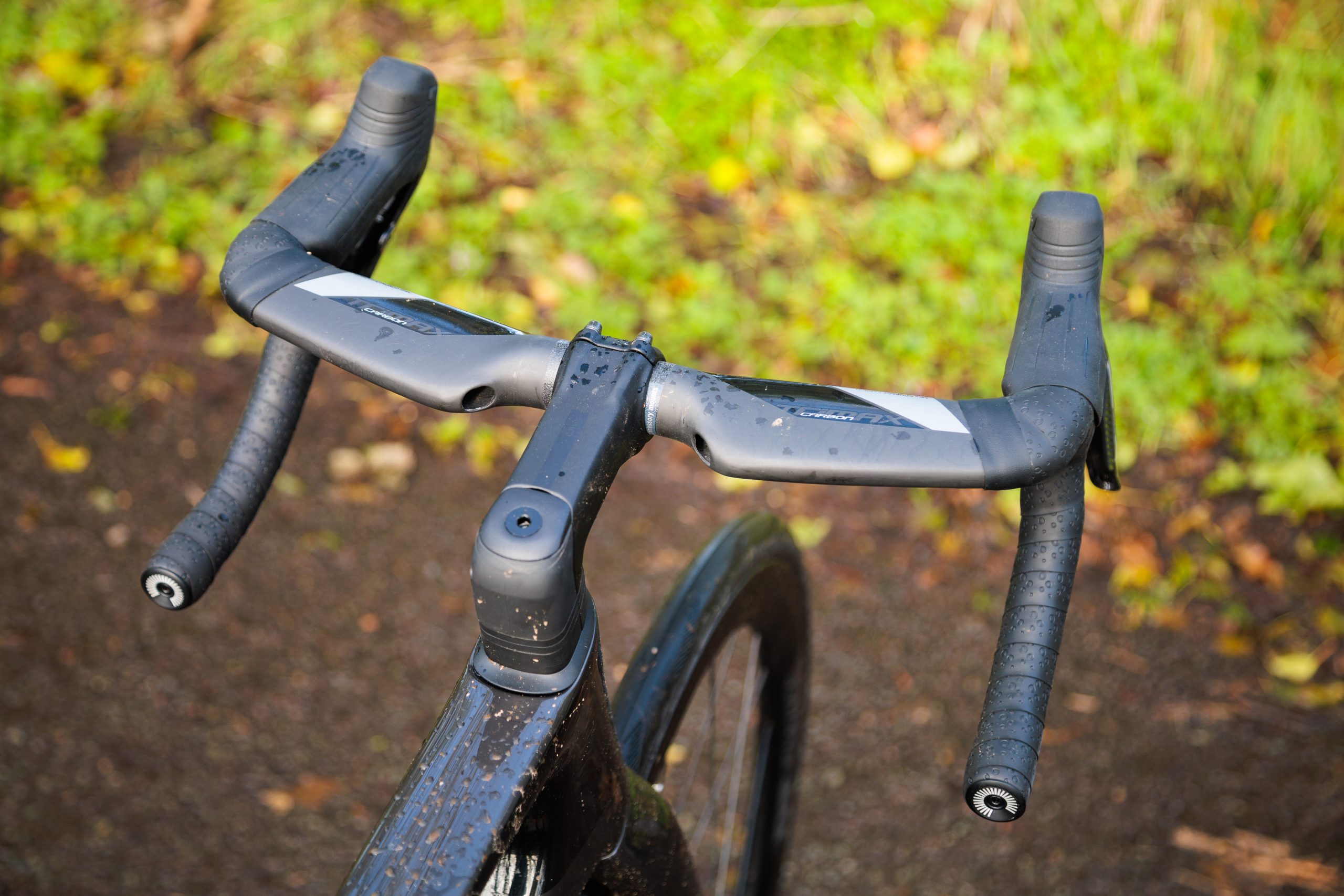
Forward-thinking, Cannondale has specced a narrow, 38cm Vision Trimax Carbon aero handlebar and shorter-than-usual 170mm cranks – good choices, but ones that might come as a surprise to those used to the 42cm bars and 172.5mm cranks typically seen on bikes this size.
Geometry aside, like all of the best road bikes, the SuperSix EVO 3 feels stiff and efficient through the pedals and when yanking on the bar. It still does a good job of smoothing out road chatter, though – especially with the wide DT Swiss rims plumping the 28c Schwalbe One TLE tyres out to just over 30mm wide.
Although at 7.7kg with the included aero bottle cages it’s not notably light (for comparison, Specialized’s Tarmac SL8 Pro weighed 7.46kg in a size 56cm, when I tested it in 2024), it nevertheless felt sprightly and reactive on climbs.
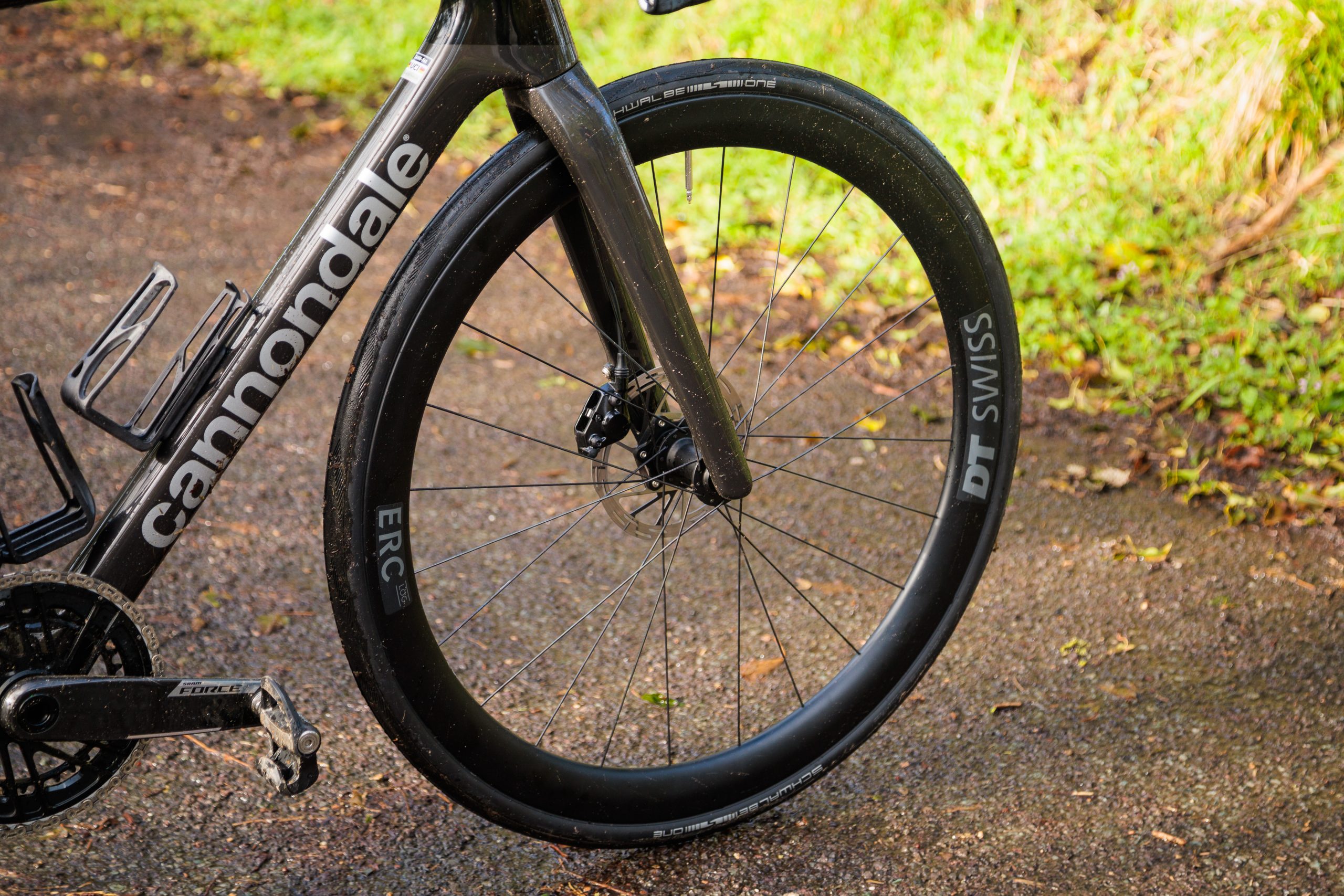
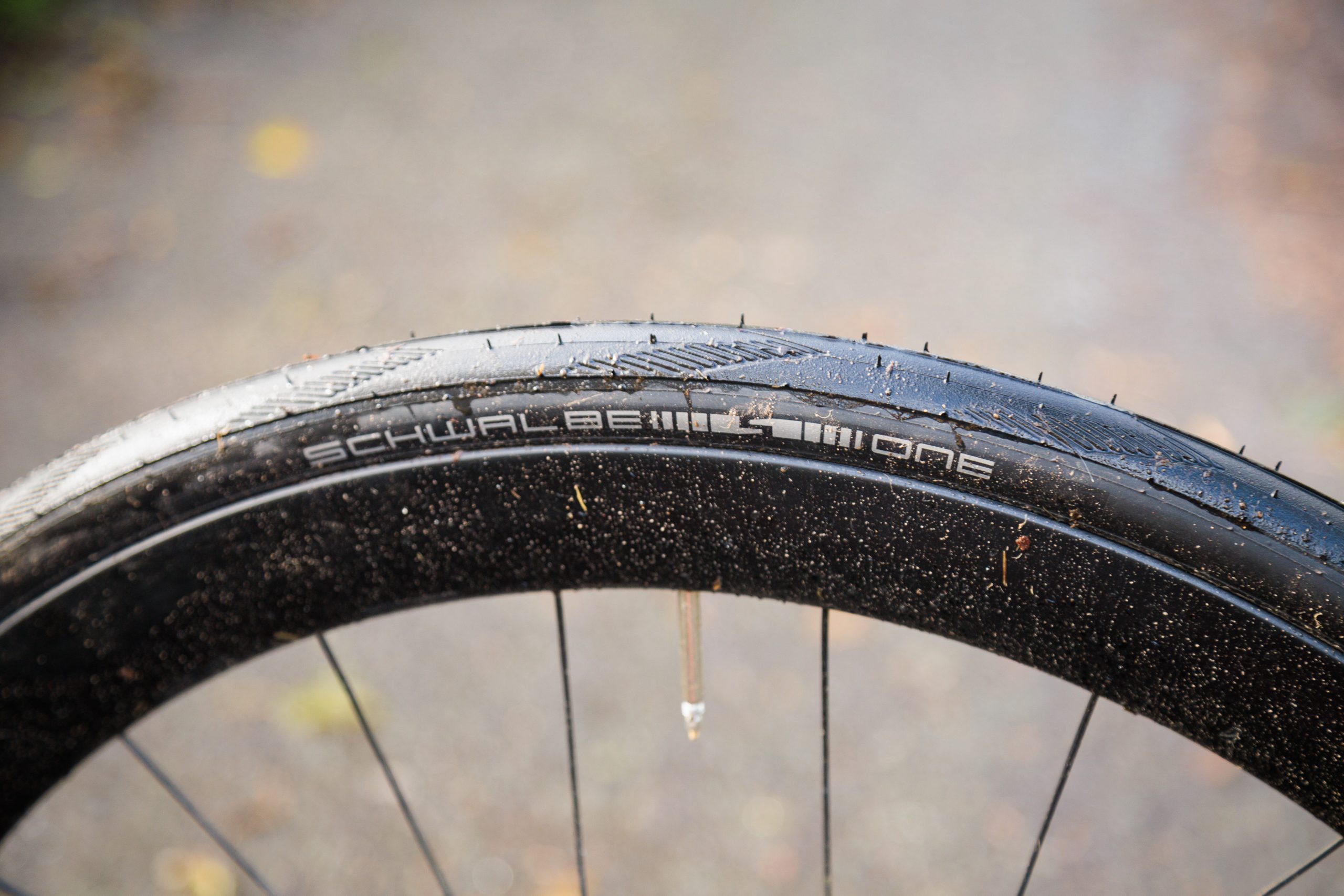
The only sour notes from my initial rides were the unimpressive Schwalbe tyres and butyl inner tubes included as stock. Schwalbe’s One TLE is a fine mid-range tyre, but it can’t match the best road bike tyres for speed or souplesse, and basic butyl tubes will always blunt a bike’s edge.
A set of tubeless valves and some sealant would be an obvious (and easy) upgrade, but if this were my bike a set of high-end racing tyres would be the first thing I’d add.
Cannondale SuperSix EVO 3 (Gen 5) specification and value
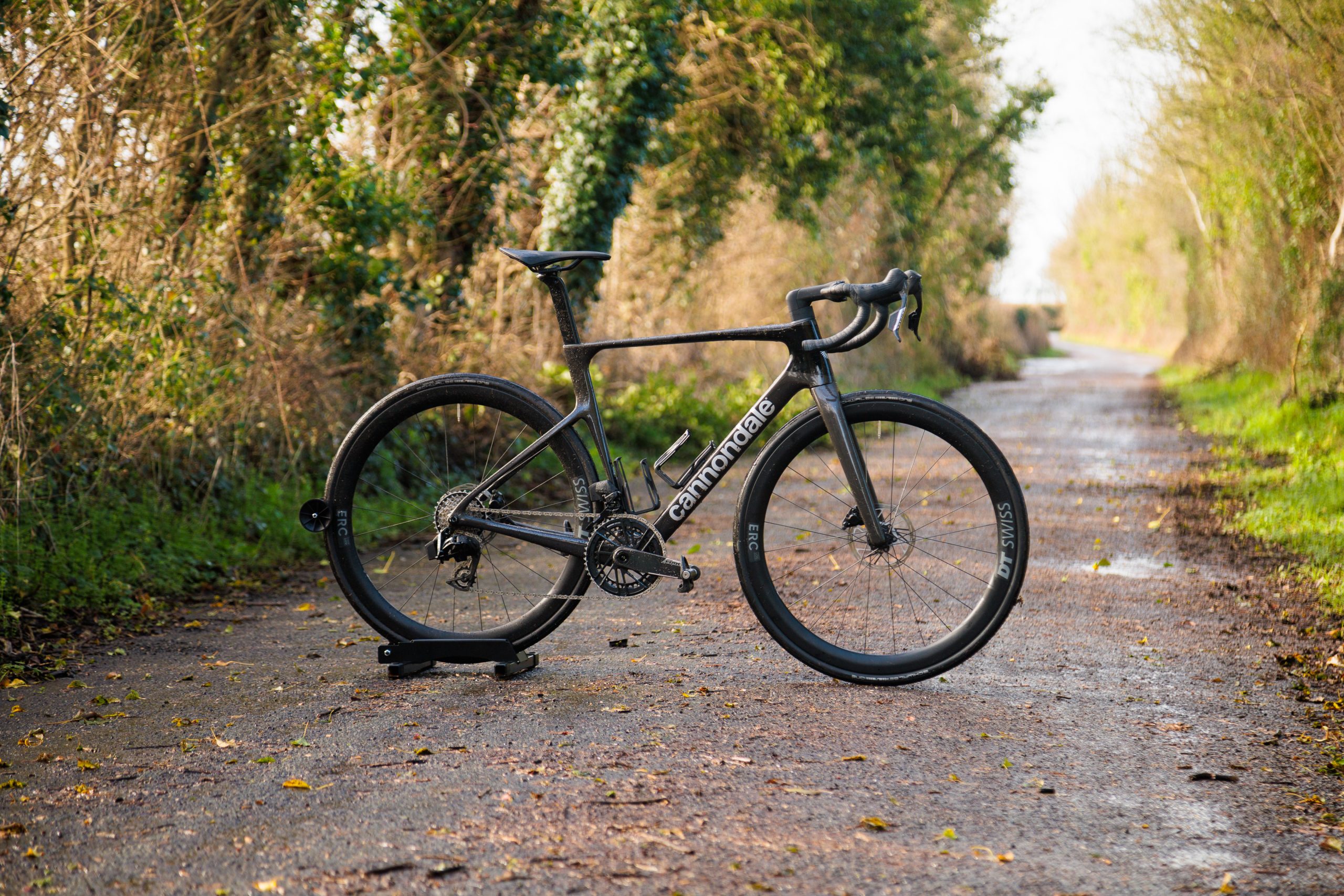
The SuperSix EVO 3 is nominally a mid-range build in the range, with a SRAM Force AXS groupset and non-series DT Swiss ERC 45 carbon wheels. It costs £6,995 / $6,999.
This was my first time using the latest SRAM Force AXS groupset and I was very impressed.
Shifting speed still lags marginally behind Shimano’s Di2 or Campagnolo’s Super Record 13 groupsets, but the revised shifter ergonomics and braking are vastly improved. I also think it looks brilliant, with a more ‘premium’ aesthetic than its key rival, Shimano Ultegra Di2 R8100.
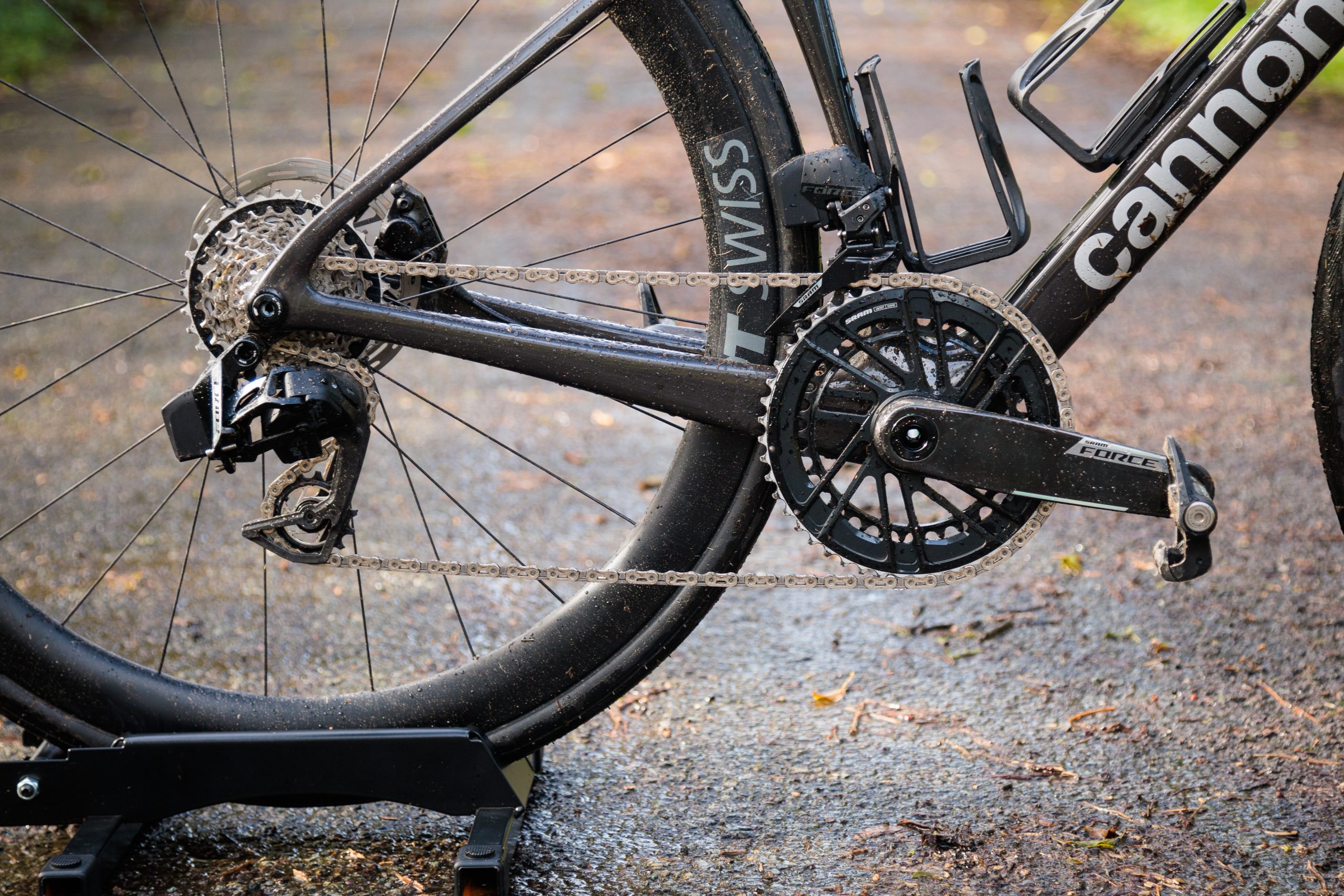
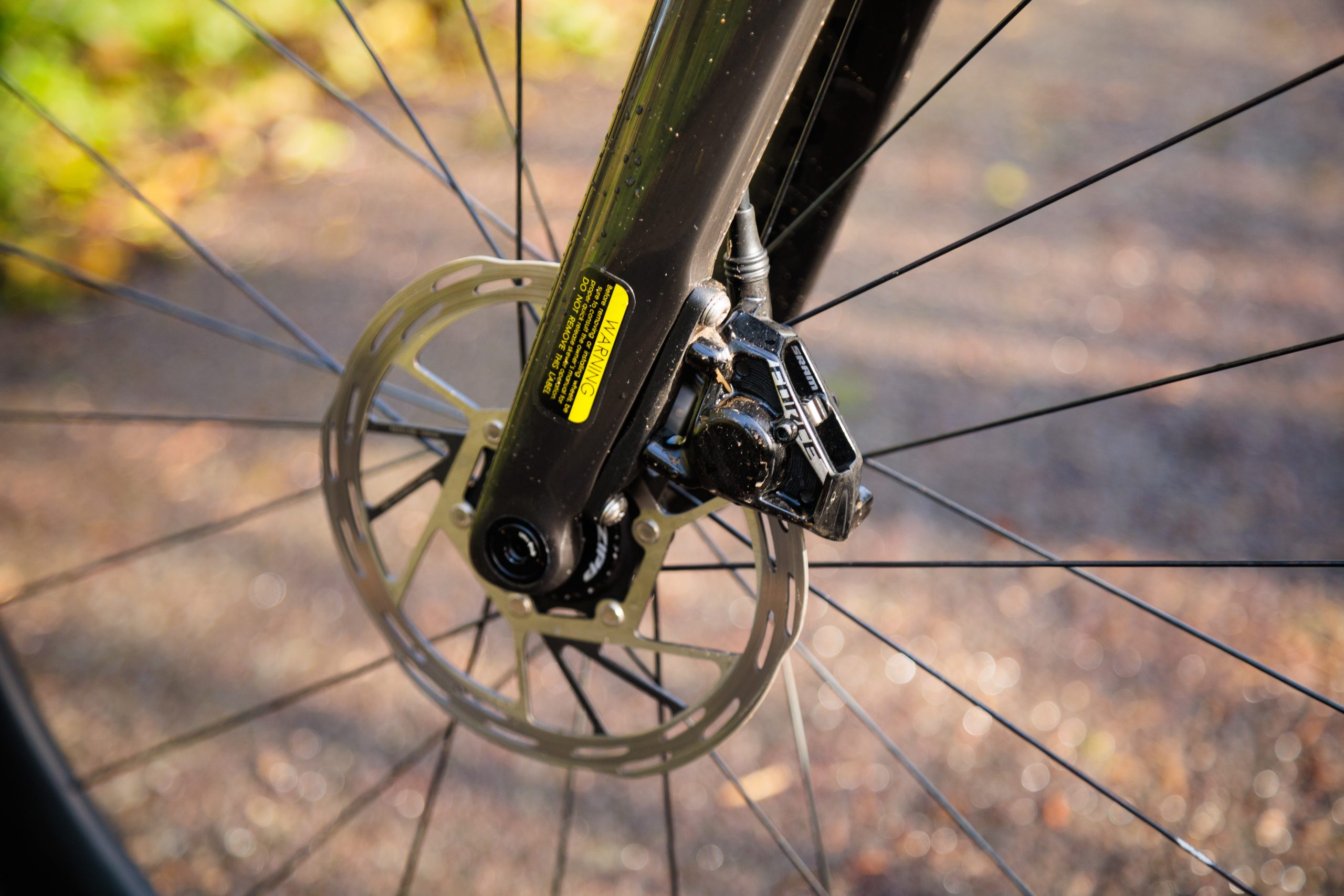
The only thing missing from the spec is a power meter, but I wouldn’t call the SuperSix EVO 3 ‘good value’ compared to the competition, at least here in the UK.
An equivalent Specialized Tarmac SL8 Pro includes a power meter, an integrated cockpit, a 3D-printed saddle and better tyres for £7,249, for example, although it costs $8,499.99 in the US.
Canyon’s Aeroad CF SLX 8 AXS and Giant’s Propel Advanced Pro 0 (AXS) include similar upgrades to the Tarmac for £5,999 / $6,899 and £5,499 / $7,500 respectively.
Cannondale SuperSix EVO 3 (Gen 5) bottom line
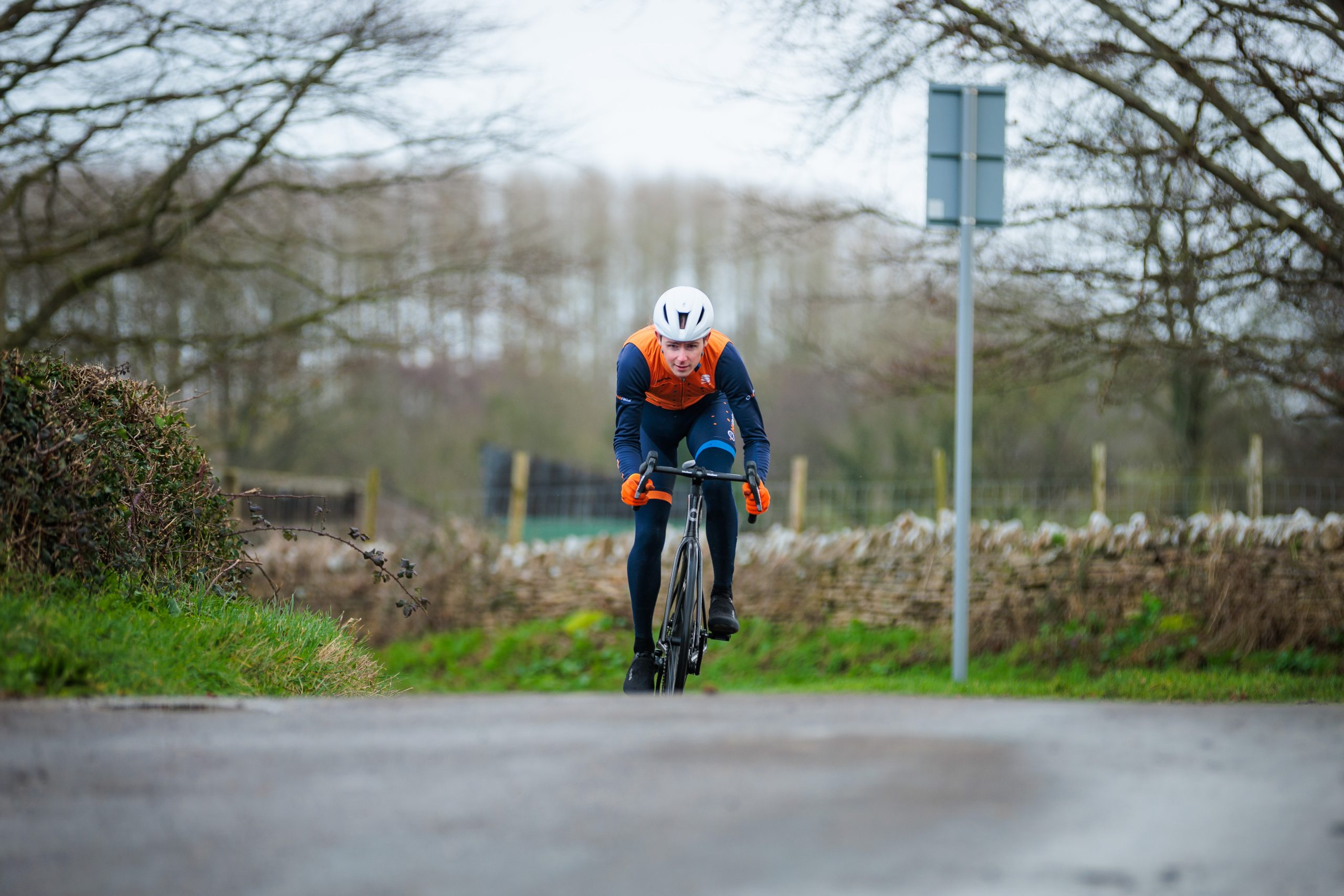
The fifth-generation SuperSix EVO is a smart refinement of the platform.
It’s undoubtedly an excellent all-rounder race bike, but it didn’t blow me away.
In contrast, I remember testing the Cannondale SystemSix, and thinking, “this is a very fast bike” as soon as I started pedalling hard. Given we're in the midst of an aero bike renaissance, I wish Cannondale had chosen to resurrect that platform instead of so modestly upgrading the SuperSix.
In any case, whether the new SuperSix EVO is the right road bike for you therefore comes down to what you value. If you already have a fourth-generation SuperSix, an upgrade feels hard to justify.
On the other hand, if you’re looking to buy a new all-rounder race bike, it seems a great option on first impressions – provided it fits you and you don’t mind spending a bit more to get ‘Cannondale’ on the down tube.
Product
| Brand | Cannondale |
| Price | £6995.00, $6999.00 |
| Weight | 7.70kg |
Features
| Fork | Cannondale SuperSix Evo 3 (Gen 5) |
| Stem | Cannondale C1 Conceal, Alloy, 31.8, -6°, 100mm |
| Chain | SRAM Force, 12-speed |
| Frame | Cannondale SuperSix Evo 3 (Gen 5) |
| Tyres | Schwalbe One TLE, 700x28c |
| Brakes | SRAM Force AXS |
| Cranks | SRAM Force AXS, 48/35t |
| Saddle | Fizik Vento Antares R5, S-Alloy rails, 140mm |
| Wheels | DT Swiss ERC 45, with DT Swiss 370 hubs |
| Shifter | SRAM Force AXS |
| Cassette | SRAM Force AXS, 10-33t |
| Seatpost | Cannondale C1 Aero 40 Carbon V2, 15mm offset |
| Handlebar | Vision Trimax Carbon Aero, 38cm |
| Bottom bracket | BSA threaded |
| Available sizes | 44, 48, 50, 52, 54, 56, 58, 61 |
| Rear derailleur | SRAM Force AXS |
| Front derailleur | SRAM Force AXS |
