
More than 20 years after it introduced SPD-SL, Shimano has debuted SPD-SLR – a new clipless pedal system designed to lower stack height and improve the feeling of connectedness and stability.
There are two tiers in the new SPD-SLR pedal range, the £139.99 / $200 / €160.99 Ultegra PD-R8200 pedals, and the flagship £199.99 / $300 / €229.99 Dura-Ace PD-R9300 pedals.
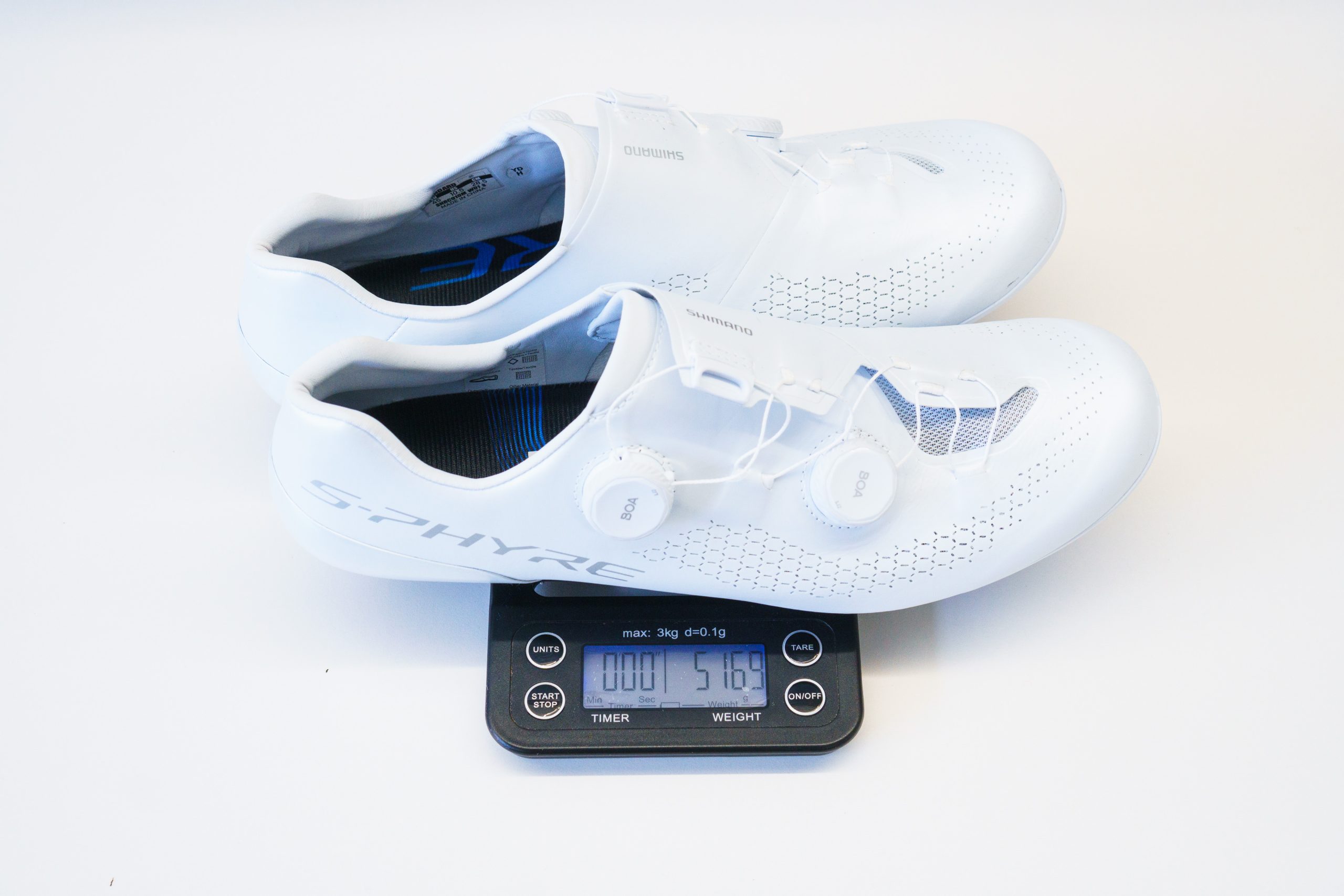
Ahead of the launch, we got our hands on the new Dura-Ace pedals and a set of the corresponding S-Phyre RC910 shoes (£389.99 / $525 / €449.99) to test.
Based on my initial rides, there are clear improvements to stack height, and the sensation of stability and connectedness to the pedals.
However, Shimano has sacrificed nearly all fore-aft adjustability in the SPD-SLR cleats to achieve this.
And while the brand’s latest shoes have been designed specifically to accommodate this shortcoming, riders who wish to keep their existing shoes will need to pay close attention to the available adjustment range – or potentially be willing to adapt to a new cleat position.
Shimano Dura-Ace PD-R9300 SPD-SLR pedals need to know
- Shimano’s first new road pedal system since SPD-SL launched in 2003
- SPD-SLR pedals and cleats work with standard 3-bolt cycling shoes, and offer reduced stack height and an improved shoe-to-pedal connection
- To achieve this, SPD-SLR cleats feature almost no fore-aft adjustment range
- Designed alongside new S-Phyre RC910 shoes
- SPD-SLR pedals are not compatible with existing SPD-SL cleats
Shimano Dura-Ace PD-R9300 SPD-SLR pedals performance
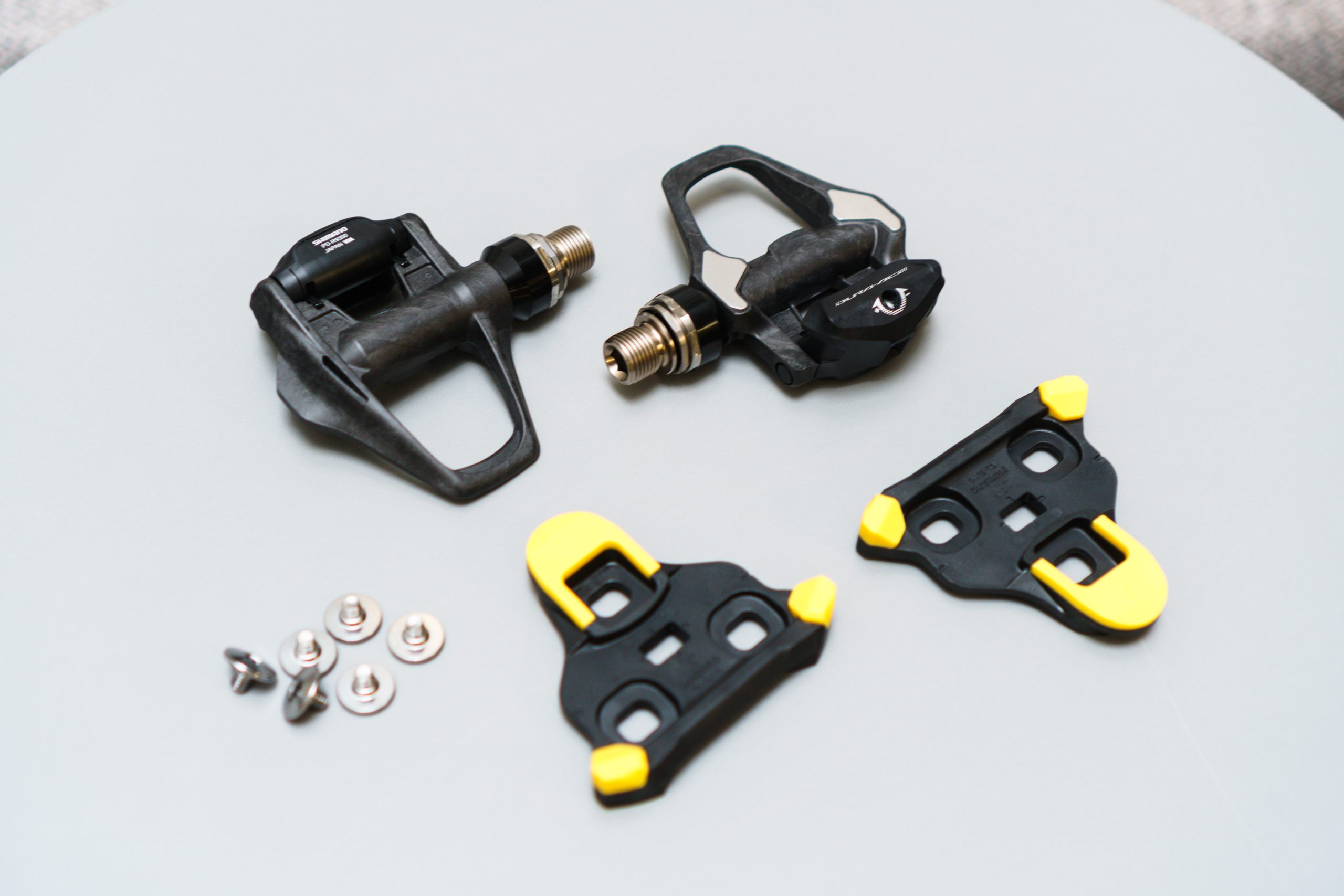
Out of the box, the new pedals don’t look all that different from the existing Dura-Ace PD-R9100 pedals.
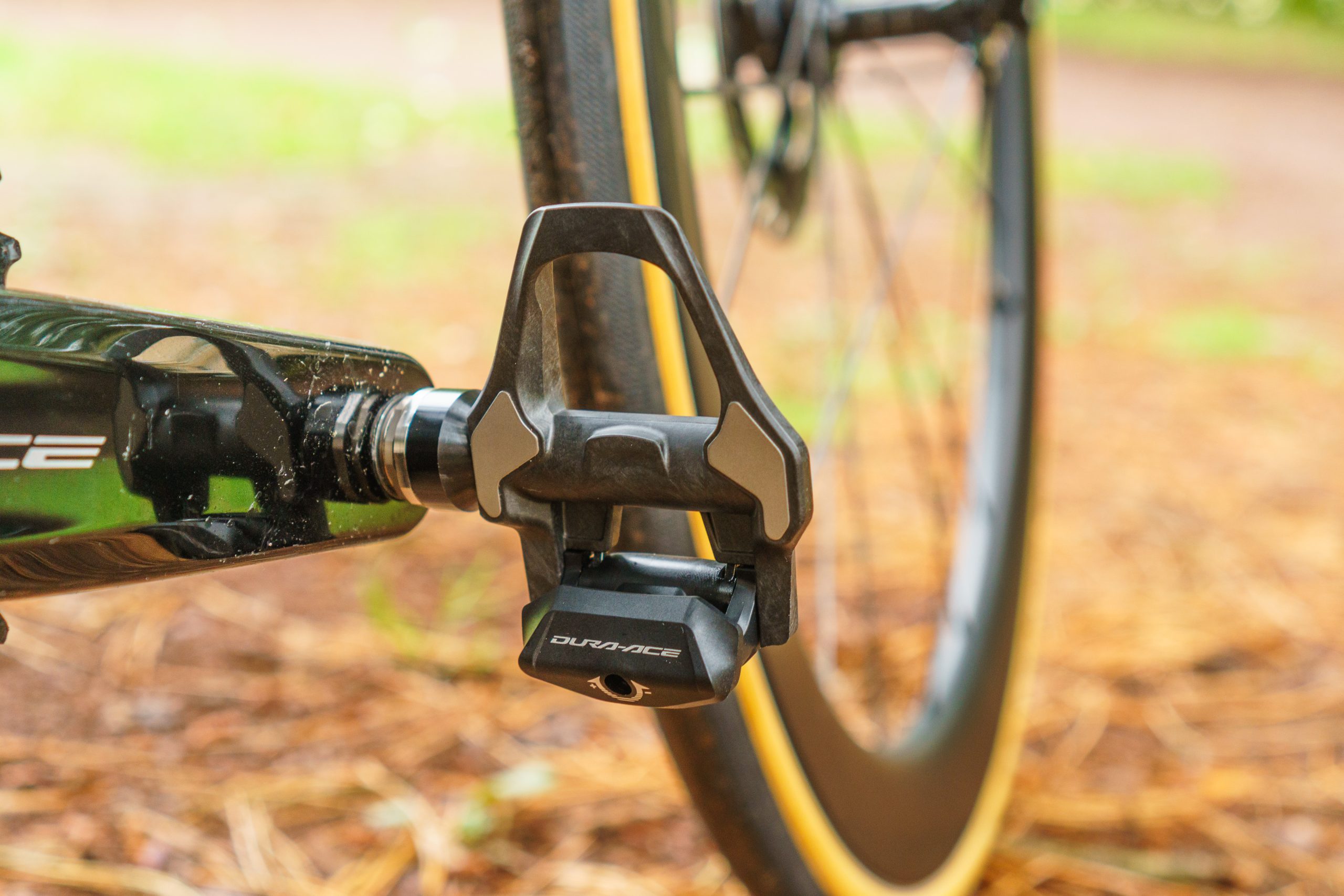
There’s the familiar carbon construction, with two minimalist wear plates on each platform. As before, the Dura-Ace pedals get a bulkier spindle because one of the two cup-and-cone bearings sits outside of the pedal body, for improved platform stiffness compared to the Ultegra version.
Cleat tension is adjustable via a standard 2.5mm Allen key, and the pedals weigh a fairly light 228.3g per set.
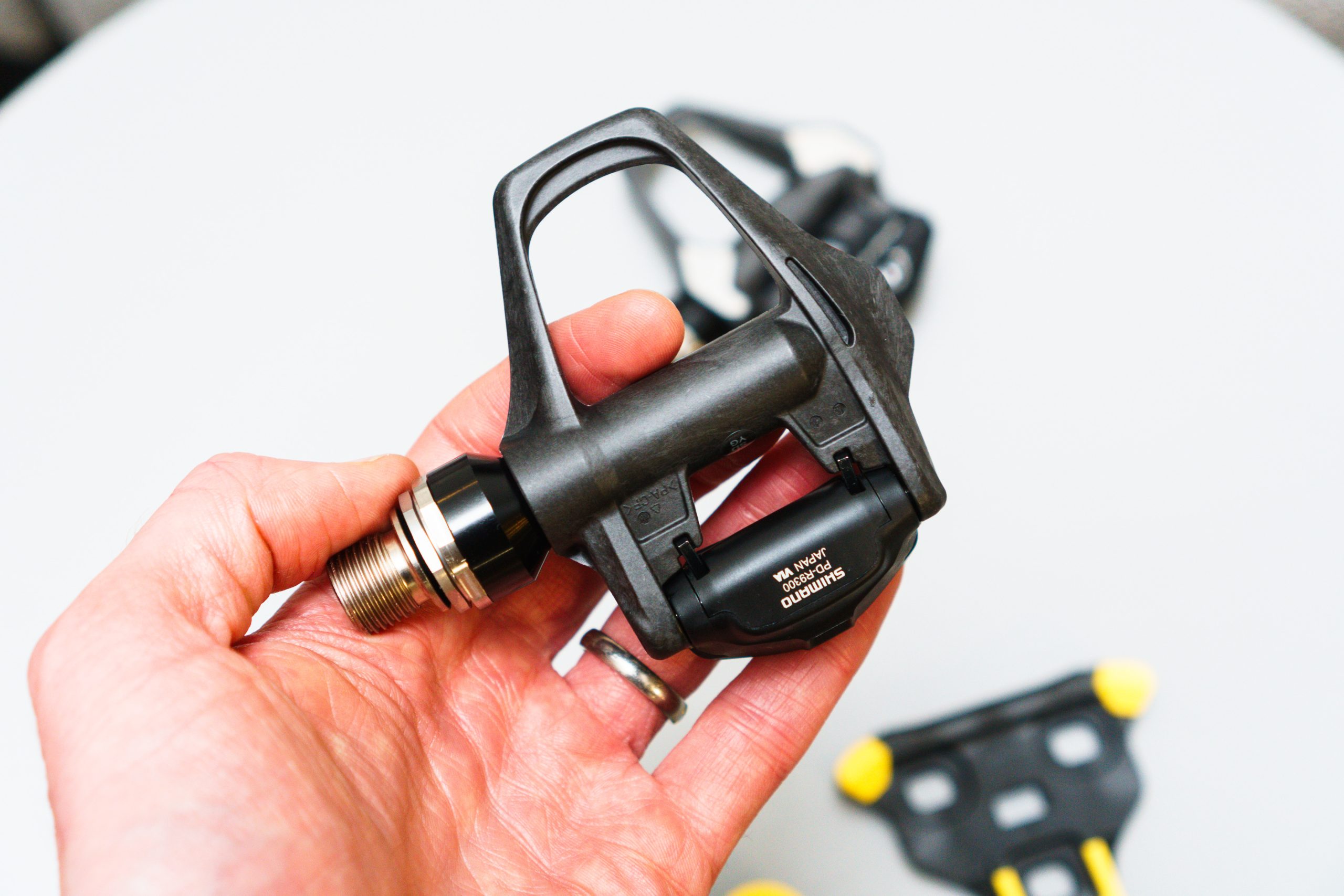
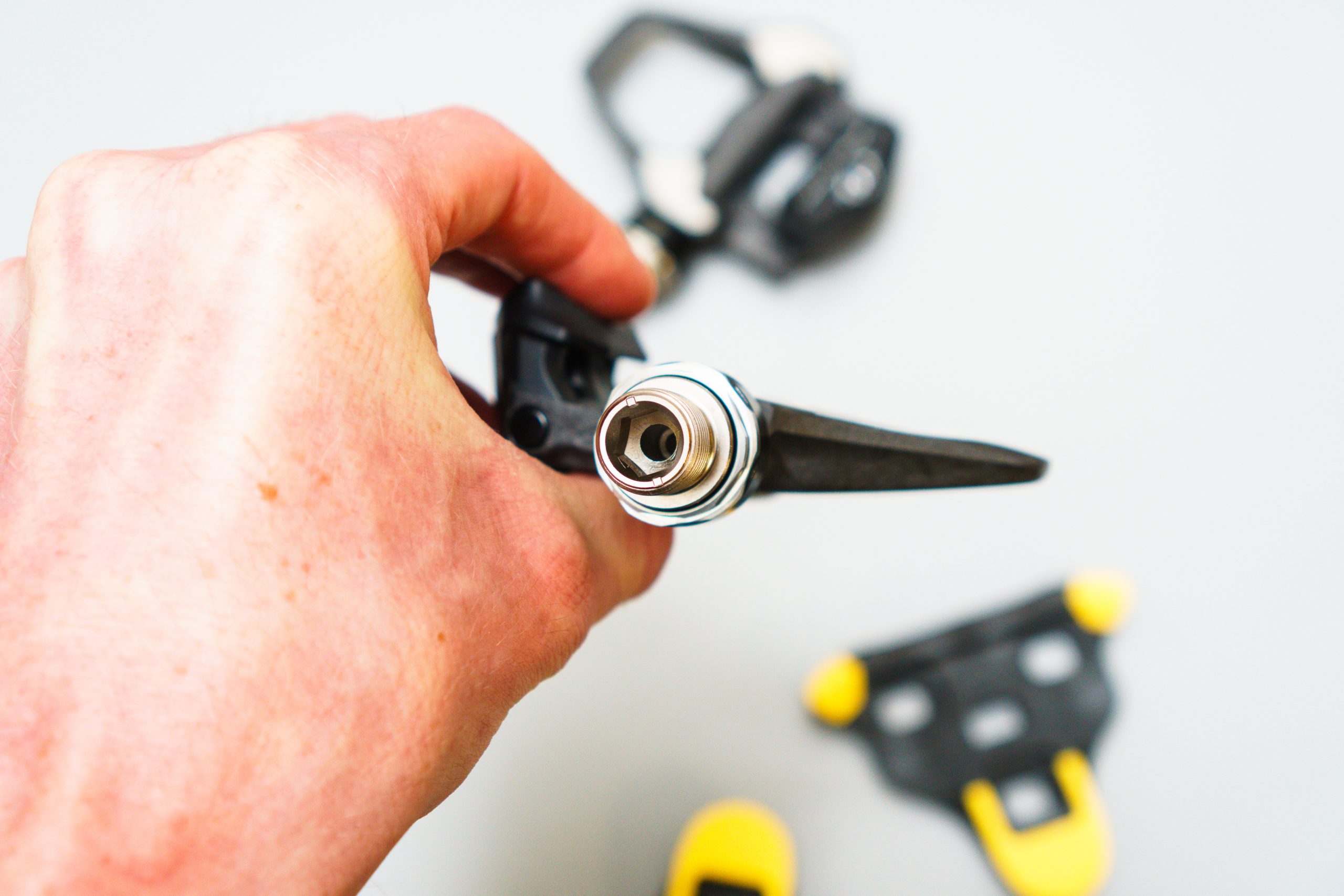
Shimano says the ‘engagement angle’ – or how the pedals hang when you’re not clipped in – has also been improved to aid clipping in.
During testing, it was indeed easy to clip in to, although it’s fair to say this has always been a strength of Shimano pedals.
The big changes for SPD-SLR come with the cleats. SPD-SLR cleats retain the standard 3-bolt configuration, but have been slimmed down compared to SPD-SL cleats and ditch the washers.
In total, Shimano is quoting a 2.3mm reduction in stack height compared to Dura-Ace SPD-SL pedals and cleats, which it says offers a “more direct and efficient” feeling. It also cuts weight by 16g, for a total system weight of 283.3g (pedals, cleats plus bolts).
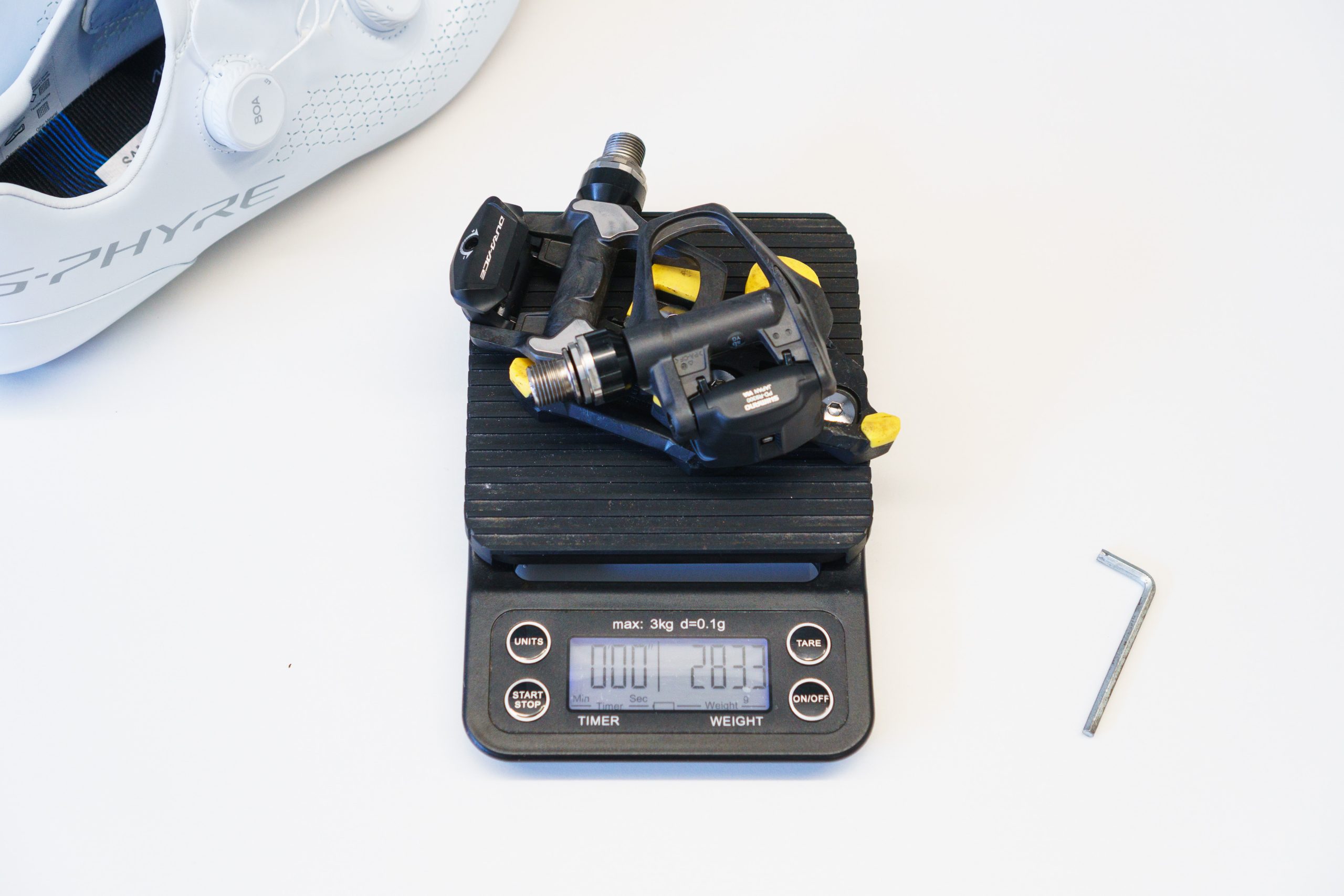
My testing immediately confirmed this to be true. Although it's undoubtedly small, the change in stack left me wanting to drop my saddle height a couple of millimetres, and the connection to the pedals is among the best I’ve tried.
There’s none of the slop or slight wobble I’ve noticed with many Look Keo-compatible power meter pedals, for example.
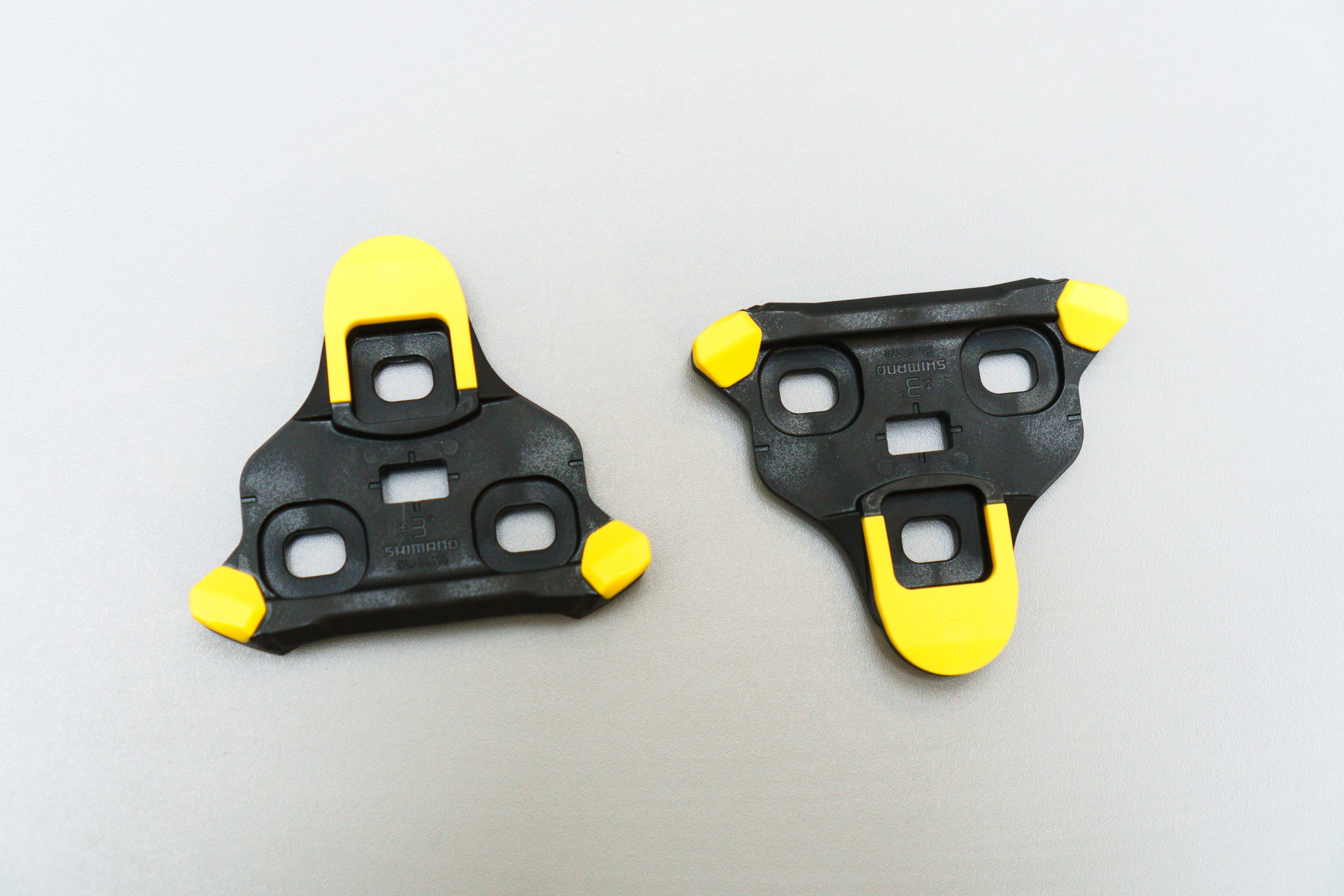
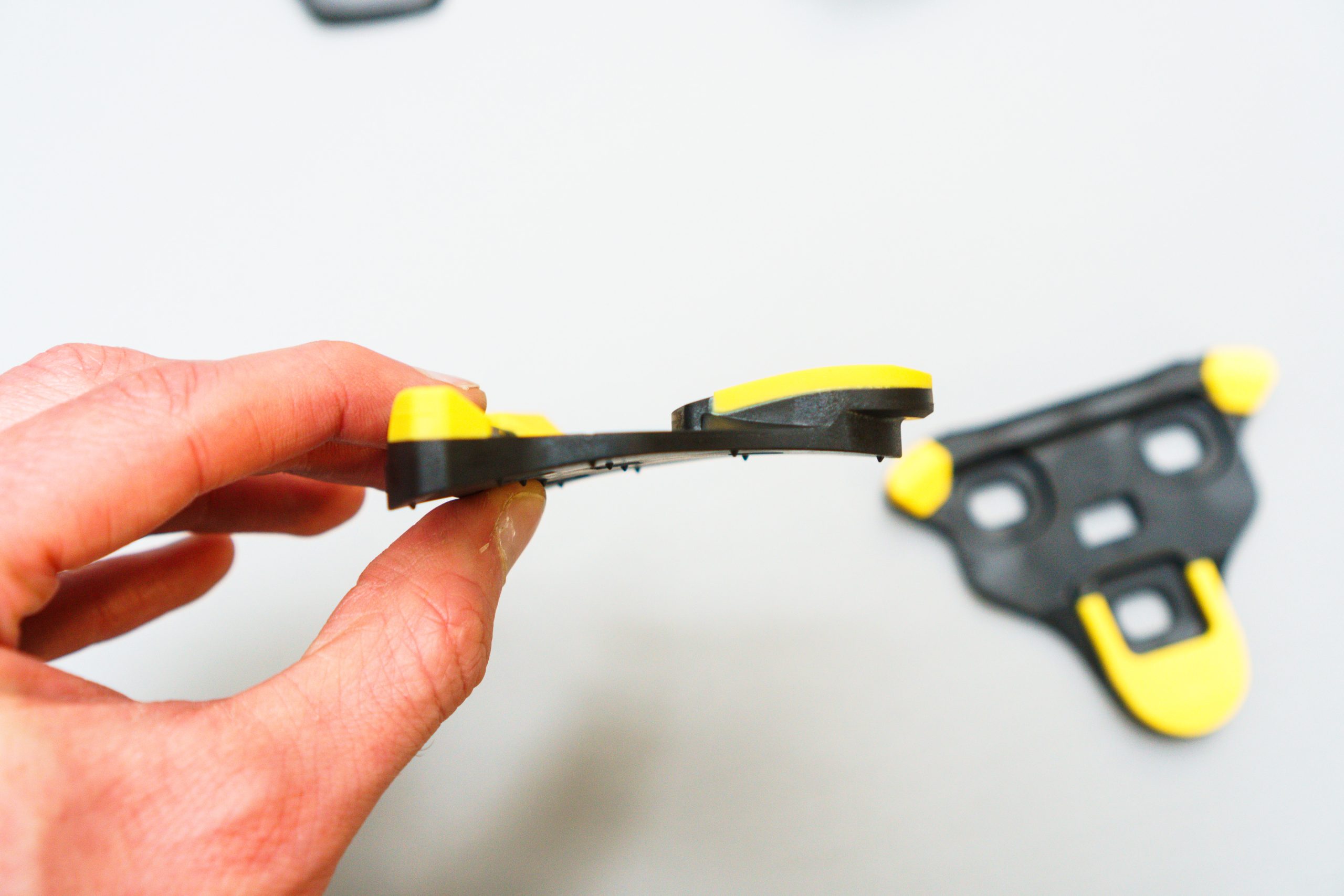
It’s hard to describe, but with the new SPD-SLR cleats and pedals, your connection to the pedals feels tangibly more solid.
The drawback is this comes at the expense of practically all of the fore-aft adjustment range SPD-SL cleats have.
It’s worth noting Shimano hasn’t offered any numbers or data to substantiate a performance improvement from these changes either.
According to Edoardo Esercizio, a product planner at Shimano Europe: “The effect [of reducing stack height] is highly rider-specific, so Shimano cannot attribute a universal performance gain to it.”
Shimano SPD-SLR’s big compromise
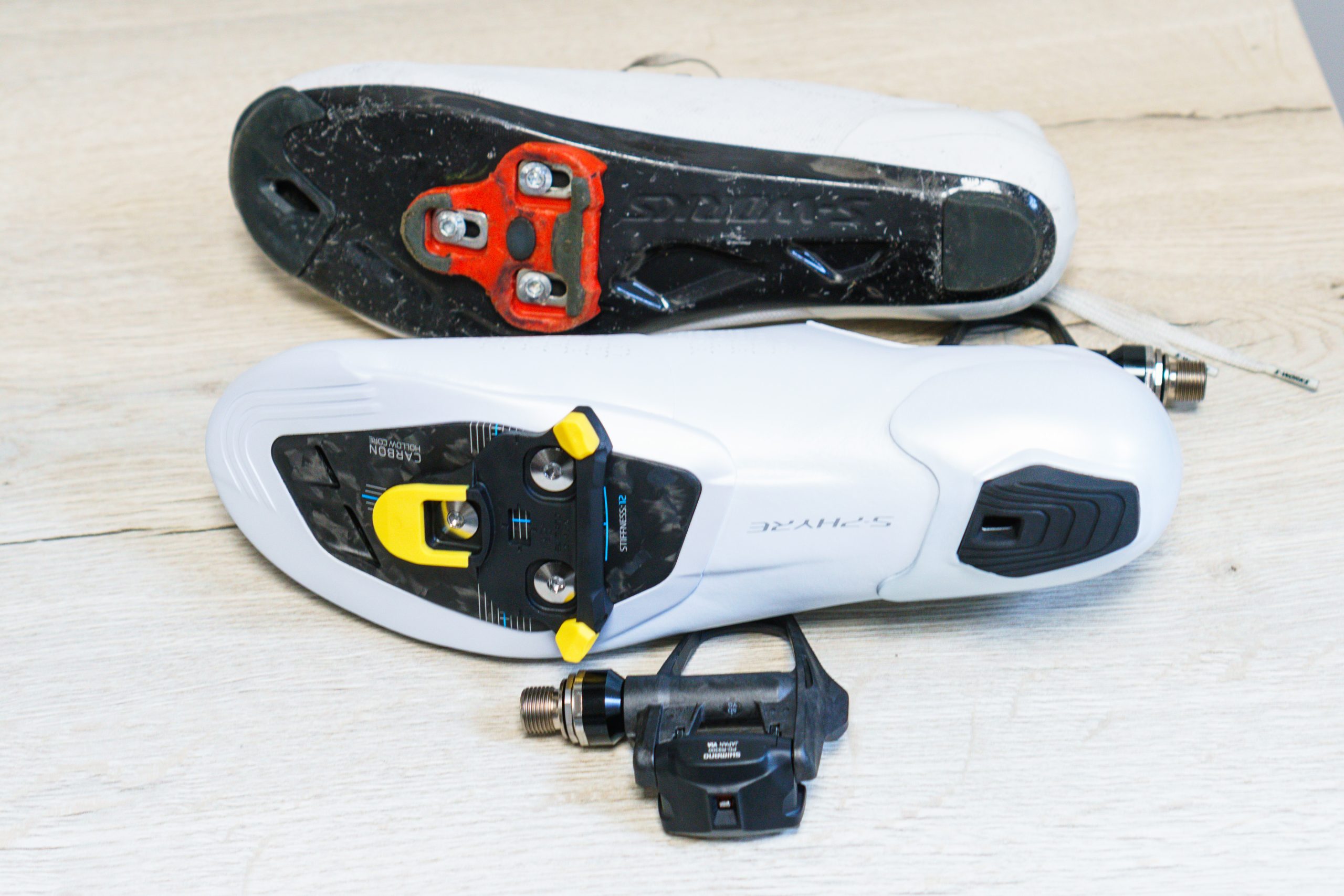
It’s here we reach the crux of the issue.
Shimano’s new shoes, the S-Phyre RC910s and RC810s, both get a larger range of fore-aft adjustment to compensate for the SPD-SLR cleats, but riders with other shoes will need to check they can replicate their preferred cleat position with the adjustment range they have using their existing cycling shoes.
Esercizio says: “Shimano analysed athlete and consumer cleat positions [using data from its own bike fitting services] and found that riders typically do not use the full adjustment range available in the previous system.”
Personally, I was able to replicate my preferred cleat position, but only by moving the cleats to the very rear of the available adjustment range on the new S-Phyre RC910 shoes.
Unfortunately, I wasn’t able to replicate my current cleat setup on my own Specialized S-Works 7 Lace shoes, because there isn’t enough rearwards adjustment range to accommodate my preferred cleat position.
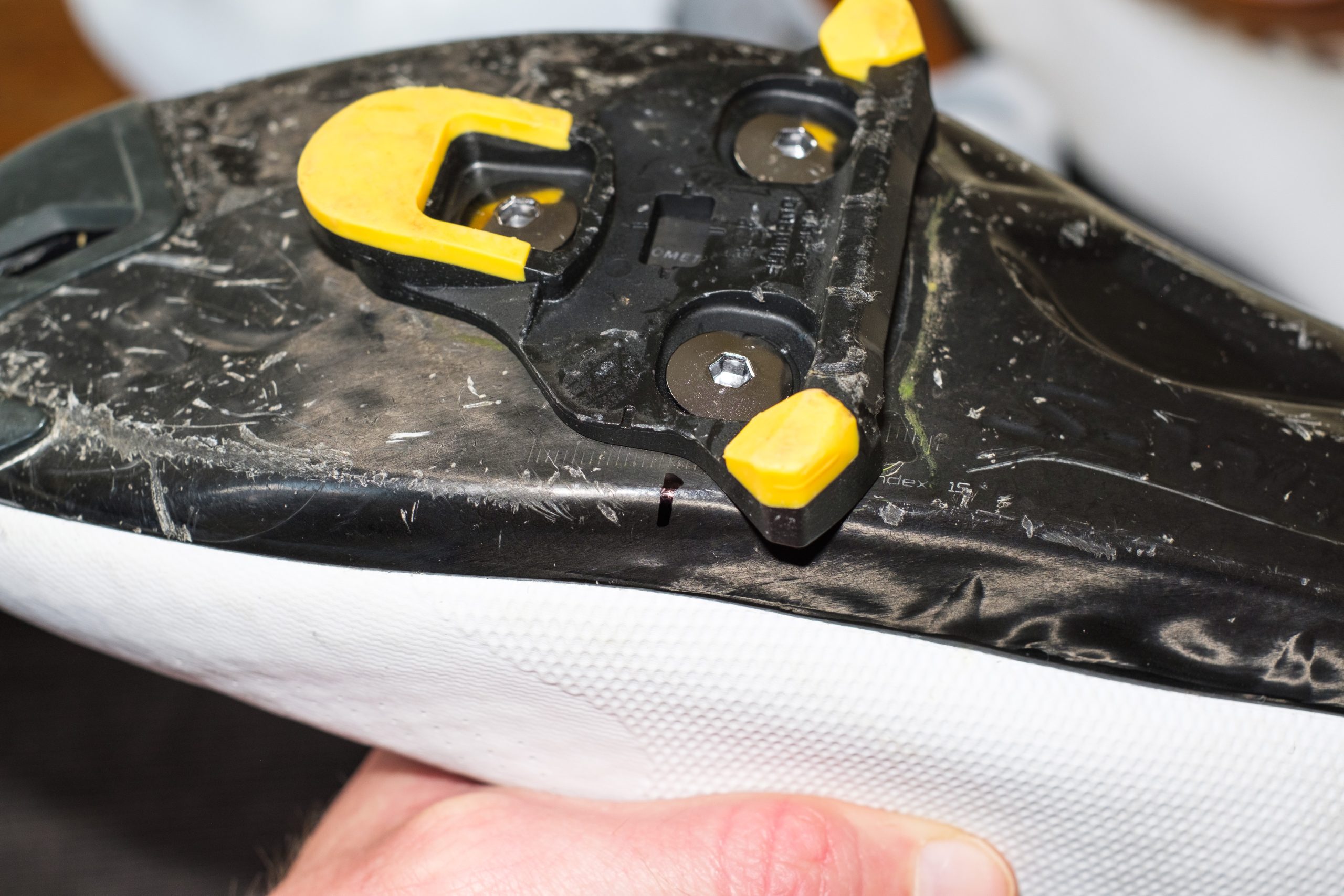
I prefer a more rearwards cleat position than most riders, but it’s also worth noting that Specialized shoes don’t have continuously adjustable cleat bolt holes.
Instead, the T-nuts are designed to rotate between two discrete ‘forwards’ or ‘rearwards’ positions.
With Specialized shoes and SPD-SLR cleats then, you really only get two fixed cleat positions, which clearly isn’t ideal.
Likewise, if your cycling shoes have fixed cleat bolt holes, SPD-SLR won’t be for you, unless you’re willing to upgrade your shoes at the same time.
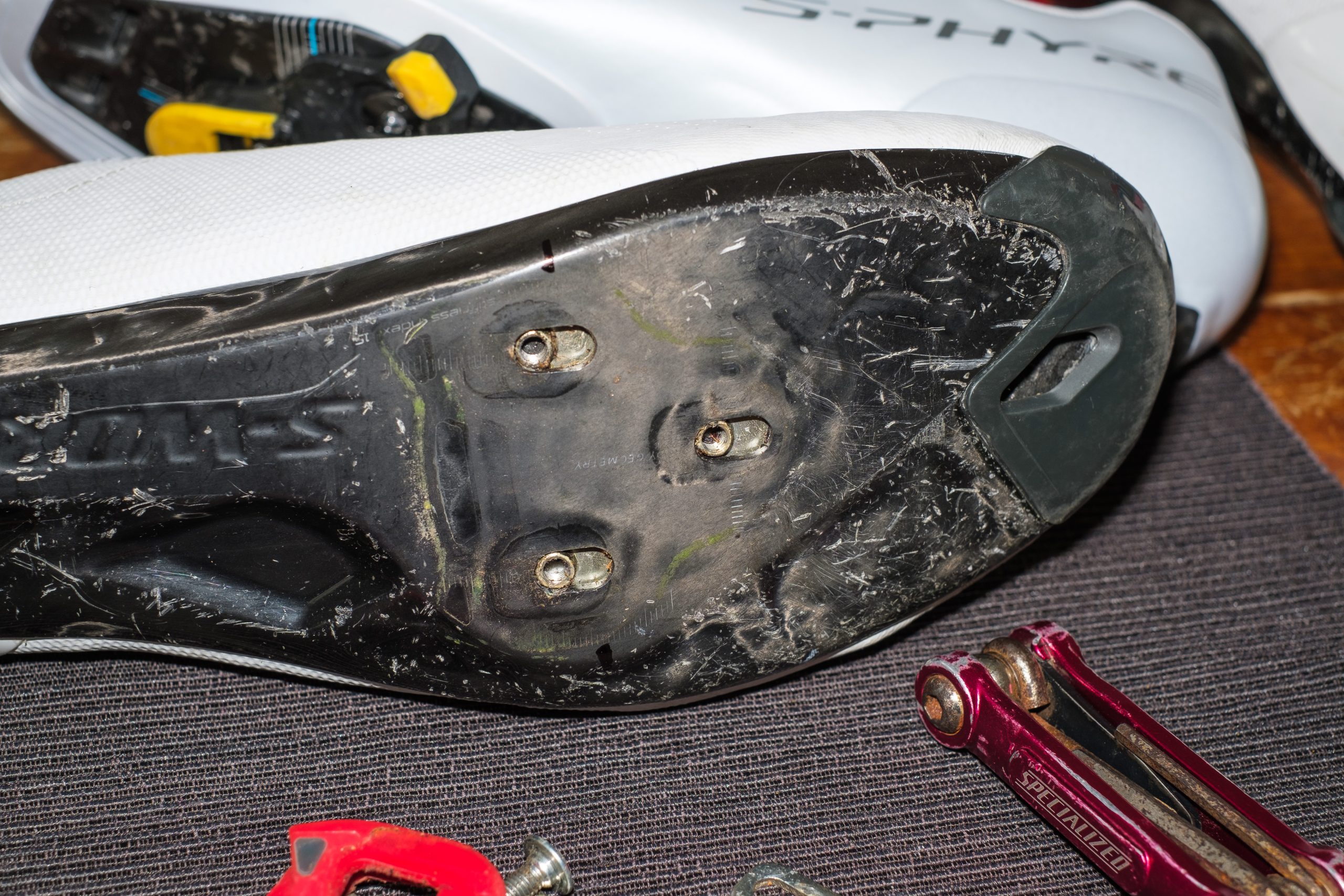
Most high-end road cycling shoes do offer continuous adjustability, though, even if the range won’t match Shimano’s newest offerings. Setting them up on my older, Shimano S-Phyre RC902 shoes wouldn’t be an issue, for example, except I’d have to put up with running my cleats a few millimetres further forward than I do now.
Shimano is offering an SPD-SLR cleat with the same adjustment range as SPD-SL cleats – the grey CL-SL130 cleat (£24.99 / $TBC / €28.99) – but these don’t deliver the lower stack height afforded by other SPD-SLR cleats.
Despite the visual similarities between SPD-SL and SPD-SLR pedals, SPD-SL cleats are not compatible with SPD-SLR pedals – as Mathieu van der Poel unfortunately found out in the Arenberg Forest earlier this year.
Shimano SPD-SLR compared to the competition
In fairness to Shimano, it isn’t the only brand making low-stack road bike pedals that need dedicated shoes to get the best out of them.
To get the lowest stack possible with Wahoo’s Speedplay pedals requires shoes designed specifically for their 4-bolt pattern, for example, although these can be used on any 3-bolt shoes (with the full adjustment range) with an included adaptor plate.
In contrast, the Q36.5/SRM X-Power Direct pedals and cleats are only compatible with Q36.5’s Unique Pro shoes, and Ekoi’s PW8 system is similarly limited to use only with specific shoes made by the French brand.
SPD-SLR isn’t that limiting. Esercizio says Shimano “analysed a wide range of shoes on the market, and found that most high-end models already provide sufficient adjustment range for the new system”.
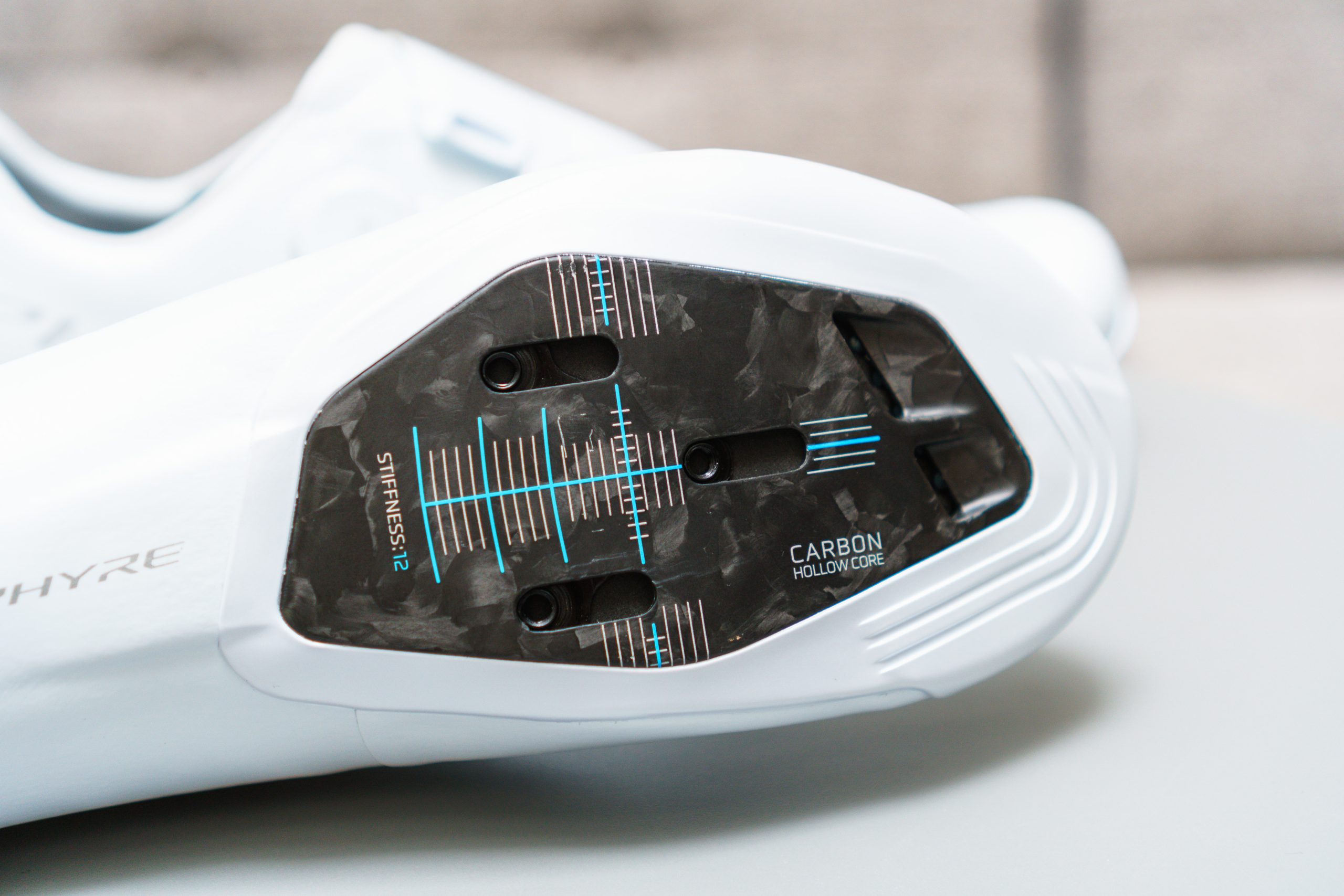
Individual riders will need to assess their existing shoes and cleat setup, then, and decide whether their shoes can take up the slack for the new cleats.
According to Esercizio, Shimano hasn’t worked with other shoe manufacturers to ensure future designs accommodate this change – although given the popularity and influence of the Japanese brand and its pedals, it’s not hard to imagine many doing so of their own accord.
That remains to be seen, of course, but if SPD-SLR leads to growth in the amount of cleat adjustment range offered by cycling shoe manufacturers, that would be a good thing.
How I tested Shimano's Dura-Ace PD-R9300 SPD-SLR pedals
I tested Shimano’s Dura-Ace PD-R9300 SPD-SLR pedals over the course of my regular road rides around Bristol, using Shimano’s new S-Phyre RC910 shoes.
I tested the standard-width pedals, with the standard ‘yellow’ CL-SL110 cleats featuring three degrees of float. A +4mm axle version of the pedals is also available, alongside cleats featuring zero (red) and one degree (blue) of float.
Shimano Dura-Ace PD-R9300 SPD-SLR pedals bottom line
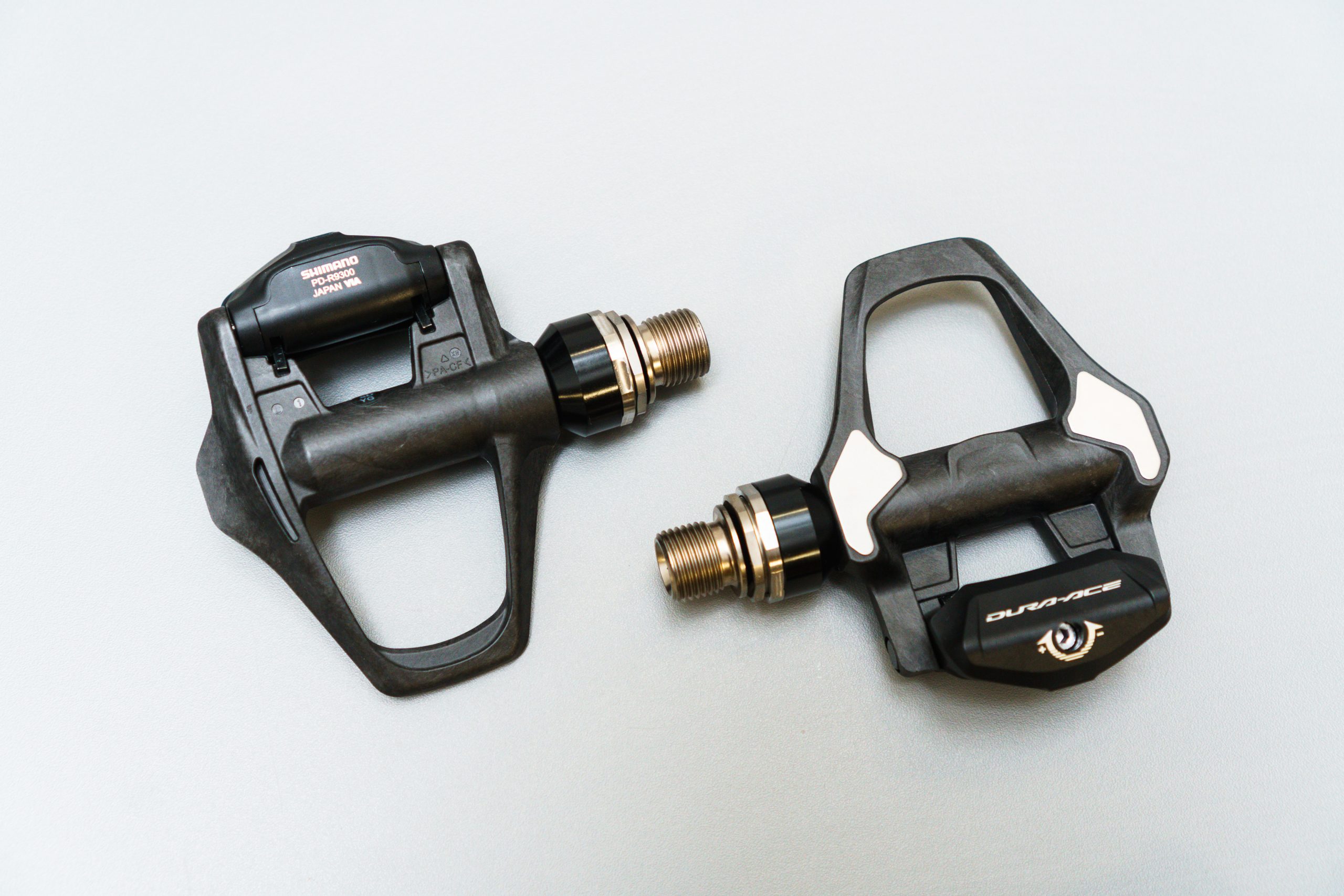
Shimano’s Dura-Ace PD-R9300 SPD-SLR pedals are excellent, delivering a competitively low stack height and excellent feel, while retaining compatibility with existing 3-bolt shoes.
The question is whether these improvements are worth the more limited adjustment range. Ultimately, the answer is a personal one.
If you can get your cleats into your preferred position using your existing shoes – or if you’re willing to shell out for Shimano’s new kicks – there are no notable drawbacks here, even if the performance gains on offer are marginal.
Dura-Ace PD-R9300 pedals aren’t cheap, of course, but Shimano pedals have a well-earned reputation for being incredibly reliable, and I’d expect these to last a very long time if they're looked after.
On the other hand, if you can’t replicate your ideal cleat position with your preferred shoes, SPD-SLR is a much tougher sell, and the improvements to stack height and feel would not be enough to convince me to compromise on that particular variable.
Product
| Brand | Shimano |
| Price | €229.99, £199.99, $300.00 |
| Weight | 283g |
