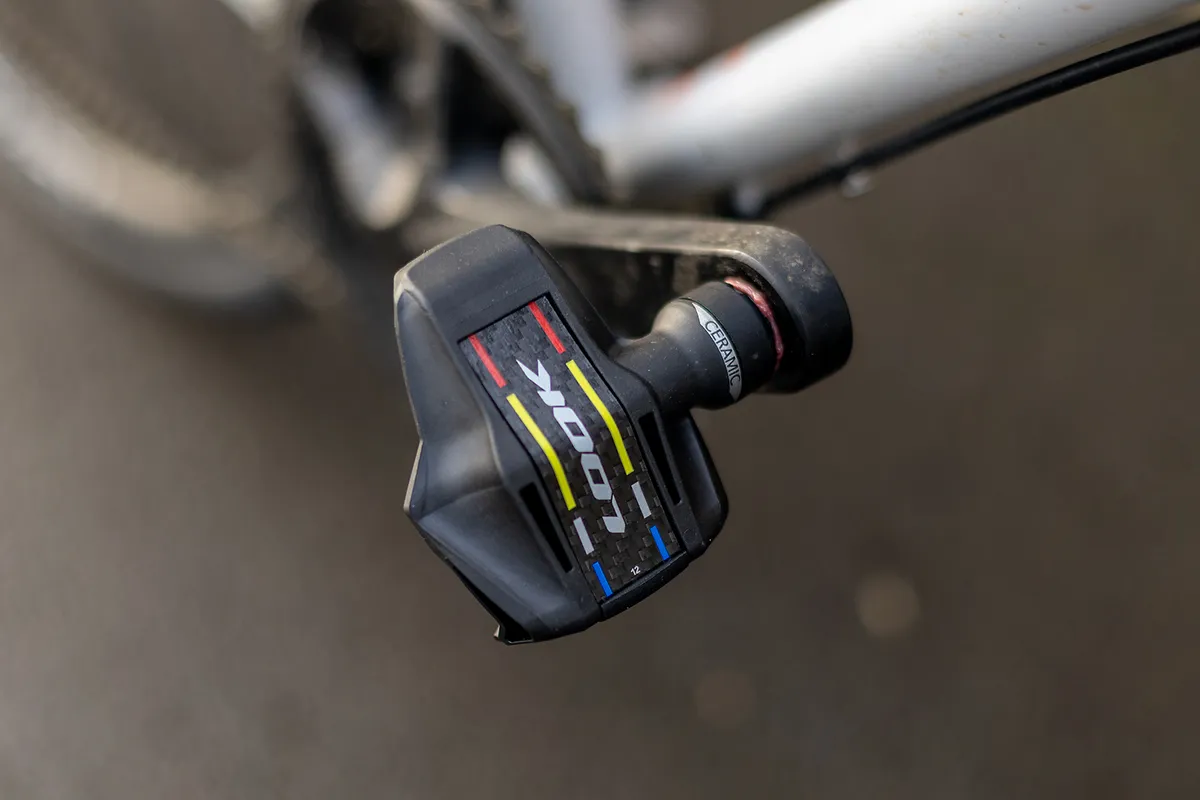
Shimano SPD-SL has been the brand’s go-to road pedal system since 2003, with the same cleats and engagement mechanism used through successive generations of its road pedals since.
But, in September 2026, Shimano launched SPD-SLR, saying it has completely redesigned the pedals and cleats from the ground up, along with a new generation of cycling shoes to match.
What’s changed for the new pedal system? We’ll run through the differences and similarities between the two systems, as well as why you might choose one or the other. SPD remains an option too for gravel, commuting and off-road use.
Shimano SPD-SL and SPD-SLR pedal systems in brief
| SPD-SL | SPD-SLR | |
|---|---|---|
| Dura-Ace pedal claimed weight | 228g | 227g |
| Ultegra pedal claimed weight | 248g | 228g |
| Dura-Ace pedal stack height | 14.6mm | 12.3mm |
| Ultegra pedal stack height | 15.6mm | 13.3mm |
| Cleat weight w/ bolts | 71g | 55g |
| Engagement angle | 15.5 degrees | 10.5 degrees |
| Compatible with SPD-SL cleats | Y | N |
| Compatible with SPD-SLR cleats | N | Y |
| Longer spindle option | Y | Y |
| Compatible with SPD-SL shoes | Y | Y |
| Compatible with SPD-SLR shoes | Y | Y |
What are Shimano SPD-SL and SPD-SLR pedals?
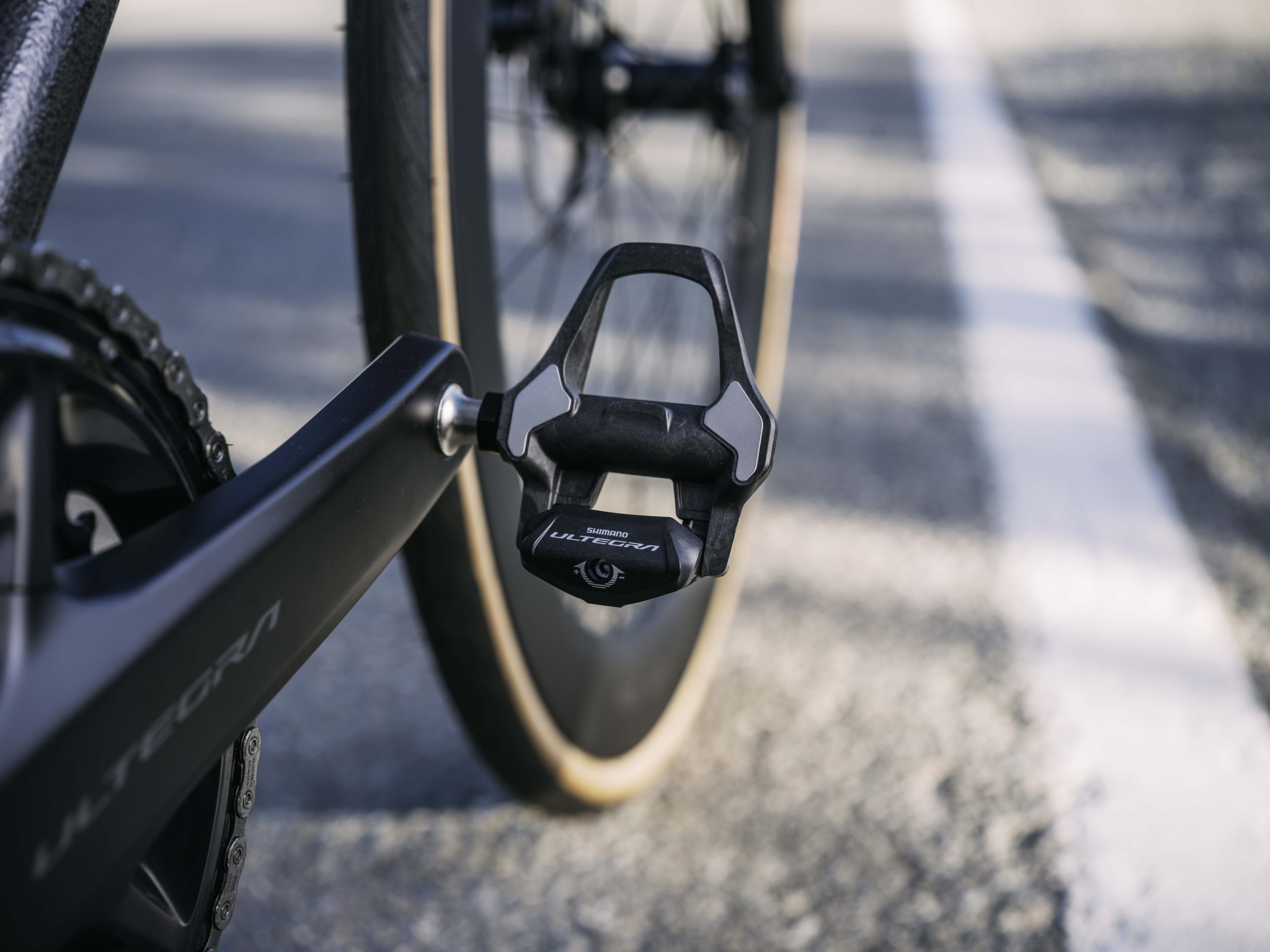
Both pedal systems are designed to attach road cycling shoes with three bolt holes in their soles to the pedals and are designed predominantly for use on a road bike.
In both cases, the connection is made via a plastic cleat that is bolted to the sole of the shoe and which clips into the pedal via a tongue on the front of the cleat and an adjustable sprung engagement mechanism at the pedal’s rear.
Superficially, SPD-SL and SPD-SLR look similar, but subtle differences mean they’re not compatible with each other.
What are the differences between the two systems?
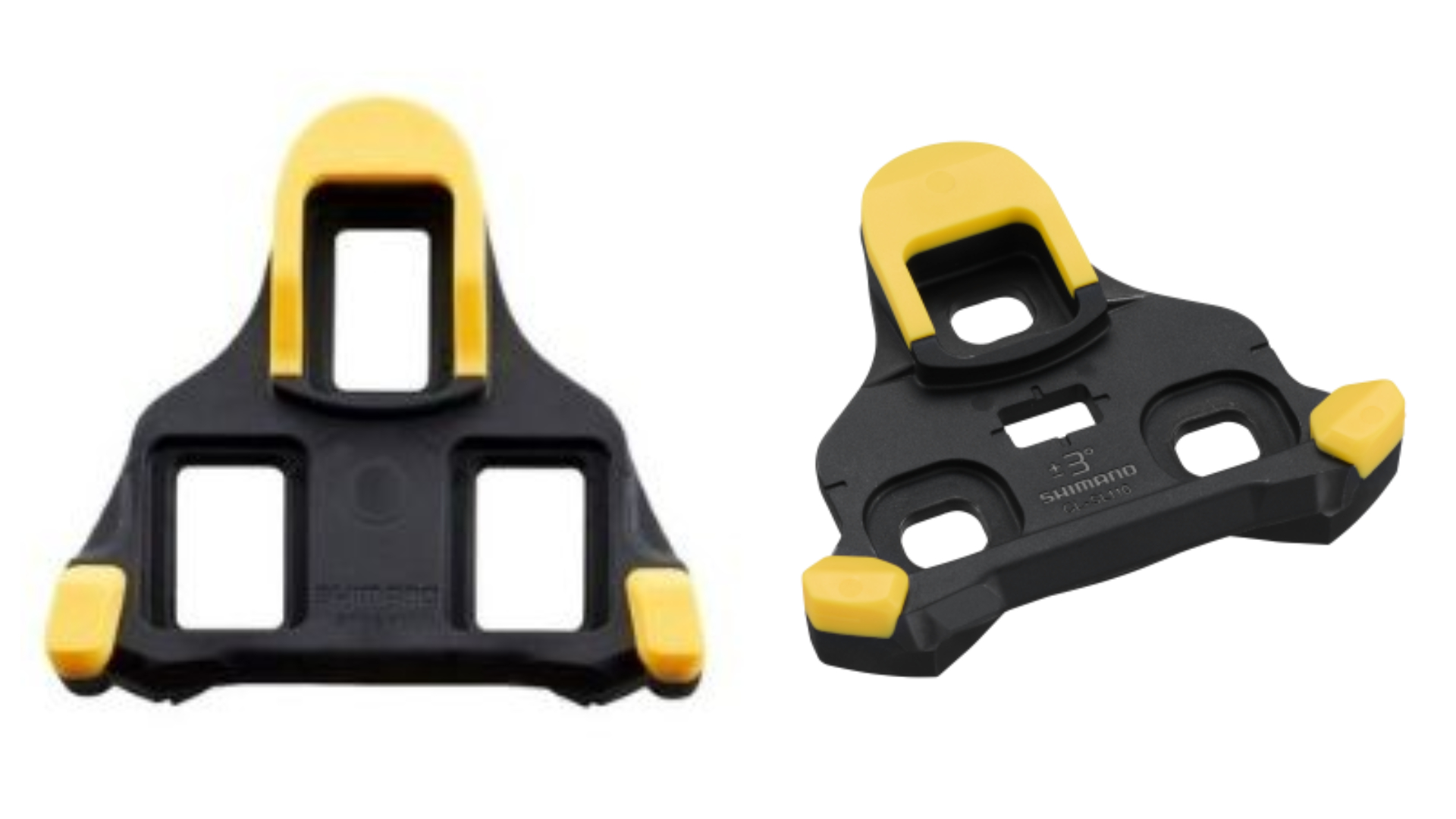
The main differences cited by Shimano are that SPD-SLR offers a lower pedal-plus-cleat stack height than SPD-SL pedals, with a claimed 2.3mm decrease in the newer system. System weight is also decreased for both the Dura-Ace and Ultegra spec levels, although pedal weights remain similar.
Shimano says the new system offers improved foot stability, power transfer and bike control. There’s also a 16g decrease in weight for the cleats, which don’t require the oval washers used with SPD-SL. The slots for the bolts are wider, so there’s more lateral adjustment of the position of the cleat on the shoe’s sole possible.
Shimano also says the engagement angle is reduced for the new system and it’s easier to clip in, because the tongue at the front of the cleat has been redesigned.
What types of cleats are available?
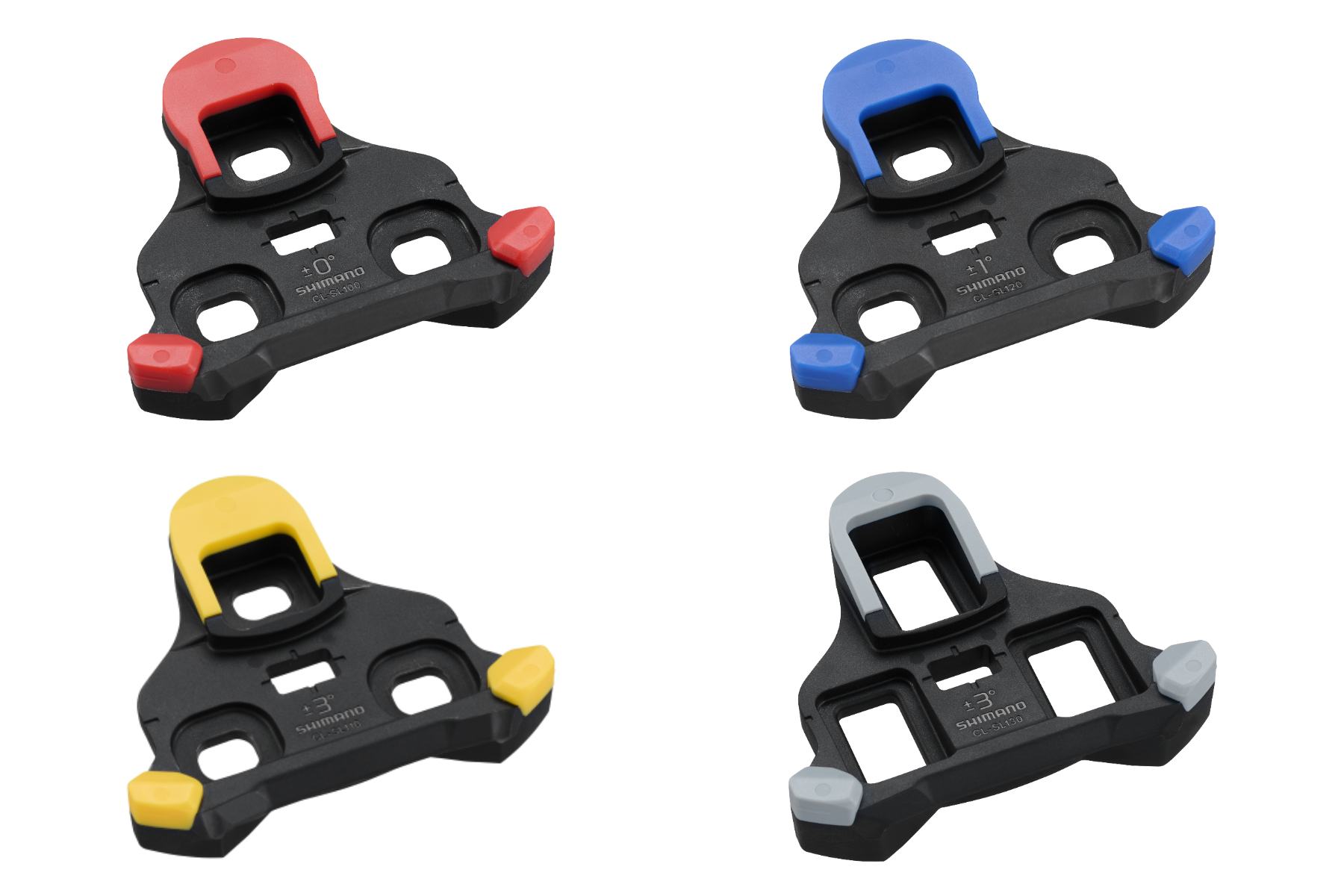
Both SPD-SL and the newer SPD-SLR offer three standard cleats with different amounts of float – the extent to which you can rotate your shoe side to side when it is engaged with the pedal.
The cleats for the two systems are different in shape, but come with the same three float options, distinguished by the coloured sections at the front and the rear corners: yellow, blue and red.
Yellow cleats, in both systems, offer 6o float and blue cleats have 2o float. Red cleats have zero float, so that shoes are clamped rigidly to the pedals until released.
In addition, the new SPD-SLR system includes a grey cleat, which has the same 6o float as the yellow cleats, but an increased stack height that is the same as the older system. They’re designed for compatibility with some SPD-SL shoes which won’t connect properly to the new SPD-SLR pedals.
Shimano says all its SPD-SL shoes are compatible with SPD-SLR cleats, but this might not be the same for other brands' shoes.
Which Shimano road pedals and cleats should you use?
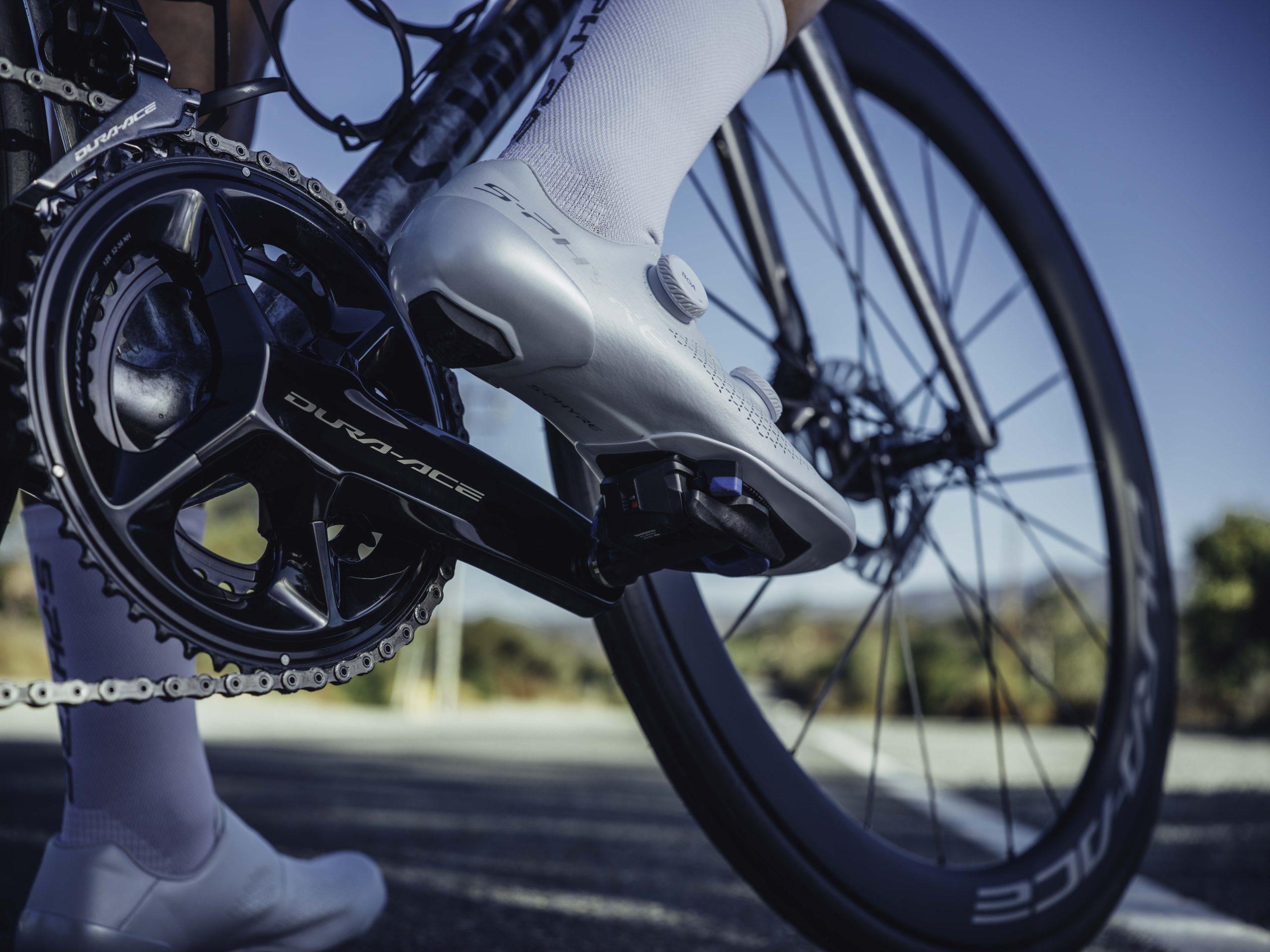
It’s likely that Shimano will prioritise its SPD-SLR range in future, leaving SPD-SL as a legacy offering. New Shimano cycling shoes are likely to be advertised as SPD-SLR, although they should retain compatibility with SPD-SL.
It’s probable that Shimano will continue to support the SPD-SL system in future though – you can still buy spares for the SPD-R system from the 1990s that pre-dated it. SPD-SL is so ubiquitous that it’s not going to disappear any time soon.
It’s moot whether most riders will benefit greatly from the new system’s lower weight of a few grams or its lower stack height of a few millimetres. But if you’re buying new Dura-Ace or Ultegra pedals, it’s probably sensible to future-proof your choice by choosing SPD-SLR.
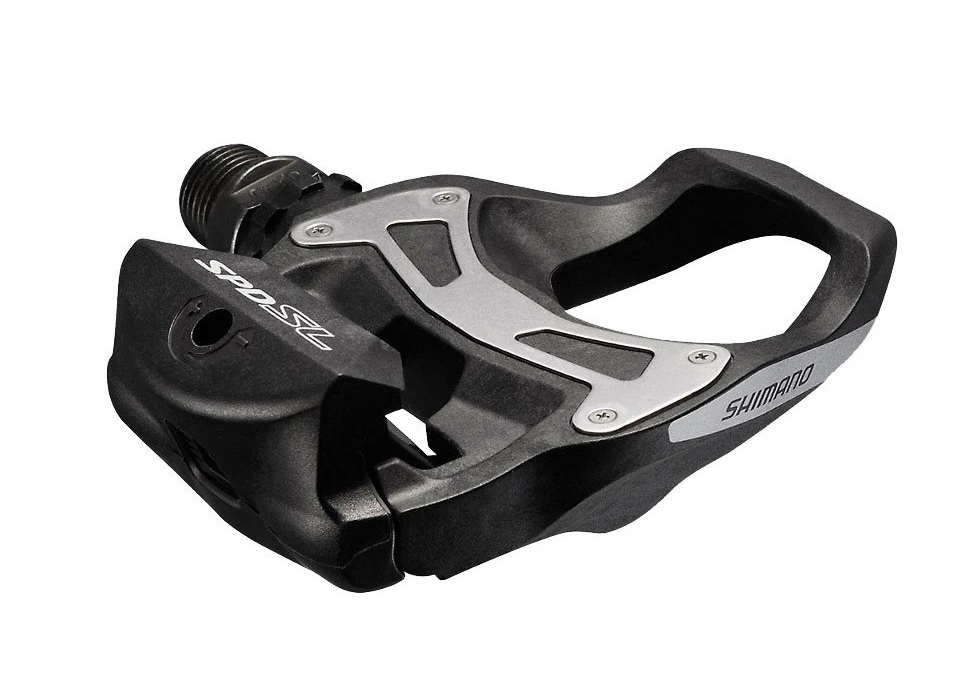
As of September 2026, lower-priced Shimano pedals in the 105 and RS500 ranges have not been launched with the SPD-SLR system, so if you’re looking to spend less you’ll need to stick to SPD-SL.
Although Shimano says all its SPD-SL shoes will work with the new system, it's possible that if you use shoes from another brand they'll only work with SPD-SLR pedals when fitted with the grey SPD-SLR cleats, which negate the lower stack height benefit of the new system.
And if you ever swap bikes with other riders, make sure your cleats are compatible with their pedals. This scuppered Mathieu van der Poel when he punctured during the 2026 Paris-Roubaix and couldn’t take teammate Jasper Philipsen’s bike, because unlike van der Poel he was using the newer, incompatible SPD-SLR system.