Cyclists ride in all weathers, from hot sun to freezing snow and a load of cold, wet days in between. We also ride at extreme intensities and speed; one minute we’re going as hard as we can up a steep, rocky trail at 5mph getting really hot and the next flying down a road at 40mph with no effort and getting cold.
The clothing you wear can make a massive difference to your ride experience. It’s important to wear the right kit for the job and that requires a bit of layering.
You’re looking to wear thin layers of clothing that are best suited to their position. The advantage of thin layers is that you can unzip, add or take away during the ride to keep you warm, cool or dry.
Death by T-shirt

If you only learn one thing from this guide, it’s that riding in a T-shirt really could be lethal.
The problem is that cotton feels nice but it sucks up sweat, and then just holds onto it.
This leaves your skin and the T-shirt wet, so body heat passes straight through, leaving you frozen and vulnerable to hypothermia. It doesn’t matter what super-technical jacket you wear over the top, if it’s over a T-shirt, it can’t work properly.
So invest in proper technical cycling gear to keep yourself comfortable whatever the conditions.
Winter cycling layering essentials
Instead of standard jerseys and shorts there are additional items you need to help you layer up for winter:
Baselayer
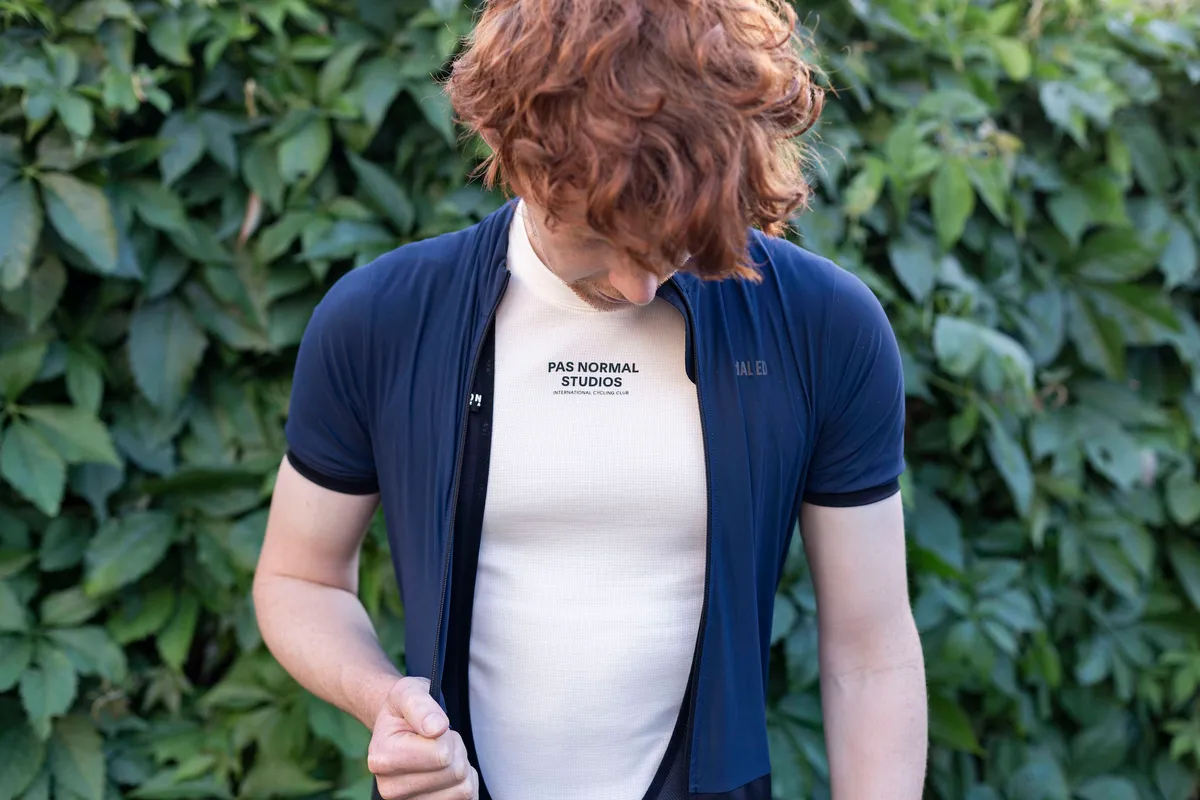
A baselayer is a breathable layer that’s worn next to the skin under a jersey or jacket and comes in a variety of thicknesses. On a warm day, a thin version will help wick sweat away from your body, and when worn on a cool day it will help keep warmth in.
A lot of these have a longer back section that covers your lower back, keeps you warmer and stops the ‘builder’s bum’ look. Many use man-made fabrics, but Merino wool or a wool mix is also popular.
Mid-layer
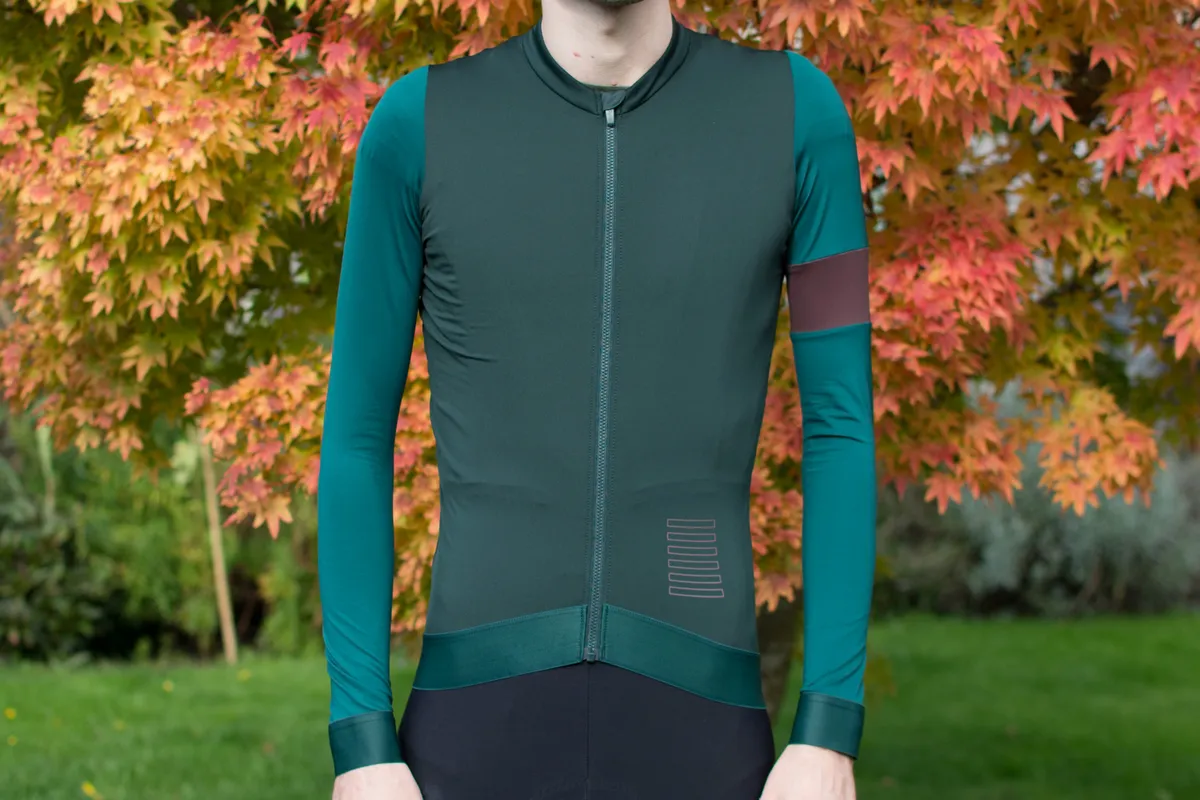
Jersey choice depends on conditions, with plenty of options for fabric type and thickness, not to mention sleeve length. Its main role is to work with your baselayer to wick sweat and insulate your core.
A full zip will give you the most options for ventilation while riding, and you’ll need easy-to-access pockets to stash removed layers if you ride without a pack.
It’s an item which works well under a thinner outer layer, but in all but the harshest conditions you can usually skip if you wear a thicker, windproof jacket.
Outer shell
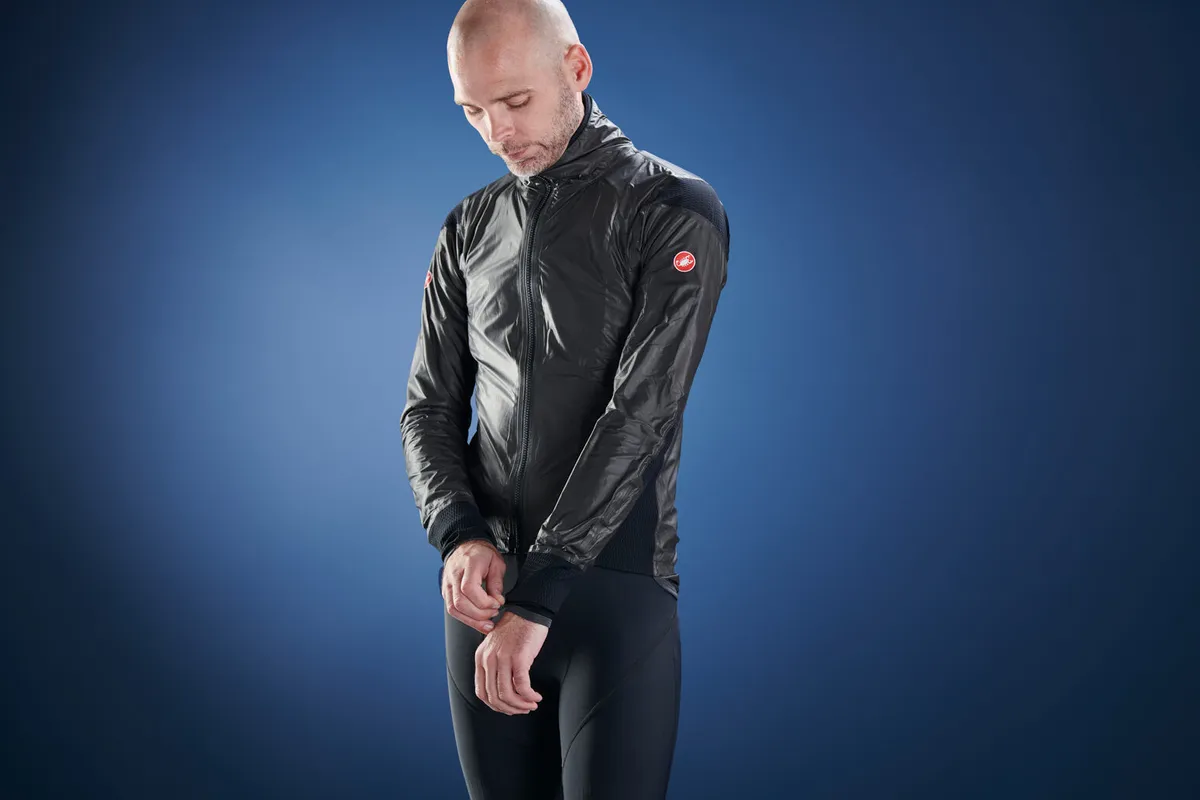
A thin waterproof jacket is a winner. On cold days you can start your ride wearing it and if you get too hot or start climbing you can whip it off.
On warmer days, carry one in your jersey pocket or backpack. Then, if the weather turns bad, you need to stop and fix a problem, or there's a long descent ahead, you can slip it on and feel the benefit.
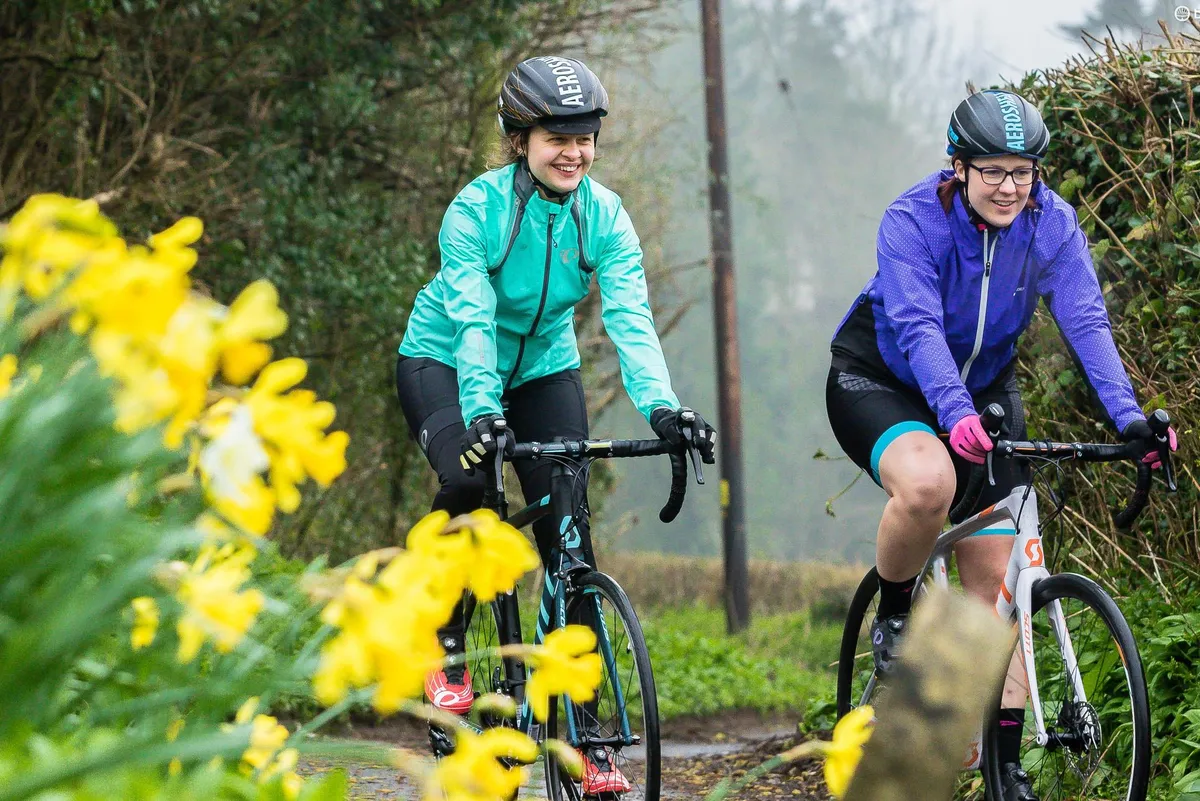
Thin waterproof jackets can become sweaty and feel cold, although fabrics like Gore Shakedry are highly breathable, helping to avoid this. If you’re out on a dry day, a packable windproof shell might be a better option for its increased breathability.
Alternatively, go for a softshell jacket that you can wear all ride. Softshell fabrics are thicker and less water-resistant than thin waterproof shells, but they’ll add more insulation to keep you warmer and are wind-resistant, so you might get away with wearing a lighter weight baselayer or skipping the mid-layer underneath.
Tights and overshorts
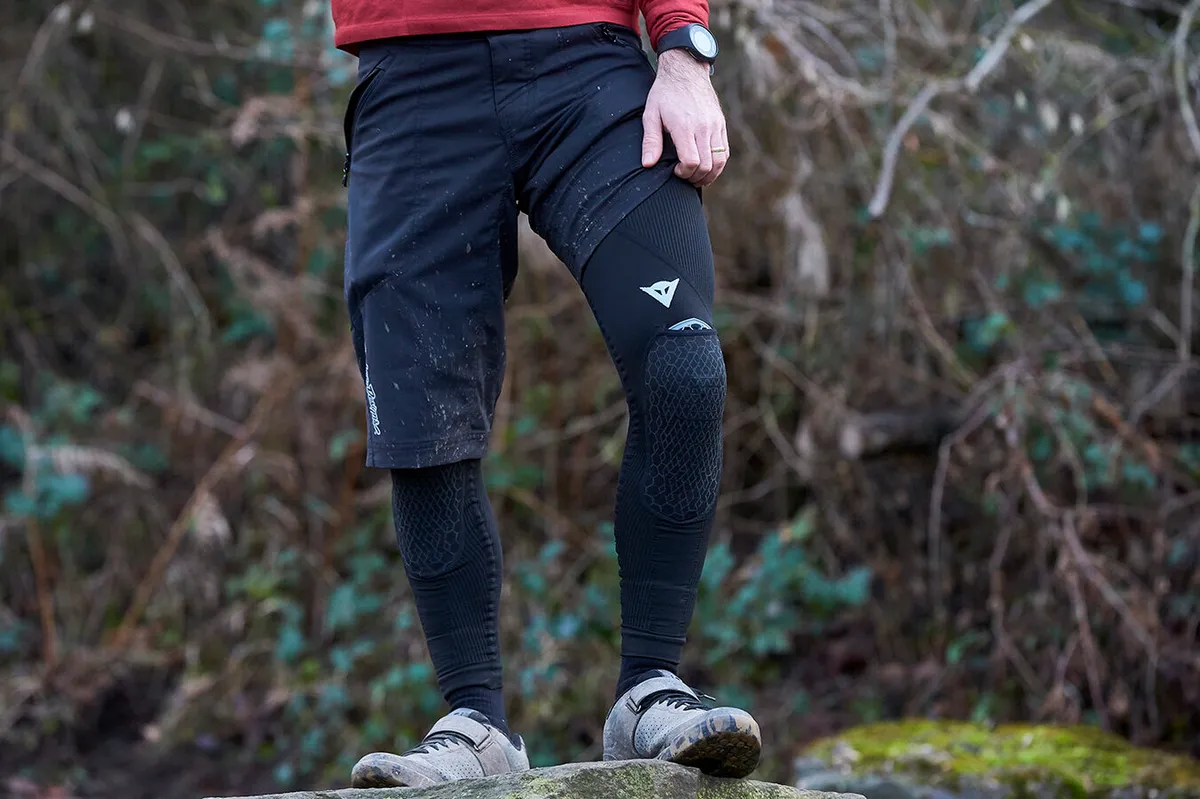
Once things start to cool down, switching to tights from shorts will keep you a lot more comfortable. Not only do they usually have brushed inner faces, but many will include windproofing and water repellency to keep you warmer and drier.
Another option that’s a bit more versatile are thicker, fleece-lined shorts. On their own they’ll add more comfort on cooler days even in the summer, but you can pair them with knee warmers or leg warmers to vary your warmth to suit the weather.
If you’re a mountain biker, adding an extra layer underneath your baggies in the form of roadie-style Lycra shorts, 3/4s or tights will make life a load warmer, too.
On wet days, waterproof overshorts could be the ticket. Road riders often wear shorts under their tights for extra warmth on particularly cold days.
Extremities
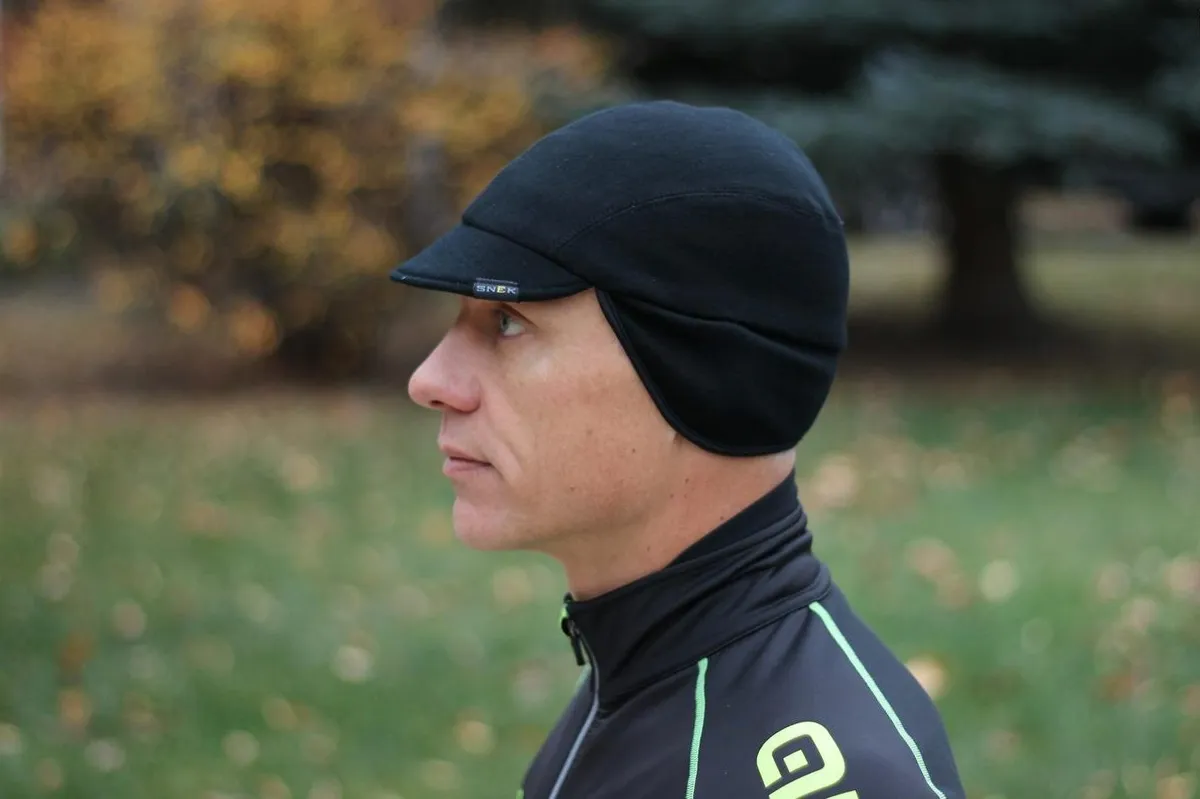
When it gets chilly, wearing a layer under your helmet can make a difference, especially with the wind chill when travelling at speed downhill. Despite common beliefs, you don't actually lose a great deal of heat from your head, but a cold head feels terrible.
Take your pick of a skull cap, a headband or a Buff-style tube. On a dodgy, cold day it’s worth throwing one of these in your backpack or pocket in case things turn nasty. A buff is super-versatile and can also serve as a neck warmer or cover your mouth and nose if it’s really cold.
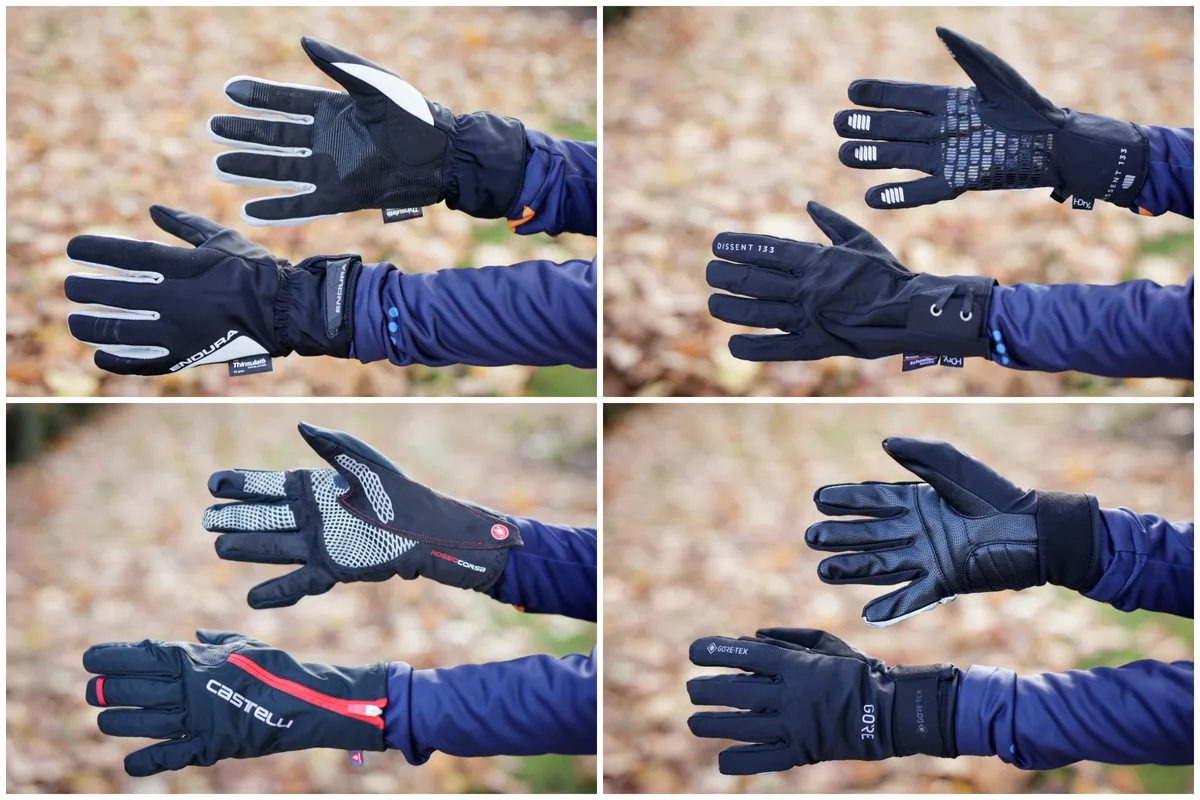
Hands and feet need protecting from heat loss too. The colder it gets, the better your gloves need to be. Check out our buyer’s guide to winter gloves for some recommendations.
Even the most flimsy overshoes will offer a huge step in cold comfort on the road; mountain bikers are better off with waterproof/insulated socks and/or winter shoes, and winter shoes or boots are an option for roadies too.
Features to look for in your winter layers
Construction
The more panels in a garment or the more the fabric stretches, the better you can make it fit – although that’s not guaranteed. Boxier, simple cuts give better casual style, though.
Neck
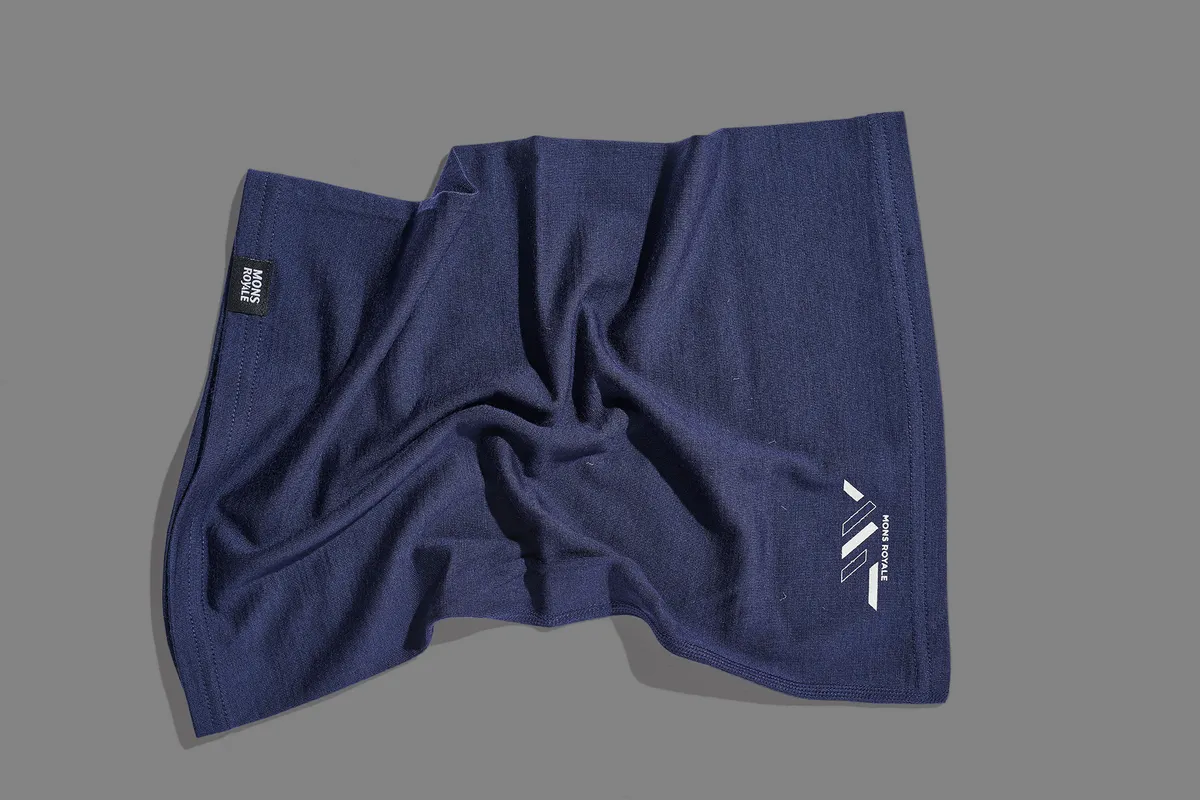
High necks add an amazing amount of warmth to any garment, by stopping cold air flow over big exposed blood vessels. Make sure it’s not so tight it’ll strangle you though, and go zipped for easy venting. A buff can help plug a gap here too.
Sleeves
Leaning forward on your bike pulls normal sleeves upwards, which leaves your wrists exposed, so look for riding-friendly long sleeves.
Short sleeves are more versatile and you can add arm warmers if extra warmth is needed.
If you get cold easily then go for long sleeves for more warmth. Long sleeves should go all the way to the wrist and should be a tight fit to prevent them rolling, bunching or billowing, and stop draughts from finding their way in.
Heat control
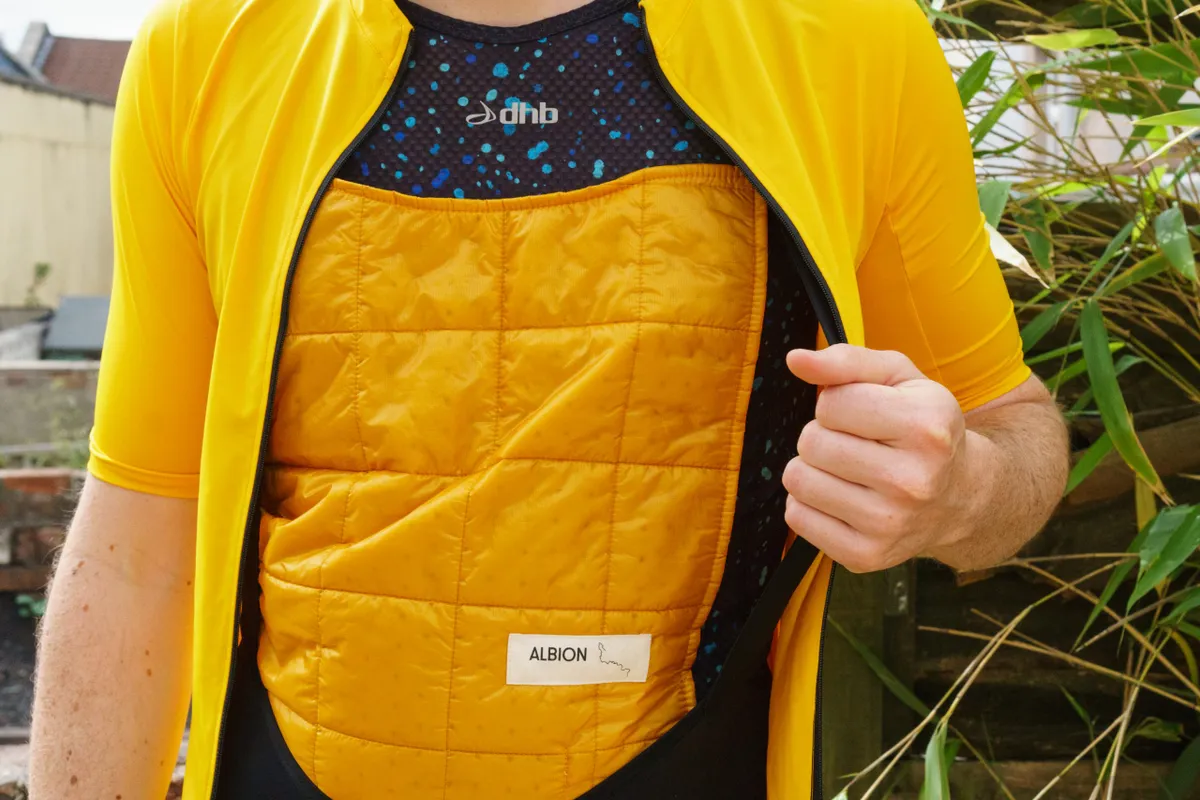
Surface body temperature varies in different areas and riding conditions. Smart clobber puts thinner fabric over hotter areas and uses vents and zips for added air cooling where needed. Windproof front panels will help keep your core warmer.
Fabric
Generally, the more windproof and thicker the garment, the warmer (but wetter) it’ll be. Some windproof fabrics are highly breathable though, so they avoid excessive sweat build-up while still being really warm. And many technical fabrics will add water repellency, often via a DWR surface coating.
It’s worth noting that when it comes to baselayers, Merino wool is a good alternative to pure synthetics because it stays warm when wet and is more odour resistant.
Jargon buster
- Body mapping: The latest clothing buzzword. It basically means working out which bits of the body are hot or which need more movement, and adjusting the cut and thermal properties of the garment to suit.
- Breathability: Normally used in reference to shells and not base/mid-layers. Describes the ability of the fabric to let sweat vapour breathe from inside to outside, keeping you and your layers dry and warm.
- Fleece: Fluffy synthetic fabric (sometimes made from recycled plastic bottles) that feels lovely against the skin and mops up sweat nicely. Thick fleece is very warm though, and can easily overheat you.
- Merino: Particularly fine wool from Merino sheep. Expensive but sumptuously comfy, although cheaper pieces can be itchy and you need to wash and dry Merino carefully .
- Storm flap: Strip or flap of fabric usually behind or in front of a zip designed to stop rain and wind penetrating.
- Synthetic: Man-made fibre such as polyester, as opposed to natural fabric like wool or cotton.
- Wicking: When a cloth’s fibres suck the sweat off your skin and move it to the outer face of the fabric and then evaporate it into the air or next layer out.
- Windstopper: Proprietary Gore fabric, similar to Gore-Tex but with increased breathability/wicking properties, less rain resistance and a softer outer shell, used in softshell garments. This material comes with or without a fleecy inner face. Gore now brands its less waterproof but windproof fabrics Infinium.