Diverging from their road-going ancestors, gravel bikes offer a choice of wheel sizes: the standard 700c as seen on road bikes, or slightly smaller 650b.
Many gravel frames are designed to be able to accommodate both, and you can sometimes choose between these gravel wheel sizes when ordering your new gravel bike setup, too.
So, what are the differences between these hoop sizes, and what are the pros and cons of each? Should you have a set of each with different tyres for tackling different terrain?
Here, we take an in-depth look to help you decide which are the best gravel wheels for your rig.
What is 650b?
| Feature | 650b | 700c |
|---|---|---|
| Modern equivalent | ~27.5 in MTB | ~29 in MTB |
| Origin | French sizing system | French sizing system |
| Meaning of number | Approx. overall diameter incl. tyre | Approx. overall diameter incl. tyre |
| Meaning of letter | Width category | Width category |
| Rim diameter (mm) | 584 | 622 |
| Typical tyre association | Larger-volume, wider tyres (gravel) | Traditionally narrower; modern frames allow similar widths |
| Notes | Smaller wheel; often used for comfort, grip, agility | Larger wheel; often used for speed and rollover efficiency |
What does 650b mean? The name for these wheels – which are essentially the same thing as 27.5in mountain bike wheels – is derived from a French sizing system, just like 700c (29in equivalent).
The number relates to the approximate diameter of the wheel, including the tyre, while the letter relates to the approximate width.
We use the word approximately here, because this measurement includes the tyre, which can vary greatly in size according to the tyre’s profile.
To be more accurate, from rim bed to rim bed a 650b wheel measures 584mm in diameter, with a 700c rim measuring 622mm. Bit less catchy, isn’t it?
When we talk about 650b wheels for gravel riding, though, we typically associate this smaller wheel size with larger-volume and width tyres. However, modern gravel bike design has enabled similar tyre clearances for 700c wheels.
Pros of running 650b wheels on a gravel bike

650b wheels are typically used in conjunction with wider tyres.
This allows riders to run lower tyre pressures, yielding enhanced grip as well as improved comfort. A greater cushion of air can also reduce the risk of pinch punctures, especially when set up tubeless.
Greater grip comes in handy on the rougher trails, while increased comfort is especially useful for longer, multi-day bikepacking tours.
As with road bikes, some shorter riders opt for 650b wheels for better handling in proportion to the frame size and reduced toe overlap when gravel riding.
Lastly, 650b wheels tend to be stronger than 700c, as the shorter spoke triangle leads to a more robust construction.
Cons of running 650b wheels on a gravel bike
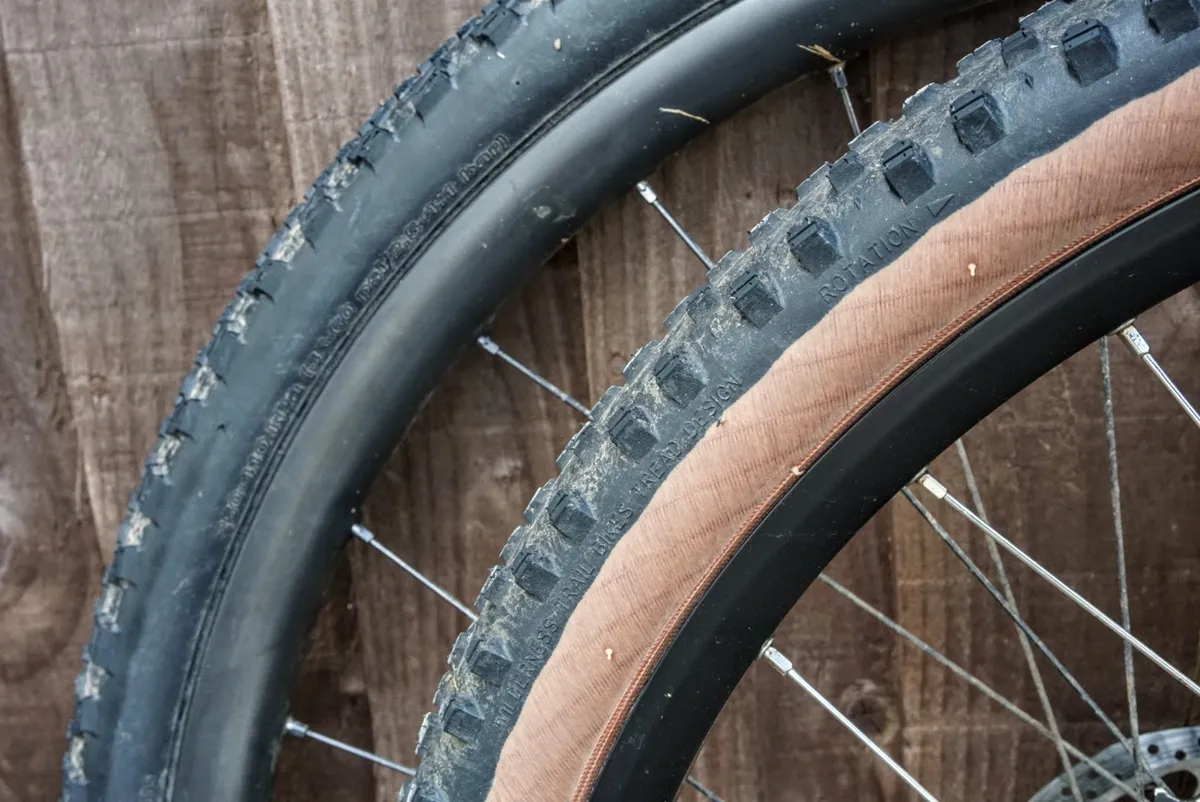
There’s a more limited selection of 650b tyres to choose from, with 700c still the main wheelsize for gravel riding.
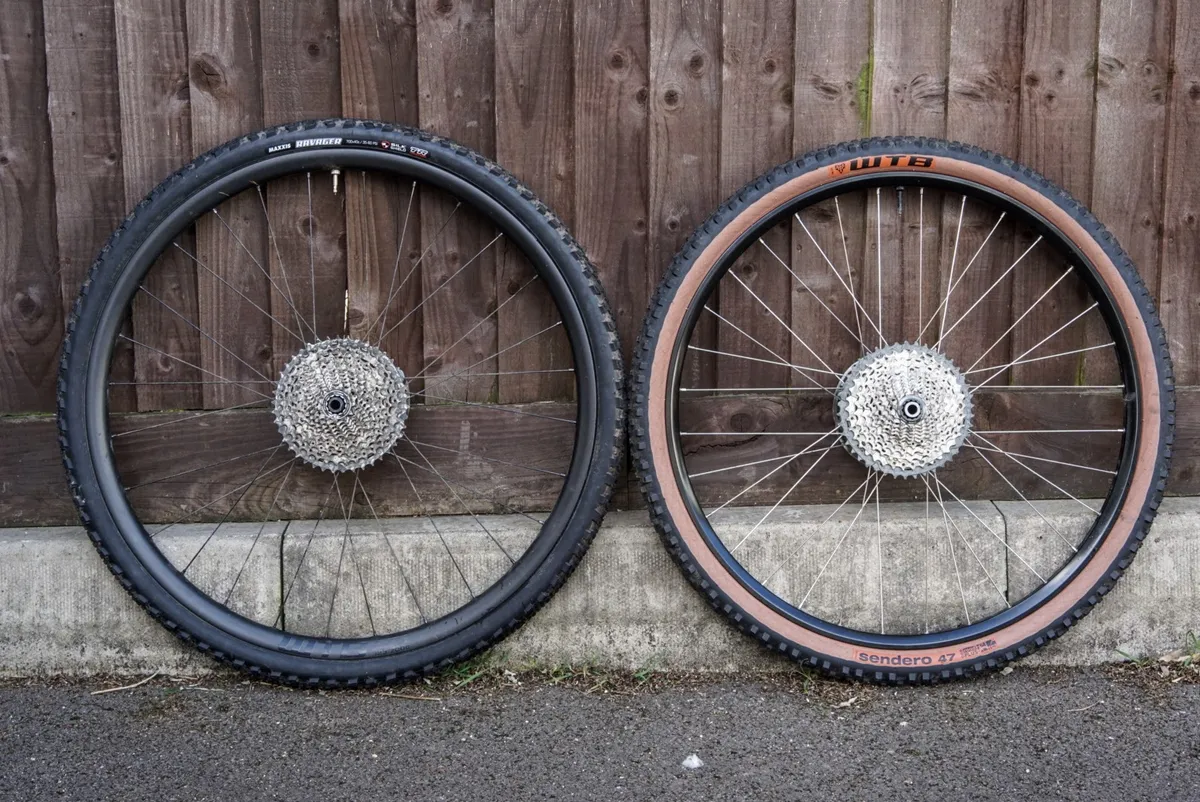
Most 650b tyres will be higher-volume options (45mm and above), and usually feature a greater level of tread, like the 47mm WTB Sendero, which is essentially a little cross-country mountain bike tyre.
Changing your 700c wheels to 650b will also lower your bottom bracket height, which may lead to increased pedal strikes on rocky terrain and changes to your bike's handling.
If you’ve already got a 700c wheelset, then you’ll need to fork out for a 650b alternative. Thankfully, there are options to suit most budgets, from entry-level builds to bespoke, lightweight and race-focused carbon wheelsets.
Remember you’ll also need inner tubes to match your new wheels – whether that’s for your standard setup or a spare in case of any tubeless setup issues. Check out our full guide on tubeless tyre repair before taking to the trails if this technology is new to you.
What is 700c?

700c is the standard size for road bike wheels, but the term itself is not very insightful.
In theory, '700' refers to the diameter of the wheel across the outside of tyre in millimetres.
In practice, several factors influence a wheel's outside diameter, including tyre width and profile.
As a result, a more useful wheel measurement is the gap between the tyre bead seats.
What about the 'c' part of 700c? This harks back to when 700a, 700b and 700d wheels were more common. The letters denoted different bead seat widths.
For simplicity, eventually tyre and wheel makers adopted 700c as the industry standard.
Pros of 700c wheels on a gravel bike

Because 700c wheels have been the norm for a long time, lots of gravel wheelsets are on the market.
Axle-standard incompatibilities aside, there's nothing technically stopping you from using a road bike or mountain bike wheelset on a gravel bike.
However, remember to check the internal rim diameter before you buy. That largely determines a wheelset's suitability for use with gravel tyres.
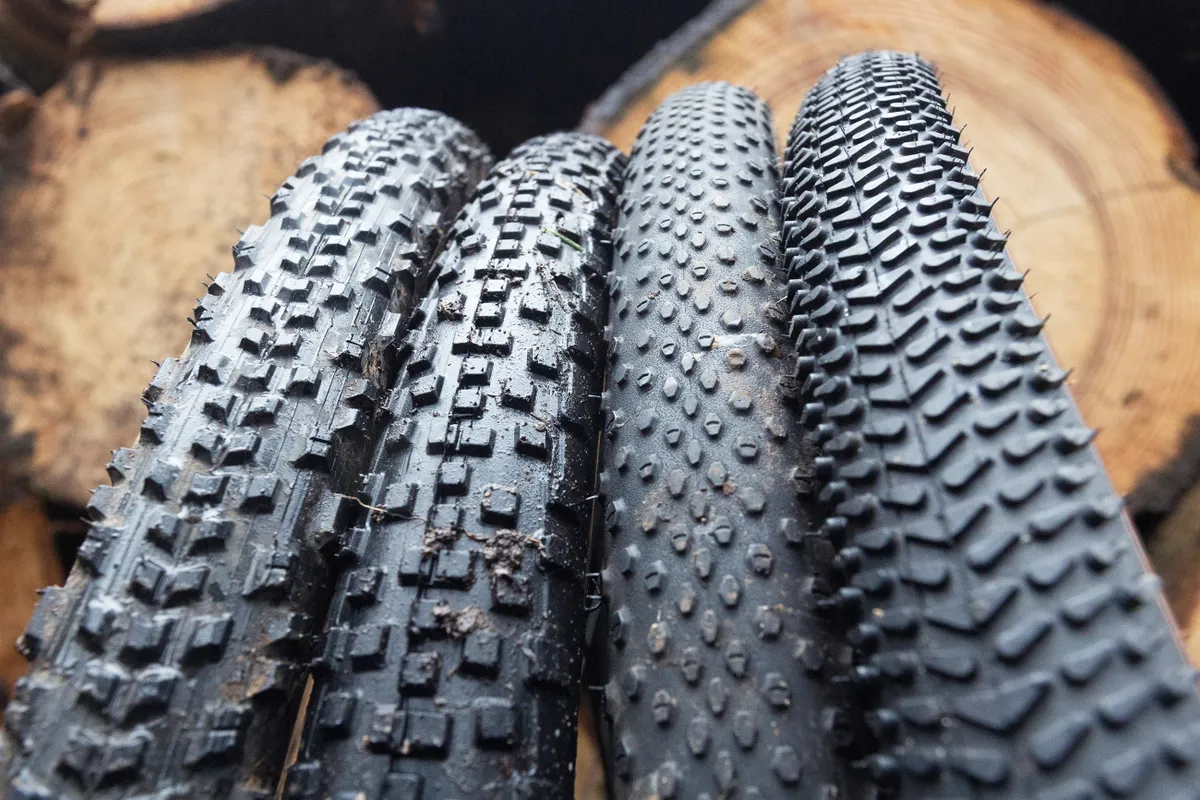
As well as good wheel availability, 700c tyre availability is also better, with a wide range of widths and tread options available.
Many people claim that a larger-diameter 700c wheel will offer easier rollover, just like a 29er mountain bike setup. However, it’s more nuanced than that when it comes to gravel.
Set up with the same width tyres – let's say 40mm – the 700c wheelset will have a greater external diameter than a 650b wheelset. This increases rollover and speed.
Recent changes in gravel bike design have seen frame clearance increased for 700c wheels, with 45mm to 50mm now a common sight, meaning you get that same wide, high-volume feel of running a 650b wheel.
The other primary benefit of 700c wheels is reduced rolling resistance. For this reason, 700c is the most popular choice when it comes to gravel racing.
This is a broad generalisation and is subject to both tread and tyre width chosen, and tyre pressure.
Cons of using 700c wheels on a gravel bike
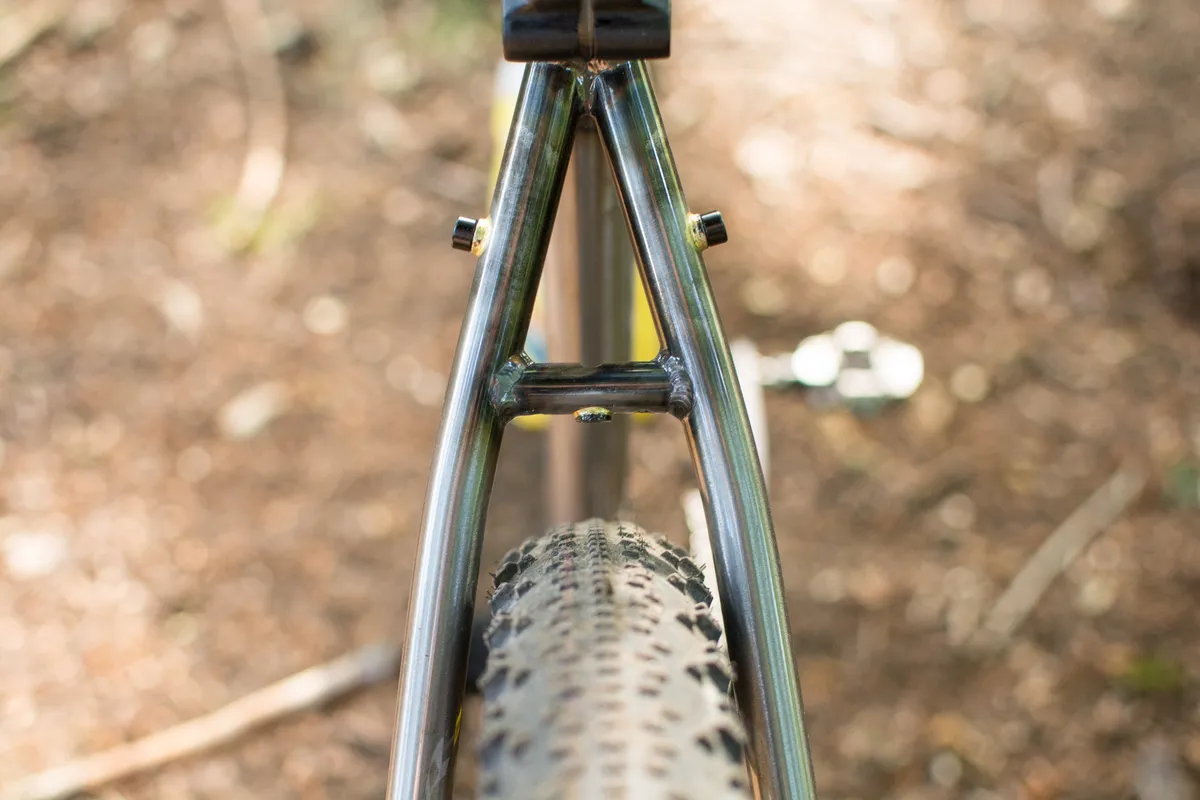
The downside of 700c wheels is that the maximum tyre width you can fit may be limited. This may also extend to limits on mud clearance and space for traditional mudguards.
Many new bikes won't run into this issue, with the latest crop of gravel bikes having clearances up to 50mm.
650b or 700c, what’s right for you?

The best wheel size for your gravel bike will depend on your gravel riding preferences and intentions.
Want to get rowdy and hit up some mountain trails, or want to cross a mountain range with everything you’ll need for a week? Try 650b.
Looking to go fast over smoother hardpack and tarmac with no compromise on speed on a gravel race bike? 700c will probably be best for you.
But ultimately, wheel size is just one factor in how your bike will roll over terrain. Tyre choice and tyre width have a big impact on the sprightliness and capability of your gravel bike, so it's worth considering what the ideal component combination is for the riding you want to do.