The best road bike helmets combine proven protection, an aerodynamic shape and cooling ventilation. Helmets range in price from the wildly expensive to the affordable – in fact, the best budget bike helmets hold their own against pricier competition, often for less than £100 / $100.
Cheaper models might lack crash-protection technology. However, all helmets must pass stringent testing standards to be approved for sale. Even without extra safety features, your helmet will help protect you in a crash.
For drag reduction, head to our best aero road helmets list. We also have a guide to the best mountain bike helmets if you're looking for off-road protection.
We've organised this list of the best road cycling helmets by splitting it into different price ranges. Below that is our buyer's guide to choosing the best road cycling helmet.
Navigate to the best helmets in each price bracket and our buyer's guide
- Best road bike helmets under £100
- Best road bike helmets under £200
- Best road bike helmets under £300
- Best road bike helmets under £400
- How we test road bike helmets
- Buyer's guide to road bike helmets
This best list was written by our staff writer, Nick Clark, who has brought together expertise from across the team while adding his personal experience from decades spent in the saddle.
The reviews in this buyer's guide were written by Ashley Quinlan, Simon von Bromley, Matt Baird, Oscar Huckle and Warren Rossiter.
Our awards were selected by our road tech lead, Ashley.
Editor's note: we updated our best road bike helmets list on 11 March 2026 with our award winners. We have also added more insight into how we test road bike helmets, and sections to our buyer's guide on safety and using a mountain bike helmet on the road.
Our award-winning road bike helmets
Best road bike helmet under £100 / $150: Van Rysel FCR
SQUIRREL_TEXT_13111630

- £89.99 / €100 as tested by Simon von Bromley
- Pros: Aero design; comfort; well made; Fidlock Snap buckle
- Cons: Less airy than the best aero helmets
The Van Rysel FCR helmet delivers top-level performance at a startlingly low cost.
Van Rysel claims to have used wind tunnel data to maximise the FCR's aerodynamics for Decathlon AG2R La Mondiale who wear the helmet in the WorldTour.
The FCR is also comfortable, feels high quality and includes clever features such as a magnetic Fidlock Snap buckle instead of a clip-in clasp.
Our only criticism is that ventilation feels slightly worse than high-end aero helmets, but that's excusable at £89.99.
- Read more: Van Rysel FCR helmet review
SQUIRREL_13111630
Best road bike helmet under £200 / $250: ABUS PowerDome
SQUIRREL_TEXT_13115898

- £130 as tested by Matt Baird
- Pros: Balance of low weight and aerodynamics; competitive price; MIPS
- Cons: Strap not perfect; only four colours
The ABUS PowerDome is an impressive performer considering it costs less than £150 and includes MIPS.
The road bike helmet is reasonably light (248g size medium), while its sculpted, slim shape and cut-off back should be fairly aerodynamic.
Our tester found the straps prone to twisting though. The colour choice isn't the broadest either.
- Read more: ABUS PowerDome review
SQUIRREL_13115898
Best road bike helmet under £300 / $350: Trek Velocis MIPS
SQUIRREL_TEXT_13111621

- £230 / $300 / €300 / AU$400 as tested by Ashley Quinlan
- Pros: Light; cool; stylish
- Cons: Adjustment mechanism feels delicate
The Trek Velocis MIPS is one of the best lightweight road bike helmets on the market.
Our tester found the Velocis MIPS kept their head cool and looking good without weighing them down.
Another plus is that it’s cheaper than its big competitor, the Specialized S-Works Prevail 3, with no discernible dip in performance bar the sturdiness of the adjustment system.
- Read more: Trek Velocis MIPS review
SQUIRREL_13111621
Best of the rest
Best road bike helmets under £100 / $150
MET Vinci MIPS
SQUIRREL_TEXT_13084236
- £100 / €120 / AU$170 as tested by Matt Baird
- Pros: Good value and weight
- Cons: Tricky to adjust internal tightness; limited size range
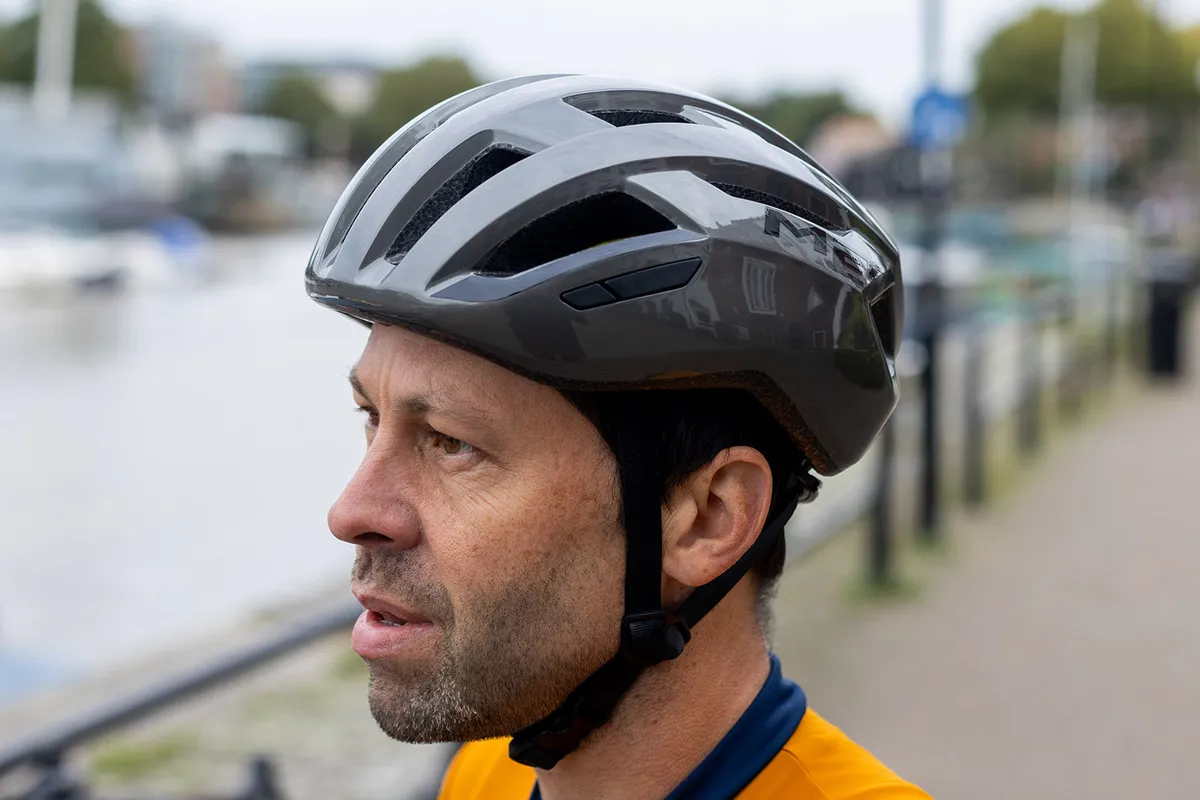
The MET Vinci MIPS is well ventilated, pretty light (269g in size large) and comfortable for a range of riding.
For £100 or so, the inclusion of MIPS-C2 technology is impressive.
However, the MET Vinci MIPS has a few flaws. It's a bit difficult to adjust the internal fit and the largest size available may not fit bigger heads.
- Read more: MET Vinci MIPS review
SQUIRREL_13084236
Scott ARX Plus
SQUIRREL_TEXT_13111624
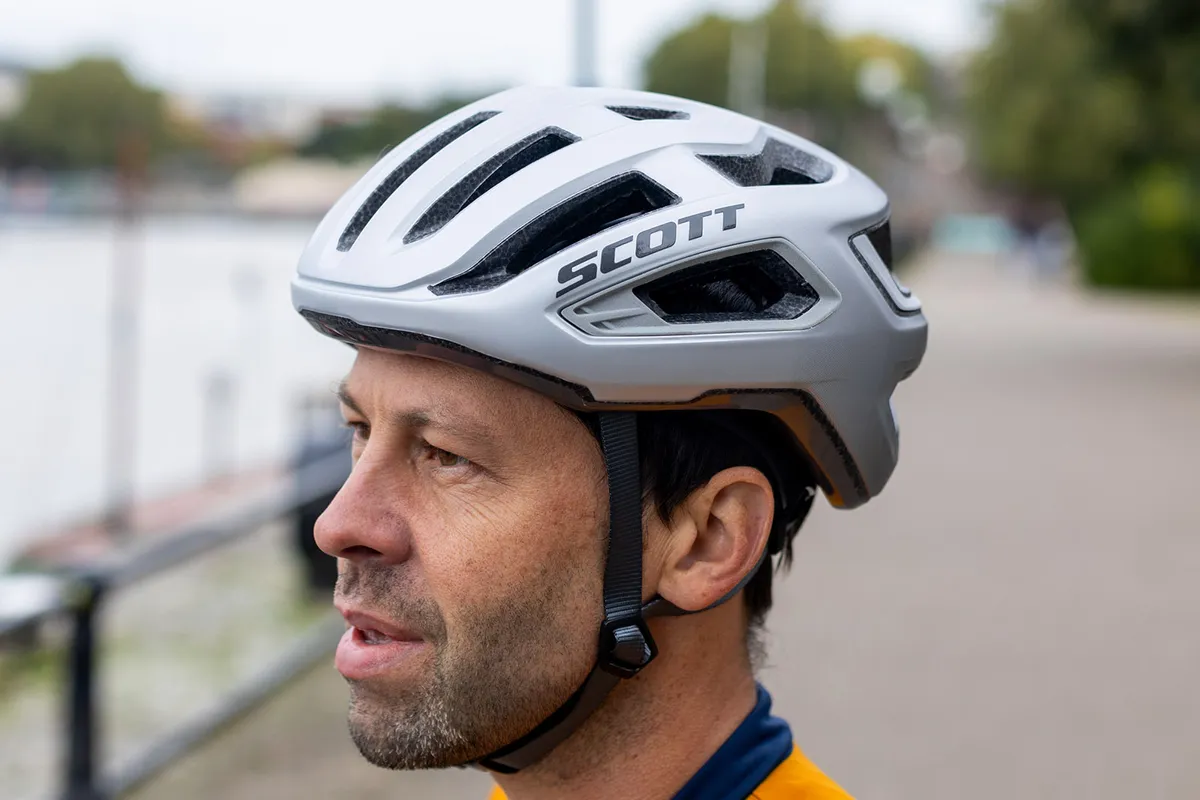
- £100 / $120 / €130 / AU$160 as tested by Matt Baird
- Pros: Versatile; decent value
- Cons: Few vents at rear
The Scott ARX Plus is a good helmet if you ride on and off the road. It comes with a removable visor and has extra protection at the back, but weighs 269g in size medium.
Even though the ARX Plus has MIPS and a five-star rating from the Virginia Tech Helmet Lab, mountain bikers will probably want more protection. And road cyclists may want better ventilation, particularly at the back of the helmet.
In this regard, the Scott ARX Plus sits between two stools. But for £100 / $120, it's still keenly priced.
- Read more: Scott ARX Plus review
SQUIRREL_13111624
Best road bike helmets under £200 / $250
Specialized Propero 4
SQUIRREL_TEXT_13107054

- £165 / $200 / €190 / AU$310 as tested by Oscar Huckle
- Pros: Well fitting; very comfortable; high safety rating; wide colour range; holds different kinds of sunglasses
- Cons: Fit is high at the back; warm in higher temperatures
The Specialized Propero 4 is a very good overall performer that could be the only helmet you need – but only when the temperature is below 20˚C.
This isn’t bad considering the £165 / $200 Propero 4 is highly rated for safety and incorporates weight-saving and drag-reducing design.
In general, the Specialized Propero 4 is comfortable and fits well. But if you could move the retention dial further down the back of your head, the Propero 4 would score higher still.
- Read more: Specialized Propero 4 review
SQUIRREL_13107054
Sweet Protection Fluxer MIPS
SQUIRREL_TEXT_13211287

- £179 / $200 / €199 as tested by Ashley Quinlan
- Pros: Plenty of ventilation; good coverage; well-priced
- Cons: Not as light as rivals
The Fluxer MIPS offers great overall performance with great ventilation and coverage.
While it's the brand's lightweight offering, it isn't quite as light as rivals, although at 299g it isn't heavy.
It also represents good value for money compared to helmets in this category.
We found it easy to find a good fit thanks to the cranial support dial, and it has plenty of features you'd expect.
- Read more: Sweet Protection Fluxer MIPS review
SQUIRREL_13211287
Best road bike helmets under £300 / $350
Specialized S-Works Evade 3
SQUIRREL_TEXT_13111638
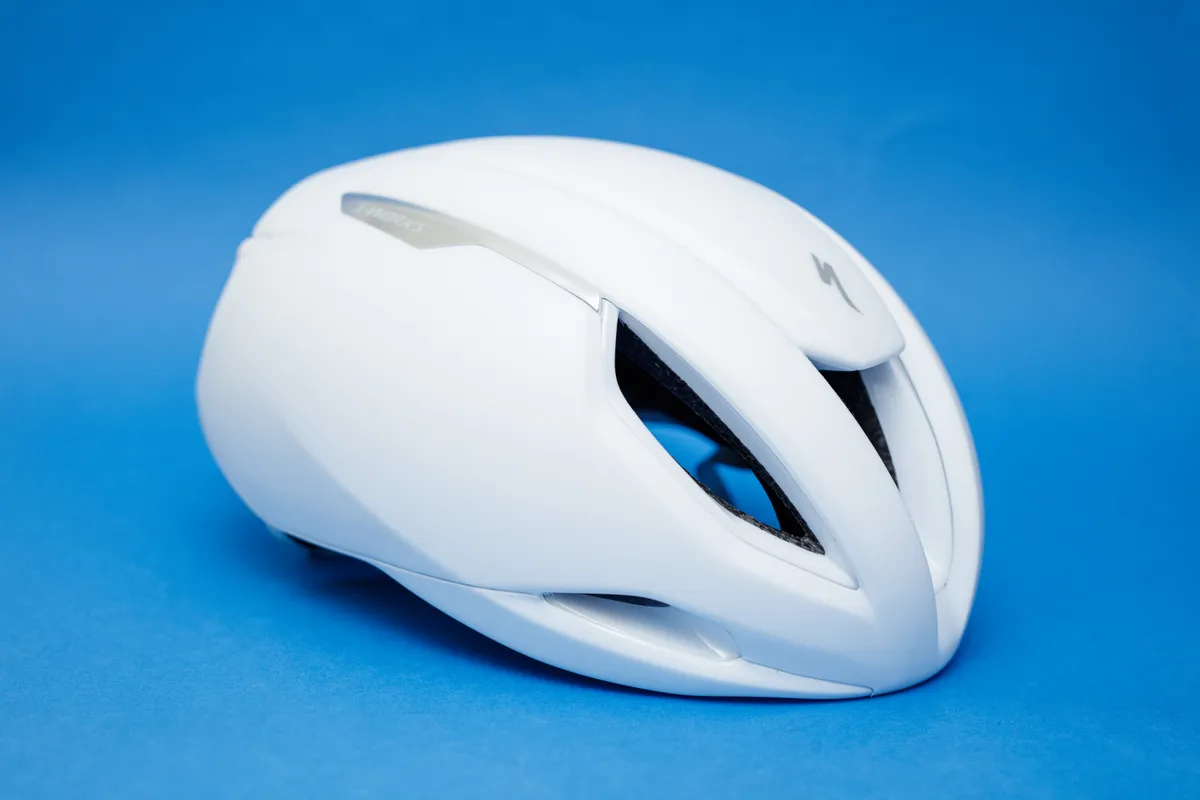
- £275 / $300 / €330 as tested by Simon von Bromley
- Pros: Brilliant all-rounder; fairly conventional-looking
- Cons: High price
The S-Works Evade 3 is Specialized's updated aero helmet – and an excellent one at that.
Better ventilation than the outgoing Specialized S-Works Evade, including two front vents to hold sunglasses, augment the Evade 3's versatility.
The S-Works Evade 3 scores highly for safety and looks reasonably conventional despite its aerodynamic credentials, but there's not getting over the cost, which is high if you have to fork out for a replacement in the event of a crash.
- Read more: Specialized S-Works Evade 3 helmet review
SQUIRREL_13111638
Kask Protone Icon
SQUIRREL_TEXT_13145977
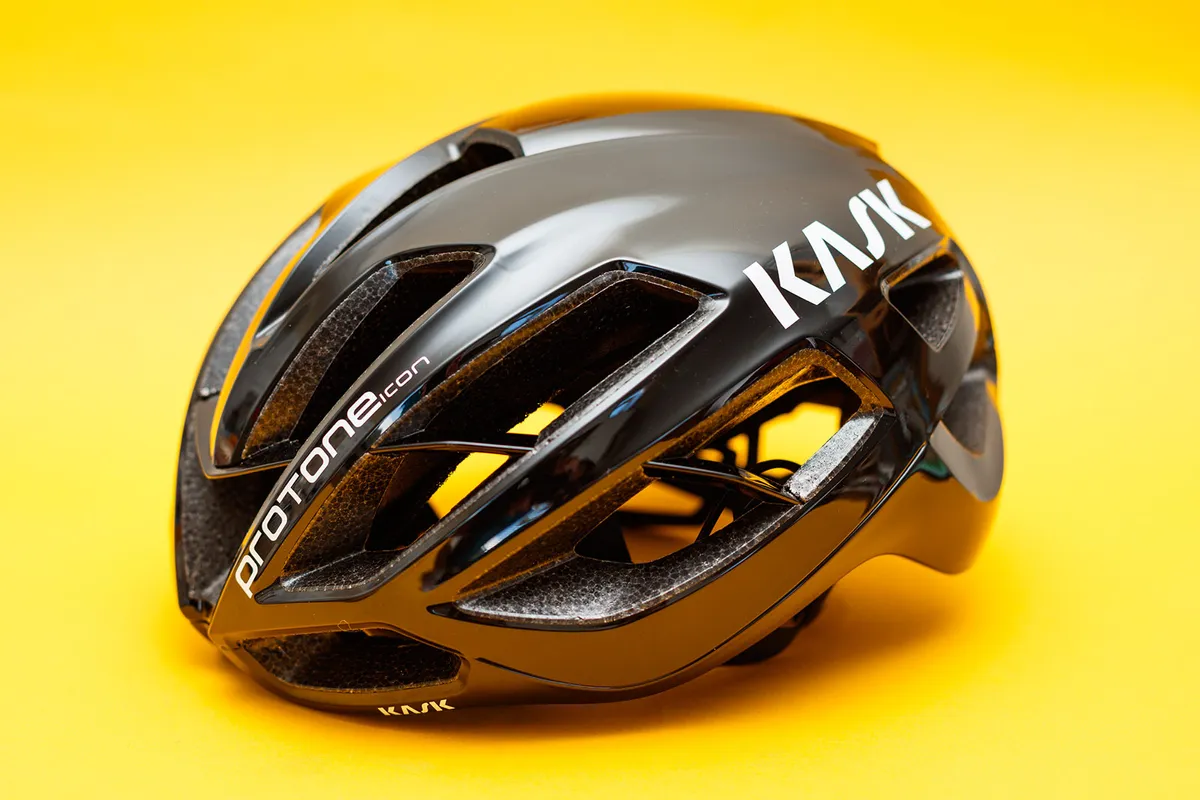
- £245 / $299.95 / €275 / AU$409 as tested by Simon von Bromley
- Pros: Comfortable; well-ventilated; lightweight
- Cons: Retention system is slightly basic
The Protone Icon is an updated version of Kask's acclaimed helmet, bringing it up to date with modern safety concerns but keeping the comfort and looks of the original Protone.
The helmet has been designed to be aerodynamically efficient, but when cycling in a relaxed and upright position, the vents allow plenty of airflow over the head.
Like some of Kask's other helmets, the Protone Icon's retention system isn't the best available. But overall, the helmet is a stylish all-rounder suitable for all-season use.
- Read more: Kask Protone Icon helmet review
SQUIRREL_13145977
MET Trenta 3K Carbon MIPS
SQUIRREL_TEXT_13145978
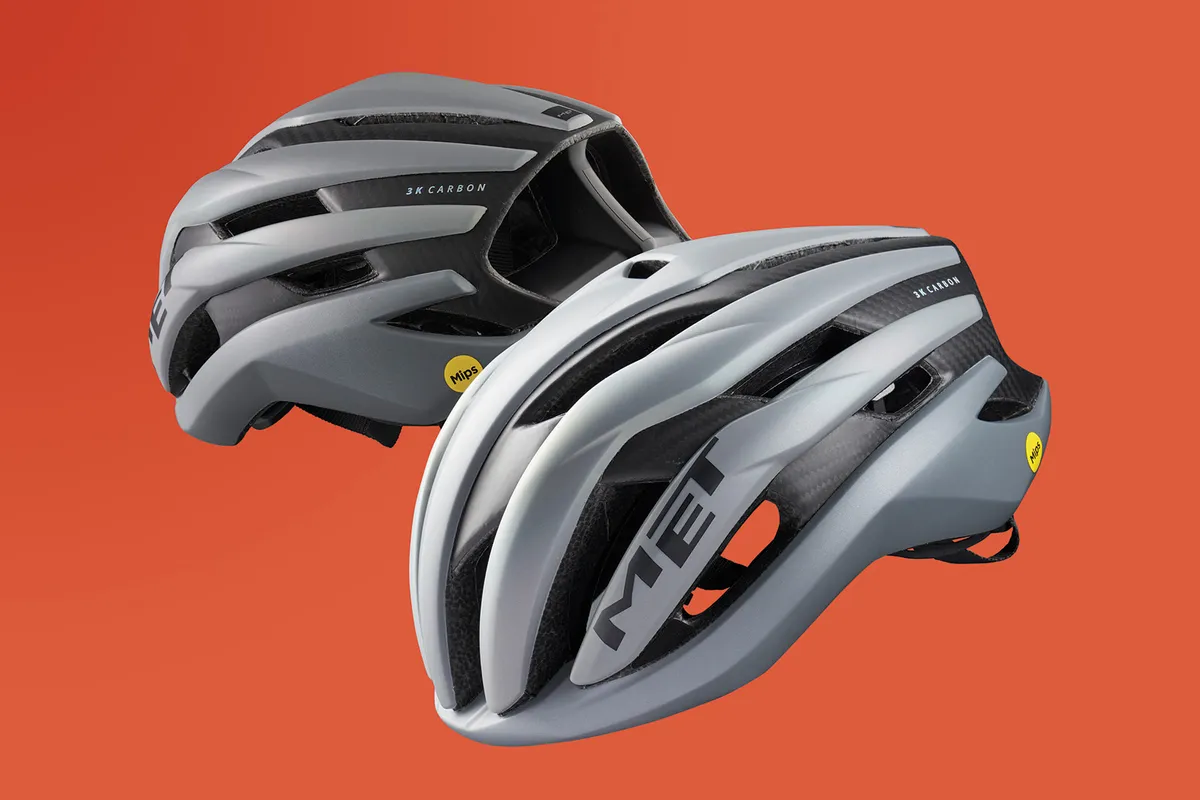
- £280 / $336 / €330 / AU$463 as tested
- Pros; Great airflow; very light for a helmet with MIPS
- Cons: Maybe not the most durable
MET’s top-of-the-range Trenta 3K Carbon has MIPS Air built in to protect you, while minimising weight. In a size L (58 to 61cm), it’s 265g.
It has a striking wave-shaped rear profile, made up of the two exhaust vents, and a wind-tunnel backed Kammtail for an aero benefit. The ventilation is a key element of the helmet.
The hardshell doesn’t wrap fully around the underside, which won’t affect how it rides but may impact its longevity.
SQUIRREL_13145978
ABUS Gamechanger 2.0 MIPS
SQUIRREL_TEXT_13098759

- £280 / €300 as tested by Simon von Bromley
- Pros: Comfortable; well ventilated for an aero helmet; lots of clever aerodynamic details
- Cons: Pricey; testing interrupted by a couple of faults
ABUS' flagship aero road helmet is among the best in its class, being comfortable, well ventilated and reasonably lightweight.
The helmet is designed to be aerodynamically optimised for WorldTour racing speeds at a staggering 46-52kph, although ABUS claims it will still perform at lower, more achievable speeds for the everyday rider.
The helmet is offered with or without MIPS, and the magnetic Fidlock chin buckle makes taking the helmet on and off a little quicker.
- Read more: ABUS Gamechanger 2.0 MIPS review
SQUIRREL_13098759
HJC Ibex 3.0
SQUIRREL_TEXT_13705170

- £249.99 / €259.99 as tested by Warren Rossiter
- Pros: Lightweight; comfortable; enhanced safety features; good cooling
- Cons: Pricey
The Ibex 3.0 is a marked improvement over the previous generation of HJC helmets, with increased comfort and enhanced safety features, including the brand's SLID technology, which is its alternative to MIPS.
The helmet offers great ventilation on hot days, and its lightweight nature makes it comfortable for long rides.
Our tester liked the shape, with its elongated length combined with a low volume and a small frontal profile, offering good comfort.
The only real con is the price.
- Read more: HJC Ibex 3.0 helmet review
SQUIRREL_13705170
Lazer Z1 KinetiCore
SQUIRREL_TEXT_13092069

- £229.99 / $249.99 / €249.99 / AU$399.95 as tested by Ashley Quinlan
- Pros: Very lightweight; comfortable; marginally less expensive than competitors
- Cons: Unintuitive fit system; awkward straps
The Lazer Z1 KinetiCore is an extremely light helmet, which should protect you against rotational impacts.
Thanks to its padding and ventilation, the Z1 KinetiCore is also comfortable to wear.
But compared to a cranial dial, our tester found Lazer’s system less easy to use, and he couldn’t prevent the straps from hanging close to his neck.
- Read more: Lazer Z1 KinetiCore review
SQUIRREL_13092069
Best road bike helmets under £400 / $450
POC Procen Air
SQUIRREL_TEXT_13319152

- £370 / $450 / €400 as tested by Simon von Bromley
- Pros: Surprisingly good ventilation; good field of view; wind-tunnel proven performance
- Cons: Expensive; can heat up on climbing days; no MIPS
POC's Procen Air is very pricey, although it shares more in common with a TT helmet in terms of aerodynamic advantage.
Our tester found this didn't take too much away from the helmet's overall comfort, and while it was warm on hot climbing days, the ventilation and practicality pleasantly surprised us.
The helmet felt faster than others we've tested, and the two included lenses offset some of the price, because you won't need a pair of cycling glasses with this helmet.
- Read more: POC Procen Air review
SQUIRREL_13319152
How we test road bike helmets

We test road bike helmets in their natural environment, spending hours on the bike assessing their real-world performance.
Road riding takes many forms, so we test the helmets on a variety of terrain and surfaces to ensure we cover all the aspects each helmet is designed for.
Helmets are very personal items, so fit and comfort can be quite subjective.
We should note that we don't crash-test the helmets we review, although we do take into account safety features and Virginia Tech's safety ratings on a helmet-by-helmet basis.
Ultimately, we base our road bike helmet reviews on the following criteria:
- Shape and fit – while subjective, it is important to test if a helmet is round or long
- Safety features – such as MIPS and alternatives
- Ventilation – and how warm the helmet is to wear when climbing
- Aerodynamics – and how it lives up to the brand's claims
- Weight – and comparison to other helmets
- Straps and buckle – positioning and how it fits against the face.
- Value vs competitors – with similar features, are you getting a good deal compared to other helmets on the market?
Why you can trust BikeRadar
BikeRadar has been an authority on bikes and cycling tech since its inception in 2007, delivering the world’s best riding advice.
We have experts testing all types of bikes, parts, clothing and accessories, from road, mountain and gravel bikes to commuting, bikepacking and electric bikes.
Our reviews are always editorially independent – with no exceptions. Our reviewers comprehensively test all products in the real world, always reflecting on performance, value and the wider market when delivering their verdicts and review ratings.
We have more than 15,000 product reviews available at your fingertips, as well as expert buying, maintenance, training, skills, health and fitness advice.
Our annual Bike of the Year test is an industry benchmark and the BikeRadar team consists of some of the most experienced riders and testers in the business.
What's the safest road bike helmet?
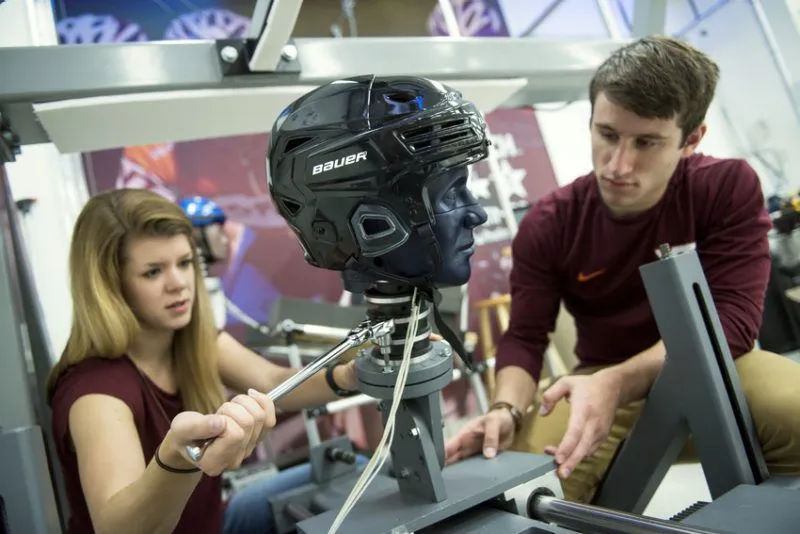
Virginia Tech's independent testing has become the industry standard for safety testing bike helmets.
The helmet lab works in collaboration with the Insurance Institute for Highway Safety and has ranked 290 bike helmets using the STAR testing system.
Its testing has evolved over the years to encourage manufacturers to make safer helmets to achieve its higher ratings.
Buyer's guide to road bike helmets | What to look for when buying a road bike helmet
Fit and retention systems

First and foremost, in the event of a crash, a helmet has to stay on your head to be effective. Just like shoes, helmets from different brands are made to fit slightly differently, so it’s important to try before you buy.
Most helmets use a dial-based retention system (e.g. Giro’s Roc Loc 5 or Kask’s Octo Fit) to adjust the fit, but the vertical adjustment range (i.e. how high or low the rear adjustment supports sit on your head) will vary between helmets, so this is something to look out for.
Adjustable and comfortable straps are also incredibly important – you need to be able to wear them with a fairly snug fit against your chin for maximum effectiveness.
Materials
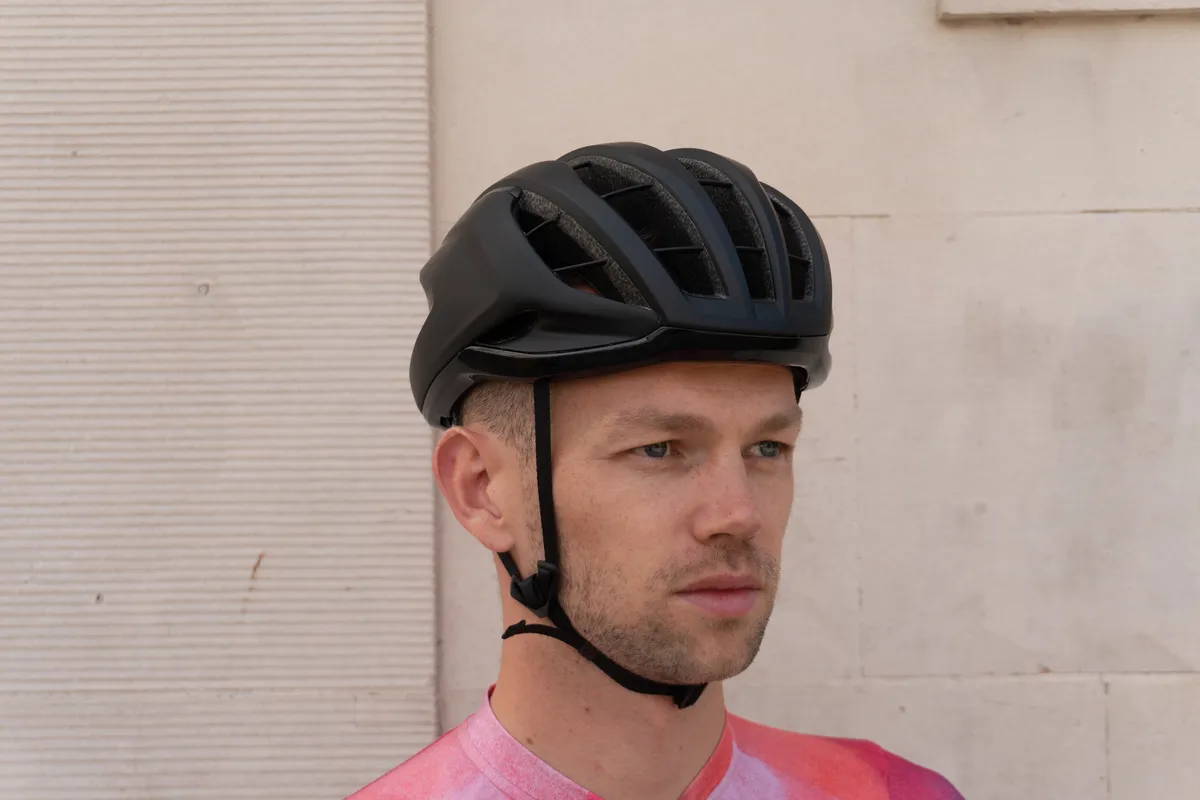
Most cycling helmets are made primarily from expanded polystyrene (EPS) foam. This skeleton is then covered, to varying degrees, in a hard polycarbonate shell (and sometimes a dash of carbon fibre) to add strength and protect the EPS foam from accidental bumps and scratches.
This basic design has been in place for decades now, but other manufacturing techniques and materials are beginning to filter through, such as 3D-printed Polyamide 11 and other proprietary polymer materials.
Naturally, manufacturers claim these designs offer benefits over traditional cycling helmets, but whether those benefits are realised in use remains to be seen.
Safety features

While we won’t comment on the overall efficacy of helmets in general, it’s worth noting that all helmets sold in the EU must conform to the EN 1078 European Standard (and therefore have a CE mark). In the US, they must be CPSC-certified.
Every helmet on this list does just that, if not more, and should at least offer your head some protection against bumps and scratches if you fall off your bike while out riding.
Recently, we’ve seen a substantial increase in additional safety technologies such as rotational liners (e.g. MIPS) and Bontrager’s proprietary WaveCel material. These innovations are claimed to offer increased protection from head and brain injuries by reducing rotational forces or simply by using materials that are better able to absorb certain shocks.
There is some independent safety testing of cycling helmets, but these things are obviously harder to test outside of the lab, where there are so many variables at play. On balance, these extra safety features are almost certainly worth looking for and have now trickled down to quite inexpensive lids.
Ventilation
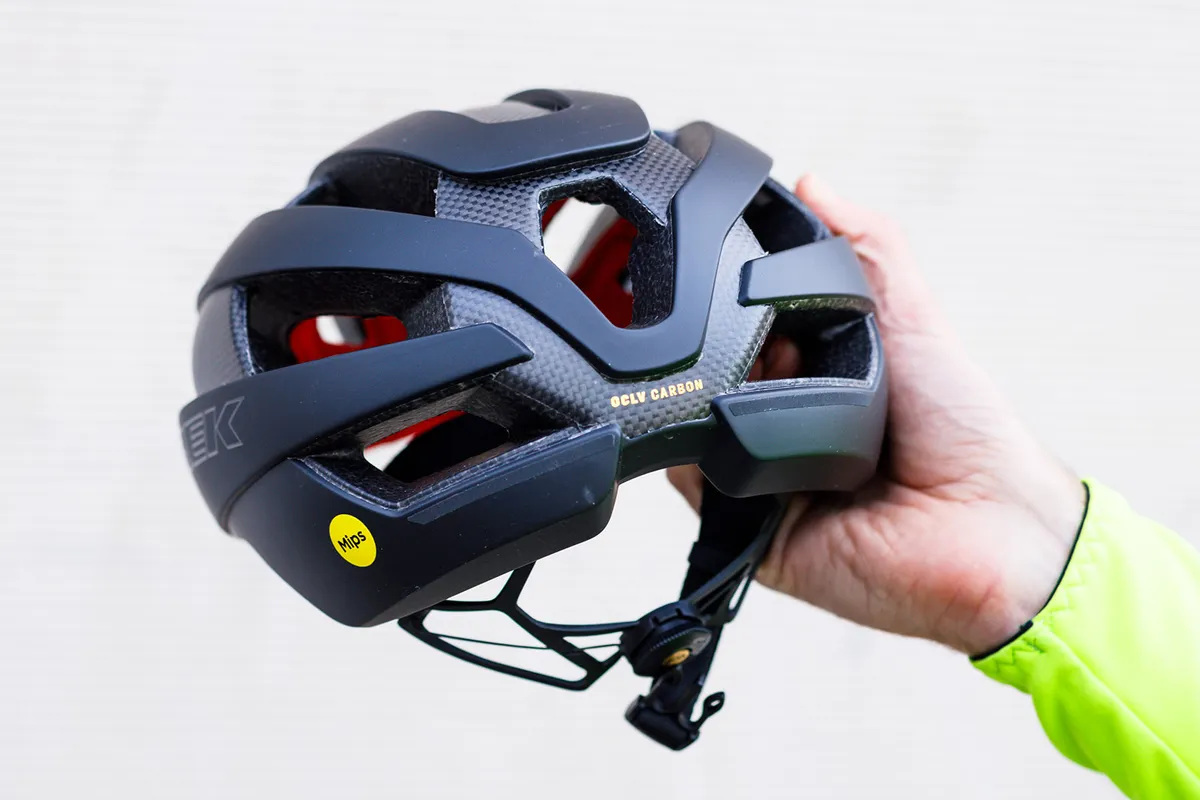
For fast road riding, especially in hot weather, ventilation is key. A well-designed system of vents and channels in the internal structure of a helmet can help to draw air over your head and dissipate heat.
As might be obvious, putting holes in a helmet to increase ventilation is likely to lead to reduced weight and, potentially, robustness. So, to make up for that, airy helmets often need more reinforcement or are constructed with pricier materials, to ensure they still meet safety and durability standards.
Aerodynamics
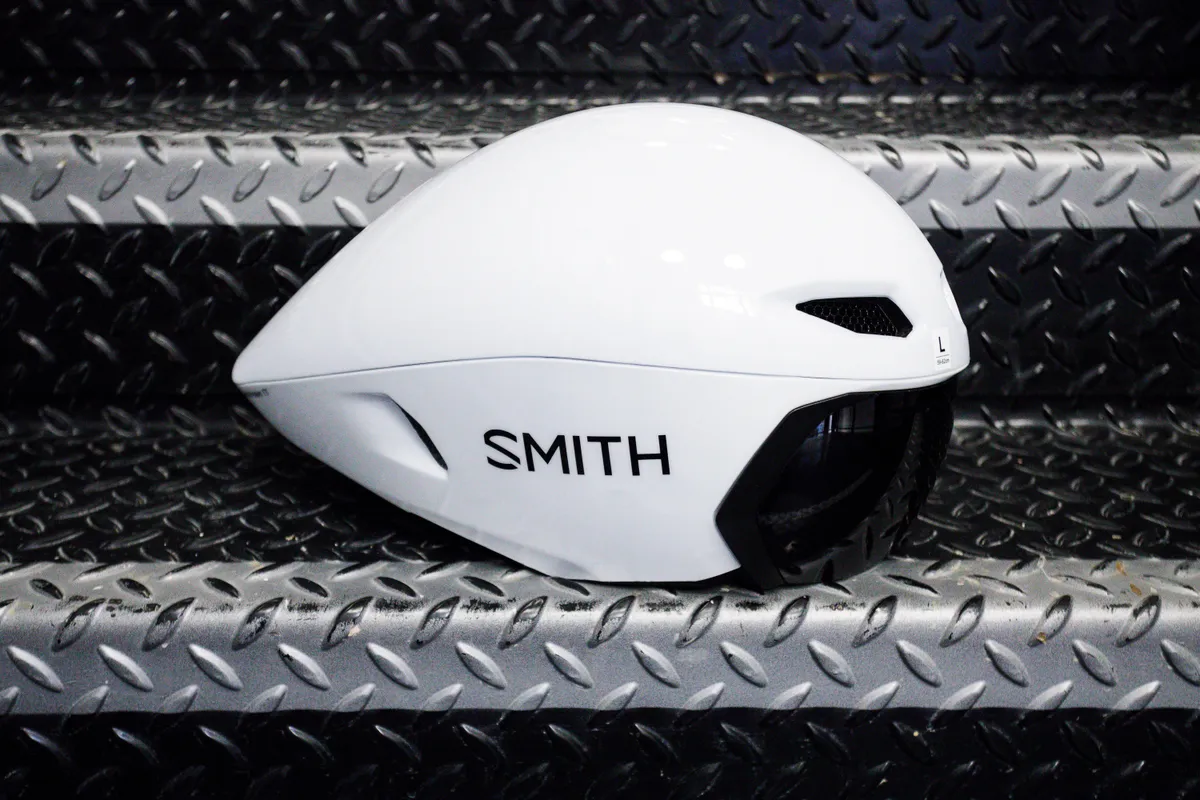
The aero brush touches everything these days, increasing costs and making all your current kit feel outdated, but with helmets it probably makes sense. The potential watt savings to be made with aero helmets shouldn’t be overlooked if you’re concerned with riding fast.
There are compromises of course: increasing aerodynamic efficiency usually means closing off ventilation holes or putting up with funky-shaped lids that, frankly, have looks that sometimes border on the ridiculous. But then again, if your main concern is simply to ride faster, perhaps looks aren’t that important.
Other features

Only a few brands actively promote their helmets' ability to hold your sunglasses in the front vents, but this feature can be a real bonus.
Helmet brands that also make sunglasses tend to do better in this regard, but make sure to take your sunglasses with you when you’re shopping for a new helmet so you can check the hold.
Beauty may be in the eye of the beholder, but it is worth considering what kind of riding the helmets you like the look of are designed for.
Let’s say you like classic-looking helmets with lots of vent holes; if you live somewhere cold, maybe you’d be better off with a more aero-focused helmet with less ventilation and holes for water to seep through.
Likewise, the opposite could be true if you live somewhere hot; there’s no use having a helmet that’s incredibly fast in the wind tunnel if you don’t want to wear it because it makes your head boil.
What about gravel bike helmets?

Many gravel riders choose to wear road bike helmets due to their unrestrictive designs and lightweight constructions.
Gravel-specific helmets often feature more protection towards the rear of the head where blows can come from when riding more technical terrain at slower speeds.
Some helmets, such as POC's Omne Ultra MIPS, feature external attachment points so you can carry small items on your helmet.
Can you wear a mountain bike helmet on the road?

You can use your mountain bike helmet on your road bike, with many riders choosing to do so and vice versa for cross-country mountain biking.
Both styles of helmet should meet minimum safety requirements, with mountain bike helmets often offering more protection.
However, that protection can add extra weight and reduce breathability, which might lead to discomfort if you're planning serious training on the road.
There's also the style note – many roadies shy away from wearing a peak because it isn't the fashion. Removing the peak from your mountain bike helmet should be quick and easy, so if you don't want to look out of place, give it a try.