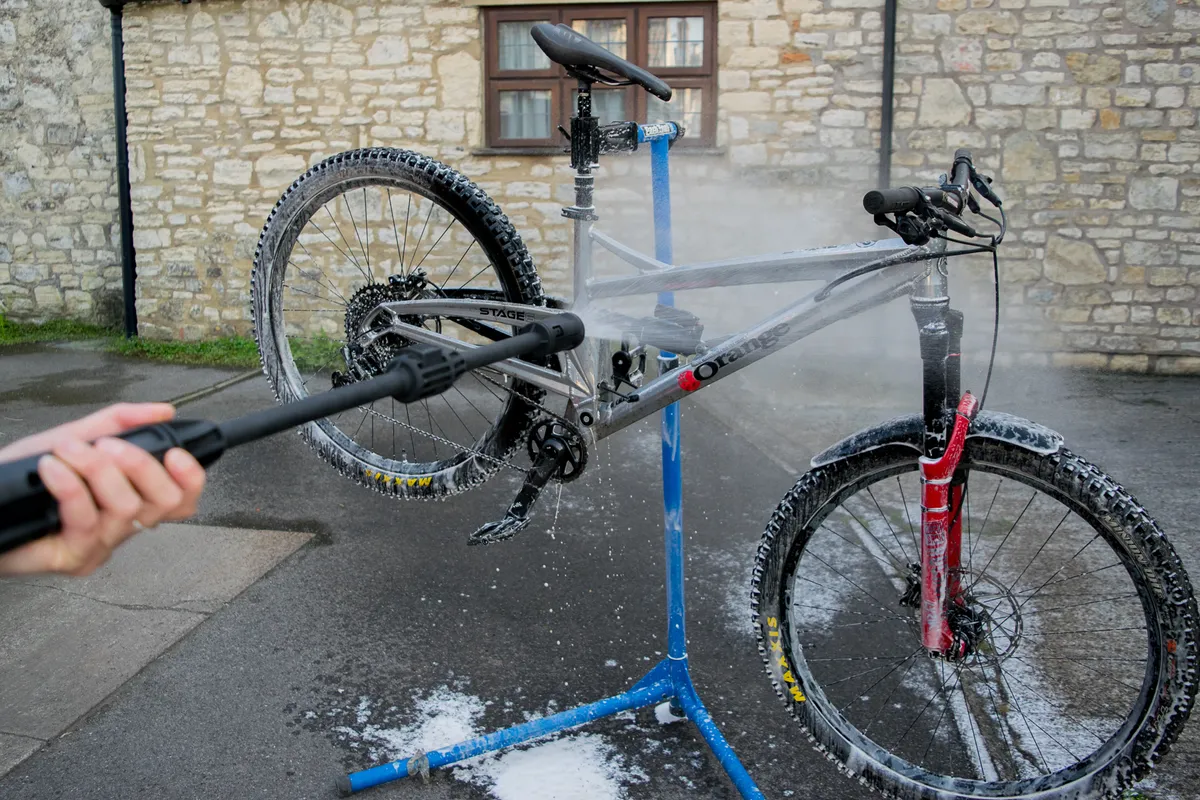
Cleaning your bike is crucial to ensure longevity and proper performance, as well as making it look smart and caring for the paintwork.
You already know how to clean your bike, but what products do you need to clean it properly? If you don’t have an unlimited budget or lots of space, what should you prioritise?
Here’s how you create the perfect bike-cleaning setup without getting hooked in by manufacturers’ superfluous wonder-gadgets and magic potions.
Bike cleaner
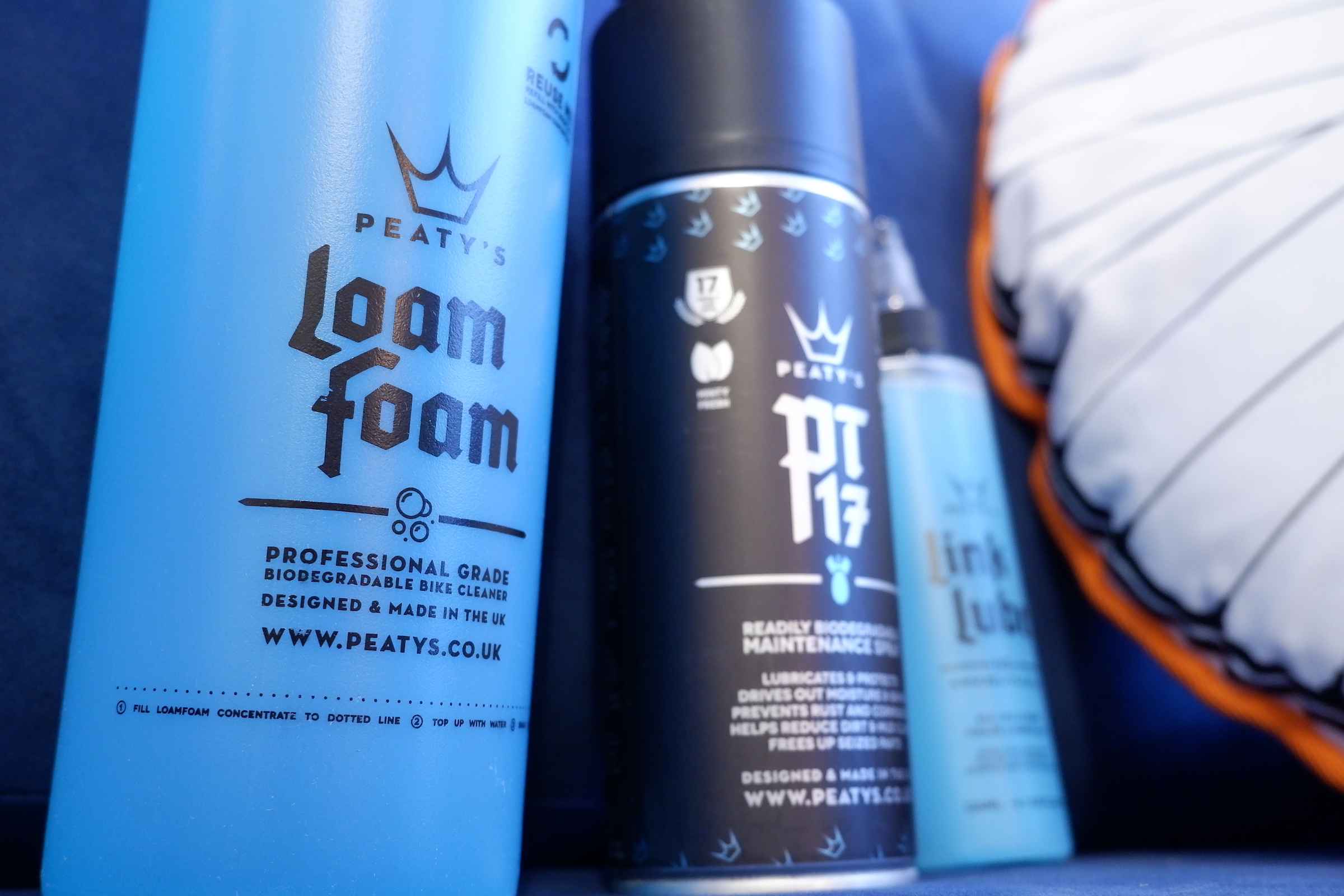
It sounds painfully obvious, but the first product in your bike-washing arsenal should be a spray bottle of bike cleaner. These are usually sold in one-litre plastic bottles with a sprayer.
Bike cleaners are designed to be sprayed on after you’ve given the bike a rinse to get rid of the worst of the dirt. You need to leave them on for the agents they contain to do their work before agitation with a brush and rinsing off.
Good cleaners put dirt, mud, road grime and lubricants in suspension so they’re easy to rinse away with clean water. Bike cleaners are usually mildly acidic or alkaline, containing surfactants and detergents to lift the dirt from the bike and dissolve oil and grease.
There is always going to be a balance between a caustic degreaser with great oil-busting capability, which is more harsh on paint and anodising, and a weaker solution that's safe to leave on all day but doesn’t do much.
Most bike cleaners cost from £5-£10 per litre.
Always follow the instructions on your bike cleaner to keep yourself safe and healthy, and prevent any damage to your bike.
Brushes
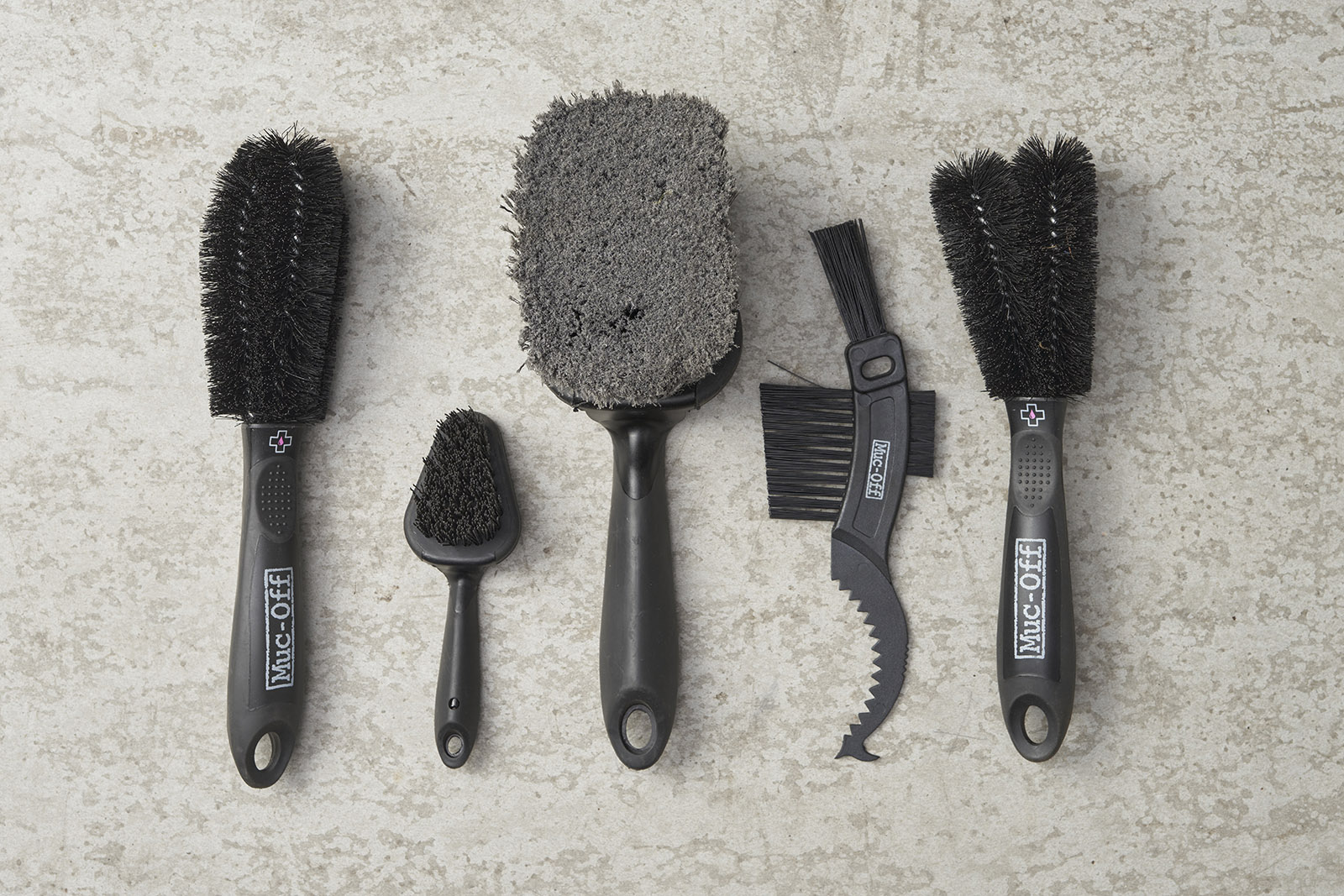
Brushes are used to agitate dirt, assisting the cleaner while it’s doing its work. They come in all sorts of shapes and sizes, from delicate ones for getting in between your cassette cogs to large, soft brushes for pampering your paintwork.
The best generalist brush is one small enough to get into the gaps between your tyre and chainstay, or underneath your fork crown, but large enough to be used over the whole frame.
I like a two-pronged brush that overlaps the bike’s tubes, so you can clean both sides at once. Versions of this are available from Muc-Off, Juice Lubes and other brands.
If you can, get a selection of brushes so all your nooks and crannies are catered for.
Hose pipe
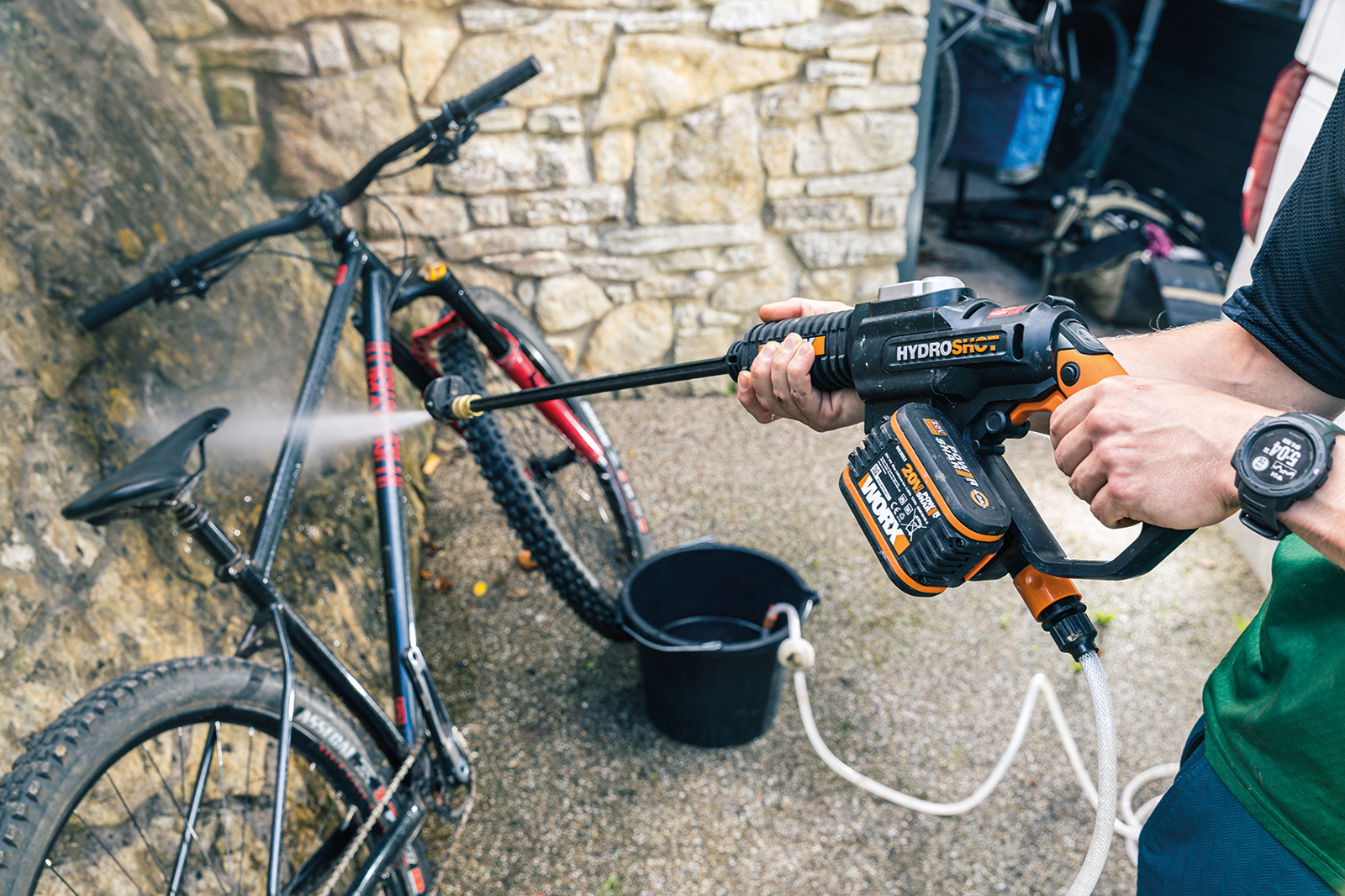
You can wash your bike with a bucket and brush, but it’s not ideal. It will take a lot of fresh bucketfuls to get the bike clean, the risk of contaminating brake surfaces rises, and it’s more difficult to get dirt out from within small gaps.
A steady stream of water from a hose is optimal for washing your bike because it can reach into areas where brushes can’t and the water is always fresh.
If you can access an outside tap, that’s often the easiest solution, although there are a plethora of portable bike washers on the market. The Worx Hydroshot WG630E.1 got 4.5/5 stars when Tom Marvin reviewed it.
Cloths
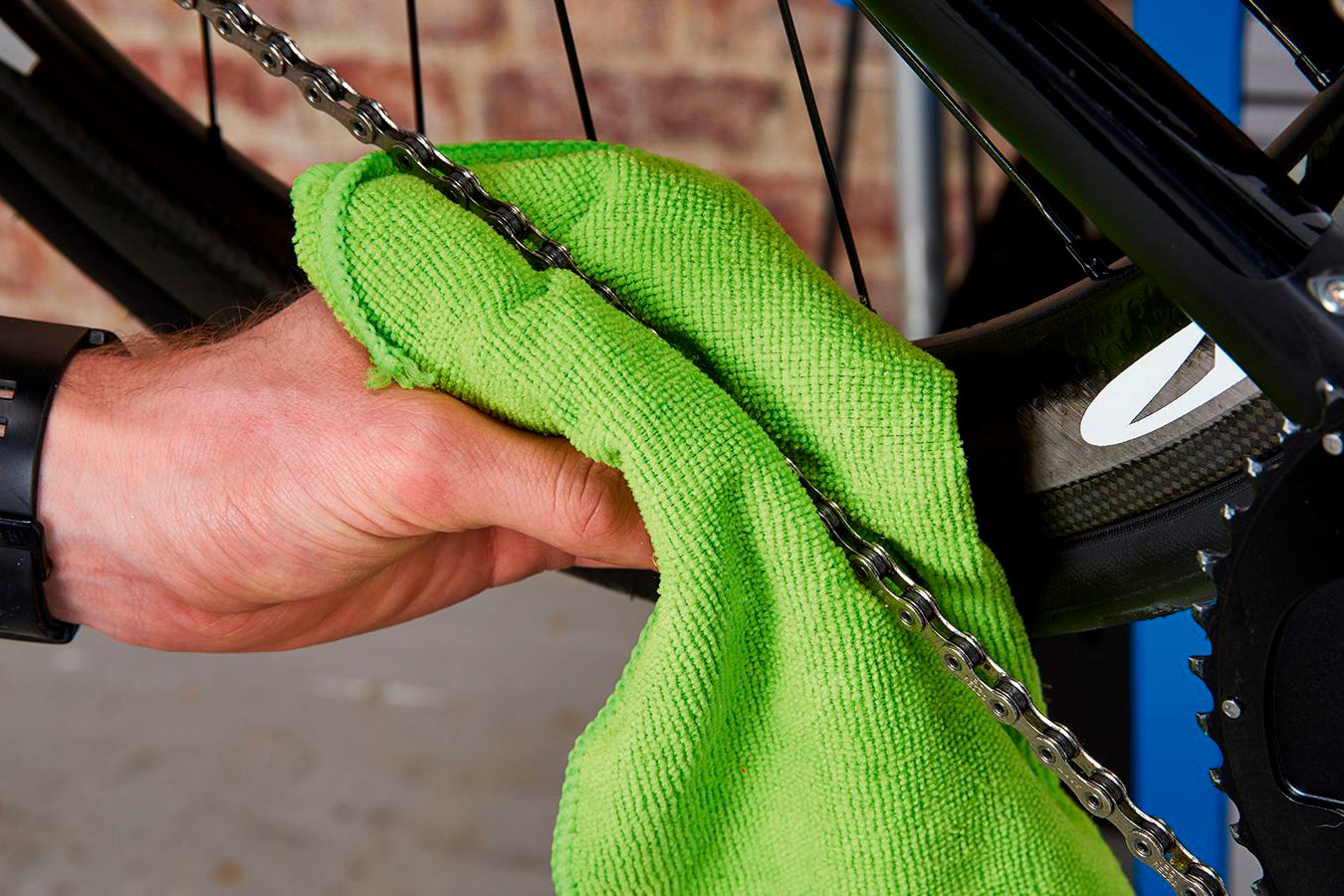
Wiping the bike after washing it dries off as much liquid as possible. This will prevent corrosion, get rid of more remaining dirt and help prevent watermarks on the paint.
You can use disposible cloths, but this is the most wasteful method of drying your bike. Reusing old rags is the greenest solution, but this can leave lint on the bike.
The best approach is to use a technical microfibre cloth. There are many bike-drying cloths on the market, which are purpose-designed for the job of removing water from your bike post-wash. They are absorbent, washable and made of lint-free material that won’t damage your bike.
Peaty’s makes biodegradable bamboo microfibre cloths for an environmentally-friendly solution.
Chain lubricant
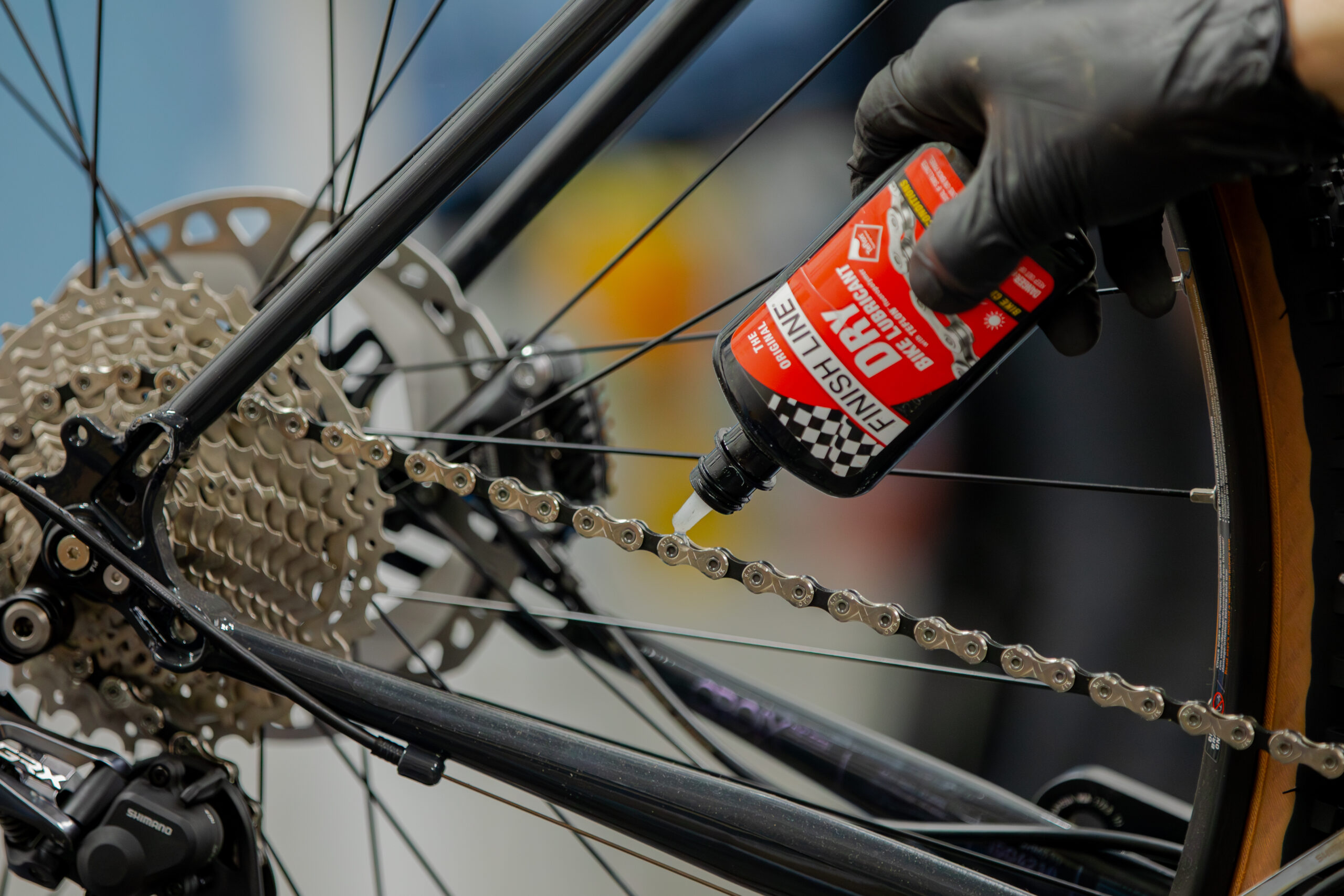
Washing your bike can also wash away the lubricants that preserve your bike and keep it running smoothly. Hopefully, sealed items such as bearings will remain untouched, but your chain will need relubricating after being degreased.
The best chain lubes lubricate the rollers within the chain to minimise friction and protect the chain from corrosion. They are purpose-formulated to minimise friction, prevent rust and stay on the chain where they belong.
Have a bottle of chain lube handy, which you can apply after your bike has fully dried off post-wash.
Chain lubes come in many forms specific to the riding conditions, such as wet lube (for use in wet conditions) and dry lube (for use in dry conditions), and also ceramic or wax lubes, which often purport to work in all conditions.
BikeRadar’s best chain lubes guide explains which you should buy. Always wipe off excess chain lube after application to avoid it getting where you don't want it and attracting extra dirt.
Periodically, your chain should get a more intensive clean with a degreaser to prevent the build-up of dirt and old lube, before being rinsed and dried ahead of re-lubrication with a dedicated chain lube.