A lighter road bike won't necessarily make you ride faster, and lighter bikes and components are usually less durable, while requiring more maintenance than their heavier cousins. However, there's nothing like riding an uber-light bike.
While your Garmin may tell you you're not on course for a KoM on your favourite loop, you'll feel as if you are.
Lightweight road bikes have a snap about them that aero or endurance bikes can't quite match.
And fast equals fun – even if only in your head. Plus, you'll get to show-off to your mates at the cafe stop.
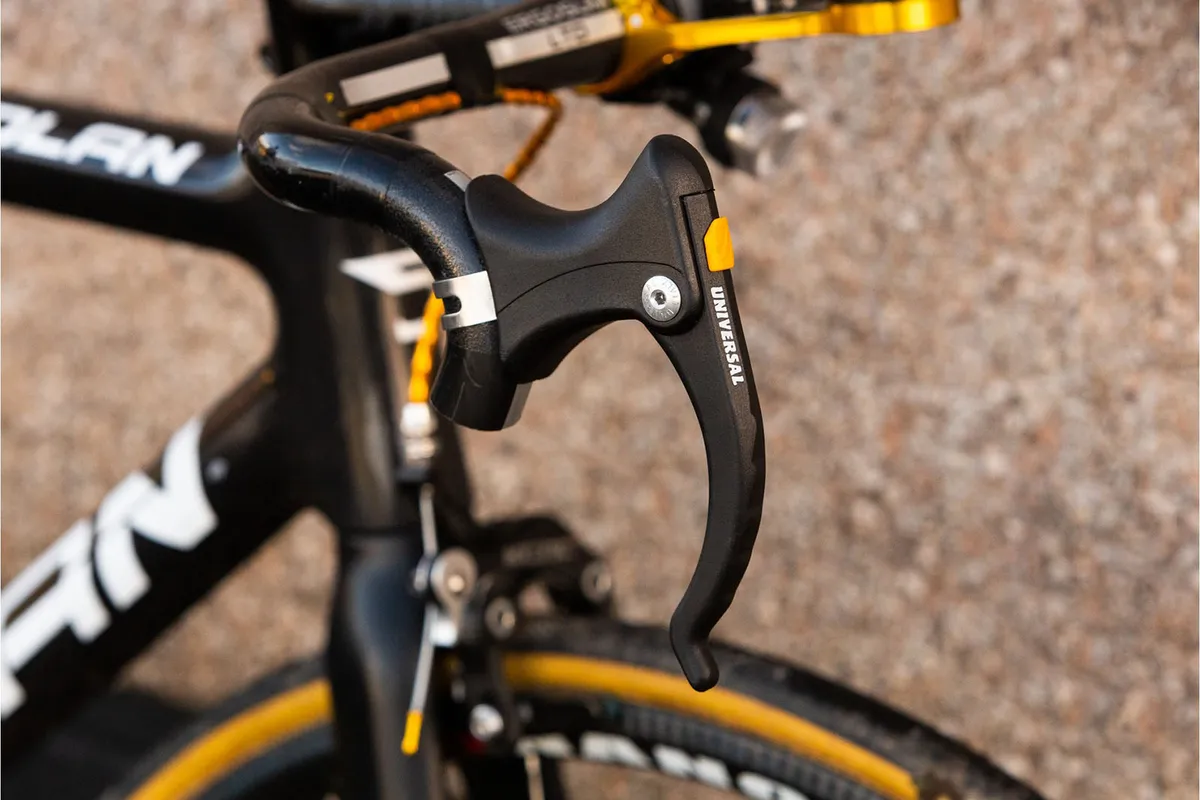
The quest for a lighter ride is taken to the extreme by a special breed of rider – the weight weenie.
Weight weenies can be found tinkering in their garage, replacing each aluminuim bolt on their bike with a titanium one, cutting off the ‘useless’ parts, such as the drops of a handlebar and drilling holes in a derailleur.
But you don't need to resort to such drastic DIY methods.
There are plenty of easy upgrades you can make to shed weight from your bike and they don’t need to cost a fortune (although having a fortune available can help).
Here, we’ve got eight top tips for making your bike lighter with sensibly priced and money-no-object options for each.
1. Wheels
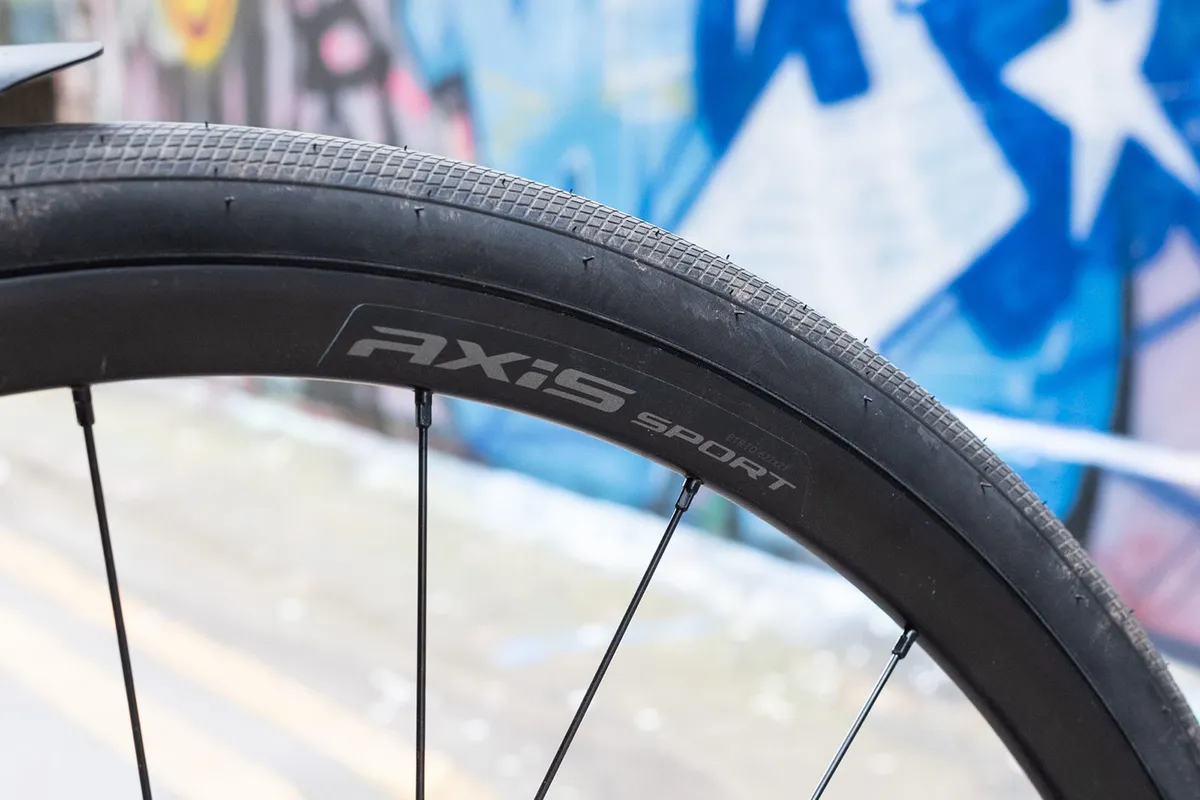
Stock wheelsets are often heavy, robbing an otherwise featherweight bike of its true potential.
There are often many benefits to be found in a wheel upgrade – from modern rim profiles creating a better tyre profile for a better ride to switching to tubeless for those sweet puncture-protection gains, the improvements go beyond weight alone.
But let’s focus on weight.
Take, for example, DT Swiss' 1800 Disc wheels. These are common stock spec on mid-range bikes, and weigh about 1,800 grams.
That’s not bad, but upgrading to something such as Hunt’s 32 Aerodynamicist wheels would save you nearly 600g.
In the context of a bike, that’s a significant saving you’re going to notice any time the road goes up. Since it’s rotating mass, it will make your bike feel zippier too.
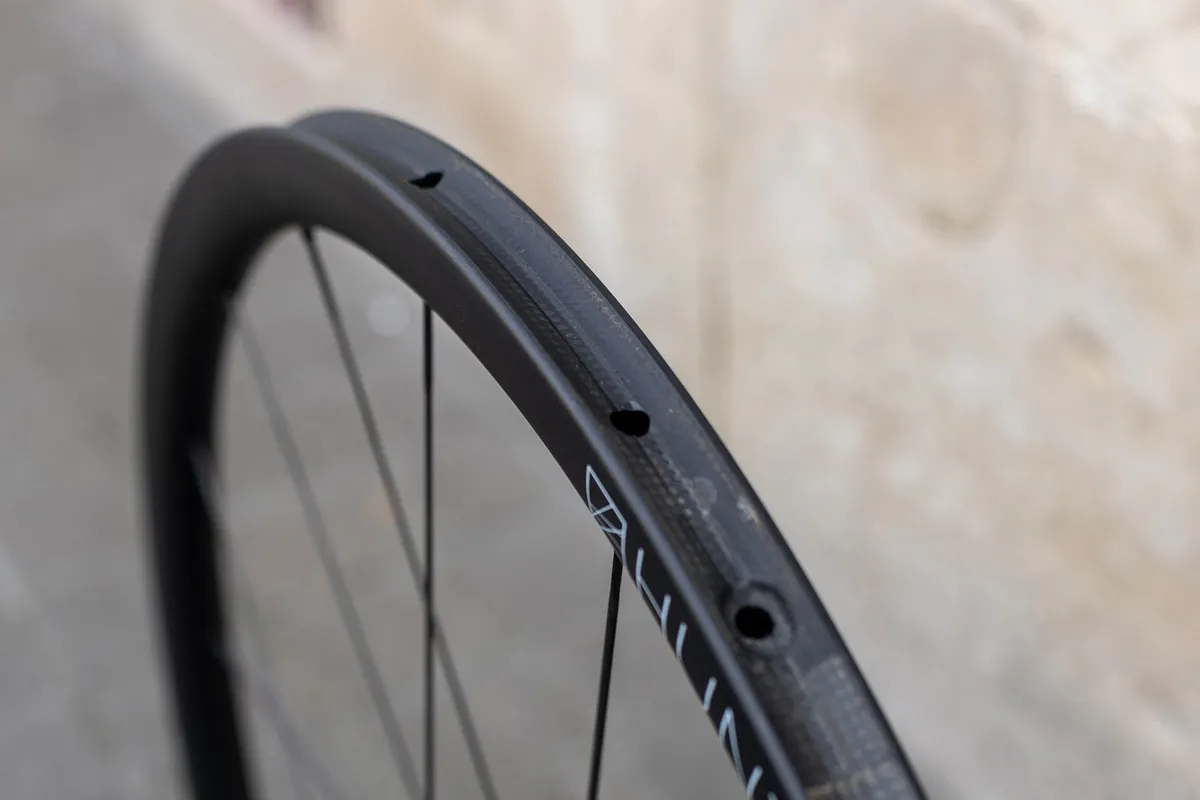
But with deeper pockets to play with, you could go for Hunt’s 936g Hill Climb SL disc brake hoops.
If you have cavernous pockets, you could consider the – frankly ridiculous – $7,000 Lightweight Meilenstein Evo wheels.
These are, obviously, examples at the extreme end. But even a modest upgrade from your stock wheels will make your bike feel significantly faster. And you may get the benefits of modern, wider rims, too.
2. Brakes
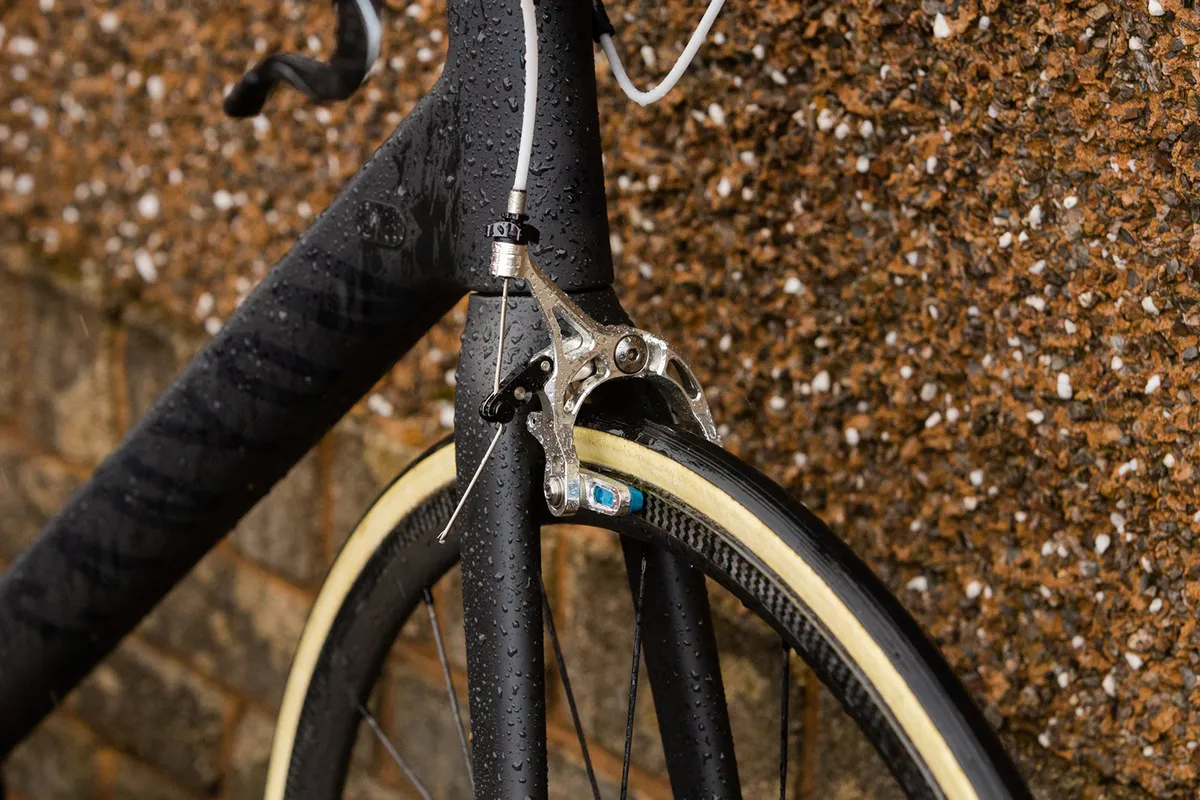
This point is most applicable to rim-brake riders but, if dropping weight is your primary objective, your brakes might slow you down in ways you don’t want.
A pair of SRAM Red rim-brake calipers weigh 260g a set, depending on spec. Shimano Dura-Ace R9200 calipers are a little heavier, at around 327g a pair.
Both are also pretty expensive – Shimano’s top-spec stoppers will set you back around £159.99 each.
By comparison, Planet X CNC brakes (also sold as Fouriers CNC brakes) weigh only 205g for the pair. They're no longer produced, but are widely available for around £50 a pair second-hand.

If you’re feeling flush, you could dig deep for a pair of Cane Creek’s eeBrakes. They cost £370 each, but look incredible and weigh around 170g for a pair.
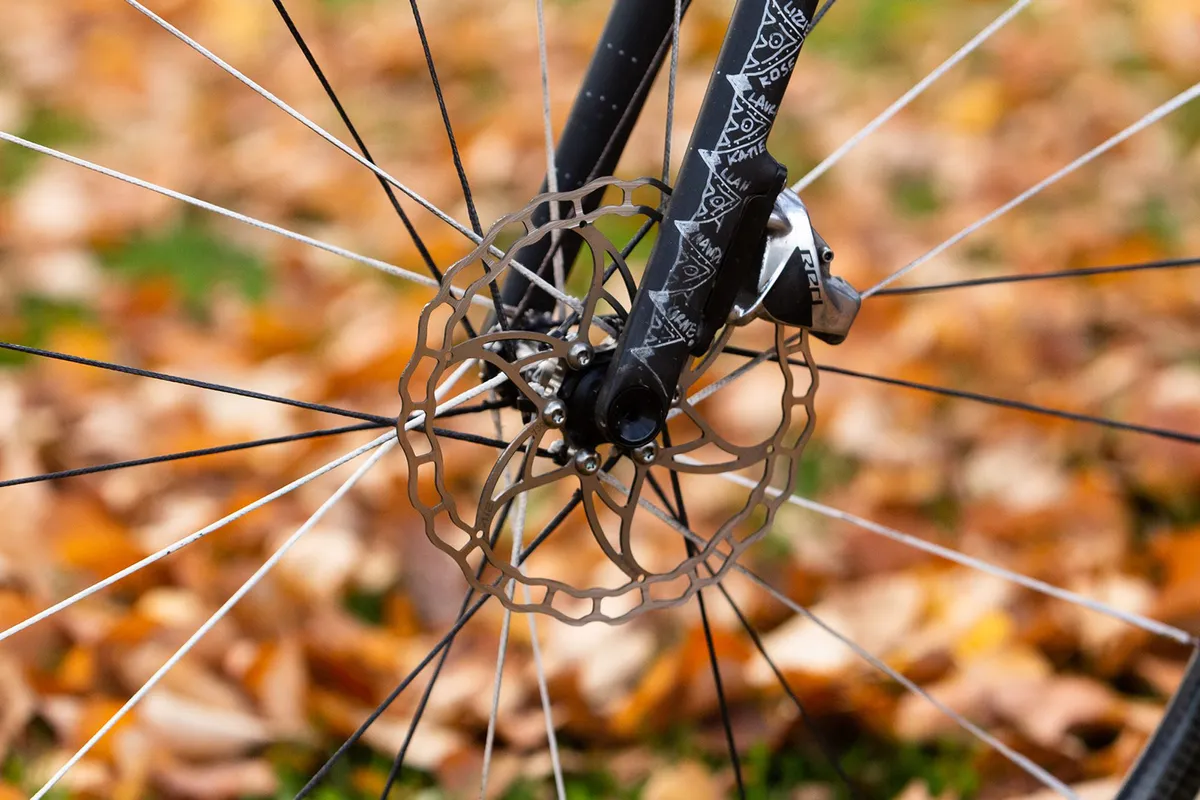
Disc-brake calipers can also be upgraded, but there’s less opportunity to mix and match than you get with rim brakes.
There’s also little to separate the likes of an Ultegra caliper from a Dura-Ace caliper. In fact, there’s a mere 15g in it, so unless you’ve got budget calipers fitted, we’d advise against spending money here – there are better places to save weight.
You can save a few grams by replacing stock rotors with lightweight ones though.
Ashima is a go-to brand here, although replacing a floating rotor design with a one-piece rotor may increase the risk of brake rub when the rotor heats up.
But if your focus is going uphill as fast as possible, you shouldn't be using your brakes anyway.
3. Finishing kit
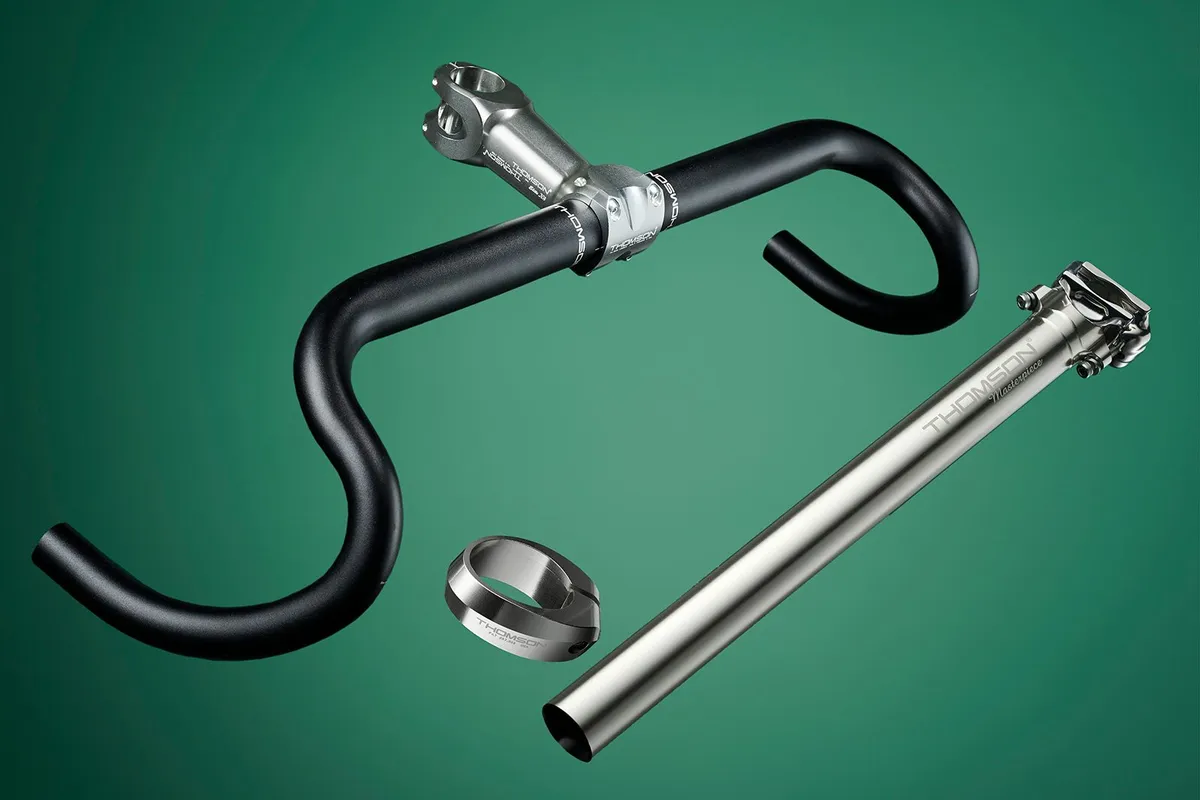
A matching suite of a lightweight handlebar, stem, seatpost and saddle can make a bike stand out from the crowd and save serious weight.
But you don’t have to choose carbon for everything to get lighter kit – alloy stems and seatposts such as those from MT Zoom and Thomson do an excellent job for a relatively small cost.
The 110mm MT Zoom Ultralight stem weighs only 103g. That’s seriously impressive given the stem costs only £41.99.
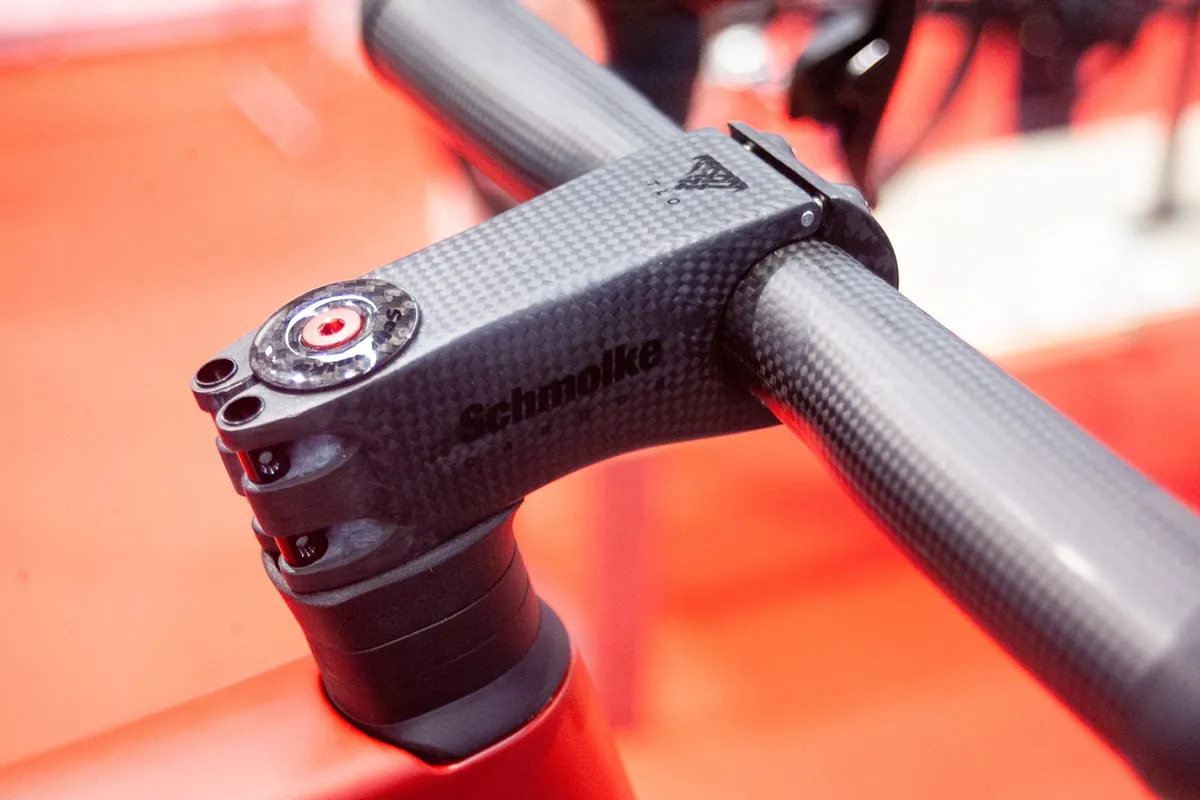
If you’ve got the means, though, Darimo and Schmolke are two brands that should be on your radar. They make some of the silliest carbon components in the world, with weights you’ll scarcely believe.
But, holy moly, they’ll cost you.
Take four-time British National Hill Climb Champion Andrew Feather’s Schmolke setup. He uses the TLO range, the brand’s lightest, with a 140g Evo bar, 89g stem and a saddle that weighs only 65g.
The cost for that little lot? A cool €1,755. Ouch.

There’s a significant weight saving available from swapping to a lighter saddle, although your rear end might not appreciate a five-hour ride on an unpadded all-carbon perch.
The lightest saddle we know of is the 47g Becker Typen, although the brand says it should only be used on smooth roads – so it's not great for UK riders.
The 61g Selle Italia C59 looks to have been discontinued, meanwhile.
There are less fragile, less uncomfortable weight savings to be made though: while the Fizik Vento Antares R5 weighs a claimed 210g, the 00 version of the same saddle is stated as 118g.
There are also many budget all-carbon saddles available on AliExpress. Follow user reviews and do you research before committing.
Whether you use cheap or expensive lightweight finishing kit, keep your torque wrench close to hand. Ensuring each bolt is fastened correctly is imperative when fitting lightweight kit – a calibrated elbow simply won’t cut it.
4. Groupset
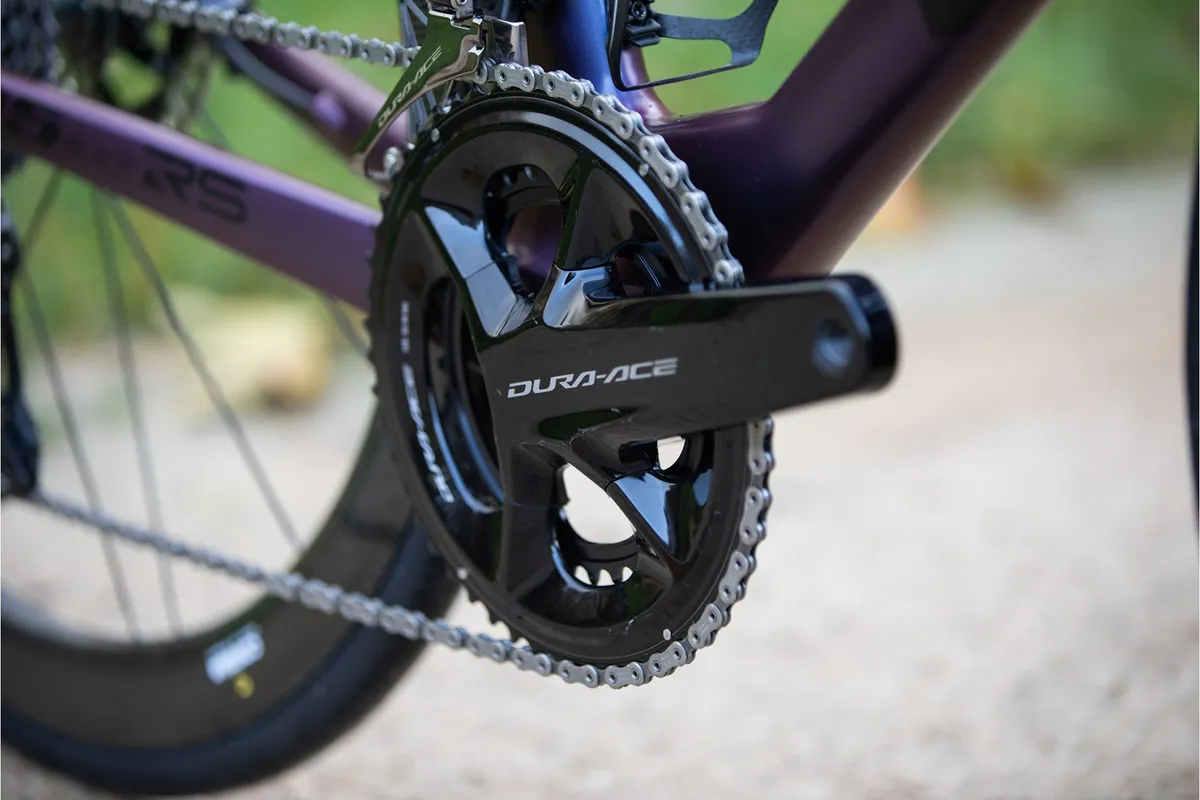
A groupset makes up a large portion of your bike’s overall weight, so changes here can make a big difference.
Switching, say, from a Shimano 105 groupset to the uber-fancy Dura-Ace would save you around 400g.
There are other lightweight options out there for the deep-of-pocket, including the approximately 300g THM Clavicula crankset with Carbon-Ti carbon chainrings, which should save around 250g over the 714g quoted weight for a Dura-Ace 54/40 crankset.
The Recon Racing alloy cassette can weigh less than 100g, around half the weight of Dura-Ace.
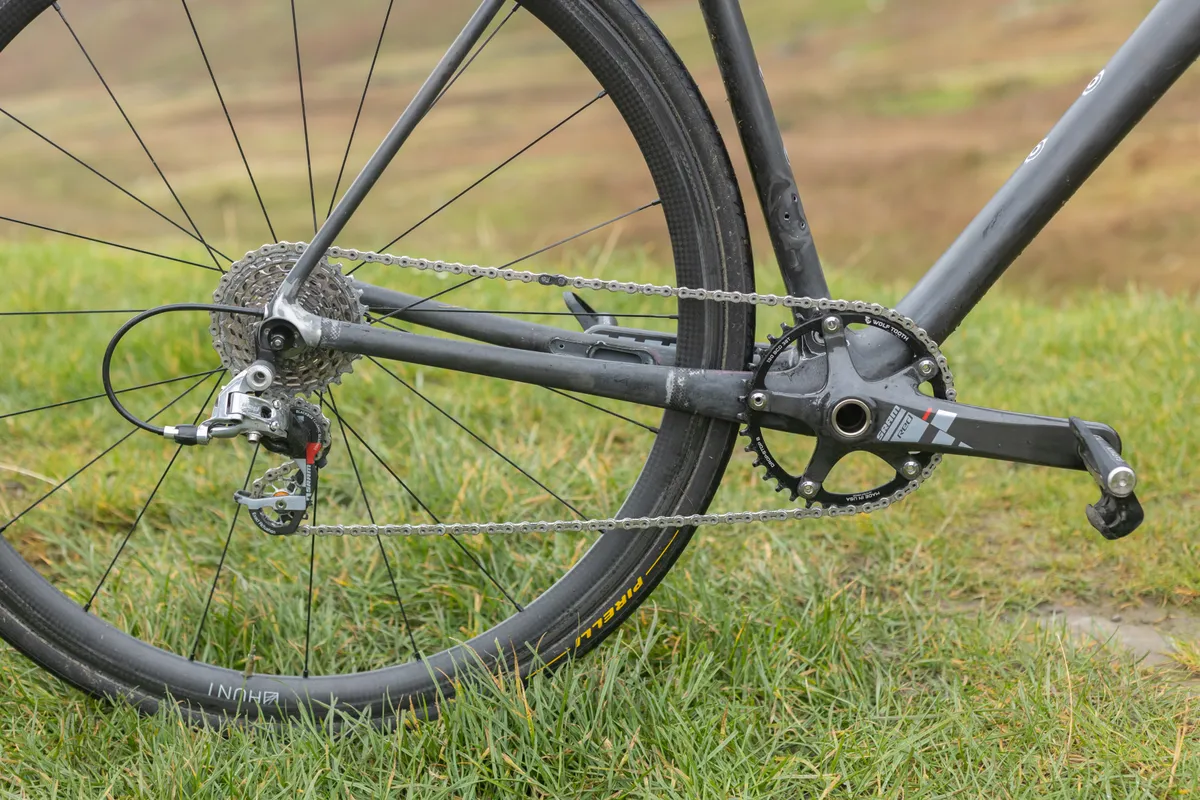
Unfortunately, switching to a top-tier groupset, or even individual components is an expensive way to save weight.
Instead, some internet sleuthing for discounts and second-hand parts can save loads of money while providing hours of fun. No, seriously…
While the latest cycling tech is largely of the 12-speed variety, older 10- and 11-speed components can be found for a hefty discount and (don’t tell the bike industry this), they can be lighter than 12-speed parts, too.
If you have a compatible bike, a popular choice is some older SRAM Force (or Red) 11-speed stuff.
While the spread of gearing has increased in recent years, older derailleurs still work really well, and the smaller cassettes that accompany them can be quite a bit lighter. They may not offer the low gear ratios of newer groupsets, but you won’t need them on your flyweight bike, will you?
So before you go sinking several grand into the latest top-end groupset, have a good look around for a pre-loved upgrade. It might save you cash and weight in one go.
5. Go 1x

You’ll often see weight weenies ditch the front derailleur and second chainring entirely, converting to a 1x drivetrain to save a few hundred grams and simplify things.
It works – but there’s a catch.
Running 1x without a clutch rear derailleur can be a bit perilous.
Without that added chain tension, it’s much easier to drop a chain over rough roads or when putting the power down – which, we think you'll agree, spoils abt hill climb effort.
If you do go down this route on a standard road setup, fitting a simple chain catcher is a wise move to stop the chain from jumping ship.

You’ll also need to accept a reduced gear range and bigger jumps between gears compared to a traditional 2x setup. That might be fine for short, sharp efforts or dedicated hill climb bikes, but it’s less ideal for all-round riding.
If you want the benefits without the compromises, a proper 1x setup –with a clutch derailleur and wide-range cassette – is the better (if pricier) way to do it.
6. Tyres
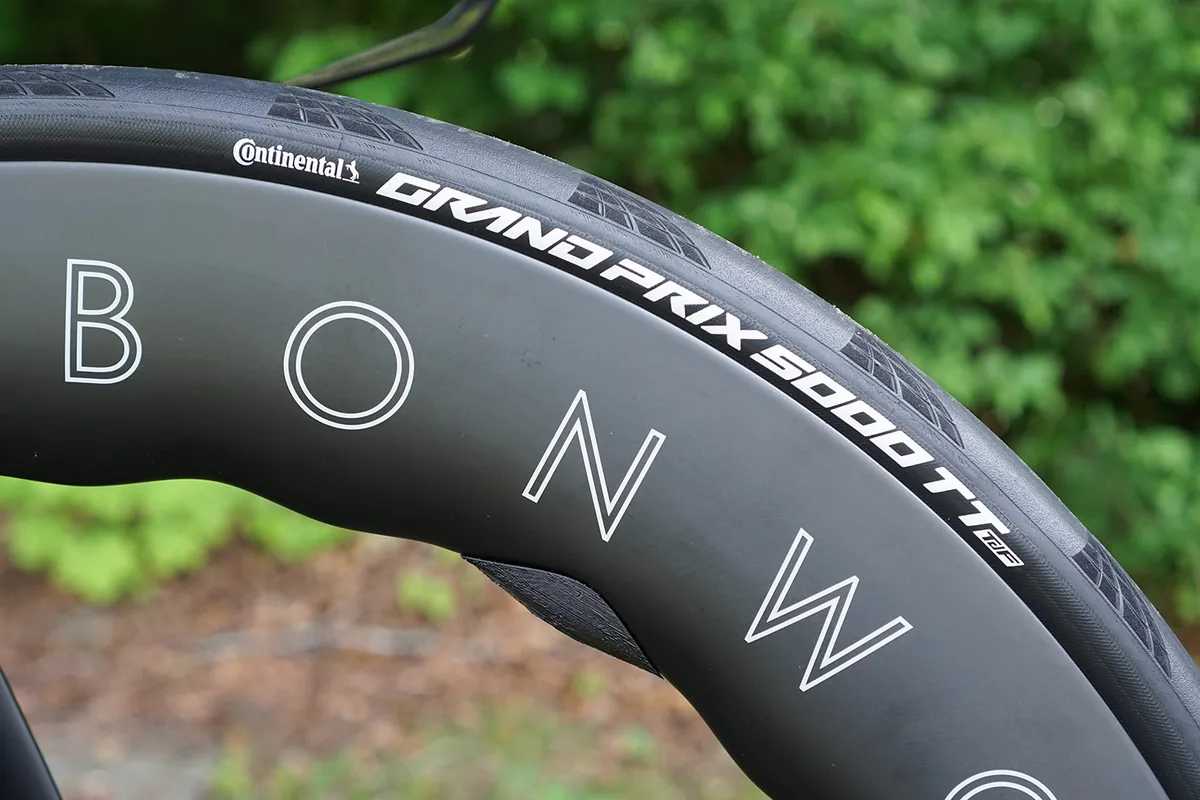
The rotational weight saved by fitting top-end tyres was a key talking point for several years and it’s still an easy way to make your bike lighter and feel more sprightly.
Many bikes come supplied stock with mid-level tyres that not only add weight but can also dull the feel of a bike.
An upgrade here can go a long way.
While the cycling world moves ever further in the direction of tubeless tyres, some clincher-only tyres can be had at a very tempting discount – and they are often lighter as well.
Clincher-only tyres can be made with lighter beads and sidewalls compared to tubeless tyres, and if you pair them with a latex or TPU inner tube, you’ll have the ultimate combination.

Time trial tyres, such as the Vittoria Corsa Speed, are being used increasingly in road stages of the Tour de France, so if you want to use them to create the lightest setup possible, go for it!
Just make sure you avoid anything other than perfect tarmac.
7. Clothing
You might not have considered this, but the kit you wear can add significant weight.
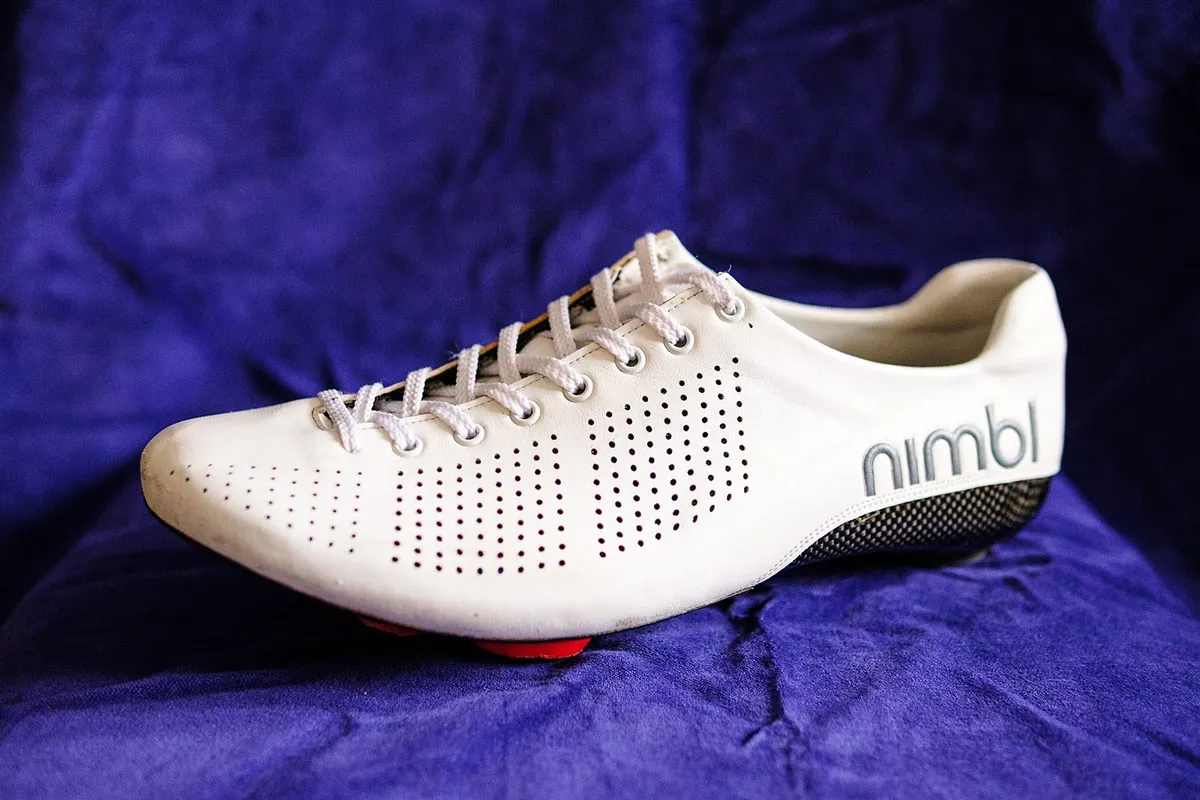
Shoes are a great place to save some weight and going from heavy, leather shoes with composite soles to something with a lightweight synthetic upper and carbon soles can make a difference.
If you want to take it even further, something such as the Nimbl Air lace-up shoes are the ultimate weight-saving measure. Our test pair of size 44.5 shoes weighed just 465g.
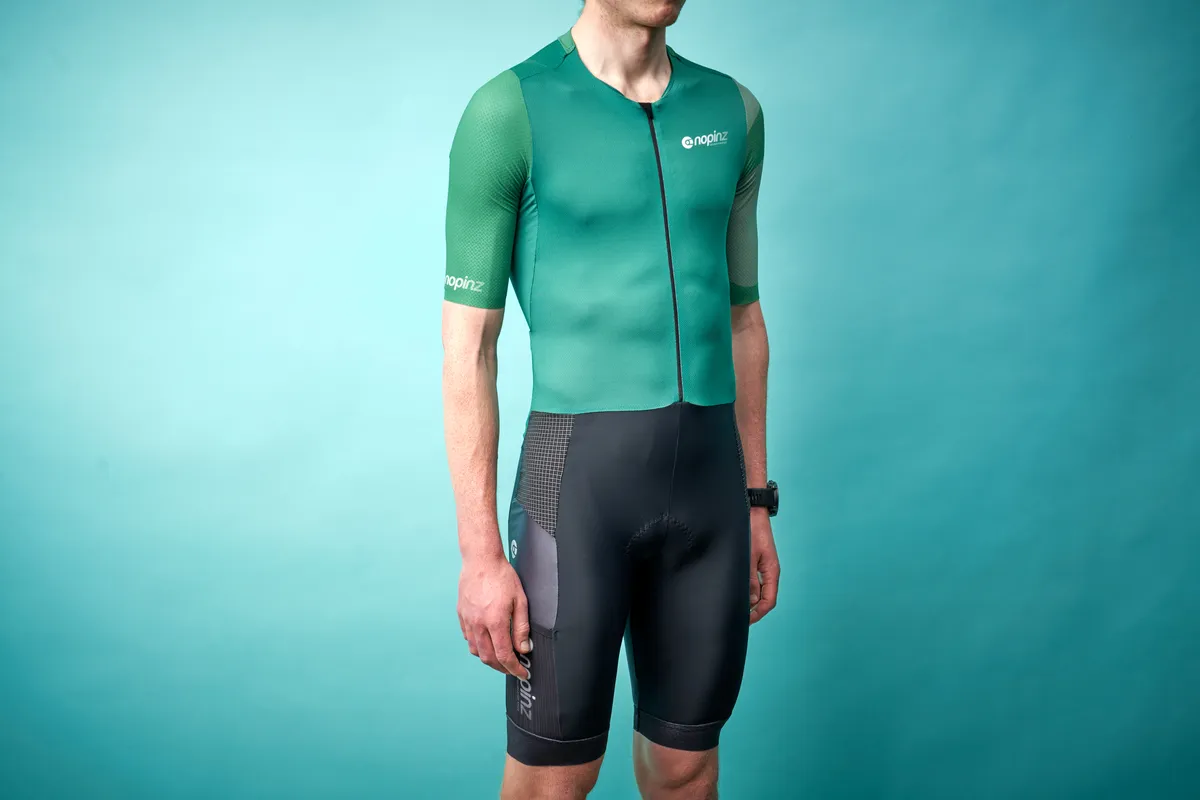
Skinsuits are also a great way to save a little bit of weight over the standard jersey and shorts combination. That said, some are a tad difficult to get on and walk around in, not to mention for comfort breaks, so they might not be the best idea for the cafe ride.
Weight savings don’t have to end when the cold winds of winter arrive either. Gabba-style lightweight jackets replaced horrible boil-in-the-bag winter numbers a few years ago and we haven’t looked back.
But being frozen on the bike just to save a bit of weight isn’t the best idea, so proceed with caution here.
8. Lightweight freebies
So, you’ve got no cash to spend making your bike lighter. What can you do for free?
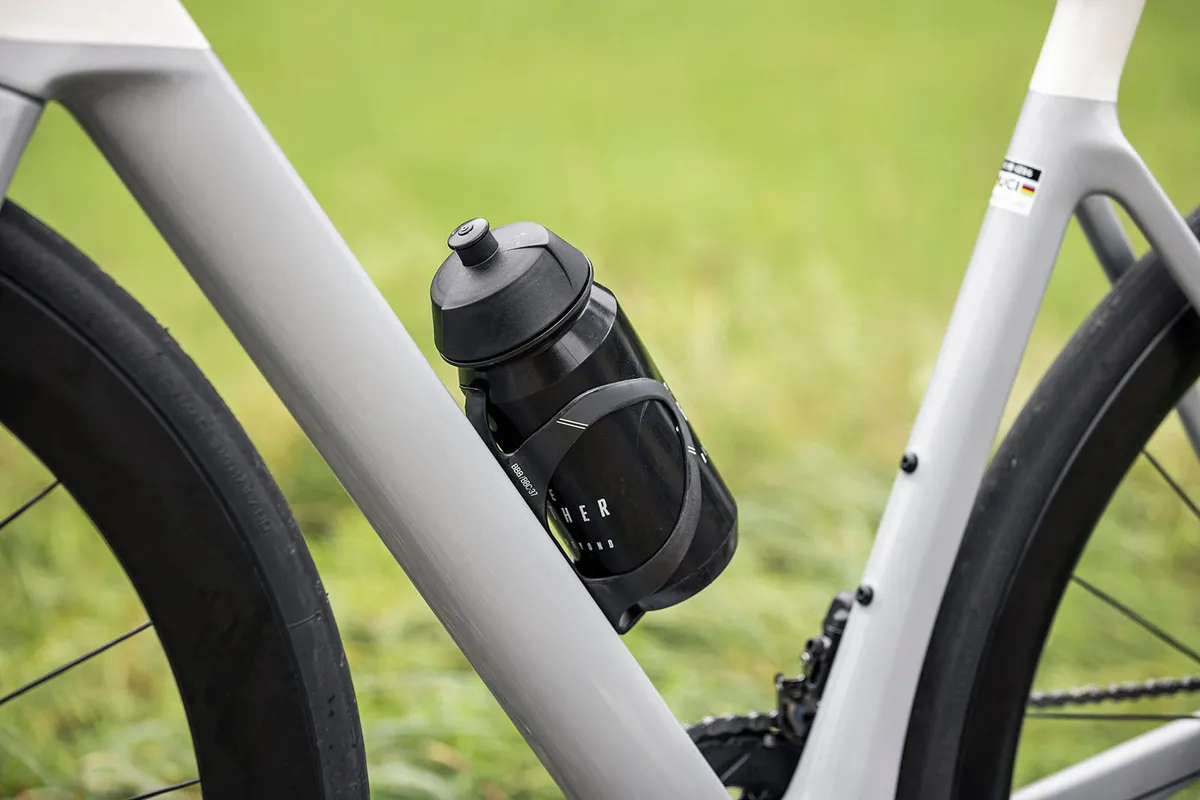
Well, if your ride is short, or you want to target a local climb, take those bottles off your bike. Sure, hydration is important, but the water in two 500ml bottles weighs a whole kilo and even the lightweight Elite Fly water bottles add another 50g each to that.
And who needs spares? Saddle bags and a mini pump can be left at home for KoM attempts – but we would advise putting them back on for longer rides.
Or, if you’re riding with a friend, make them carry your heavy spares. We’re sure they’ll be delighted.
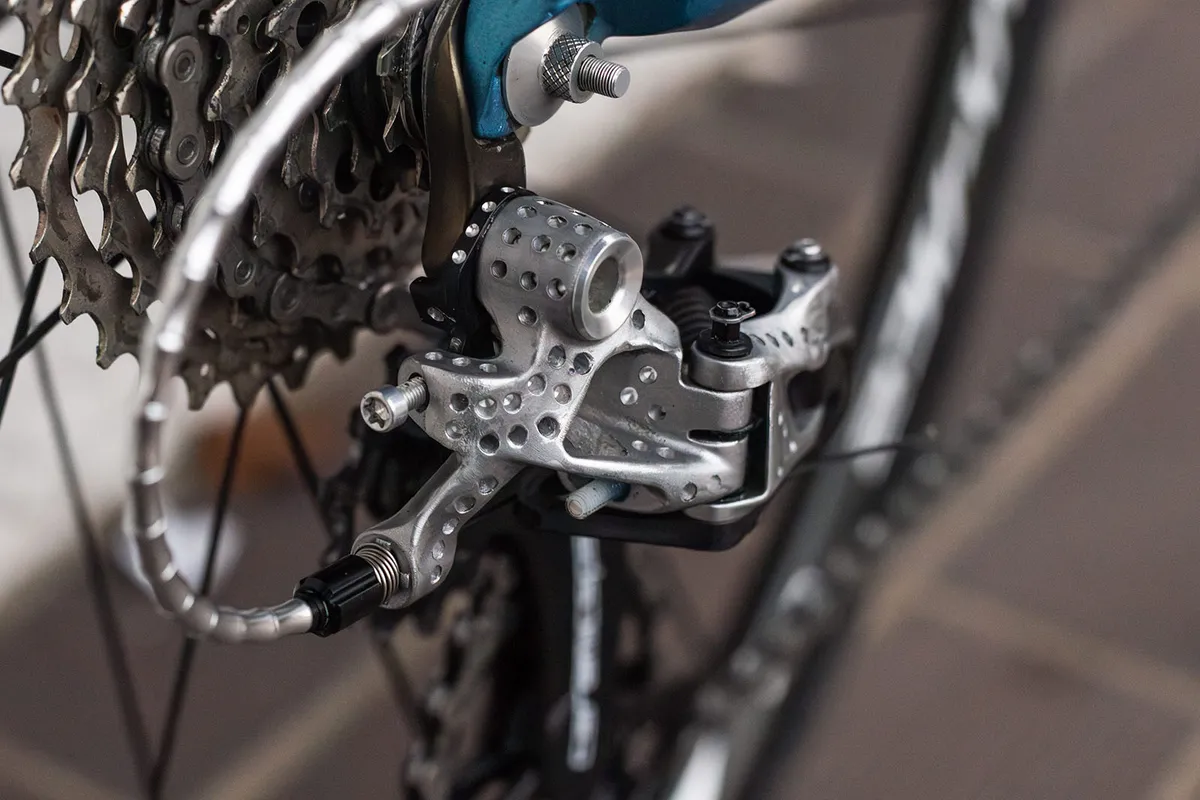
If in doubt, you could always drill holes in your components. This will reduce the weight of your bike and make it whistle in the wind.
Actually, don’t do this. You’ll probably break your bike.