RockShox's suspension fork range covers everything from elite cross-country racing to downhill World Cup competition, with dedicated options for trail riding, enduro racing, ebikes and gravel bikes.
Over recent model cycles, RockShox has updated much of its suspension range with revised air springs, updated dampers and new friction-reduction technologies, making the current line-up more capable and easier to tune than previous generations.
While the line-up can appear confusing at first glance, each fork has a clearly defined role.
From the lightweight SID SL to the downhill-focused Boxxer, here's how the current suspension fork range fits together.
Editor’s note: this list was updated fully on 23 June 2026, with details of the current RockShox suspension fork line-up.
Cross-country forks
SID SL
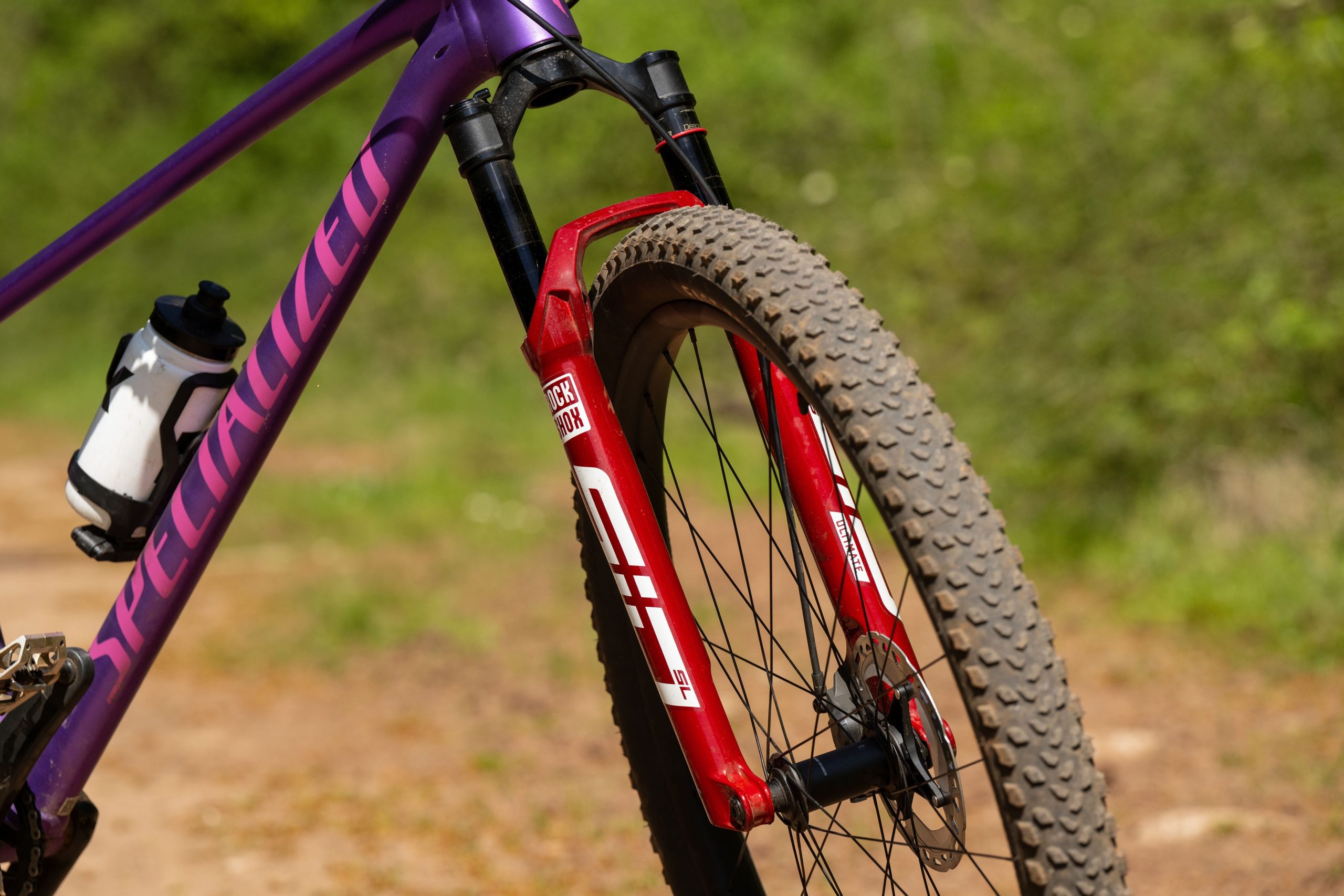
The SID SL is RockShox's lightest suspension fork and sits at the very top of the company's cross-country race range.
Following its latest redesign, RockShox continues to use a lightweight 32mm chassis rather than simply offering a shorter-travel version of the standard SID.
Built for the demands of modern cross-country racing, the SID SL focuses on minimising weight and maximising pedalling efficiency, while still providing enough control for increasingly technical race courses.
The latest generation is lighter than its predecessor, while increasing tyre clearance and improving ride quality through revised chassis architecture and bushing placement.
The top-spec Ultimate and Select+ forks use the Charger Race Day 2 damper, which is focused on minimising weight, while maintaining support during aggressive pedalling and sprint efforts. There’s also a Flight Attendant option available
Compared to previous SID SL models, the latest version is designed to provide a smoother ride and greater control without sacrificing efficiency.
Key features
- 32mm chassis
- 100mm to 110mm travel
- Charger Race Day 2 damper on Ultimate and Select+
- Lightweight XC-specific spring system
- Increased tyre clearance
- Remote lockout compatibility with 2- or 3-position lockout
- Flight Attendant option
Who is it for?
Dedicated XC and marathon racers, and riders seeking the lightest suspension package possible.
SID
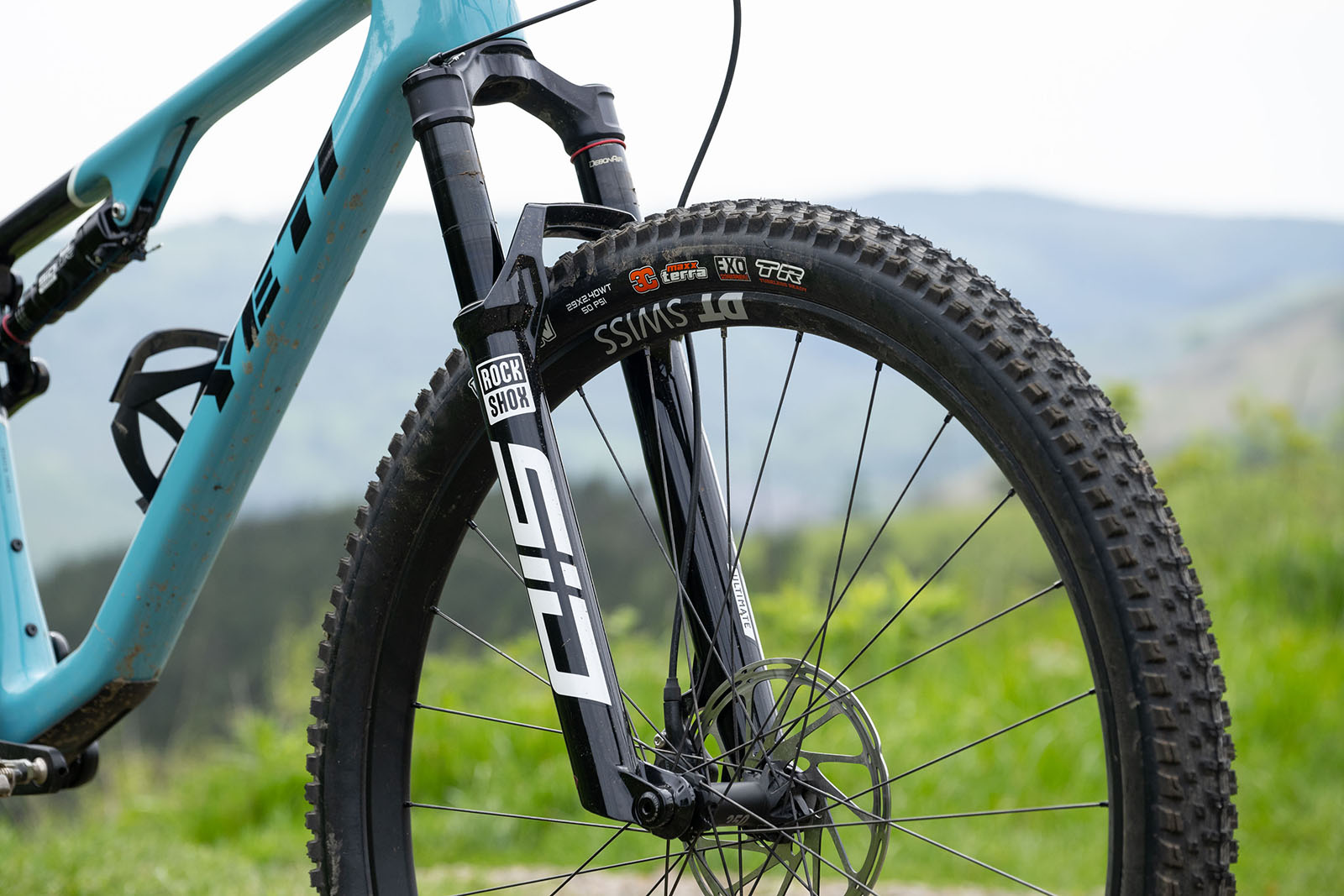
The SID occupies the space between pure race-day efficiency and the increasing demands of modern XC courses.
As race tracks have become rougher and more technical, the SID has evolved into a substantially more capable fork.
Using a stiffer 35mm chassis, the SID provides noticeably greater steering precision and front-end confidence than the SID SL.
This enables riders to push harder through technical sections without a significant weight penalty.
The fork has become increasingly popular on downcountry bikes, where riders want the efficiency of an XC platform combined with the capability to tackle demanding descents.
Current Ultimate and Select+ models use Charger Race Day 2 damping and revised DebonAir spring technology, delivering excellent sensitivity while maintaining support under heavy braking and cornering loads.
Key features
- 35mm chassis
- 110mm to 120mm travel
- Charger Race Day 2 damper on Ultimate and Select+
- DebonAir+ spring system
- Increased stiffness compared to SID SL
- Remote lockout compatibility with 2- or 3-position lockout
- Flight Attendant compatibility
Who is it for?
XC racers, marathon riders and down-country enthusiasts.
Reba
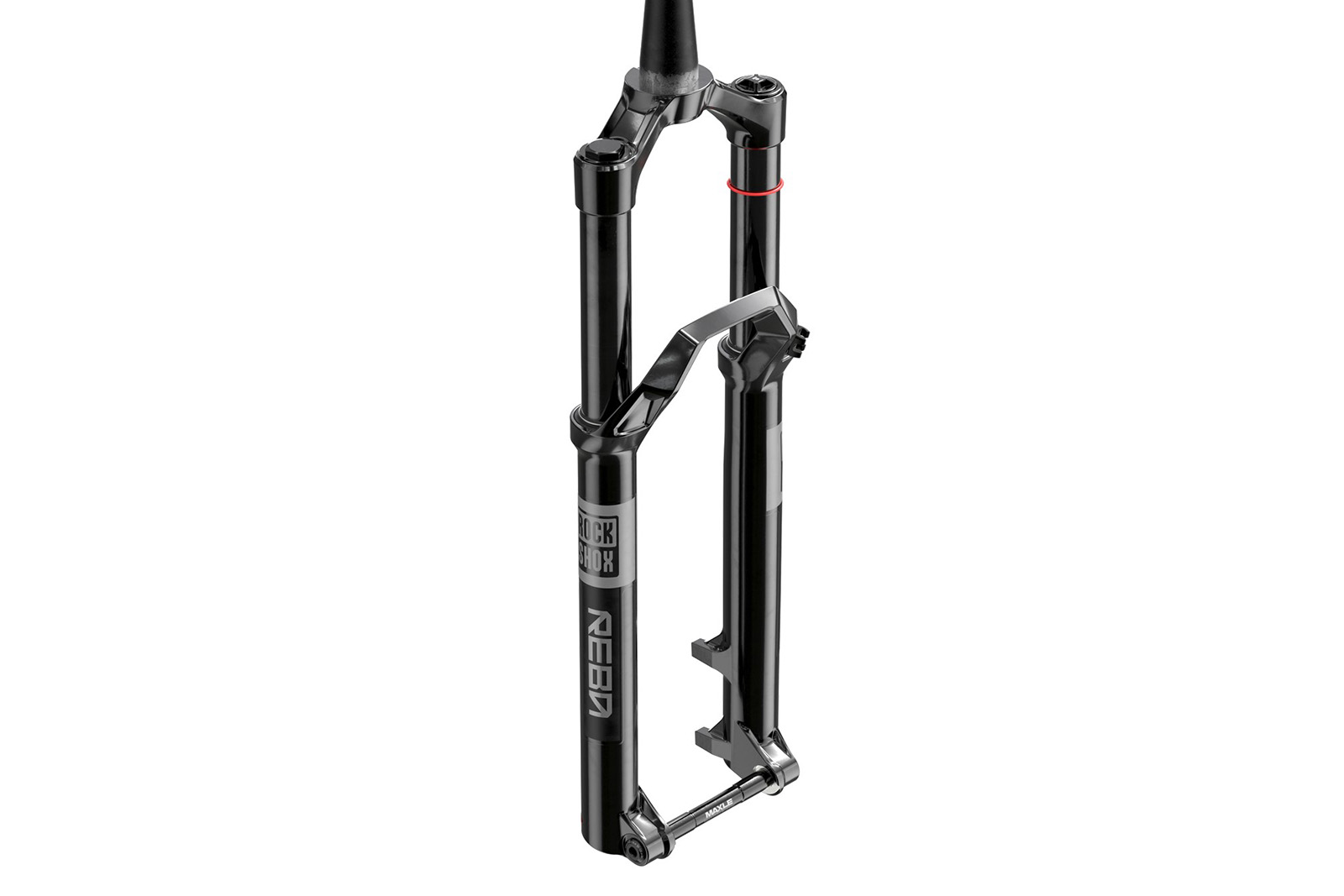
The Reba remains one of RockShox's longest-running and most popular suspension forks.
Positioned below the SID range, it delivers much of the same functionality at a more accessible price point.
While it lacks some of the weight-saving measures and premium damping technology found on the SID, the Reba continues to offer excellent reliability and performance for recreational riders and amateur racers.
Modern Reba models use a 35mm chassis that gives them a more contemporary feel than older generations.
This improves stiffness and steering precision, while maintaining a reasonable weight.
Its blend of affordability, durability and broad travel options continues to make it a strong choice for XC, marathon and light trail riding.
Key features
- 35mm chassis
- 100mm to 130mm travel
- Isolator RL or Motion Control damping
- Proven reliability
- Modern XC geometry compatibility
- Strong value for money
Who is it for?
Riders seeking dependable XC performance without premium-level pricing.
Trail forks
Psylo
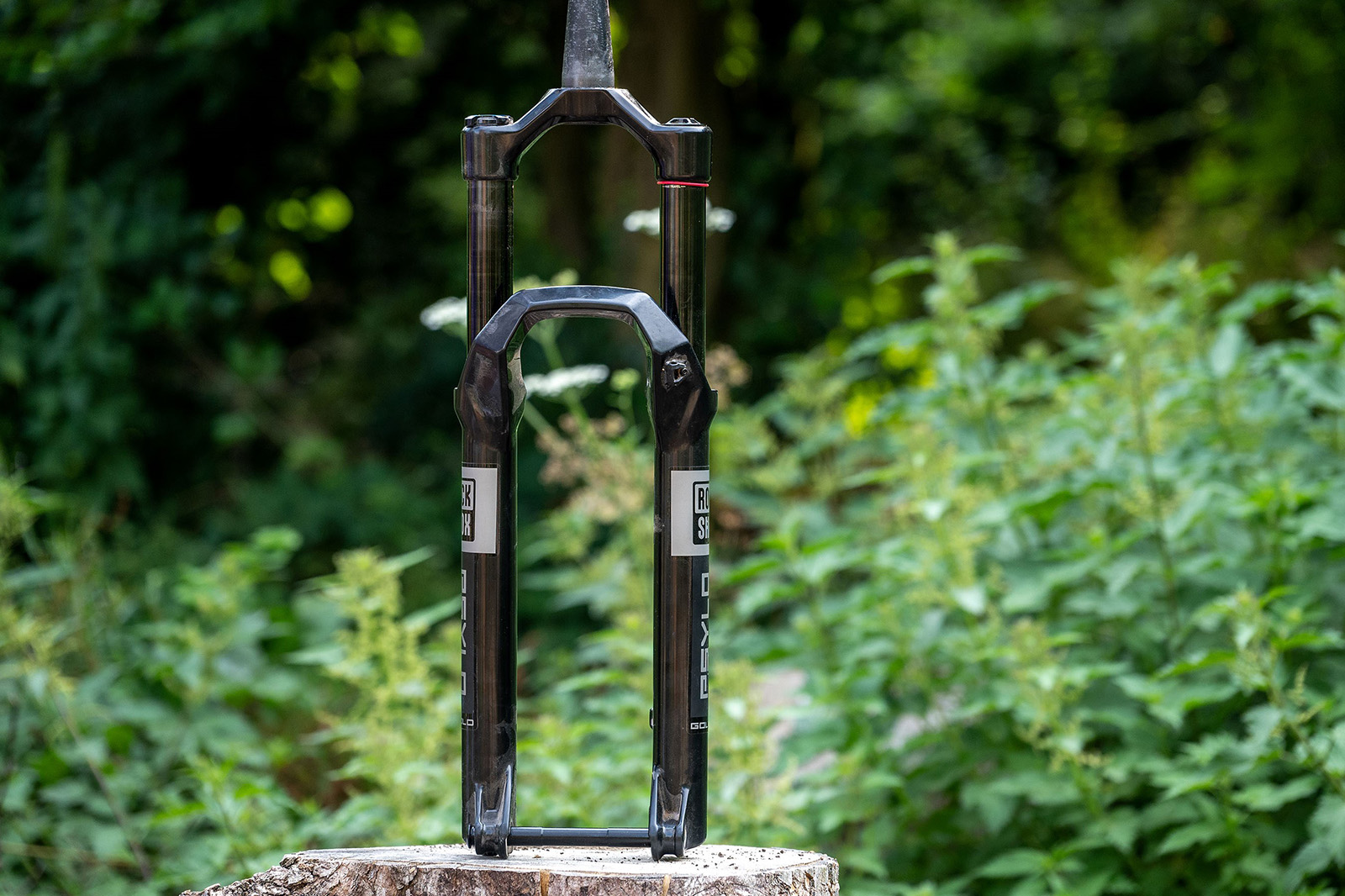
The Psylo name returned to the RockShox range after more than two decades away.
While the original Psylo became a cult classic in the early days of mountain biking, the modern version is an entirely new fork designed to bridge the gap between budget suspension products and premium trail forks such as the Pike.
Built around a modern chassis and contemporary wheel standards, the Psylo delivers much of the capability expected from today's trail bikes without the premium price tag attached to higher-end damping systems.
This makes it an attractive upgrade for riders looking to improve entry-level mountain bikes.
The fork occupies a unique position in the RockShox range, sitting above basic OEM suspension forks, while remaining considerably more affordable than the Pike.
Key features
- Modern trail-focused chassis
- Multiple travel configurations
- Motion Control or Isolator RC dampers
- ABS-compatible options
- Fender mounts
- eMTB approved
- Contemporary wheel and tyre compatibility
- Cost-effective upgrade option
- Trail-focused geometry compatibility
Who is it for?
Trail riders seeking modern performance and value.
Pike
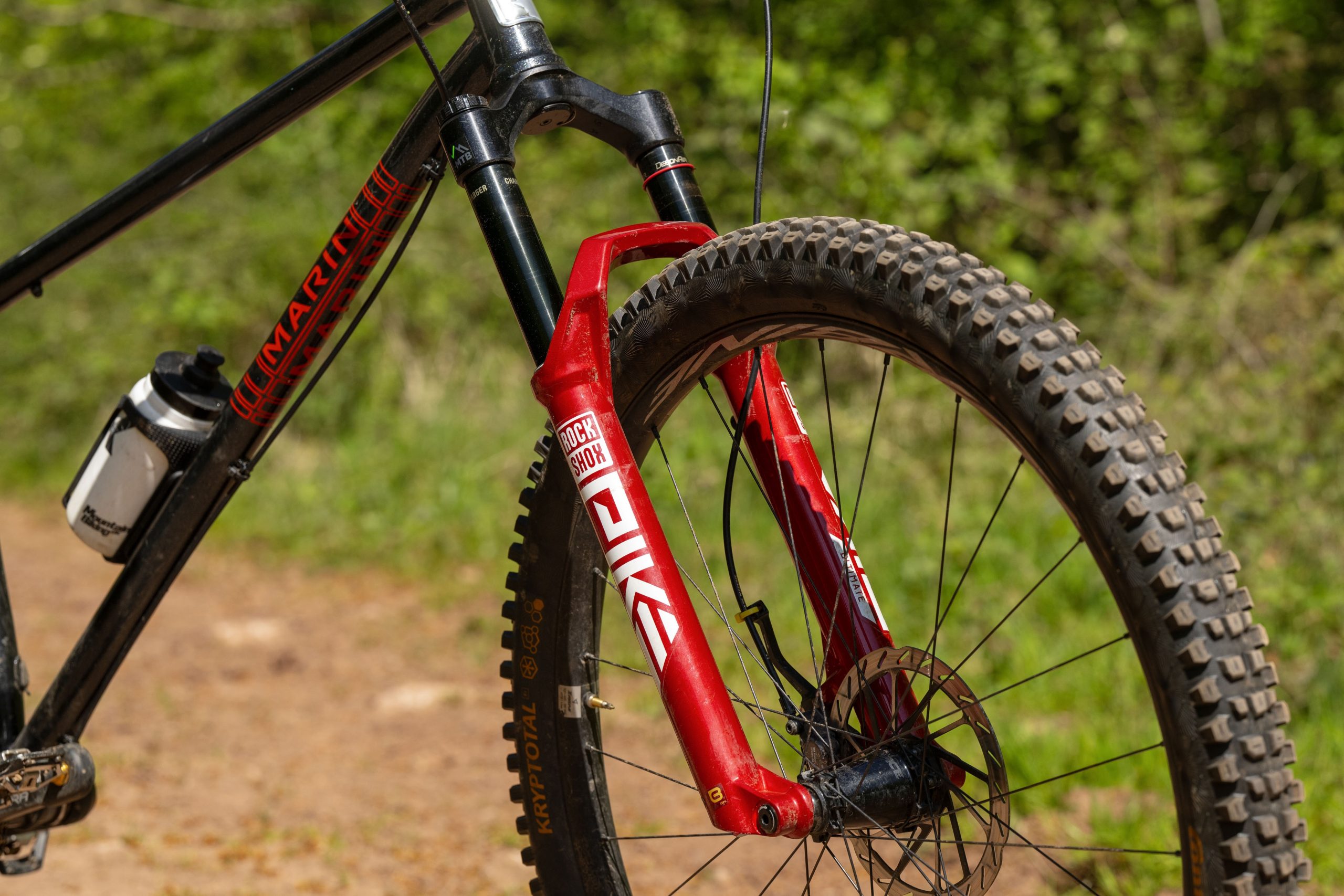
Few suspension forks have influenced trail-bike design as much as the Pike, which continues to serve as RockShox's benchmark all-round trail option.
Positioned above the Psylo and below the Lyrik, it's designed for riders who want a highly versatile fork capable of handling everything from all-day rides to demanding technical descents.
Its 35mm chassis strikes a balance between stiffness, weight and comfort.
While larger forks, such as the ZEB, offer greater outright rigidity, many riders continue to favour the Pike because of its responsive and lively ride feel.
Premium versions now feature the latest Charger 3.1 RC2 damper, while lower-tier models use alternative damping systems depending on specification level.
Combined with the DebonAir+ spring, the Pike delivers impressive sensitivity while maintaining support through the middle of the travel.
Ultimate models also feature ButterCups, helping reduce rider fatigue during long descents.
Key features
- 35mm chassis
- 120mm to 140mm travel
- Charger 3.2 damper on Ultimate models
- DebonAir+ air spring
- ButterCups technology on Ultimate models
- Flight Attendant availability
Who is it for?
Trail riders seeking a versatile balance of climbing efficiency and descending capability.
Aggressive trail and enduro forks
Lyrik
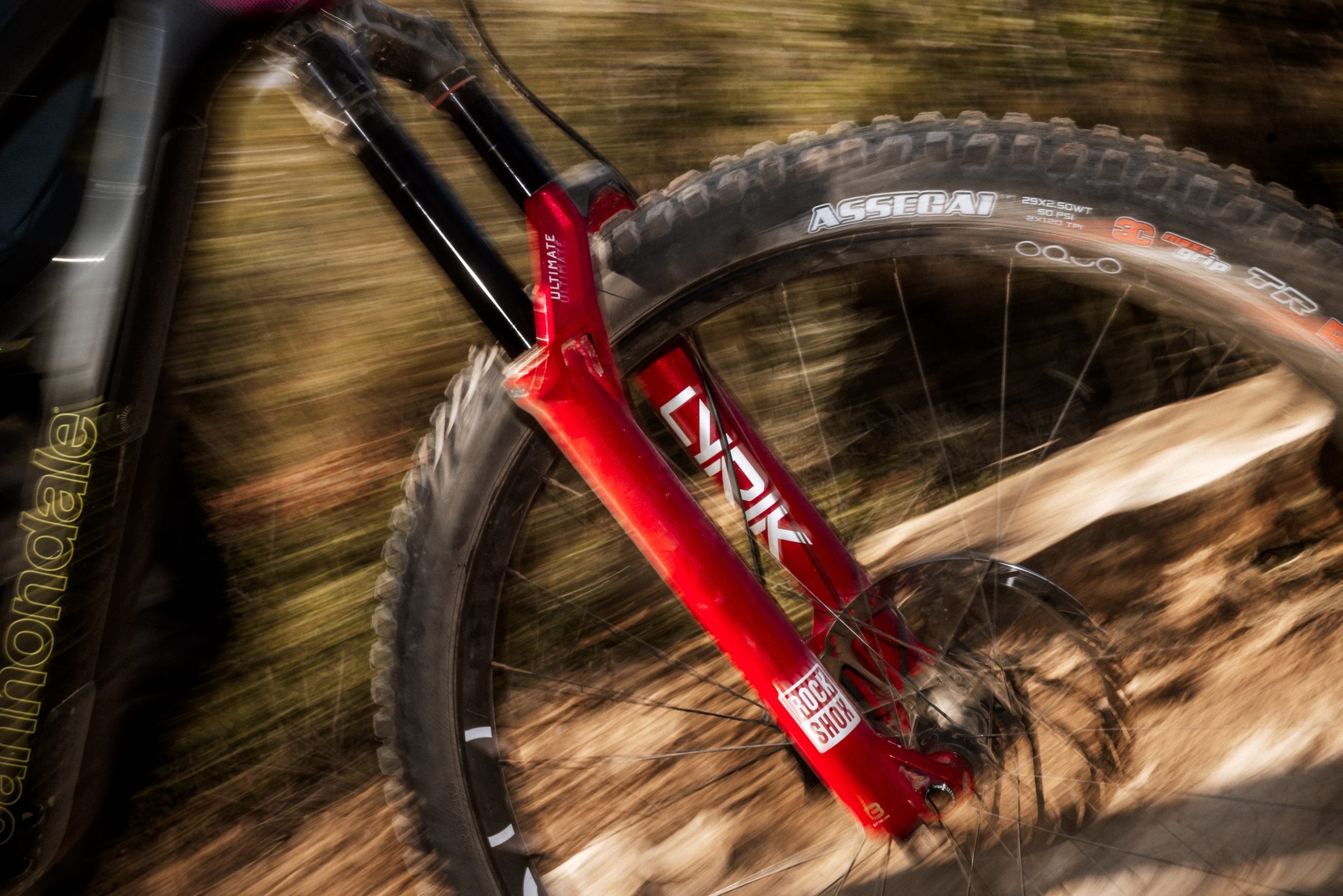
The Lyrik has become one of the most popular aggressive trail and enduro forks on the market.
It occupies the middle ground between the trail-focused Pike and the gravity-oriented ZEB.
Using a reinforced 35mm chassis and longer-travel options, the Lyrik is designed to handle bigger impacts and more demanding terrain while retaining a slightly lighter and more agile feel than the ZEB.
For 2027, RockShox has brought back the highly commended, longer 170mm travel of the Lyrik – ideal for smaller or lighter riders who want a big-hitting fork but don’t need ZEB levels of stiffness.
The latest generation benefits from the new LinearXL air spring technology, which works in tandem with the AirAnnex across everything but the base model (that features the DebonAir+ spring) and premium Charger dampers on higher-end models. Ultimate versions feature Charger 3.2 damping and ButterCup technology.
Additional external adjustment comes in the form of Adjustable Bottom Out, giving riders the ability to better tune the very last part of their fork travel on the Ultimate and Select+ models.
Like the ZEB and Boxxer, ButterWagonTech (dimples in the upper tubes that help keep the lubrication topped up) on the pricier models helps to reduce friction for a suppler feel.
Many riders view the Lyrik as the balance point between trail-bike responsiveness and enduro-level capability, delivering substantial descending performance without the extra mass of larger-chassis forks.
Key features
- 35mm chassis
- 140mm to 170mm travel
- Charger 3.2 damper on Ultimate and Select+ models
- ButterWagonTech on Ultimate models
- LinearXL air spring on all but base-model Lyrik
- ButterCups technology on Ultimate models
- Flight Attendant availability
Who is it for?
Aggressive trail riders and enduro racers.
ZEB
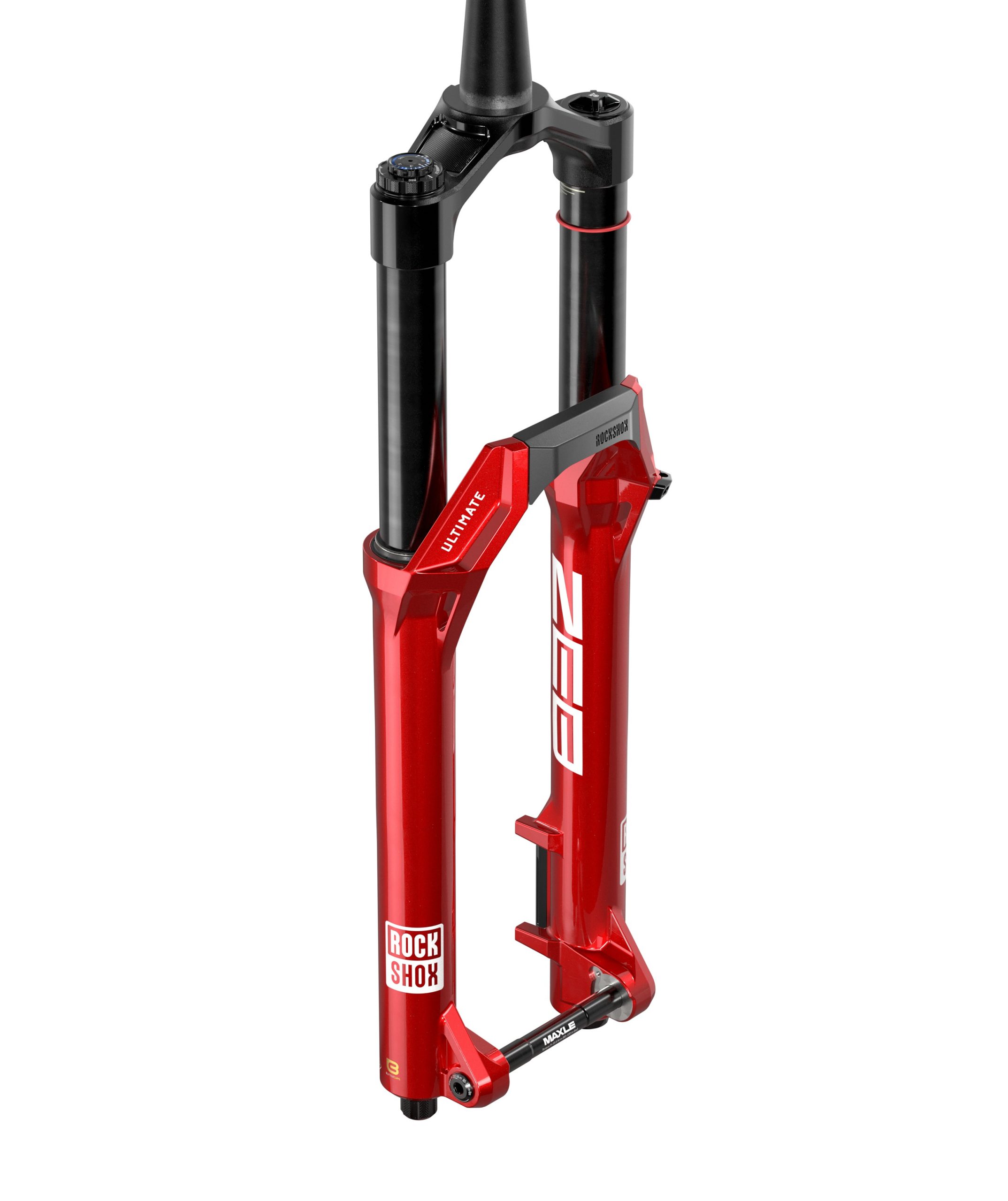
The ZEB is RockShox's flagship single-crown fork for aggressive enduro riding, bike-park use and long-travel eMTBs.
Its 38mm chassis is engineered to prioritise torsional rigidity and tracking accuracy on demanding terrain, making it particularly well-suited to aggressive riding styles and heavier bikes.
The latest-generation ZEB received substantial updates, including a totally new chassis, improved bushing overlap and the new LinearXL air spring. The AirAnnex – a protrusion on the spring side of the lower legs – ups air volume for a more linear spring curve.
ButterWagonTech helps to reduce friction and make for the smoothest ride possible.
These changes were aimed at reducing friction, improving sensitivity and increasing front-wheel tracking over rough terrain.
Adjustable Bottom Out – an external adjustment featured on the Utlimate and Select+ models – enables more tuning of the fork's feel.
Ultimate models now feature the Charger 3.2 damper, which builds on the Charger 3 and Charger 3.1 with improved oil-flow characteristics and a broader adjustment range.
The result is greater consistency on long descents and improved control through repeated high-speed impacts.
ButterCups remain a feature of Ultimate-level forks, helping reduce high-frequency trail vibrations and rider fatigue.
Key features
- 38mm chassis
- 160mm to 180mm travel
- Charger 3.2 damper on Ultimate and Select+ models
- LinearXL air spring on all but base-level model
- ButterCups technology on Ultimate models
- ButterWagonTech on Ultimate models
- Adjustable Bottom Out adjustment on Ultimate and Select+ models
- Flight Attendant availability
Who is it for?
Enduro racers, bike-park riders and ebike users seeking maximum front-end confidence.
Domain
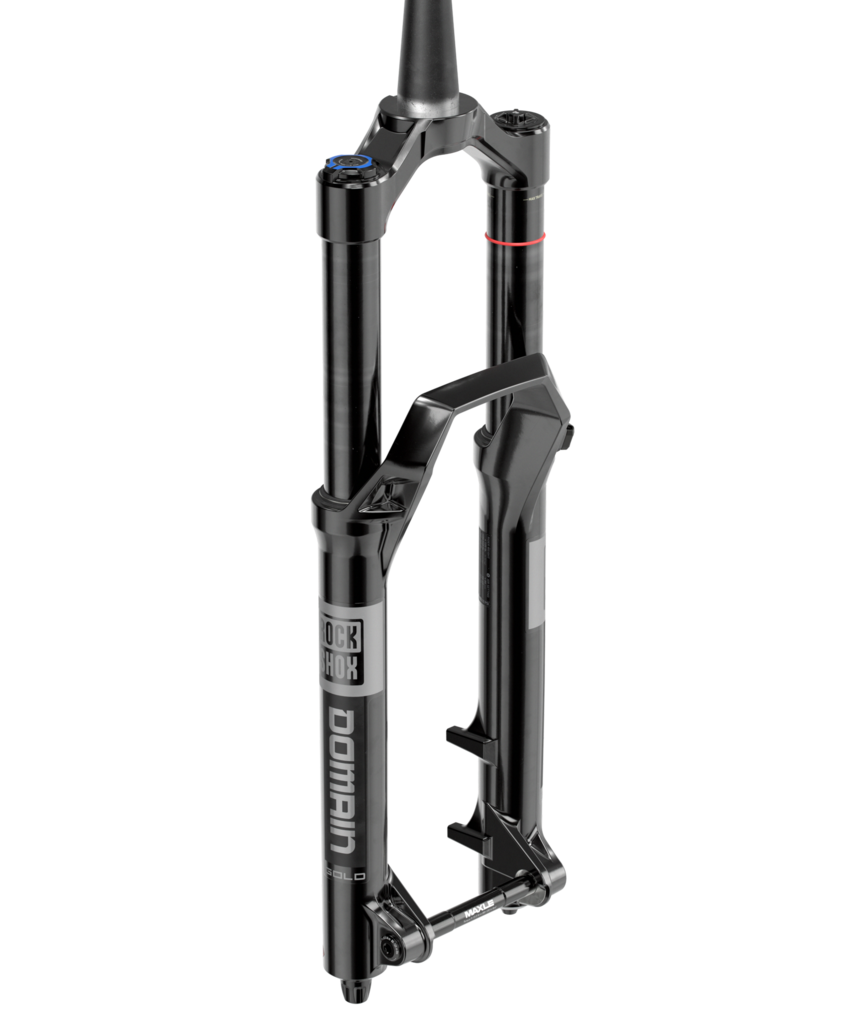
The Domain shares much of its chassis architecture with the ZEB, but is aimed at riders seeking long-travel capability at a lower price point.
By using more affordable damping systems, RockShox has created a fork that retains much of the stiffness and durability of the ZEB while remaining significantly more accessible.
The Domain has become particularly popular on long-travel trail bikes, enduro bikes and eMTBs, where outright adjustability is less important than durability and value.
Key features
- 38mm chassis
- Long-travel configuration
- 150-180mm travel
- Isolator R or RC damping
- ZEB-derived architecture
- Excellent value proposition
Who is it for?
Riders seeking maximum stiffness and durability without the cost of premium dampers.
Downhill forks
BoXXer
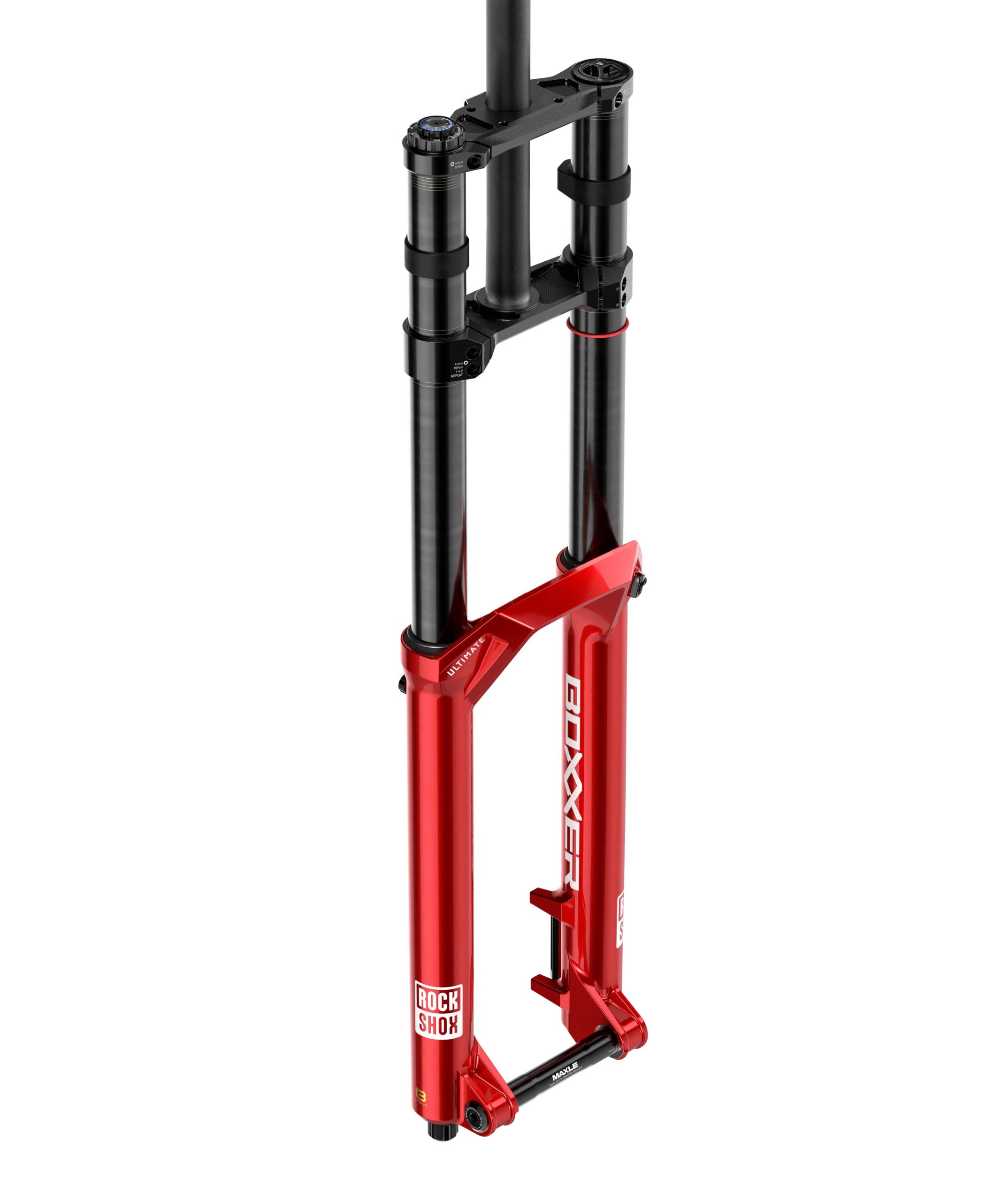
The BoXXer remains the pinnacle of RockShox gravity suspension and continues to be developed alongside World Cup downhill race teams.
The latest-generation chassis is more refined than previous versions, with totally reworked lowers and friction-reducing ButterWagonTech featured on the upper tubes, in a bid to help the fastest racers in the world hold their line at speed.
Extensive development has focused on reducing rider fatigue and increasing grip over rough terrain.
At the heart of the latest BoXXer Ultimate sits the Charger 3.2 RC2 damper, paired with the LinearXL air spring.
Together, they target sensitivity, support and consistency during long downhill runs.
Ultimate models now combine ButterCups and ButterWagonTech, creating RockShox's most advanced vibration-management package.
The Ultimate version also features the brand’s LinearXL air spring, which uses an AirAnnex to boost l volume on the spring side of the lower legs for a more linear feel.
These technologies are designed to reduce high-frequency feedback reaching the rider and improve comfort without compromising steering accuracy.
Key features
- Dual-crown downhill chassis
- Charger 3.2 RC2 damper in the top model
- DebonAir+, LinearXL air spring
- ButterCups technology
- ButterWagonTech technology
- World Cup race-proven design
Who is it for?
Downhill racers and gravity riders seek the highest levels of performance.
Gravel forks
Rudy and Rudy XL
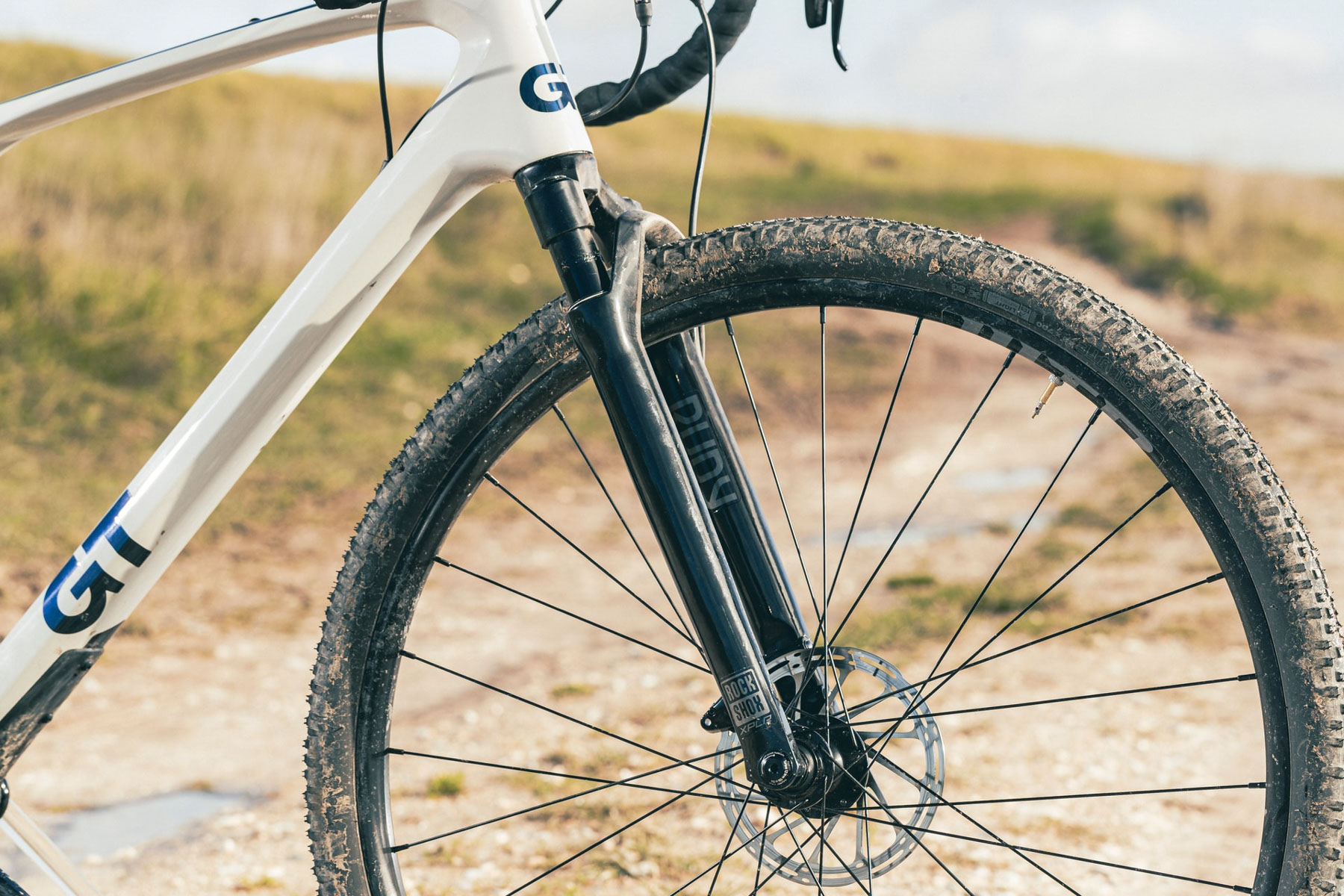
Rudy helped establish suspension forks as a legitimate option for performance gravel bikes, creating a category that continues to evolve as gravel routes become rougher and more technical.
Rather than simply adapting an XC fork, the Rudy is specifically designed for gravel riding.
The chassis, travel and tuning are all intended to improve comfort and control without compromising efficiency.
The fork is designed to reduce rider fatigue on rough roads, gravel tracks and light off-road terrain, while maintaining the direct handling characteristics gravel riders expect.
As gravel events become increasingly technical, suspension forks such as the Rudy continue to gain popularity among performance-focused riders.
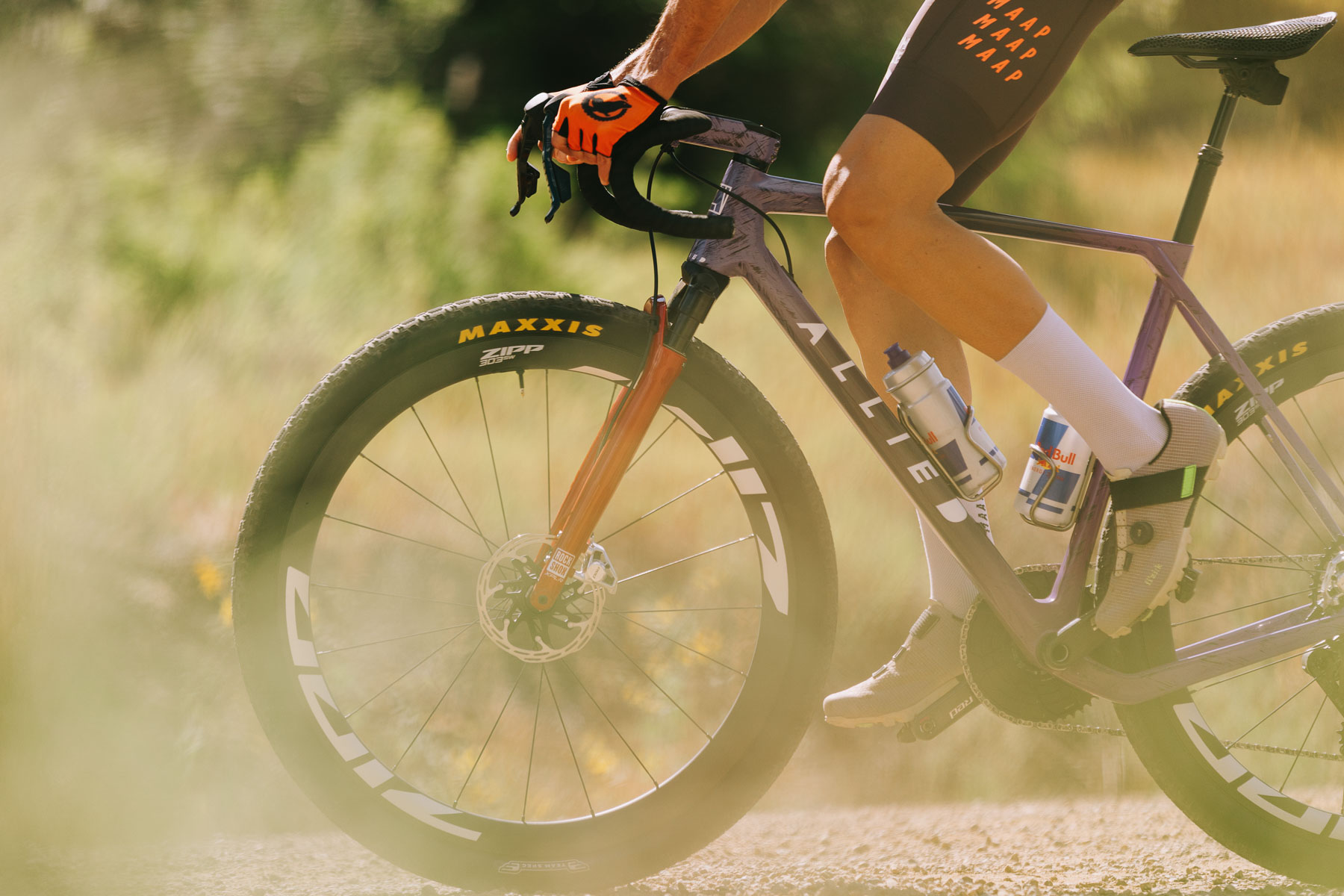
RockShox makes two variants, the Rudy XPLR, available in 30mm and 40mm variants and the Rudy XL, available in 50mm and 60mm.
Both features a Solo Air spring and Charger Race Day 2 Damper on the Ultimate models, with the base models making do with a cartridge rebound-only damper.
The Rudy fits up to 700x50 tyres, while the XL fits up to 29x2.2in tyres.
Key features
- Gravel-specific chassis
- 30mm stanchion diameter
- Up to 40mm travel for Rudy, up to 60mm for Rudy XL
- Solo Air spring
- Charger Race Day 2 Damper on the Ultimate models
- Lightweight construction
- Improved comfort and traction
- Designed for modern gravel bikes
Who is it for?
Gravel riders seeking greater comfort, control and confidence on rough terrain.
RockShox suspension fork technologies
Charger dampers
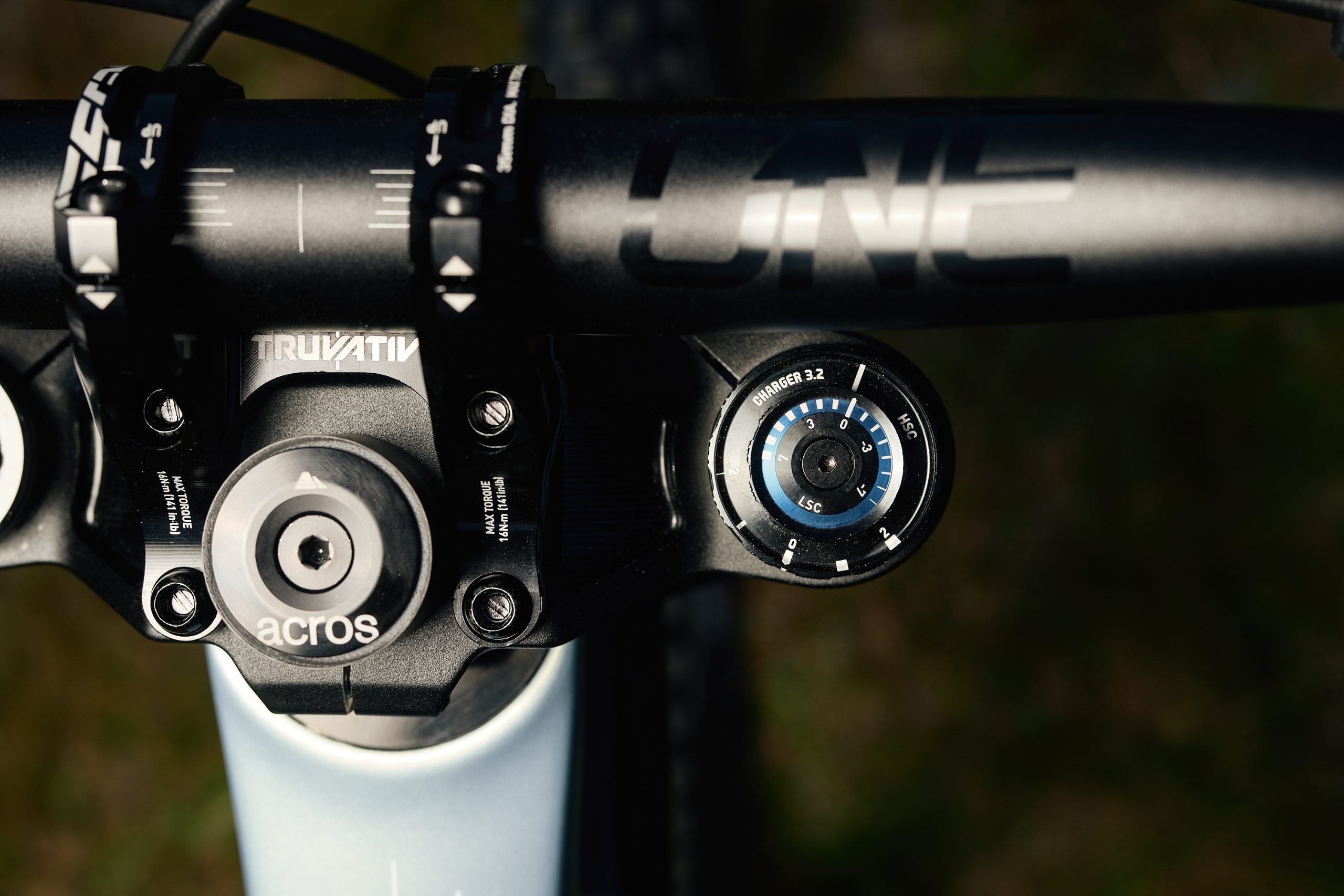
RockShox's Charger dampers sit at the heart of its premium suspension forks.
The latest Charger 3.2 RC and RC2 platform builds on the Charger 3 and Charger 3.1, offering improved oil flow, a wider tuning window and better consistency on long descents. The damper is designed to deliver more usable adjustments, while reducing harshness through repeated impacts.
At the lighter end of the range, the Charger Race Day 2 prioritises low weight and pedalling efficiency for XC racing. More affordable forks continue to use Motion Control, Rush, Isolator and Isolator RC dampers.
RockShox damper adjustment names
RockShox has several names to explain the adjustments a damper system enables, which are outlined in the chart below.
| Name | Adjustments |
|---|---|
| RC2 | Low/high-speed compression and rebound |
| RC | Low-speed compression and rebound |
| RCT3 | 3-position compression (open, pedal, lock) and rebound |
| RL/TK | 2-position compression (open, lock) and rebound |
| R | Rebound-only |
DebonAir and DebonAir+
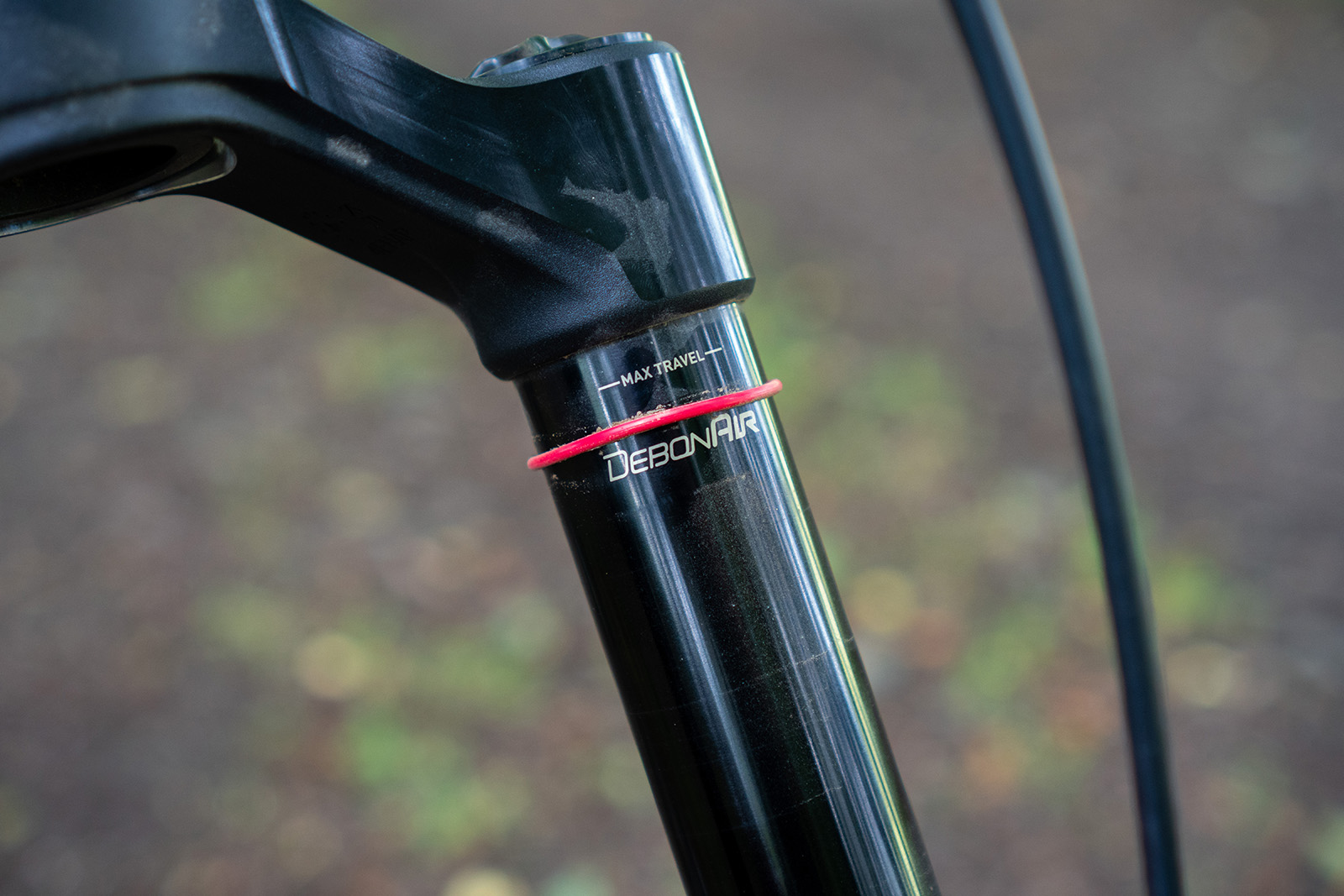
DebonAir+ is RockShox's latest air-spring platform for trail, enduro and gravity riding.
Compared to earlier DebonAir systems, it is designed to improve small-bump sensitivity while providing better support through the mid-stroke. The result is improved traction without sacrificing ride height and stability.
LinearXL and Air Annex
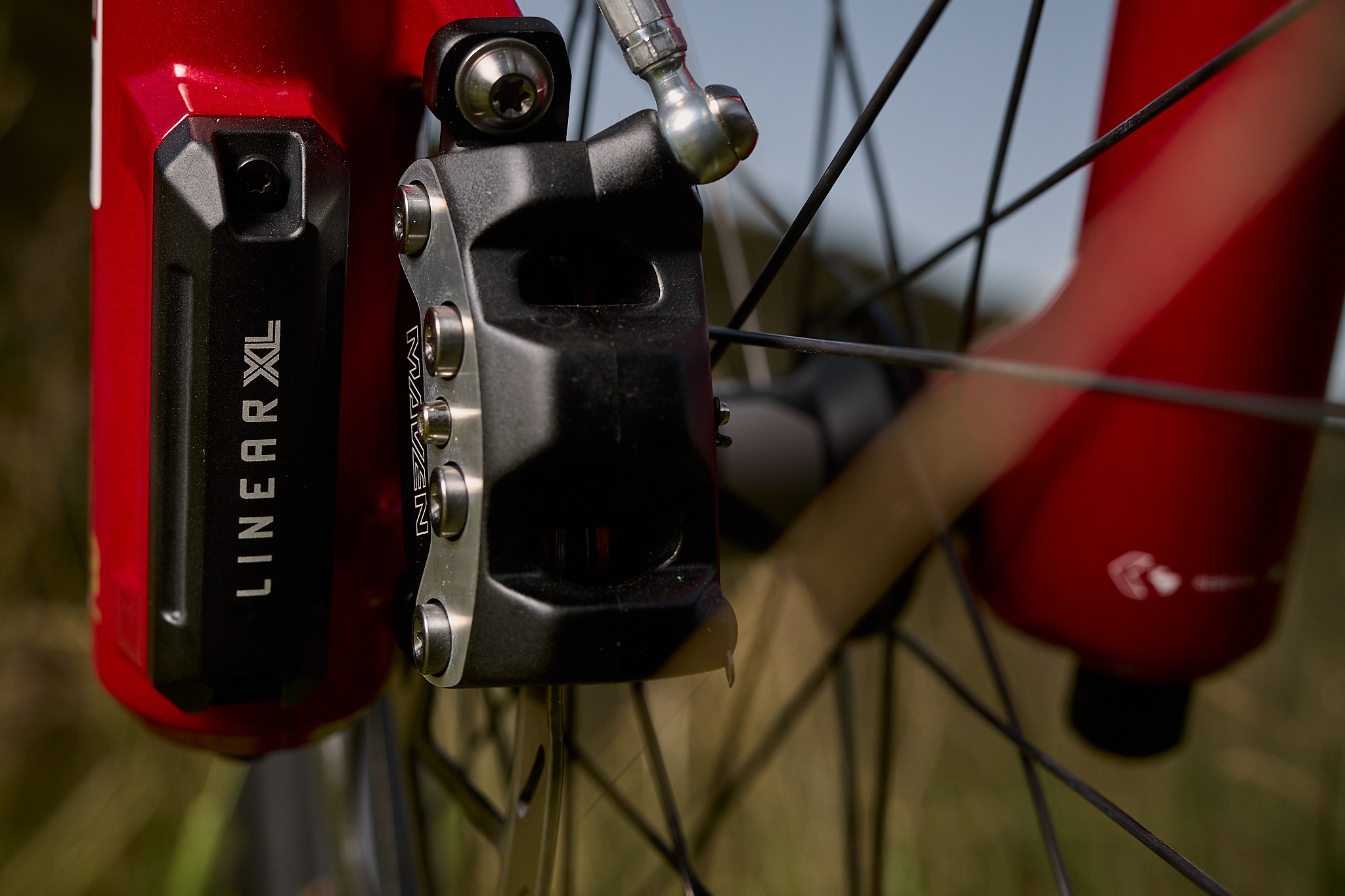
LinearXL is an evolution of the DebonAir+ air spring, and in tandem with the Air Annex, adds a more coil-like character to the forks by reducing stiction, making it more supple off the top.
Forks with this technology can be identified by the bulge on the lower leg that acts as an expansion chamber for trapped air during compression.
ButterCups
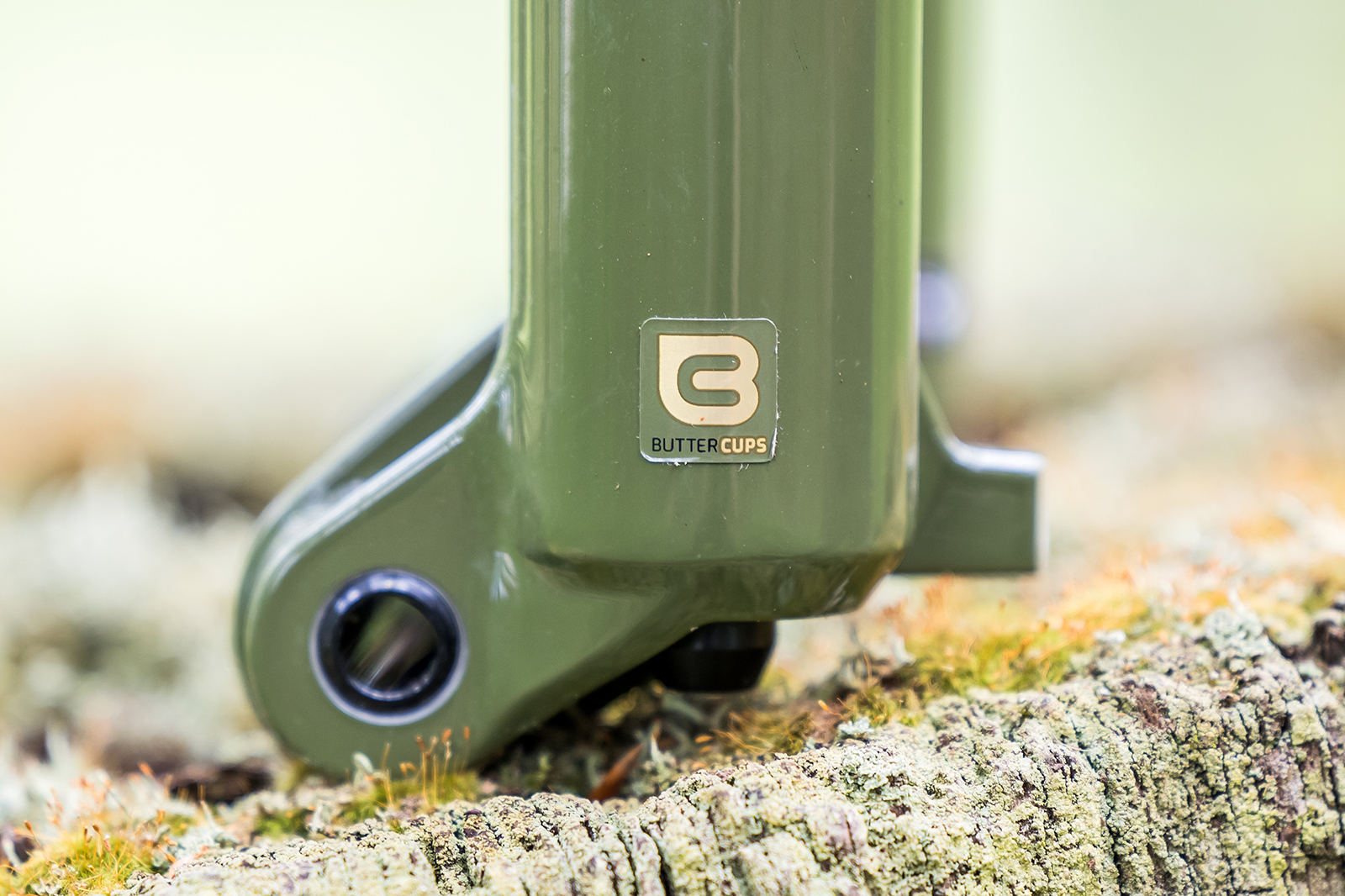
ButterCups are small elastomer isolators positioned at the ends of the air-spring and damper shafts.
They are designed to absorb high-frequency vibrations before they reach the rider, reducing arm pump and fatigue on rough trails.
ButterWagonTech
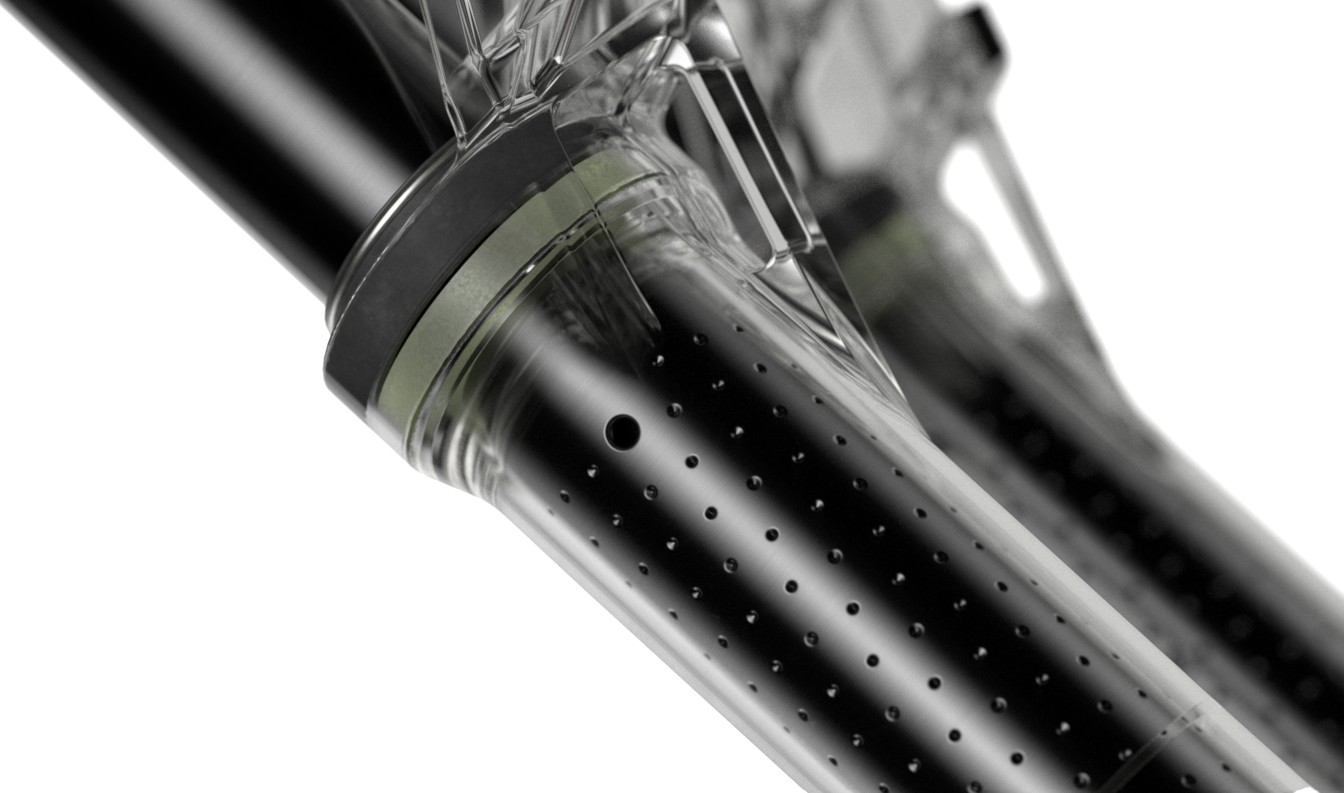
ButterWagonTech is a lubrication-management system that continuously moves oil to the bushings to reduce friction and maintain smooth fork performance.
This increases the sensitivity of the fork because there is less friction from the bushings.
Flight Attendant
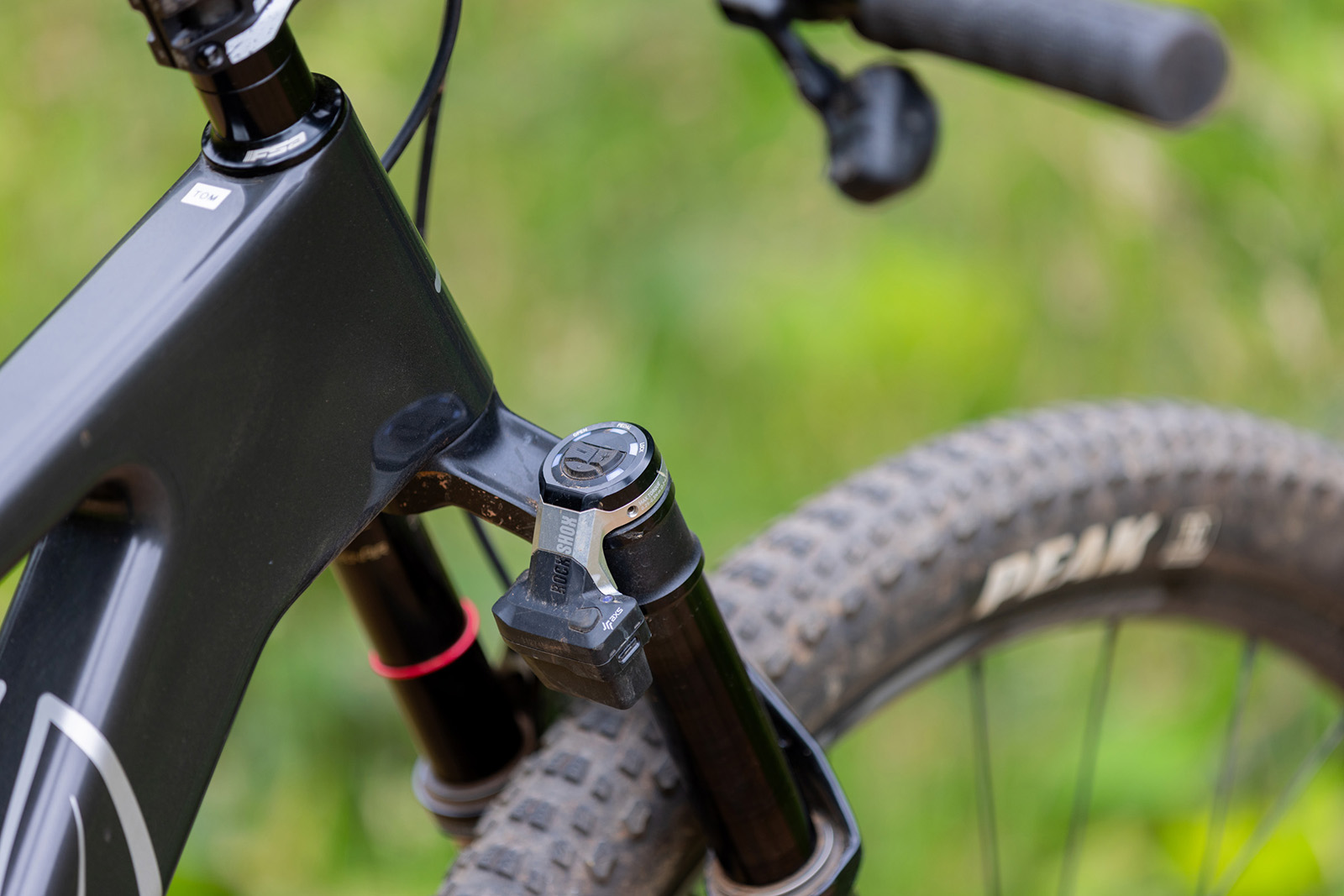
RockShox Flight Attendant is an electronic suspension adjustment system that optimises your compression damping on the fly using sensors in the forks, shock and cranks. The system also enables you to manually adjust compression modes using SRAM’s AXS shifters.
The technology is now used on the brand’s XC forks, such as the SID SL, all the way through the range to the Boxxer Ultimate.
Flight Attendant setups are bike-specific, so not all bikes can use the technology.