There’s a very good reason why September, and not January, is now the key month for a health and fitness overhaul.
Although Christmas remains a time of rare indulgence and January a month of screeching handbrake reversal, the long summer months – and especially those holidays luxuriating around the pool – can do an even bigger number on our waistlines, momentum and motivation.
A couple of extra cocktails here, a second helping at the buffet there, and before you know it, your favourite shorts feel a little tighter, you're looking down at a bit more belly fat, and the scales are heading in the wrong direction.
Certainly for people of a certain age and stage of life, “September is the new January,” says personal trainer Ollie Reeve, of Origin Personal Training in Bristol, UK. “For people with school-age kids, the schools have gone back and everyone’s overdone it on the food and drink in the summer.
“You’ve also got Stoptober – quitting alcohol for October – becoming the new Dry January. Everyone’s realising that January is pretty miserable.
“You still get people kicking it into January, of course, and it remains a good time to pick up your fitness – there is still a new energy. But I would say September has become more of a reset month.”
There is another way, however. Summer can easily be a time where your fitness doesn’t fall away at the cost of piling on the pounds, but blossoms. Particularly for enthusiasts of outdoor sports, this is the time to make hay.
For everyone else, think of your holiday as a form of cross-training – time away from the bike, yet remaining active in a different, fresh way.
These expert tips will equip you with the tools and habits to thrive throughout the summer, without feeling you’ve sacrificed your enjoyment.
Fitness
Walk everywhere
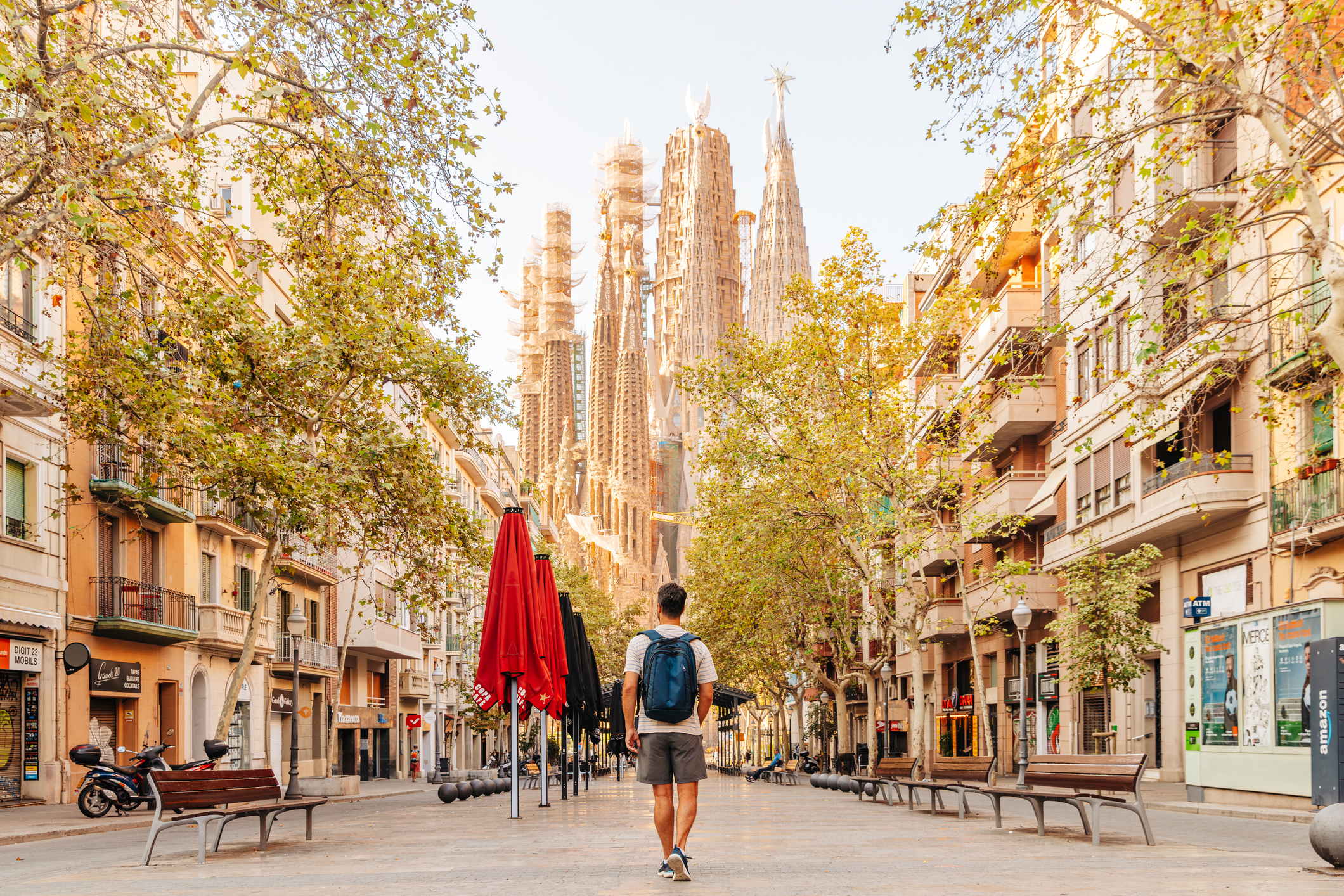
In truth, it’s only a small subsection of summer holidays, such as the all-inclusive beach resort, where you’re actively encouraged to be idle.
Many others involve plenty of walking – around cities, up mountains and, perhaps the daddy of all walking holidays, across Disneyworld – so you should always do as much as practically possible on holiday.
That 10,000 steps target that we all know so much about can prove elusive during our working year, as we journey to and from work in cars and public transport. Freed up during summer holidays, it’s astonishing how many steps we can rack up.
It’s far from just a fitness thing, either: you see more of a new place at walking speed, it brings you closer to the local culture – and you save money to boot.
With so much of our work now tied to desks and computers, when it comes to your summer holiday your phone should be pinging with ‘new step-count trends’ on your fitness app.
Early-morning workouts
Doing your workouts as early as possible in the morning has many advantages. You avoid the worst of the day’s heat, which means you can work out better, for longer, without incurring lingering fatigue.
If you’re a cyclist or runner, making use of public roads, you get to enjoy new, unfamiliar terrain among far less traffic.
If you’re a parent holidaying with family, you can squeeze in your daily session before your brood has even finished breakfast and by getting out early, you will be powered by a warm glow (or worse, smug satisfaction) of knowing your exercise for the day is already behind you.
Make use of your destination
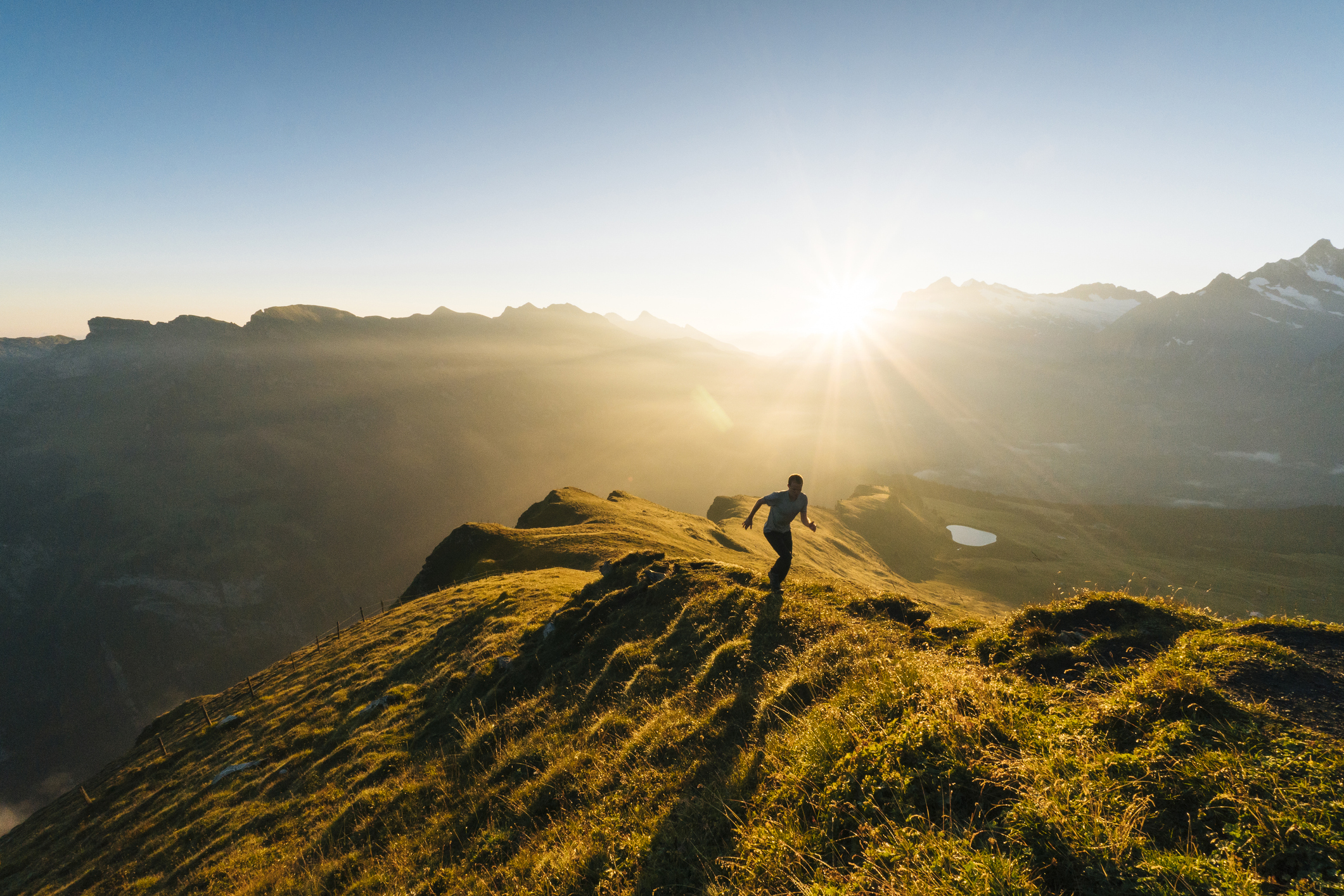
Any holiday is a pause from real life and that applies to your fitness routine. Whatever sports or activities you like doing – be it cycling, swimming, gym or running – you’ll likely have spent 90%+ of your time doing it on the same roads, pool, floor or pavements, so make the most of your new location.
Even doing the same things in a different place will renew your enthusiasm, but even better, try something new.
Road cyclists in the Alps should try a session of mountain biking, and pool swimmers should try a wild swim in the sea. Making the best of nature’s gifts when on holiday is much more than just fitness maintenance.
Tap up local knowledge
Cyclists, in particular, will benefit from riding with a local bike club on holiday. More than any other activity, cycling takes you a long way from your base and while a GPS download from mapping software such as Komoot or Strava is always useful, the company and knowhow of locals can be more satisfying.
Lifestyle
Choose an active holiday
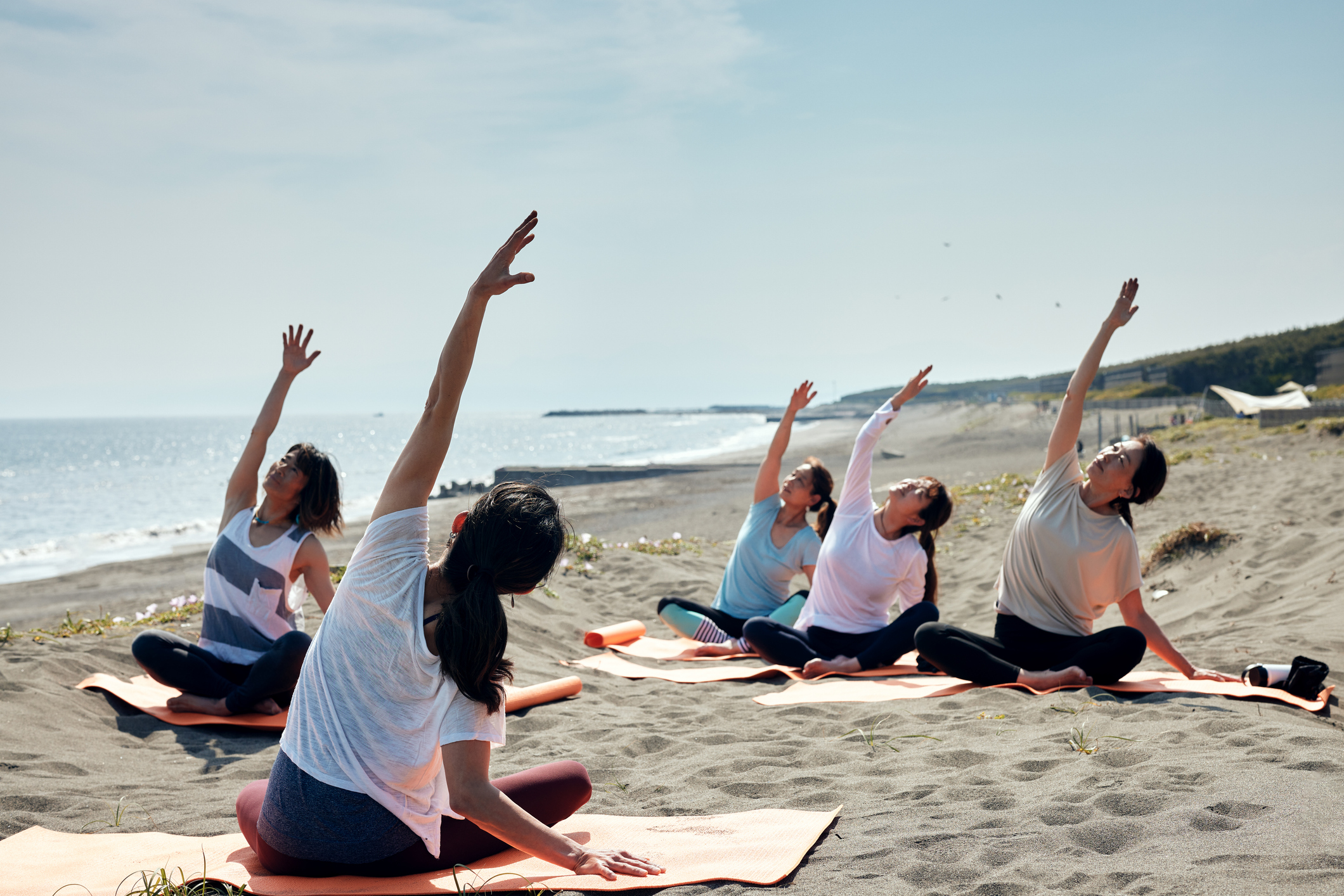
The ultimate way to maintain fitness on holiday is to simply be active. On the extreme end, this could be to plan your holiday around, say, an Ironman race or a point-to-point cycling tour that crosses an entire mountain range.
At the other end, it could simply be about saying yes to as many activity offers as possible, whether that’s morning yoga on the beach, a game of pickleball or a half-day hike in the mountains. Don’t worry if you’ve never done this activity before – plenty of others will be in the same boat.
See the time off as an opportunity
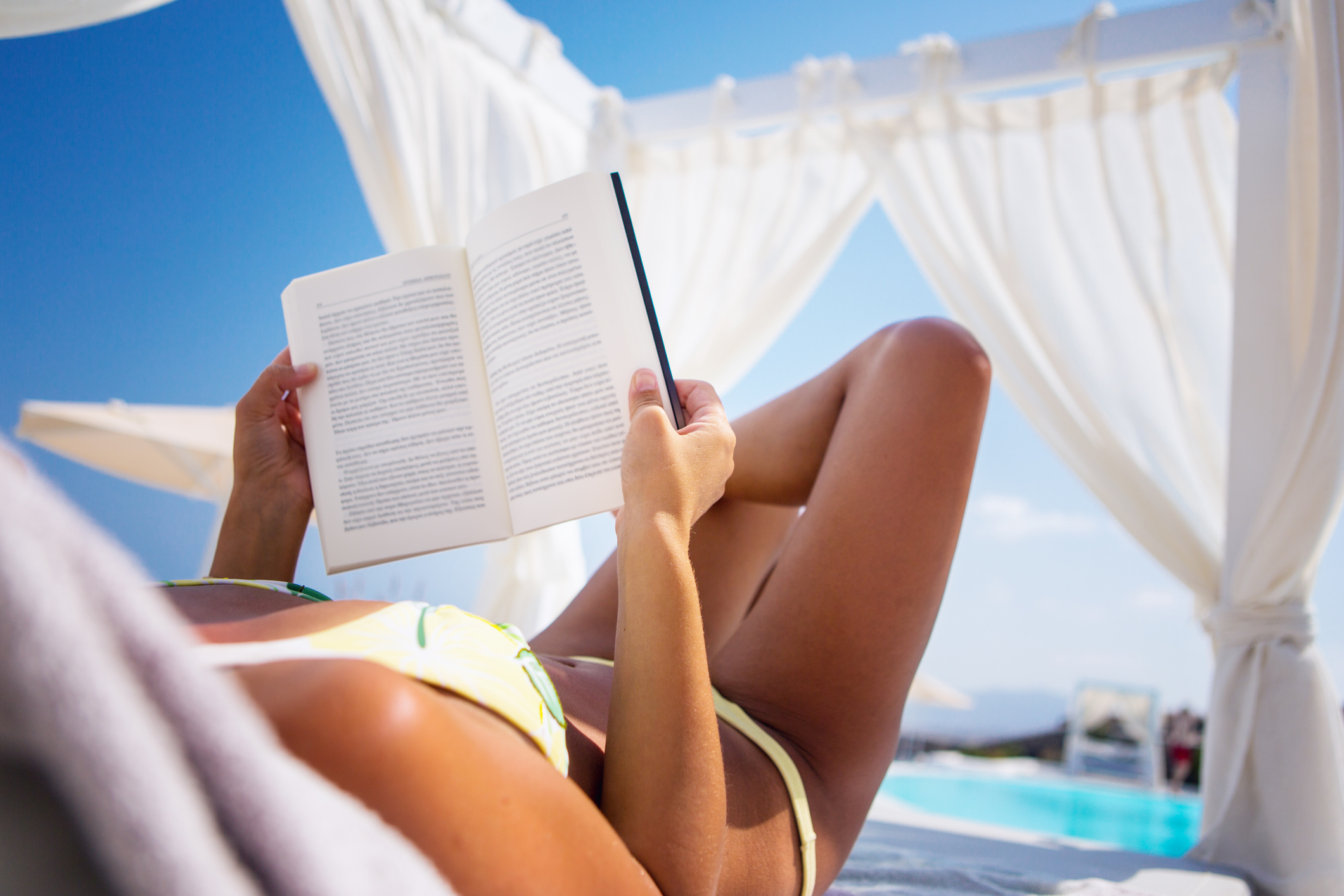
Even if you do spend two weeks on the beach reading all those books you haven’t got round to reading this year, take comfort in the fact that your hard-earned fitness isn’t going to go up in smoke during a fortnight in the Caribbean.
Yes, there will be changes. During longer periods off the bike, “you realise endurance fitness is rented, it’s not owned,” renowned exercise physiologist Dr Paul Laursen told our sister magazine Cycling Plus last year.
But in two weeks, only minimal negative changes will occur, such as reduced blood plasma volume and mitochondrial enzymes, which aid energy production.
Even if you do absolutely zilch for two weeks, take heart from the fact that it’s faster to regain this fitness than lose it.
Sleep, sleep, sleep
Your working year is often compromised by poor-quality sleep, where late nights and alarm clocks combine to deny you the shuteye your body needs to repair itself, particularly after training sessions.
So, you should embrace the time opportunities that summer holidays open up to ensure you return rested, rejuvenated and with the momentum to take into the autumn that ensures no ‘September reset’ is necessary.
“Sleep is when fitness happens,” says endurance coach Joe Friel. “It’s when your body releases all the growth hormone, all the stuff that rebuilds muscle, bone – everything in your body. It’s all happening during sleep.
“If you’re cutting back on sleep, you’re not going to get the full benefit of yesterday’s workout. You have 90-minute waves in sleep where all this good stuff is released, so if you’re cutting your sleep short by a couple of hours a night to fit other things into your day, you’re depriving your body of a whole cycle that your body needed to make the most of your session.
“You should wake up naturally. If an alarm wakes you, that’s cortisol [the ‘stress hormone’] being released into your body.”
Nutrition
Holidays, by definition, are a break from your normal routine – in location, in daily routine, and in what you eat – but that doesn’t mean all your good habits need to be thrown away. The area in which most of us tend to indulge in on our travels is in what we eat and drink, but there is a middle way between living like a monk and diving headfirst into the buffet.
Fast on travel days
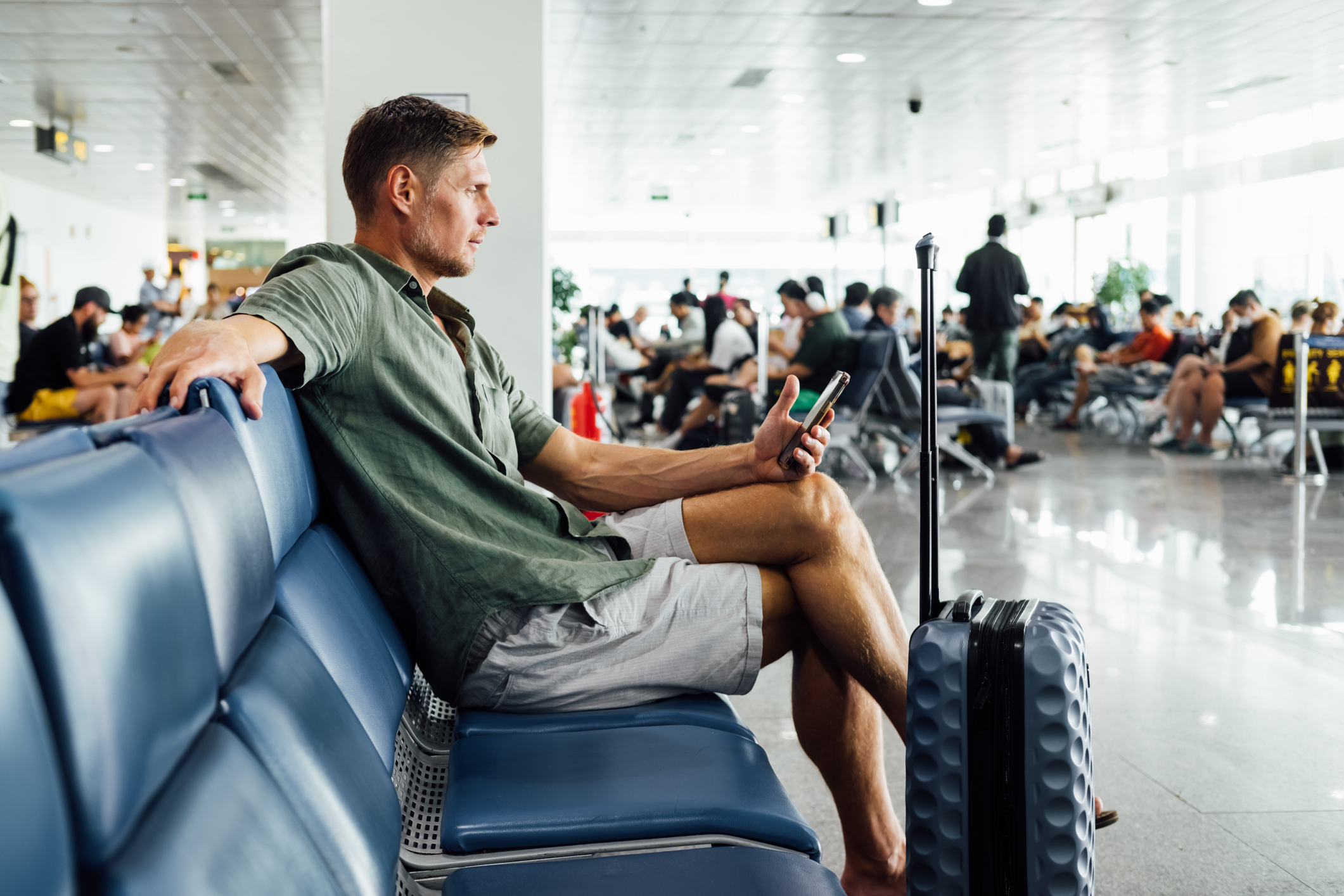
Long days of travel – be it in cars, airports or ferries – are when we are most susceptible to bad diet. You can be prepared, by carrying nourishing, energy-rich whole foods and nuts and dried fruits, which will stop the temptation to graze on poor-quality service station or airline food.
Intermittent fasting is another option. Even if you don’t do it regularly, choosing to restrict your eating windows to eight hours of the day helps to keep calorie intake low. It’s what pro cycling nutritionist Will Girling will choose when he’s travelling across the world with his team.
“If I’m going to be in airports or planes all day, and the food is rubbish, then I might intermittent fast that day. It always comes back to the goals – what are we trying to achieve? Is it performance and recovery or are we trying to manage our day and not overeat calories and see a steady increase in our body composition?”
Opt for a Mediterranean diet
If you find yourself holidaying in the Mediterranean, you’ll be doing your body a favour in adopting the local eponymous diet. It focusses on whole, plant-based foods, healthy fats such as olive oil, lots of fish and limited red meat, in a 50% carbs, 15% protein and 35% healthy fats ratio, and has been shown in many studies to deliver life-extending benefits.
Two weeks of it on vacation won’t achieve the reduced cardiovascular disease (28%) and dementia (20%) that long-term adherence to the diet achieves, but it’s certainly not going to be a negative and isn’t about restriction like a lot of diets.
Limit your alcohol intake
Alcohol is a diuretic and overconsumption, particularly in the warmer climes you’re likely vacationing in, can have ruinous effects on your body. If you like a drink, by all means have a drink, but try to impose some rules on your intake.
The downsides of day drinking are made worse by the heat of mid-afternoon, so try to refrain from booze until the evening. It’ll ward of dehydration and enable that morning workout the following day be an enjoyable one. If you have young kids, their bedtime is as good a cut-off as any.