Vitamin D – the 'sunshine vitamin’ – is closely associated with autumn and winter, the short days and diminished natural light of which deprive us of our main source of it: the sun.
Available through our diet but not in abundance, a vitamin D supplement is one of the few the NHS in the UK suggests we should consider taking. A simple recommendation, in a small dose.
Yet, walk into your local health foods store and you’ll see it filling whole shelves, in all kinds of bamboozling amounts and configurations.
It’s that positioning and status that has seen this vitamin become the most popular single-nutrient supplement in the UK (as well as the US).
But how, exactly, does vitamin D work inside our bodies and what does the science tell us it’ll do (and not do) for us?
What is vitamin D?

Vitamin D Is essential for making your bones strong. It helps the body absorb the minerals calcium and phosphate – both essential for strong bones – and is delivered to your body primarily through the sun’s rays (but also to a lesser extent through some foods, such as oily fish, egg yolks and fortified cereals). Once in your body, it’s converted into a form the body can use.
Between now and the end of March, the NHS says everyone in the UK over the age of one should consider a vitamin D supplement of 10 micrograms (mcg) each day.
The sun isn’t strong enough in the UK through the colder months for the body to make vitamin D via this main pipeline, and people naturally spend less time outdoors in the colder months.
Babies, particularly those that are breast-fed and can’t get it from their mother’s milk, and don't drink formula milk fortified with the vitamin, need 8.5-10mcg a day.
Those over the age of 4 should take a 10mcg supplement all-year round if they are indoors throughout the year (eg, frail people in care homes), as well as those with dark skin, who may not make enough of it from the sun.
D3 supplements are the preferred version, because it’s the form your body makes from sunlight.
In the US, the figure is 15mcg daily for healthy people aged 1-70, 10-15mcg for babies and 20mcg for over-70s.
Why does vitamin D have a reputation as a ‘super supplement’?
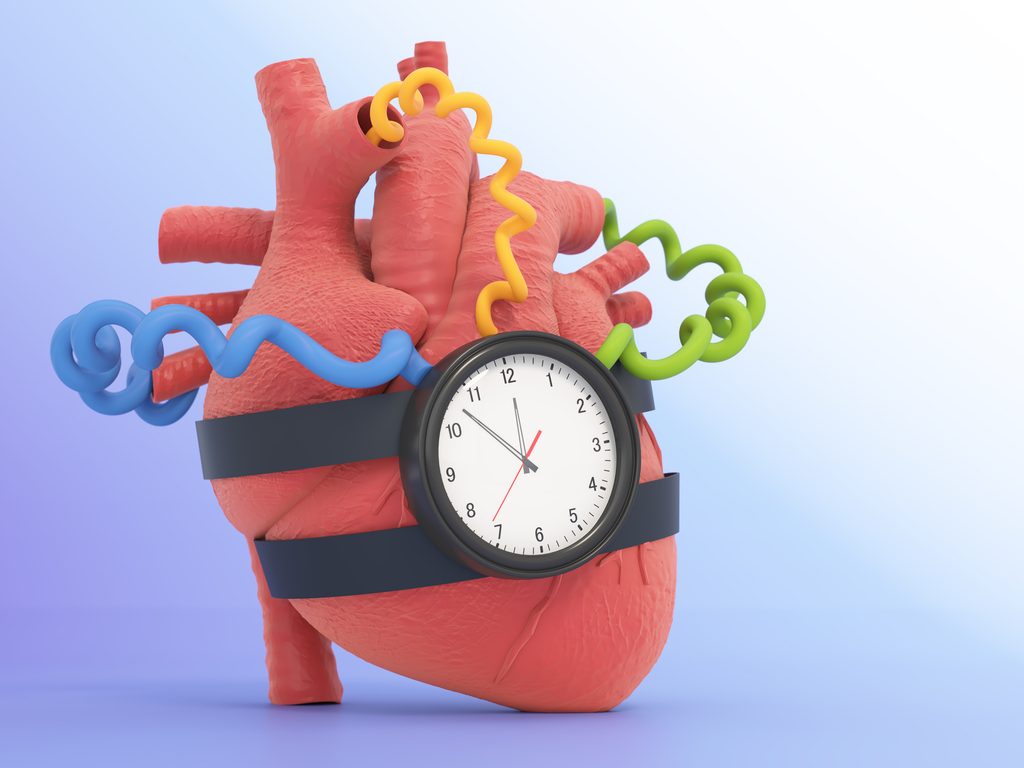
This reputation built up over many years, as excited scientists observed how vitamin D deficiency was present in people with a huge array of illnesses, including cancer, heart disease and diabetes.
Combined with the discovery that vitamin D receptors were everywhere in the body, it suggested that low levels of vitamin D were playing a role in causing these diseases.
It led to an explosion in research. Observational studies – cheaper but not able to show whether one thing (eg, vitamin D) directly causes another (eg, cancer) – were superseded by randomised controlled trials (RCT), the very expensive, time-consuming gold standard of research that can show if an intervention works.
Such trials need considerable financing, by people who believe they’ll eventually get a return on their investment – and that often means drugs companies.
Dr Xand van Tulleken has an excellent telling of the rise and fall of vitamin D in his 2026 book Make Me Well, where he speaks to several of the key protagonists in this rollercoaster story.
“These observational studies were very, very persuasive,” he tells BikeRadar. “When I was at medical school [in the late 90s] vitamin D was going to be the cure for everything, or at least a really important public health intervention.
“Huge quantities of money was spent trialling vitamin D like a drug.”
From around 2017, the results of these trials started to come in and, as van Tulleken describes – to the horror of the people involved, who really wanted it to work – what they found was a very Larry David-esque ‘meh’. A shrug of the shoulders. Mediocrity.
What did the trials tell us?
“Vitamin D, in the major trials, seems to do nothing other than prevent vitamin D deficiency,” says Van Tulleken, “which only really gives you rickets and osteomalacia” – weakening of the bones in children and adults respectively. Both are old-fashioned conditions that are rare in 2026.
The largest RCT of its kind on vitamin D, the VITAL study, enrolled more than 25,000 people to find out if it could prevent cancer and cardiovascular disease. Compared to a placebo, it didn’t have a significant effect. In a follow-on study, vitamin D didn’t reduce the risk of bone fractures.
A meta-analysis of 50 RCTs in the BMJ in 2019 showed vitamin D supplementation alone did not influence all-cause mortality in adults.
It led to an editorial on the VITAL trial in the New England Journal of Medicine in 2022 by Steven Cummings, a professor at the University of California and well-regarded expert on the bone-weakening condition osteoporosis.
He said that, as a result of this trial and others, routine screening for vitamin D levels in the wider, healthy population should stop and that "people should stop taking vitamin D supplements to prevent major diseases or extend life”.
So, no more vitamin D supplements for me?

Not so hasty. As shown with the NHS advice, which van Tulleken insists is “excellent”, vitamin D supplements can be effective at filling the hole that deficiency creates.
NHS advice on vitamin D, he says, comes from a place of illness prevention, rather than any kind of enhancement from a baseline.
Vitamin D deficiency is real, with approximately 1 in 6 adults in the UK having it. Yes, in its worse cases it causes uncommon diseases such as rickets and osteomalacia, but in milder cases – both deficiencies and what the NHS would call vitamin D insufficiency – it can cause fatigue and a weakened immune system.
Dr Nick Tiller, who recently lambasted the wellness industry in his book The Health and Wellness Lie – referring to it, on the whole, as a “con” – told us that a daily vitamin D supplement is one of the very few that he takes, after a blood test revealed a deficiency (he lives in Norway, which has very short days in winter).
Moving away from the disappointment of vitamin D in the big trials as a treatment for disease, it continues to play a big role in doctors’ surgeries at the coal face of community healthcare.
Jon Stones, an NHS GP based in Bristol, England, says testing for, and prescribing to fix, vitamin D deficiency and insufficiency, is a daily part of his job.
“Yes, the large RCTs proving reduction in cancer and cardiovascular disease are lacking, but it’s the less measurable outcomes that we see multiple times a day that seem to be helped [by supplementation]," he says.
“Anecdotally I see a lot of patients with vague symptoms – fatigue, aching, generally rundown with recurrent infections. Many will have low vitamin D and a lot of them will improve with supplements.”
What counts as low vitamin D and how is it measured?

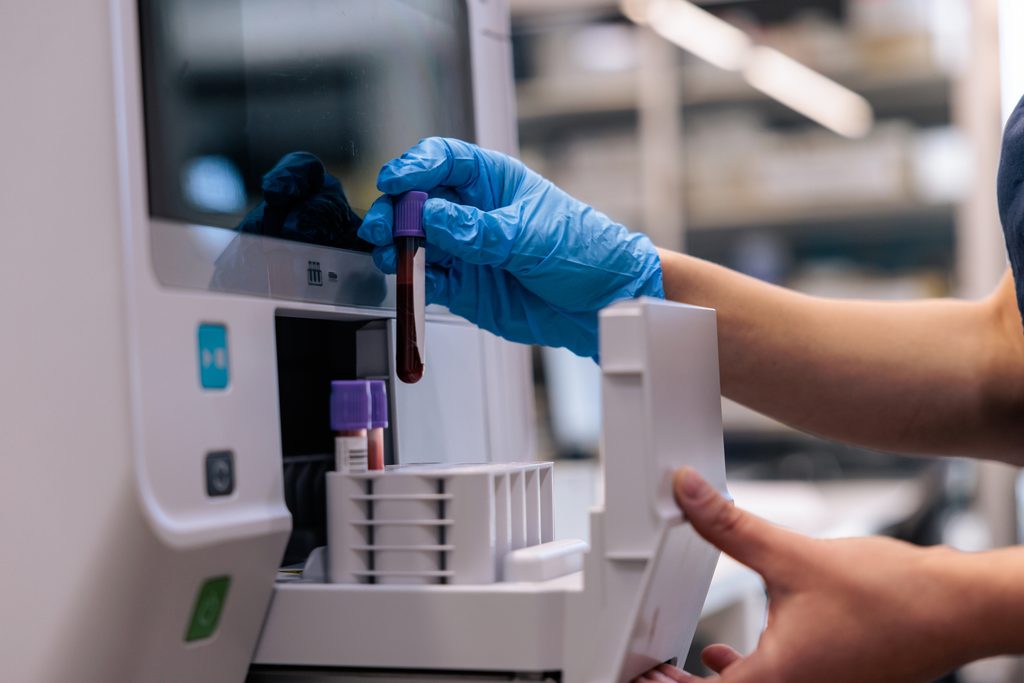
Dr Stones says he’d measure levels through blood tests as part of a wider screen looking for other possible causes (thyroid issues, low iron) of vague symptoms, such as fatigue.
The dose of vitamin D prescribed would depend on the level. Those severely deficient (less than 25nmol/l) would be prescribed 40,000 IU (international units, the standard measurement unit) a week for seven weeks to load the patient (in mcg, this is 1,000 per week).
After seven weeks, he would recommend over-the-counter vitamin D at 400-1,000 IU a day. This latter recommendation would also be prescribed for those with insufficient levels (25-50nmol/l).
Over-the-counter tablets are available up to 4,000 IU (100mcg), but people are advised to stick to the NHS recommendations unless being treated for low levels under medical supervision.
High vitamin D supplementation can cause harm, building up calcium in the body and leading to bone damage, rather than protection.
Dr Stones adds that a low measure of vitamin D is a "useful indicator that someone's not getting enough sun – it can trigger conversations about spending time outdoors".
And like anyone who takes a multi-vitamin and thinks it is a worthy substitute for a healthy, wide-ranging diet, those taking vitamin D should not see it as a replacement for getting out in the sunshine.
"Sun exposure has many other benefits, including nitric oxide release, which does have proven wide-ranging benefits – including cardiovascular risk reduction."
Research from the UKHSA – UK Health Security Agency – shows ultraviolet light from the sun activates this molecule in the skin to expand blood vessels and ultimately reduce blood pressure.
Should I get myself tested?
Private blood testing, and at-home tests, are a growing industry, and vitamin D is part of that. But Dr Stones finds the practice annoying as an NHS GP, and an unnecessary expense for patients.
“I would not screen for vitamin D deficiency in the absence of symptoms, yet private providers are perfectly happy to take people’s money to check something that I would not have done myself, then send them back to me with abnormal results for me to action.
“I would also question the validity. Often, repeating the test via NHS labs yields significantly different results.
"My message would be [for all home tests, not only vitamin D] that if you don’t have symptoms, then don’t have tests. If you do have symptoms, speak to your GP!”