Late last year we looked into the effects of broccoli sprout ‘juice’, which is claimed by its maker, the Swedish firm Nomio, to be a natural performance enhancer.
A single shot uses very young broccoli (plus lemon juice and sugar), condensed into a 60ml package that’s the equivalent of 3kg of the full-grown vegetable.
The active component is isothiocyanates (ITCs). These are chemicals found in broccoli, which Nomio’s own clinical research say prime the body to better manage physical stress and reduce blood lactate (which can otherwise limit exercise at a certain threshold).
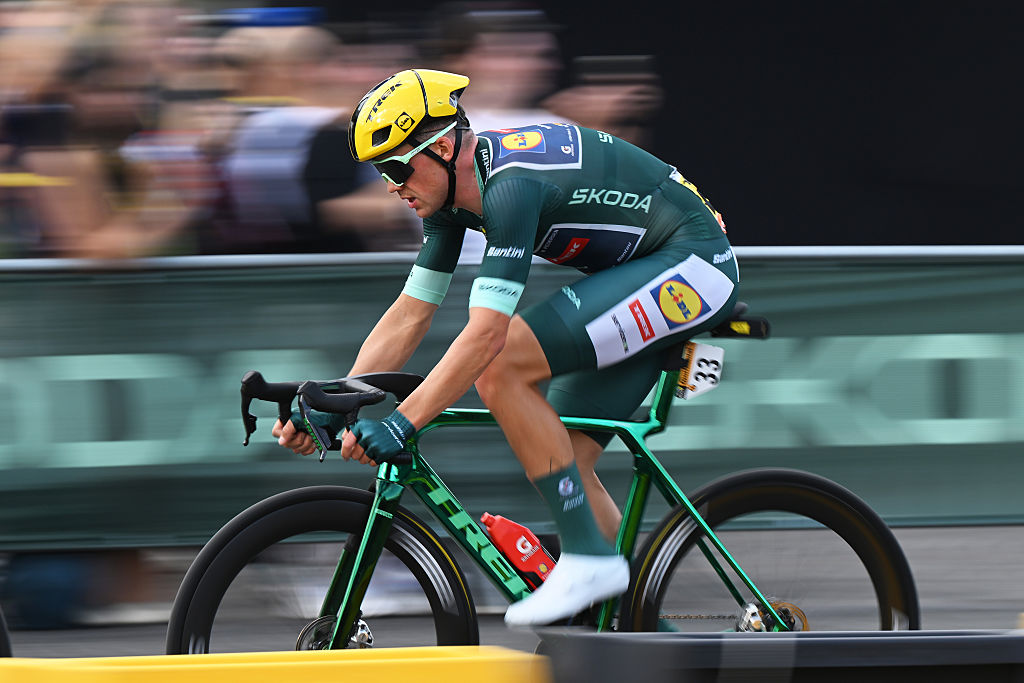
Mads Pedersen of Lidl-Trek, the former road world champion and 2026 Tour de France green jersey winner, is the biggest name known to be using ITCs in training and racing.
However, broccoli is far from the first food from the natural kingdom that’s been used to promote performance and recovery. Here, we round up some of the most popular.
Tart cherry juice
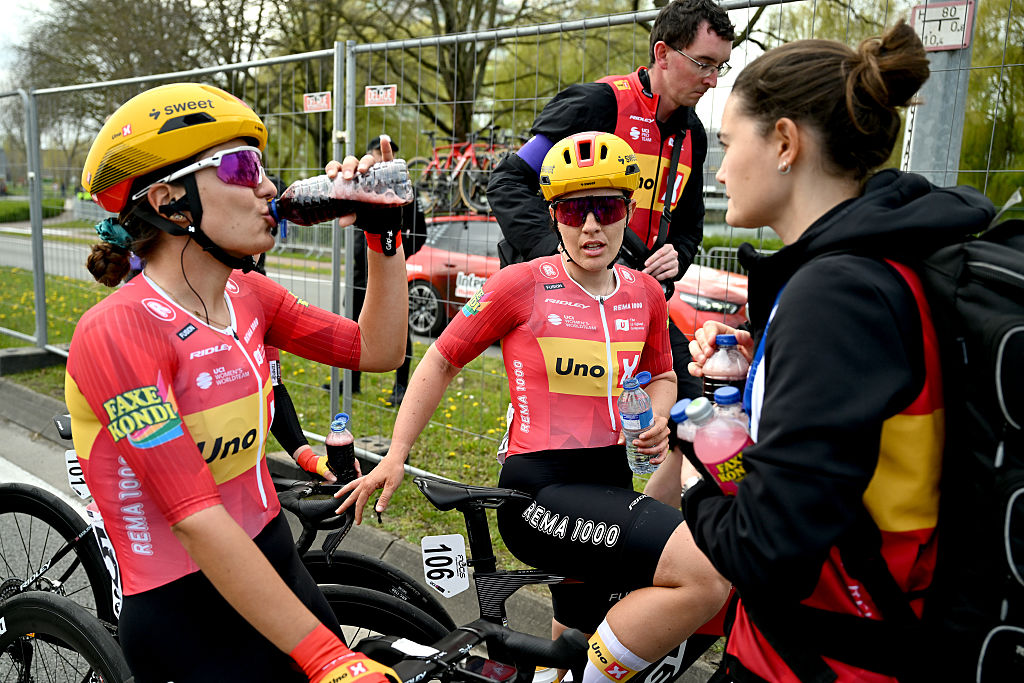
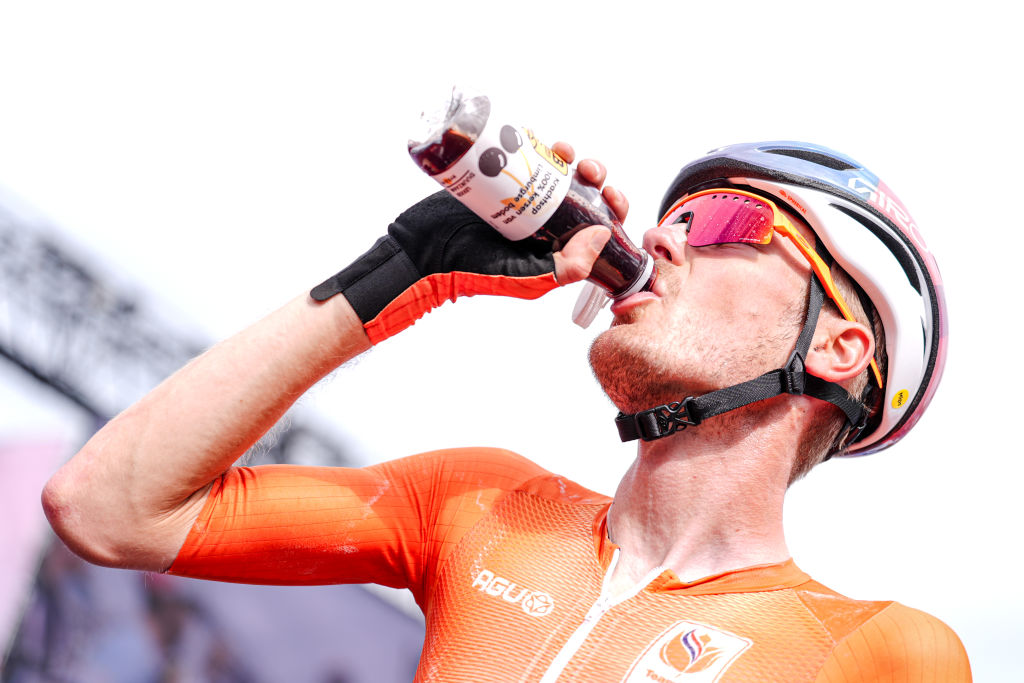
Tart cherry juice continues to be used throughout the racing world, with seemingly the entire peloton chugging back a bottle of the red stuff on the finish line of stage races, in particular.
On finishing on the podium of a Grand Tour for the first time, at the 2025 Vuelta a España, Tom Pidcock was asked what he was looking forward to.
“Not having to drink cherry juice,” he replied, referring to one of a litany of post-stage protocols that were clearly grating after 21 days of racing.
So, it’s not every rider’s favourite thing to drink, but the fact everyone downs it counts for a lot. Since the early 2000s, it’s been known for its anti-inflammatory properties.
Anthocyanins (the antioxidant that gives the cherry its red colour), which are abundant in the Montmorency tart cherry variety, can help recovery by reducing muscle soreness and getting them working properly faster. This is why cherry juice is mostly used right at the end of a stage in anticipation of the next.
Tart cherry juice’s effects on endurance athletes have been well-studied this century, as well as the ways it can help the general population.
A review in 2021 that looked at 14 studies found the “consumption of a [tart cherry juice] supplement can aid aspects of recovery from strenuous exercise”.
Sticking to recovery, it also contains melatonin, the hormone that helps to regulate sleep. If you have insomnia, melatonin medication might be prescribed, but here it’s produced naturally.
Researchers at Northumbria University discovered, in 2010, that the juice improved marathon runners’ muscle recovery after intense exercise.
The same team found it can relieve rheumatological symptoms of osteoarthritis and gout. All this positive noise around tart cherry juice means it doesn’t come cheap, but it’s no more expensive than many sports nutrition products, with some being more fiscally prudent than others.
A 1l bottle of British brand Active Edge’s CherryActive costs £35. That works out at just over £1 a serving, each of which contains the antioxidant equivalent of 23 pieces of fruit or vegetables.
Beetroot juice
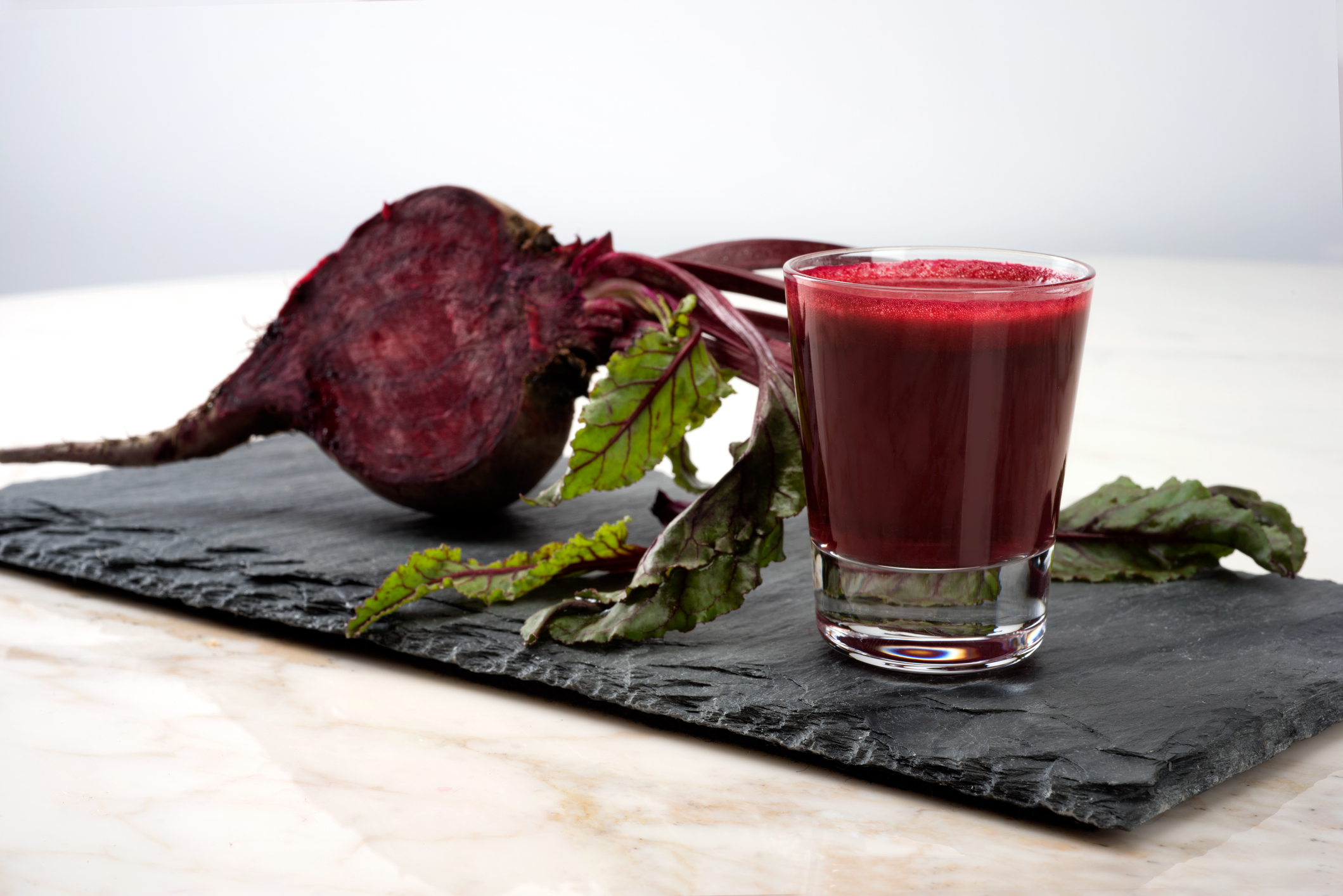
While studies into the potential benefits of beetroot juice started at a similar time to those into tart cherry juice, it enjoyed an earlier surge of popularity in high-performance circles.
Like a broccoli sprout shot, it’s used more as a pre-workout primer (up to 150 minutes before your workout) to improve performance.
The nitrates in beetroot are converted to nitric oxide (NO) in the body. Studies have shown that this naturally occurring substance increases blood flow and reduces the oxygen cost of exercise, which means that athletes can work harder for longer.
Professor Andy Jones and his team at the University of Exeter have been leading research into beetroot’s effects on exercise.
In 2009, they found 0.5l of beetroot juice per day for three days resulted in a 16% increase in time to exhaustion during high-intensity exercise.
Around five years later, they found two concentrated 70ml shots was the optimal amount to enhance performance, with the bloodstream peak coming at two to three hours.
In 2017, a review of 23 studies into the effects of beetroot juice on endurance found it improves cardiorespiratory efficiency, increases time to exhaustion under maximum intensity and may improve performance at maximal intensities.
Alongside caffeine, nitrate has been approved by the International Olympic Committee (IOC) as a natural, legal performance enhancer.
Others supplements to keep an eye out for are: creatine – a compound found in the human body that muscles use to help produce the fastest energy source; sodium bicarbonate – a byproduct of metabolism that improves performance by buffering muscle acidity; and beta-alanine – an amino acid for buffering acid in short, hard efforts of one to three minutes.
British firm Beet It Sport supplied Jones and his team at Exeter with the beetroot juice for their studies. Their Nitrate 400 shot (70ml) costs £28 for a pack of 15.
Just make sure you avoid antibacterial mouthwash when taking Beet It shots, because it kills the process of converting nitrates to nitric oxide.
Pickle juice
Rather than swigging large amounts of juice either before or after exercise, pickle juice’s benefits are tapped into when you’re suffering from cramp.
This is when a muscle tightens because it’s been working too hard, often in the same position for a long time, and with a loss of electrolytes, such as sodium and potassium, through sweat.
The ensuing pain typically comes on suddenly and can be debilitating. Because cramp strikes so quickly and with such force, an equally fast remedy is called for.
Electrolyte drinks aren’t absorbed fast enough by your body. Pickle juice, and other cramp relievers, contain acetic acid (the main component of vinegar), and just swilling it around your mouth (and then spitting it out) is said to relieve cramps.
It’s not a pleasant taste, but that’s why it works. The vinegar triggers a reflex in your nerves that sends a signal to your brain to stop the cramping muscle from contracting.
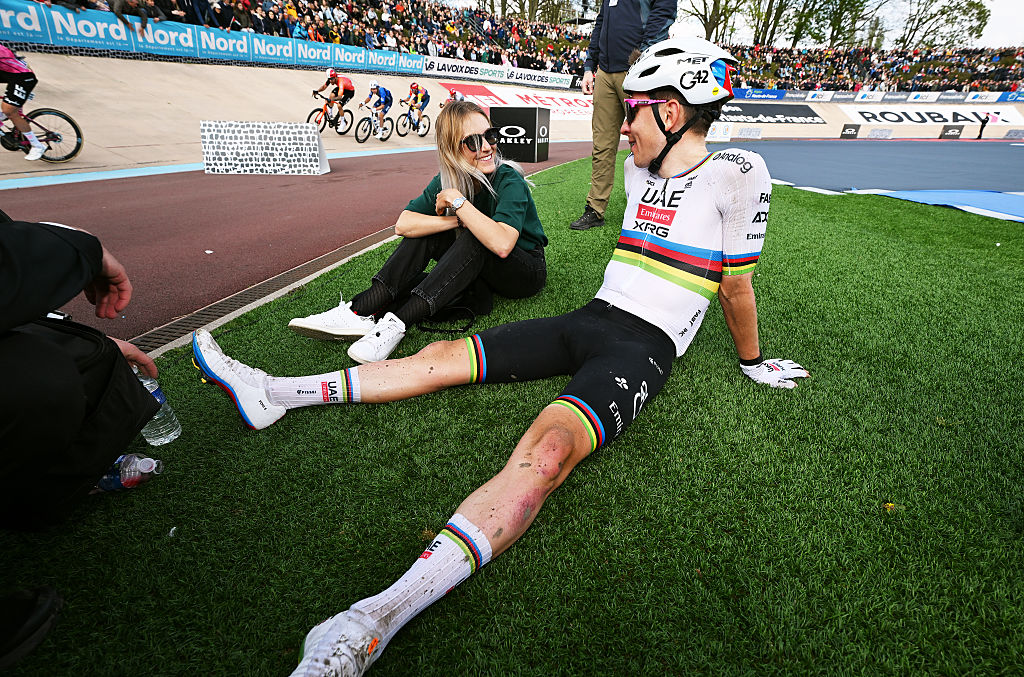
This is the science that Tadej Pogačar fell back on when cramp struck during his attempt to win Paris- Roubaix in 2025.
The road world champion pulled up to his team car and took a mystery drink that later turned out to be pickle juice.
He didn’t win the race – a late crash made sure of that – but the drink dragged him out of a hole at a crucial point.
Of course, while a pro such as Pogačar has a sports director handing him the shot through his car window, you’d need to carry your own. A four-pack of 75ml PicklePower Pickle Juice shots will set you back £15.45 on Amazon.