Despite ebike power and torque figures increasing rapidly, battery technology seems to be progressing at a steadier rate. Perhaps this is because torque and power are much more attractive than battery capacity.
Modern ebikes use lithium-ion batteries, which offer long range, fast charging and compact designs at affordable prices. They’re still expensive, though, meaning it makes sense to look after them as best you can.
Batteries on electric bikes vary from around 400 Watt-hours (Wh) to over 800Wh, with larger batteries using similar tech but with more cells – hence larger-capacity batteries are bigger and heavier.
Looking after your ebike battery properly will extend its lifespan and enable it to continue offering peak capacity for as long as possible.
Here are some of the best ways to prevent premature wear of your ebike battery and keep it as safe as possible.
Use the battery soon after charging it to 100%

“Best practice is to use the battery soon after charging it to 100%,” says Marco Sonderegger of Specialized.
Maintaining moderate charge levels for lithium-ion batteries during storage is important to minimise degradation of the energy-holding cells. It’s best to avoid leaving ebike batteries (or range extenders) for long periods in either a fully charged or fully discharged state. It’s generally considered that maintaining a 30% to 60% charge level is optimal for long-term storage.
“If the bike will be stored for an extended period, we recommend leaving the battery at around 80% charge or even lower rather than storing it fully charged,” Sonderegger explains.
Specialized’s 3.1 Smart Charger also gives riders the option to charge the battery to only 80%, “which is beneficial for long-term battery health,” says Sonderegger.
When riding, though, he explains: “On the discharge side, it’s perfectly fine to use the battery down to a very low state of charge during normal riding.”
Charge and store you battery properly
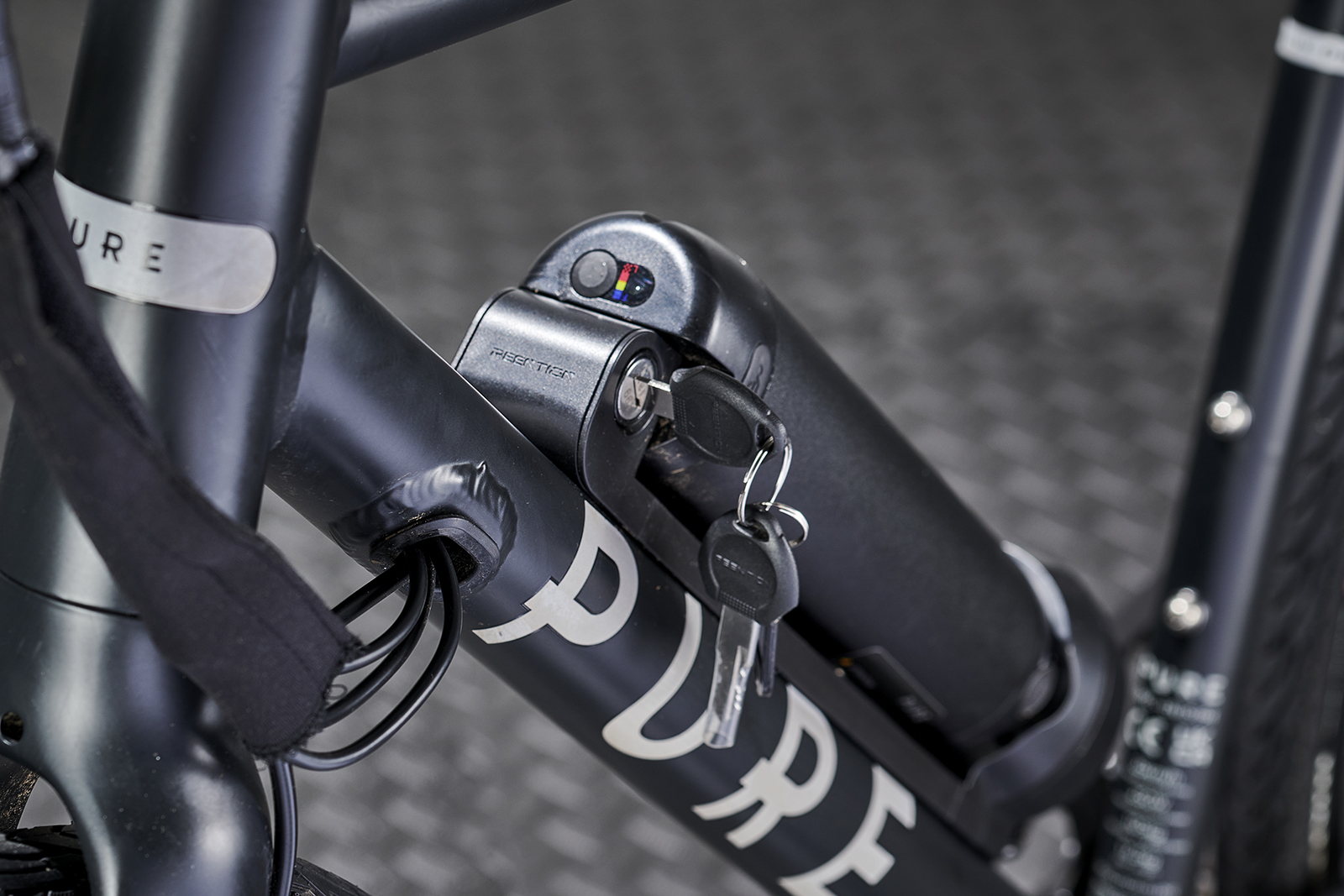
Fast chargers are a great way to get energy back into your battery as quickly as possible, such as during a mid-ride lunch break or cafe stop.
Modern fast chargers such as those from Specialized, Avinox and Bosch, can charge at a rate of 12 amps or 500 watts. This is possible because of gallium nitride (GaN) technology reducing the heat generated by so many ions moving around. This means fast chargers carry a price premium, with many costing over £200, whereas traditional chargers are usually priced between £50 and £150.
Modern chargers can draw a large amount of current, so make sure the electrical system where you’re charging your bike is up to the job. Wires and sockets should be in good condition. Circuit breakers in the consumer unit should be present and tested.
If you need to plug your charger into an extension, use a reputable brand with a built-in surge suppressor and make sure it’s rated to the current draw of the charger.
Charging a lithium battery at too high a rate can be bad for it. Thankfully, modern smart chargers are programmed to minimise battery wear and won’t let you harm your battery.
“Fast charging does not accelerate battery degradation,” says Sonderegger. The battery management system (BMS) software reduces the charge rate once the majority of charging has taken place – 80% in the case of Specialized's 3.1 Smart Charger. At this point, the current will reduce from peak flow to a lower preset rate, preventing damage to the battery.
“A simple analogy is filling a pint of beer,” explains Sonderegger. “You can pour quickly at the beginning, but as the glass gets full, you slow down to avoid spilling over the edge. Battery charging follows a very similar principle – the closer you get to full, the more carefully you need to manage the flow.”
You should avoid charging your bike in escape routes (such as hallways) or leaving it charging while unattended or sleeping. If there is a fire, you need to be awake and alert to deal with it and exit the building safely.
Keep a heat-resistant lithium-ion battery-specific fire blanket handy in case the worst happens.
Use a range extender
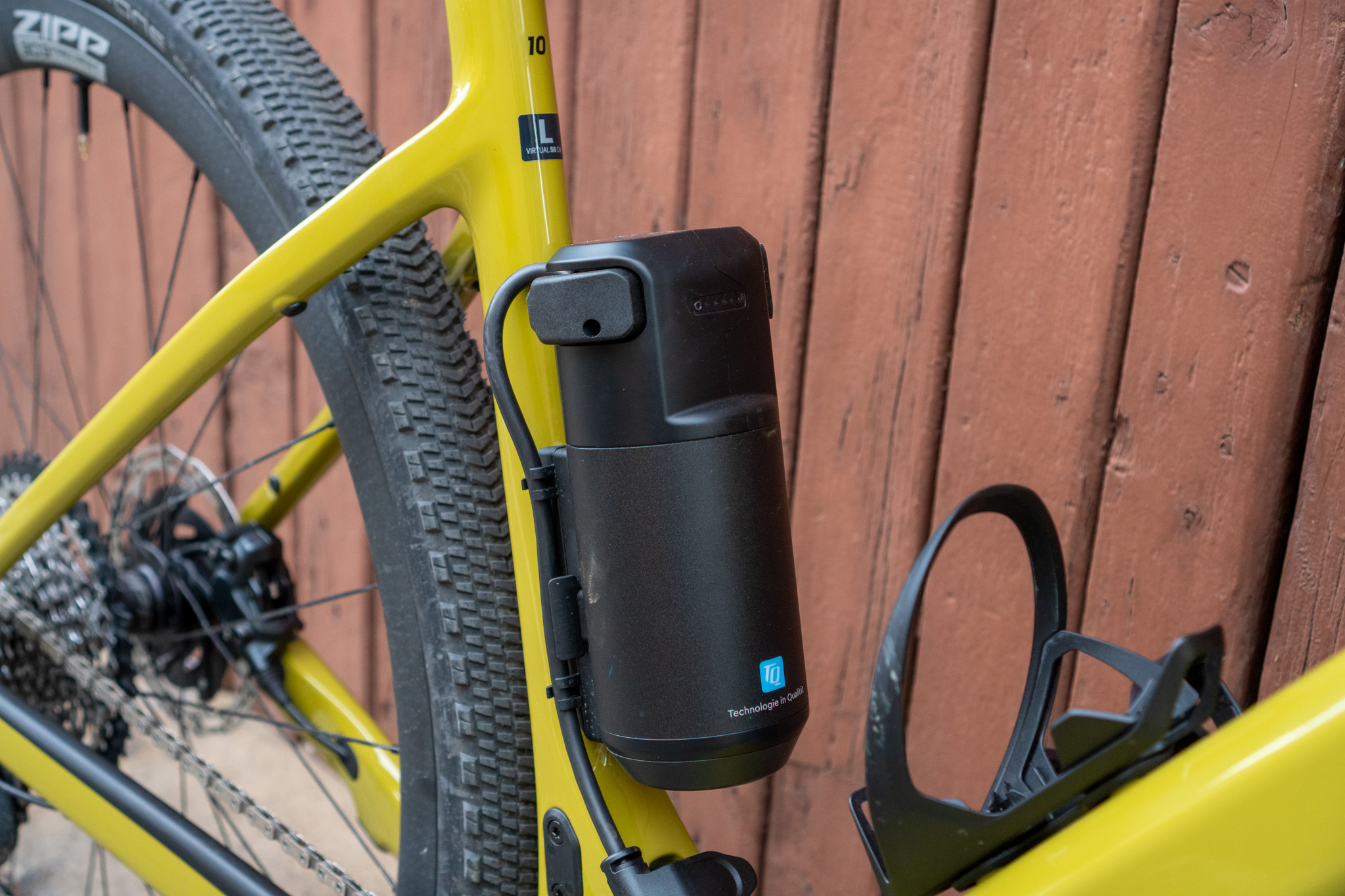
Range extenders are small add-on packs that offer increased battery capacity.
The capacity is typically around 160Wh to 280Wh, and they usually bolt on to a bottle cage mount and plug into the bike’s battery-charging port.
Using a range extender instead of running your ebike battery from 100 to 0% during a day’s riding will save it from peak stress and ultimately prolong its life.
They’re not cheap, though, with costs ranging from around £200 to £600.
There are two different configurations of BMS software that run range extenders. Some (such as Bosch’s Powermore) drain the range extender at the same time as the main battery. The theory behind this is when both are plugged in, the system alternates consumption in small amounts between the two batteries to distribute discharge equally.
Others (such as TQ’s) use the range extender’s battery first, before the main battery (enabling it to be removed from the bike when it’s flat, leaving the main battery full).
Some ebikes (including some of the latest made by Specialized) can be programmed using an app to either drain in tandem or use the range extender’s battery charge first.
It’s worth checking what the capabilities of your range extender are before you buy.
Travel with care
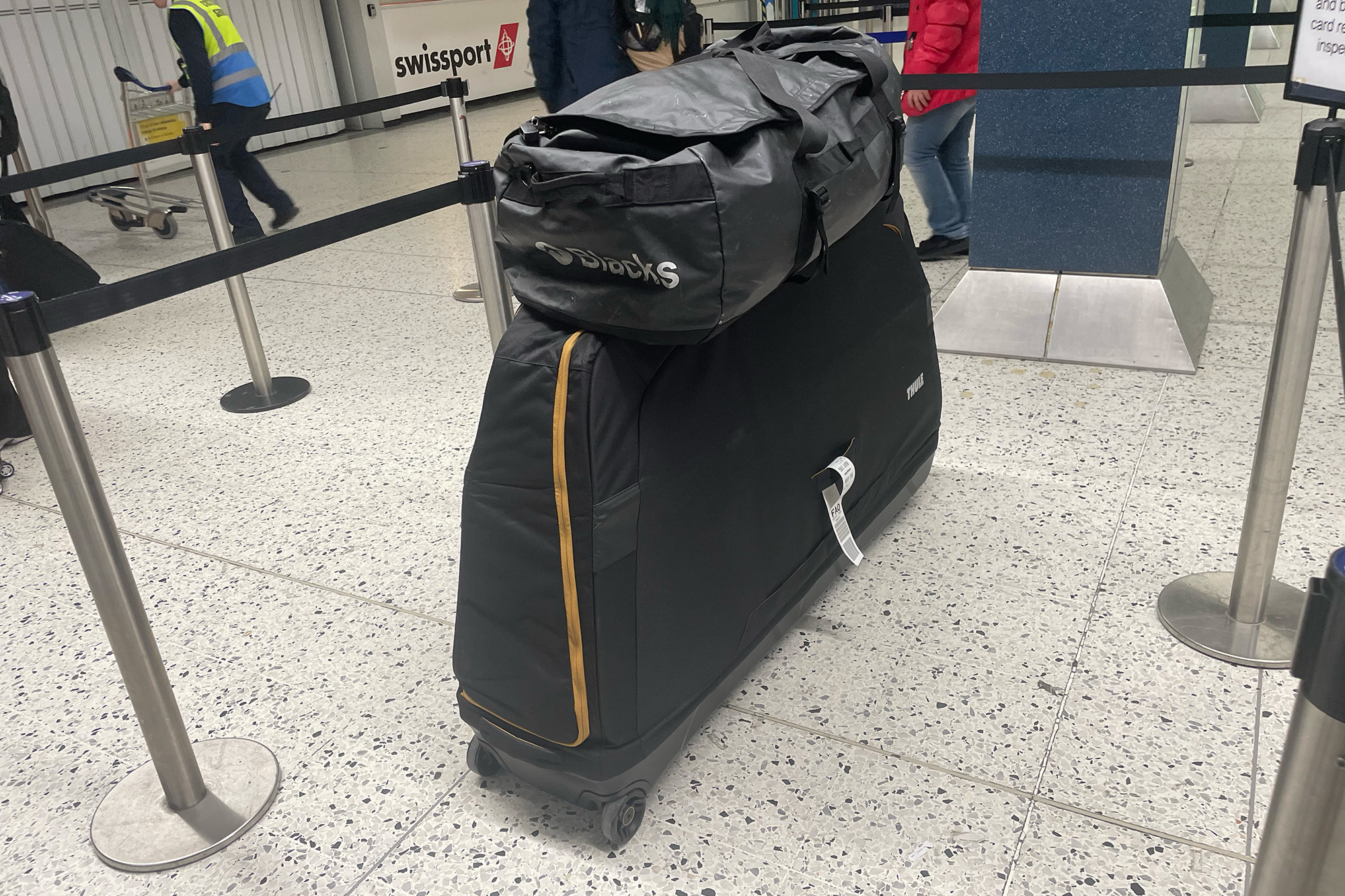
Airlines do not allow you to fly with lithium-ion batteries in the hold. Due to the size of ebike batteries, they cannot be taken into the cabin as carry-on baggage either – they usually exceed the legal airline capacity limit of 160Wh.
If you’re travelling with ebike batteries separately from the bike, it’s worth considering how to accommodate them safely.
Covering the metal terminals with non-conductive tape will prevent accidental short-circuiting. You should not stack ebike batteries under anything heavy and they should be kept away from sharp objects – if a battery is punctured, it can cause catastrophic thermal runaway, destroying the battery, creating toxic gas and producing intense heat, which could cause burns or a fire.
As with charging, when travelling keep a heat-resistant lithium-ion battery-specific fire blanket handy in case of an accident.