Electric bikes are more capable than ever, but more tech means more things to go wrong, and the extra power and mileage can cause parts to wear faster.
A discerning approach to battery management and some simple care routines can prevent premature degradation, and being cognisant of how you use your drivetrain can stretch groupset life as far as possible.
Here are some of the best ways to prevent premature wear to your ebike and make the components last longer. While some won't cost you a penny, others might set you back a bit.
Take good care of your battery
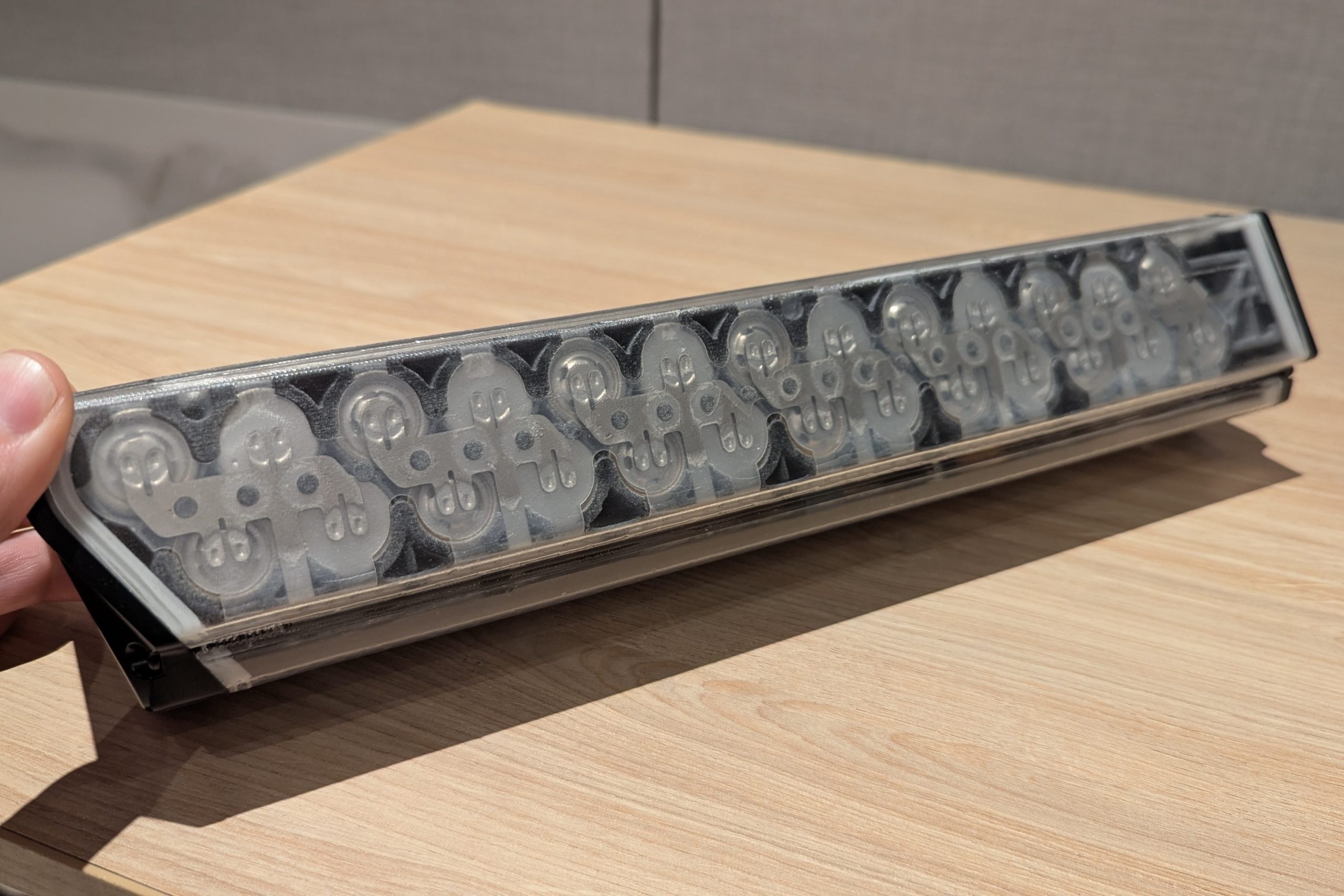
Electric bikes use lithium-ion batteries, which although extremely powerful, need proper care to prevent degradation or, in the worst-case scenario, catastrophic failure.
Batteries must be charged using the correct charger and a well-functioning consumer electrical system.
They should not be exposed to excess heat or cold, and should be stored in a dry environment, in a partial state of charge (ideally around 30-60%).
Keep your cadence high

The latest crop of electric mountain bikes can generate huge torque, which is awesome for climbing steep hills, but it needs to be handled properly.
It can be tempting to push a big gear and let the motor’s torque do the work for you. However, riding like this isn’t good for the longevity of your bike.
Using a big gear and low cadence puts extra stress on the ebike motor and drivetrain, forcing maximum strain though the system. Turning a lower gear and spinning your legs (and the motor) faster reduces the torque going through the system, but needn’t make your bike go slower.
“When the rider maintains a cadence of 70 to 90 revolutions per minute (RPM), the electric motor operates in its peak efficiency,” explains Chris Astle from Bosch eBike Systems.
Delivering drive from the motor to the wheel, your chain (or belt) has to deal with all the ebike’s torque.
Chains (and belts) are among the hardest-working parts on a bike, especially an ebike, where they're responsible for transferring power from the rider and the motor to the rear wheel. Using a tall gear and putting maximum strain on the chain (or belt) can result in excessive wear, or even cause it to snap completely.
Even more so than a regular bike, it’s important to care for your chain by lubricating it after every ride, wiping off the excess lube and degreasing it regularly.
Your chain is exposed to the elements, which can wash away or contaminate the lubricant that's crucial to keeping things running smoothly.
Failure to clean and lubricate the chain correctly will lead to excessive noise, poor shifting and premature wear, which can translate to the expensive cassette and chainring, too. A clean and well-lubricated chain is the key to a smooth-running, efficient and long-lasting ebike drivetrain.
If your ebike has a belt, it will never need lubrication and can’t rust. However, cleaning it regularly with a hose and brush is helpful to prevent a build-up of grime. Keeping the belt correctly tensioned is also crucial to ensuring it works efficiently and lasts as long as possible.
Buy tougher parts
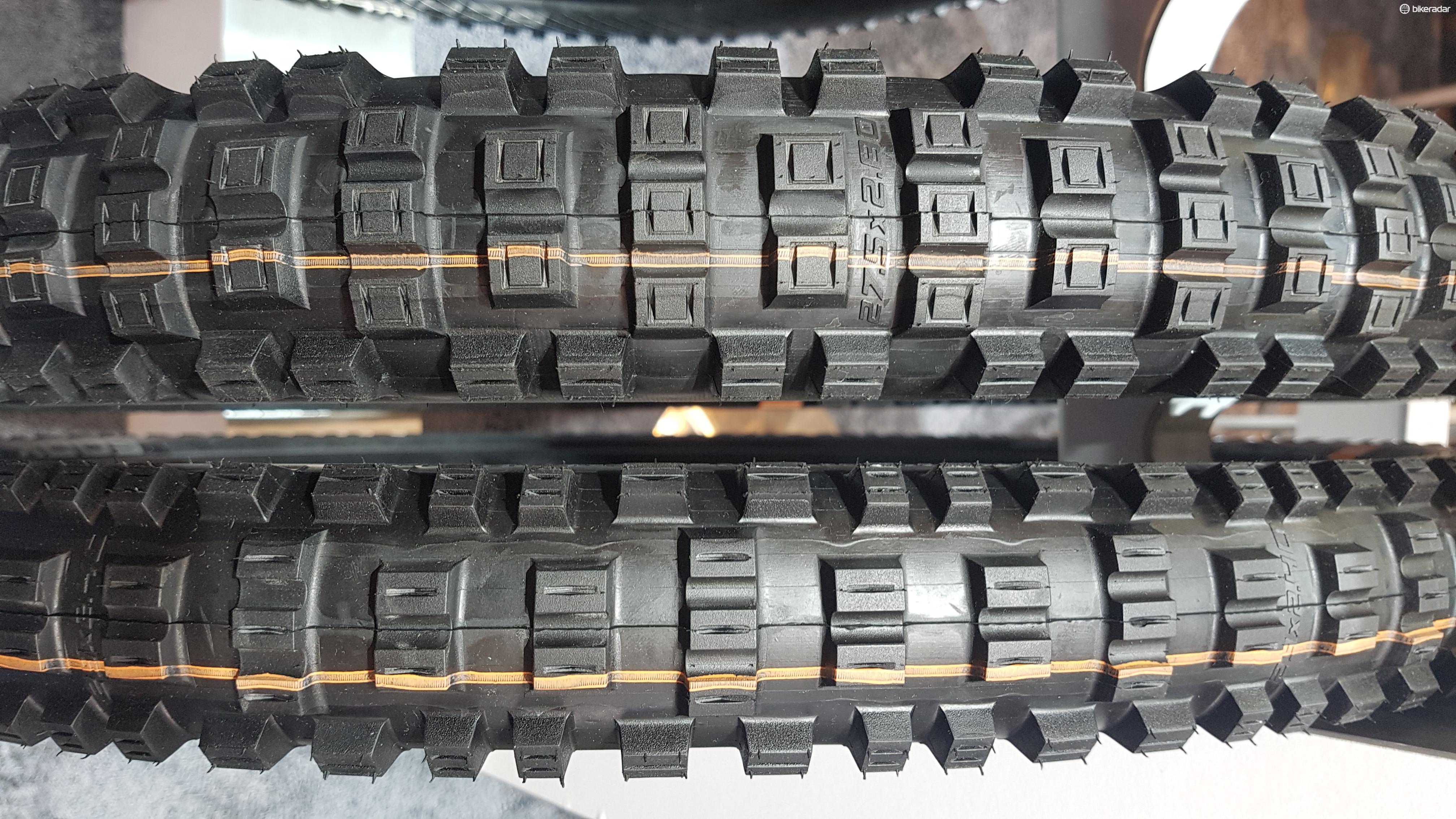
Thanks to their motor, ebikes supply extra torque over and above non-assisted bikes. This means the drivetrain, rear wheel and rear tyre often have to deal with at least double the torque of a non-assisted bike.
Electric bikes are also heavier than non-assisted bikes thanks to their motor and battery. This puts extra load on the other components, such as the brakes, suspension and tyres. Because of the reduced toll on the rider’s body, it’s possible to ride ebikes further and faster than non-assisted bikes – going quicker on the climbs and hitting more laps of the descents per ride.
All of this means most ebike parts experience more stress than the equivalent parts on a non-assisted bike. So, when buying components for your ebike, it’s wise to buy tougher, harder-wearing parts than you would spec on a non-assisted bike.
Look for parts that are ebike-rated, and don’t get too hung up on the weight. It’s worth buying heavy-duty parts that last longer and are less likely to experience a failure.
Avoid pressure washing your ebike
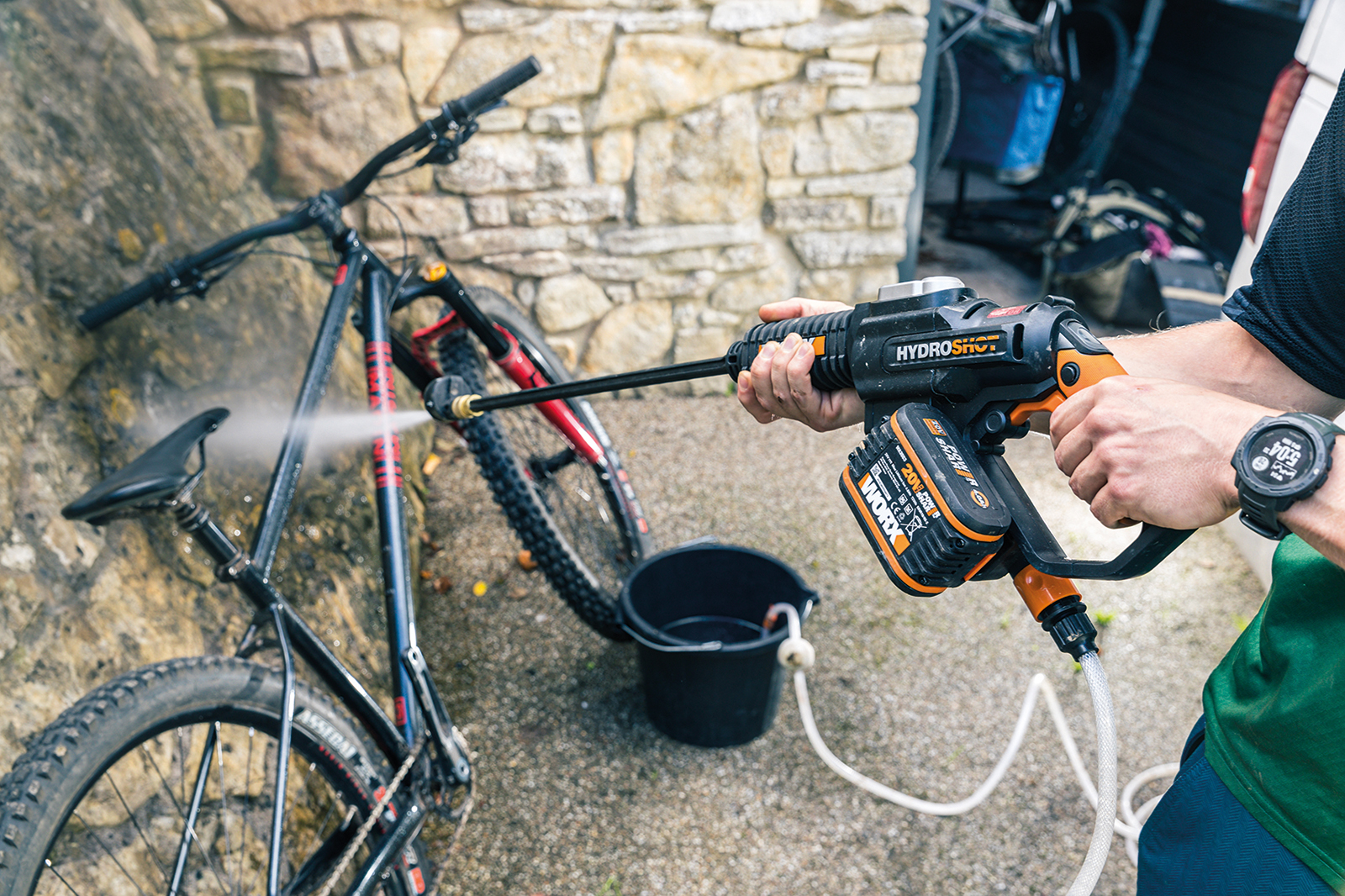
While pressure washing a bike is an efficient way to clean it properly, the high water pressure can cause issues because it increases the likelihood of water ingress into sensitive components.
This is especially relevant with ebikes – in addition to all the usual components on a bike, ebikes have sealed electronics in the controllers, screens and around the battery. Water ingress into these parts can cause damage through short-circuiting (where the water bridges the gaps between terminals) and corrosion.
In addition to these sensitive parts, there is a motor at the heart of every ebike. These have heavy-duty bearings to deal with the torque involved, in addition to their electronics. Pressure washing can force water in, and lubricant out of bearings, which increases drag, accelerates wear and can cause corrosion to occur.
The best way to wash your bike involves a low-pressure hose, bike-wash liquid and a brush.
Use your modes judiciously

Slamming up everything in ludicrous-mode is undeniably fun. However, using the most powerful modes directs maximum heat into your motor and battery, and puts them under the highest loads.
If you’re really focused on making your ebike components last as long as possible, it’s worth saving the highest-boost modes for when you’re really exhausted, or you’re tackling that seemingly impossible climb.
Another consequence of riding in the highest modes is the maximum wear to the drivetrain. Seasoned riders will naturally ease off the pedals slightly when changing gear, reducing the power forced through the chain when it’s at an angle across the cassette’s cogs.
When in the highest-assistance modes, the power is pulsing through the drivetrain, even when you ease off with your human-power. This means there’s often a higher level of stress on the drivetrain during shifting, even if the rider is easing off as they hit the shifter.