Cycling is an expensive sport and not getting any cheaper. By the time you've bought your carbon road bike and all the kit needed to ride it, from pedals to a helmet, your wallet will be feeling the strain.
There's a tendency to think a flashy new wheelset or a stiffer pair of cycling shoes will give you that elusive marginal gain, but in reality more consistent training, a more aero ride position or losing a couple of hundred grams of body fat are more likely to help you go a little further.
Brands tout the R&D that has gone into their halo products, but that usually trickles down to lower-priced items too, so you may get 90% of the top-spec product's performance for a significantly lower price. Top-spec products can be a status symbol for cyclists and there's an allure to pro-level equipment though.
On that note, here's our selection of ridiculously expensive cycling products you probably don’t need – but may still want.
1. Any helmet costing more than £150
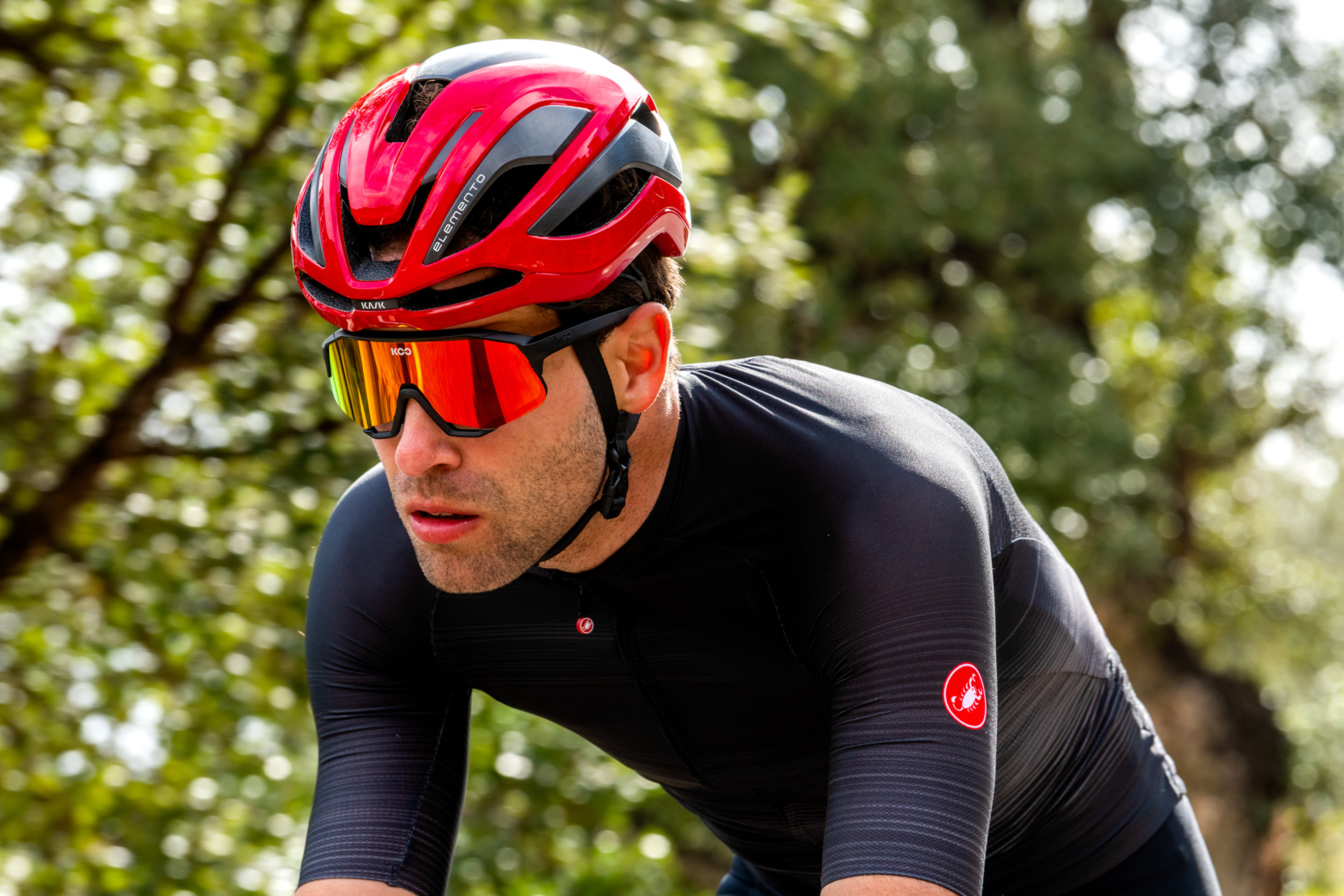
Bicycle helmets are a key component of road safety that has shifted increasingly toward aerodynamic advantage in recent years.
Many brands, such as Kask, Poc, Specialized and Giro, have helmets costing well in excess of £150, with some exceeding the £300 mark.
While their makers claim that these helmets offer some aero performance gains, they provide similar styling and protection to cheaper options.
Unlike other products on this list, helmets have a finite life, with many brands only claiming effectiveness for three years from manufacture. Drop your helmet and it's recommended to replace it.
Therefore, it seems a waste to spend big on something you’ll be putting in the bin in a few years.
2. Expensive shoes
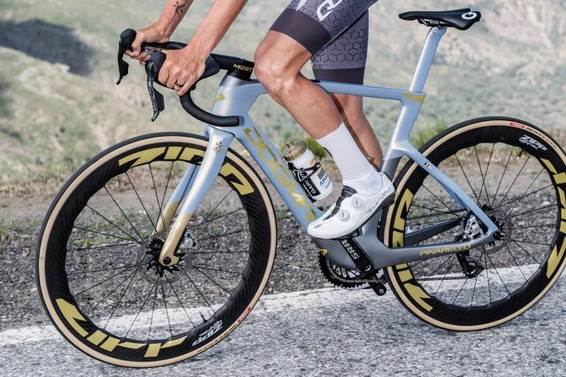
For many of the same reasons that pricey helmets are on the list, expensive cycling shoes often don’t return a performance gain worthy of their price.
While comfortable cycling shoes are essential for spending a long time in the saddle, many companies, such as DMT, Q36.5 and Trek, have pairs retailing for more than £350.
Fancier materials may be used, with 3D-knitted uppers, but the same designs can be found cheaper on models that offer similar levels of comfort.
Brands have often cited stiffer soles when trying to elevate their shoes, but this theory has been thrown out of the window, with researchers finding it makes no difference.
3. Shimano Dura-Ace
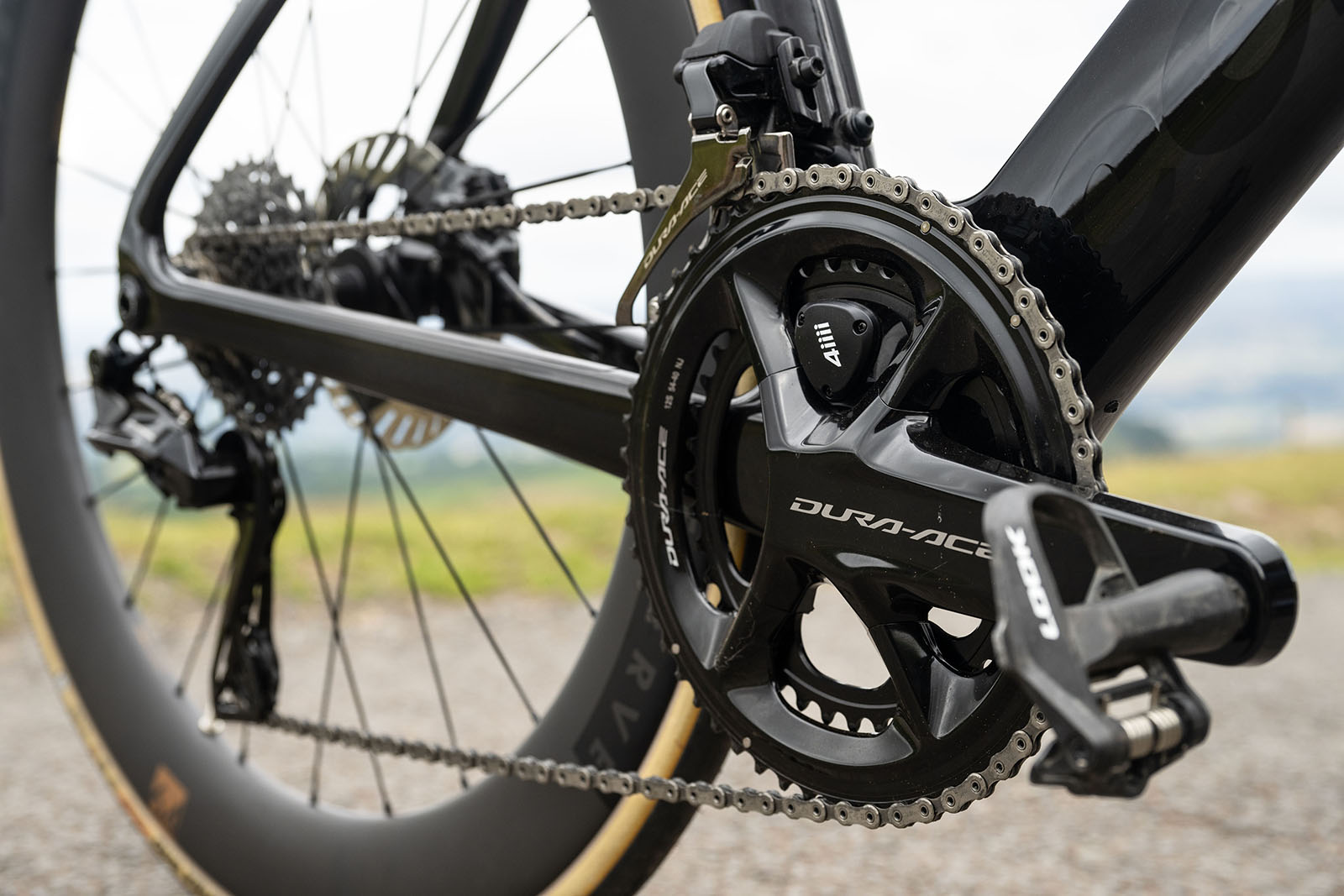
Shimano’s flagship Dura-Ace 12-speed electronic groupset is lust-worthy enough for even a Campagnolo fan to reconsider their loyalties, with its performance securing a 4.5-star rating when we tested it.
Despite this, it’s hard to justify spending the money on the top-of-the-range groupset when Ultegra features nearly all the same technology – with more gear combination choices and only a small 411g weight penalty.
At £1,200 cheaper than Dura-Ace Di2, you could treat yourself to a set of decent carbon wheels with the money you’d save.
While the marginal gains offered by Dura-Ace may prove beneficial to pro riders pedalling up the Alps and Pyrenees, they are inconsequential for many of us.
4. Fancy bottle cages
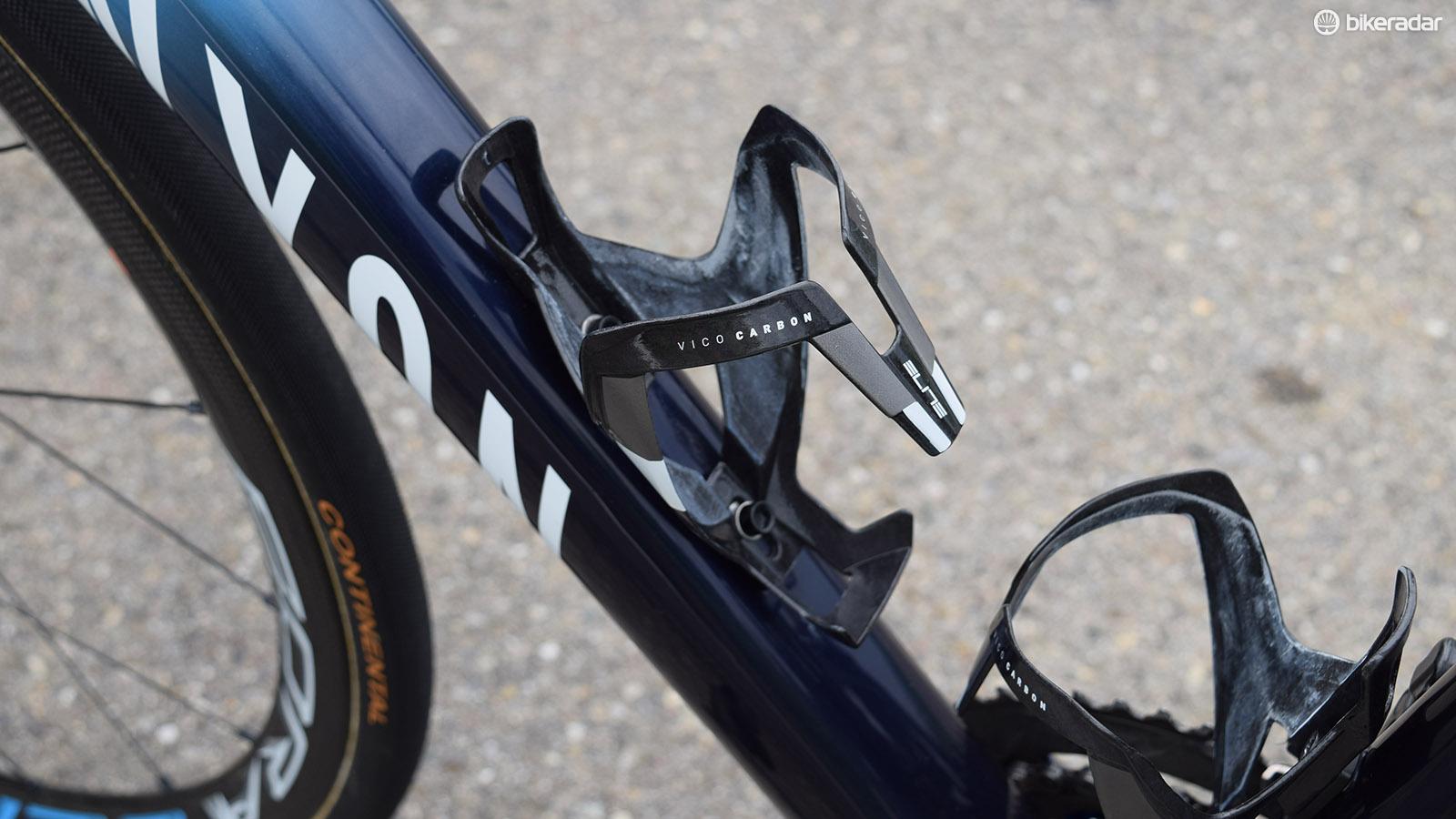
Whether they’re a sliver of carbon fibre or a bent titanium rod, nobody needs to pay over £100 for a bottle cage.
Take Silca’s Sicuro Cerakote Ti Cage for example. Yes, it’s beautiful, well made and comes in a wide range of colours, but it’s £85.
For around £20, you could get an Elite Vico Carbon, which is a couple of grams lighter, or a Tacx Deva cage, used by some pro teams and available in loads of colours, for just over a tenner.
5. Pricey bar tape
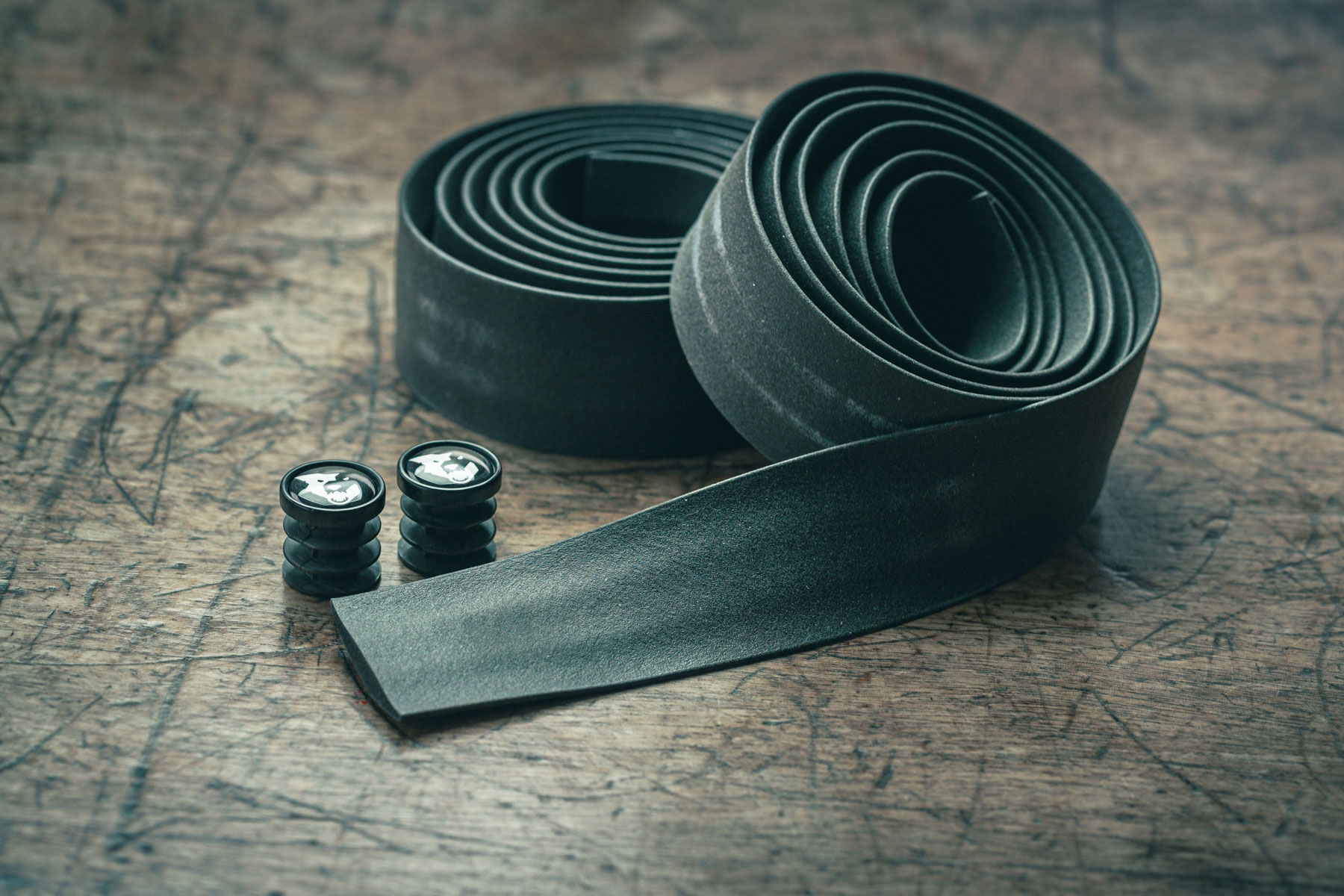
Bar tape is another item that's available at any price. Real leather bar tape may be a nice finishing touch, but almost any tape will do the job just as well.
Over time, bar tape is likely to get scuffed and worn, so you're going to need to retape your bar within a couple of years. Whatever it's made of, light-colour tape will show the dirt, will need scrubbing and probably need to be replaced sooner than black tape, so choose lower-priced tape in a dark colour over the premium options.
6. Carbon wheels costing much over £1,000
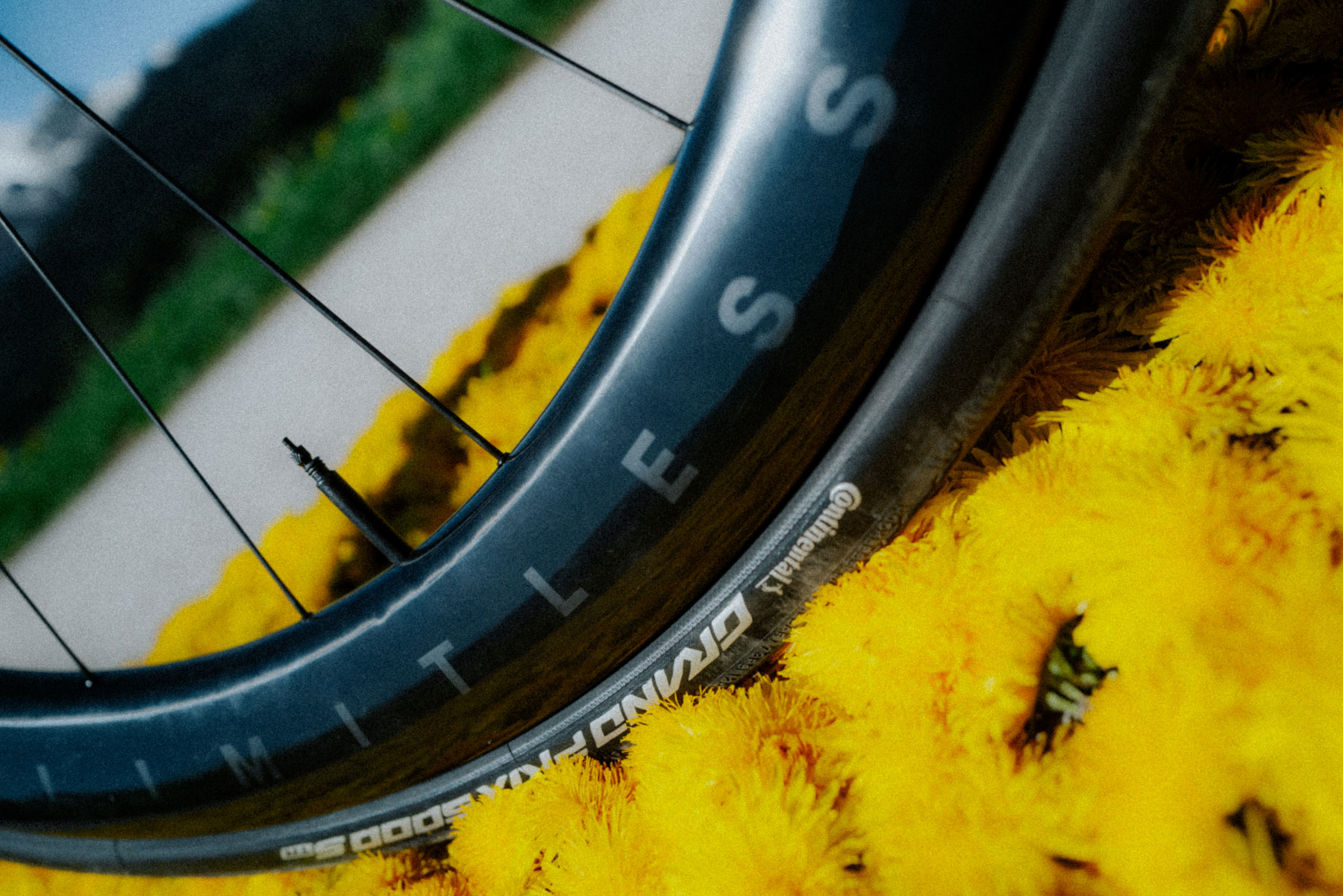
Upgrading your wheels can make a huge difference to how your bike handles, with carbon fibre options often having aerodynamic advantages and lighter weights.
Prices for these wheels can spiral higher than a lot of mountain passes, with brands such as ENVE and Lightweight offering many options above £2,500.
Wheels at just over the £1,000 mark will feature similar rim profiles to the top-end wheels and similar weight and performance, giving you aero gains while saving you money to spend elsewhere on your bike.
7. Top-end bike computers
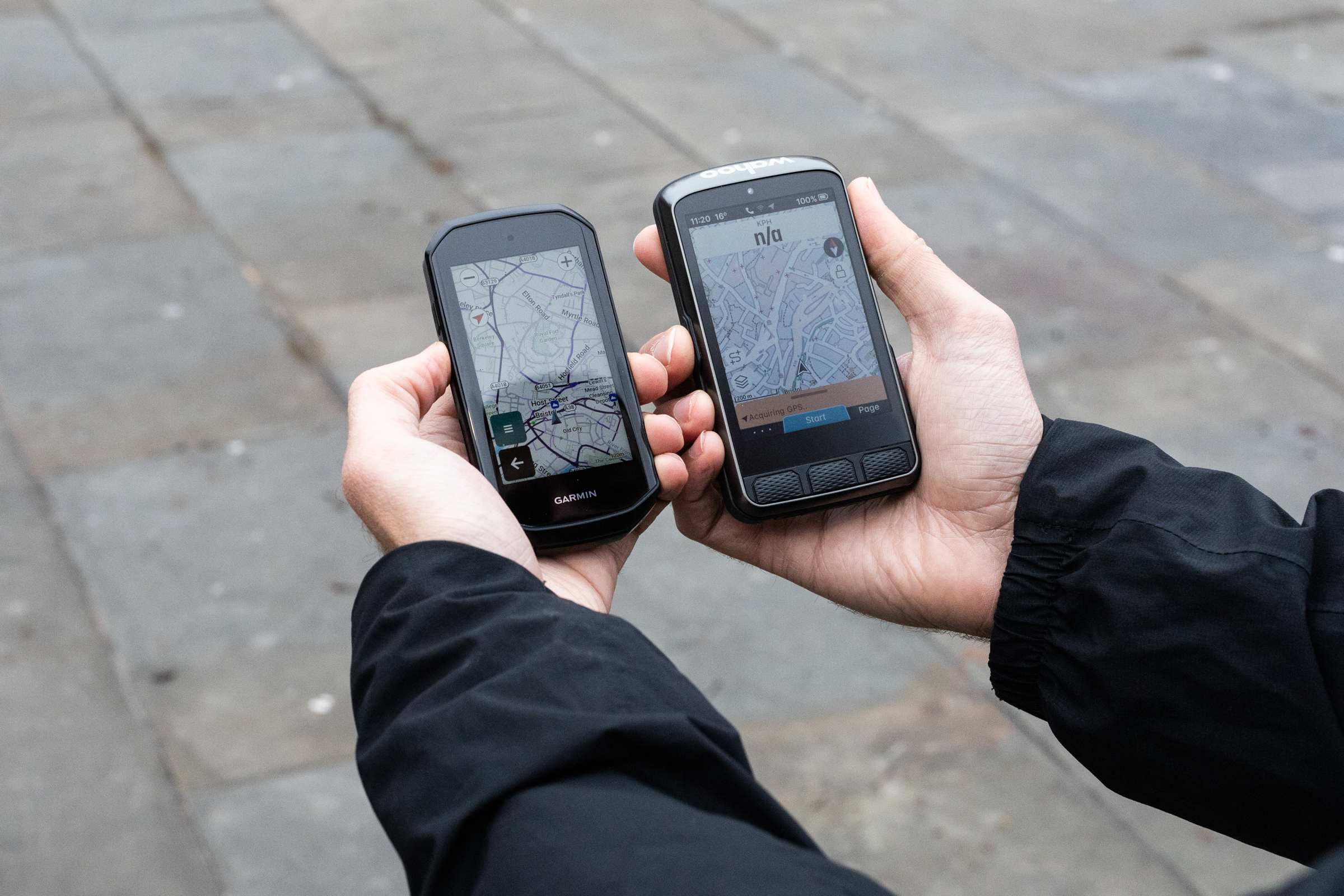
Bike computers have become a necessary training accessory for most road cyclists, with power, heart rate and GPS navigation allowing for metric-driven workouts and the ability to record your ride.
High-end computers such as Garmin’s Edge 1050 and Wahoo’s Elemnt Ace offer all the features under the sun, with the latter even featuring a wind sensor.
While these top-tier features may help the pros, many of us who simply track our rides on sites such as Strava won’t have much use for them. The top spec computers are often heavy as well as expensive and ditched by the pros for something smaller and lighter, at least for races.
8. 3D-printed saddles
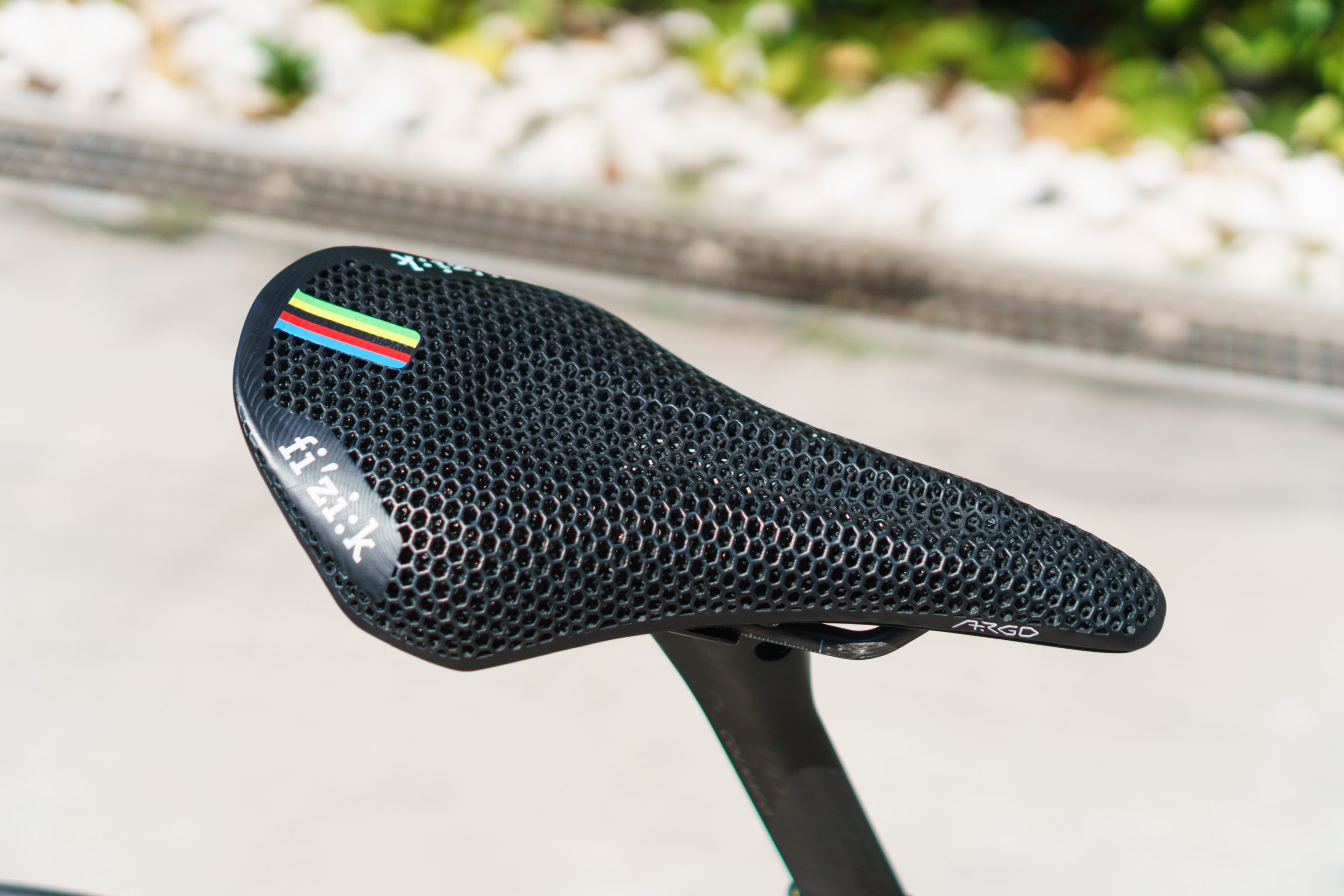
Any saddle company worth its salt has one or more 3D-printed saddles in its range.
While the design is said to offer better shape and support due to the additive-manufacturing process and Tadej Pogačar uses one, comfort is still in the backside of the beholder.
If you have found a saddle design that you’re happy with, it doesn’t make sense to change it out purely for the sake of having a technically more advanced design.
9. Top-end smart trainers
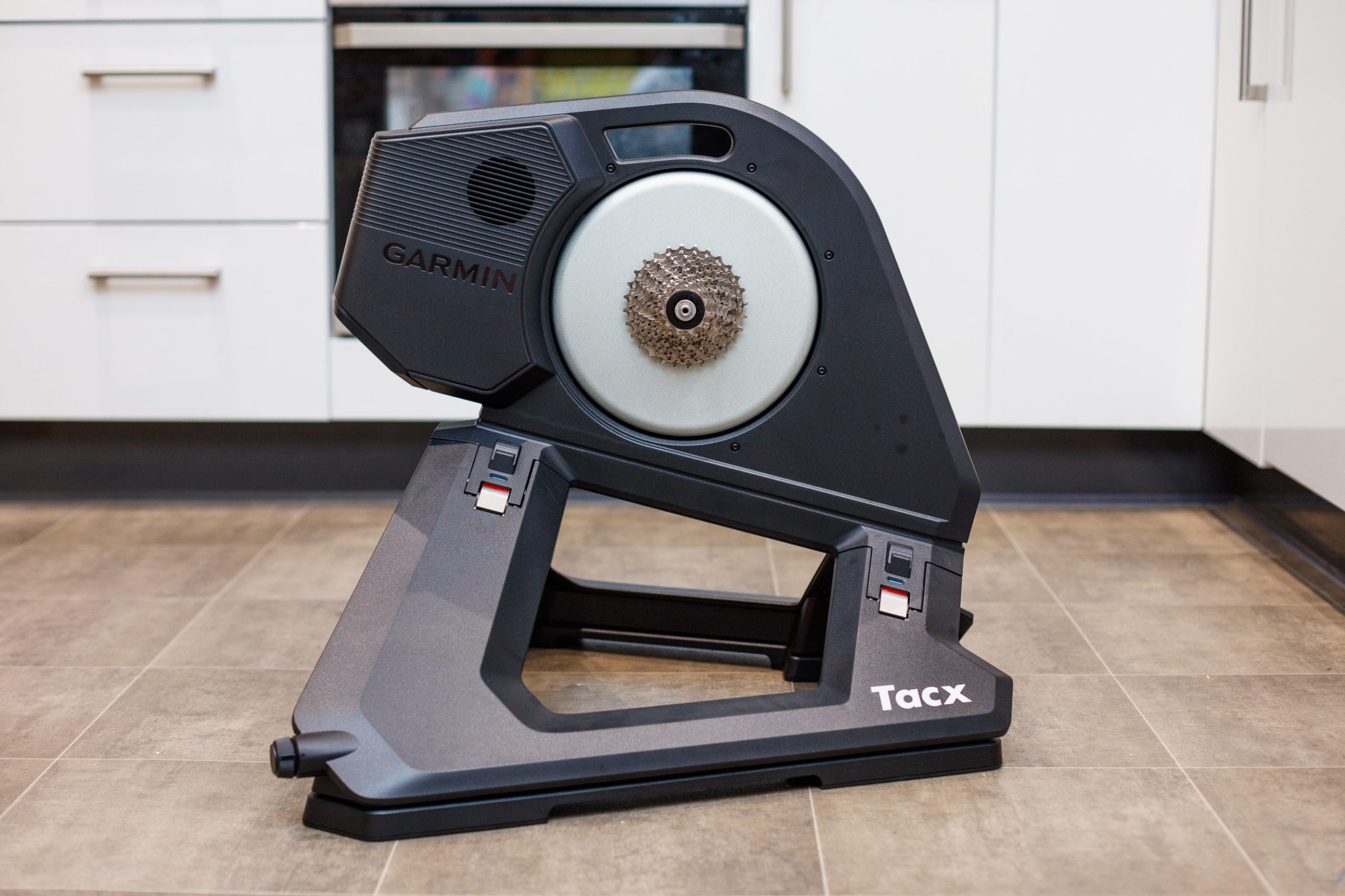
Smart trainers are a great option for indoor cycling because they enable you to record your data and use applications such as Zwift.
However, there are very few people who need a trainer that can measure up to 2,500 watts, with many of our sprints topping out before then.
Expensive trainers may also be more accurate than their cheaper counterparts, but a +/- 0.5 per cent power discrepancy is meaningless unless you’re a top-level Zwift racer or pro rider.
Take Tacx’s Neo 3M for £1,600 at +/-1 per cent power accuracy, compared to JetBlack’s Victory for £399 at +/- 1.5 per cent.
10. Cycling nutrition
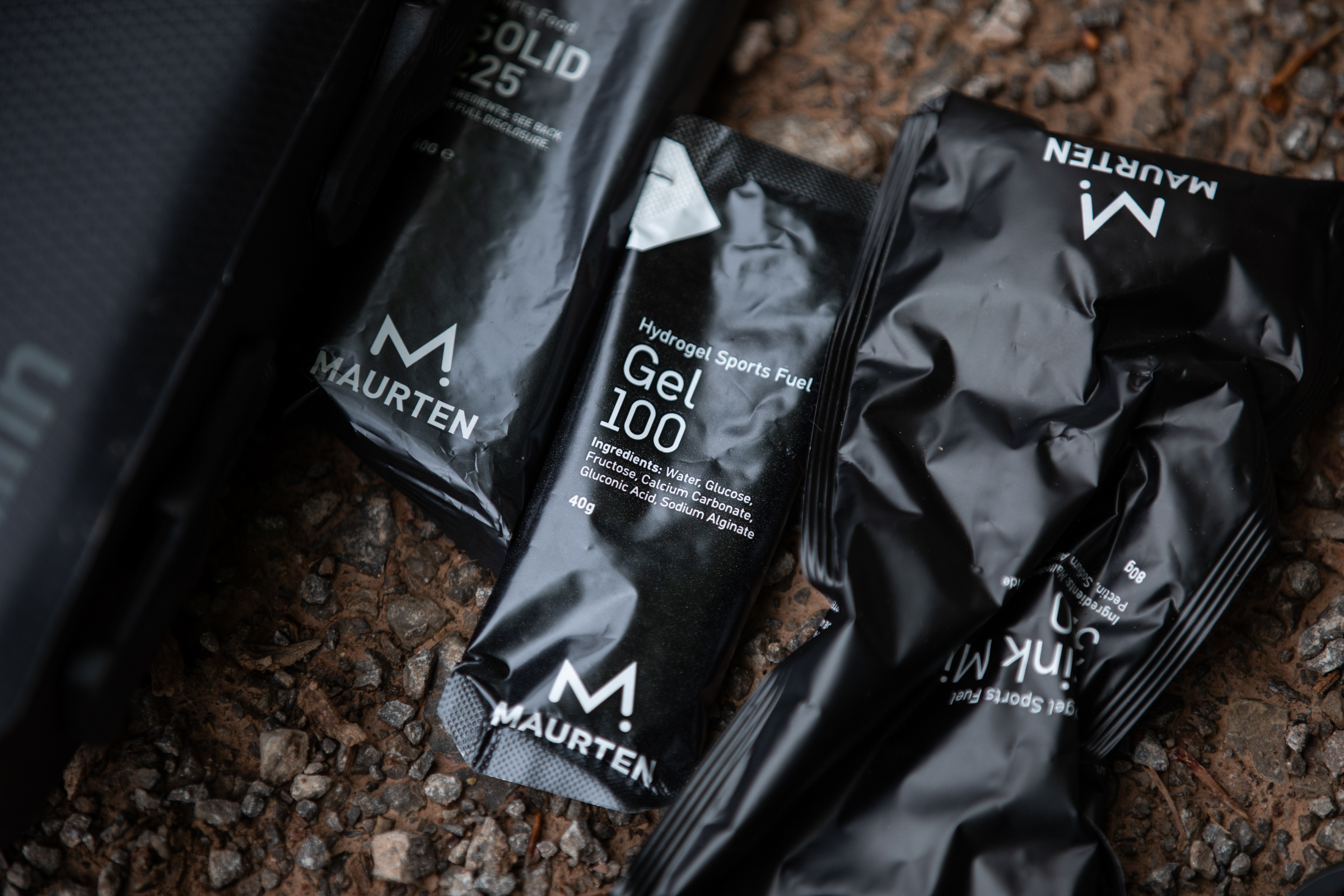
Nutrition is key for cycling; whether you’re feeding a long day in the saddle or a training session, it’s critical to consume the right food.
However, cycling-specific nutrition can soon eat away at your pockets, with many brands charging high prices for products that are seemingly easy to make yourself.
Store-bought sweets may take some time to chew, but they deliver sugar to your system just as fast as energy gels – and sometimes with a more palatable flavour.
Making food at home is also a good option, with energy bars and energy drinks easy to whip up.
If you are on the upper end of required carb intake for training, it might be impossible to avoid specific nutrition, but for those not looking at competing, there are savings to be made.
11. Pro-spec sunglasses
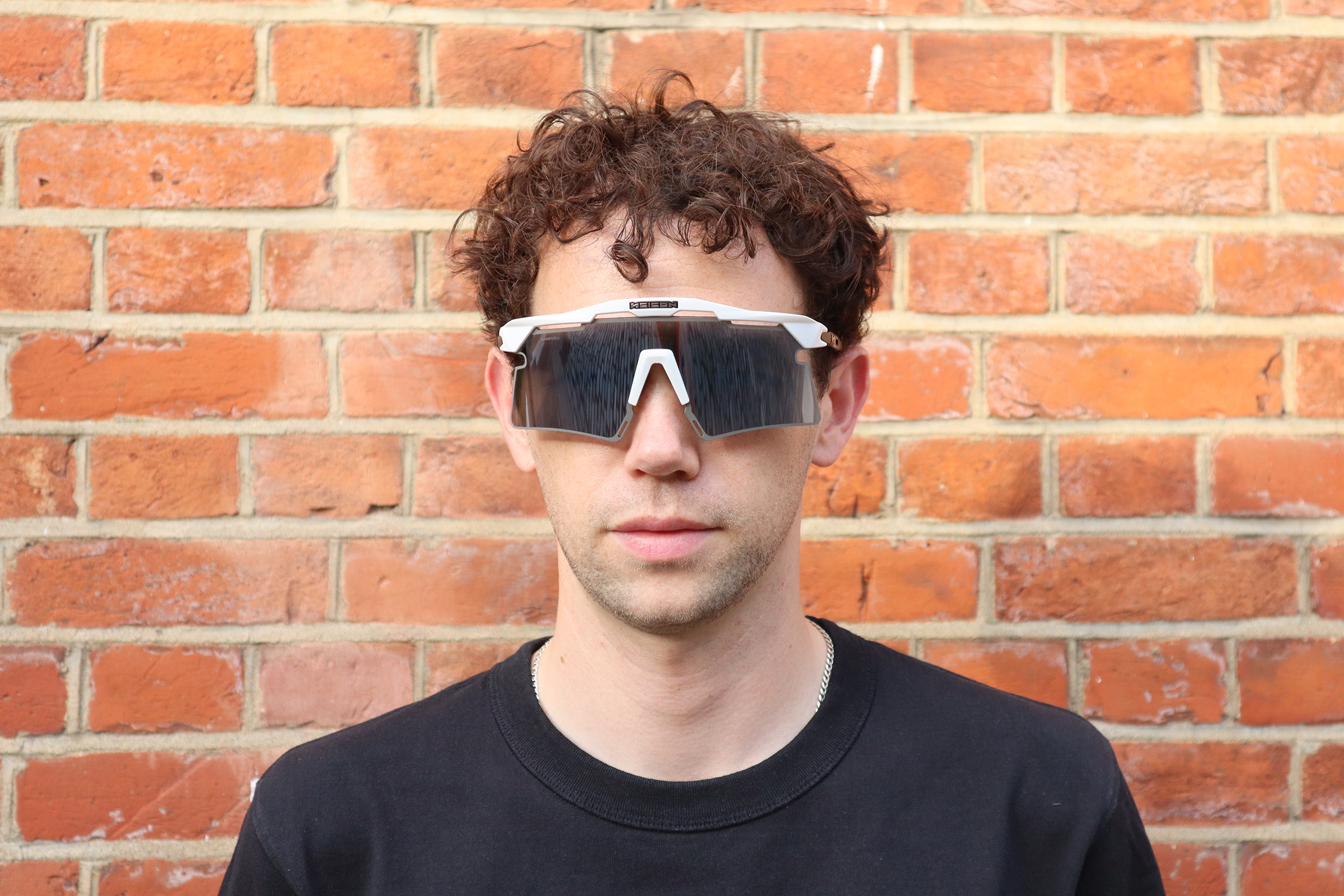
Cycling glasses are another item where you can pay a huge sum for pro-level endorsement and a prestige logo, but there are much more affordable alternatives that work just as well.
Take a look at our guide to the best cycling glasses and you'll find pairs with a price tag under £50 that we rate just as highly as those costing over £200 a pair. Photochromic lenses, vision-enhancing tech and low weight may be nice to have, but any pair of sunglasses will protect your eyes from glare, bugs and dust when out riding.
12. Flashy lights
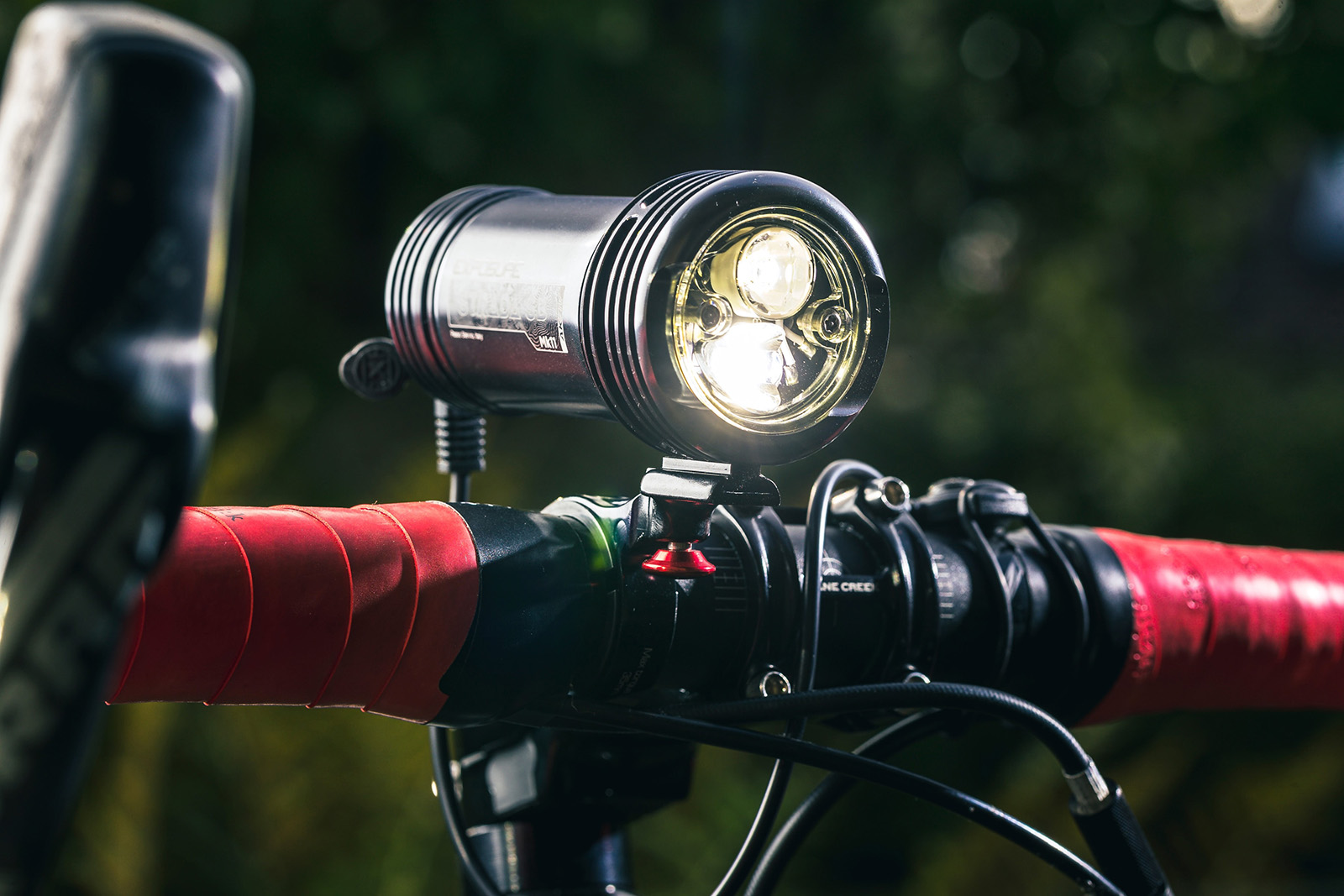
High-end bike lights can offer huge light output and long runtimes, but they can also be very expensive, heavy and fiddly to set up.
Do you really need the power and all those modes? They may be useful for off-road riding, but an over-powerful light can dazzle oncoming vehicles and it can be difficult to switch modes without plunging yourself into darkness.
Lower-priced lights now offer good levels of output and decent runtimes, plus your vision adapts quickly to lower light levels.
13. Top-end clothing
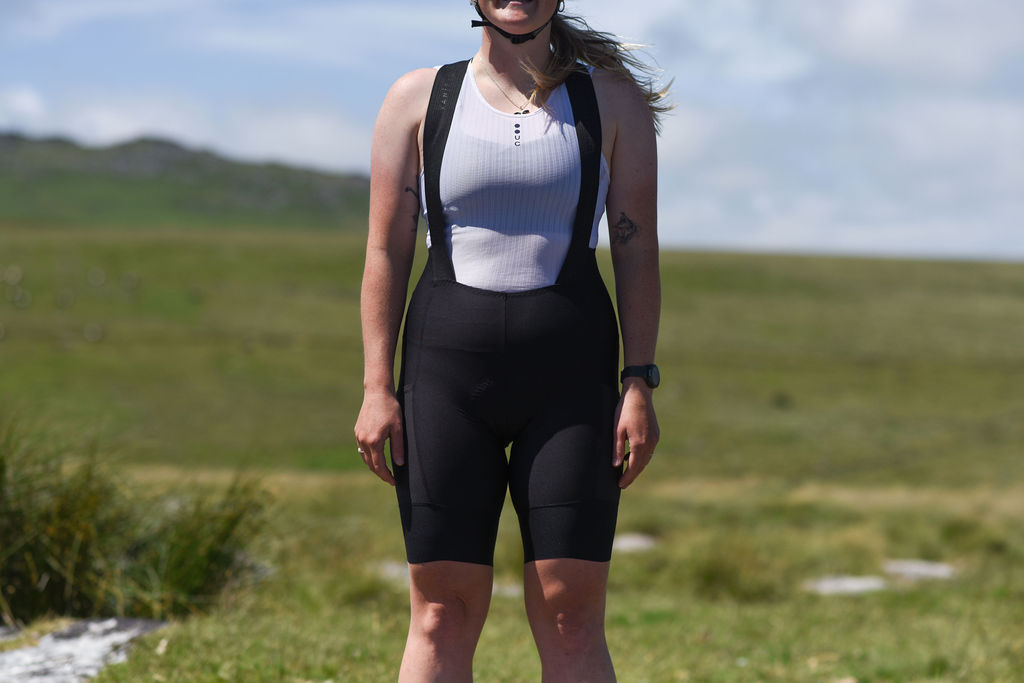
There’s no denying cycling is a fashion sport, with brands such as Rapha, Maap and Assos creating beautiful clothing that delivers great performance.
Clothing from these brands often costs an arm and a leg, but quality doesn’t have to mean expense.
There are plenty of brands that make great kit at more affordable prices.
Kalas, Van Rysel, Endura and Sportful all produce well-made garments with technical fabric, that won’t break the bank.
Better yet, you could buy used clothing, although there’s something very unappealing about a second-hand chamois.
14. Premium pedals
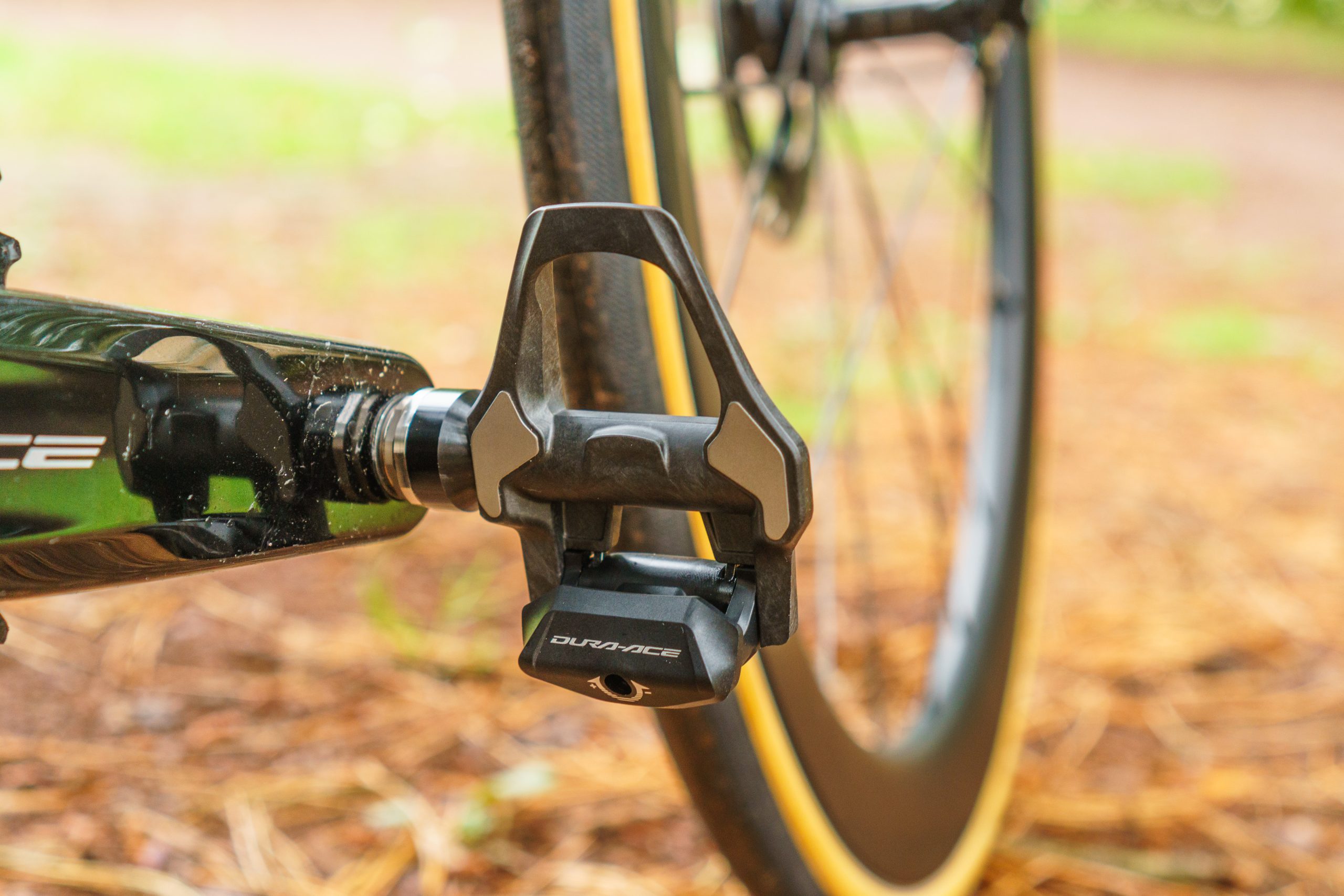
Premium bike pedals offer very little performance gain over cheaper alternatives, with Shimano’s road pedals being a great example.
Very few of us at BikeRadar would be able to tell the difference between the brand’s Dura-Ace and Ultegra models.
Both use the same basic pedal shape and feel very much the same when clipped in.
Only the weight difference and a Dura-Ace logo seem to differentiate them, a marginal gain so small we wonder if the pros could spot it.
Editor's note: this article was first published in December 2024 and updated in September 2026.