I've worked in the MTB industry for 25 years and if I could have the five changes on my wish-list for the next generation of mountain bikes granted, they would be even better – for riders, mechanics and shops.
I’ve seen some massive changes in mountain biking over the past two decades, including new wheel sizes, advances in geometry, tubeless tyre tech and the advent of electronics, from gearing to pedal-assisted bikes.
Looking to the future, I think what's needed is refinement rather than massive changes to tech. That includes everything from ditching headset cable routing through to making bikes easier to wash.
Bike brands, please take note.
Ditch headset cable routing for good
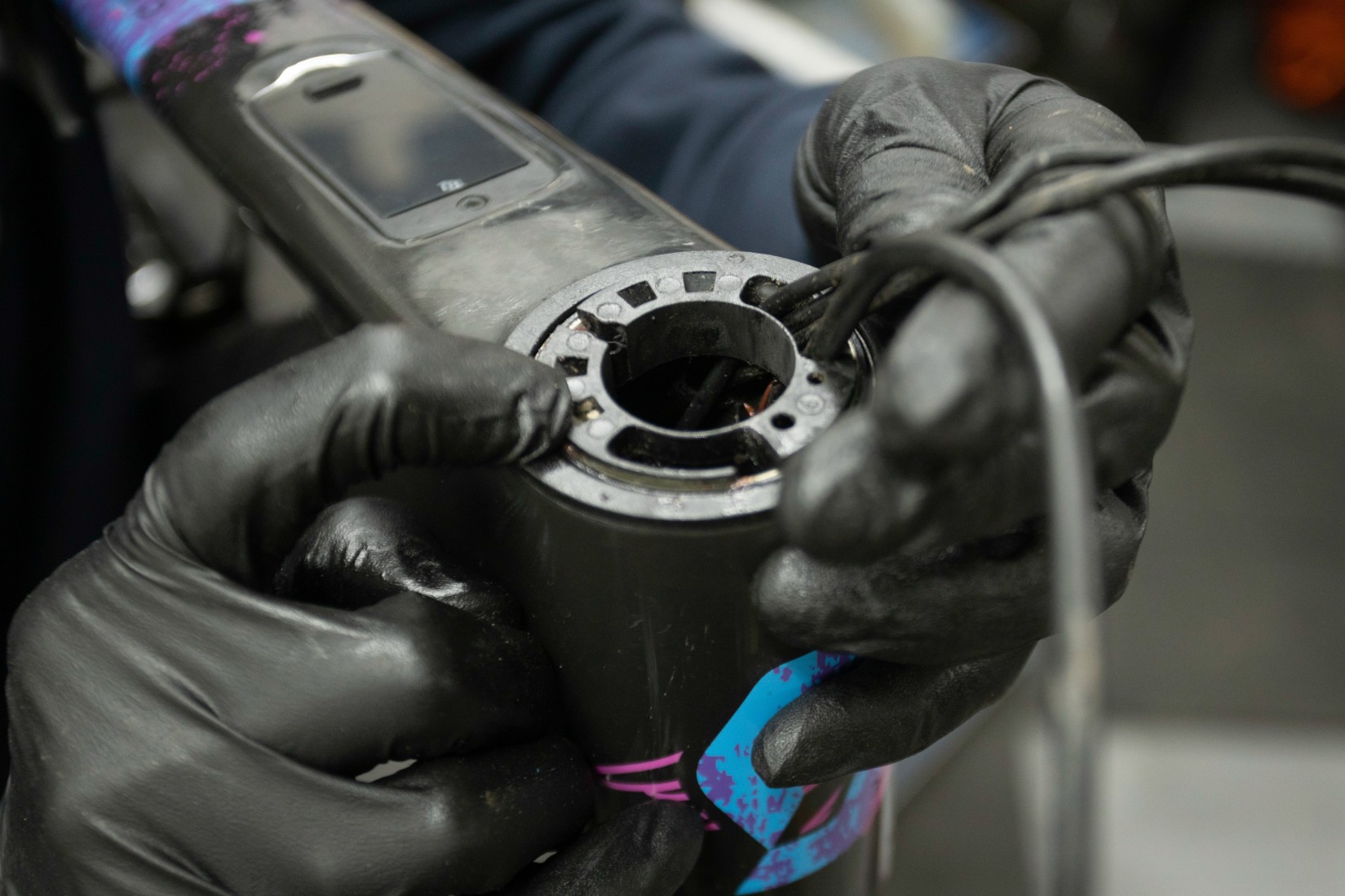
Bikes such as Cannondale’s super-elegant Bad Habit have the right idea. Headset cable routing was designed to banish the costly and stress-point-inducing holes for your cables behind the head tube, but it adds a whole lot of complication to working on a bike.
Headset cable routing offered the possibility of reducing frame weight, cost and complexity of production. The top-spec bikes had electronic gears and droppers anyway, so there were no cables to route for these anymore.
That's fine in theory, but on bikes without electronic gears and dropper posts, and on eMTBs, replacing anything from your gear cable to your rear brake now required a front-end strip-down.
The worst-case scenario was replacing your upper-headset bearing. Headset cable routing transformed this five-minute job into a brake bleed, gear and dropper cable-replacing, lockout-dismantling, ebike-unplugging odyssey.
Bikes such as the Bad Habit show the way I think all MTBs need to go. While it is supplied with a headset that's compatible with cable routing, it uses traditional internal cable routing instead.
The Acros headset includes all the ports and inserts to convert to headset cable routing, though. This presumably future-proofs it for riders who prefer to work on their bikes rather than ride them.
I think we need to see this on all bikes, offering a user-friendly system as a default, but giving riders more choice in how to set up their bikes.
Hidden multi-tools
We should all have a multi-tool with us when we’re riding. They can get you, or a riding buddy out of a jam, or even just enable you to optimise your cockpit setup.
Modern trail tools are small, light and highly functional. However, it’s not wise (or comfortable) to carry a spiky metal object in your pocket. You could put one in a saddle bag, internal frame storage or a backpack, but it’s going to need careful stowing to prevent it rattling around. Then there’s the hassle of digging around for it and forgetting where you put it, or even neglecting to bring it altogether.
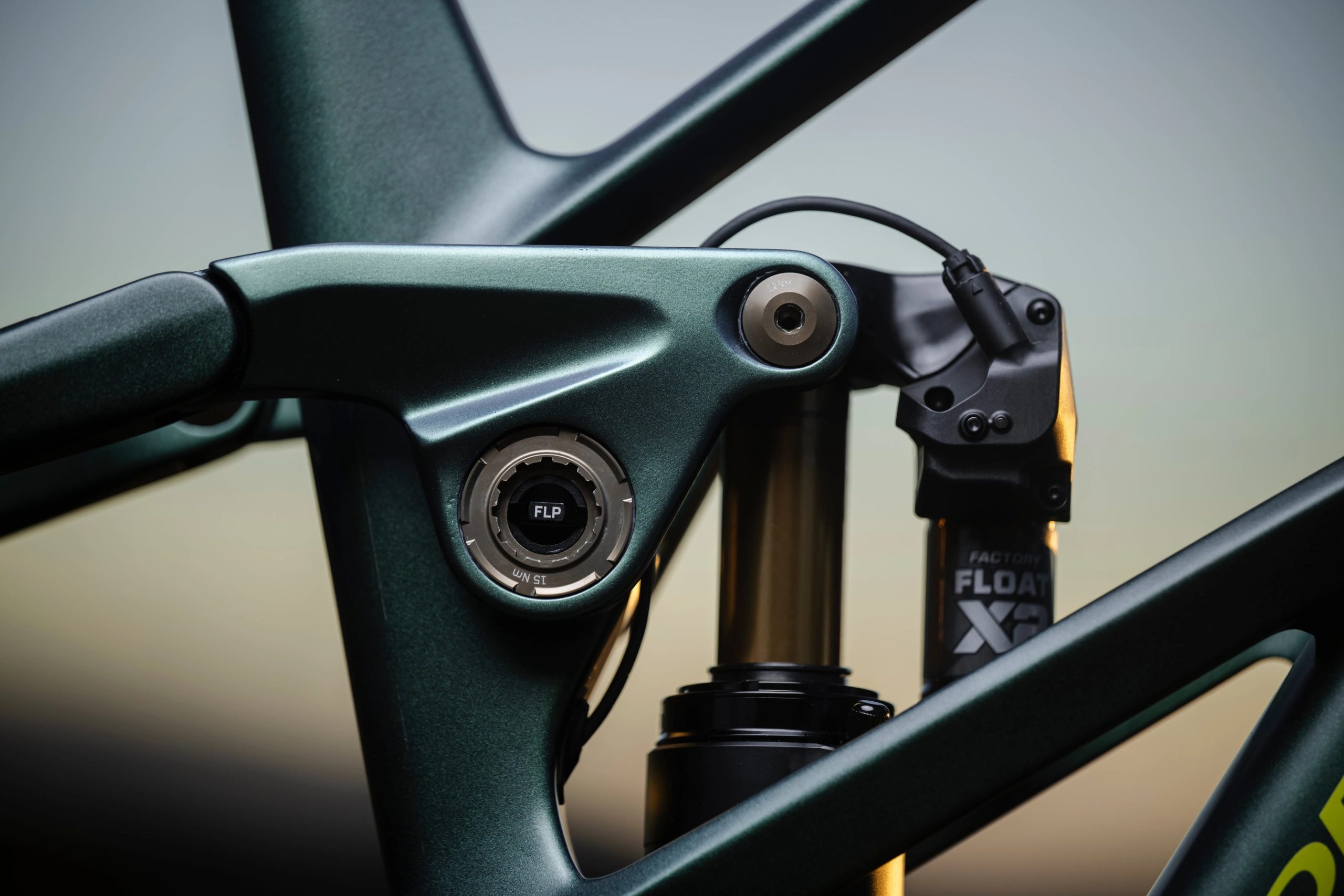
Many manufactures, such as Specialized with its SWAT Conceal Carry system and Orbea with the nifty FLP magnetic in-pivot-axle tool, are producing great solutions that fit snugly and quietly into nooks in the bike. This keeps the weight low, eliminates noise and means you’re much less likely to forget to bring the tool with you.
Bigger bearings
This might be unglamorous, but it’s key if you’re planning to ride your MTB regularly, and want to keep it running well.
Bearings are made of steel and are therefore heavy. The smaller the bearings specced on your full-suspension frame, the lighter it will be.
However, bearings don’t really like doing partial rotations (they survive best when spinning at multiple RPMs) and can get notchy or even fall apart if not well looked after. The bigger the balls, the more load the bearing can take, the stronger it will be and the smoother it will run once past showroom condition.
The latest generation of MTBs are heavier than ever, with weight-weenie gram counting a thing of the past.
Bikes such as Orbea’s latest Rallon even have three bolt-on steel weights included so you can tailor the exact amount of weight you want to add to your steed. Therefore, weight-saving on something as performance-critical as suspension-pivot bearings is nonsensical, sacrificing performance and longevity for a metric that is less relevant than ever.
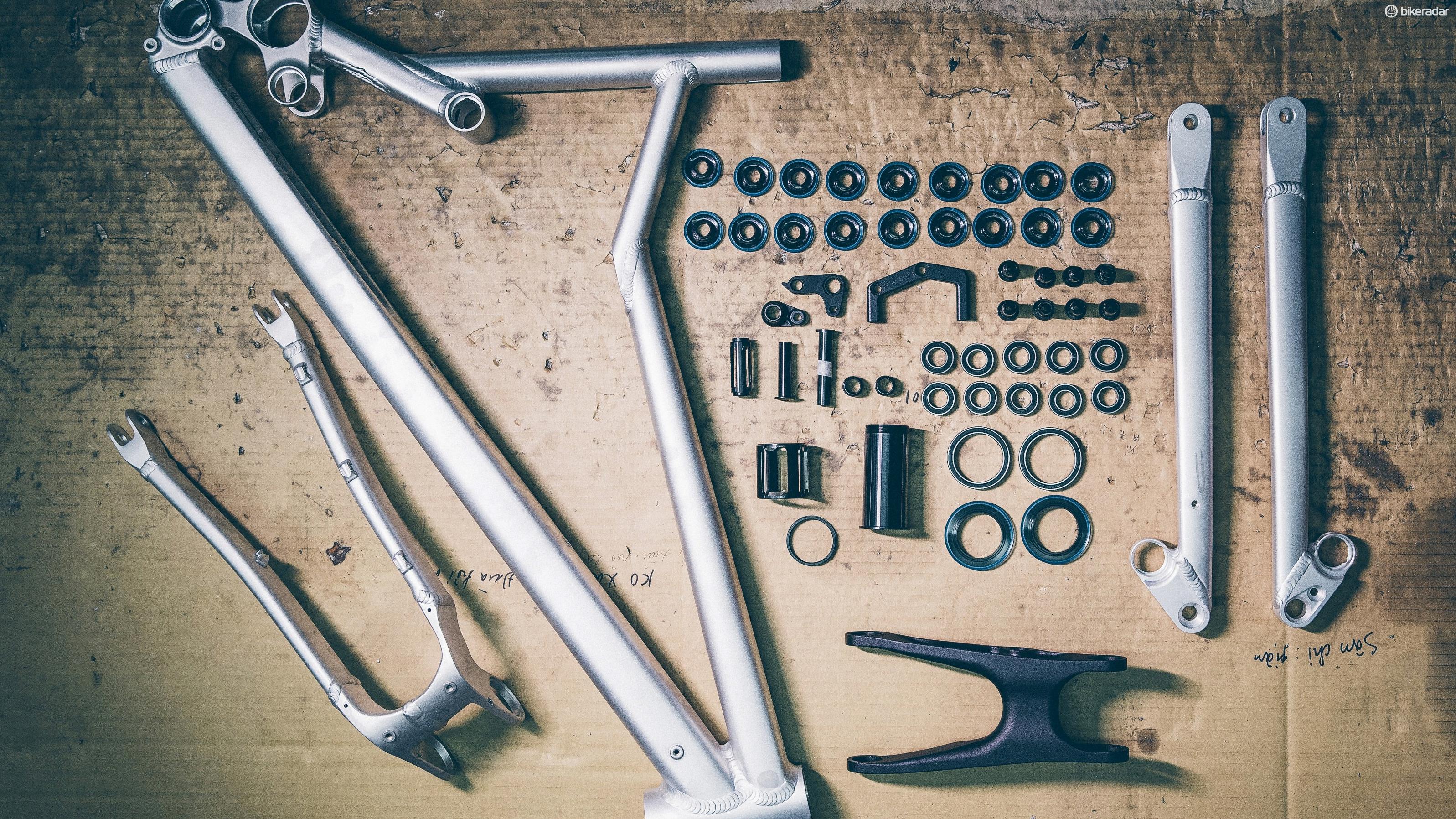
Bikes such as the RAAW Madonna use large bearings in the pivots, swapping weight for toughness in these key components. Let’s see large bearings in pivots going forward.
Torx bolts
Allen bolts quickly became ubiquitous on modern bikes, with nuts and spanners all but extinct in this millennium. Perhaps the next evolution is moving to Torx bolts.
Allen keys usually seem to last longer than Allen bolts, particularly where the Allen bolt is aluminium or you’re rocking particularly Gucci hardened steel Allen keys.
Torx bolts were designed to do the opposite, where incorrect use or over-torquing should usually lead to the tool rounding and not the bolt. As much as it’s sad to trash a good Torx tool, it means the bolt itself is usually still removable and even reusable.
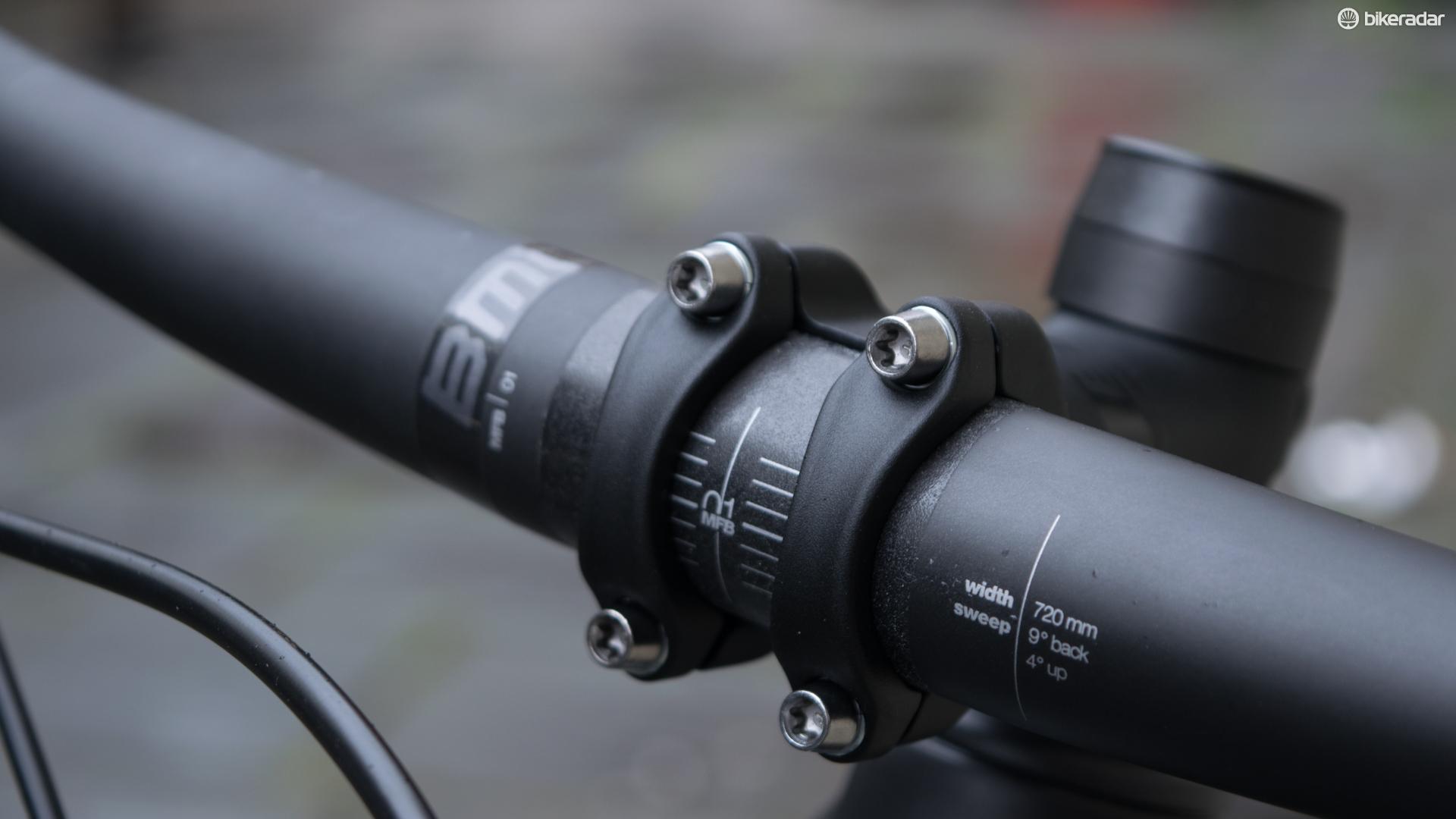
I think Torx bolts – already commonplace on some components such as high-end stems – should be used throughout modern bikes. Most bikes today are an annoying mixture of some Allen bolts and some Torx bolts.
I often have to alternate between a T25 and a 4mm Allen key when working on the same bike, which seems like unnecessary hassle because they have similar load ratings and are used for similar applications.
Using one Torx set for an entire bike is a fantasy of mine for sure, but maybe I just need to get out more.
Frames that are easy to wash
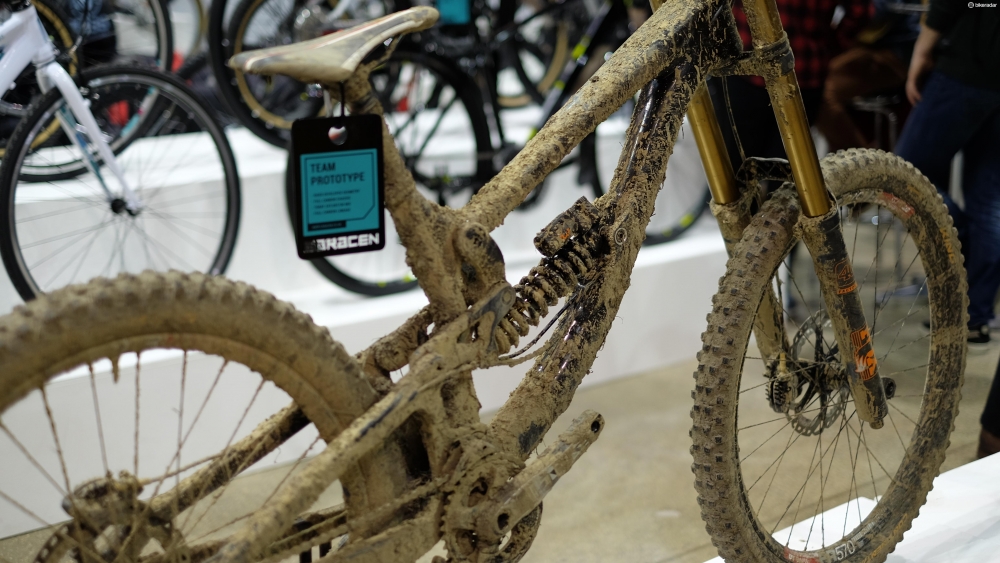
This might seem a weird request, but please can manufacturers make sure frames don’t act like a mud bucket when they’re washed?
An important consideration when designing a bike is how mud, small stones and water will drain away when it's being cleaned. Channelling dirty water out of any low points on the frame is crucial to avoid a build-up of trail residue in hard-to-reach places.
Bikes such as the Raymon Ravor are a good example of smooth transitions between tubes without areas for dirty water to pool or mud to become lodged.
It might seem a small consideration to bike designers (especially those who live in dry climates), but whether a bike drains well in the wet and remains clag-free in the mud makes a difference to how easy it is to live with. More like this please.