In the last couple of weeks, we’ve seen two new aero road bikes launched – an update to Giant’s venerable Propel and Merida’s latest Reacto.
Both look to be superb interpretations of the aero-bike genre and I’ve enjoyed previous iterations of each.
That said, I consider aero bikes to be like track cars. They’re good for a fast blast, but I don’t want to drive them home. They are singularly very good at going quickly in the right circumstances, and most importantly under the right rider.
I know that if I were to take my fit data and apply it to the super-aggressive geometries of an aero race bike, I’d end up negating most of those aero gains. I’d have too many spacers under the stem and the handlebar would be too wide to satisfy the watt chasers.
A pro bike fitter’s take

I understand the allure of an aero bike’s speed, but I’m not alone in thinking they’re not always the right choice.
Recently, I spoke with long-time bike fitter Phil Cavell, author of The Midlife Cyclist and founder of CycleFit (I’d highly recommend his Cycling Substack).
He explained that fit is the singular way to ride efficiently, injury-free, and therefore faster. He was keen to stress: “I’m not anti-aero, but I’m a strong advocate of being aero-appropriate.”
Cavell’s 25-year career has seen him spend countless hours helping perfect professional riders' TT/aero positions to balance their watts per CDA (power in relation to drag).
When it comes to being aero, the potential ‘speed’ of a bike can only be realised if the position it puts you in is sustainable. In that regard, I often say the CDA figures attributed to bikes from wind-tunnel tests without a rider are as useful as using lard as chain lube.

When it comes to your overall aero performance, the bike is a small part of the equation. You, the rider, are responsible for 75-80% of the drag created when riding.
I can’t help but think drag-reducing designs may serve elite professionals well, but for everyday riders those numbers are bragging rights that serve little purpose in making us any quicker.
Those drag figures are often sold through marketing and quoted by us in the cycling media (for which I apologise). Some brands will tell you they’ve designed a bike using a mannequin based on a real rider, with Remco Evenepoel, Wout van Aert and Tom Dumoulin all being quoted as the basis of said dummies.

Again, I’d say that’s all good. But if a design is based around an elite athlete such as Evenepoel – at 26 years old, 1.71m (5ft 7in), weighing 63kg (139lb) and known as ‘the aero bullet’ – that design isn’t aimed at the average rider.
The last survey of amateur cyclists in the UK from Cycling Weekly in 2014 showed an average age of 43, 178cm (5ft 10in) tall and weighing in at 77.5kg (171lbs). That’s quite the disparity.
When aero credentials mean zip

Cavell elaborated that: “A bike's aero credentials mean zip unless you can match them with your own athletic flexibility.”
Cavell's studies, where he put a modern aero bike up against a standard round-tubed road bike, suggested that at 25km/h the saving for an aero bike is 3-5W. At 35km/h, it’s a maximum of 10 watts and at 40 km/h, it’s 10-12 watts. If you reach a pro-level speed of 50km/h, the savings are greater, at 15-20 watts.
The speed you can reach and maintain is dependent on what sort of power you can hold. Cavell estimates that if you have an FTP that’s more than 280-300 watts, an aero bike will save you around 10-12 watts over a standard bike with aero wheels when riding at a theoretical maximum speed of around 40km/h.
You might be very fit, and think that’s doable, but this all relies on you being able to hold that aggressive aero position. As Cavell told me: “You need to have sufficient ranges of motion to function in such an aggressive position that a typical aero road bike demands.”
Cavell's research from years of fit analysis estimates it’s very easy to leak 20-30% of your power if your bike's ride position is one your body can’t cope with.
It won’t only be the immediate restriction in performance, either. Riding in a contorted position you think you can cope with but doesn’t suit your range of motion can lead to pain when riding and potential serious long-term injury.
Cavell also mentioned a secondary effect: “The issue with biomechanical adaptation – when the leg abducts due to a hip restriction, it inevitably enters into airflow. This can easily cost 10-20 watts all by itself, before you factor in the resultant power loss.”
Get a fit to stay fit
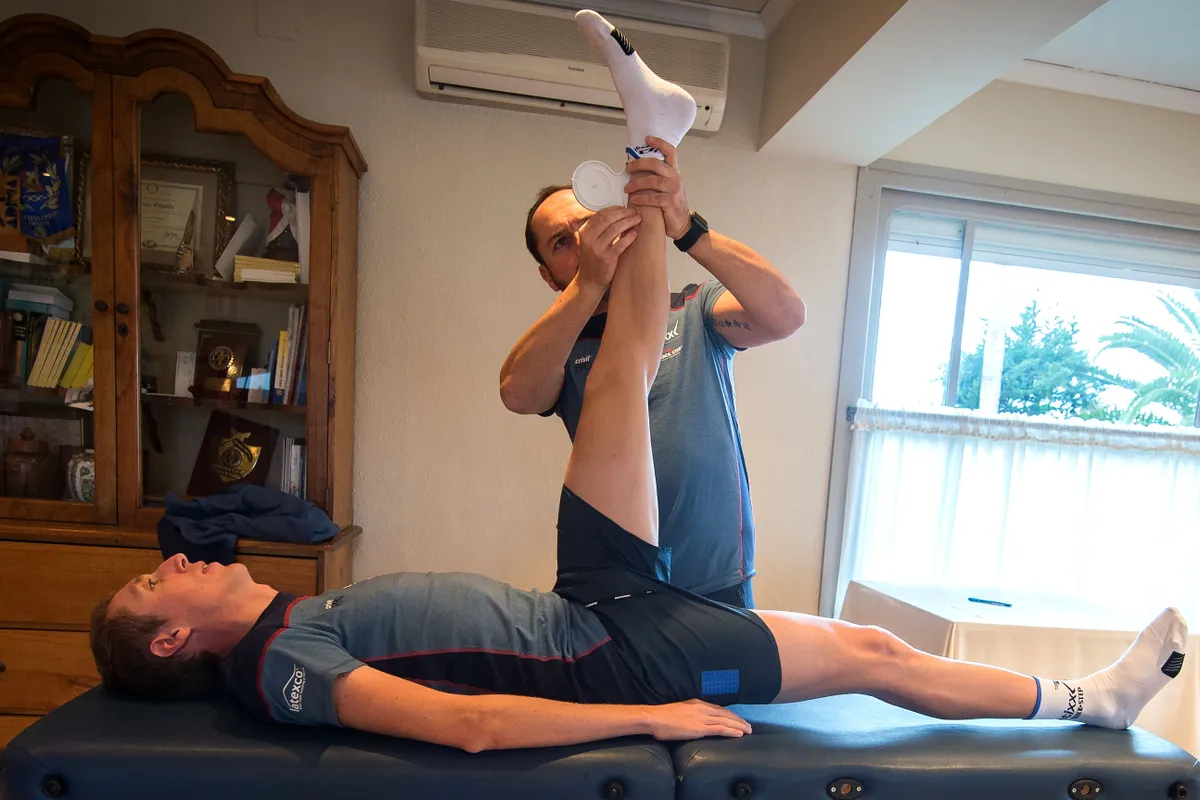
I know from experience of bike fits over the years that my body’s flexibility has changed. I also have a long history of various injuries and bone breaks that affect my fit.
I know a lot of you out there will desire a cutting-edge aero bike anyway, and I don’t blame you. The new Merida Reacto 10k looks stunning, and the new Giant Propel is both light and aero, which makes it deeply appealing.
But I’d suggest that before you invest in such a high-price purchase, you get yourself a proper bike fit, and learn more about your body and it’s possible limitations. A good bike fitter will be able to recommend exercises or a proper sports physio to help you get flexible enough to get the most out of that dream bike.
And for me? I’ll stick to my bike fit and enjoy a comfortable, easy-to-sustain position that keeps me riding as fast as I need to.