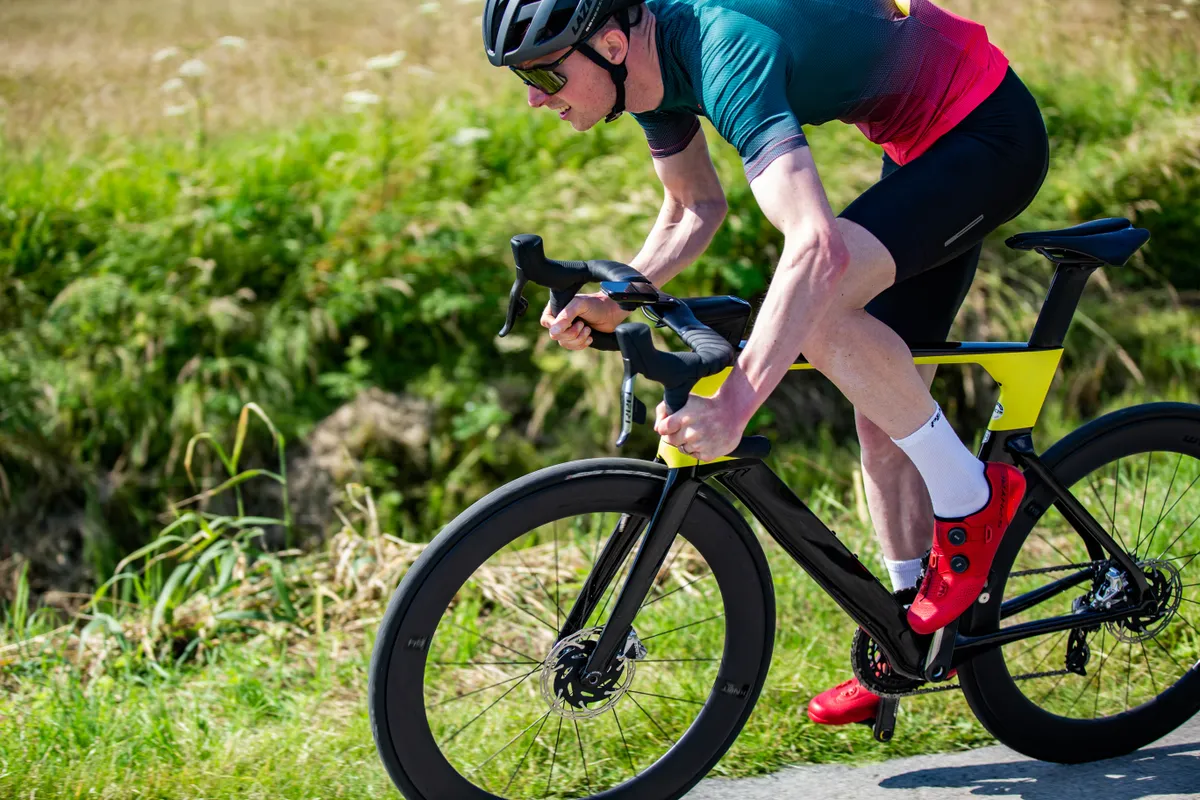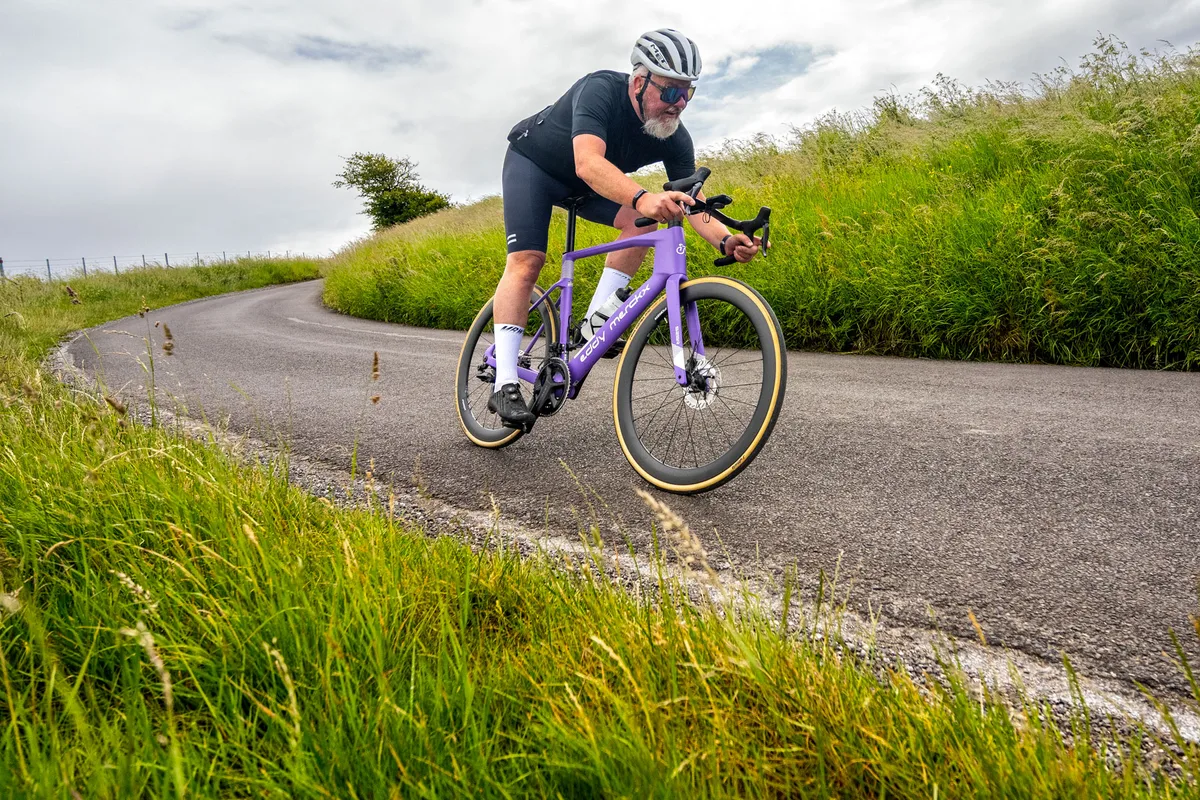
The best aero road bikes add an extra dose of speed to your ride, and the pursuit of speed is undoubtedly part of what makes cycling so exhilarating. When it comes to going fast, on the flat or downhill at least, aerodynamic drag has the biggest influence.
Representing the leading edge of road-bike technology, the best aero road bikes challenge traditional notions of what makes a fast race bike.
The latest aero bikes combine wind-cheating profiles with next-level integration to make these machines as slippery as possible.
Read on for our pick of the best aero bikes, as tested by the BikeRadar team, and read our full buyer’s guide at the end of the article to help you find the right bike for you.
This best list was written by our staff writer, Nick Clark, who has brought together expertise from across the team while adding his personal experience in the saddle.
The reviews in this buyer's guide were written by Warren Rossiter, Ashley Quinlan and Simon von Bromley
Editor's note: this list was updated on 23 June 2026 with our latest batch of aero road bike reviews, including the Eddy Merckx 525R.
The best aero road bikes in 2026, as tested by BikeRadar
BMC Teammachine R 01 LTD
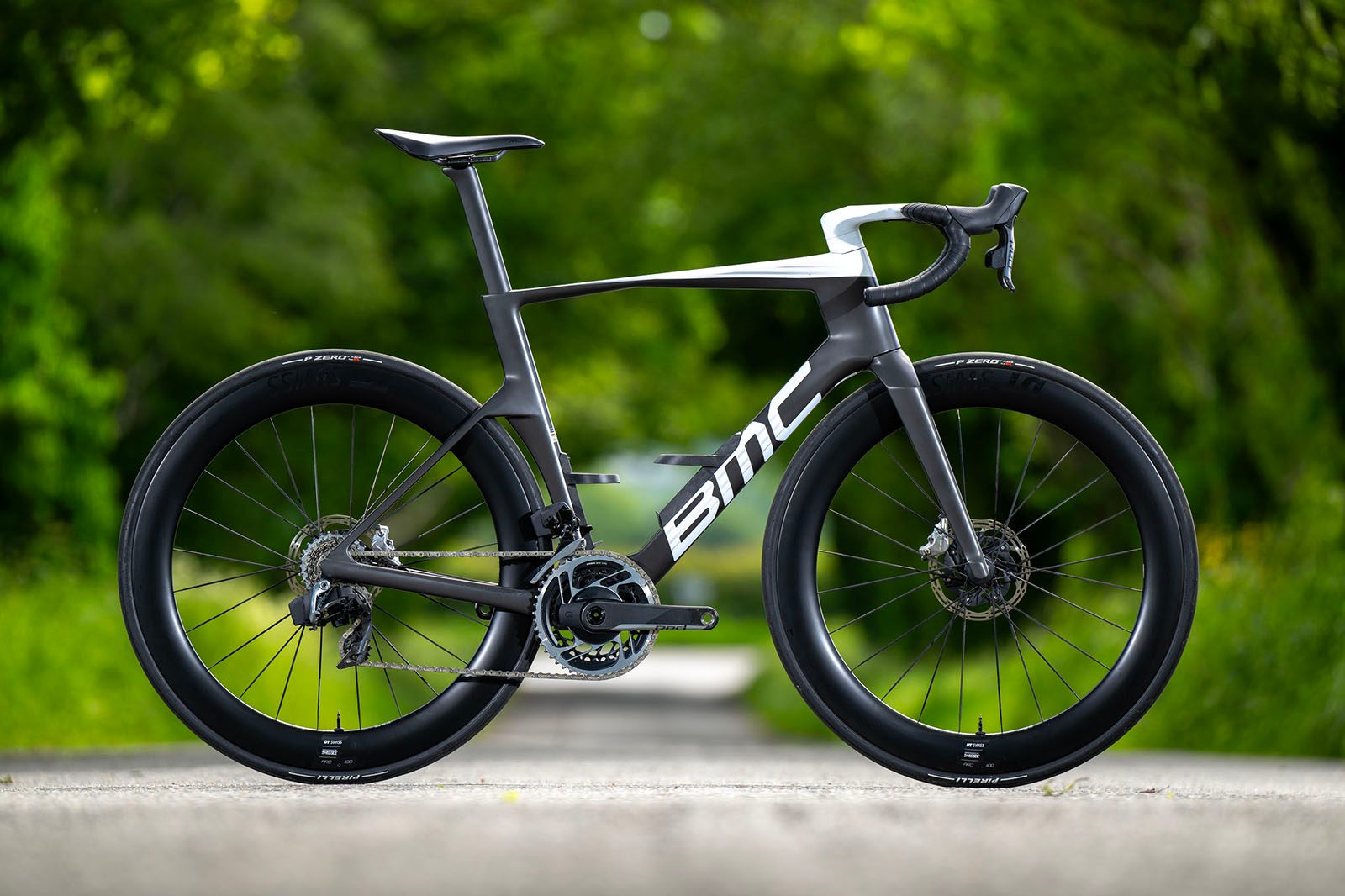
- £14,999 / $14,999 / €14,999 as tested by Ashley Quinlan
- Pros: Rigid and efficient-feeling; narrow cockpit helps with aero; great spec
- Cons: ‘LTD’ Red eTap AXS specification now discontinued; fragile tyres
The Teammachine R 01 LTD is a focused speed machine that compels you to ride faster with impressive efficiency and a racy feel.
This is helped by its setup and geometry, with an aggressive ride position putting you in a great place to get the hammer down.
It won't be to everyone's taste, with the frame delivering no more compliance than it absolutely needs.
The groupset has now been superseded, and we found the tyres a little fragile for UK roads.
- Read more: BMC Teammachine R 01 LTD review
Cervélo S5 Dura-Ace
SQUIRREL_TEXT_13264322
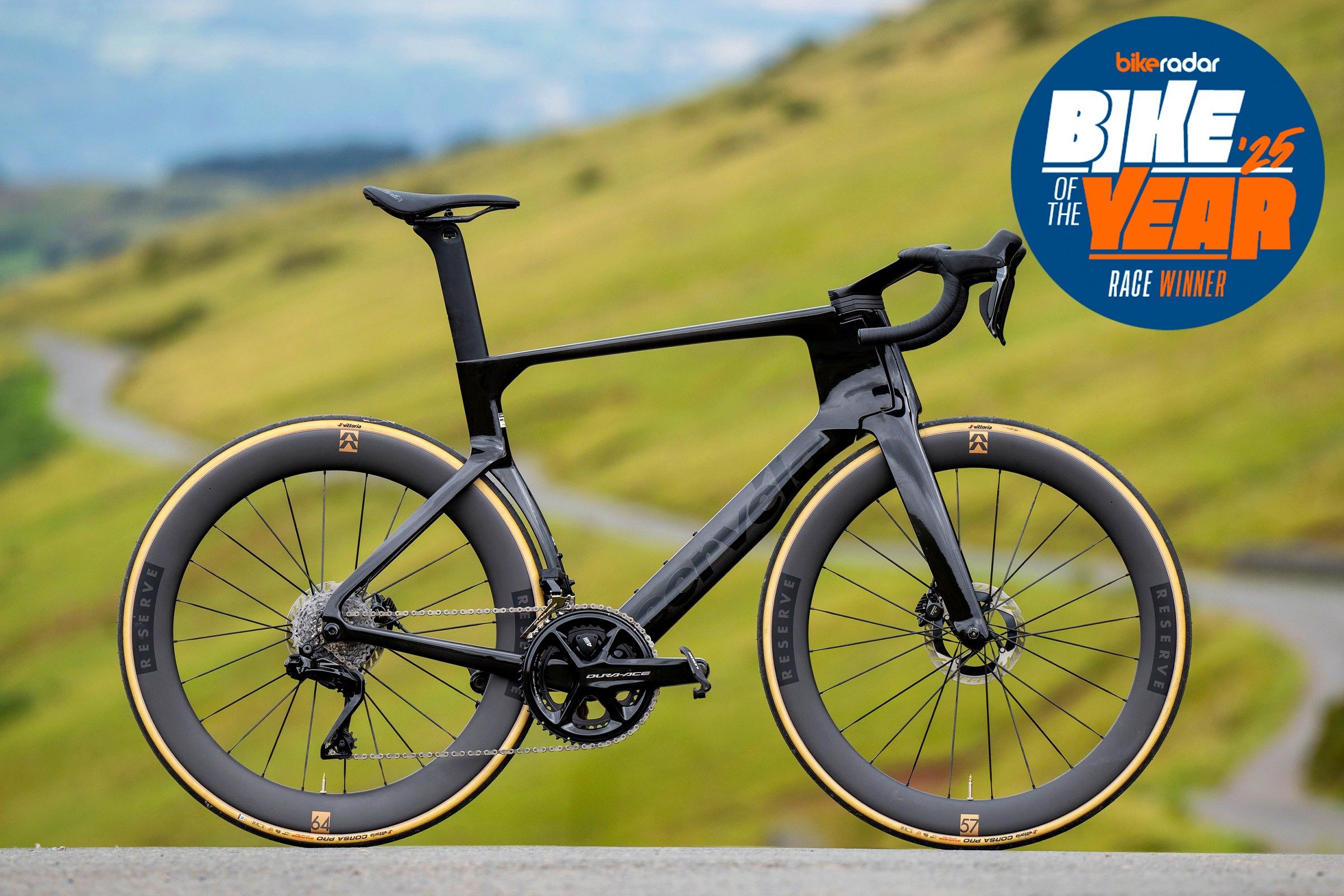
- £12,000 / $14,100 / €13,999 as tested by Ashley Quinlan
- Pros: Lighter than the previous generation; fast; tyre clearance; stiff, but not harsh ride
- Cons: Seatpost can't be changed for free; large chainring won't suit all
The S5 Dura-Ace offers a well-balanced ride and excellent handling, supported by incredible speed.
We found the bike easy to ride fast, remaining stable in changing wind conditions and egging us on to up the speed.
While the bike is expensive, the spec is up to scratch, getting close to all-rounders on the scales.
The seatpost is swappable, but you have to pay to change it at the point of sale, and the large chainring will be overgeared for amateur riders.
That being said, it still won our Race category in Bike of the Year 2025.
- Read more: Cervélo S5 Dura-Ace review
SQUIRREL_13264322
Cervélo Soloist Ultegra Di2
SQUIRREL_TEXT_13754366
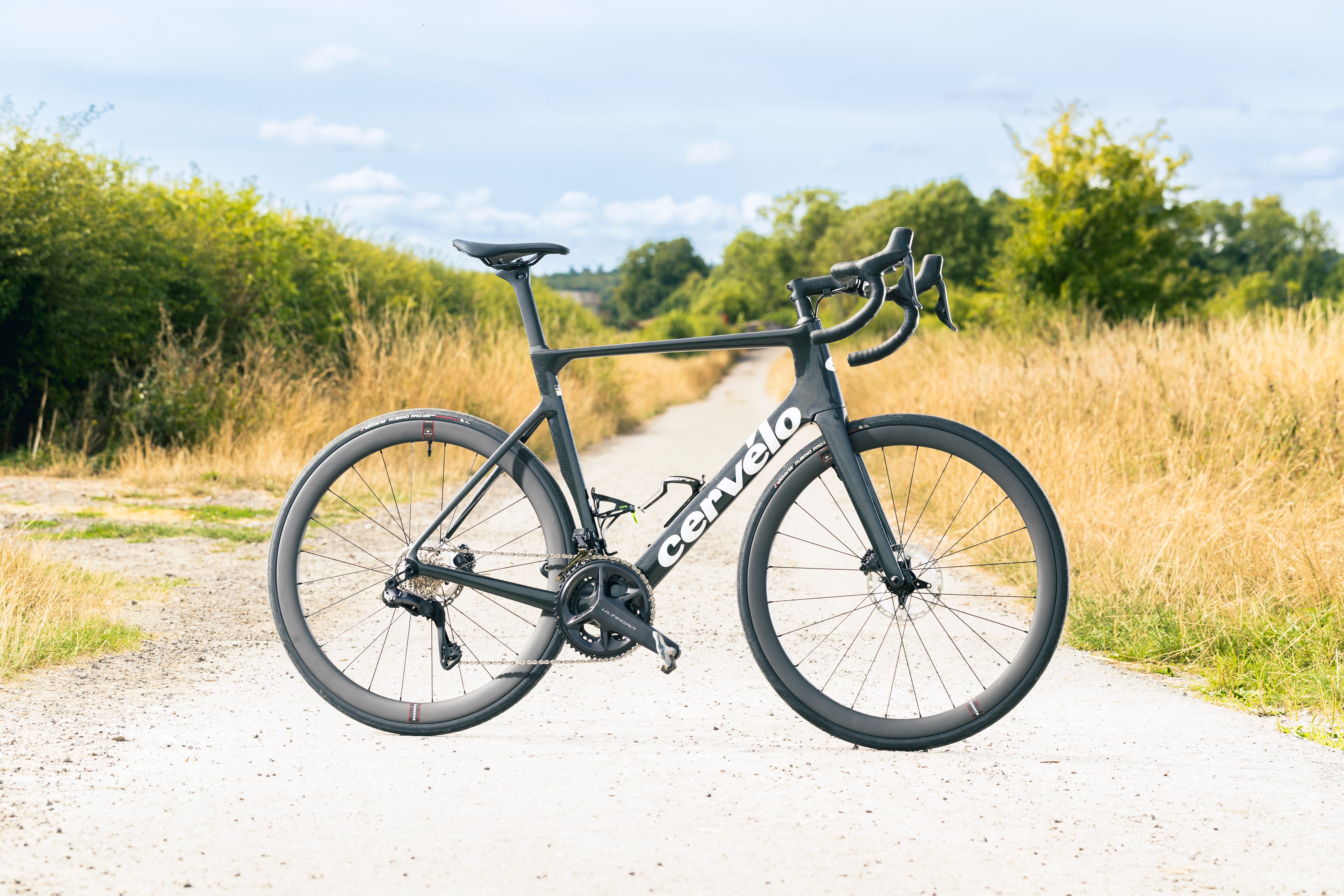
- £6,800 / $6,800 as tested by Warren Rossiter
- Pros: Balance of speed and comfort; great handling; fun to ride
- Cons: A few spec concessions on this model; could be lighter
The Cervélo Soloist was the original aero bike, released in 2002, and the Canadian company has now resurrected the Soloist name 20 years later.
With the S5 pitched as Cervélo's pro-level aero bike, the Soloist is aimed at speed-hungry amateurs, with a (slightly) more affordable price and all-round flavour. It's claimed to be lighter than the S5 and more aerodynamic than the R5, and offers clearance for 34mm tyres.
And the result on the road? The Cervélo Soloist Ultegra Di2 is a very comfortable and fast aero-optimised racer deserving of the Soloist name. Sure, it may give up speed and weight to other Cervélo bikes, but if you want an aero-influenced bike that offers a bit of everything, this is a contender.
- Read more: Cervélo Soloist Ultegra Di2 review
SQUIRREL_13754366
Cube Litening SLT C:68X SL
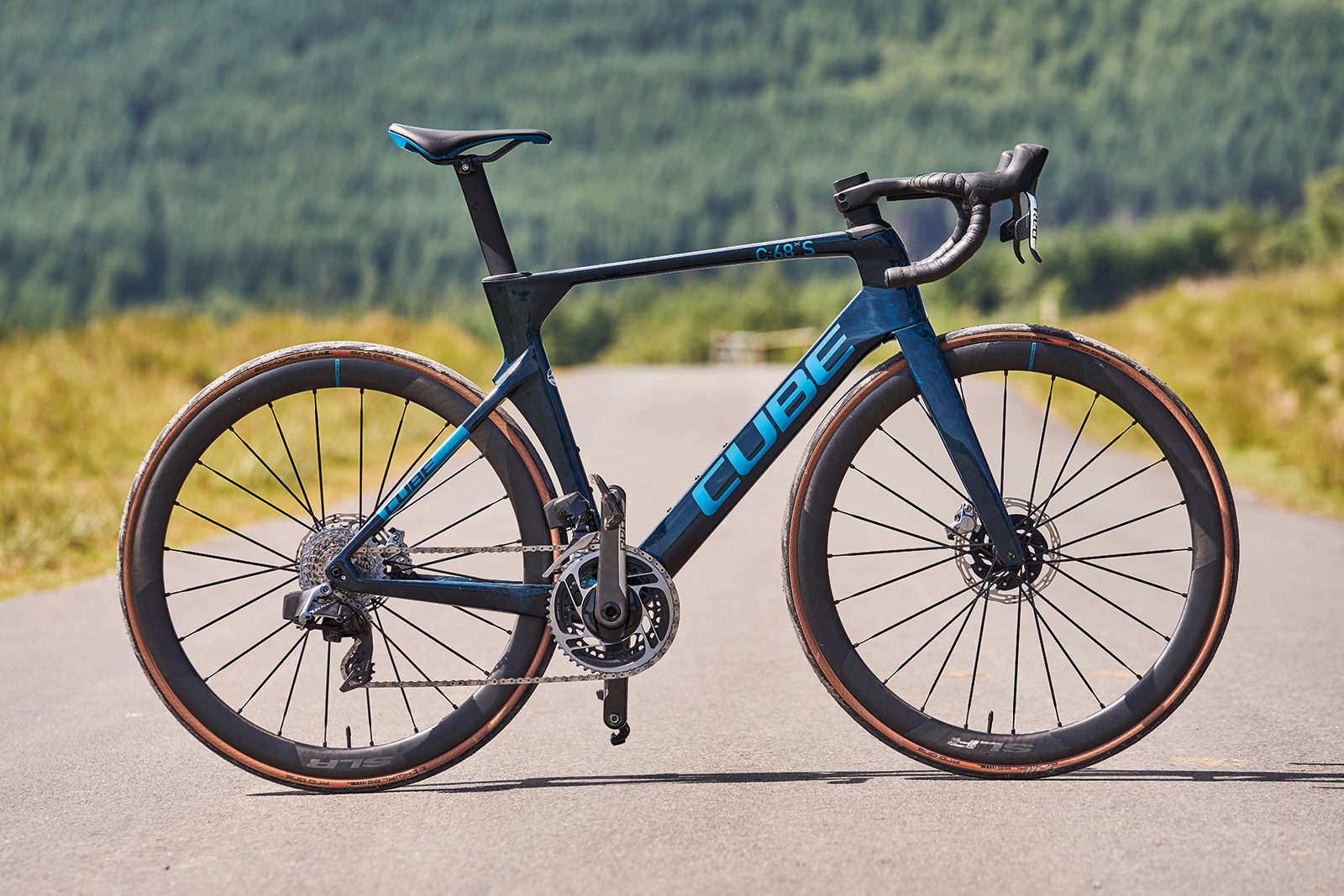
- £8,099 / €6,899 as tested by Simon von Bromley
- Pros: Fast with agile handling; high-spec with quality bespoke components; lightweight
- Cons: Handlebar might not be to everyone's taste
Cube's Litening range includes this aero-focused frame (renamed the Litening Aero since our test) and the Litening AIR, launched in August 2022 as a slimmed-down, lightweight frame for riders who want an all-rounder with aero touches.
Back to our test bike, and the 7.54kg weight is still impressive for an aero machine, helped by the high-spec SRAM Red eTap build and Mavic Cosmic SLR 45 Disc wheels.
It offers straight-line speed in abundance, making it fast and exciting to ride. A single-piece bar-stem with a low frontal profile helps the bike cut through the wind.
- Read more: Cube Litening SLT C:68X SL review
Eddy Merckx 525R
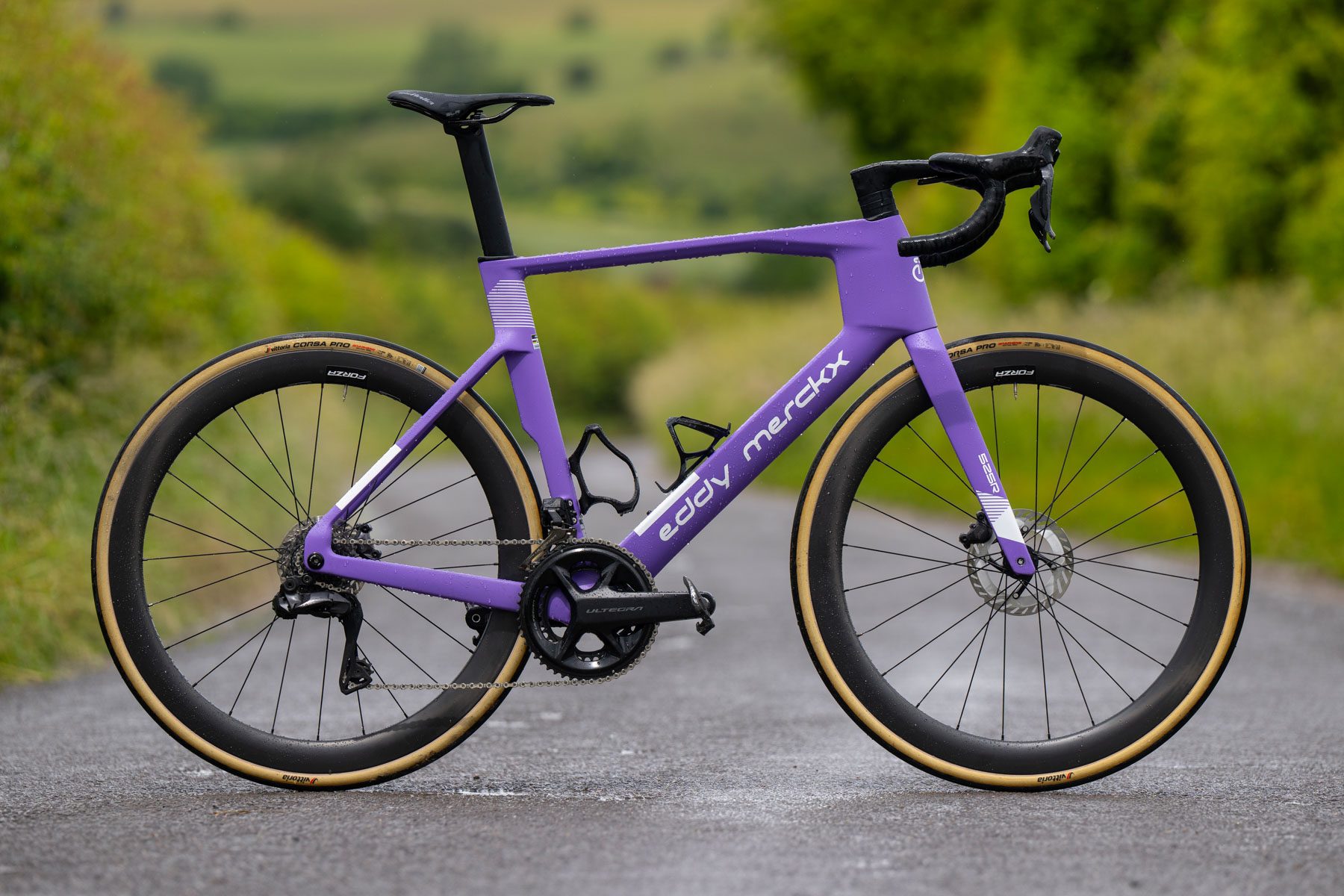
- €6,999 as tested by Warren Rossiter
- Pros: Fast-feeling bike; good spec for the money; comfortable 'aggressive' position
- Cons: 34mm tyre clearance a little conservative
The Mercx 525R almost defies categorisation, blending endurance bike comfort with a still-racy geometry.
Warren found the bike to be stiff, responsive, fast handling, and above all, very fast and efficient-feeling.
The bike features a decent spec level for the money, with a similarly specced Specialized Tarmac SL8 Pro with Ultegra Di2 is £7,249 / $8,499 / €8,999.
The only downside was the 34mm tyre clearance, which feels seems conservative for a bike so capable on a variety of terrain.
- Read more: Eddy Merckx 525R review
Giant Propel Advanced Pro 0 AXS
SQUIRREL_TEXT_13754377
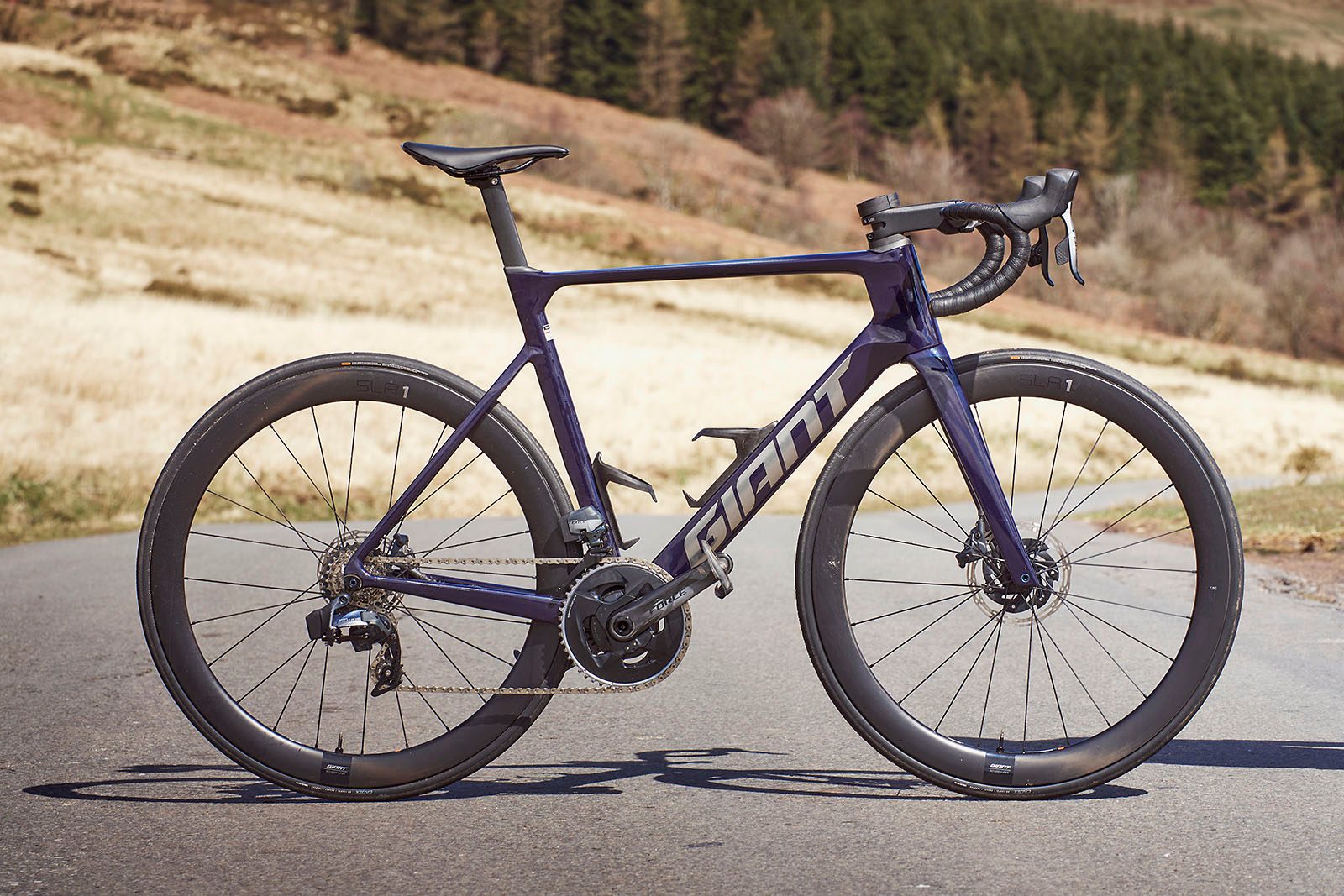
- £6,399 / $8,000 / €6,900 / AU$8,499 as tested by Simon von Bromley
- Pros: Blends low weight and aerodynamics; assured handling
- Cons: A few dated spec choices
The Giant Propel Advanced Pro 0 AXS costs half as much as the WorldTour-level Advanced Pro SL and gives away little in terms of performance.
Our aero Bike of the Year 2023 is a brilliantly versatile aero road bike due to its balance of weight, speed and handling.
Not all of Giant's spec choices hit the mark, but the Propel Advanced Pro 0 AXS's mid-range price could leave you with cash for upgrades.
- Read more: Giant Propel Advanced Pro 0 AXS review
SQUIRREL_13754377
Giant Propel Advanced SL 0
SQUIRREL_TEXT_13754384
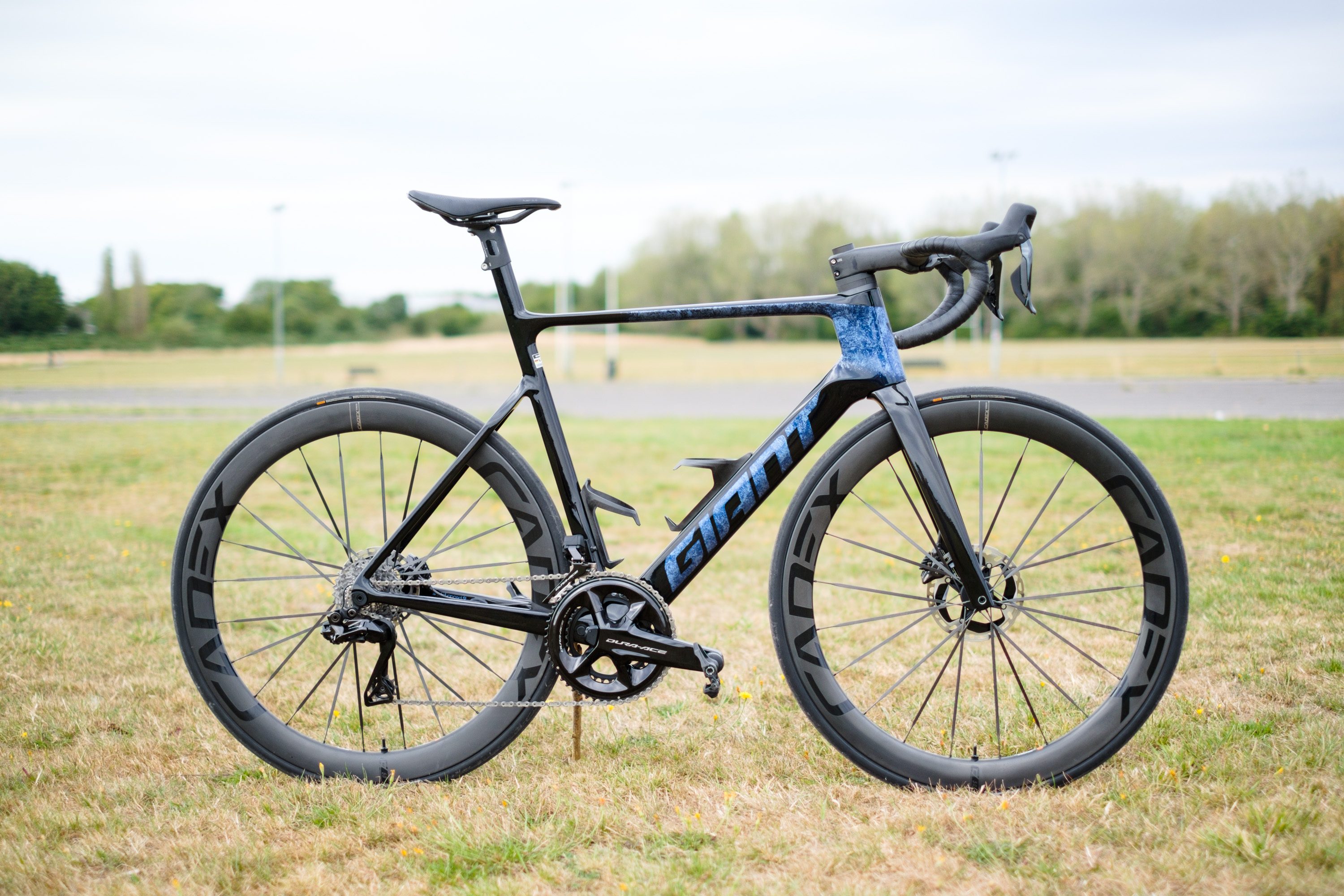
- £11,999 / $12,500 / €12,000 / AU$14,000 as tested by Simon von Bromley
- Pros: Very light for an aero bike at 6.9kg; easy maintenance and adjustment
- Cons: Integrated seatpost; 25c tyres feel slightly behind the curve
At 6.9kg, the Giant Propel Advanced SL 0 is exceptionally lightweight for an aero bike. Giant claims it's also more aero than its predecessor.
It's designed to be easy to work on, although the integrated seatmast means that once cut there's only a few centimetres of saddle-height adjustment.
The bike rolls on 25mm tyres, although there's room for 30mm, but despite this the ride is comfortable. The two-part bar and stem make for adjustability, although Giant doesn't offer bars under 40cm width.
SQUIRREL_13754384
Lapierre Aircode DRS 8.0
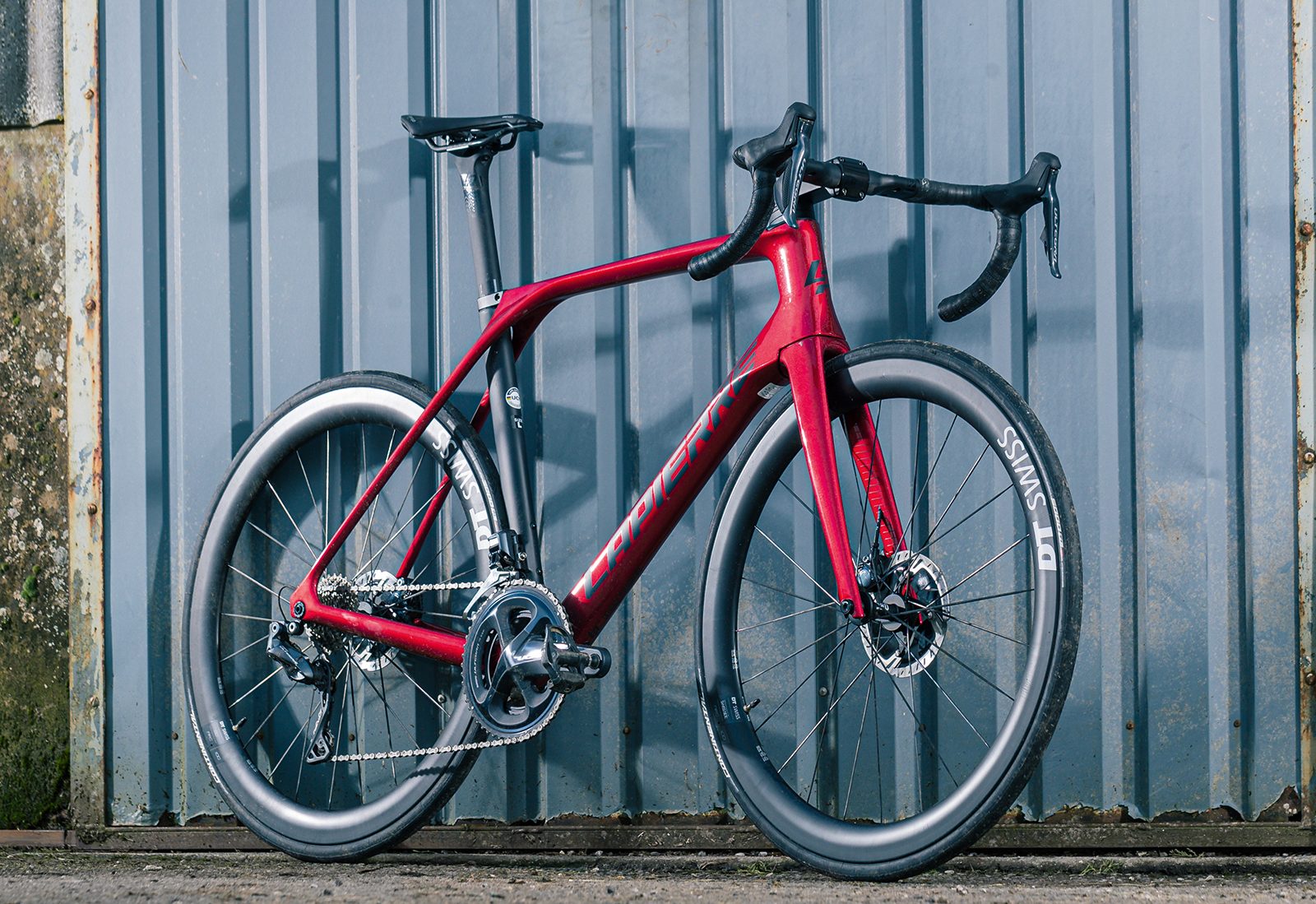
- £6,300 as tested by Warren Rossiter
- Pros: Fast with accurate handling; superbly equipped
- Cons: Narrow tyres
Now in its third generation, the Lapierre Aircode DRS 8.0 follows the trends for aero bikes with the integration of disc brakes and hidden cables.
The bike also addresses weight and comfort, two issues that are often associated with aero bikes, with a 900g frame and a carbon layup that's said to improve frame compliance.
Despite the aggressive geometry that screams urgency as soon as you get on the bike, there's no denying it's comfortable to ride.
Lapierre even throws in some bolt-on aero bars for extra versatility and value for money.
- Read more: Lapierre Aircode DRS 8.0 review
Orbea Orca Aero M10iLTD
SQUIRREL_TEXT_13754390
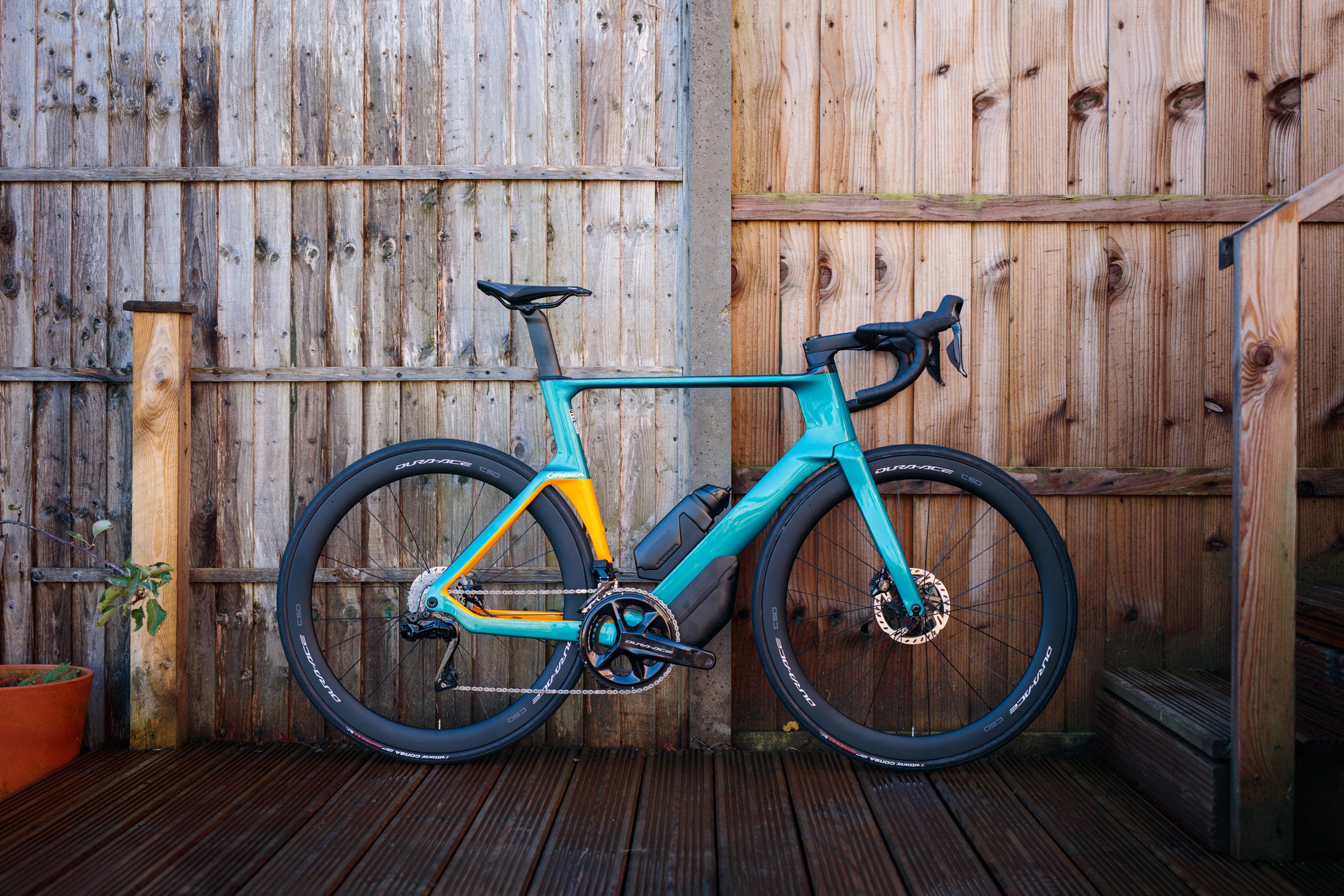
- £9,599 / $9,999 / €9,599 as tested by Simon von Bromley
- Pros: Clever add-ons for those not racing
- Cons: A bit heavier than the competition
Orbea claims the latest iteration of its Orca Aero saves 15 watts over its predecessor. It feels fast, but is still comfortable and adjustable, and the spec leaves no reason for swap-outs. The bike comes with an optional aero bottle and storage under the down tube, the latter not UCI-legal.
There's a nicely integrated bar, although we found the sharp trailing edge hit our wrists when sprinting. The bike is compatible with a standard bar and stem though.
The Orbea is a bit on the heavy side too at 8.3kg, although we didn't notice this when out riding and we were impressed by the Orca's comfort levels.
- Read more: Orbea Orca Aero M10iLTD review
SQUIRREL_13754390
Ribble Ultra SL R Enthusiast
SQUIRREL_TEXT_13076832
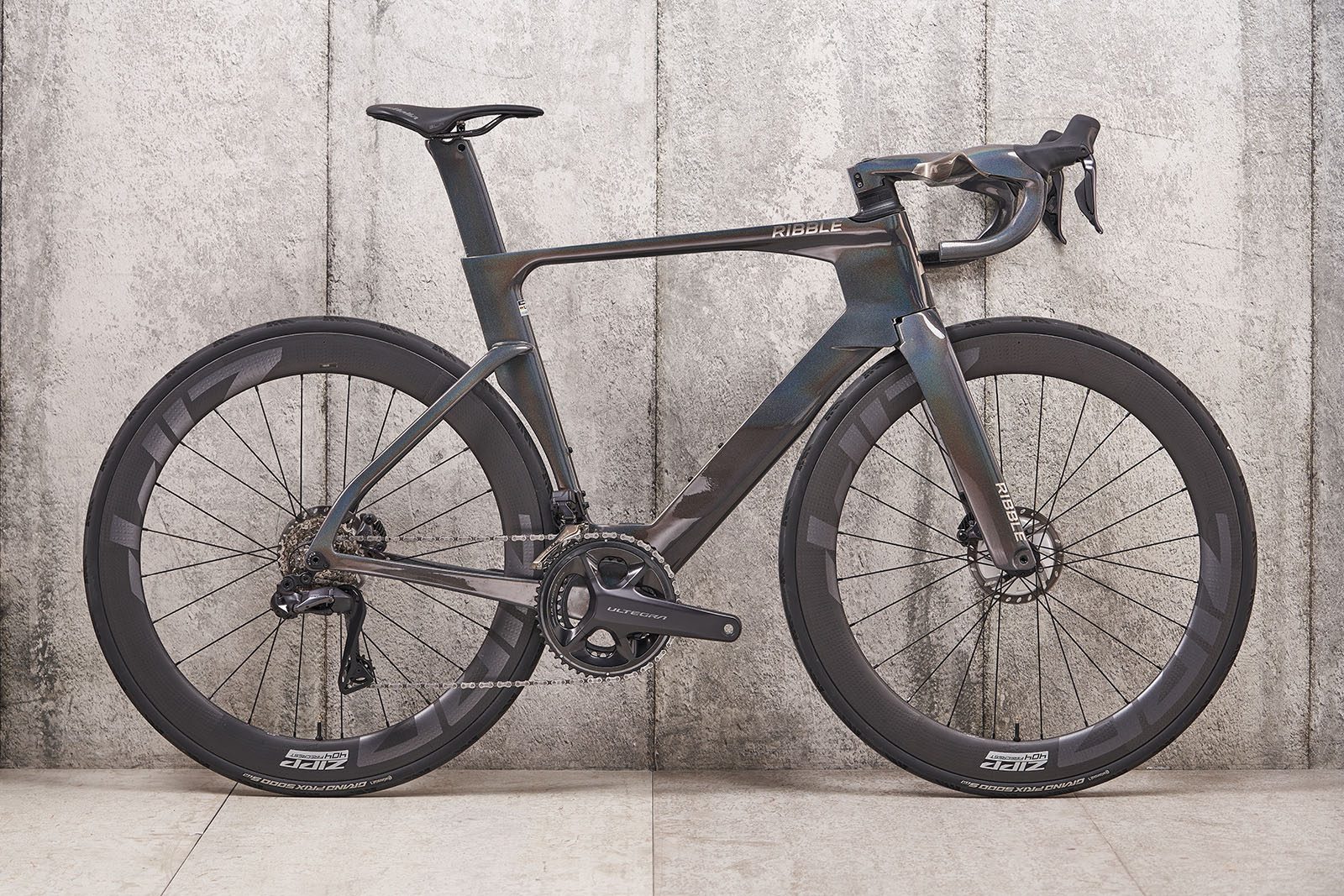
- £6,599 as tested by Simon von Bromley
- Pros: Fearsomely fast; well priced; customisation options
- Cons: Handlebar is only available in five sizes; no power meter
The Ribble Ultra SL R Enthusiast's eye-catching aero design translates into visceral speed with minimal concession to overall practicality.
If you just want to ride fast, you'd be hard pressed to find a better aero road bike for the money.
However, an integrated power meter would be nice, as would more handlebar size options and a simpler seatpost clamp.
- Read more: Ribble Ultra SL R Enthusiast review
SQUIRREL_13076832
3T Strada Italia
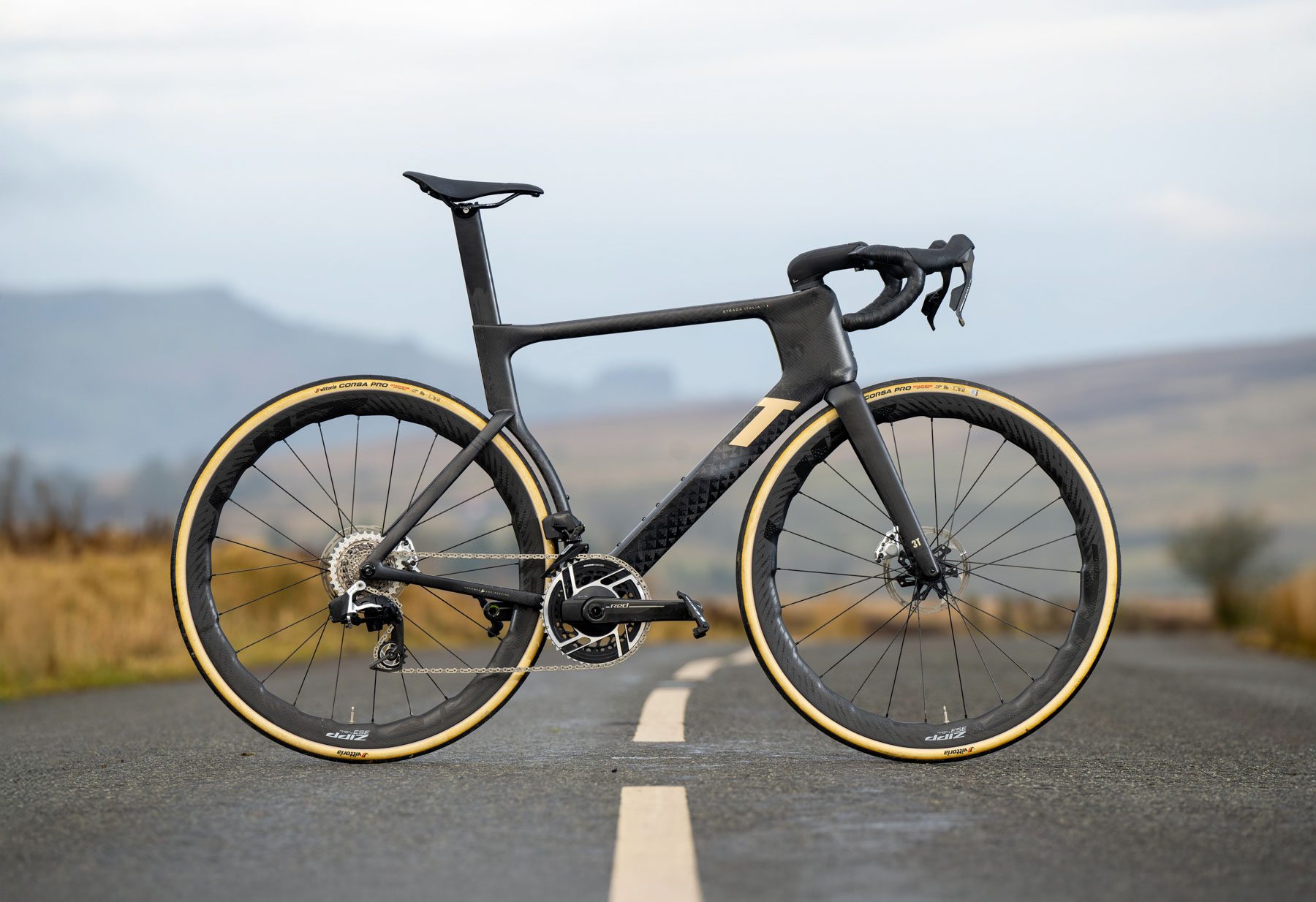
- £11,462 / $15,899 / €14,951 as tested by Warren Rossiter
- Pros: Smooth ride feel; quick handling; good looks
- Cons: Pricey
The Strada Italia marries aero gains to an endurance-style geometry, delivering a fast, comfortable ride with all-road ambitions.
While it's not as outright racy as others on this list, we found it very forgiving, making it perfect for long days in the saddle.
It doesn't come cheap, but it might be worth it for the looks alone.
- Read more: 3T Strada Italia review
Colnago Y1Rs
SQUIRREL_TEXT_13195024
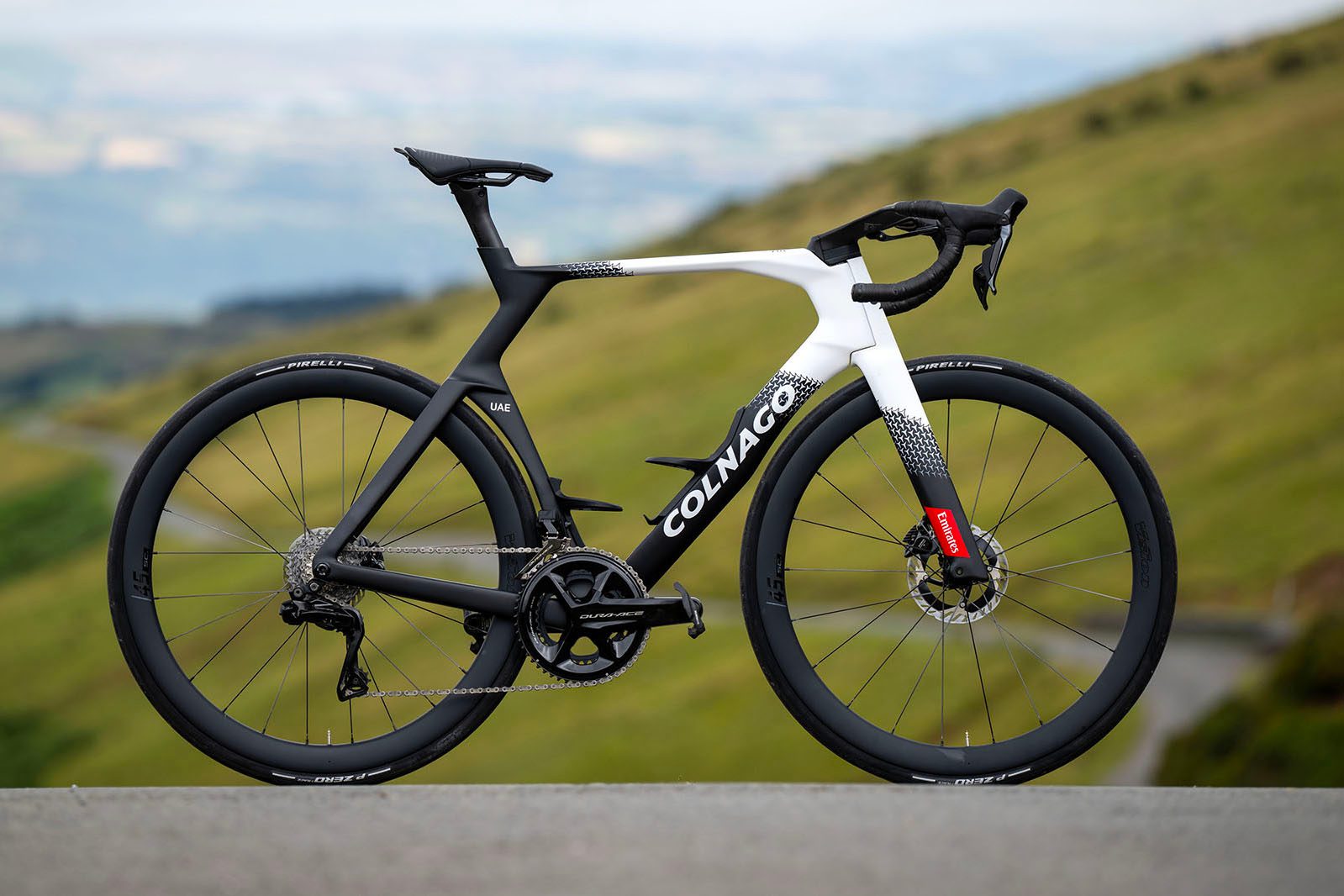
- £11,999 / $14,500 / €13,200 as tested by Ashley Quinlan
- Pros: Fast-feeling; sorted geometry; fairly compliant; cockpit and seatpost switches free of charge
- Cons: Middling wheels for the money; no power meter
The Y1Rs' racing pedigree is in no doubt, becoming the all-round choice for Tadej Pogačar despite having access to the V5Rs.
The bike feels fast, with small inputs eliciting quick sensations of speed. Despite this, the ride is relatively compliant for an aero bike, making it comfortable for long days in the saddle.
Some of its performance is nerfed with this spec level, with the Vision SC45 wheels not living up to the price tag.
There's also no power meter included.
- Read more: Colnago Y1Rs review
SQUIRREL_13195024
Scott Foil RC Pro
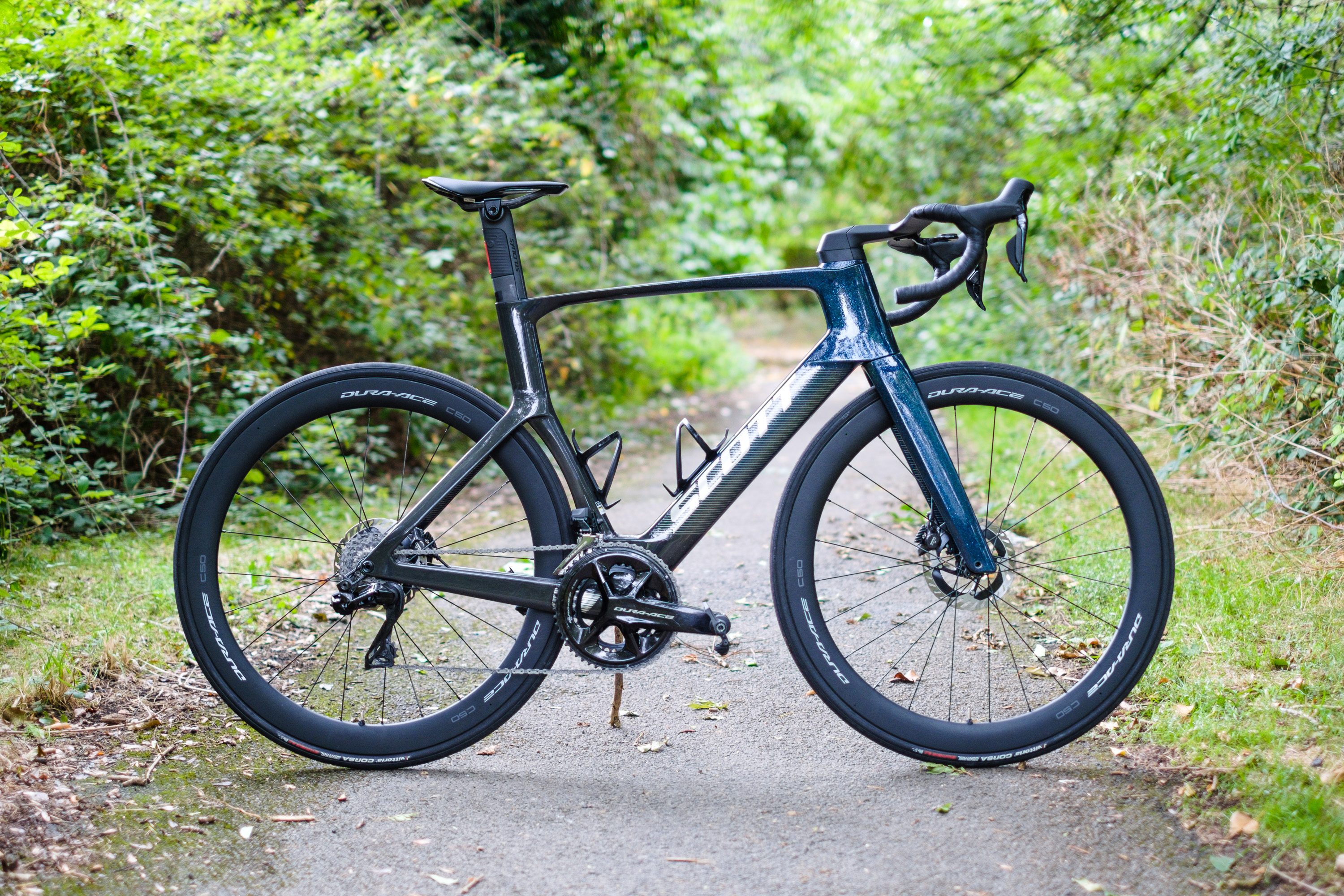
- £10,499 / $10,999 / €10,499 as tested by Simon von Bromley
- Pros: More aero than the previous Foil; plenty of comfort, particularly at the rear; fast-feeling
- Cons: No power meter
The latest Scott Foil has a claimed increase of 16 watts in its aero efficiency at 40kph over its long-running predecessor, thanks to wind tunnel tuning with Simon Smart, the man who's also behind the ENVE SES wheel range. At 7.4kg, the new Foil is light too, despite having deeper aero sections than the previous bike.
The frame geometry is the same as the Scott Addict RC, offering sharp, predictable handling at high speeds, but not at the expense of comfort, particularly at the saddle. That's thanks to a three-piece seatpost design with a rubber insert.
It's a bike that's fast, lightweight and comfortable.
- Read more: Scott Foil RC Pro review
How we test aero road bikes
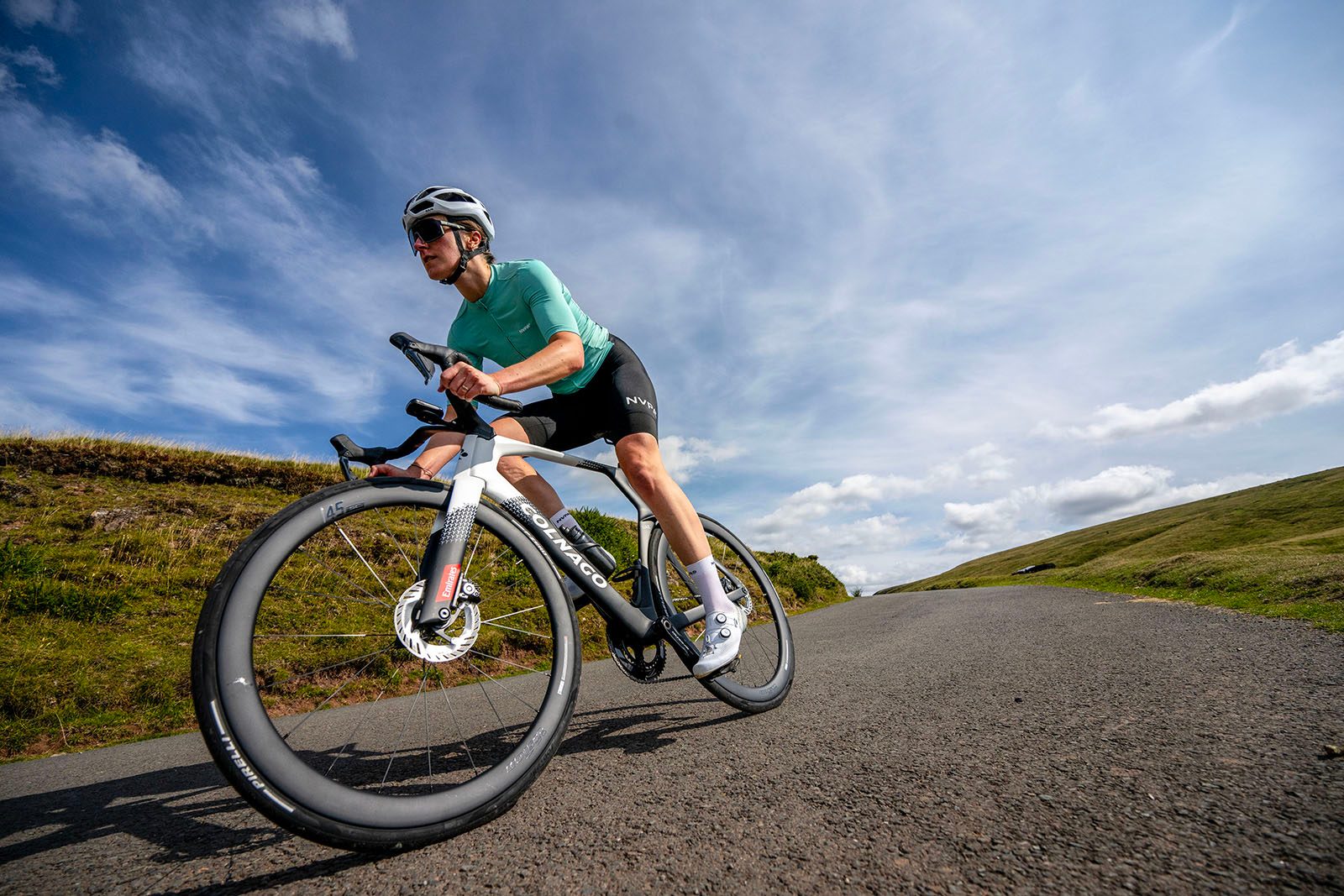
We’ve been testing road bikes since BikeRadar’s inception in 2007, tracking every major development in road bike tech, from the advent of electronic groupsets to the widespread adoption of disc brakes.
We’ve tested all the major road bikes of the last 19 years, from the first gravel bikes to the latest aero road bikes, covering everything from budget rides to pro-level superbikes.
Since BikeRadar was founded, we've reviewed more than 15,000 bikes and products, and our annual Bike of the Year test has become an industry benchmark.
Working with our colleagues at Cycling Plus magazine, our road bike reviews are always editorially independent – with no exceptions. Our reviewers test each bike comprehensively, always reflecting on performance, value and the wider market when delivering their verdict.
Our current testers are widely respected by the cycling industry, with our senior technical editor, Warren Rossiter, judging the best bikes at Eurobike.
Buyer’s guide to aero road bikes: what to look for
What is an aero bike?
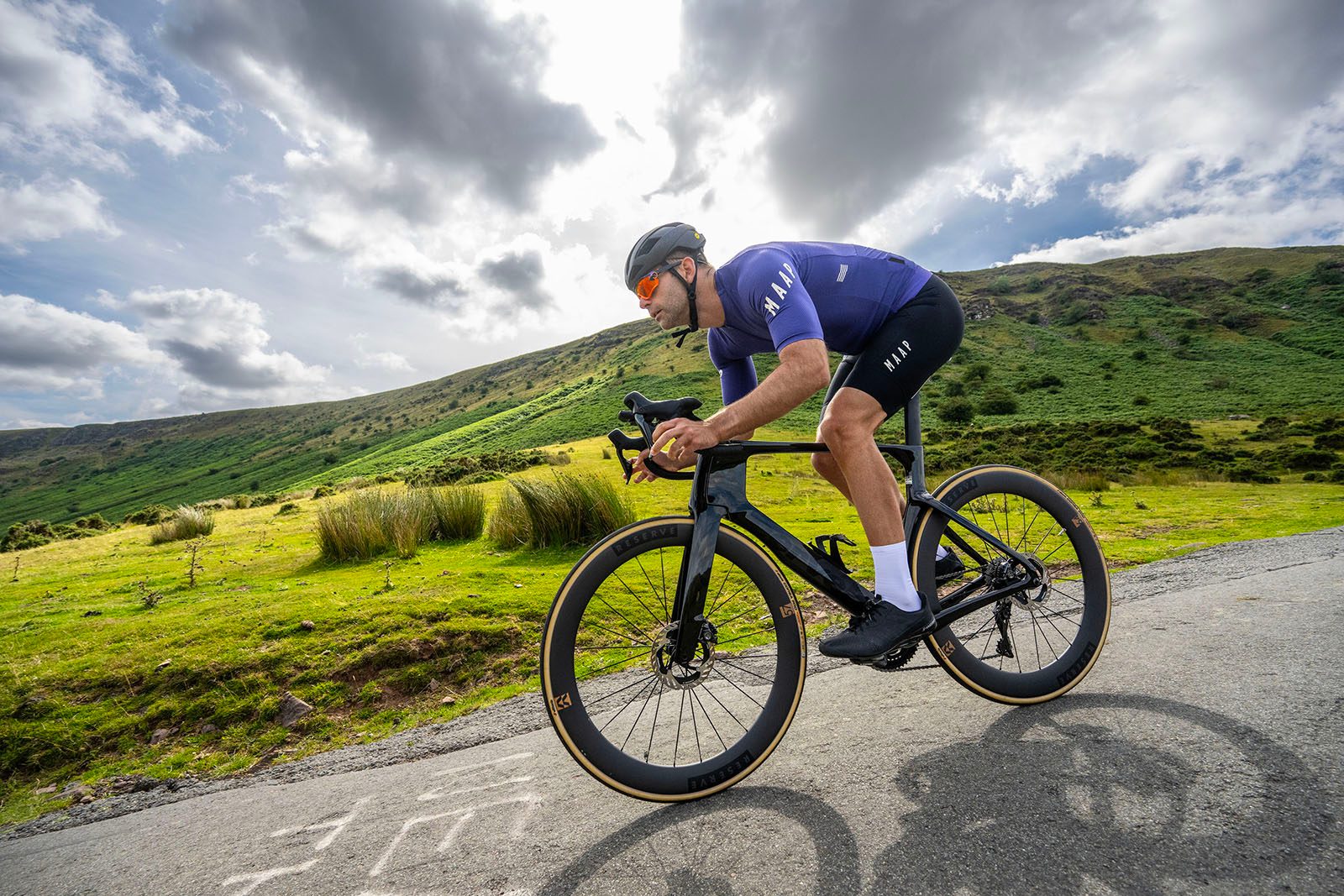
An aero bike prioritises aerodynamic features, aiming to give you a little free speed as you ride.
That starts with aero tube profiles, usually a truncated aerofoil design (also known as a Kammtail), with a smoothly curving leading edge and an abruptly chopped-off rear. The idea is to trick the wind into following the drag-saving shape of a full aerofoil while saving weight and maintaining frame stiffness.
Truncated shapes are particularly evident on the down tube and seat tube, but on dedicated aero bikes usually carry over to the head tube, fork blades, seatpost and the rest of the frame.
The latest aero bikes are all about integration and it’s rare to see exposed cables at the front end of the bike. The trick for bike manufacturers is providing that integration without sacrificing fit or everyday usability – some brands do this better than others.
Aero bikes will sometimes have more aggressive road bike geometry than all-round race bikes – and certainly more aggressive than endurance road bikes or sportive bikes. That normally means a longer, lower position that allows the rider to hunker down over the bar, reducing frontal profile for less wind resistance.
An aero bike arguably needs deep-section aero wheels to complete the deal. The best will come with them, but some makers fit more basic wheelsets (usually to keep the price down), expecting you to buy your own.
Aero bike vs road bike
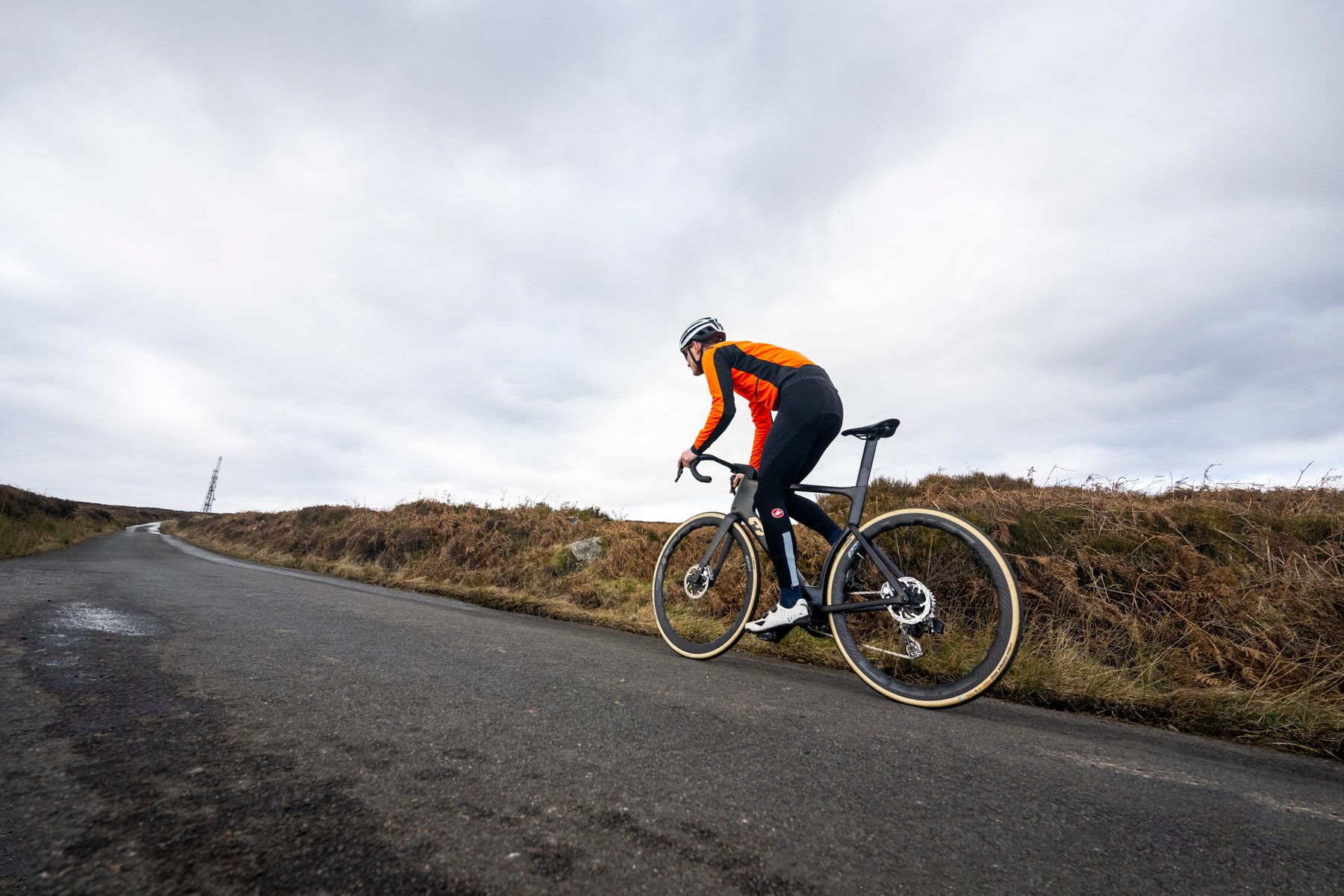
It looks as if the era of the specialist aero bike may be passing. As we’ve already mentioned, the latest generation of lightweight/all-rounder race bikes increasingly incorporates aero features.
We've also seen professional racers riding lightened aero bikes instead of all-rounders, such as Pogačar's stripped-back Y1Rs.
Other formerly conventional road bikes that have had an aero makeover include the Cannondale SuperSix and the Scott Addict, with all these brands promoting aero benefits in a lightweight package.
As with any bike purchase, it’s a case of weighing up the options and choosing the right machine for your needs. If you’re looking for more of an all-rounder with an aero edge, there are now plenty of options out there. Equally, if all-out speed is your thing, a dedicated aero bike will have that ace up its sleeve.
What is the fastest aero bike?
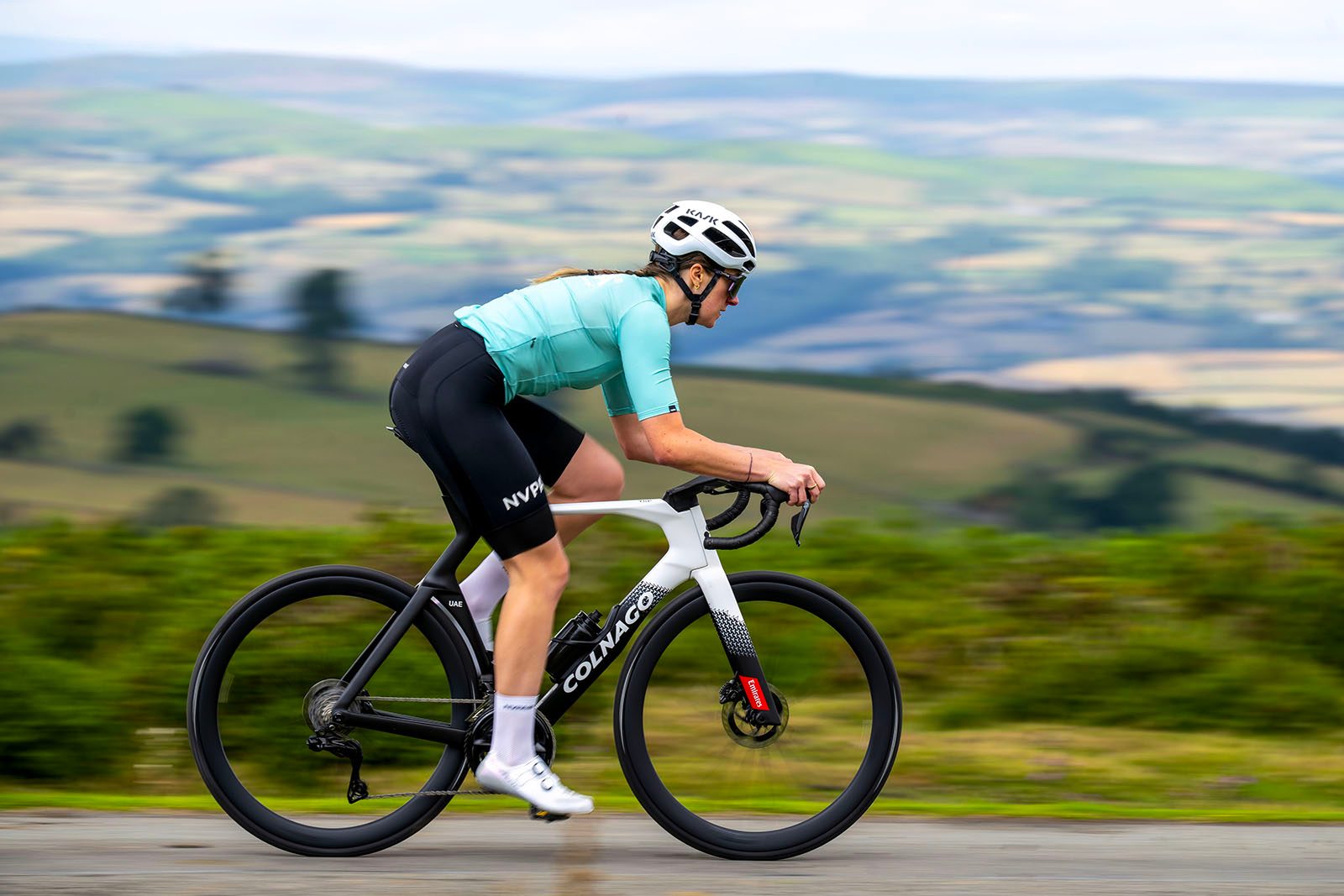
Almost every aero bike will be accompanied by some kind of claim about how the bike is faster than its predecessor or competitors.
Aero gains are often quoted as seconds saved over 40km at 45kph or such, but do you regularly ride at that speed? The laws of physics mean that if your average speed is half that, you’ll reap an eighth of that figure.
With around 80 per cent of wind resistance down to you, rather than the bike, there is only so much help an aero bike can provide. That’s before we get to the rider’s engine, too. If speed is your thing, here are five ways you can ride faster for free.
Having said that, few riding experiences beat the feeling of free speed when riding fast on a sharp-handling aero bike, especially on a rapid downhill or full-gas on a flat or rolling road.
As for the ‘fastest’ aero bike, as ever we’d tread with caution when it comes to manufacturer claims.
Sure, you can factor it into your buying decision, but there’s lots more to consider besides, including fit, usability, frame features (for example, tyre clearance) and budget.
Tube shapes
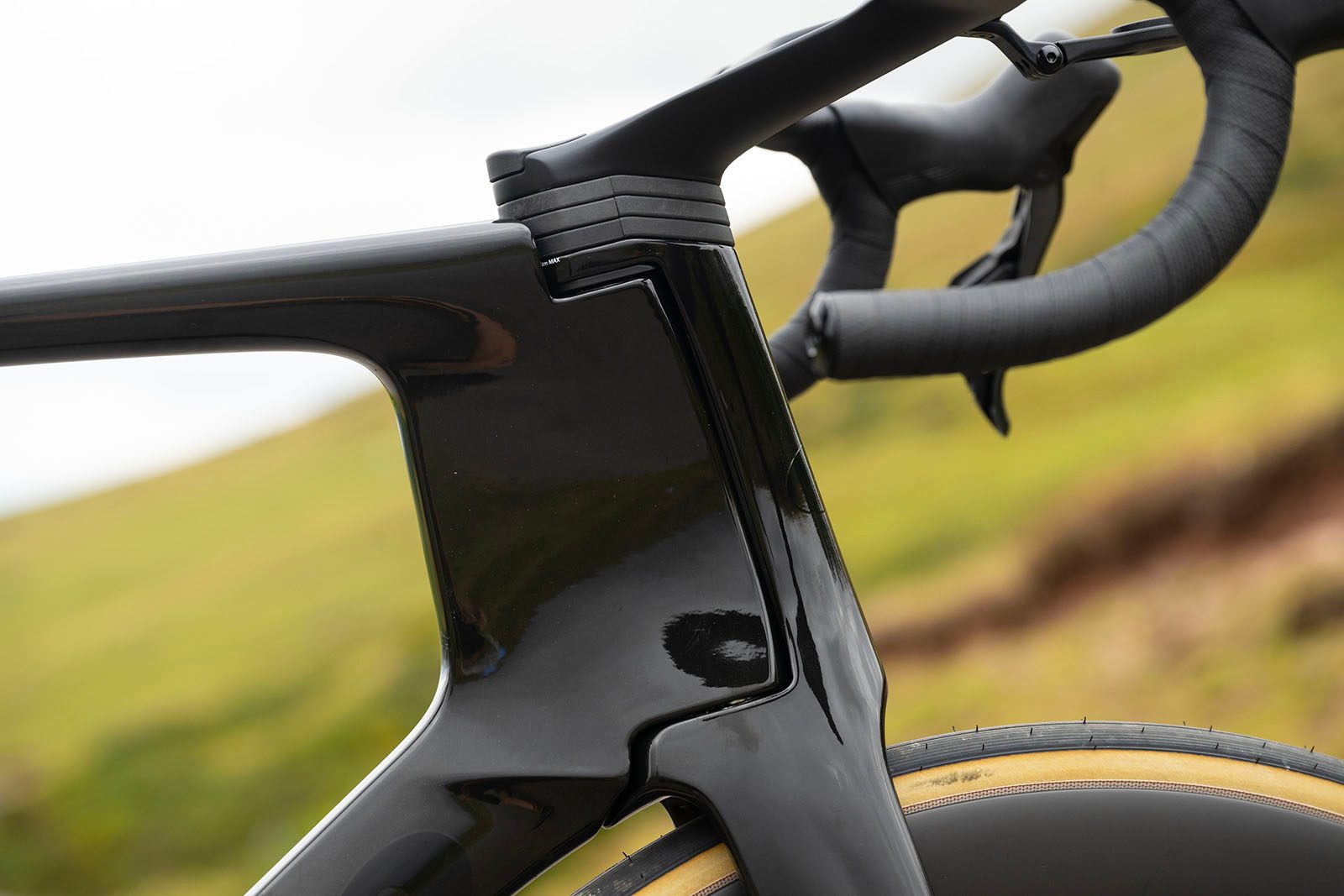
It goes without saying that an aero bike will have aero tube profiles. These are most obvious on the main tubes of the bike, the down tube and the seat tube in particular.
Aero features will likely extend to the seatstays, which are often dropped, hitting the seat tube some way down from its top, as well as being aero in profile. The head tube, fork and seatpost (and its clamp) are also likely to have had the aero treatment.
The first crop of aero road bikes, led by the Cervélo Soloist (which made a comeback in 2022), had teardrop-shaped tubes. It’s the classic aerodynamic shape, but the tail adds a lot of weight without much structural benefit, so the frames tended to be heavy. The extended profile could also make for tricky handling in crosswinds.
That’s changed now, with the realisation that a truncated aerofoil (or Kammtail) can be more aerodynamically efficient than a teardrop.
Air forms an eddy behind the cut-off edge of the tube and air flowing past this forms a teardrop shape that’s much longer than the tube. Trek says that although the length of its Kammtail tubing is less than three times its width, it behaves aerodynamically as if it’s eight times the width.
With that in mind, there’s potentially a quadruple benefit from truncated aerofoils: they use less material for a lighter frame, they are more structurally rigid, they produce longer virtual tails to the tubes and they’re less edgy in crosswinds.
Another plus: they make it much easier for manufacturers to produce aero designs that comply with the geometry rules set by the UCI, cycling’s world governing body.
Integration
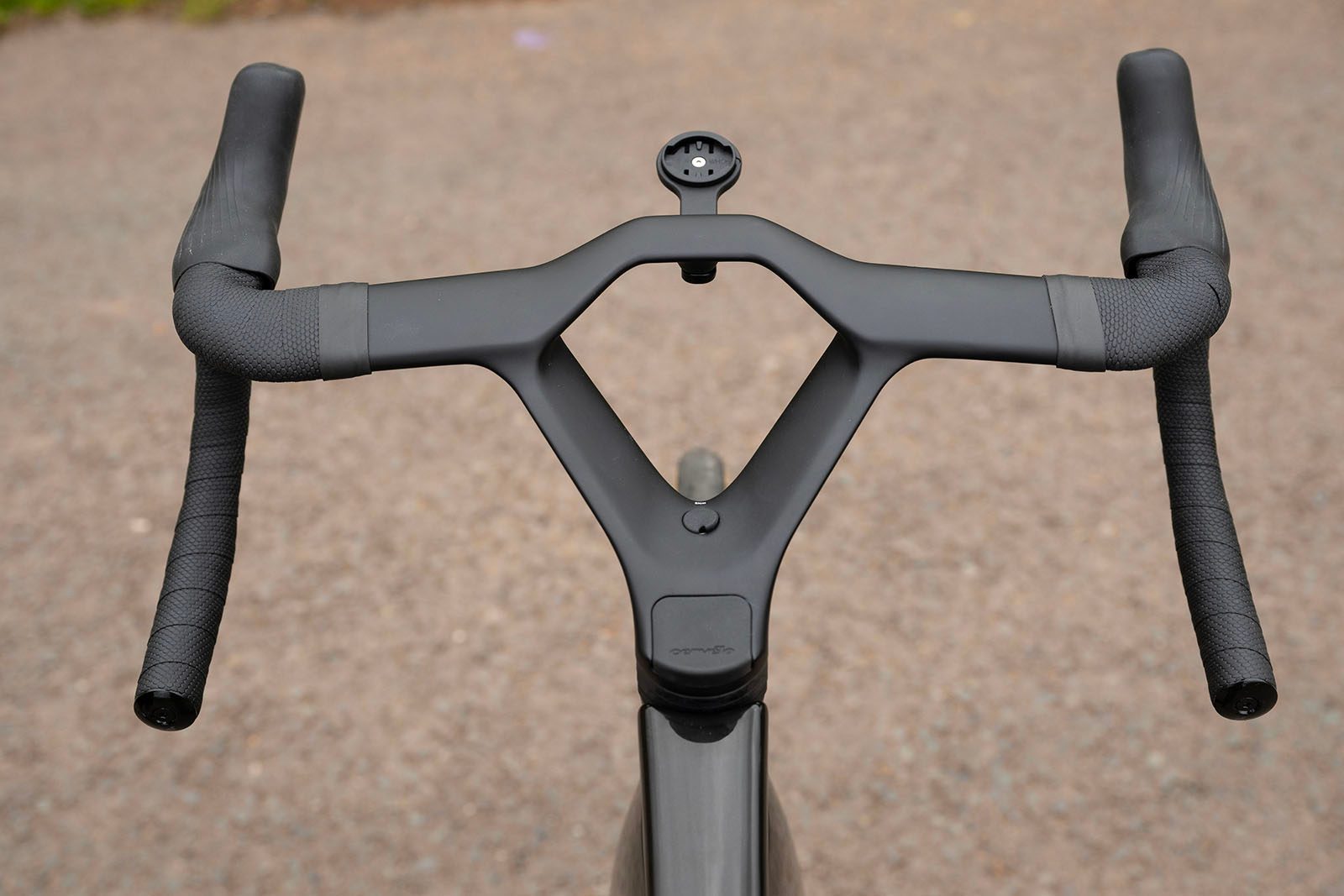
The new frontier in aero bike design is front-end integration. That means the handlebar and stem are often one piece, with a broad, flat aero shape to the bar. At least some of the brake and gear cables will run internally into the frame, so they’re out of the airflow.
There’s a surprising amount of drag from round cables routed externally.
The flip side is that some integrated systems can be difficult to work with, so expect to spend more on maintenance or to deal with more frustration if doing it yourself.
Also, make sure you’re comfortable with the position dictated by a bike’s integrated carbon bar/stem. There are limited size options and adjustability to many integrated systems.
The best integrated cockpits keep everything clean and tidy, hiding the cables from the wind, but still allow for easy servicing and fit adjustments, most likely by keeping the handlebar and stem as two separate units.
Ride quality
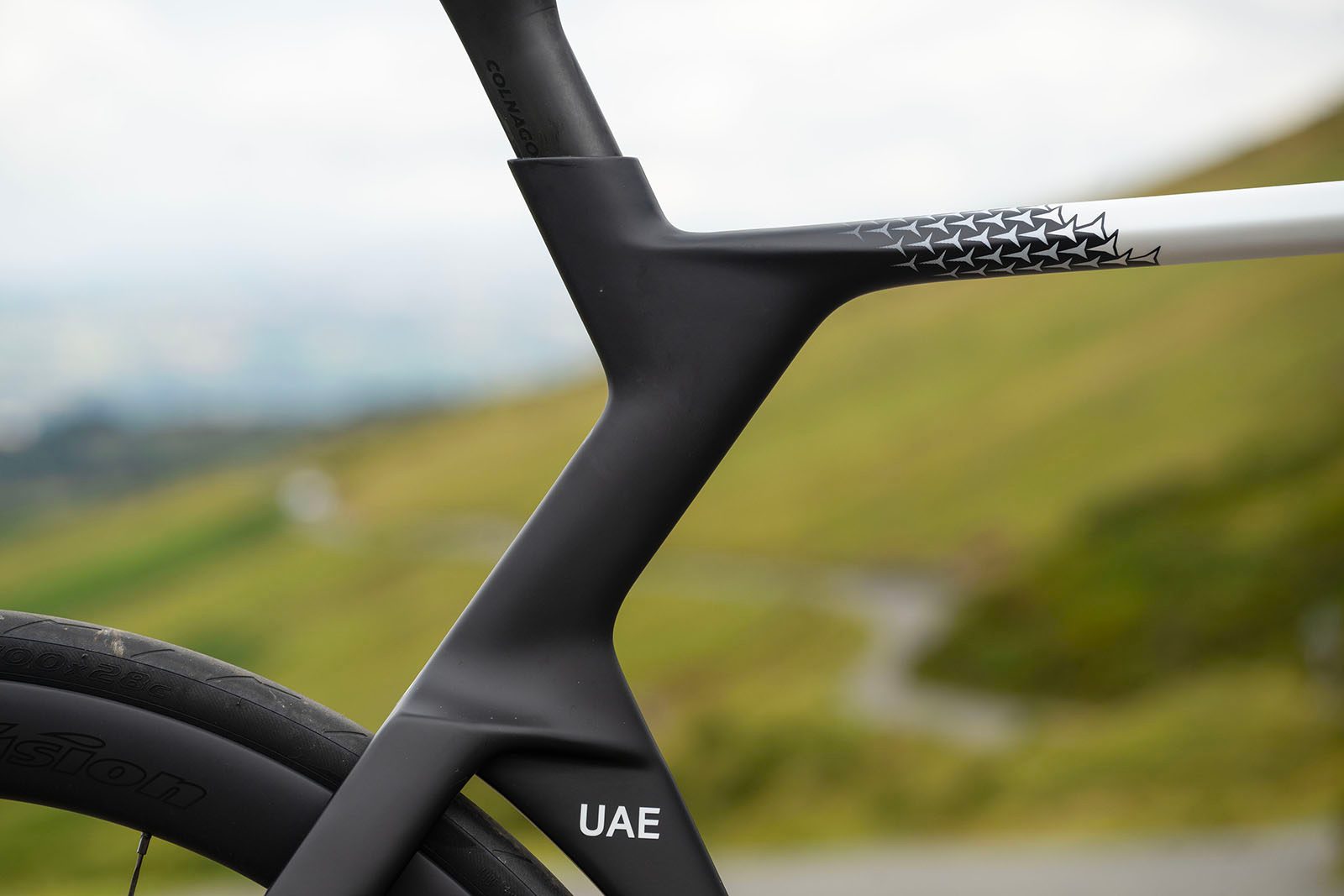
With their chunky tube profiles, aero bikes of old had a (often justified) reputation for a harsh ride.
That’s largely changed with the modern crop of aero bikes, because brands have learned how to design frames for a more comfortable ride without compromising aerodynamics, and road disc brakes have increased tyre clearances – you can now run a 28mm or even 30mm tyre on many of the latest aero bikes.
Nevertheless, it’s something to look out for if you’re thinking of buying an aero bike. It’s worth reading road bike reviews and, ideally, taking a test ride before parting with your cash, especially if you live somewhere with rough roads.
Geometry
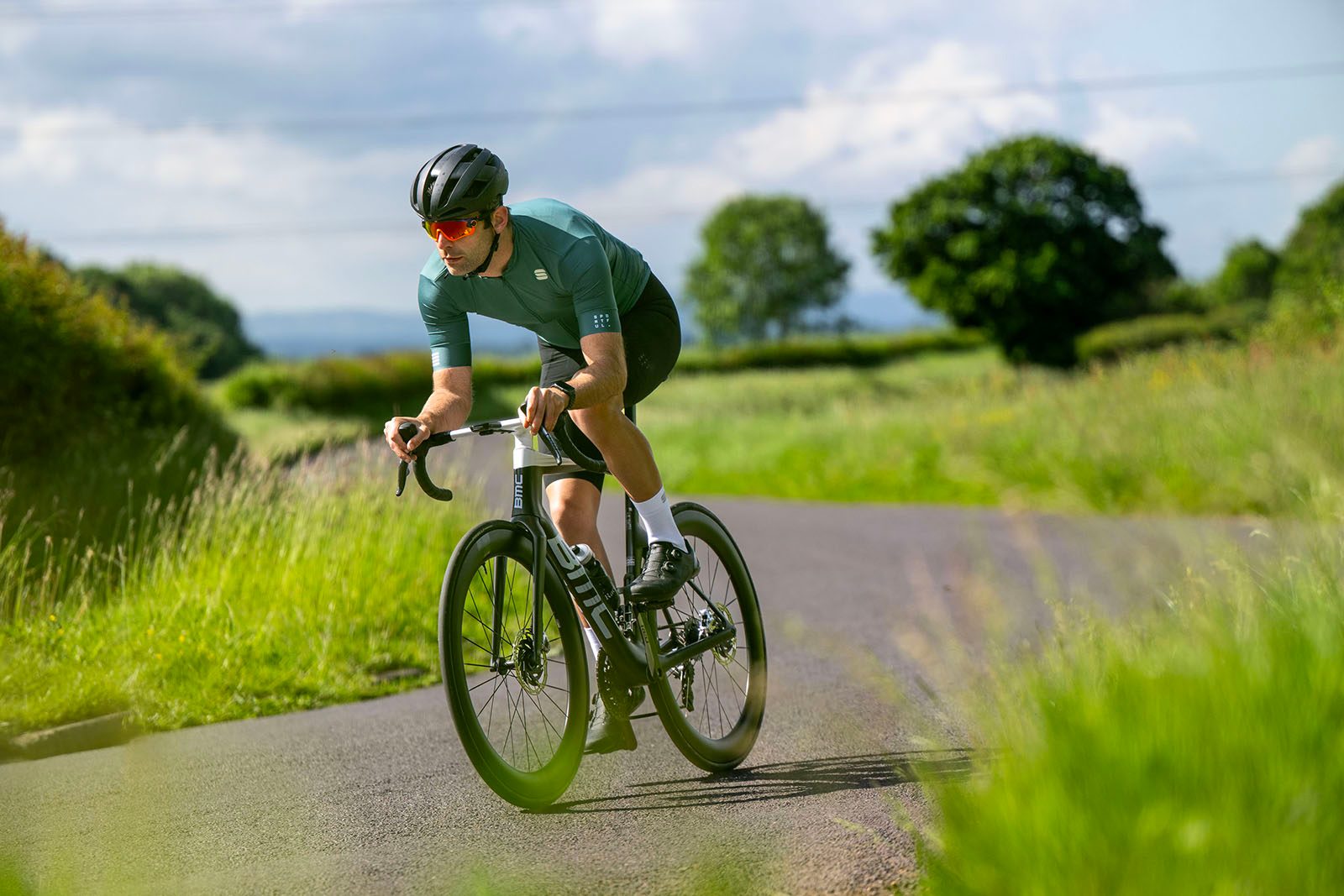
As mentioned above, an aero bike will typically promote a long, low ride position. That’s great for cutting through the wind, but make sure you’ll be comfortable riding an aero bike (or that it offers the adjustability you need) before taking the plunge. Neck, back, shoulder and hand pain can be issues if you’re not very flexible or not used to an aggressive position.
You may adapt to the position, but if you’re not racing you don’t want to end up suffering on your bike to go a little faster – being forced to cut your ride short due to pain or picking up an injury is counter-productive, to say the least.
Weight
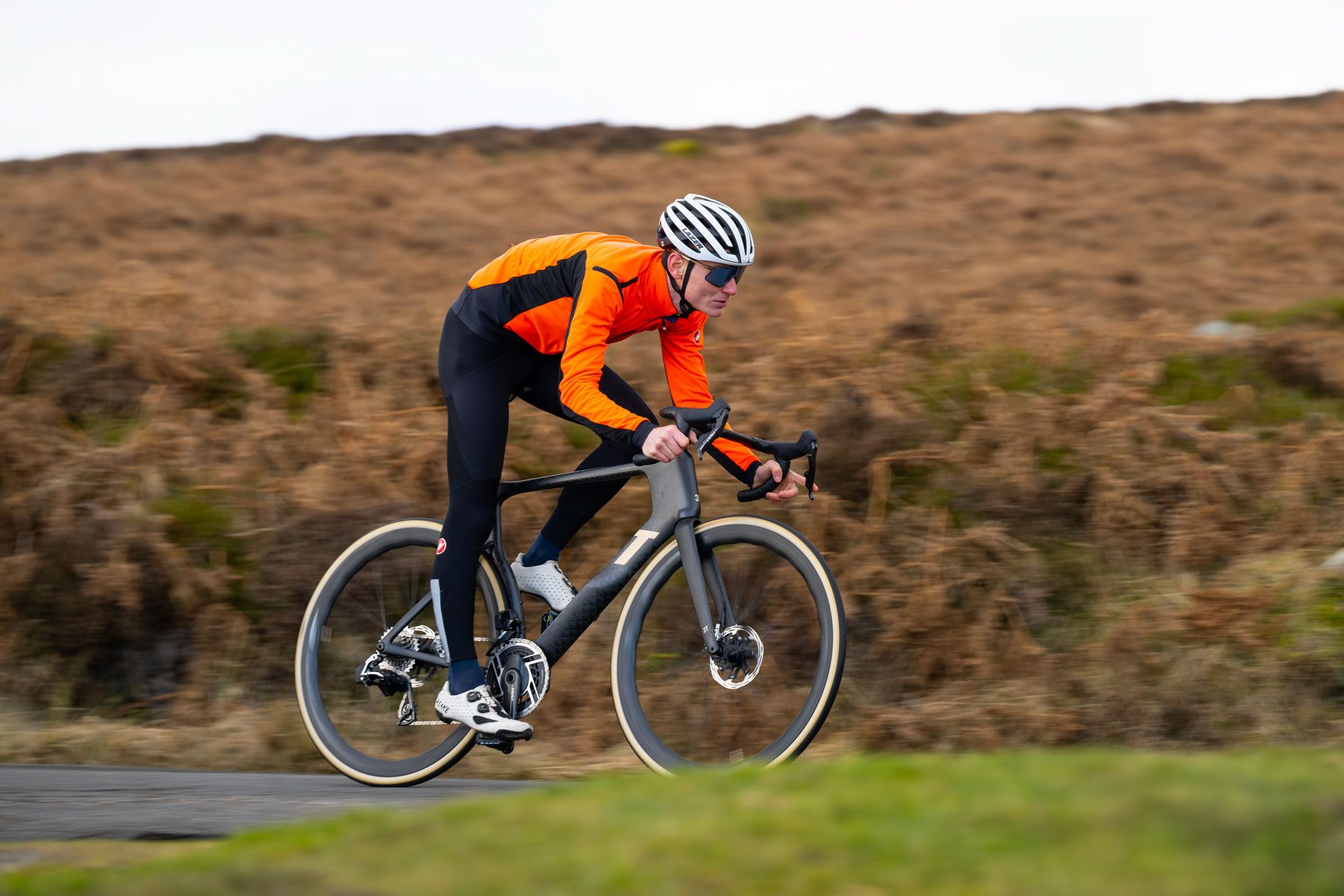
Weight used to be a driving factor behind bike design, with a lower weight perceived to result in a faster and better ride. Aero bikes disprove the rule, with many tipping the scale at around 8kg and feeling lightning-quick.
While a lightweight bike might serve you better on long climbs, the weight and performance difference between many more conventional bikes and aero bikes is marginal, and improving your power-to-weight ratio can be one way to offset the difference.
There are also ways to make your road bike lighter if you’re that way inclined.
A lightweight bike might feel more responsive, but geometry and tyre choice arguably have as much impact on the feel of a bike as weight. If you want something that feels responsive and snappy, look for a bike with a short wheelbase and a head tube angle of around 73.5 degrees.
Wheels
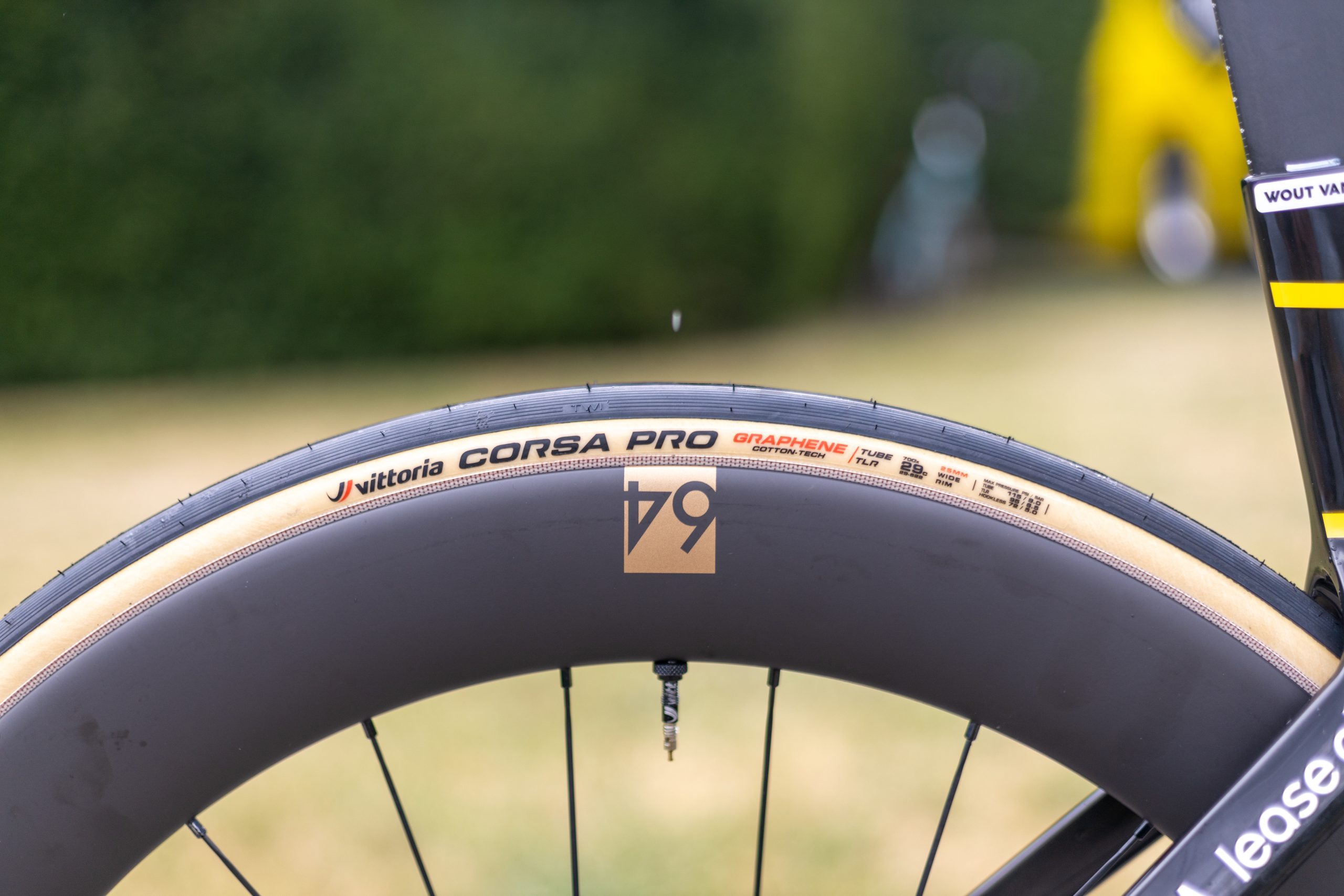
An aero bike needs an aero wheelset to complement – and make the most of – the frame’s aerodynamics. It’s still all too common to find an aero frameset equipped with budget, non-aero wheels. Recognising this, some brands are now fitting wheels worthy of the investment they’ve made in their frames.
Unless you’ve got a set of go-fast wheels already sitting at home, it’s worth looking for a bike that comes with decent deep-section wheels. If not, and you do want to upgrade, budget the best part of £1,000 for a set of the best road bike wheels.
Are aero road bikes worth it?
Aero bikes are commonplace in the pro peloton, where riders are chasing marginal gains and, of course, have access to the latest WorldTour bikes from their team sponsors.
The angular, sculpted frames of aero bikes particularly come to the fore on long, flat stages and under the sprinters, where the lower drag of wind-cheating tube profiles can give them the extra turn of speed they need to clinch a victory.
Teams and their bike sponsors will typically provide riders with the choice between an aero bike and a lightweight climbing bike, and some riders will swap between them depending on the terrain.
Some riders now stick to their aero bikes regardless of terrain, riding them on more undulating and mountainous territory. This is particularly true for breakaway specialists, who spend a lot more time in the wind than other riders and seek out whatever advantage they can get.
That said, one of the recent trends in bike design has been the combination of low weight and aerodynamics, and some brands offer just one machine to meet both requirements.
However, aero road bikes are the fastest option out there in the majority of circumstances and you don’t have to be a pro to benefit, especially if you’re a rider who places a lot of significance on riding fast. After all, for a lot of people, riding fast is fun.
Still, there is a lot to consider when it comes to finding the best aero road bike for your needs, especially for everyday riding.