Cannondale’s owners, Pon.Bike, announced this week that Cannondale’s historic USA office in Connecticut is set to close. Operations will move to its European headquarters in the Netherlands, with the brand’s USA sales being merged into Pon’s California sales operations where fellow Pon brands Cervélo and Santa Cruz are now based.
It goes without saying that the potential loss of jobs (reported to be more than 140) would be a sad day for those affected. However, I’m not sure some online reports saying this is the end for Cannondale bear any resemblance to the truth.
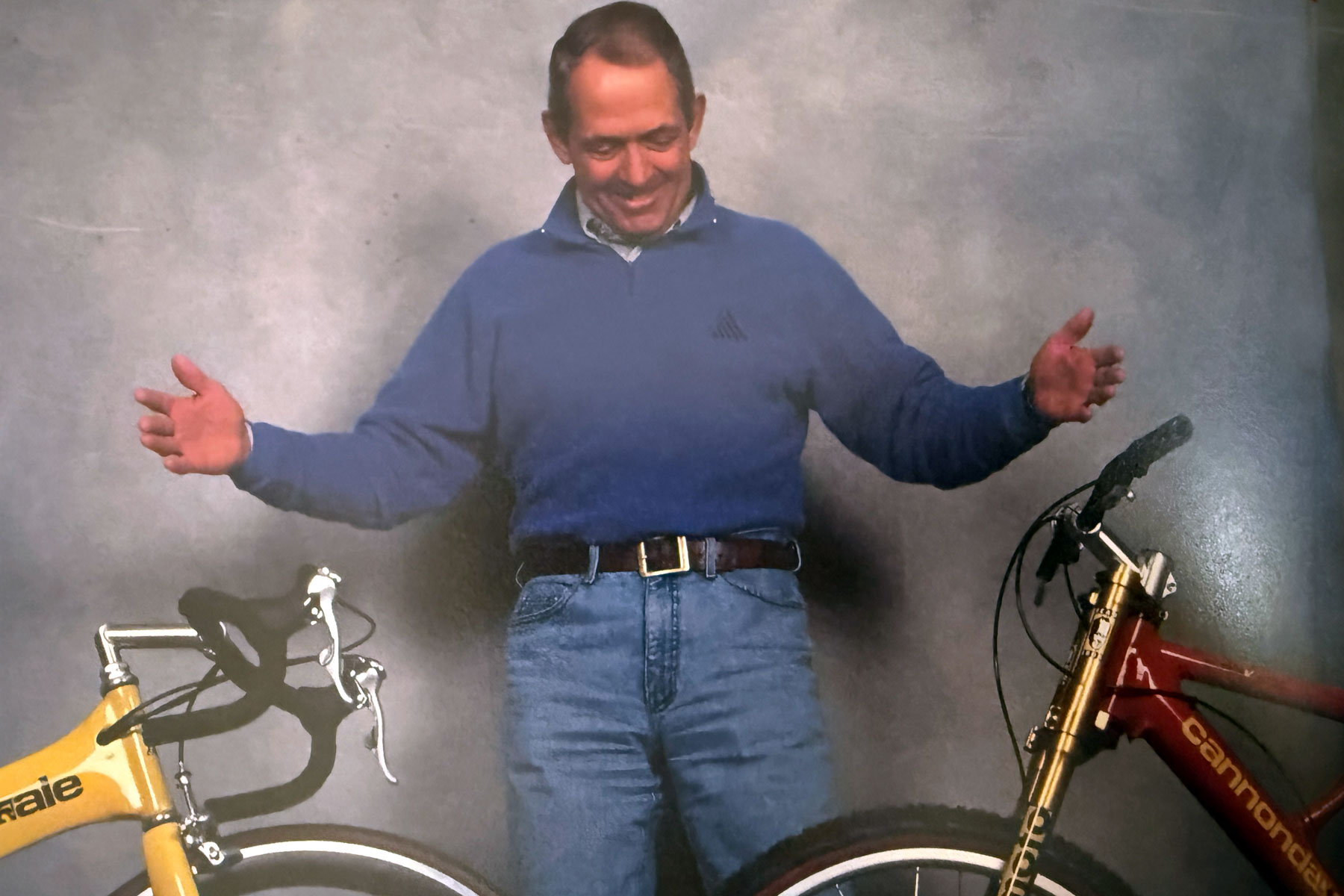
The historic Cannondale Wilton HQ, where Joe Montgomery and his partners based the company, holds a place in the hearts of Cannondale alumni and fans like me all over the world.
However, in a global economy for a global brand such as Cannondale it is, let’s face it, somewhat out of the way.
Cannondale is a $50m business and a key part of the Pon group. But despite being one of the biggest players in cycling, Pon hasn’t been immune to global conditions and uncertainty post-pandemic.
According to one of my industry sources, Pon had suggested that cost savings need to be made across all its brands with efficiencies across the board, which included consolidating properties and locations globally. Sadly, sentimentality isn’t going to cut it with accountants.
We all like to think of our favourite bike brands as being homegrown and local. Cannondale began in a loft above a pickle factory; Mike Sinyard sold his Volkswagen bus to fund a cycling trip that led to him founding Specialized; Trek began in a Wisconsin barn; Colnago started with a 22-year-old Ernesto fixing broken cranks; and Pinarello came from a local bike shop in Treviso, Italy.
But the reality is all those brands are now global corporations. Colnago is owned by Abu Dhabi’s Chimera Investments. Specialized is still under Sinyard's control, but Merida owns a 49% share. Pinarello has shifted control over the years from the Pinarello family to LMVH (Moet Hennessy Louis Vuitton) and then on to South African Billionaire Ivan Glasenberg (who also has stakes in Q36.5, SRM, Partington wheels and Amacx nutrition).
Trek is still owned by the Burke family, but it has investors. Pon owns Cannondale, along with Cervélo, Santa Cruz, BBB, Nimbl, Reserve wheels, Focus and many, many others. These are all companies that have come a long way.
What will change?
We’ve already seen Cannondale lose its historic and legendary mountain bike race team. That is a real shame, but is it down to sentimentality that we think it’s a bad move?
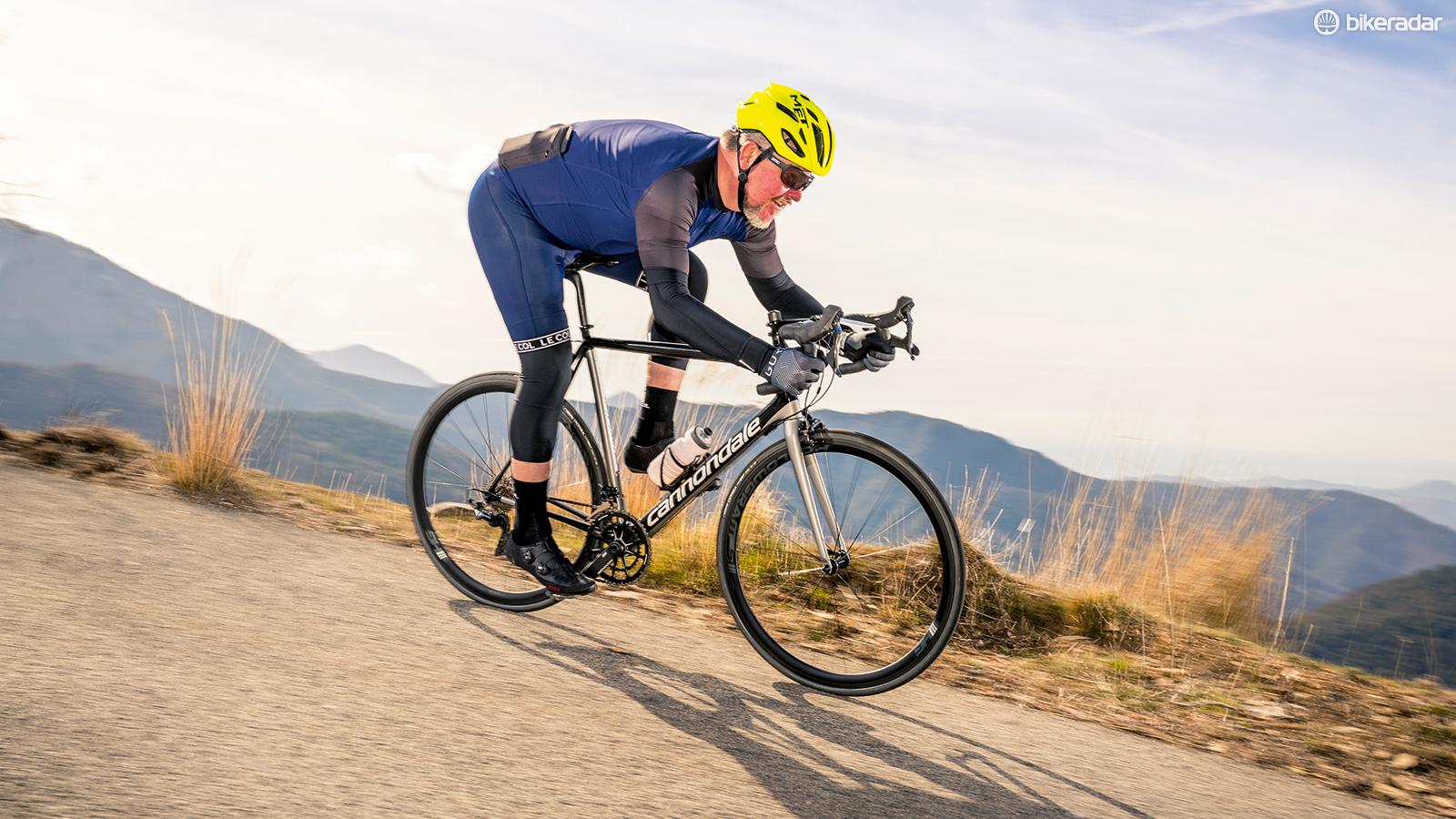
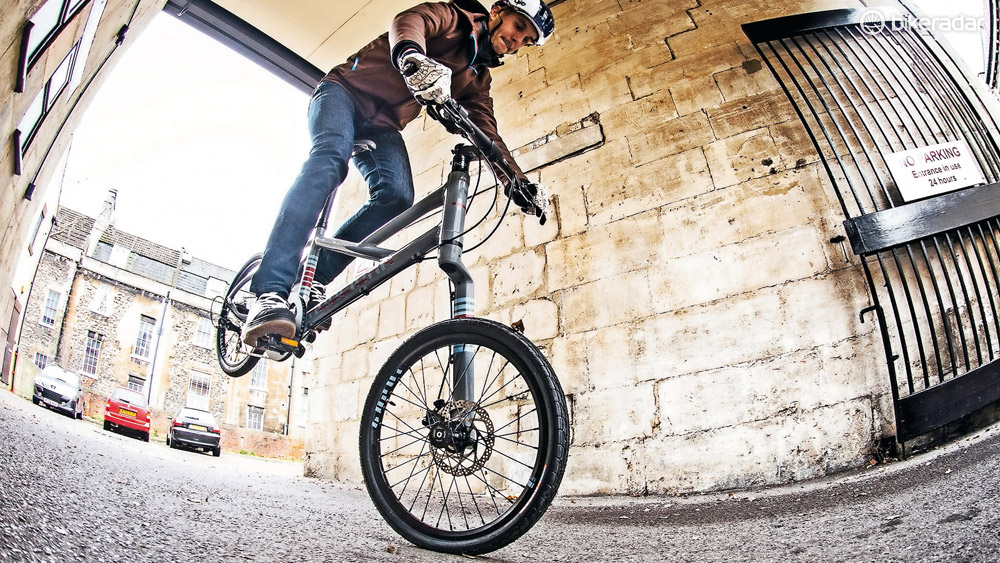
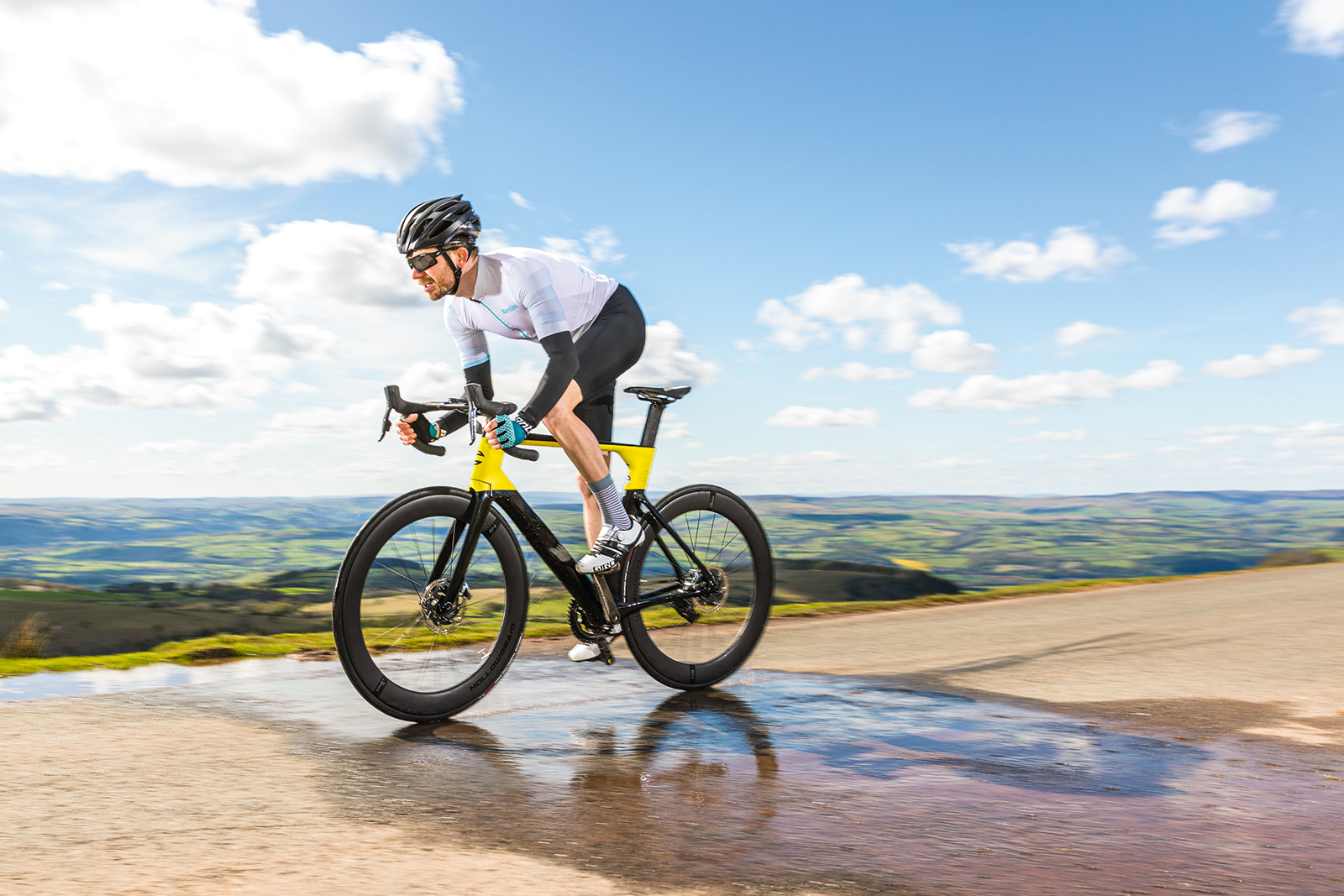
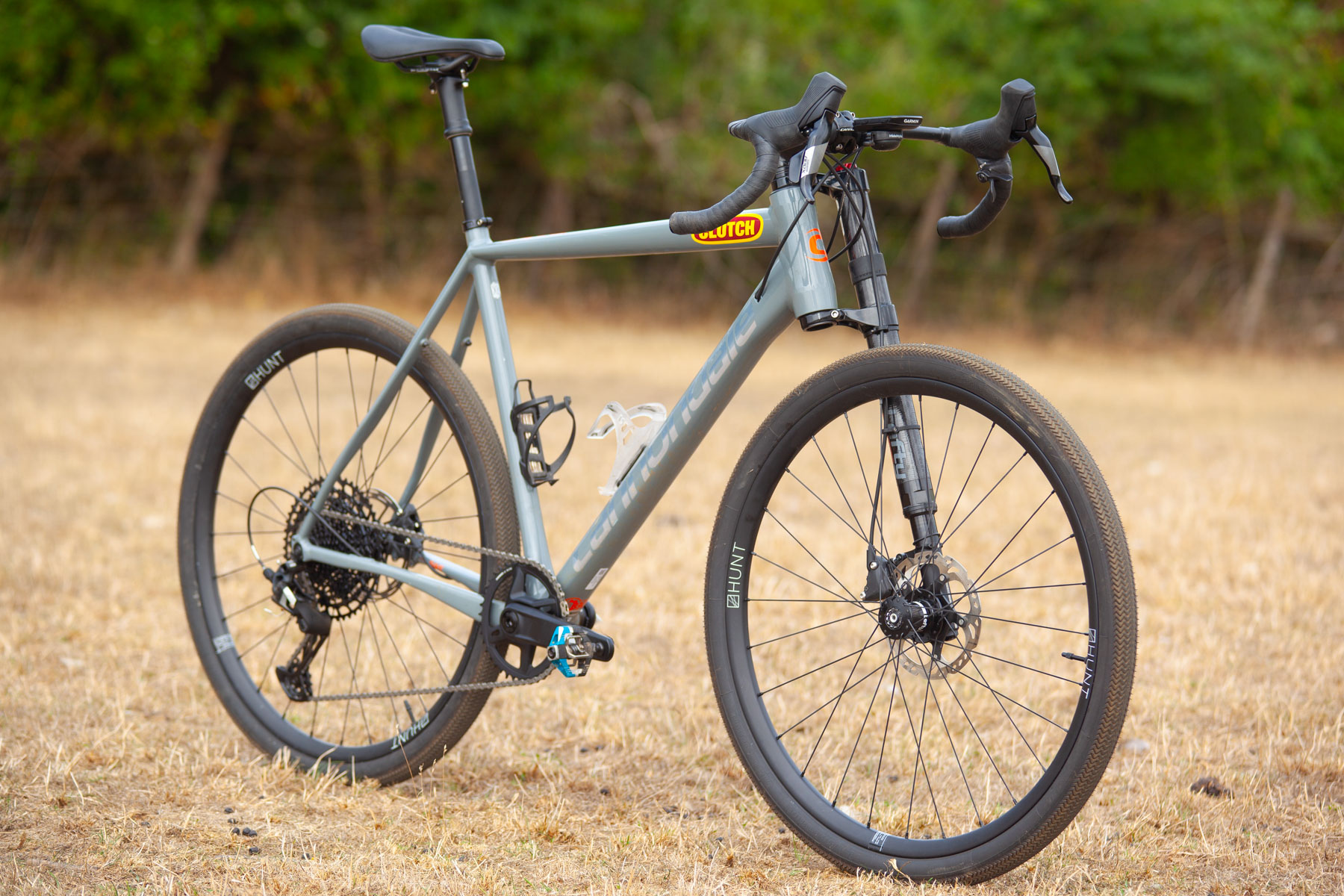
Cannondale is renowned for design – groundbreaking bikes such as the SuperSix EVO, as well as convention-challenging bikes such as the Hooligan, Bad Boy and numerous mountain bike platforms over the last 30 years.
I doubt the writing is on the wall for Cannondale for the simple reason that for the last 25 years or more its designs have been driven by a dedicated design team based not in the USA, but in Freiberg, Germany.
Cannondale always sent its best design talents from the States to Freiberg, along with designers from Europe. It has highly influential alumni including Eric Eagleman, Torgny Fjeldskaar and Peter Denk, who’ve gone on to design for the likes of Trek, BMC and Specialized.
Many of the bikes I know and love came from Europe, not the USA. That’s the SuperSix EVO, Synapse, SystemSix, Hooligan, Bad Boy, Topstone, every CAAD since 2011, and many, many, more.
When Cervélo moved from its spiritual home in Toronto, Canada, it lost some key staff who didn’t want to move Stateside. That has been a big loss to the brand (and a big gain for Factor, with previous product lead Graham Shrive now heading up Factor design), but it doesn’t seem to have stifled the brand's ambitions and designs.
Cervélo, out of California, has refined the S5, lightened the R5 and innovated on the aero-optimised Áspero 5. It has also made moves into XC mountain bikes and worked closely with fellow Pon brand Reserve on cutting-edge road and gravel wheelsets.
I don’t want to come across as an apologist for the globalisation of industries, but it is the reality of the modern world.
Look outside the bike industry; it’s not as if Levi’s is making all its denim in San Antonio (it hasn’t made any in its historic HQ since 2003). Nike made its first shoes in Eugene, Oregon, but It hasn’t made footwear in the USA since 1971.
Apple has never made an iPhone in America. Even the most British of car brands, Mini (owned by BMW), only assembles some models in Oxford (from imported parts) and the design is based in Munich, Germany. The modern Mini was designed by Moroccan-born Spanish-American Frank Stephenson.
Hope for Cannondale
Cannondale’s upheaval is a big change, but let’s not forget much has already changed since Joe Montgomery's time. Cannondale went bankrupt in 2003, before it was bought by Pegasus Capital. It was stabilised and sold to Dorel Industries five years later. Then, after many years of success (and global expansion), it was acquired by Dutch conglomerate Pon in 2021.
Frankly, it’s remarkable that Cannondale has weathered so many storms and survived.
I think that is down simply to great design and great bikes. I hope the bean counters at Cannondale’s Dutch headquarters understand that Cannondale’s unique appeal is down to that great design and not geography.